Mexico City doesn’t have a festival season. It has a festival calendar that runs twelve months straight, barely pausing to catch its breath between the last firework of New Year’s and the first rosca de reyes slice on January 6th. We’ve spent years chasing parades through the Historic Center, dodging confetti on Paseo de la Reforma, and standing shoulder-to-shoulder with millions of capitalinos who treat every major celebration like it might be their last.
This guide covers every event worth planning a trip around — month by month, with the practical details you actually need. When to show up, where to stand, what to expect, and how bad the crowds really get.
January: Dia de Reyes (January 6)
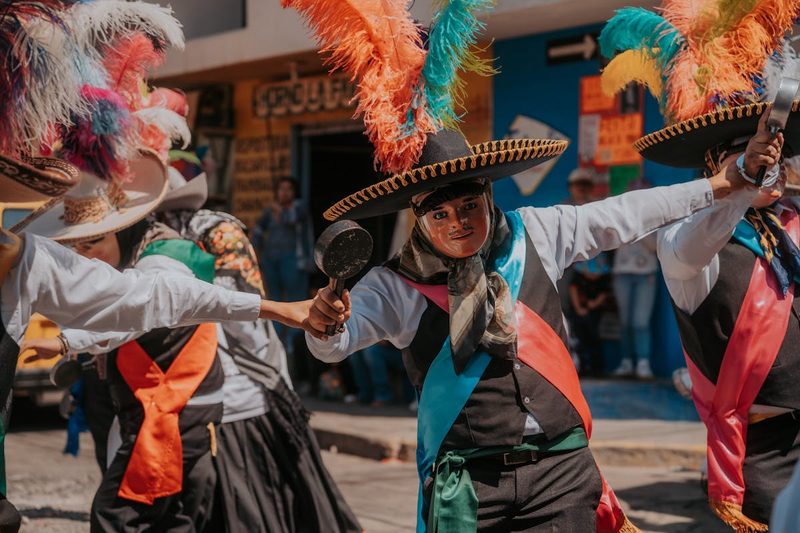
While the rest of the world packed away Christmas two weeks ago, Mexico City is just getting to the good part. Dia de Reyes — Three Kings’ Day — is when Mexican kids traditionally receive their gifts, and the entire city celebrates by eating rosca de reyes, a sweet oval bread hiding small plastic baby Jesus figures inside. Whoever finds one in their slice has to throw a party on February 2nd (Candelaria, more on that below). It’s a brilliantly designed chain of obligations.
The Zocalo hosts the main event: a free Rosca de Reyes so enormous it could feed a small town. We’re talking a bread ring that stretches across the entire plaza, served to tens of thousands of people. The line forms early — we’re talking 7 AM for a noon cutting — but there’s live music and entertainment while you wait. The atmosphere is genuinely joyful. Families everywhere, kids buzzing with excitement, vendors selling hot chocolate and tamales from every direction.
Practical tip: The Metro gets crushed. Arrive via a side street approach from the west if you can, and don’t bring anything you can’t hold close to your body. Pickpockets work these crowds hard.
February: Candelaria (February 2)
Remember that plastic baby Jesus from the rosca? This is the payoff. Candelaria is technically a Catholic celebration of the presentation of Jesus at the temple, but in Mexico City it’s become Tamale Day. Whoever found the figurine in their bread is honor-bound to provide tamales for everyone who shared the rosca. Offices, families, friend groups — everyone’s collecting on this debt.
The streets around Coyoacan’s central plaza fill with tamal vendors selling every variety imaginable: green salsa, red salsa, mole, rajas con queso, sweet tamales with pineapple or strawberry. Markets across the city overflow with them. It’s not a single event you attend — it’s a citywide eating occasion.
Practical tip: Visit any major market (Mercado de Coyoacan is our pick) before noon for the best selection. By mid-afternoon, the most popular vendors sell out. Crowds are manageable since the celebration is spread across the whole city rather than concentrated in one spot.
March: Festival del Centro Historico
Every March, the Historic Center transforms into a sprawling arts festival that’s genuinely one of the best cultural events in Latin America. For roughly two weeks, churches become concert halls, plazas become stages, and colonial courtyards host everything from contemporary dance to experimental theater to full orchestral performances.
The programming is ambitious — past editions have featured international jazz ensembles, indigenous music collectives, multimedia installations in the Metropolitan Cathedral, and free outdoor film screenings. Many events are free. The paid ones are shockingly affordable by international festival standards, often under 300 pesos for world-class performances.
Practical tip: The festival publishes its full program about three weeks in advance. We strongly recommend scanning it early and booking tickets for anything that interests you — the free events are first-come-first-served, so arrive 30–45 minutes before showtime. The Historic Center’s restaurants and bars ride the wave with special menus and extended hours.
March-April: Jacaranda Season
This isn’t technically a festival, but we’d argue it’s the single most beautiful thing that happens in Mexico City all year. Starting in mid-March and running through April, tens of thousands of jacaranda trees erupt in violet-purple blossoms across the city. Entire avenues turn into purple tunnels. It’s absurd how photogenic it gets.
The best spots for jacaranda viewing: Condesa (particularly Avenida Amsterdam), Roma Norte (any residential street), Coyoacan’s side streets, and the stretch of Reforma between the Angel of Independence and Chapultepec. If you’re into photography, this is the absolute peak time to visit.
Practical tip: Peak bloom varies year to year but usually hits the last week of March through the first two weeks of April. No crowds to worry about — just walk any neighborhood and look up. Early morning light through the blossoms is unreal.
March/April: Semana Santa and the Iztapalapa Passion Play
Holy Week in Mexico City is massive, but the headline event is the Passion Play in Iztapalapa — and we genuinely mean headline. This is the largest live theatrical event in the world. Over one million spectators pack the streets of Iztapalapa over the course of Holy Week to watch a cast of thousands reenact the final days of Christ, culminating in a full crucifixion scene on Cerro de la Estrella on Good Friday.
We need to be clear about the scale here: this isn’t some quaint local tradition. It’s been running since 1843, involves roughly 5,000 actors, and the production values would make Broadway jealous. The actor playing Jesus carries an actual heavy wooden cross through the streets for hours. The Roman soldiers ride real horses. The crowd is so dense in places that you literally cannot move.
Beyond Iztapalapa, Semana Santa brings processions through the Historic Center, special church services at the Metropolitan Cathedral, and a general slowdown across the city as many businesses close Thursday through Sunday.
Practical tip: If you’re going to Iztapalapa, commit fully. Arrive by 8 AM on Good Friday at the latest. Bring water, sunscreen, a hat, and patience. There are no seats — you stand for hours. The Metro (Line 8 to Iztapalapa) will be shoulder-to-shoulder. Consider getting a hotel nearby instead. Also worth noting: many restaurants and attractions in tourist areas close or reduce hours during Holy Week. Plan accordingly.
May-June: Feria de las Culturas Amigas
The Zocalo becomes a miniature world’s fair during this multi-week festival, typically running late May through mid-June. Dozens of countries set up pavilions around the main plaza, each serving their national food, selling crafts, and hosting cultural performances. It’s free to enter and genuinely fun to wander.
The food is the real draw. Where else can you eat Senegalese thieboudienne, then walk thirty meters for Korean bibimbap, then finish with Peruvian ceviche — all in a 16th-century plaza flanked by the Metropolitan Cathedral? The quality varies by pavilion (some countries clearly sent their A-team, others did not), but the hits make up for the misses.
There are also concerts on the main stage most evenings, ranging from local Mexican acts to international artists brought in by participating embassies. The beer options are surprisingly solid thanks to European country pavilions.
Practical tip: Go on a weekday afternoon if you can. Weekends get absolutely packed — we’re talking 45-minute lines for popular food stalls. The festival usually runs from about 10 AM to 9 PM daily. Bring cash; not every stand takes cards. Budget around 500–800 pesos for a solid food tour of the pavilions.
Late June: Mexico City Pride
Mexico City Pride has grown into one of the largest Pride celebrations in Latin America, with recent editions drawing over a million participants. The main march runs down Paseo de la Reforma from the Angel of Independence to the Zocalo, and it’s a genuinely spectacular parade — elaborate floats, thumping sound systems, and a joyful energy that’s hard to overstate.
The party doesn’t stay on Reforma. Zona Rosa, the city’s historically LGBTQ+ neighborhood, goes all out with street parties, bar events, and performances that run well past midnight. Condesa and Roma Norte also host plenty of unofficial gatherings and club events.
Mexico City legalized same-sex marriage back in 2009 — years before most countries — and Pride here feels like a genuine celebration rather than just a protest. The support from straight allies and families is massive.
Practical tip: The march typically starts around 10 AM and the front reaches the Zocalo by early afternoon. Station yourself along Reforma near the Angel by 9:30 AM for the best vantage point. Sun protection is critical — there’s zero shade on Reforma. The Zona Rosa afterparty rages until dawn, so pace yourself. Hotels along the route book up fast; reserve at least two months ahead if you’re visiting specifically for Pride.
August: Maraton de la Ciudad de Mexico
The Mexico City Marathon every August is one of the biggest road races in the Americas, drawing around 30,000 runners along a course that hits many of the city’s iconic landmarks. Even if you’re not running, it’s worth setting an alarm to watch — the route passes through Chapultepec, down Reforma, through the Historic Center, and finishes near the Zocalo.
The race starts early — 7 AM — to beat the worst of the heat and altitude. At 2,240 meters elevation, this is one of the highest-altitude major marathons in the world, and watching runners deal with that thin air is humbling.
Practical tip: If you want to run it, registration opens in April and sells out by June most years. If you’re spectating, the stretch along Reforma between the Angel and the entrance to Chapultepec offers the best crowd atmosphere. Road closures affect traffic citywide until early afternoon.
September 15-16: Mexican Independence Day
This is the big one. The night of September 15th, hundreds of thousands of people flood the Zocalo for El Grito — the reenactment of Father Hidalgo’s 1810 call for independence. The president steps onto the balcony of the National Palace at 11 PM, rings the same bell Hidalgo rang, and shouts the names of independence heroes while the crowd below screams “Viva!” after each one. Then fireworks explode over the cathedral, the military band plays, and the entire plaza loses its collective mind.
We’ve done El Grito in the Zocalo three times now, and it still gives us chills. There’s something about standing in that massive plaza, surrounded by a quarter million people all screaming “Viva Mexico!” in unison, with fireworks reflecting off the Cathedral and the National Palace — it’s genuinely moving, even if you’re not Mexican.
September 16th follows with the military parade down Reforma, featuring troops, tanks, military vehicles, and flyovers. It starts at the Campo Marte in Chapultepec and proceeds east along Reforma through the Historic Center.
Practical tip: For El Grito, the Zocalo gates open around 4 PM but the real crowd surge starts at 8 PM. If you want to be close to the National Palace balcony, arrive by 5 PM. Bring nothing valuable — the crush of people makes theft trivially easy. No bags larger than a small backpack are allowed. The Metro closes late on this night but will be absolute chaos. Budget for a taxi home and accept you’ll wait. For the September 16th parade, line Reforma by 9 AM for a good spot. The military hardware is genuinely impressive.
October: Alebrije Parade
If Day of the Dead is Mexico City’s most famous October event, the Alebrije Parade is its most visually insane. Giant fantastical creatures — alebrijes, the brightly painted folk art sculptures — are built to enormous scale (some over four meters tall) and paraded down Reforma from the Anthropology Museum to the Angel of Independence. Think dragon-jaguar hybrids in neon pink, winged serpents covered in polka dots, and fish with human faces painted in twenty colors.
The craftsmanship is staggering. Teams of artisans from across Mexico spend months building these pieces, and there’s a juried competition for the best ones. After the parade, the alebrijes are displayed along Reforma for several weeks so you can examine them up close.
Practical tip: The parade usually happens on a Saturday in mid-October. It starts around noon and takes about two hours to pass any given point. Position yourself anywhere along Reforma between the Anthropology Museum and the Angel. Crowds are present but manageable — nothing like Independence Day or Day of the Dead.
October: Mexican Grand Prix
Formula 1 returned to Mexico City in 2015 at the Autodromo Hermanos Rodriguez in the eastern part of the city, and it’s become one of the most popular races on the calendar. The atmosphere in the stadium section (where the track cuts through a baseball stadium — yes, really) is legendarily loud. Mexican F1 fans don’t hold back.
Race weekend typically falls in late October, and the entire city gets into it. Bars across Roma Norte, Condesa, and the Historic Center set up screens for viewing parties. If you can get a ticket, the experience inside the circuit is world-class.
Practical tip: General admission tickets sell out fast but are affordable by F1 standards — around 3,000-4,000 pesos for Sunday. Grandstand seats run much higher. The stadium section (Foro Sol) is the signature experience but costs the most. Getting to and from the circuit is the main hassle; the Metro gets overwhelmed, and traffic is gridlocked for hours after the race. Book accommodation in the eastern part of the city or resign yourself to a very long journey back.
Late October-November 2: Day of the Dead
We almost don’t need to introduce this one, but the reality on the ground in Mexico City is different from what most people imagine. Day of the Dead isn’t a single event — it’s a weeks-long buildup that peaks on November 1st (for deceased children) and November 2nd (for deceased adults).
The mega-parade down Reforma — the one with giant skeleton floats, thousands of participants in face paint, and elaborate choreography — is actually relatively new. It started in 2016, partly inspired by a James Bond film, and has since become a genuine tradition drawing millions of spectators. The route runs from Chapultepec to the Zocalo, and it’s absolutely spectacular.
But the more authentic experiences happen elsewhere. Coyoacan sets up massive community altars (ofrendas) in its central plazas, and the atmosphere is both reverent and festive — families eating pan de muerto, kids in costume, marigold petals covering every surface. San Angel does something similar on a quieter scale. The mega-ofrenda at UNAM (the national university) is worth the trip south.
For the most intense experience, head to San Andres Mixquic, about an hour southeast of the city center. On the night of November 1st, families gather in the cemetery to spend the entire night with their deceased relatives — lighting candles on every grave until the whole cemetery glows. It’s haunting, beautiful, and unlike anything else we’ve ever witnessed. Just remember: these are real families mourning real people. Be respectful, ask before photographing, and keep your voice down.
Practical tip: The Reforma parade happens on the Saturday before November 2nd, starting in the afternoon. Arrive by 2 PM for a spot along the route. For Mixquic, you’ll need a car or organized tour — public transit doesn’t cover it well, especially for the late-night cemetery visit. Book accommodation months in advance; Day of the Dead is now peak tourist season and hotels triple their rates. The Historic Center fills with altars and decorations starting in mid-October, so even an early visit catches the vibe.
December: Christmas Season
We’ve written a full guide to Christmas in Mexico City, but here’s the overview. The holiday season starts earlier than you’d expect — decorations go up in November — and runs deep into January. The Zocalo gets a massive ice rink, Christmas tree, and light displays that draw thousands of families nightly. Reforma gets illuminated end to end.
The posadas — reenactments of Mary and Joseph’s search for lodging — happen in neighborhoods across the city from December 16th through the 24th. These are community events with processions, songs, pinatas, ponche (fruit punch), and tamales. Finding one to join isn’t hard; just walk through any residential neighborhood in the evenings and follow the singing.
Christmas Eve (Nochebuena) is bigger than Christmas Day here. It’s a family affair — don’t expect much to be open. December 25th is quieter than you’d expect from a city of 22 million people.
Practical tip: The Zocalo ice rink is free and open from late November through early January, but weekend lines can stretch past an hour. Go on a Tuesday or Wednesday evening. The weather in December is crisp and clear — perfect for walking. Read our full Christmas guide for restaurant and event recommendations.
December 31: New Year’s Eve
New Year’s in Mexico City is surprisingly decentralized. There’s no single iconic countdown spot like Times Square or the Champs-Elysees. Instead, the celebration happens in restaurants, homes, rooftop bars, and scattered public plazas. The Zocalo hosts a public celebration with live music and fireworks at midnight, but it’s not the overwhelming mega-event you might expect.
The rooftop bar scene in Roma Norte and Condesa is where a lot of the action concentrates for visitors. Many restaurants offer special prix fixe dinners (reservations essential — book by mid-December). The traditional midnight ritual involves eating twelve grapes, one for each chime of the clock, each representing a wish for the coming year. Try not to choke.
Practical tip: Don’t expect to find a taxi or rideshare easily between 11 PM and 1 AM. Either stay within walking distance of your hotel or arrange transport in advance. Many restaurants require a minimum spend on NYE, typically 1,500-3,000 pesos per person. The city feels empty on January 1st — most things are closed until afternoon.
Planning Your Trip Around Mexico City’s Festivals
If we had to pick the single best festival to build a trip around, we’d say Day of the Dead — but only if you book three months ahead and accept that you’ll be sharing the experience with a lot of other tourists. For something less crowded but equally memorable, the Festival del Centro Historico in March or the Feria de las Culturas Amigas in May are fantastic and largely under the international tourist radar.
A few universal tips that apply to every major event on this list:
- The Metro is your best friend and worst enemy. It’ll get you close to any major event for 5 pesos, but during peak festival times it operates at absolute maximum capacity. Budget extra time and protect your belongings.
- Cash is still king at street-level festival events. ATMs near major venues run out during big celebrations. Withdraw what you need the day before.
- Sunscreen and water. Mexico City sits at 2,240 meters. The UV index is brutal, the altitude dehydrates you faster than you expect, and most festivals involve hours of standing outdoors.
- Hotels spike during Day of the Dead and Christmas. For everything else, you can usually find normal rates if you book two to three weeks ahead.
- Don’t skip the smaller stuff. We’ve listed the headliners, but Mexico City throws neighborhood-level fiestas practically every week. Ask your hotel or host what’s happening locally — some of our best festival memories come from stumbling into a random barrio celebration we’d never have found in a guidebook.
Mexico City’s calendar doesn’t have an off-season. Whatever month you visit, something’s happening. That’s not a tourism slogan — it’s just how this city operates. Twenty-two million people, and it feels like they’re always looking for the next reason to fill a plaza, block a street, and throw a party worth remembering.