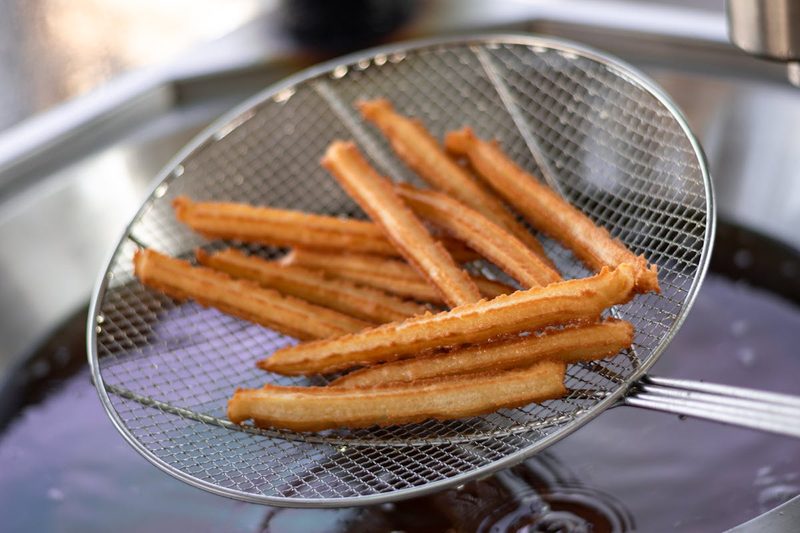
Mexico City takes its sweets seriously. This is a country that invented chocolate as a beverage, elevated the churro to an art form, and maintains a bakery tradition (pan dulce) so vast that the average panaderia carries 50+ varieties of sweet bread. The dessert scene here isn’t an afterthought — it’s a parallel food culture with its own institutions, obsessives, and late-night rituals.
We’ve spent an embarrassing amount of time cataloging the city’s best dessert spots. Here’s what we found.
Churros

El Moro
Let’s start with the institution. El Moro has been frying churros in the Historic Center since 1935, and if you’ve seen any “best churros in Mexico City” list, this place was on it. The original location on Eje Central, near the Alameda, is open 24 hours and hasn’t changed its recipe in nearly nine decades. The churros are fried to order, dusted with sugar, and served alongside cups of thick hot chocolate in four varieties: Spanish (thick and dark), French (with milk), Mexican (with cinnamon and vanilla), and Swiss (sweetened).
The move is simple: order a porcion of four churros and a cup of the Mexican chocolate. Dunk. Repeat. The total cost is around 80-100 pesos, and the experience is worth ten times that. El Moro has expanded to locations in Roma and Condesa, but the original has the atmosphere — tile counters worn smooth by decades of elbows, the smell of hot oil and chocolate at 2 AM, and a clientele that ranges from post-club crowds to 80-year-old regulars who’ve been coming here since the Eisenhower administration.
Other solid churro spots: Churreria El Convento near the Zocalo does a filled churro (cajeta, chocolate, or cream) that’s messy and excellent. Several street vendors around the Historic Center do acceptable versions, but quality varies wildly — look for ones that fry to order rather than sitting in a warmer.
Ice Cream and Nieves
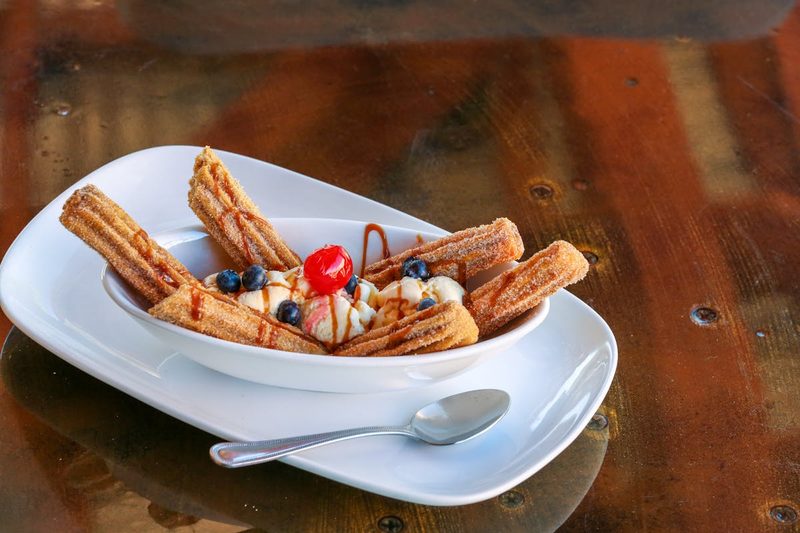
The distinction matters. Helado is ice cream — cream-based, rich, familiar. Nieves are water-based frozen treats closer to sorbet, a tradition that predates refrigeration and originates from indigenous ice-harvesting practices on the volcanoes surrounding the Valley of Mexico.
For nieves, the gold standard is anything from Oaxaca-style nieve vendors. Tepoznieves (a chain with locations across the city) does exotic flavors — mezcal, mamey, tuna (prickly pear), leche quemada — that are worth the lines. The prices are reasonable (40-60 pesos for a generous serving) and the flavors rotate seasonally.
For proper ice cream, Helado Obscuro in Roma does dark, intense flavors that lean adult — their mezcal-chocolate is outstanding, and they do a pulque flavor that’s divisive but fascinating. Neve Gelato in Condesa does Italian-style gelato with Mexican ingredients (corn, cajeta, tamarind) that bridges both traditions successfully.
La Especial de Paris, inside the Mercado de San Juan, has been making ice cream since 1921. The pistachio and the mango are the ones to get.
Pan Dulce
Mexican sweet bread is a universe unto itself. The average neighborhood panaderia offers dozens of varieties, each with its own name and shape: conchas (the shell-shaped ones with sugar crust — the most iconic), cuernos (horns, like a sweeter croissant), polvorones (crumbly shortbread cookies), orejas (elephant ears, like a palmier), campechanas (flaky, layered, buttery), and many more. The tradition dates to the French occupation in the 1860s, when French bakers adapted their techniques to local ingredients and tastes.
The ritual: grab a tray and tongs at the bakery entrance, walk the shelves, pick whatever looks good, pay at the counter (rarely more than 10-15 pesos per piece). Pan dulce is traditionally an evening snack, served with cafe de olla (cinnamon-spiced coffee) or hot chocolate around 6-8 PM. This is called merienda, and it’s a meal category that doesn’t quite exist in English.
For the best pan dulce experience, Pasteleria Ideal in the Historic Center is overwhelming in the best sense — a multi-story bakery with hundreds of varieties spread across tables like a museum exhibit. Panaderia Rosetta in Roma (the bakery arm of the famous restaurant) does elevated versions using European techniques and high-quality butter. Their guava-and-cream-cheese concha is probably the best single piece of pan dulce in the city.
Chocolate
Mexico is where chocolate began — the Aztecs drank it as xocolatl, flavored with chili and vanilla, centuries before Europeans added sugar and milk. The city’s contemporary chocolate scene honors that history while pushing forward.
Que Bo! in Roma is the standout. Founded by chef Jose Ramon Castillo, it sells bonbons, bars, and drinking chocolate made from single-origin Mexican cacao. The flavors are distinctly Mexican — chipotle, mezcal, amaranth, chapulines (grasshoppers) — and the quality is genuinely world-class. A box of bonbons runs 200-500 pesos depending on size, and they make excellent gifts.
Tout Chocolat, also in Roma, does a more European-influenced chocolate program with pralines, truffles, and pastries. The hot chocolate here is possibly the richest in the city — thick enough to stand a spoon in.
For a more traditional experience, the drinking chocolate at Cafe El Jarocho in Coyoacan is made the old way — ground cacao, cinnamon, sugar, whisked until frothy. It costs almost nothing (20-30 pesos) and tastes like history.
Flan
Flan is everywhere in Mexico City — on every restaurant dessert menu, in every fonda’s comida corrida, at every family gathering. The Mexican version uses condensed milk and evaporated milk, giving it a denser, creamier texture than the Spanish or French originals. The caramel on top (made from burned sugar) should be bitter enough to balance the sweetness of the custard.
Most flan in restaurants is fine. Good flan is harder to find than you’d think. The best we’ve had is at Cafe de Tacuba in the Historic Center, where it’s made from a recipe that’s been unchanged for decades, and at El Cardenal, where they do a version with cajeta (goat’s milk caramel) that borders on excessive but in the best way.
The Late-Night Circuit
Mexico City’s dessert culture peaks after dark. El Moro at midnight. Pan dulce runs to the corner panaderia at 7 PM. Churro vendors outside bars at 1 AM. The best dessert crawl in the city starts in the Historic Center and works through Roma: Pasteleria Ideal for pan dulce, El Moro for churros and chocolate, Que Bo! for bonbons, and Helado Obscuro for a nightcap scoop.
For more on the city’s food scene, check our complete food and restaurant guide.