
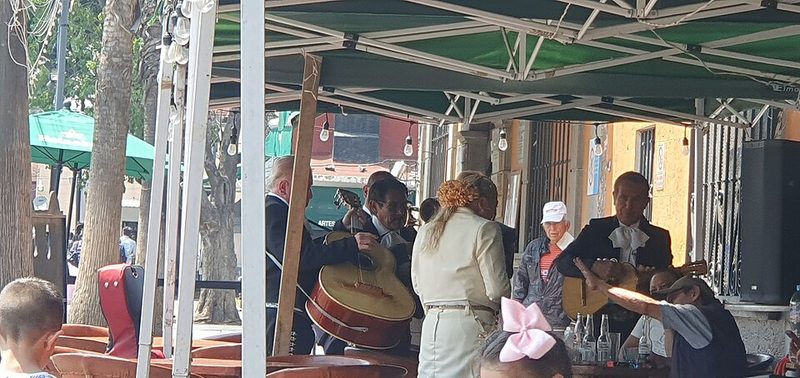
If you want to understand Mexico through its music — not the tourist version, not the sanitized version, but the real, raw, centuries-old musical tradition that runs through the country’s veins — Mexico City is where all the threads come together. Every regional folk music tradition in the country has a presence here, brought by generations of migrants who came to the capital from every state and brought their songs with them. Mariachi, son jarocho, son huasteco, norteno, banda, marimba — it’s all here, performed live, every night of the week, in venues ranging from grand plazas to tiny bars where the musicians outnumber the audience.
This isn’t nostalgia or heritage preservation, though it’s that too. Traditional music is a living, breathing part of Mexico City’s nightlife. The musicians who play it are working artists, not museum exhibits. They innovate within the traditions, argue about technique, and compete fiercely for audience attention. A night spent listening to folk music in this city isn’t a cultural obligation — it’s one of the most thrilling things you can do after dark.
Plaza Garibaldi: The Mariachi Epicenter

Plaza Garibaldi is the first name anyone mentions when you ask about traditional music in Mexico City, and there’s a reason for that. This is the mariachi capital of the world — a public plaza in the Historic Center where dozens of mariachi groups gather nightly, dressed in their traje de charro (the elaborate suit with silver buttons, embroidery, and wide-brimmed sombrero), waiting to be hired.
The experience is unlike anything else. You walk into the plaza and you’re surrounded by competing bands, each playing for different customers, the music overlapping and blending into a wall of trumpets, violins, and vocal harmonies. You can hire a group to play specific songs (negotiate the price first — typically 100-200 pesos per song), or you can just stand and absorb the atmosphere as groups play for other customers nearby.
The quality ranges widely. Some groups at Garibaldi are seasoned professionals who’ve played for decades — their harmonies are tight, their trumpet work is flawless, and they know hundreds of songs by heart. Others are less polished. As a general rule, the groups that look slightly older and slightly less eager to hustle tend to be the better musicians. But even the less experienced groups carry a sincerity that makes the performance worthwhile.
The bars surrounding the plaza — Salon Tenampa is the most famous — offer a more structured experience. You sit inside, order drinks, and the house mariachi plays. The cover charge or minimum spend is usually modest, and the quality of the house bands is typically high because these venues have reputations to maintain.
Garibaldi at night is a genuine experience, but use common sense. Stay in the lit areas, keep your valuables secured, and use a ride-sharing app to get there and back. The plaza has improved significantly in safety and infrastructure in recent years, but it’s still a major gathering point in Centro and warrants basic street smarts.
Son Jarocho: The Sound of Veracruz
Son jarocho is the folk music tradition from Veracruz state, and hearing it live in Mexico City is one of those experiences that connects you to something ancient and vital. The music is built around the jarana (a small guitar), the requinto (a larger guitar that carries the melody), and the tarima — a wooden platform that dancers stomp on in intricate rhythmic patterns, essentially turning the human body into a percussion instrument.
The most famous son jarocho piece is “La Bamba,” which most people know from Ritchie Valens’ rock version. The original is different — rawer, more complex, and built for participation rather than passive listening. At a son jarocho session, the audience is expected to sing, clap, and potentially dance. The boundary between performer and audience dissolves, which is the entire point.
Son jarocho fandangos (informal gatherings) happen in various locations around the city, from cultural centers to bars to public plazas. The son jarocho community in Mexico City is active and welcoming. If you show up and show interest, someone will hand you a jarana and show you a few chords. Whether you play well is less important than whether you participate wholeheartedly.
Norteno and Banda
Norteno music — accordion-driven, polka-influenced, originally from Mexico’s northern states — and banda — loud, brass-heavy, from Sinaloa — have massive followings in Mexico City. These aren’t subtle genres. Norteno is propulsive and melodic; banda is powerful enough to rattle windows. Both are dance music at heart, and the venues that feature them are places where people come to move.
Bars and dance halls specializing in norteno and banda tend to be in neighborhoods with large populations from northern and western states — Tepito, Doctores, and parts of the sprawling outskirts. These aren’t typically tourist areas, and going with a local who knows the scene is strongly recommended. But the experience of a packed norteno dance hall, with the accordion wailing and the crowd singing along to every word, is visceral and unforgettable.
Son Huasteco and Other Traditions
Son huasteco, from the Huasteca region in eastern Mexico, is characterized by its falsetto singing, virtuosic violin playing, and the huapanguera guitar. It’s less widely known than mariachi or norteno, but it’s arguable more musically sophisticated. A good son huasteco trio — violin, huapanguera, and jarana huasteca — creates a sound that’s simultaneously sweet and intense, with the falsetto voice soaring over intricate string work.
You’ll hear son huasteco at cultural centers, at some cantinas, and at dedicated music venues that feature regional traditions. The Foro Cultural Ana Maria Hernandez in Centro occasionally hosts son huasteco events, as do various cultural spaces in Coyoacan and other neighborhoods.
Marimba music from southern states like Chiapas and Oaxaca also appears in Mexico City venues, as do trova (troubadour-style) performances, danzon music (Cuban-influenced, popular in Veracruz), and the indigenous musical traditions that predate everything else.
Where to Find It All
Beyond Plaza Garibaldi, folk music happens in cantinas (many feature live trios), perias (informal music clubs, especially in Coyoacan), cultural centers throughout the city, and at public events and festivals. The Day of the Dead celebrations, Independence Day (September 15-16), and various neighborhood fiestas all feature extensive live traditional music.
The nightlife in Mexico City is overwhelmingly associated with bars, clubs, and cocktails in travel coverage, and all of that is great. But the folk music tradition is the deeper, older current running underneath, and spending at least one evening with it will give you a connection to Mexico that no cocktail bar, however excellent, can provide.