
Every October, the small town of San Pedro Atocpan holds a mole fair. This wouldn’t be remarkable except for one thing: Atocpan produces an estimated 90 percent of the mole paste consumed in Mexico City. Ninety percent. From a town of maybe 15,000 people tucked into the volcanic hills 45 minutes south of the capital.
That statistic alone is reason enough to visit. But the real reason to come is to taste mole the way it’s supposed to taste — not the jarred stuff from a supermarket shelf, but fresh paste ground that morning from recipes that families have been refining for generations, served over chicken with handmade tortillas in a restaurant run by the same person who ground the chilies.
The Mole Capital

San Pedro Atocpan sits in the Milpa Alta borough, the most rural and least urbanized part of Mexico City’s official territory. The town is surrounded by volcanic terrain, fields of nopal cactus, and a landscape that feels nothing like the metropolis 30 kilometers to the north.
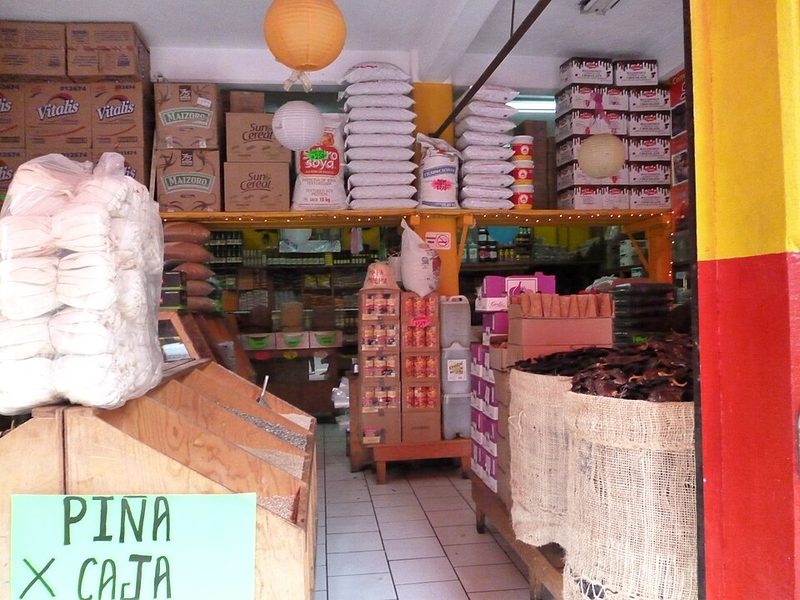
Mole production here isn’t a quaint tradition — it’s an industry. Dozens of family-run workshops produce mole paste year-round, supplying restaurants, markets, and households across the city and beyond. The main street is lined with shops selling mole in every variety: mole negro, mole rojo, mole verde, mole almendrado, mole de olla, pipian, and dozens of regional variations. The smell of toasted chilies, chocolate, sesame, and spices hangs in the air, and it’s absolutely intoxicating.
Each producer has their own recipe, and the differences between them are real. Some favor a heavier chocolate component. Others emphasize the chili base. Some use particular combinations of dried peppers — mulato, pasilla, ancho, chipotle — in proportions they guard carefully. Tasting your way through the town’s shops is the single best thing to do here, and most vendors are happy to let you sample before you buy.
The Feria Nacional del Mole
The annual Feria Nacional del Mole typically runs for two to three weeks in October. It’s been held since 1977 and has grown from a local celebration into a nationally recognized food festival. During the fair, the town’s main road becomes a massive outdoor market: dozens of additional stalls join the permanent shops, regional bands play in the plaza, and cooking competitions pit families against each other for the title of best mole in categories that most visitors can’t distinguish but that the judges take very seriously.
The fair draws crowds, especially on weekends. If you want to visit during the feria, go on a weekday to avoid the worst of the traffic. If you’d rather experience Atocpan without the festival chaos, any other month works fine — the shops and restaurants operate year-round.
Eating in Atocpan
The town has a concentration of mole-focused restaurants that you won’t find anywhere else in the country. These aren’t fancy places — most are family-run, with plastic chairs, paper napkins, and no pretense whatsoever. The mole is the point, and it’s spectacular.
A standard meal is mole over chicken (pollo en mole), served with rice, beans, and tortillas. The chicken is typically stewed or boiled, which sounds plain but acts as the perfect neutral base for the mole sauce, which is where all the complexity lives. Good mole has dozens of ingredients and takes hours to prepare, and the result should be rich, layered, slightly bitter, slightly sweet, and nothing like the stuff that comes from a jar.
Beyond the standard chicken-and-mole format, some restaurants offer more elaborate preparations: enchiladas in mole, tamales with mole, mole-stuffed peppers. If you’re visiting with a group, order several varieties — mole negro, rojo, and verde at minimum — to compare.
Prices are modest. A full mole meal with drinks rarely tops 200 pesos per person, which is a fraction of what you’d pay for the same quality in a Roma or Polanco restaurant.
Buying Mole to Take Home
This is the other reason to come. Mole paste from Atocpan, bought directly from the producers, is dramatically better and cheaper than what you’ll find in Mexico City shops. The paste comes in bags of varying sizes — 500 grams, 1 kilo, larger quantities for serious cooks — and travels well. It keeps for weeks refrigerated and months frozen.
Most vendors will explain how to prepare their particular mole at home: dissolve the paste in chicken broth, adjust the consistency, simmer until it thickens, season to taste. It’s not difficult, and having a bag of Atocpan mole paste in your kitchen is one of the best edible souvenirs you can bring home from Mexico.
If you’re flying, pack the paste in checked luggage (it’s a paste, so carry-on liquid rules apply). Wrap it well. The aroma of mole permeating your suitcase is either a feature or a bug, depending on your perspective.
Getting There
San Pedro Atocpan is about 45 minutes to an hour south of central Mexico City, depending on traffic. The most direct route is south on Insurgentes Sur, continuing through Tlalpan and into the Milpa Alta hills. The road climbs as you leave the urban zone, passing nopal fields and increasingly rural landscape.
There’s no Metro service to Milpa Alta. Buses and colectivos run from the Tasquena terminal area, but schedules are irregular and the final leg involves local transport that can be confusing without Spanish. Driving or taking a ride-hailing app is much easier. On weekdays, traffic is manageable. During the October fair on weekends, the road into town gets congested.
Combining Atocpan with a visit to other parts of Milpa Alta — notably the nopal-growing areas and the small towns of the volcanic highlands — makes for a full day trip. The landscape south of Mexico City is strikingly different from the urban core, and the drive itself is part of the experience.
For more ideas on what to explore outside the city, see our surroundings page, and for a broader look at the city’s culinary landscape, check our food guide.
Why This Trip is Worth It
Mole is often called the national dish of Mexico, and the claim is defensible. It’s served at weddings, funerals, baptisms, national holidays, and Tuesday lunches. It represents centuries of culinary evolution — pre-Hispanic ingredients combined with Old World additions like chocolate, spices, and sesame — and it varies enormously by region.
Atocpan is where Mexico City gets its mole, and visiting the source is one of those food experiences that changes how you think about a dish you thought you already understood. The difference between tasting mole in a restaurant and tasting it at the table of the family that made it, with the chilies still drying on the roof, is the difference between reading about a place and going there. Go there.