Polanco is where Mexico City keeps its money. That’s an oversimplification, but not by much. This neighborhood north of Chapultepec Park and west of Paseo de la Reforma is home to the city’s most expensive real estate, its highest concentration of luxury retail, several world-class museums, a dining scene that ranges from Michelin-worthy to absurdly overpriced, and the kind of sidewalks where you see more Hermes bags than backpacks.
It’s also, somewhat surprisingly, a genuinely pleasant place to walk and eat — provided you’re prepared for prices that make Condesa look cheap.
The Layout
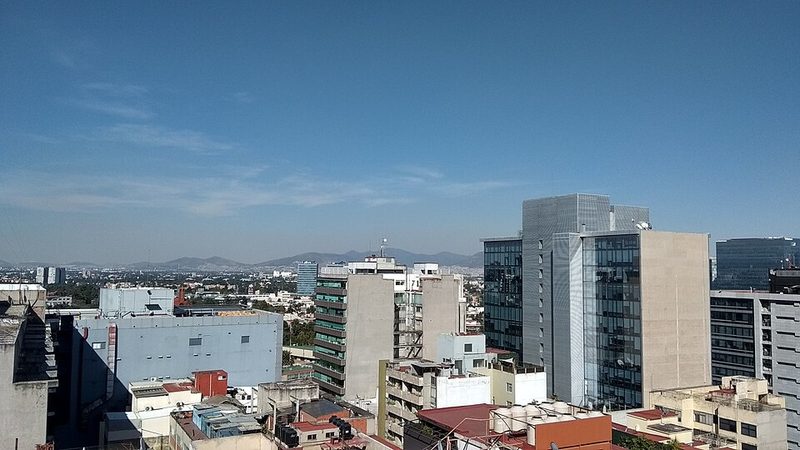
Polanco is roughly bounded by Paseo de la Reforma to the south, Avenida Ejercito Nacional to the north, Periferico to the west, and the boundary with San Miguel Chapultepec and Nueva Anzures to the east. The neighborhood is divided into sections — Polanco I through V — though locals mostly refer to specific streets rather than section numbers.
The commercial spine is Avenida Presidente Masaryk, often just called “Masaryk” — Mexico City’s answer to the Champs-Elysees, lined with flagship stores from every luxury brand that cares about the Latin American market. Louis Vuitton, Cartier, Tiffany, Gucci — they’re all here.
South of Masaryk, the streets become more residential — tree-lined blocks of large houses and apartment buildings from the mid-20th century, many now converted into restaurants, galleries, or diplomatic residences. The embassies of several countries are located here, which contributes to the security presence and the general sense of order.
The Museums
Polanco punches above its weight culturally, partly because of its proximity to Chapultepec Park (which contains the National Anthropology Museum and Chapultepec Castle) and partly because wealthy patrons have established institutions here.
Museo Soumaya — The most architecturally distinctive building in the neighborhood, designed by Fernando Romero (Carlos Slim’s son-in-law). The silvery, asymmetrical facade is covered in 16,000 hexagonal aluminum tiles. Inside, Slim’s private art collection includes Rodin sculptures, Impressionist paintings, and an eclectic mix of European and Mexican art spanning six centuries. Free admission — Slim’s gift to the city.
Museo Jumex — Adjacent to Soumaya, the Museo Jumex houses one of Latin America’s most important contemporary art collections, built on juice-company money (Jumex is Mexico’s dominant juice brand). The exhibitions rotate and can be hit-or-miss, but when they’re good, they’re among the best in the city. The building, designed by David Chipperfield, is a study in architectural restraint — the anti-Soumaya.
Galeria Lopez Quiroga, Galeria Enrique Guerrero — Smaller commercial galleries scattered through the residential streets, showing established and emerging Mexican contemporary artists.
Dining
Polanco has the highest concentration of high-end restaurants in Mexico City. Pujol (run by chef Enrique Olvera) is here — consistently ranked among the world’s best restaurants. Quintonil, another fixture on global best-of lists, is nearby. These require reservations weeks in advance and budgets in the four-figure peso range per person.
Below that tier, the neighborhood is dense with restaurants covering every cuisine — Japanese (Polanco has the best Japanese food in CDMX), Italian, French, Argentine steakhouses, and upscale Mexican. The quality floor is high; the pricing reflects the postal code.
For something more accessible, the streets south of Masaryk have taco spots and fondas that serve office workers during lunch — not cheap by CDMX standards, but not the Pujol price bracket either. The Mercado de Polanco on Presidente Masaryk has market food stalls where you can eat well for under $200 MXN.
Nuevo Polanco
The western section of the neighborhood, sometimes called Nuevo Polanco or the Carso development, is a post-2010 construction zone built around the Soumaya and Jumex museums. It’s a mixed-use development with apartment towers, retail space, and the Acuario Inbursa (an aquarium bankrolled by, yes, Carlos Slim).
Nuevo Polanco is architecturally modern and commercially polished in a way that the older sections of Polanco aren’t. Some people love the walkable, contemporary feel. Others find it soulless. We’d say it’s worth visiting for the museums and skipping the mall component unless you need something specific.
Walking Polanco
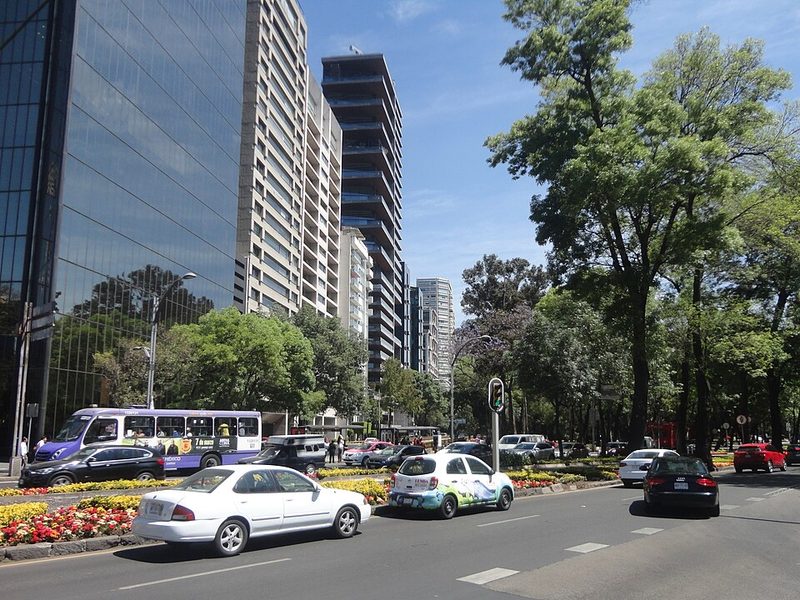
Masaryk stroll: Walk the length of Avenida Masaryk from the Antara mall in the west to Parque Lincoln in the east. Window shopping (the stores are beautiful even if you’re not buying), people-watching, and the occasional architectural surprise.
Parque Lincoln: The neighborhood’s main green space, smaller and quieter than the parks in Condesa but pleasant. A clock tower, an aviary, and weekend art markets give it character.
Residential streets: South of Masaryk — Emilio Castelar, Julio Verne, Oscar Wilde (yes, really) — are tree-lined and filled with restaurants. This is where the dining scene is densest and where the neighborhood feels most like a village despite the luxury.
Getting There
Metro: Polanco station (Line 7) drops you right in the middle of the neighborhood. Auditorio (Line 7) is at the southern edge near Chapultepec.
Walking from Chapultepec: Cross Reforma northward from the park. The National Anthropology Museum is essentially at Polanco’s southern doorstep.
Walking from Reforma: Polanco starts immediately north of the avenue. Cross at any major intersection.
Uber: Traffic on Masaryk can be bad, but rides from Condesa or Colonia Juarez are typically 15-25 minutes.
Who Polanco Is For
Museum lovers: Soumaya and Jumex are free and excellent, and the Anthropology Museum is a 10-minute walk south into the park.
Fine dining: If Pujol or Quintonil are on your list, you’ll be spending an evening here regardless. Build a neighborhood walk around it.
Luxury shopping: Masaryk is unmatched in Mexico for high-end retail.
Not for: Budget travelers looking for “the real Mexico City.” Polanco is real, but it’s the reality of wealth and privilege. The taco stands in Centro Historico or the markets in Tacubaya will show you a different reality at a fraction of the price.
Polanco is a neighborhood that’s easy to dismiss as rich and boring. It isn’t — the museums are world-class, the food ranges from street-level to globally ranked, and the tree-lined residential streets have a genuine calm that the trendier neighborhoods south of Reforma lack. Just bring a thicker wallet than you’d carry to Roma.