
Mexico produces some of the finest handicrafts in the world. That’s not national pride talking — it’s a statement backed by UNESCO recognition, international museum collections, and the simple fact that Mexican artisans have been perfecting their techniques for centuries, in some cases millennia. From Oaxacan alebrijes and black clay pottery to Puebla’s Talavera ceramics and Chiapas textiles, the range and quality of handmade goods available in Mexico City is staggering.
The challenge for visitors isn’t finding handicrafts — they’re everywhere. The challenge is finding good handicrafts at fair prices, distinguishing genuine artisan work from factory-made imitations, and knowing which markets deserve your time. Here’s our guide.
La Ciudadela: The Essential Market

If you visit one handicraft market in Mexico City, make it La Ciudadela. Officially the Mercado de Artesanias La Ciudadela, this purpose-built market near the Balderas Metro station houses over 300 vendors selling handicrafts from every region of Mexico. The selection is the broadest in the city, the quality ranges from tourist souvenirs to genuine artisan pieces, and the atmosphere is pleasant without being overwhelming.
What you’ll find: Talavera pottery from Puebla in every size and pattern. Silver jewelry from Taxco. Hand-woven textiles from Oaxaca, Chiapas, and Guerrero — rebozos (shawls), tablecloths, table runners, and embroidered blouses. Carved and painted alebrijes from the Oaxacan villages of San Martin Tilcajete and San Antonio Arrazola. Lacquerware from Olinalá in Guerrero. Hammocks from Yucatan. Blown glass from Jalisco. Wooden kitchen utensils, ceramic plates, tin ornaments, leather goods, and an entire universe of Day of the Dead folk art.
The market is organized roughly by region and craft type, though some overlap is inevitable. Prices are marked on most items but are negotiable. A 10-15% reduction from the asking price is normal and expected. Don’t push beyond that — these vendors work on thin margins, and the items you’re buying took genuine time and skill to produce.
Our specific recommendations: the Talavera vendors in the eastern section tend to have the most authentic Puebla-made pieces (as opposed to cheaper imitations). The textile vendors near the center have gorgeous hand-embroidered pieces from Oaxaca and Chiapas. And the alebrije sellers throughout the market range from mass-produced to exquisite — look for fine detail work, smooth paint application, and complex patterns that indicate a skilled carver.
Bazar del Sabado (Saturday Bazaar)
The Bazar del Sabado in San Angel operates only on Saturdays, as the name suggests, and it’s a different experience from La Ciudadela. While Ciudadela is a daily market serving all budgets, the Saturday Bazaar skews upscale — the artisan vendors here tend to be more established, the quality higher, and the prices steeper.
The bazaar occupies a colonial-era building (the Casa del Risco / Casa del Mirador) and spills into the surrounding Plaza San Jacinto. Inside the building, stalls sell high-end jewelry, ceramics, leather goods, and textiles. Outside, dozens of additional vendors line the plaza and surrounding streets, alongside food stalls and musicians.
The atmosphere is more curated and less chaotic than a typical market. This is a good place to buy if you want quality assurance and don’t mind paying more, or if you’re looking for pieces that feel more like art than craft. The jewelry vendors inside the building are particularly strong.
Combine the Saturday Bazaar with a walk through the San Angel neighborhood, the Ex-Convent of El Carmen, and lunch at the San Angel Inn or one of the neighborhood’s many restaurants.
Coyoacan Markets
Coyoacan has several market options for handicraft buyers. The Mercado de Artesanias on the east side of Coyoacan’s main plaza sells a range of crafts similar to La Ciudadela but in a smaller, more manageable setting. Quality and prices are comparable.
The weekend artisan market that sets up around the main plaza and the Jardin Centenario is more informal — individual artisans sell from blankets and portable tables, and the selection leans toward jewelry, small ceramics, and handmade clothing. The quality varies more than at established markets, but the prices tend to be lower and you’re more likely to be buying directly from the person who made the item.
If you’re visiting Coyoacan for the Frida Kahlo Museum (and you should), budget an hour for market browsing. The combination of the museum, the neighborhood plazas, the food market, and the artisan vendors makes for one of the best full-day itineraries in Mexico City.
Mercado de Sonora
The Mercado de Sonora is famous for its witchcraft section — dried herbs, amulets, love potions, candles shaped like saints and body parts, ritual supplies for folk healing practices that blend Catholicism and pre-Hispanic tradition. It’s fascinating, slightly unsettling, and completely genuine. The vendors aren’t performing for tourists; this is a working market serving real practitioners.
Beyond the witchcraft section, Sonora sells party supplies, seasonal decorations, and folk art. The Day of the Dead merchandise here, available year-round but most abundant in September and October, is impressive and cheap. Papier-mache skulls, papel picado (perforated paper banners), ceramic calaveras, and skeleton figurines in every size and style.
Sonora is east of the Historic Center, near the Merced Metro station. The area isn’t as tourist-friendly as Ciudadela or Coyoacan, so keep an eye on your belongings and avoid flashing expensive electronics.
What to Buy: A Quick Guide
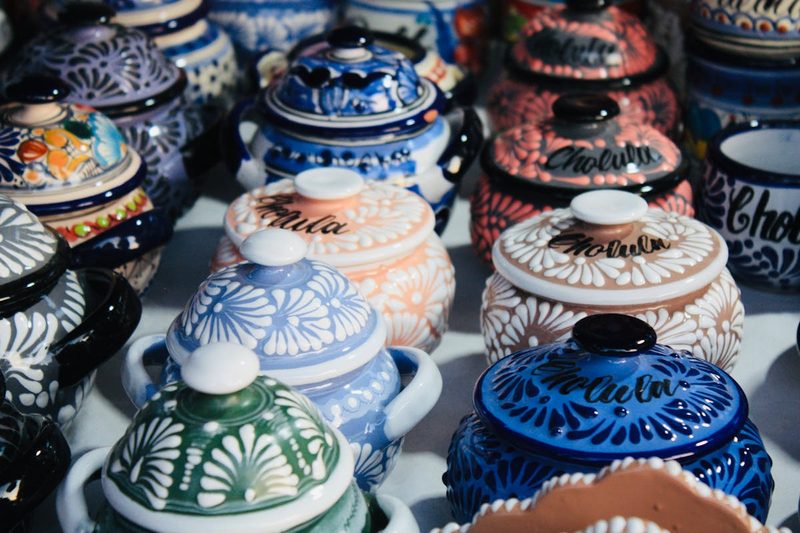
Talavera ceramics — The iconic blue-and-white (and multicolored) pottery from Puebla. Authentic Talavera is made by hand using specific clays and glazes — look for the hologram certification stamp on genuine pieces. Good for plates, mugs, tiles, and decorative objects.
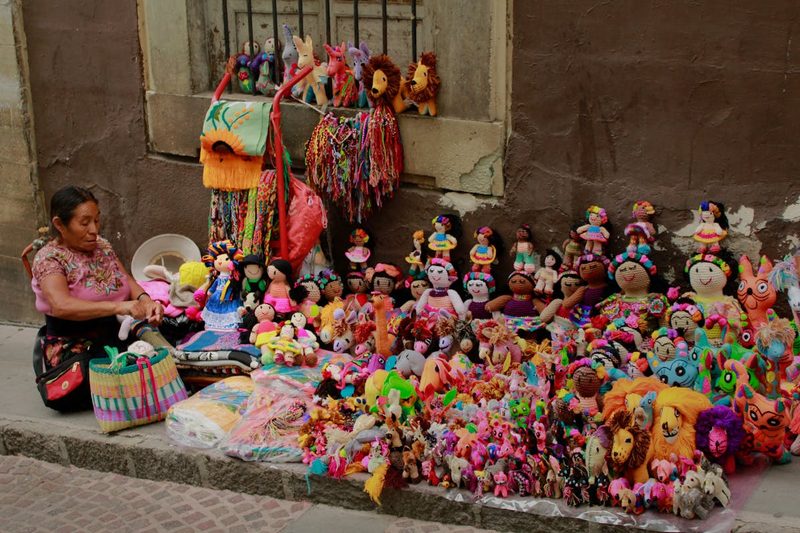
Textiles — Handwoven and embroidered textiles from Oaxaca and Chiapas are among Mexico’s finest handicrafts. A hand-embroidered huipil (tunic) can take months to complete. Prices for genuine handmade textiles start around $30 for simple pieces and can reach thousands for masterworks.
Alebrijes — Carved and painted wooden fantastical creatures, originating from the Oaxacan tradition. The best ones are works of art with intricate patterns and surreal anatomy. Cheap ones are mass-produced and coarsely painted. You can tell the difference.
Silver — Mexico is the world’s largest silver producer, and Taxco (a day trip from Mexico City) is the silver capital. Silver jewelry at Mexican markets is usually marked .925 (sterling) and is substantially cheaper than equivalent pieces in the US or Europe. Verify the stamp before buying.
Black clay (barro negro) — The distinctive burnished black pottery from San Bartolo Coyotepec in Oaxaca. The metallic sheen comes from a labor-intensive polishing process, not paint or glaze. Beautiful, fragile, and unique to Mexico.
Bargaining Etiquette
Bargaining is expected at traditional markets like La Ciudadela and Sonora. It’s less common at the Saturday Bazaar, where prices are often fixed. Here’s the basic protocol:
Ask the price. If it seems fair, pay it. If you want to negotiate, counter at 10-20% below the asking price. The vendor will likely meet you somewhere in between. Accept gracefully. Don’t bargain aggressively or treat the process as a competition — these artisans made the objects you’re buying, and their margins are modest.
Never bargain on an item you don’t intend to buy. And don’t spend ten minutes negotiating the price of a $3 ceramic bowl down to $2.50. That’s not bargaining; that’s being cheap.
For more on shopping in Mexico City, from art galleries to fashion boutiques and design shops, see our complete guide.