
Reviewed · LUCHA LIBRE NIGHTS
Authentic Lucha Libre Tour : Wrestling School, Tacos & Mezcal
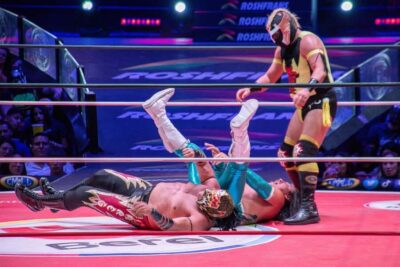
Mexico City’s lucha libre is part sport, part theater, and part noisy neighborhood ritual. This tour gives you a way into that world without making you figure out the arena, the chants, the food, and the unwritten rules on your own. Arena México, known as the cathedral of Mexican wrestling, is the main event.
In This Article
- Key points to know before booking
- Why lucha libre works so well as a Mexico City evening
- Tacos, mezcal, and the social start
- Meeting guides such as Gaby and Gabriel
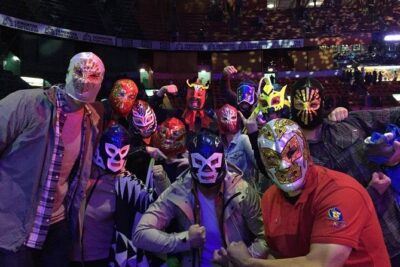
- Choosing a mask and learning the arena language
- Inside Arena México for roughly two hours
- What the walking format means for you
- Cameras, phones, and what to carry
- Is the price worth it?
- Who should book this experience?
- My booking advice
- FAQ
- How long does the Lucha Libre tour last?
- Is the tour offered in English?
- What is the maximum group size?
- Are tacos and mezcal part of the experience?
- Are cameras allowed inside the arena?
- Can I bring a large backpack?
- Where does the tour end?
- What is the cancellation policy?
I like the pairing of tacos and mezcal with the wrestling. The food gives the evening a local start, while the mezcal tasting helps explain a drink many visitors otherwise experience only as a quick shot. I also like the guides, especially Gaby and Gabriel, who bring personal enthusiasm, history, mask lore, and simple Spanish phrases you can yell from your seat.
The main caution is timing. A late start or crowded taquería can turn dinner into a rushed stop and may even cost you the opening match. Seating is not always together, and guide service can vary, so this tour is best for people who want cultural context and help getting around, not for those seeking the cheapest possible ticket and tacos.
Key points to know before booking
- Arena México is the centerpiece: You spend about two hours at Mexico’s famous lucha libre venue, with admission included.
- The guides make the difference: Gaby, Gabriel, Arturo, Iván, and other team members have been praised for explaining wrestling customs and helping with practical problems.
- Tacos and mezcal set the mood: The pre-match food and drinks are a major part of the evening, though food quality and pacing can vary.
- You get useful arena guidance: A mask selection and a small card explaining common chants can make the match easier to follow.
- Bring a phone, not a camera: Cameras with lenses are forbidden. Phones are allowed.
- Expect a small walking group: The maximum is 20 people, and comfortable shoes are important.
Why lucha libre works so well as a Mexico City evening
Lucha libre is easy to enjoy at a surface level. Colorful masks, flying bodies, theatrical villains, and a crowd that knows exactly when to boo can carry you through the night.
The trouble is that the action can feel confusing if you do not know who the rudos and técnicos are, why masks matter, or what the crowd is shouting. A guide gives you the basic language and background before you enter the arena. That turns a loud wrestling card into something you can follow and appreciate.
This is not presented as a quiet museum-style lesson. Expect jokes, stories about performers, explanations of the wrestling companies, and a few less-than-polite Spanish expressions for use during the matches. That playful preparation is one of the best parts of the tour. You are not simply watching a show. You are learning how to join the room.
The group size helps here. With a maximum of 20 people, the guide can answer questions and help with the practical details of a large venue. It is still a group outing, not a private tour, but it should feel more manageable than arriving at Arena México alone.
A few more Mexico City tours and experiences worth a look

Tacos, mezcal, and the social start
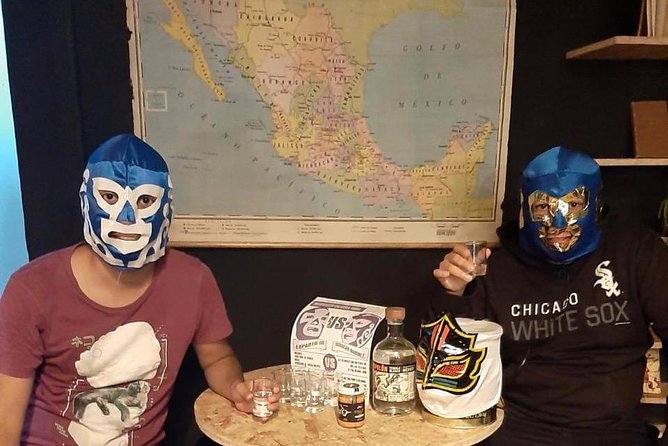
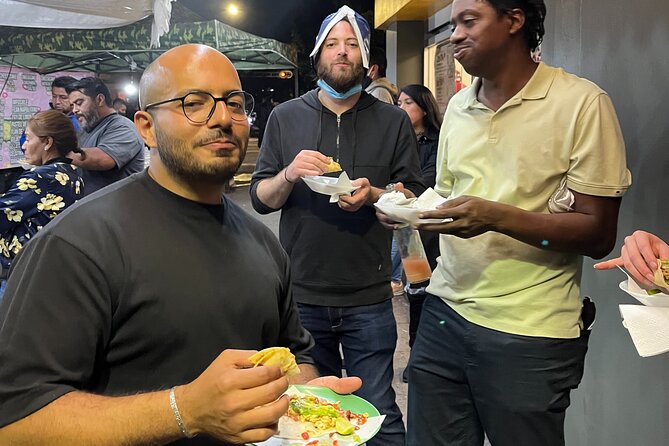
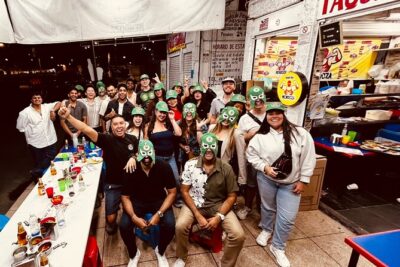
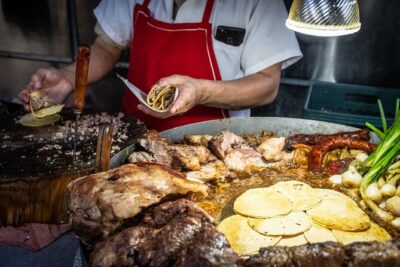
The food and drink portion gives the evening a relaxed beginning. You meet the group, eat tacos, and sample mezcal or mezcalitas before heading to the wrestling. Beer has also been part of the evening for some groups, and one popular combination is simple: tacos, beer, mezcal, and wrestling.
The mezcal is not a long formal tasting. The information describes it as a tasting, while the actual serving may be only a small sample or two. Set your expectations accordingly. It is an introduction, not a full spirits workshop. Some outings have included a grasshopper, and the drink itself has been praised often enough to make it an important part of the experience.
The taco stop can be very good, but it is the least predictable part of the evening. Tacos have been called delicious and excellent, while another meal was judged disappointing. Crowding in Mexico City’s Centro Histórico can also affect seating. If the group arrives late, the taquería may give away its reserved space, forcing everyone to wait and eat quickly.
That makes timing more than a minor detail. Ask about food orders as soon as you meet the guide, especially if you have dietary needs or want more than a quick meal. The stop is designed to fuel the evening, not replace a long restaurant dinner.
Still, I like this format. You get to eat in a casual local setting rather than at a hotel restaurant, and the shared table helps strangers become a group before the arena noise begins. If the food is your main reason for booking, though, choose the tour for the full combination, not for a guaranteed culinary highlight.
Meeting guides such as Gaby and Gabriel
The strongest part of this experience is often the guide. Gaby has been praised for her warmth, communication, and personal connection to lucha libre. She trains in the sport herself and has spent years following it, which gives her explanations more force than a memorized timeline.
She has also helped families with children, offered advice about other things to do in Mexico City, and made sure people knew how to reach a safe pickup point after the event. That kind of care matters when the tour ends at night and you are still learning your way around the city.
Gabriel is another frequent guide on this experience. His strengths are enthusiasm, wrestling history, mask selection, and practical help. He has assisted people dealing with delays and even helped when a passport was lost. You should not book expecting every guide to become a personal emergency coordinator, but responsive communication is a real benefit when plans go wrong.
Arturo and Iván have also led outings. Iván’s bilingual connection to Mexico City and California has been especially useful for English speakers who want clear explanations and an easygoing personality.
Guide quality is not perfectly uniform. One poorly run evening involved a late arrival, a long wait for chairs, a rushed meal, and a guide who was not present enough during the matches. That appears to be an exception among the available accounts, but it is worth acknowledging. The experience depends heavily on the individual guide and on whether the schedule stays on track.
Choosing a mask and learning the arena language
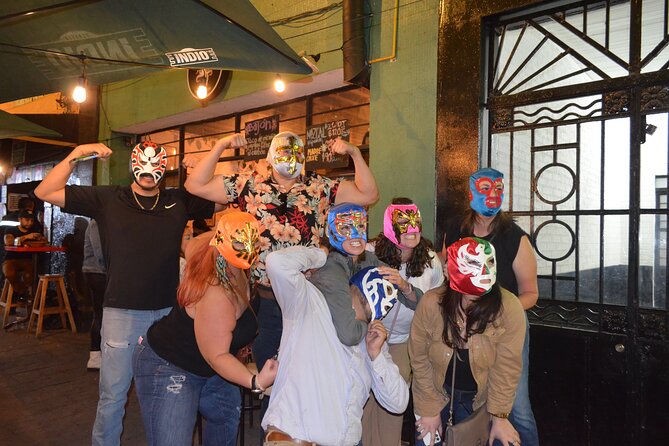
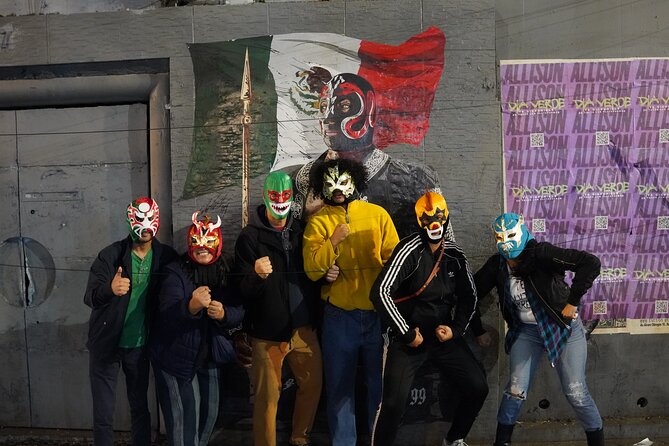
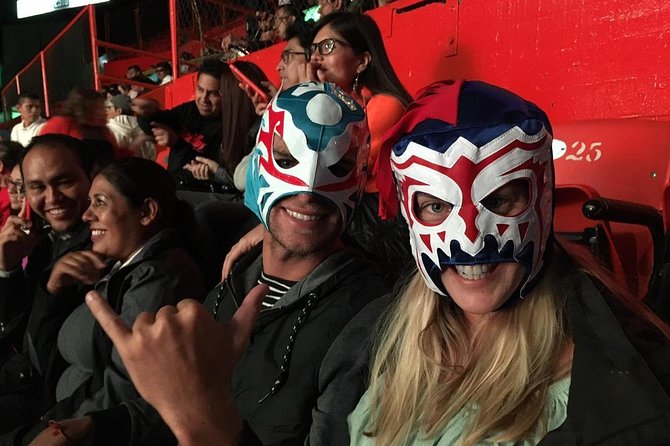
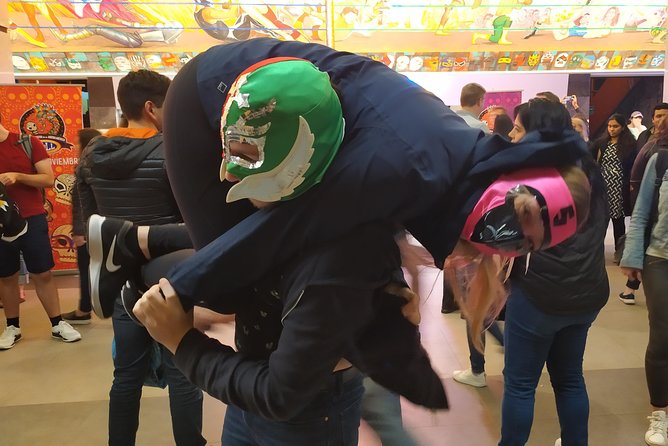
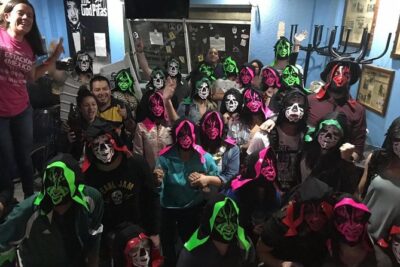
The mask is not just a souvenir. It gives you a small personal stake in the evening. Several versions are available, and choosing one before the match helps you feel part of the spectacle without requiring you to know every wrestler.
The tour may also provide a card translating common phrases shouted from the stands. This is a smart little touch. You can glance down, understand the rhythm of the insults and cheers, and join in instead of sitting silently while the crowd carries the show.
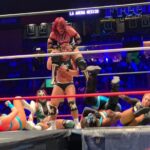
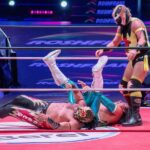
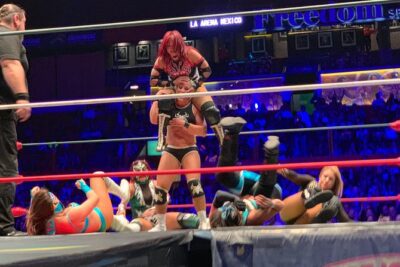
The wrestling itself is theatrical, athletic, and deliberately exaggerated. You might see villains drawing boos, crowd favorites receiving loud support, and wrestlers using masks and costumes to shape their identities. A good guide explains those roles without taking the fun out of the performance.
This is also where the tour adds value over simply buying a ticket. You get context for the masks, the performers, the companies, and the arena. If you already follow lucha libre closely, the introductory explanations may feel basic. If this is your first match, they can make the whole night click.
Inside Arena México for roughly two hours
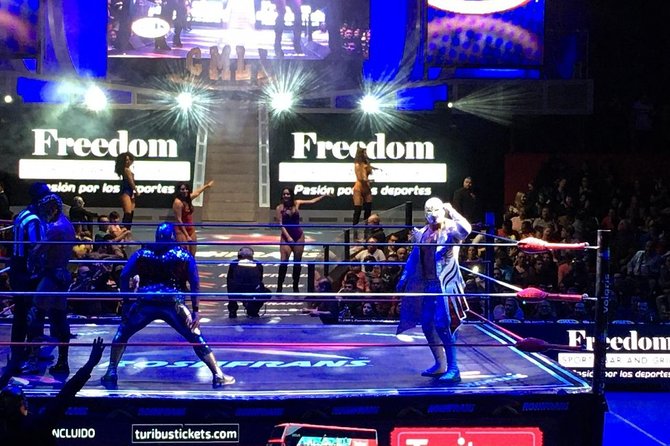
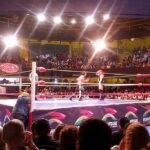
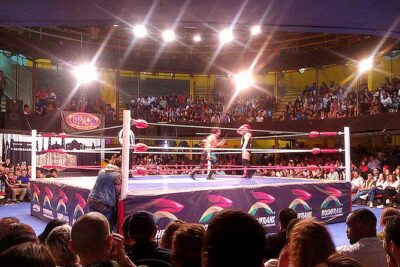
Arena México is the main stop, with admission included and about two hours devoted to the wrestling event. The arena itself can feel hectic, especially around the entrance. Joining a tour may make arrival simpler because the guide knows where the group needs to go, but it does not guarantee a calm or polished theater-style entry.
Seating deserves realistic expectations. Some groups have received good enough seats to enjoy several matches, while another group found its seats poor and scattered. Do not assume your entire party will sit together unless that is clearly promised. If being side by side is important, ask before booking.
Once the matches begin, the guide’s role should mostly be to help you understand what you are seeing. Some guides stay involved and explain the action. One evening went poorly because the guide disappeared for part of the event and spent much of the match on a phone. Again, that is not the norm suggested by the overall response to the experience, but it shows why guide presence matters.
The arena sells beer, according to one account, but not a full range of alcoholic drinks. Plan to enjoy the mezcal before entering rather than expecting the venue to continue the tasting. Food at the arena should not be your plan either.
You may see several matches during the visit. The exact card can vary, and the evening’s energy depends partly on the performers and the crowd. If you arrive late, you could miss the first match, so take the meeting time seriously even if the advertised duration is only approximate.
A few more Mexico City tours and experiences worth a look





What the walking format means for you
This is a walking tour, not a coach excursion. Wear comfortable shoes and avoid large bags and backpacks. Mexico City’s central areas can be busy, and moving a group through dinner and into the arena is easier when everyone travels light.
The meeting point can be Sacred Territory or Templo Mezcaleria, depending on the departure arrangement. The ending point changes as well: a tour beginning at Sacred Territory ends at Vips Cuauhtémoc, while one beginning at Templo Mezcaleria ends at Café Tacuba.
Those details matter if you have a dinner reservation, hotel transfer, or late-night connection. Check the exact starting point and ending point on your confirmation rather than planning from the general tour description. The meeting areas are near public transportation, which helps, but the experience does not promise door-to-door transport.
The advertised duration is approximately three to four hours. Build in extra time around it. Dinner delays, a crowded entrance, or a longer wrestling card can affect the finish.
Cameras, phones, and what to carry
Leave cameras with lenses behind. They are forbidden at the stadium, and security may not let you enter with one. Phones are permitted, so you can take photos and short videos within the venue rules.
One practical account suggests that camera storage may be possible at the arena, but relying on that creates needless trouble. The simplest choice is to bring your phone and keep your hands free.
Avoid large bags and backpacks. A small personal bag is more sensible, but the provided information does not promise a specific bag size or storage service. Comfortable shoes are more important than dressing up. This is a casual, active night with walking, standing, crowd noise, and quick movement between stops.
Is the price worth it?

No price is provided here, so I cannot judge the exact amount you will pay. I can still explain what you are buying.
The value comes from combining several pieces that would otherwise require planning: an English-speaking guide, an explanation of lucha libre, food, mezcal, mask selection, arena admission, and help with getting through a busy evening. For a first visit to Mexico City, that convenience may justify paying more than the cost of a basic wrestling ticket.
You also pay for interpretation. Anyone can watch bodies fly across the ring, but a guide can explain the characters, the language, and the customs that make the show meaningful. That is particularly useful if you do not speak much Spanish or feel unsure about navigating central Mexico City at night.
The value drops if you already know the arena, speak Spanish comfortably, and would rather choose your own tacos and seats. In that case, you may prefer arranging the evening yourself. The tour is not a bargain simply because it includes a few bites and small mezcal pours.
For most first-time visitors, the strongest case is the complete evening and the human help. For repeat visitors, the decision depends on the guide, the match venue, and the quality of the included seating.
Who should book this experience?
I would recommend it to couples, families with older children, and friends who want a lively cultural night. A 12-year-old has enjoyed the experience, and the mix of food, masks, chants, and action gives younger people plenty to focus on.
It is also a good choice for a short stay or even a one-night layover. The tour packs a distinctly Mexico City activity into one organized evening. You get local food and a major cultural event without spending your limited time working out the route and ticket process.
I would hesitate if you need a quiet meal, guaranteed premium seats, or a carefully controlled schedule. I would also think twice if you dislike crowded venues or loud theatrical performances. Lucha libre is not subtle, and that is exactly why many people love it.
Free cancellation is available when you cancel at least 24 hours before the local start time. Inside 24 hours, the amount paid is not refunded, and late changes are not accepted. The operator may also cancel if the minimum number of participants is not met or if weather affects the activity, in which case you are offered another date, another experience, or a full refund.
My booking advice
Book this tour if you want someone to explain why the masks, insults, villains, and cheers matter. The combination of tacos, mezcal, and Arena México is easy to remember, and guides such as Gaby and Gabriel can turn a strange-looking sport into a readable, funny evening.
Before paying, confirm the exact venue, meeting point, ending point, expected seat arrangement, and food timing. The main description names Arena México, while one outing has referred to Coliseo, so the venue is worth checking. Also arrive early, bring only a phone, and plan for the evening to run longer than the shortest estimate.
If you mainly want to see the matches as cheaply as possible, arrange your own ticket. If you want help joining the culture rather than simply watching from the stands, this is a strong choice, with the understanding that the food and logistics can vary.
FAQ
How long does the Lucha Libre tour last?
The experience lasts approximately three to four hours. About two hours are allocated to the Arena México stop, though the exact finish can be affected by dinner timing and the wrestling schedule.
Is the tour offered in English?
Yes. The tour is offered in English.
What is the maximum group size?
The maximum is 20 people.
Are tacos and mezcal part of the experience?
Yes. The evening includes a taco stop and a mezcal tasting. Some outings have also included mezcalitas and beer, but the mezcal tasting may be limited to small pours.
Are cameras allowed inside the arena?
Cameras with lenses are forbidden. Phones are allowed, so bring a phone if you want to take pictures.
Can I bring a large backpack?
You should avoid large bags and backpacks. The activity information does not promise a specific storage service.
Where does the tour end?
If the tour begins at Sacred Territory, it ends at Vips Cuauhtémoc. If it begins at Templo Mezcaleria, it ends at Café Tacuba.
What is the cancellation policy?
You can cancel at least 24 hours before the local start time for a full refund. Cancellations or changes made within 24 hours are not refunded or accepted. If the operator cancels because of weather or insufficient participation, you are offered another date, another experience, or a full refund.
More Tequila & Mezcal Tastings in Mexico City


More Mexico City Food Tours in Mexico City
More Lucha Libre Nights in Mexico City
More tours in Mexico City we've reviewed





Lucha Libre Nights, compared.
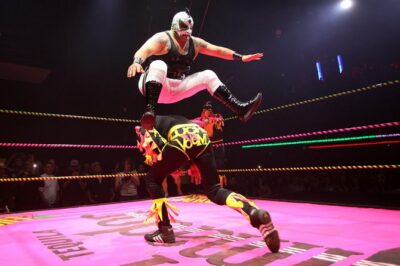 ★ 5.0Lucha Libre Tickets & Tacos & Beer & Mezcal – BEST NIGHT EVER!From $84
 ★ 4.5Lucha Libre Experience in Mexico CityFrom $683 hours (approx.)
 ★ 5.0Lucha Libre Tour and Mezcal Tasting in Mexico CityFrom $1344 hours (approx.)
 ★ 4.0Mexican Wrestling: Experience Lucha Libre in Mexico CityFrom $623 hours 30 minutes (approx.)
 ★ 5.0Lucha Libre wrestling show, tacos and beer with artistFrom $703 to 4 hours (approx.)
 ★ 5.0Tour Lucha Libre ,Tacos, Tequila and Mezcal in Mexico CityFrom $853 to 4 hours (approx.)
 ★ 4.6Mexico City: Lucha Libre Show, Walking Tour & TequilaFrom $734 - 6 hours
 ★ 4.5Lucha Libre Tacos & Masks 4 hrs Exploring Cdmx4 hours 30 minutes (approx.)
The lists this tour appears in