
Reviewed · MEXICO CITY
Museo del Templo Mayor / Urban Archaeology – Small Groups
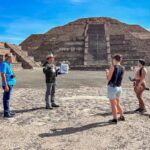
Mexico City’s Templo Mayor is an archaeological site hidden in plain sight, where the modern city gives way to the remains of the Mexica Empire’s most important building. You’ll see mural paintings, monoliths, and buried artifacts while tracing the city back to its pre-Hispanic roots.
In This Article
- Key points about the Templo Mayor experience
- Why Templo Mayor matters in the middle of Mexico City
- What you see during the three-hour visit
- The advantage of a group capped at six
- Is $83.78 a fair price?
- Meeting at Seminario 8 in Centro Histórico
- Physical demands and practical comfort
- Who will get the most from this visit?
- Booking timing and cancellation terms
- Should you book the Templo Mayor tour?
- FAQ
- Where does the Templo Mayor tour begin?
- Where does the activity end?
- How long does the experience last?
- Is the tour offered in English?
- How many people can join the tour?
- Can I cancel for a full refund?
I like the small maximum of six people, which gives the certified guide room to explain details and take questions. I also like the focus on the site itself rather than a rushed list of nearby sights. Eduardo, one named guide, is praised for his enthusiasm and strong command of the temple’s story.
The main point to check before paying is the entrance fee. The tour information lists admission as included in one place, but separately says the 210-peso fee is not included. Budget for that charge and confirm the arrangement before you go.
Key points about the Templo Mayor experience
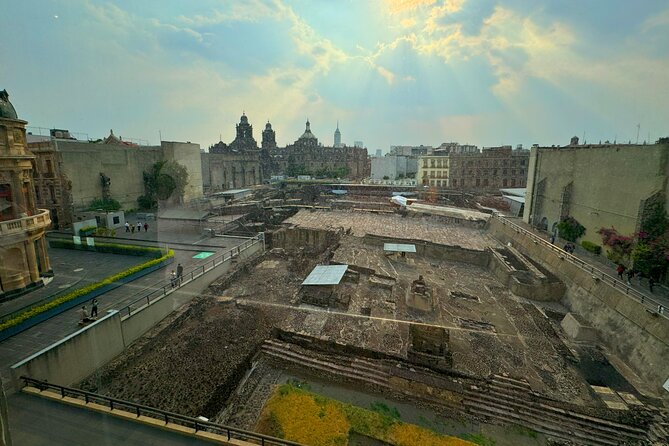
- A direct look at Mexica religious life: Explore the remains of the city’s most important pre-Hispanic building.
- Buried art beneath present-day Mexico City: See mural paintings, monoliths, and other objects found under the modern capital.
- A genuinely small group: The maximum is six people, useful for questions and a closer exchange with the guide.
- Three hours at one major archaeological site: This is a focused visit, not a broad city tour with several rushed stops.
- An English-language guided visit: A certified guide leads the experience, with Eduardo specifically praised for his enthusiasm.
- Central meeting point: Begin and end at Templo Mayor Museum, Seminario 8, in Centro Histórico.
Why Templo Mayor matters in the middle of Mexico City
The power of this visit comes from the contrast. You are in the center of Mexico City, yet the ground beneath the streets holds the remains of the Mexica capital. Templo Mayor lets you see that earlier city through its principal sacred building, mural work, stone monuments, and objects placed beneath later construction.
The site is valuable even if you know little about Mexica history. The guide’s job is to connect the stones and artifacts to the larger story of the city, showing why this was not simply another old building. It was the center of an important political and religious world.
I like tours that give a place a clear purpose. Here, you are not just looking at broken walls and trying to guess what they mean. The stated focus is the history of Mexico City from its roots, with attention to the building’s role among the Mexicas.
That focus also keeps the visit manageable. Three hours is enough time for a serious look without turning the day into an exhausting archaeology seminar. You should still expect a site-based outing, with much of the time spent examining remains and listening to explanations rather than moving through a series of unrelated attractions.
If you're still narrowing it down, here are other tours in Mexico City we've reviewed.


What you see during the three-hour visit
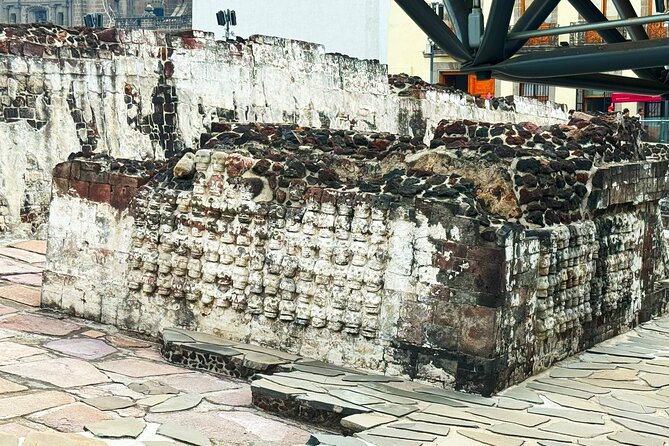
The experience centers on the Templo Mayor archaeological site and museum. The visit begins at Templo Mayor Museum, where you meet the guide and start exploring the remains of the old Mexica structure.
The route is described broadly rather than broken into named sub-stops. That means the guide will shape the pace around the site, its mural paintings, monoliths, and varied artifacts. You will be learning how the pieces fit together, not simply checking off objects from a list.
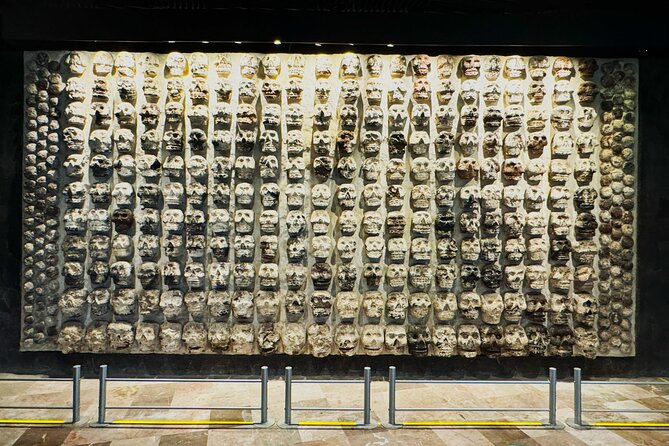
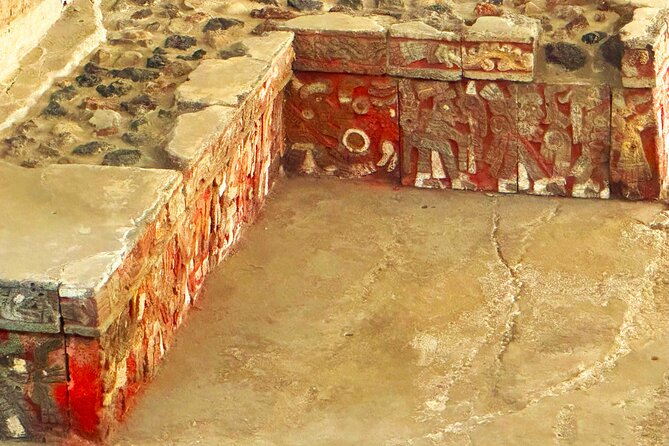
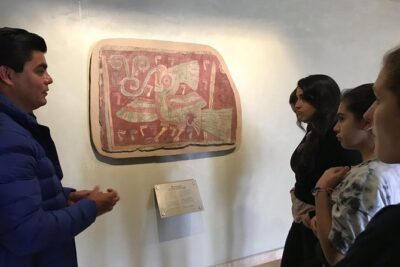
Mural paintings are one of the most appealing parts of the visit. Paint survives rarely compared with stone, so murals can offer a more direct sense of how the ancient building was decorated. Their presence helps move the site beyond bare masonry.
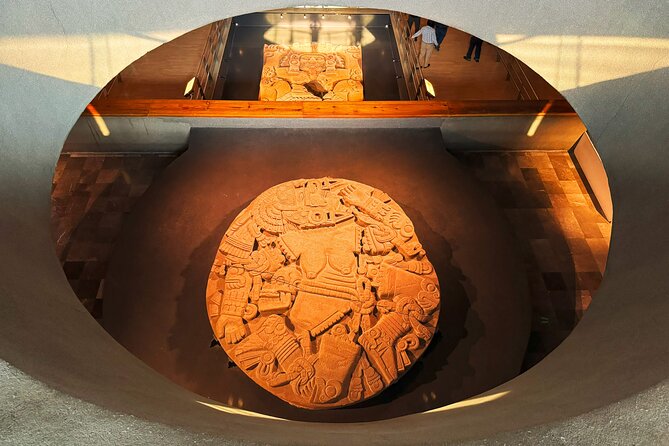
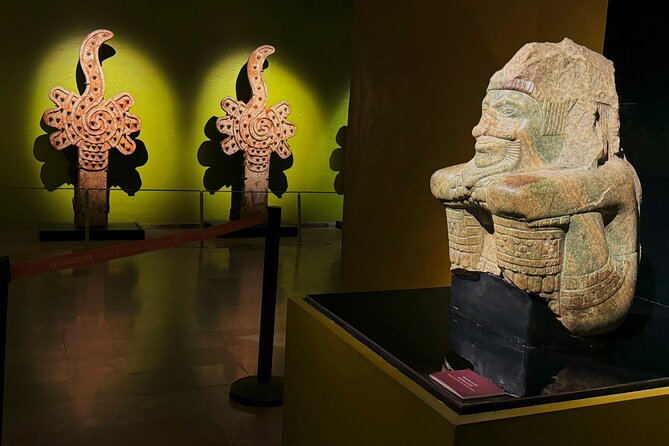
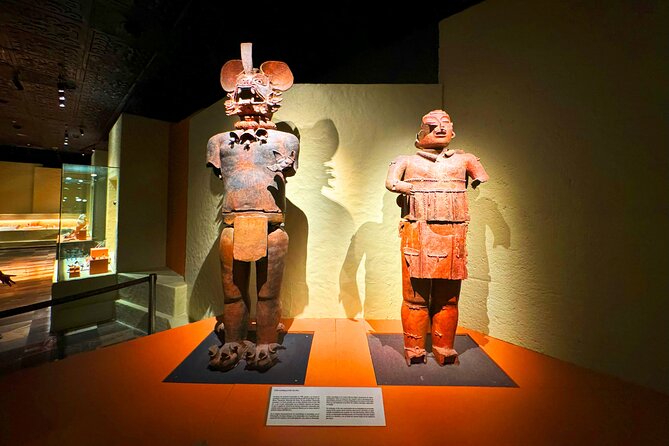
The monoliths give you another way into the story. Large carved stones can be difficult to understand without context, particularly when they have been removed from their original setting. A guide can explain why they mattered and how they related to the temple complex.
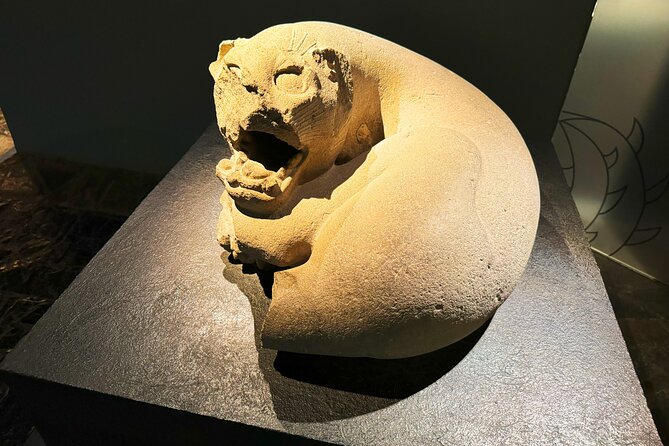
The artifacts add smaller, more personal evidence. The description does not specify individual objects, so I would not arrive expecting a particular famous piece. Instead, expect a selection of material found under the city and explanations of how those discoveries help reconstruct the past.
Because the tour is limited to one main site, you have a better chance to follow the thread. A broader walking tour might show you more of central Mexico City, but it would have less time for this building and the objects connected to it.
The advantage of a group capped at six
A maximum of six people is a real benefit here. Archaeological sites often reward questions, since the meaning of a wall, carving, or artifact is not always obvious at first glance. In a tiny group, you can ask for clarification without having to speak over a crowd.
The small format also suits the subject. Templo Mayor has layers of meaning, and a good explanation can make the difference between a quick look and a worthwhile visit. The guide can adjust the conversation to the group’s interests and explain a point again if it does not land the first time.
The guide named in the available information is Eduardo. His enthusiasm for Templo Mayor is singled out, which matters because this is a site where a flat delivery would make the remains feel distant. A lively guide can help you notice details that you might otherwise pass without a second thought.
Still, keep your expectations grounded. A six-person maximum is not the same as a private tour. You share the guide with a few other people, and the exact balance between explanation and questions will depend on the group.
The tour is offered in English. That makes it a practical choice if you want the site’s story explained as you go rather than relying only on museum labels or your own reading.
Is $83.78 a fair price?
The listed cost is $83.78 per person, before the separate 210-peso entrance charge noted in the tour details. That puts the real cost higher than the headline price, so include both amounts when comparing it with a self-guided museum visit or another Mexico City tour.
The value depends on how much help you want with interpretation. If you are content to walk through the site at your own pace and read available information, the guided premium may not suit your budget. If you want a structured explanation of why Templo Mayor mattered and how the remains connect to the city’s origins, the price buys three hours of focused attention from a certified guide.
The group limit strengthens the case for the price. You are not paying for a large coach-style outing or a quick commentary delivered to dozens of people. The small group gives the guide a better chance to respond to questions and maintain a clear pace.
There is one administrative wrinkle worth taking seriously. The tour details say admission is included in the itinerary, but the inclusions section says the entrance fee is not included and gives the amount as 210 pesos per person. Since those statements conflict, ask for confirmation before the visit. At minimum, carry enough money for the fee so the issue does not catch you unprepared.
For someone with a strong interest in archaeology, Mexica culture, or the development of Mexico City, the price can be reasonable. For someone seeking a general introduction to the Centro Histórico, a tour that covers several landmarks may offer broader coverage.
Meeting at Seminario 8 in Centro Histórico
The meeting point is Templo Mayor Museum, Seminario 8, Centro Histórico de la Ciudad de México, Cuauhtémoc, 06060 Ciudad de México. The activity ends back at the same point, which makes planning easier if you have another central-city stop afterward.
The location is near public transportation, according to the provided details. No specific station, route, or walking time is given, so you should check your route separately and allow enough time to find the museum entrance.
Meeting at the museum also keeps the experience focused. You do not spend the first part of the three hours collecting people from different hotels or crossing the city. You arrive at the subject of the tour and begin there.
Because the visit lasts about three hours, think about what you want to do before and after. The activity does not include a separate city walk or another museum stop. It is best paired with nearby Centro Histórico plans, provided you leave enough time for the tour to finish.



Physical demands and practical comfort
A moderate level of physical fitness is recommended. The information does not give exact distances, stair counts, or surface conditions, so you should not assume that every part of the visit will be effortless.
Wear practical shoes and be ready to spend time walking and standing. That is sensible advice for any archaeological site, especially one with remains spread across an open area. The tour requires enough stamina to stay engaged for roughly three hours.
The activity requires good weather. If poor weather cancels the visit, you are offered another date or a full refund. That gives you some protection, but it is still wise not to schedule an immovable connection or timed activity immediately afterward.
A mobile ticket is provided, and confirmation arrives at booking. Keep the ticket accessible on your phone and check the meeting instructions before leaving for the museum.
Who will get the most from this visit?
I would recommend this experience to you if you want a close look at one major archaeological site and prefer explanation over wandering alone. It suits visitors who care about the origins of Mexico City, the Mexica Empire, art, architecture, and objects recovered beneath the present-day capital.
It is also a good match if you like asking questions. The six-person limit creates the right setting for conversation, and Eduardo’s reported enthusiasm suggests a guide who can bring energy to the subject.
Families with older children may find the format useful, particularly if a child is interested in ancient cities or archaeology. The moderate fitness requirement means you should consider the group’s stamina before booking.
I would be less likely to choose it if you have only a short time in Mexico City and want to see many different landmarks in one outing. This tour gives its time to Templo Mayor. That depth is its strength, but it also means less variety.
It may not be the best fit if you need a fully accessible experience with clearly documented routes and facilities. The available details only say that moderate physical fitness is required, so ask the operator for more information if mobility is a concern.
Booking timing and cancellation terms
This experience is often reserved well in advance, with an average booking lead time of 102 days. That suggests you should reserve early if your dates are fixed, particularly because the group is capped at six people.
You can cancel for a full refund up to 24 hours before the local start time. Cancellations made inside that window are not refunded, and late changes are not accepted.
The weather rule is separate from ordinary cancellation. If poor weather forces the operator to cancel, you receive the option of another date or a full refund.
Should you book the Templo Mayor tour?
Book it if you want a focused, small-group explanation of Mexico City’s Mexica roots. The combination of a three-hour visit, English instruction, a certified guide, and a six-person limit gives the site more context than a quick solo walk-through.
The strongest reasons to choose it are the concentration on murals, monoliths, and buried artifacts, plus the chance to learn directly from a guide such as Eduardo, whose enthusiasm for Templo Mayor is a clear asset.
Before committing, settle the entrance-fee question. The 210-peso charge is listed as not included even though another part of the information says admission is included. Once that is clear, the decision comes down to your travel style: pay for interpretation and a small group, or explore the museum independently and keep the extra cost.
FAQ
Where does the Templo Mayor tour begin?
The tour begins at Templo Mayor Museum, Seminario 8, Centro Histórico de la Ciudad de México, Cuauhtémoc, 06060 Ciudad de México, CDMX, Mexico.
Where does the activity end?
The activity ends back at the meeting point, Templo Mayor Museum.
How long does the experience last?
The tour lasts approximately three hours.
Is the tour offered in English?
Yes. The experience is offered in English.
How many people can join the tour?
The group has a maximum of six people.
Can I cancel for a full refund?
Yes. You can cancel at least 24 hours before the local start time for a full refund. Cancellations or changes made less than 24 hours before the start are not accepted for a refund.
More tours in Mexico City we've reviewed





Mexico City, compared.
 ★ 5.0Teotihuacan, Guadalupe Shrine & Tlatelolco Day Tour with LunchFrom $399 hours (approx.)
 ★ 4.5Xochimilco, Coyoacan and Frida Kahlo with Optional LunchFrom $349 hours (approx.)
 ★ 5.0Balloon flight + Breakfast in cave + Pyramids + Pick up CDMX.From $1722 to 8 hours (approx.)
 ★ 5.0Teotihuacan pyramids morning or afternoon without tourist trapsFrom $645 hours 30 minutes (approx.)
 ★ 4.5Teotihuacan Early Access Guided Tour with optional LunchFrom $398 hours (approx.)
 ★ 5.0Balloon flight + pick up in CDMX + Breakfast in Cave + PyramidsFrom $1694 to 7 hours (approx.)
 ★ 5.0Balloon Flight + Cave Breakfast + Pick Up from CDMX or We FlyFrom $1663 to 9 hours (approx.)
 ★ 4.6Mexico City: Teotihuacan, Tlatelolco & Guadalupe Shrine TourFrom $49