
Reviewed · CITY TOURS
Poetry tour Mexico City
Mexico City’s past reads differently when you follow its poets. This two-hour walk links Octavio Paz, Sor Juana Inés de la Cruz, and Nezahualcoyotl with churches, baroque buildings, the Zócalo, and the archaeological remains of Templo Mayor. It is a literary tour, but you will also get architecture, religion, art, and politics.
In This Article
- Key points to know before you book
- Why poetry changes a Mexico City walking tour
- Casa de los Azulejos sets the tone
- San Francisco Church and the mind of Sor Juana
- The Zócalo links colonial power with older roots
- Templo Mayor closes the walk with Nezahualcoyotl
- A small group makes the literary discussion work
- Is $50 a fair price?
- Who will enjoy this experience most?
- Practical details for a smoother visit
- Should you book the poetry tour?
- FAQ
- Where does the poetry tour start?
- Where does the tour finish?
- How long does the experience last?
- What locations are included?
- Which poets and authors are discussed?
- Is a guide provided in English?
- Is this tour suitable if I know little about poetry?
- What is included in the price?
I like the way the tour begins at Casa de los Azulejos, where modern authors and muralism open the conversation. I also like the small-group size, limited to 10 people, and the chance to hear José Vicente Figueroa explain authors many visitors never encounter.
The main consideration is timing. The listed stops add up to about two hours and 15 minutes, although the activity is advertised as two hours. The tour also mentions a drink at Casa de los Azulejos, while the exclusions say food and drinks there are not included, so confirm that detail before booking.
Key points to know before you book
- Casa de los Azulejos begins the story: Start with architecture, modern writers, art, Octavio Paz, and muralism in one of central Mexico City’s most recognizable buildings.
- Sor Juana gets serious attention: The stop at San Francisco Church examines her religious thought, scientific interests, and poetry.
- The walk connects old and new Mexico: Baroque architecture, the Zócalo, colonialism, and pre-Hispanic roots all fit into one short route.
- Nezahualcoyotl closes the tour: At the archaeological windows of Templo Mayor, you read poetry linked to ancient Mesoamerica.
- José Vicente Figueroa leads the experience: The guide offers the tour in English, Spanish, German, or Portuguese.
- The price is $50 per person: That is fair for a small group and a specialized guide, but less attractive if you want a conventional sightseeing walk or museum-heavy tour.
Why poetry changes a Mexico City walking tour
Most first walks through central Mexico City focus on grand buildings, famous rulers, and major events. This experience takes another route. It asks you to see the city through people who wrote about faith, power, science, identity, and the passage of time.
That approach gives the walk a clear purpose. You are not simply moving from one sight to the next. The buildings become prompts for a discussion about the ideas that shaped Mexico.
You do not need a background in literature. The tour is designed for curious beginners as well as readers who already know the major names. José Vicente Figueroa brings in authors and poems, then places them beside the streets and buildings where their ideas make more sense.
That is the strongest feature of the experience. You get a fresh way to understand central Mexico City without needing to memorize dates or literary terms first.
Other city tours we've reviewed in Mexico City

Casa de los Azulejos sets the tone
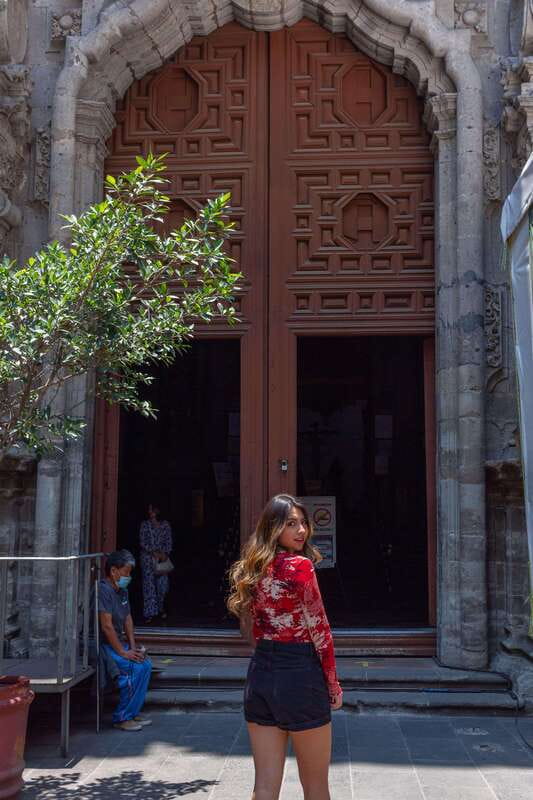
The meeting point is outside Casa de los Azulejos on Madero Street in downtown Mexico City. This famous building, covered in blue and white tiles, is an effective place to begin because the setting immediately combines art and architecture.
The first guided portion lasts about an hour. It covers modern authors and artistic expression, with Octavio Paz and Mexican muralism among the main subjects.
That opening gives the tour a modern starting point rather than beginning only with the colonial or Aztec past. Mexico City’s story is presented as something still being argued, written, and reinterpreted.
I like that balance. You can look at the building while discussing literature, then connect visual art to wider questions about Mexican identity. The tour does not treat poetry as a separate subject reserved for a classroom. It places poetry in the middle of the city.
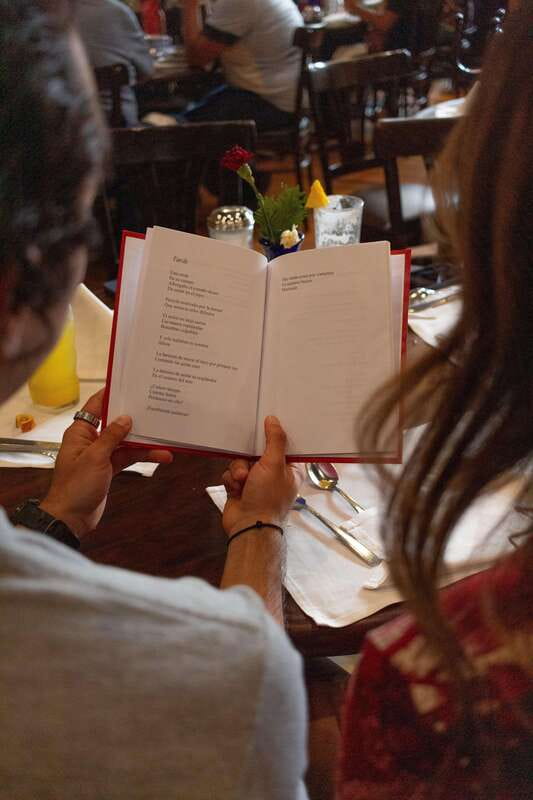
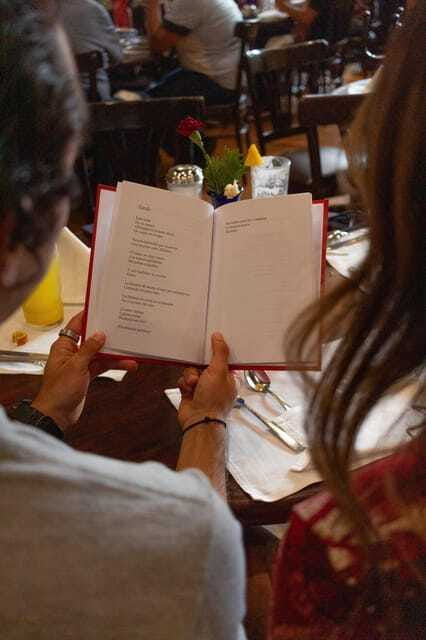
A PDF of poems is provided in Spanish and English. That is useful because the words can be difficult to absorb while walking and listening. You can return to the poems later, even if your Spanish is limited.
The activity information says a drink of your preference is included at Casa de los Azulejos, but it also lists food and drinks there as not included. Since those details do not match, ask the provider to clarify what the $50 covers. Do not assume you will receive a beverage unless it is confirmed.
San Francisco Church and the mind of Sor Juana
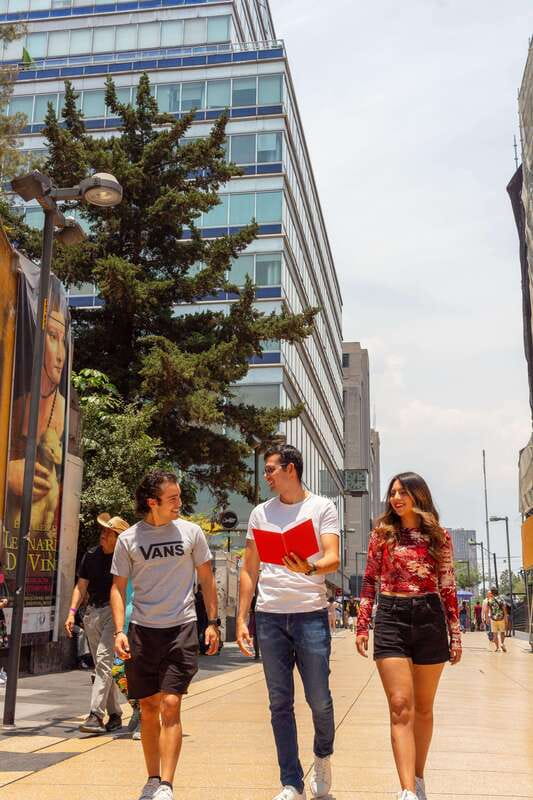
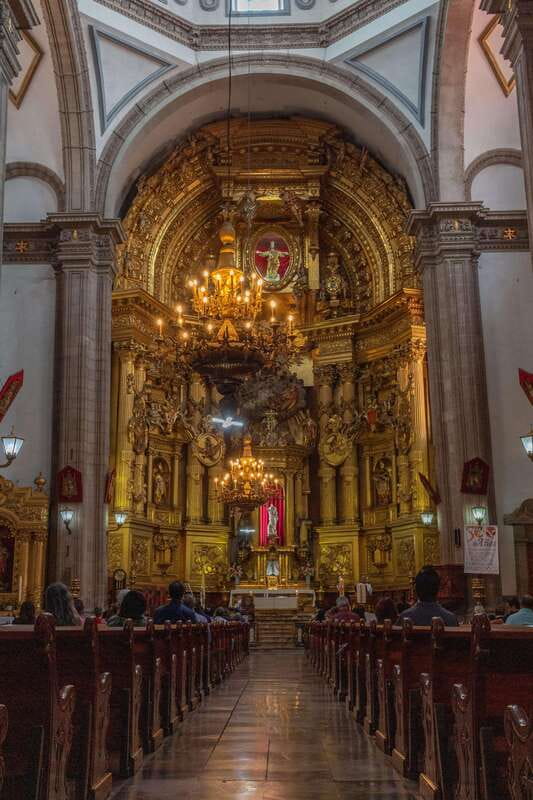
The next stop is a nearby church, listed as Church of San Francisco, with about 15 minutes of guided discussion. The stop focuses on Sor Juana Inés de la Cruz.
Sor Juana is an especially good choice for this tour because her work reaches across several subjects. The discussion covers her intellectual life in religion, science, and poetry, rather than treating her only as a historical literary figure.
This short stop is likely to feel more focused than the opening. Fifteen minutes is not long, so expect a compact introduction rather than a full examination of the church or Sor Juana’s entire life.
Still, the setting matters. A church gives the conversation a direct connection to the religious institutions that shaped intellectual life in colonial Mexico. Sor Juana’s work also helps show that poetry can be a way to question power and defend the right to think.
If you enjoy history presented through individual voices, this section should be one of the most rewarding parts of the walk. If you prefer extended time inside churches or formal art explanations, the brief stop may feel too quick.
The Zócalo links colonial power with older roots
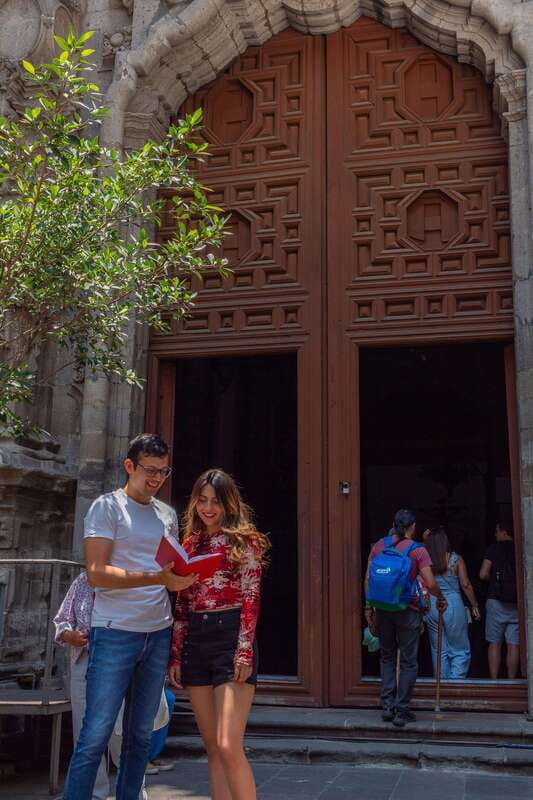
The group then walks down the street toward the Zócalo, Mexico City’s central square. This portion lasts about 30 minutes and shifts the focus from individual writers to the city’s larger development.
Here, the guide discusses baroque architecture, the growth of the Zócalo, Mexican colonialism, and pre-Hispanic roots. The value is in the connection between these subjects. The square is not presented as a single period frozen in time. It becomes a place where different eras overlap.
That is a useful way to read central Mexico City. Colonial buildings and public spaces exist beside traces of the earlier city, and the tour uses that setting to discuss how power changed hands and how older traditions continued to shape Mexico.
You should expect to walk and listen rather than stop for a long architectural inspection. The route is compact, and the emphasis remains on ideas. José can use the buildings around you to support the discussion, but this is not primarily a technical architecture tour.
The Zócalo section may be the best fit for you if you want social and political context alongside sightseeing. It gives the tour more weight than a simple literary stroll, while still keeping the pace manageable.
Templo Mayor closes the walk with Nezahualcoyotl
The final stop is Templo Mayor de México-Tenochtitlan, where the tour explores the archaeological windows showing remains of one of the oldest temple and pyramid sites in the area.
The focus here is Nezahualcoyotl, described as the greatest poet of ancient Mesoamerica. His work provides a strong ending because it brings the group back to poetry after the discussions of colonial architecture, religion, and modern writers.
The archaeological windows are important to the structure of the experience. They let you look at physical remains while considering a poetic voice from the ancient world. That pairing gives the final section a different feeling from the earlier stops at Casa de los Azulejos and San Francisco Church.
The listed time at Templo Mayor is about 30 minutes. This does not appear to be a full visit to every part of the Templo Mayor Museum. Instead, expect a guided reading and discussion connected to the archaeological remains.
That distinction matters when you plan your day. If you want a complete museum visit, allow separate time before or after the tour. The walk finishes at Templo Mayor de México-Tenochtitlan, which makes it easy to continue exploring the area on your own.



A small group makes the literary discussion work
The group is limited to 10 participants. That is a sensible size for this subject. Poetry and historical interpretation work better when you can hear the guide clearly and ask a question without competing with a large crowd.
José Vicente Figueroa is the named guide and experience provider. The activity is available in English, Spanish, German, and Portuguese. You should select the language you want when booking and confirm it if your reservation details are unclear.
The small group also keeps the walking route more personal. You are still joining a guided city walk, not arranging a private lesson, but the format leaves more room for conversation than a large coach tour.
The focus on José’s explanations is clear from the structure of the experience. The tour depends less on tickets or special access and more on how he connects writers, buildings, and events. That makes the guide’s ability to explain ideas especially important.
Is $50 a fair price?
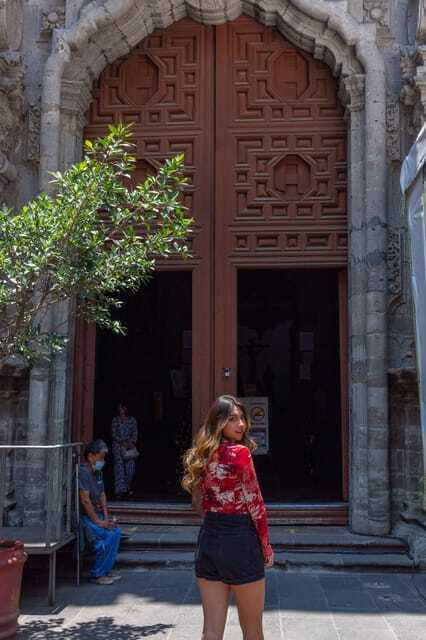
The cost is $50 per person. For a two-hour small-group tour led in one of four languages, that price is reasonable if you want a specialized view of Mexico City rather than a standard central-city overview.
You are paying for interpretation. The route itself covers public streets and well-known locations, so the value does not come mainly from entry to a major paid attraction. It comes from the literary material, the bilingual poem PDF, and the way the stops are tied together.
The price is strongest for readers, students, art lovers, and repeat visitors who want a different angle on downtown. It is less compelling if you mainly want interior visits, extensive museum time, or a broad introduction to every major sight.
Check the drink detail before booking. The description says your preferred drink at Casa de los Azulejos is included, while another section excludes food and drinks there. That small contradiction does not change the main value of the tour, but it is worth settling in advance.
The booking terms are flexible. You can cancel up to 24 hours before the activity for a full refund, and you can reserve now and pay later. Starting times vary, so check availability for your date.
Who will enjoy this experience most?
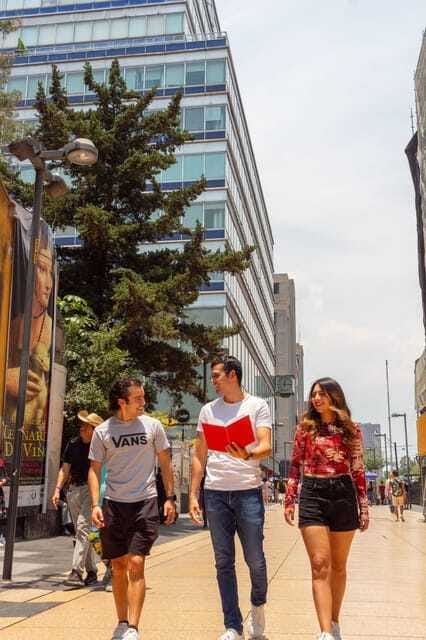
I would recommend this walk to you if you like history with a human voice. The tour is especially suitable if you want to understand Mexico City through writers, poets, and ideas instead of only through monuments.
It also works well for visitors who have already seen the Zócalo and central streets but want a new reason to look again. Familiar places can feel different when you learn how literature, colonialism, religion, muralism, and ancient Mesoamerican culture connect.
You do not need to be an expert. The activity specifically welcomes people without prior knowledge of the subject.
You may want another type of tour if you need a full museum visit, extensive church interiors, or a conventional chronological history lesson. The schedule is short, and the discussion covers many large subjects. Some topics will be introductions rather than detailed studies.
The route also suits a visitor who prefers a compact walk. The listed schedule totals roughly two hours and 15 minutes, while the advertised duration is two hours, so allow a little flexibility rather than planning an immediate appointment afterward.
Practical details for a smoother visit
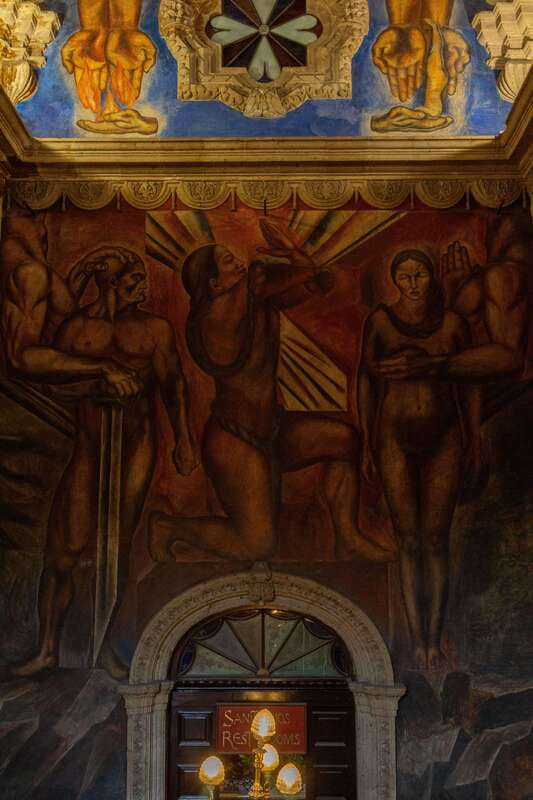
Meet outside Casa de los Azulejos on Madero Street. The group will be waiting outside, so arrive with the meeting point clearly in mind.
Wear comfortable shoes for city walking. The route includes Casa de los Azulejos, San Francisco Church, the Zócalo, and Templo Mayor, with the discussion moving between each stop.
Bring the poem PDF or have it ready on your phone if you want to follow along. Since the material is available in Spanish and English, it can help you compare the text or revisit a poem later.
The activity is offered in English, Spanish, German, and Portuguese. It is a live guided tour, not a self-guided audio walk.
The overall rating is 5 from three verified bookings. The strongest praise focuses on José’s detailed treatment of Mexican poetry and his command of the authors. That matches the tour’s main purpose: you are booking a guide-led literary interpretation, not simply transportation between sights.
Should you book the poetry tour?
Book this experience if you want central Mexico City to make room for poetry, ideas, and difficult questions about identity and power. The combination of Casa de los Azulejos, Sor Juana, the Zócalo, and Nezahualcoyotl gives the walk a clear arc from modern art to ancient Mesoamerica.
The best reason to choose it is José Vicente Figueroa’s subject matter and teaching style. The tour gives attention to Mexican poets who are easy to miss on a standard sightseeing route, including authors praised for their detailed treatment during the experience.
Skip it if you want a long museum visit or a broad checklist of attractions. The schedule is tight, and the tour’s value depends on your interest in listening, reading, and making connections.
At $50, it is a fair choice for a small group and a focused guide. Confirm the drink inclusion and allow more than two hours, then book if you want Mexico City’s buildings to speak through its poets.
FAQ
Where does the poetry tour start?
The tour starts outside Casa de los Azulejos on Madero Street in downtown Mexico City.
Where does the tour finish?
The tour finishes at Templo Mayor de México-Tenochtitlan.
How long does the experience last?
The advertised duration is two hours. The listed stop times add up to about two hours and 15 minutes, so allow some flexibility.
What locations are included?
The route includes Casa de los Azulejos, Church of San Francisco, the Zócalo, and Templo Mayor de México-Tenochtitlan.
Which poets and authors are discussed?
The tour discusses Octavio Paz, Sor Juana Inés de la Cruz, and Nezahualcoyotl. It also includes modern authors, muralism, and other Mexican literary and artistic expressions.
Is a guide provided in English?
Yes. The live guide is available in English, Spanish, German, and Portuguese.
Is this tour suitable if I know little about poetry?
Yes. You do not need to be an expert or have prior knowledge of the subject to join.
What is included in the price?
The experience includes a bilingual guide and a Spanish and English PDF with poems. The information also says a drink of your preference is included at Casa de los Azulejos, but it separately states that food and drinks there are not included, so confirm this detail before booking.
More City Tours in Mexico City

More tours in Mexico City we've reviewed



City Tours, compared.
 ★ 4.6Mexico City: Teotihuacan, Tlatelolco & Guadalupe Shrine TourFrom $49
 ★ 5.0Teotihuacan Hot Air Balloon Flight from Mexico City / VolareFrom $1553 to 9 hours (approx.)
 ★ 5.0Teotihuacan Private Tour from Mexico CityFrom $1401 to 5 hours (approx.)
 ★ 5.0Historic Center Food Tour in Mexico CityFrom $1155 hours (approx.)
 ★ 5.0The best tour to Teotihuacán from Mexico CityFrom $506 to 7 hours (approx.)
 ★ 4.3From Mexico City: Puebla, Cholula and Tonantzintla Day TripFrom $89
 ★ 4.0Mexico City: Hop-on Hop-off Bus TourFrom $211 - 2 days
 ★ 4.8Mexico City: Historic Downtown Walking TourFrom $263 hours