
Reviewed · MEXICO CITY
Ciudad de Mexico: Historia y vida moderna en la capital
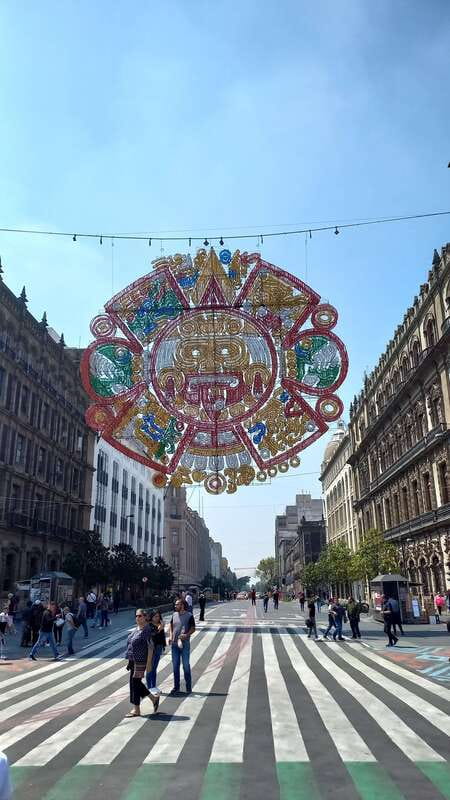
Mexico City’s historic center is a place where an Aztec temple, a Spanish cathedral, a French-style post office, and a modern juice stop can all appear within the same afternoon. This walking tour makes that layered past its main subject, moving from the old streets of Pino Suárez to Templo Mayor, the Zócalo, and Palacio de Bellas Artes. Guide Martin is known for clear explanations of Mexican art, history, and culture, while Regina has also led the route when needed.
In This Article
- Key things to know before you book
- Why this is a smart first walk in Mexico City
- Starting at Hospital de Jesús
- The Zócalo and Metropolitan Cathedral
- Plaza de Santo Domingo and Templo Mayor
- A break at Plaza Manuel Tolsá
- Casa de los Azulejos and the grand postal palace
- Finishing at Palacio de Bellas Artes
- What the guide adds to the walk
- Walking effort, access, and what to bring
- Is $37 good value?
- Who should book this Mexico City tour?
- FAQ
- How long does the Mexico City historic center tour last?
- Where does the tour meet?
- Where does the tour finish?
- What languages are available?
- What is included in the price?
- Are museum entrance fees included?
- Is the tour wheelchair accessible?
- Can I cancel the booking?
- Should you book it?
I like two things right away. First, the tour gives you a useful map of central Mexico City on your first day, with ideas for eating, shopping, and further sightseeing. Second, it does not stick only to famous monuments. You also visit the Hospital de Jesús, Museo de la Ciudad de México, Plaza de Santo Domingo, Casa de los Azulejos, and Palacio de Correos. The main consideration is pace: 3.5 hours on foot and several standing stops can feel long in hot weather, so comfortable shoes and water matter.
Key things to know before you book
- Aztec and colonial history share the same streets: Templo Mayor and the Metropolitan Cathedral help explain how Mexico City changed from Tenochtitlan to the capital you see today.
- Martin brings an art and anthropology background: His talks connect buildings and events with Mexican culture, including past and present influences on the city.
- The route includes smaller historic stops: Hospital de Jesús, Plaza de Santo Domingo, and the Museo de la Ciudad de México add texture beyond the standard postcard sights.
- A local tasting breaks up the walk: You receive a fresh traditional juice or a taste of a typical Mexican snack, with extra food paid separately.
- Small groups keep the tour personal: The maximum is 10 people, which should make questions and street-level explanations easier.
- It is built for a first day: You leave with a practical sense of where major sights, food stops, and shopping areas sit in relation to one another.
Why this is a smart first walk in Mexico City
Mexico City can be confusing at first. The historic center is easy to reach, but its story is not simple. Aztec foundations sit below Spanish buildings. Churches occupy land once tied to Indigenous ceremonial life. Grand government palaces share streets with food stalls, shops, and busy public squares.
This tour gives you a useful framework before you spend the rest of your trip choosing museums and neighborhoods. You are not simply checking off the cathedral and Bellas Artes. You are hearing how architecture, food, religion, conquest, art, and everyday city life fit together.
That broad approach is the route’s strongest feature. Martin has been praised for explaining both Mexican history and current influences on the capital. He also speaks about art and culture, so the buildings are not treated as empty backdrops for photographs.
The group limit of 10 is another plus. A small group is especially useful in the center, where streets and squares can be crowded and where you may want to ask about a mural, a food stop, or a building you pass. The guide can also respond to your interests more easily than on a large coach tour.
If you're still narrowing it down, here are other tours in Mexico City we've reviewed.


Starting at Hospital de Jesús
The meeting point is the square in front of the Museo de la Ciudad de México, at Rcda. de Jesús 548. The first stop is the Hospital de Jesús Nazareno, where you spend about 20 minutes with the guide.
This is a good opening because it moves you away from the most familiar postcard views and begins with an older, quieter piece of the center. The tour uses the building and the surrounding street of Pino Suárez to introduce the city’s long timeline, from the pre-Hispanic period through colonial rule and into modern Mexico City.
You should expect a guided look rather than a long museum visit. The early section sets up the themes you will hear again at the cathedral and Templo Mayor: changing power, religious institutions, architecture, and the way Mexico City has been rebuilt over time.
You then spend about 10 minutes walking to the Museo de la Ciudad de México. The museum stop itself lasts around 10 minutes, so treat it as an introduction rather than a full museum tour. If the museum’s displays catch your interest, you may want to return later on your own, but the entry rules and any extra museum charges should be checked before booking if you plan to spend more time inside.
The Zócalo and Metropolitan Cathedral
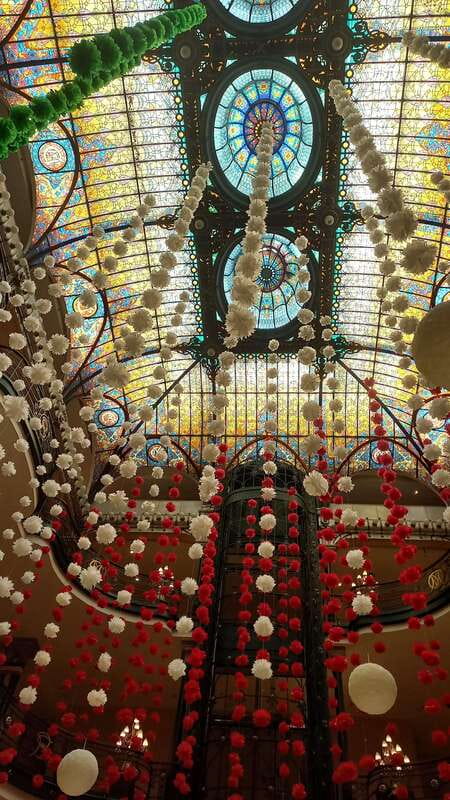
The route next reaches the Zócalo, where you have about 30 minutes for photographs and explanation. This is the natural civic heart of the historic center, and it gives the guide room to explain how the capital developed around its central square.
I like this part because the open space helps you understand the city’s scale. From here, the surrounding architecture makes more sense than it does when you encounter individual buildings at random. You can also ask for practical tips about nearby places to eat, shop, or visit later.
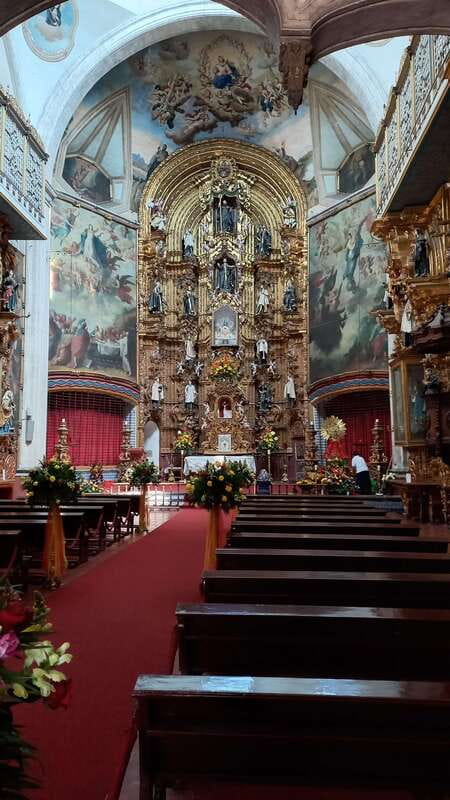
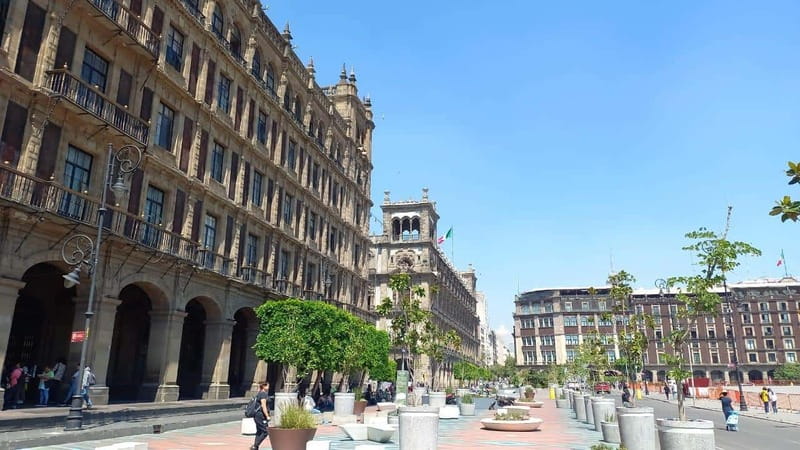
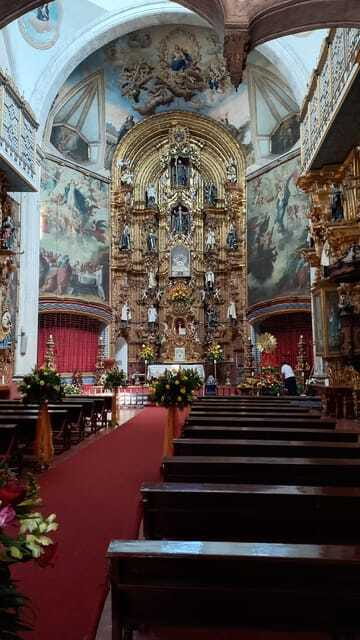
The Metropolitan Cathedral follows, with another 30-minute stop. You visit the church, hear about its architecture and role in the city, and have time for photographs. The cathedral is one of the tour’s major stops, but the guide’s historical framing is what makes it useful. Rather than treating it as only a grand religious building, the route places it inside the wider story of Mexico City.
Church interiors can be active places of worship, so this is a stop where you should follow the guide’s instructions and dress and behave respectfully. The tour provides access to churches and historical buildings as part of the experience, while some museum entrances or additional charges may not be included.
Plaza de Santo Domingo and Templo Mayor
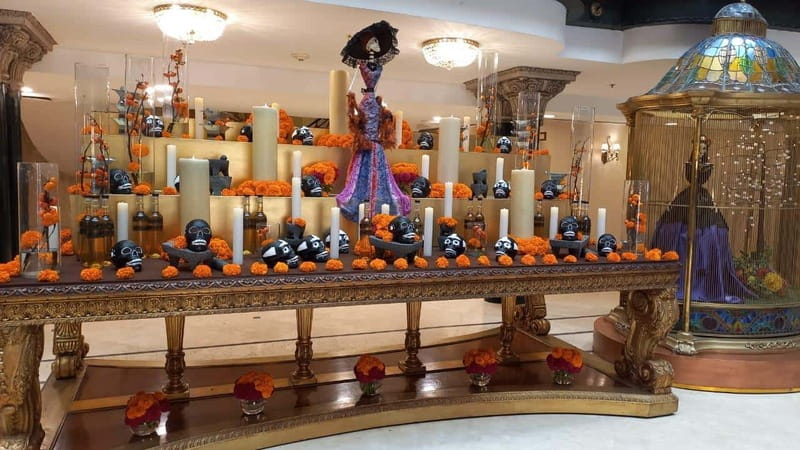
A 15-minute walk leads to Plaza de Santo Domingo. You spend about 20 minutes here with a photo stop and guided explanation.
This section adds another layer to the center’s story. The plaza is less instantly famous than the Zócalo, but it helps show how public spaces, old buildings, and working city life connect. The guide also uses stops like this to talk about the neighborhood from pre-Hispanic times to the present, not just about isolated monuments.
After a short five-minute walk, you reach Templo Mayor de México-Tenochtitlan. The stop lasts about 20 minutes and includes photographs and a guided talk about the Aztec remains.
For many people, this is the historical turning point of the walk. The ruins make it easier to picture the Indigenous city that existed before the Spanish capital was built. The contrast with the nearby cathedral is direct and memorable, and a good guide can help you understand that the historic center is not a single-era district.
Twenty minutes is enough for orientation and context, but not for a full museum visit. If you want detailed archaeological displays, plan extra time separately and confirm which entrance fees are covered. The tour promises access to historical temples, but the information also notes that some museum entrances are not included.
A break at Plaza Manuel Tolsá
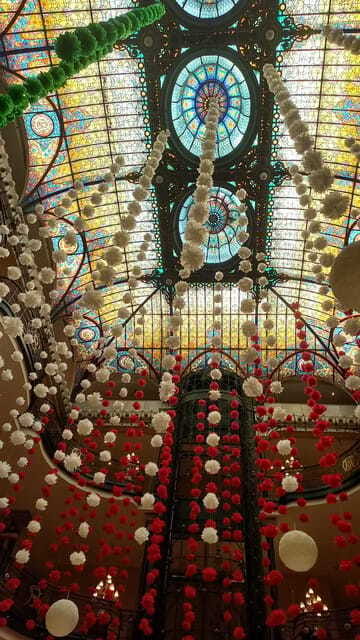
After Templo Mayor, you walk for about 15 minutes to Plaza Manuel Tolsá. Here you get a 30-minute break and a tasting of a traditional fresh juice or typical Mexican snack.
This pause is well placed. A city walk filled with dates, architecture, and historical terms needs a reset, and local food gives you a practical connection to the city. The tasting is modest rather than a full meal, so do not arrive expecting lunch. If you want something extra, you pay for it yourself.
The break also creates a chance to compare notes with the guide and ask for food suggestions. The tour specifically includes recommendations for places to eat and shop, which is useful if this is your first afternoon in the capital and you have not yet decided where to go next.
A stop at Jugos Canada appears later as part of the walking route, but the available details do not say that it is a second included tasting. You should think of the clearly promised food element as one local juice or snack during the scheduled break.



Casa de los Azulejos and the grand postal palace
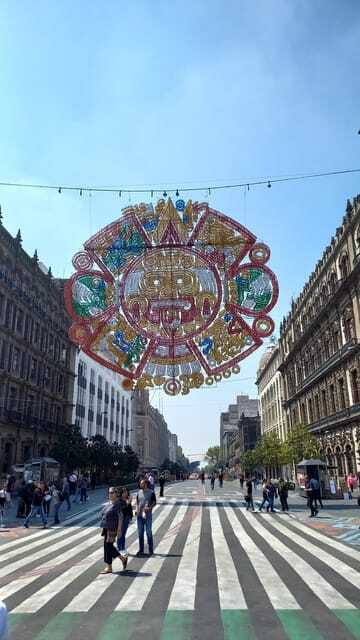
A 10-minute walk takes you to Casa de los Azulejos, the House of Tiles. You have around 10 minutes for photographs, a visit, and a short guided explanation.
This is one of those stops that rewards looking up and slowing down. Its tiled exterior gives the route a welcome change after the stone churches and archaeological remains. The building also shows how Mexico City’s historic center brings together different periods and styles within a short walk.
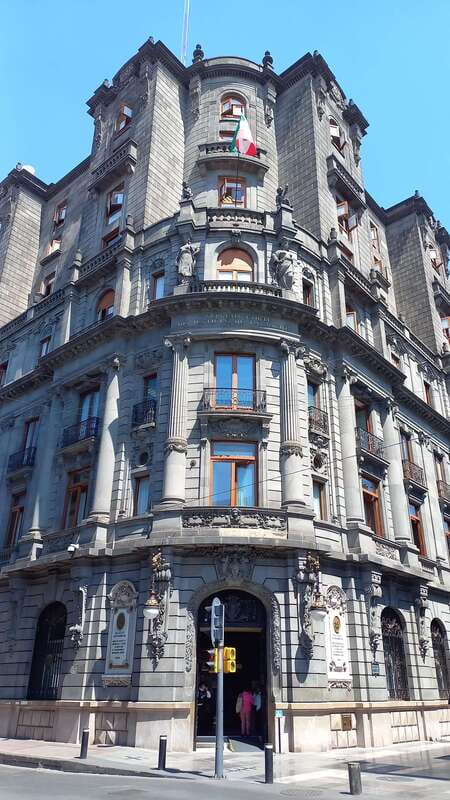
Next comes Palacio de Correos de México, reached after about 10 minutes of walking. The visit and explanation last roughly 15 minutes. The building is one of the center’s most ornate landmarks, and it gives the tour another way to discuss architecture and the capital’s public institutions.
The route does not linger for a long interior study at either building. That is both a benefit and a limitation. You see a lot in one morning or afternoon, but if you are an architecture fan, you may want to return with more time for photographs and closer inspection.
Finishing at Palacio de Bellas Artes
The final major stop is Palacio de Bellas Artes, with about 15 minutes for photographs, a visit, and guided information. This gives the tour a strong finish, since Bellas Artes brings together architecture, performance, and Mexican art in one of the city’s best-known buildings.
The guide’s art background is especially useful here. The experience is not limited to dates and construction details. It also looks at the cultural forces that shaped Mexico City, including the relationship between art, public identity, and the country’s past and present.
Fifteen minutes is enough to understand why the palace matters, but not enough to explore every gallery or mural in detail. If you want a full museum visit, set aside a separate block of time and budget for any entrance fee not covered by the tour.
The exact finishing point is listed in central Mexico City near Bellas Artes. Since the route is entirely focused on the center, you can continue sightseeing afterward, but you should confirm the precise end point with the guide on the day.
What the guide adds to the walk
The guide is the deciding factor on a history-heavy tour, and Martin receives especially strong praise for his explanations and friendly manner. He has led the experience in English and Spanish and is described as connecting Mexican art, history, and culture with the forces shaping the city today.
That matters because the route covers a lot. In a few hours, you move from the pre-Hispanic period to colonial architecture, modern city life, food, and national art. Without clear explanations, this could become a string of building names. The guide’s job is to show the links.
Regina has also led the walk when Martin was ill. Her route included explanations of the Aztecs and Día de los Muertos, and she adjusted the experience to suit the small group. That flexibility is a useful sign for anyone who prefers conversation over a fixed speech, though you should remember that the exact guide may vary.
The language choice is English or Spanish. If you have a strong interest in art, anthropology, food, or architecture, tell the guide early. The route covers all four, and your questions can help shape where the conversation goes.
Walking effort, access, and what to bring
The route is listed as wheelchair accessible, but it still involves repeated walking between stops, time standing in public spaces, and visits to historic buildings. If you use a wheelchair or have mobility concerns, confirm the current route details before booking, especially for older buildings and street crossings.
Wear comfortable shoes. The walk includes sections of about 5, 10, and 15 minutes between stops, plus the time spent moving through the center. Bring water even though there is a refreshment break, and check the weather before setting out.
The tour lasts 3.5 hours. That makes it substantial enough to orient you, but short enough to leave room for lunch, a museum, or another neighborhood afterward. Morning and afternoon starting times depend on availability.
Alcohol and drugs are not allowed, and you cannot participate barefoot. Those rules are simple, but the practical advice is even simpler: dress for walking, carry water, and bring sun or rain protection suited to the forecast.
Is $37 good value?
At $37 per person, this is a fair price for a small-group walking tour that lasts three and a half hours and includes a guide with training across art, history, and anthropology. You are paying for interpretation, not transportation or a restaurant meal.
The value is strongest if you are new to Mexico City and want one organized introduction to the historic center. The route covers major sights including Templo Mayor, the cathedral, the Zócalo, and Bellas Artes, while also adding less obvious stops and practical food and shopping advice.
The value is weaker if you already know the center well or mainly want long museum visits. Most stops are short, and some museum entrances are not included. Extra food is also your responsibility, so the tasting should be seen as a sample rather than a complete meal.
The free cancellation option up to 24 hours before the start and the reserve now, pay later option reduce the risk of fitting this into a changing itinerary. Still, check exactly which entrances are included when you book, since the tour distinguishes between included access and some museums that may require an extra payment.
Who should book this Mexico City tour?
I would choose this for a first day in the capital, especially if you want historical context before visiting museums on your own. It suits curious walkers who like a mixture of major landmarks, architecture, food, and everyday city life.
It is also a good fit for travelers who prefer a small group and direct access to a guide. The 10-person limit gives you a better chance to ask questions than a large city tour.
You may want something else if you have limited walking ability, want a relaxed pace, or hope to spend an hour inside each museum. This experience covers many places, so its strength is connection and orientation rather than detailed study at every stop.
FAQ
How long does the Mexico City historic center tour last?
The tour lasts 3.5 hours.
Where does the tour meet?
The meeting point is in the square in front of the Museo de la Ciudad de México, at Rcda. de Jesús 548.
Where does the tour finish?
It finishes in central Mexico City near Palacio de Bellas Artes. The listed end point is CVP4+9C Ciudad de México, CDMX, México.
What languages are available?
The live guide speaks English or Spanish.
What is included in the price?
The experience includes an expert guide and access to selected museums, churches, historical temples, and historical buildings. It also includes a traditional fresh juice or a taste of a typical Mexican snack.
Are museum entrance fees included?
Entrance to some museums is not included. Check the specific entrance details when booking, and plan to pay separately for any extra museum visits or food.
Is the tour wheelchair accessible?
Yes, the activity is listed as wheelchair accessible. Because it includes walking between historic sites, you should confirm current access details if you have specific mobility needs.
Can I cancel the booking?
You can cancel up to 24 hours in advance for a full refund. The activity also offers reserve now and pay later booking.
Should you book it?
Book it if you want a well-rounded first look at Mexico City’s historic center, with Aztec remains, colonial churches, grand palaces, art, and a small local tasting in one walk. Martin’s clear teaching style and the small group are major reasons to choose it.
Skip it if your priority is a slow museum day or a short, vehicle-based tour. For most first-time visitors who can manage several hours on foot, $37 buys useful context, strong central coverage, and practical ideas for the rest of your stay.
More tours in Mexico City we've reviewed





Mexico City, compared.
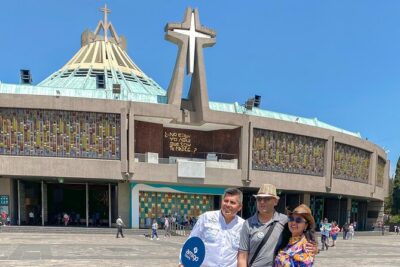 ★ 5.0Teotihuacan, Guadalupe Shrine & Tlatelolco Day Tour with LunchFrom $399 hours (approx.)
 ★ 4.5Xochimilco, Coyoacan and Frida Kahlo with Optional LunchFrom $349 hours (approx.)
 ★ 5.0Balloon flight + Breakfast in cave + Pyramids + Pick up CDMX.From $1722 to 8 hours (approx.)
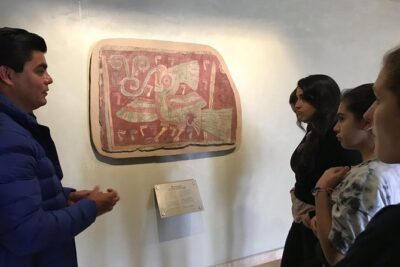 ★ 5.0Teotihuacan pyramids morning or afternoon without tourist trapsFrom $645 hours 30 minutes (approx.)
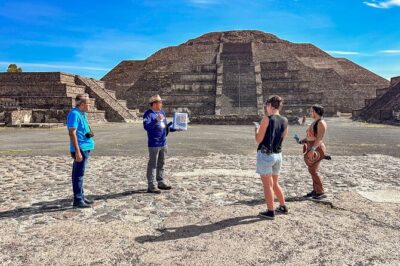 ★ 4.5Teotihuacan Early Access Guided Tour with optional LunchFrom $398 hours (approx.)
 ★ 5.0Balloon flight + pick up in CDMX + Breakfast in Cave + PyramidsFrom $1694 to 7 hours (approx.)
 ★ 5.0Balloon Flight + Cave Breakfast + Pick Up from CDMX or We FlyFrom $1663 to 9 hours (approx.)
 ★ 4.6Mexico City: Teotihuacan, Tlatelolco & Guadalupe Shrine TourFrom $49