
Reviewed · FOOD
Eat Like A Local By The Taco Mensch
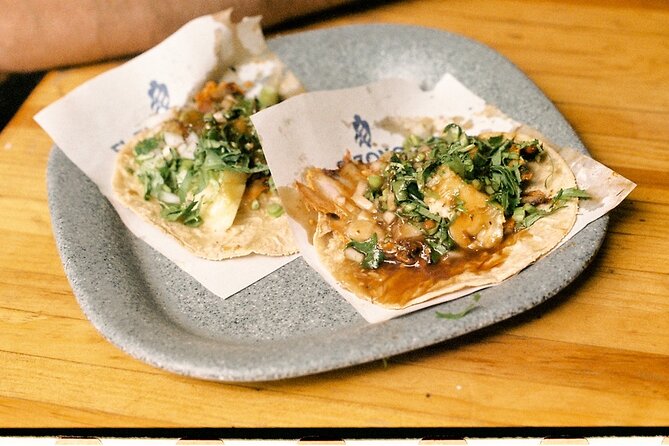
Mexico City’s taco culture is too broad for a single meal, but this three-hour walk gives you a smart introduction. You’ll watch corn become tortillas at an organic tortilleria, visit a neighborhood market, eat at four or five taquerias, and finish with coffee and artisanal chocolate. It is food first, but you also get a useful look at Roma Norte and Condesa.
In This Article
- Key points at a glance
- Why this taco walk is more than lunch
- Starting in Roma Norte at 11 a.m.
- The organic tortilleria: seeing the work behind the taco
- A neighborhood market and the building blocks of Mexican cooking
- Four or five taquerias, with room for regional variety
- Coffee, chocolate, and a proper finish
- What the $92.60 price covers
- Who will get the most from this experience
- Practical details that affect your day
- Should you book Eat Like A Local By The Taco Mensch?
- FAQ
- Where does the taco tour start?
- What time does the experience begin?
- Where does the tour end?
- How long does the tour last?
- What food and drinks are included?
- How many taco shops do you visit?
- Is the tour offered in English?
- How large is the group?
- Can I cancel for a full refund?
I like the small group size, capped at six, because it leaves room for questions and makes it easier for the guide to adjust the route. I also like the range of food: this is not one famous taco stop repeated several times, but a short tour through different regional styles, drinks, market ingredients, and sweets.
The main consideration is pace. Three hours is enough for a generous lunch and a neighborhood walk, but not enough to linger at every stop. Come hungry, and expect the route to change a little depending on what you want to taste.
Key points at a glance
- Fresh tortillas from scratch: See how corn is processed and turned into tortillas at a small organic tortilleria.
- Four or five taco stops: The meal moves through several taquerias rather than relying on one restaurant.
- Roma Norte and Condesa on foot: Food stops are mixed with a look at two popular central neighborhoods.
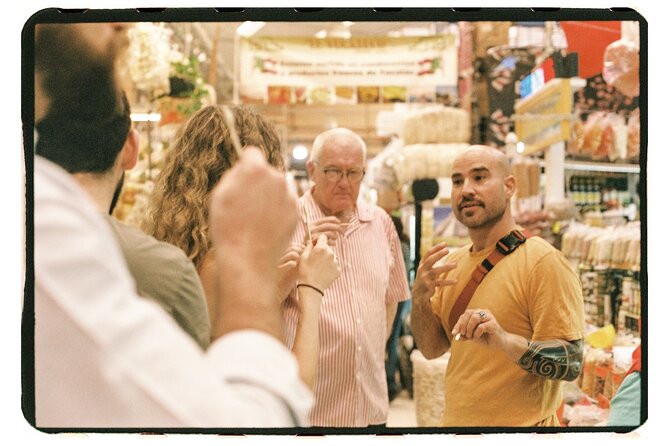
- Market samples and local ingredients: Learn about staple foods and regional specialties in a neighborhood market.
- Drinks and dessert included: Agua fresca or beer, Mexican coffee, and artisanal chocolate round out the meal.
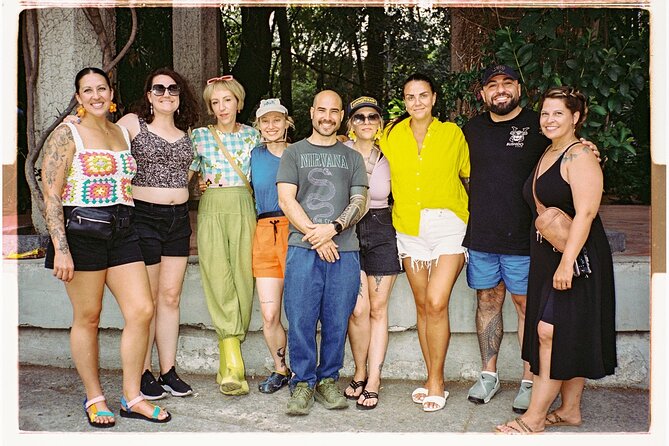
- Small, flexible group: The maximum is six people, and the route can be adjusted to suit the group.
Why this taco walk is more than lunch
Many taco tours are simply a string of plates. This one adds useful food knowledge at the beginning, then lets you taste that lesson in action. At the tortilleria, you can see the process behind one of Mexico’s most important foods before moving on to tacos made for eating, not just photographing.
I like that the experience covers more than the familiar taco vocabulary. The stated plan includes several regional taco styles, local market ingredients, drinks, coffee, and chocolate. That gives you a broader sense of Mexican cooking than a tour built around one type of filling.
The tour also works well as an early introduction to Mexico City. It begins at 11 a.m. and ends near Parque México, so you can continue exploring Condesa afterward. If you are new to the city, the walk helps you get oriented in two central neighborhoods while giving you ideas for later meals.
The tour is led by Avidan Lebenthal’s team. Daniel is specifically praised for explaining tortilla-making, regional specialties, and the food at each stop. Jim is also named as a guide who made the route engaging and personalized. The exact guide is not guaranteed, but you can expect the experience to be hosted in English.
A few more Mexico City tours and experiences worth a look



Starting in Roma Norte at 11 a.m.
Meet at San Luis Potosí 214 in Roma Norte at 11 a.m. The start point is near public transportation, which matters in Mexico City, where traffic can make a short cross-town trip take much longer than expected.
Roma Norte is a good setting for a food walk because the route can combine neighborhood streets with small food businesses. You are not being taken to a distant attraction and then returned to a bus. The tour stays in the Roma Norte and Condesa area, with the finish at Parque México in Hipódromo.
I would allow extra time to reach the meeting point. The tour begins at a fixed time, and a food walk loses part of its value if you arrive rushed or late. Wear comfortable shoes, since the experience includes walking between stops and moving through a market.
The end point at Parque México is useful. You are not dropped back at the starting address, so the tour can function as part of a larger day. Afterward, you can continue around Condesa, use public transportation, or make your own way to another part of the city.
The organic tortilleria: seeing the work behind the taco
The first major stop is a small organic tortilleria. Here, you watch tortillas being made from scratch and learn about the processing of corn. This is one of the strongest parts of the experience because it gives context to everything that follows.
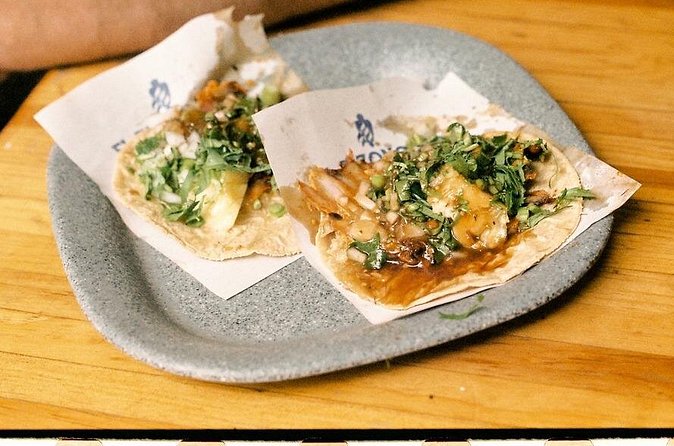
A tortilla can seem like a simple wrapper until you see the steps behind it. The visit shows you the production process and connects the finished tortilla to a central ingredient in Mexican cuisine. You also get tacos at the tortilleria, so the lesson is followed by a direct taste.
I especially like this order. Starting with the tortilla helps you pay attention to texture, aroma, and freshness later in the tour. It also keeps the food walk from becoming only a checklist of taco fillings.
This is a working food business, not a large staged attraction. That can be a benefit if you want a more grounded look at local production, though it may also mean the visit is practical rather than polished. The supplied details do not promise a long formal demonstration, so expect a concise explanation tied to the food you eat.
A neighborhood market and the building blocks of Mexican cooking
The route then moves into a local market. You are introduced to staple ingredients and regional specialties, with samples included. This stop adds welcome variety after the first taco tasting.
Markets help explain a cuisine in a way that menus often cannot. You can learn what ingredients are used at home and in street food, and you can see how regional food traditions show up in everyday shopping. The experience is not limited to prepared tacos. It gives you a better sense of the products that support them.
The market portion also gives the guide room to answer practical questions. You can ask about ingredients you recognize, foods you do not know, and the regional differences behind the samples. Daniel is noted for explaining specialties as the group moves through the market, which suggests that this is an active teaching stop rather than a quick walk past stalls.
Keep an open mind here. Market samples may be less familiar than the tacos, and the tour is designed to show you a range of Mexican food. If you have dietary restrictions, tell the provider before booking or as early as possible, though the supplied information does not list specific substitution options.
Four or five taquerias, with room for regional variety
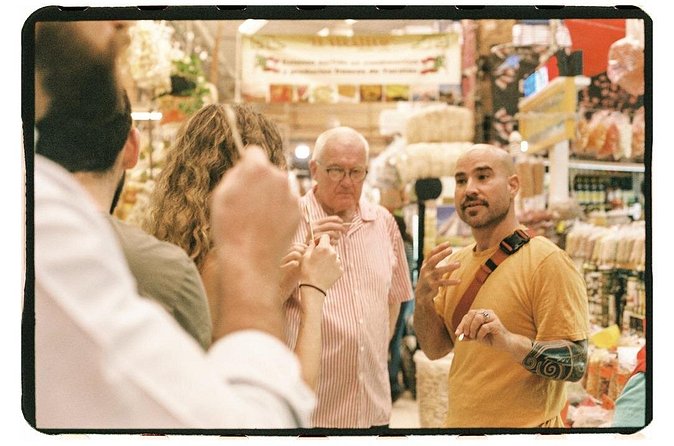
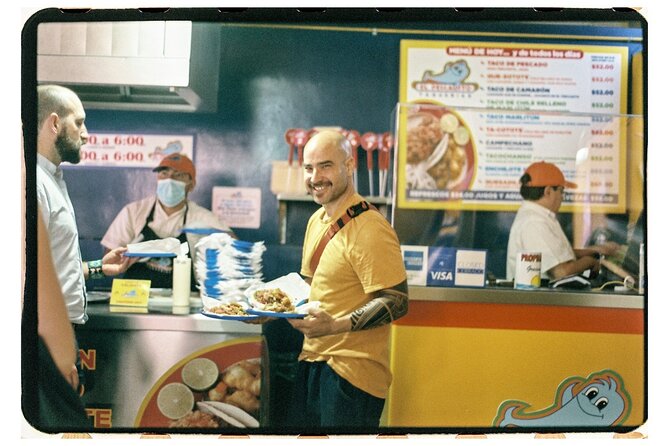
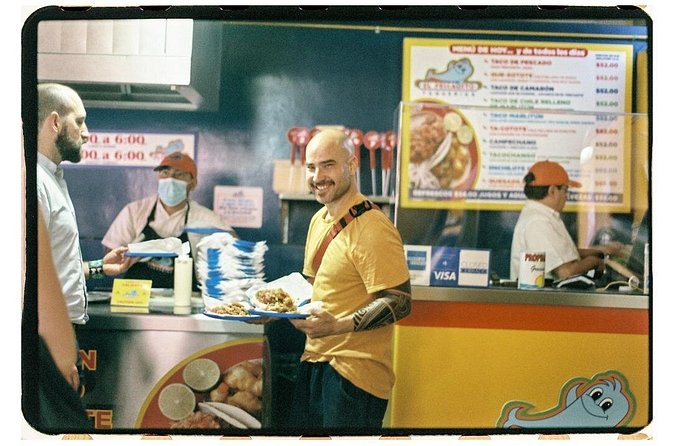
The heart of the experience is a run of four or five different taquerias. That number makes the meal feel like a tasting route rather than an ordinary lunch. You get to compare places, preparations, and flavors while moving through Roma Norte and Condesa.
The exact taquerias can change. The tour is described as dynamic and may be modified to suit the group’s needs and wants. That flexibility is useful if the guide learns that you are especially interested in a certain regional style or if the day’s best options call for a different route.
At the same time, flexibility means you should not expect a fixed menu of named restaurants. The supplied details promise tacos and drinks, but do not specify every filling or taco style in advance. For some people, that uncertainty is part of the fun. If you prefer to plan every dish before paying, this format may feel less predictable.
The food is served as lunch, not as a tiny sample with a separate meal required afterward. Drinks are included, with agua fresca or beer available as part of the experience. Since you visit several taco stops, the best advice is simple: eat lightly beforehand.
The group size matters here. With no more than six people, the guide can keep the meal moving without losing the social side of a shared table or counter. A smaller group also makes it easier to ask why one taco differs from another, or to request more explanation about a regional preparation.


Coffee, chocolate, and a proper finish
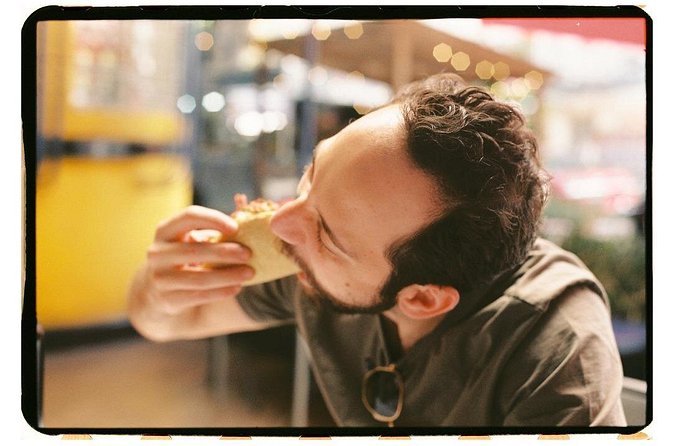
The final food stops include a local chocolate factory, Mexican coffee, and artisanal chocolate. This gives the route a clear ending and keeps the meal from being all savory food.
The chocolate factory is a useful change of pace after several taquerias. You can see another side of Mexico City’s food scene and finish with something sweet rather than leaving after the last taco. Mexican coffee adds a familiar closing ritual, while the chocolate gives the final stop a local character.
The details do not state how much chocolate you receive or how long the factory visit lasts. I would treat it as a tasting and introduction, not a full factory tour unless your guide explains otherwise. The same applies to coffee: it is included in the overall experience, but the precise serving style is not specified.
This ending makes the tour easier to recommend to mixed groups. One person may come mainly for tacos, while another may care just as much about coffee, chocolate, or food production. There is enough range to keep the three hours from feeling repetitive.
What the $92.60 price covers
At $92.60 per person, the price should be judged as a full guided meal, not just a walking tour. The cost includes lunch, tacos, drinks, market samples, the tortilleria visit, and the coffee and chocolate finish. You are also paying for someone to choose and connect the stops, explain what you are eating, and manage the route.
That can be good value in Mexico City, especially if you want an efficient first look at local food. Four or five taquerias would be difficult to organize on your own in three hours, particularly if you do not know which places fit together geographically or how much food to order at each one.
The value is strongest for people who want guidance and context. If you already know Roma Norte and Condesa well, speak Spanish comfortably, and prefer choosing every stop yourself, you may find the price less compelling. You could likely spend less by eating independently, but you would give up the tortilla lesson, market interpretation, and organized progression.
Lunch and drinks are included, but gratuities are not. If you enjoy the tour, the hosts appreciate a tip. Plan for that extra cost rather than treating it as a surprise at the end.
Who will get the most from this experience
I would choose this tour if you want a gentle, food-centered introduction to Mexico City. It suits first-time visitors who want a safe, organized way to explore Roma Norte and Condesa while learning what to order later in the trip.
It also fits people who enjoy food technique, not just eating. Watching tortillas being made, seeing market ingredients, and hearing explanations of regional specialties adds substance to the meal.
The tour is a good match for couples, solo visitors, and small groups. The six-person maximum can make the experience feel personal, and the route may be adjusted around the group’s interests. One particularly useful feature is that the guide can give recommendations for other places to eat and drink during the rest of your stay.
I would be more cautious if you need a guaranteed list of dishes, have serious dietary restrictions, or dislike walking between several food stops. The experience is flexible, but the available information does not promise a set menu or specific accommodations beyond service animals being allowed.
Practical details that affect your day
The activity lasts about three hours. It starts at 11 a.m. at San Luis Potosí 214 and ends at Parque México. Both neighborhoods are central, and the starting point is near public transportation.
The experience is offered in English. Most people can participate, and service animals are allowed. The group maximum is six, which is one of the better reasons to choose this option over a large food tour.
You receive confirmation at booking. Free cancellation is available up to 24 hours before the local start time for a full refund. Cancellations or changes made within 24 hours are not refunded or accepted, so check your plans before the deadline.
Because the tour is dynamic, I would ask the provider about current food preferences when booking if you have strong interests. The route can be adapted to suit the group, but the information does not guarantee that every request can be met.
Should you book Eat Like A Local By The Taco Mensch?
I would book it if you want more than a taco crawl. The tortilla-making visit, market samples, several taquerias, and chocolate finish create a well-shaped three-hour introduction to Mexican food.
The strongest reasons to go are the small group, the included lunch and drinks, and the chance to learn what you are eating. Daniel and Jim are both described as engaging guides, and the experience can lead to useful food recommendations for the rest of your Mexico City stay.
Skip it if you want a fixed restaurant list or a long, relaxed meal at one table. For everyone else, especially first-time visitors who want to start their trip with good food and a bit of neighborhood orientation, the $92.60 price is reasonable. Just arrive hungry, wear walking shoes, and leave room for the final chocolate.
FAQ
Where does the taco tour start?
It starts at San Luis Potosí 214, Roma Norte, Cuauhtémoc, Mexico City.
What time does the experience begin?
The tour starts at 11 a.m.
Where does the tour end?
It ends at Parque México, at Avenida México in Hipódromo, Cuauhtémoc.
How long does the tour last?
The experience lasts approximately three hours.
What food and drinks are included?
Lunch is included, with tacos and drinks. The experience also includes agua fresca or beer, Mexican coffee, artisanal chocolate, and samples during the market visit.
How many taco shops do you visit?
The route includes between four and five different taquerias.
Is the tour offered in English?
Yes. The experience is offered in English.
How large is the group?
The maximum group size is six people.
Can I cancel for a full refund?
Yes. You can cancel at least 24 hours before the local start time for a full refund. Cancellations or changes made within 24 hours are not refunded or accepted.
More Food Experiences in Mexico City

More tours in Mexico City we've reviewed


Food, compared.
 ★ 5.0Historic Center Food Tour in Mexico CityFrom $1155 hours (approx.)
 ★ 5.0Polanco Food Tour: The Bestselling Food Adventure in Mexico CityFrom $1093 hours (approx.)
 ★ 5.0Colonia Roma Food TourFrom $1104 hours (approx.)
 ★ 5.0Mexico City Historical Centre Food Tour with 7 Authentic TastingsFrom $653 hours (approx.)
 ★ 5.0Mexico City Boat Tour Food and Unlimited Drinks Priority BoardingFrom $632 hours 30 minutes (approx.)
 ★ 5.0Mexican Cooking Class with Food Market Visit in Mexico CityFrom $1243 hours 30 minutes (approx.)
 ★ 5.0Local Foodie Adventure in Mexico: +10 dishes with Sherpa ToursFrom $853 hours 30 minutes (approx.)
 ★ 5.0Street Food Tour with Friends4 hours 30 minutes (approx.)
The lists this tour appears in