
Reviewed · TEQUILA & MEZCAL TASTINGS
EXCLUSIVE TOUR Tequila & Mezcal – small groups
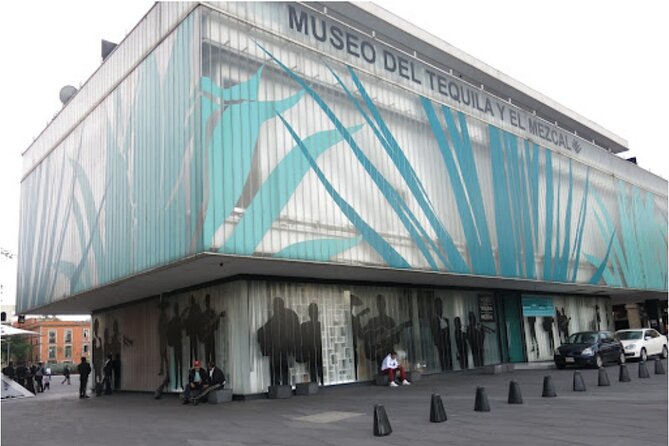
Mexico’s national spirits make more sense once you see how agave, cooking, fermentation, and distillation shape the final drink. This 90-minute tour at MUTEM, the Museo del Tequila y el Mezcal, gives you that compact lesson right in Plaza Garibaldi, the city’s famous mariachi square.
In This Article
- Key points at a glance
- Starting at MUTEM in Plaza Garibaldi
- What you learn about tequila and mezcal
- The tasting: what to expect after the exhibits
- How much value does $65.72 offer?
- Why the guide matters here
- Fitting Plaza Garibaldi into your day
- Who will enjoy this experience most?
- Booking, cancellation, and practical details
- Should you book the tequila and mezcal tour?
- FAQ
- Where does the tequila and mezcal tour take place?
- How long does the experience last?
- Is the tour offered in English?
- What is included in the price?
- Are snacks included?
- How many tequila and mezcal samples are served?
- Can minors join the alcoholic tasting?
- Is the tour accessible by public transportation?
- What is the cancellation policy?
I like the clear contrast between tequila and mezcal, and I like that the tasting follows the museum visit instead of coming first. Guides including Isaac, Tiare, Alex, Leonor, and Yann are praised for answering questions and bringing in side topics such as mariachi and pulque. The main drawback is scale: the museum is small, and $65.72 per person can feel high if you expect a long tour or a large tasting.
Key points at a glance
- Plaza Garibaldi setting: Visit Mexico City’s tequila and mezcal museum in the city’s best-known mariachi gathering place.
- A short, focused lesson: The tour lasts about 1 hour 30 minutes, making it easy to fit into a busy CDMX schedule.
- Guides who explain rather than lecture: Isaac, Tiare, Alex, Leonor, Yann, Levi, Ricardo, and others have been praised for their warmth and ability to handle questions.
- Tasting after the exhibits: Learn the basics first, then sample tequila and mezcal in the museum bar.
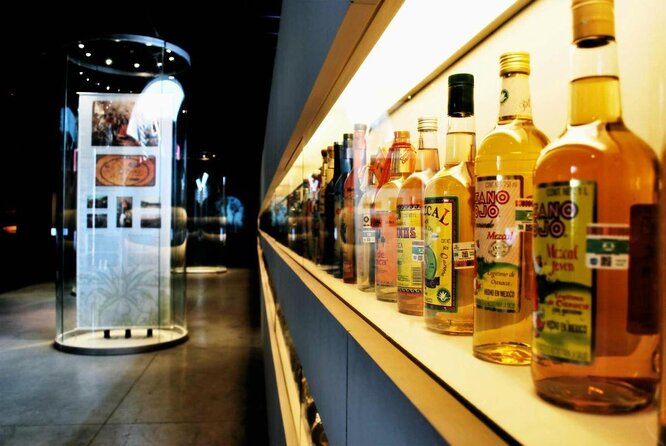
- A small museum with character: Bottle displays, production information, and stories about Mexican spirits give the visit a cultural angle.
- Good for first-timers: You leave with a better idea of what separates tequila from mezcal and what to look for when buying or ordering either one.
Starting at MUTEM in Plaza Garibaldi
The Museo del Tequila y el Mezcal sits in the middle of Plaza Garibaldi, a place already tied closely to Mexican music and nightlife. That location adds useful context. You are not learning about tequila and mezcal in an anonymous tasting room. You are learning about drinks closely linked with Mexican celebration, music, food, and national identity.
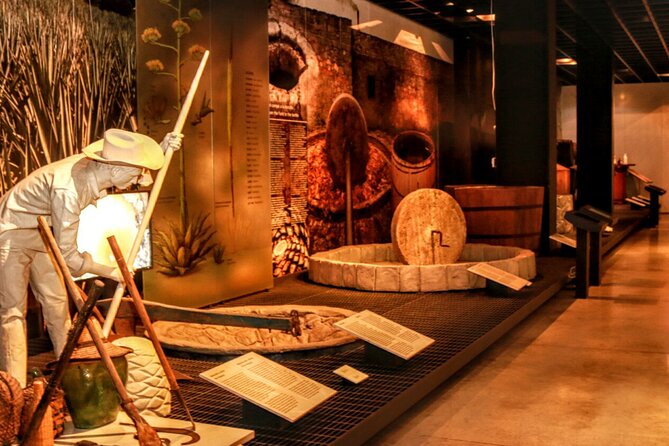
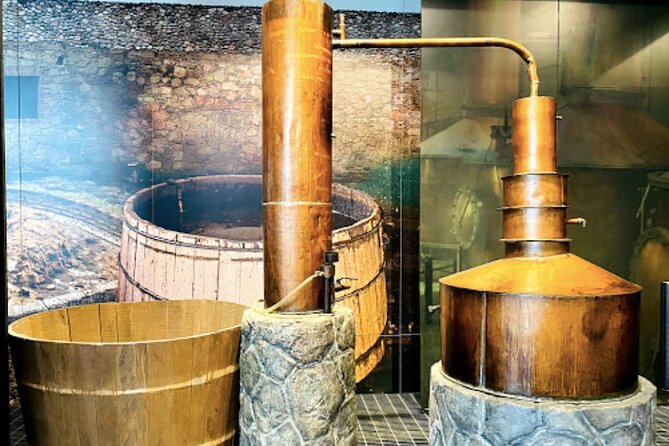
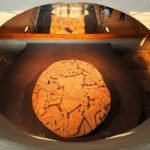
The museum’s permanent exhibition area is included with the tour. It focuses on the culture and production of both spirits, with displays that can include bottles, historical material, and explanations of how the drinks are made. The museum itself is compact, so expect a concentrated visit rather than a full afternoon museum program.
That small size works in your favor if you want a quick introduction. A guide can move through the displays without losing the thread, and you have time to ask questions. It also explains the main criticism of this experience: if you arrive expecting a vast museum, extensive galleries, or a full distillery visit, the visit may feel limited.
The meeting point is near public transportation, and a mobile ticket makes arrival simple. Your confirmation normally comes at booking. If you book within an hour of the start time, confirmation is sent as soon as possible and depends on availability.
A few more Mexico City tours and experiences worth a look

What you learn about tequila and mezcal
The heart of the visit is the difference between tequila and mezcal. The guide explains their origins and production methods, then helps you connect those methods with taste. That order matters. Without some background, a tasting can become a string of anonymous shots. Here, the museum visit gives you a reason to pay attention to color, aroma, texture, and finish.
Tequila and mezcal are both made from agave, but they are not interchangeable. The tour is designed to explain the distinctions at a basic, useful level rather than turn you into a spirits expert in one sitting. You should come away better prepared to order a drink, choose a bottle, or understand a restaurant menu.
The production section is one of the most useful parts for curious drinkers. You learn about the steps behind the bottle, including the broader process of turning agave into a distilled spirit. Several guides also bring up tequila’s evolution and related Mexican drinks such as pulque, which helps place tequila and mezcal in a wider cultural setting.
The quality of this section depends partly on your guide. Isaac is repeatedly praised for his clear explanations, humor, and willingness to answer a long list of questions. Tiare is described as friendly and well prepared, with a talent for covering the basics quickly. Leonor receives especially strong praise for turning factual material into a story. Alex, Yann, Levi, and Ricardo are also singled out for their spirit knowledge and approachable style.
That variety is worth noting. This is not a recorded museum audio tour with the same flat script for everyone. You have an on-site guide, and the experience can become more interesting if you ask questions. If you are curious about production, flavor, Mexican customs, or the bottles on display, speak up.
The tasting: what to expect after the exhibits
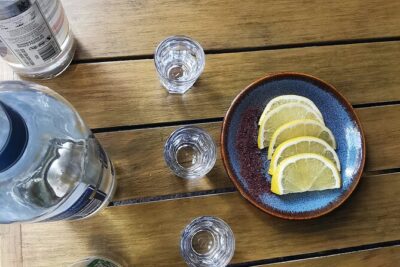
The tasting takes place after the museum portion, generally in the bar area. The supplied details describe a brief tequila and mezcal tasting, while individual accounts describe different formats. Some people received two tequilas and two mezcals, while another tasting included five or six samples. A cocktail is also mentioned in one account.
That variation means you should not book this as a guaranteed large-scale tasting flight. Think of it as an introduction, with the exact number and selection of samples possibly changing. The point is comparison, not quantity.
I like the educational setup. You first learn what to notice, then taste with that information in mind. You can compare tequila with mezcal and decide which style appeals to you. One useful outcome is discovering that you prefer mezcal, even if you arrived assuming tequila would be your favorite.
The tasting can also help you avoid a common mistake: treating all tequila or all mezcal as the same. The guide discusses traditions, production, and flavors while you sample. That turns the bar stop into part of the lesson rather than a separate drinking session.
Still, this is alcohol, not a meal. Snacks and restaurant consumption are not included. If you need food, plan around the tour rather than expecting the tasting to serve as lunch. The experience is also not available to minors for alcoholic beverages.
The bar and shop sit close together, so you can browse bottles or souvenirs before leaving. Staff in the shop can answer questions about the products, according to the experience details. That can be handy if you want to take home a bottle but are unsure what to buy.
How much value does $65.72 offer?
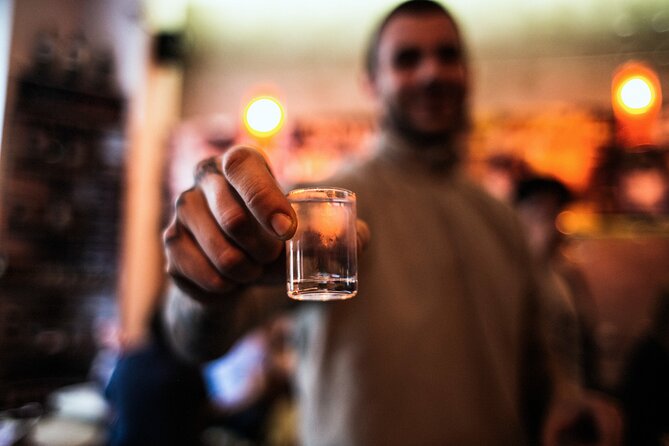
At $65.72 per person, this is not the cheapest way to taste tequila and mezcal in Mexico City. The price includes taxes and fees, access to the permanent museum area, the guided visit, and alcoholic samples. It does not include snacks or additional restaurant purchases.
The value depends on what you want. If you mainly want several drinks, the price may disappoint. A guide specifically notes that the museum is small, and one account found the overall cost high for two people compared with the size of the museum and tasting.
If you want a short cultural activity with instruction, the calculation looks better. You are paying for a guide who can explain production, answer questions, connect the spirits with Mexican customs, and lead you through a tasting. That is more useful than ordering a random shot at a bar, especially if tequila and mezcal are new to you.
The experience also fits neatly into a day in central Mexico City. At about 90 minutes, it does not take over your schedule. You can pair it with other activities in or around Plaza Garibaldi, and the location makes it a sensible add-on rather than a full-day commitment.
My advice is to book when you care about the explanation as much as the alcohol. If tasting quantity is your priority, check the current details before paying and keep your expectations modest. The tour is best viewed as a guided introduction, not a premium spirits seminar.
Why the guide matters here
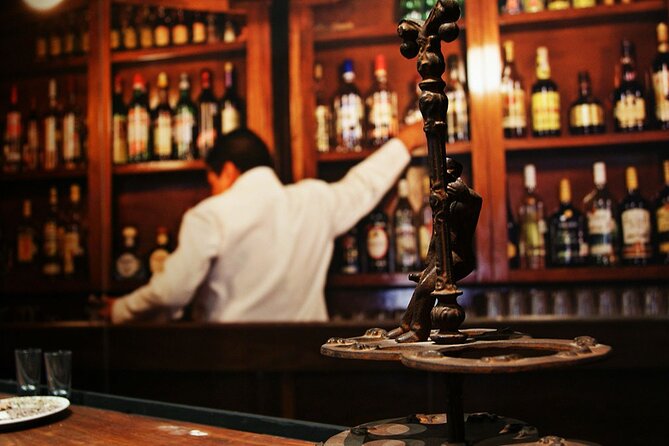
A small museum visit can feel dry if the guide simply reads labels. This experience seems strongest when the guide uses the exhibits as a starting point and then follows your questions.
Isaac is praised for being friendly, funny, and able to explain both spirits in detail. Tiare is credited with making a quick tour engaging while also covering mariachi, pulque, and Mexican history. Alex is described as patient and willing to explain details, while Leonor is especially effective for visitors who enjoy storytelling.
Yann receives praise for a larger tasting and for explaining the differences between tequila and mezcal in a clear way. Levi and Ricardo are also noted for their pleasant manner and ability to discuss production, flavor, and tradition.
You cannot select a particular guide from the supplied information, so do not book solely for one name. But the repeated pattern is useful: come ready with questions. Ask about the production process, why the spirits taste different, what you are sampling, or how to choose a bottle. The guide’s response is likely to be a major part of your experience.



Fitting Plaza Garibaldi into your day
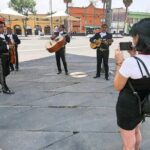
Plaza Garibaldi is more than a backdrop. The museum’s location gives the tour a natural connection to mariachi culture, and several guides include that subject in their conversation. The square is also a practical place to continue your evening after the tour.
One smart plan is to schedule the museum visit as part of a larger walk through the area. The tour itself is short, and the location makes it easy to add another nearby activity. Do not plan the experience in isolation unless you specifically want a quick lesson and tasting.
Because the tour requires good weather, check conditions before setting out. If poor weather forces a cancellation, you should be offered another date or a full refund. The same applies if the minimum number of participants is not reached.
The experience is offered in English and includes a mobile ticket. Most people can participate, and service animals are allowed. It is near public transportation, which is useful in a city where crossing town can take longer than the map suggests.
Who will enjoy this experience most?
I would recommend this tour to a first-time tequila or mezcal drinker who wants context before tasting. It also suits couples and friends looking for a short cultural stop with a drink at the end.
It works well for:
- People with limited time in Mexico City
- Visitors curious about Mexican food and drink traditions
- Anyone who wants to compare tequila and mezcal
- Spirits enthusiasts who enjoy asking technical questions
- Couples or friends who want to continue at the nearby bar or explore Plaza Garibaldi
It may not suit you if you want a large museum, a visit to an agave field, a working distillery, or a long professional tasting. None of those are part of the stated experience. It is also a poor choice if you are paying only for alcohol and do not care about the cultural explanation.
The tour is adults-focused because alcoholic drinks are included. Minors may not consume the samples. Since snacks and restaurant purchases are separate, eat beforehand if you tend to feel alcohol quickly.
Booking, cancellation, and practical details
The listed price is $65.72 per person, and the experience is commonly reserved around 12 days before the date. That advance window suggests you should not assume a last-minute place, especially if your Mexico City schedule is tight.
Free cancellation is available up to 24 hours before the start time for a full refund. Cancellations or changes made inside that 24-hour window are not refunded or accepted. Cutoff times follow local Mexico City time.
The tour is provided by Chill N’ Go. It includes all fees and taxes, museum access, the on-site guide, and the alcoholic tasting. Bring your phone for the mobile ticket and arrive with enough time to locate the museum in Plaza Garibaldi.
Should you book the tequila and mezcal tour?
Book it if you want a short, guided introduction to Mexico’s two best-known agave spirits, especially if you like learning the reason behind what you taste. The combination of MUTEM, Plaza Garibaldi, an English-speaking guide, and a tasting gives you more context than a standard bar stop.
Skip it if you expect a large museum or a generous tasting flight for the price. The museum is small, and the number of samples can vary. For the best value, treat this as a cultural lesson with drinks, then pair it with another activity in the Plaza Garibaldi area.
FAQ
Where does the tequila and mezcal tour take place?
The tour takes place at the Museo del Tequila y el Mezcal, also called MUTEM, in Plaza Garibaldi in Mexico City.
How long does the experience last?
The experience lasts approximately 1 hour 30 minutes.
Is the tour offered in English?
Yes. English is the listed tour language.
What is included in the price?
The price includes all fees and taxes, access to the museum’s permanent exhibition area, an on-site guide, and a brief tequila and mezcal tasting.
Are snacks included?
No. Snacks and restaurant consumption are not included.
How many tequila and mezcal samples are served?
The official details describe a brief tasting, but the number can vary. Individual formats have included two tequilas and two mezcals, while another tasting included five or six samples.
Can minors join the alcoholic tasting?
Alcoholic beverages are not permitted for minors.
Is the tour accessible by public transportation?
Yes. The museum is near public transportation.
What is the cancellation policy?
You can cancel at least 24 hours before the start time for a full refund. Cancellations or changes made less than 24 hours in advance are not accepted for a refund. Poor weather or failure to meet the minimum number of participants may result in a different date or a full refund.
More Tequila & Mezcal Tastings in Mexico City



More tours in Mexico City we've reviewed





Tequila & Mezcal Tastings, compared.
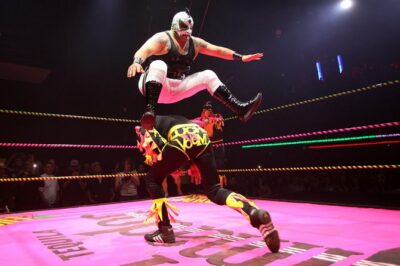 ★ 5.0Lucha Libre Tickets & Tacos & Beer & Mezcal – BEST NIGHT EVER!From $84
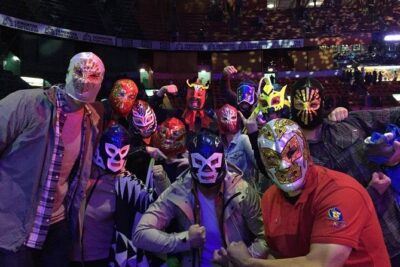 ★ 5.0Lucha Libre Tour and Mezcal Tasting in Mexico CityFrom $1344 hours (approx.)
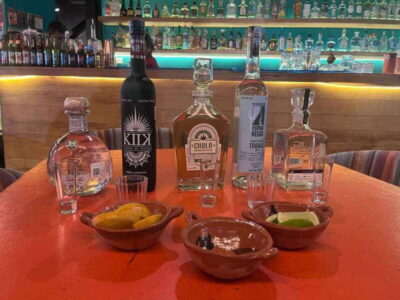 ★ 4.8Mexico City: Tequila and Mezcal Museum Tour with TastingFrom $401.5 hours
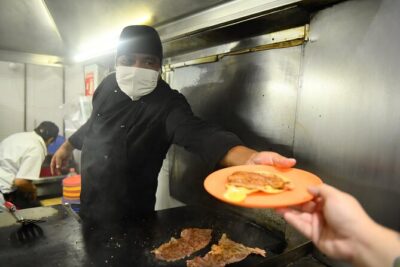 ★ 5.0A Night of Tacos and Mezcal in Mexico CityFrom $1353 hours 30 minutes (approx.)
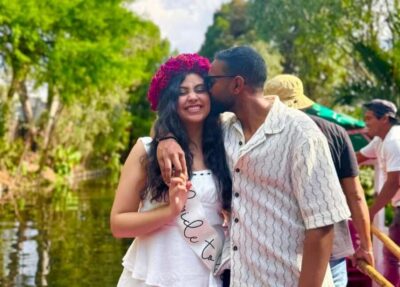 ★ 4.9Xochimilco: Tequila tasting (unlimited) and cultural party on a boatFrom $422 hours
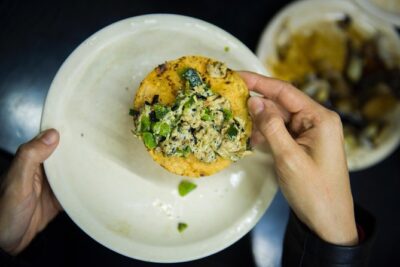 ★ 5.0Narvarte At Night: Tacos, Chelas & MezcalFrom $1433 hours 30 minutes (approx.)
 ★ 5.03-Hour Night Tacos and Mezcal Crawl in Mexico with GuideFrom $953 hours (approx.)
 ★ 5.0Xochimilco All Inclusive Experience Tequila and Mezcal with CultureFrom $472 hours (approx.)
The lists this tour appears in