

Reviewed · MEXICO CITY
Iztaccihuatl, Refuge of the 100 (4780m)
The best part of this Iztaccihuatl hike is the changing view as you climb. You start below the sleeping woman, as the mountain is often called, then cross to the far side of each hill for new sights of Popocatépetl, Puebla, and Pico de Orizaba. The goal is the Refuge of the 100, high on the volcano at roughly 4,720 to 4,780 meters.
In This Article
- Quick points about the Iztaccihuatl climb
- Leaving Mexico City for Izta-Popo National Park
- The first hill and the Popocatépetl view
- Sandy ground on the way to the third hill
- Puebla and Pico de Orizaba from the third hill
- The final climb to the Refuge of the 100
- What the private transport and small group add
- Lunch, helmet, and what you still need
- Weather, cancellations, and choosing your date
- Who should book this Iztaccihuatl day hike?
- Is the Refuge of the 100 hike worth $219.38?
- Should you book it?
- FAQ
- Where does the tour start and finish?
- How long does the experience last?
- How high is the Refuge of the 100?
- What is included in the price?
- Is the tour available in English?
- How large is the group?
- What happens if bad weather cancels the hike?
I like the small group of up to 10 people, since a guide can keep a closer eye on the pace and the effects of altitude. I also like the practical setup: private transport from Condesa, lunch, and a safety helmet are included. The main drawback is the climb itself. This is not a casual walk in the park, and snow or loose sand can make the upper section harder. One person found crampons would have helped, though the group still completed the hike.
Quick points about the Iztaccihuatl climb

- The destination sits near 4,780 meters: The Refuge of the 100 is a serious high-altitude goal, even though this is a one-day outing.
- Popocatépetl appears from the mountain’s far side: The route gives you more than one volcano view as you gain height.
- Puebla and Pico de Orizaba come into view later: The third hill provides a striking lookout toward central Mexico.
- Jorge is one guide associated with the route: His guidance helped make the hike feel organized and enjoyable.
- Lunch and a helmet are included: You do not need to arrange these basic items separately.
- The group is capped at 10: That is useful on a demanding route where pace and safety matter.
Leaving Mexico City for Izta-Popo National Park
The day begins at Av. Vicente Suárez 38 in Colonia Condesa, Mexico City. From there, private transportation takes you toward Iztaccihuatl and Popocatépetl National Park, removing the need to work out a separate bus, taxi, or rental-car plan.
I value this kind of pickup for a mountain day. You can start from a familiar part of the city, ride with the group, and arrive at the foot of Iztaccihuatl ready to prepare for the climb. The transport is private, but the activity itself is shared with a small group of no more than 10 people.
The route description calls Iztaccihuatl the sleeping woman because its long profile resembles a reclining figure. That gives the mountain a clear shape and identity before you even begin walking. At the trailhead, you leave the cars behind and get ready for the ascent.
The tour lasts about one day, but the supplied details do not give exact departure or return times. I would plan for a full, demanding day rather than a quick morning outing. Mountain pace, weather, and the condition of the upper trail can all affect how long the climb takes.
If you're still narrowing it down, here are other tours in Mexico City we've reviewed.

The first hill and the Popocatépetl view
The first section takes you upward through the open mountain scenery around Iztaccihuatl. You are not heading straight to the refuge on a simple ramp. The route rises toward one hill, then crosses to the other side of the mountain.
That change of side is important. From there, you get a view toward Popocatépetl, the active volcano that shares the national park with Iztaccihuatl. The sight gives the hike a sense of place. You are not just climbing for exercise. You are moving through the high volcanic country that defines this part of Mexico.
I like routes that reveal the view in stages. The first sight of Popocatépetl arrives after some work, so it feels connected to the climb rather than placed in front of you at the start. Keep your camera accessible, but do not let photographs distract you from footing or your breathing.
The trail can feel demanding even before the highest section. Iztaccihuatl reaches an altitude where the air is thin, and the itinerary specifically calls for moderate physical fitness. That wording matters. You do not need to be a technical mountaineer for this outing, but you should be comfortable with sustained uphill walking.
Sandy ground on the way to the third hill
After the first major viewpoint, the route continues toward a sandy section. Loose ground changes the rhythm of the hike. Each step may feel less secure, and climbing can take more effort than it would on firm soil.
This is one place where good footwear and a controlled pace matter. The tour provides a helmet, but the supplied information does not say that hiking boots, poles, crampons, or other equipment are included. You should ask the operator what personal gear is expected before the day begins.
Snow may also affect the route. One account of the hike noted that crampons could have made the snowy sections easier, although the climb was completed without them. That is a useful warning rather than a reason to cancel. Conditions vary, and the need for traction equipment depends on weather and the state of the trail.
Your guide has an important job here. A group of 10 is small enough for the pace to be adjusted more easily than in a large bus tour. If you are struggling on sand or snow, tell the guide early. Waiting until the final climb makes the problem harder to manage.
Puebla and Pico de Orizaba from the third hill
The route then reaches the third hill and crosses to the opposite side once more. This section opens views toward Puebla and Pico de Orizaba, Mexico’s highest mountain.
That broad outlook is one of the strongest reasons to choose this hike instead of a shorter mountain walk. You see several major features of central Mexico from a single route: Popocatépetl from one side, Puebla from another, and Pico de Orizaba farther across the horizon.
The view is also a good reward for the steady work below. I would not treat this as a route where the only worthwhile moment is reaching the refuge. The changing viewpoints are part of the experience, and the third hill may be one of the most memorable stops.
Still, the scenery should not hide the physical demands. At this point you have already climbed through several distinct sections, and the final ascent remains ahead. Use the stop to drink water, eat if you need to, and check how you feel. The goal is to reach the refuge safely, not to race there.
The final climb to the Refuge of the 100
The last uphill section leads toward the Refuge of the 100. The destination is listed at 4,780 meters in the tour title, while the route description gives 4,720 meters. That small difference may reflect different measurements or descriptions, but either figure places the refuge very high. I would confirm the exact elevation with México Travesías if it matters to your planning.
The refuge is the end point described for this experience, not a summit attempt on Iztaccihuatl. That distinction is important. You are hiking to a high refuge and returning, rather than booking a technical ascent to the mountain’s highest peak.
Near the top, the route may include snow, sand, or uneven volcanic ground. The helmet is included as a safety item, but it does not remove the need for care. Follow your guide’s instructions and expect the final climb to feel slower than the earlier sections.
When you reach the refuge, take time to look back at the route. The hills you crossed, the side views toward Popocatépetl, and the distant sights toward Puebla and Pico de Orizaba give the finish more meaning. Lunch is included, so you can refuel before the return journey.
The provided details do not state how long you stay at the refuge or whether lunch is served there. Ask about the day’s timing when you meet the guide. That will help you manage your food, clothing, and energy.

What the private transport and small group add
At $219.38 per person, this is not the cheapest way to reach a mountain outside Mexico City. The price makes more sense when you count what is bundled into the day: private round-trip transportation, a guide, lunch, a helmet, and a group limited to 10.
Private transport is especially useful if you do not want to arrange your own route to the national park. The meeting point in Condesa is central and clear, and the activity finishes back there. You also avoid the uncertainty of coordinating several connections before a demanding hike.
The group cap has practical value too. On a high-altitude route, a guide needs to keep track of pace and general condition. Ten people is still a real group, so you should not expect a private one-to-one mountain lesson, but it is small enough to feel more personal than a large coach outing.
The booking pattern suggests that this experience is often reserved about 16 days ahead. I would not leave it until the last moment if your Mexico City dates are fixed. The tour also requires a minimum number of participants, so ask what happens if that minimum is not reached.
Lunch, helmet, and what you still need
Lunch is included, which is helpful on a full day outside the city. The tour also supplies a safety helmet. Alcoholic drinks are not included, and there is no reason to plan on them during a high-altitude hike.
The details do not provide a packing list, so I would confirm the operator’s current requirements. At a minimum, you should ask about suitable clothing, footwear, water, and traction equipment if snow is expected. The mention of crampons in connection with snowy ground is a clear sign that conditions can change.
Do not assume that included transport means all equipment is provided. The helmet is specifically listed, while crampons are not. That distinction can save you an uncomfortable surprise on the mountain.
Moderate fitness is required, and the activity is not suitable for children under 14. The age rule and fitness guidance make sense for a route that reaches more than 4,700 meters and includes sandy and possibly snowy sections.
Weather, cancellations, and choosing your date
The activity depends on good weather. If poor conditions force a cancellation, you are offered another date or a full refund. That is a fair policy for a mountain route, where conditions can affect both safety and visibility.
You can cancel for a full refund up to 24 hours before the start time. Cancellations made less than 24 hours before departure are not refunded, and changes inside that window are not accepted. The cut-off uses local Mexico City time.
Booking confirmation is normally sent at once. If you book within two hours of departure, confirmation comes as soon as possible and depends on availability. I would avoid last-minute booking unless your schedule is flexible.
Weather affects more than safety. Clouds can hide Popocatépetl, Puebla, or Pico de Orizaba, while snow can alter the difficulty of the upper trail. If your main reason for booking is the views, a flexible date is useful.
Who should book this Iztaccihuatl day hike?
I would choose this outing if you want a serious mountain day from Mexico City without arranging transport, food, and a guide separately. It suits people who enjoy sustained uphill walking and want volcanic scenery rather than a city tour.
The route is also a good fit if you prefer a defined goal below the summit. The Refuge of the 100 offers a high-altitude destination without describing a technical peak climb. Still, the altitude is real, and the hike should not be treated as an easy excursion.
I would be cautious if you have little hiking experience, dislike loose or snowy ground, or want a relaxed day with lots of spare time. The group may move at a shared pace, and the final climb can be affected by conditions.
The experience is offered in English, which helps if you want instructions and route information in that language. Jorge is one guide named in connection with the experience, and the small group format gives you a better chance to communicate directly with your guide.
Is the Refuge of the 100 hike worth $219.38?
For me, the value depends on how much you would otherwise spend on getting to the park and organizing a high-altitude hike. Private round-trip transport from Condesa is a major convenience, and lunch, a helmet, and guiding are already covered.
The price is harder to justify if you already have transport, mountain equipment, and a guide. You should also remember that the fee does not include alcoholic drinks, and the supplied details do not confirm that technical gear such as crampons is provided.
The strongest reasons to book are the varied viewpoints, the small group, and the simple all-in-one arrangement. The biggest caution is the physical challenge. You are paying for access to a demanding day in the mountains, not a gentle scenic outing.
Should you book it?
Book this Iztaccihuatl experience if you are fit enough for a long uphill hike, want views of Popocatépetl, Puebla, and Pico de Orizaba, and value private transport from Mexico City. The small group and included lunch make the day easier to manage.
Skip it if you want a low-effort excursion or if you are not prepared for high altitude, loose sand, and possible snow. Before confirming, ask about departure time, current trail conditions, the exact refuge elevation, and whether crampons or other traction gear are needed.
FAQ
Where does the tour start and finish?
It starts at Av. Vicente Suárez 38 in Colonia Condesa, Cuauhtémoc, Mexico City. The activity ends back at the same meeting point.
How long does the experience last?
The tour lasts approximately one day. Exact departure and return times are not provided.
How high is the Refuge of the 100?
The tour title gives an elevation of 4,780 meters. The route description gives 4,720 meters, so you may want to confirm the exact figure with México Travesías.
What is included in the price?
The price includes a helmet, lunch, and private transportation. The activity is guided and includes round-trip transport from Mexico City.
Is the tour available in English?
Yes. The experience is offered in English.
How large is the group?
The activity has a maximum of 10 people. A minimum number of participants is also required for the tour to operate.
What happens if bad weather cancels the hike?
If poor weather causes a cancellation, you are offered a different date or a full refund. You can also cancel up to 24 hours before the start time for a full refund.
More tours in Mexico City we've reviewed

Mexico City, compared.
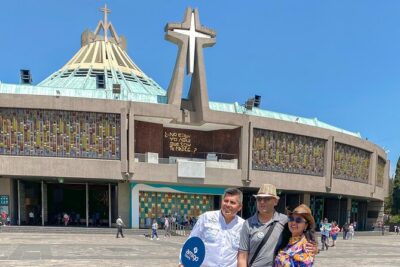 ★ 5.0Teotihuacan, Guadalupe Shrine & Tlatelolco Day Tour with LunchFrom $399 hours (approx.)
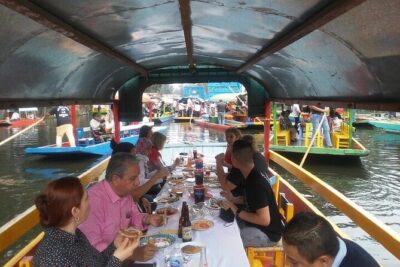 ★ 4.5Xochimilco, Coyoacan and Frida Kahlo with Optional LunchFrom $349 hours (approx.)
 ★ 5.0Balloon flight + Breakfast in cave + Pyramids + Pick up CDMX.From $1722 to 8 hours (approx.)
 ★ 5.0Teotihuacan pyramids morning or afternoon without tourist trapsFrom $645 hours 30 minutes (approx.)
 ★ 4.5Teotihuacan Early Access Guided Tour with optional LunchFrom $398 hours (approx.)
 ★ 5.0Balloon flight + pick up in CDMX + Breakfast in Cave + PyramidsFrom $1694 to 7 hours (approx.)
 ★ 5.0Balloon Flight + Cave Breakfast + Pick Up from CDMX or We FlyFrom $1663 to 9 hours (approx.)
 ★ 4.6Mexico City: Teotihuacan, Tlatelolco & Guadalupe Shrine TourFrom $49