
Reviewed · TICKETS
Mexico City: Mystika Inmersivo Entrance Ticket
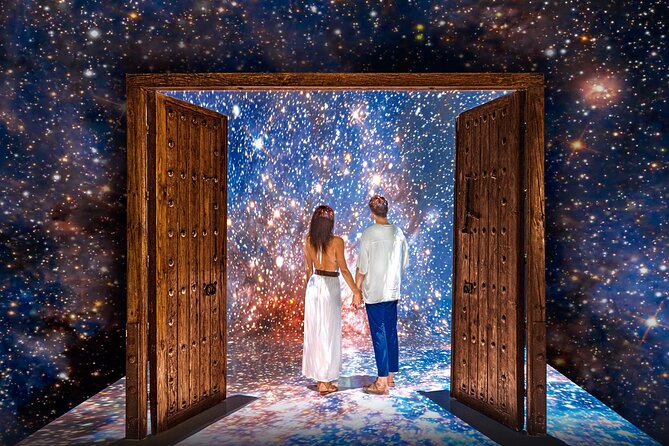
Mystika Inmersivo turns Mexican nature into a one-hour art journey. You move through seven rooms built with projections, music, mirrors, animated video, and carefully staged scenes, from the Lacandona Jungle to the ruins of Tulum beneath a starry sky. The work comes from visionary artist Pepe Soho, and it asks you to think about your own bond with nature.
In This Article
- Key points
- Seven rooms, seven ways to see Mexico
- The infinite mirror room and Mexican sanctuaries
- The horse room and a strong emotional center
- A personal transformation through light and sound
- The Lacandona Jungle in a multisensory setting
- Monarch butterflies and a tribute to nature
- Tulum beneath a star-filled dome
- Chichén Itzá and the final sense of calm
- Three video walls and the photo gallery
- Is $26 a fair price for one hour?
- Practical details at Torre Cuarzo
- Who will enjoy Mystika most?
- How to get the most from the one-hour visit
- Should you book Mystika Inmersivo?
- FAQ
- Where does Mystika Inmersivo take place?
- How long does the experience last?
- How many rooms are included?
- What will I see inside Mystika?
- Is the exhibition available in English?
- Is Mystika wheelchair accessible?
- Are children allowed?
- Can I take photographs inside?
- What is not included with admission?
I love the horse sequence, which focuses on the healing and spiritual power of these animals. I also like the photo opportunities, especially the room of infinite mirrors and the large-format gallery with more than 45 images. The main drawback is that this is a compact, highly produced indoor show, not a visit to an actual natural sanctuary, so you should come with an open mind rather than expect a traditional museum or historical tour.
Key points
- Seven rooms in about one hour: The experience moves through different visual and musical settings without requiring a long time commitment.
- Pepe Soho’s personal vision: The exhibition links photography, technology, Mexican nature, and a personal transformation theme.
- A standout horse presentation: One room centers on the freeing and healing power of horses, an element that has made a strong impression on many people.
- Mexican places re-created with projections: The Lacandona Jungle, Tulum, Chichén Itzá, monarch butterflies, and other natural or cultural subjects appear in theatrical settings.
- Built for photographs: Expect mirrors, animated video walls, a 360-degree dome, and a separate photo gallery with more than 45 large-format images.
- Easy for a mixed-age group: All ages are welcome, children under five enter free with an adult, and the venue is wheelchair accessible.
Seven rooms, seven ways to see Mexico
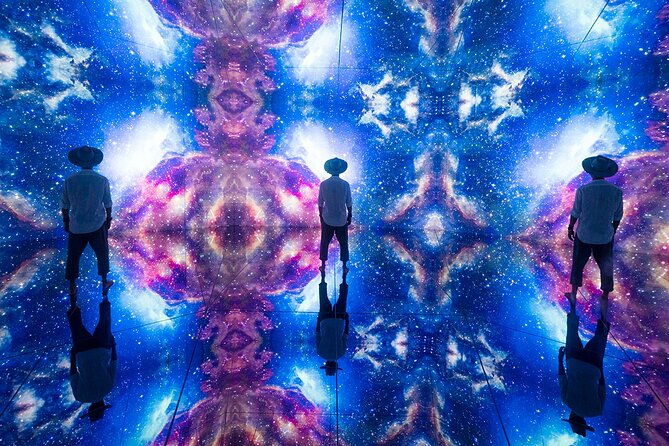
Mystika is not a standard gallery where you walk past framed works and read labels. It is closer to a visual theater, with each room using scale, sound, light, and motion to change your sense of place.
The central idea is a personal connection with nature. That theme can feel sincere and moving, though it is also deliberately dramatic. If you enjoy sensory art and symbolic storytelling, you will have plenty to take in. If you prefer clear historical explanation or a quiet collection of original objects, this may feel more like a spectacle than a museum.
The information is presented in Spanish and English, which helps you follow the ideas without relying only on the pictures. The host or greeter may speak either language, and the rooms use technology to carry much of the story.
A few more Mexico City tours and experiences worth a look


The infinite mirror room and Mexican sanctuaries
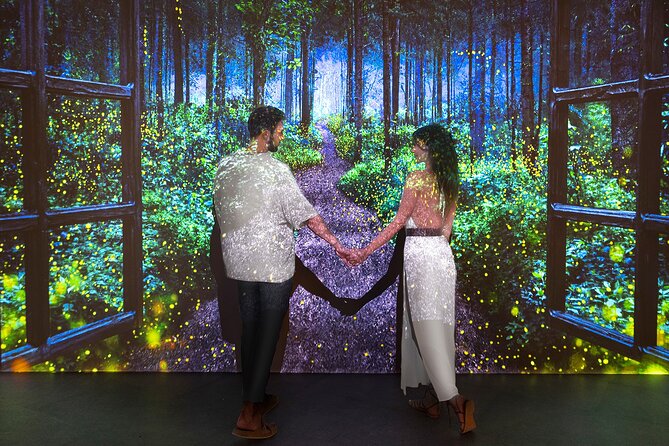
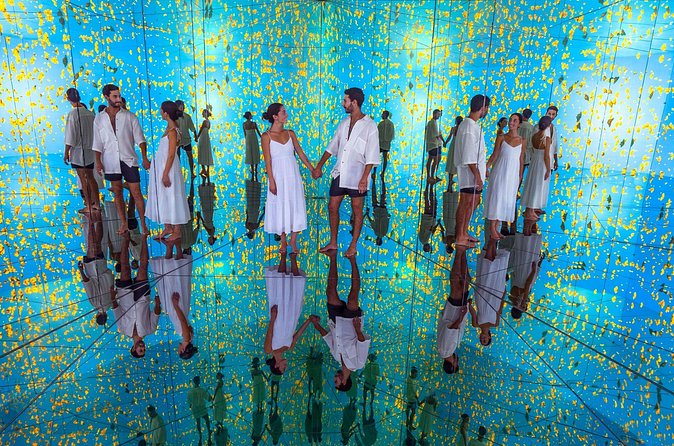
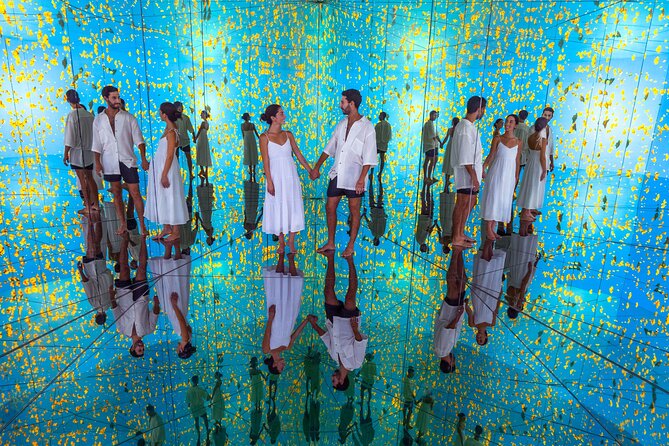
One of the first major visual ideas is a room of infinite mirrors. It presents Mexico’s natural sanctuaries through a repeating, reflective setting that makes the room feel larger than it is.
This is likely to be one of your best spots for photographs, but it is worth giving the room more than a quick selfie. The mirrors are meant to suggest connection and continuity, not simply provide a photo booth. Look around before taking out your phone and let the repeated images, lights, and sound do their work.
The room also sets the tone for the rest of the experience. Mystika asks you to respond emotionally rather than collect facts. You are not getting a detailed lesson about every sanctuary shown, so the value comes from mood and visual association.
The horse room and a strong emotional center
The horse section focuses on the healing and spiritual power of horses. It is also described as a liberation of the horses, giving the room a sense of movement, release, and personal change.
This is the part I would watch most closely if you want to understand why the experience connects with some people so strongly. The subject is direct and easy to grasp: horses represent freedom, strength, and a bond between people and the natural world. The presentation is emotional rather than technical, so do not expect an explanation of horse therapy or a live animal encounter.
You may find this section more affecting than the purely visual rooms. It gives the exhibition a human center and keeps the experience from becoming only a sequence of colorful projections.
A personal transformation through light and sound
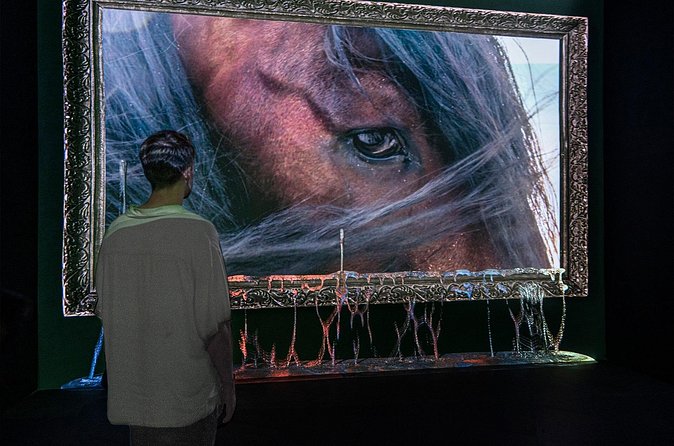
Another room asks you to enter a new state of awareness and connect with your inner self while thinking about your desires. This is the most openly spiritual part of Mystika.
That language will work better for some people than for others. You can treat it as a quiet pause inside a theatrical production, or take the invitation to reflect seriously. The show does not require you to share a belief system, but it does assume that you are willing to consider ideas about intention, healing, and personal change.
The setting combines technology and music with the artist’s imagery. You may want to slow down here instead of rushing to the next room. With only about an hour for the full experience, the pace is not leisurely, but the emotional sections reward a little attention.
The Lacandona Jungle in a multisensory setting
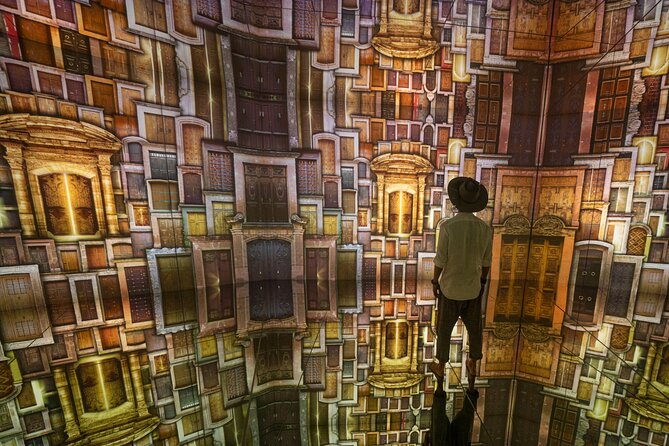
The Lacandona Jungle appears through surreal scenes and multisensory sound. This is not a physical journey into the jungle. It is an artistic interpretation that uses image, audio, and room-scale presentation to suggest its atmosphere.
That distinction matters. You will not smell the forest, walk on a trail, or learn a naturalist’s list of plants and animals. Instead, the room gives you a stylized impression of Mexico’s tropical world and its importance as a place of life and mystery.
The surreal approach may appeal to you if you enjoy art that leaves room for interpretation. It may feel less satisfying if you want precise context about the Lacandona region. The English and Spanish text helps with the broad message, but the visuals remain the main event.
Other city tours we've reviewed in Mexico City


Monarch butterflies and a tribute to nature
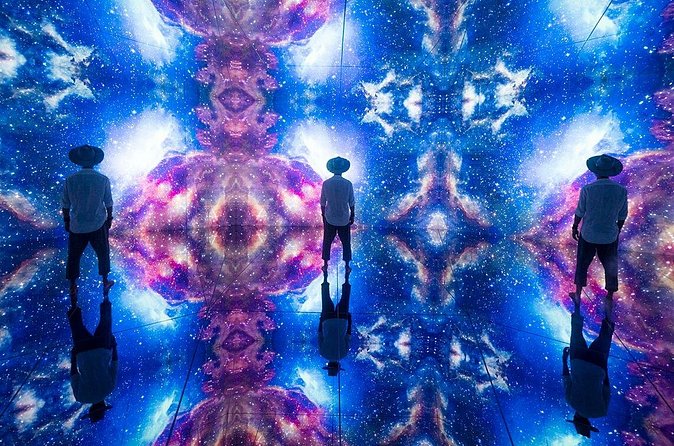
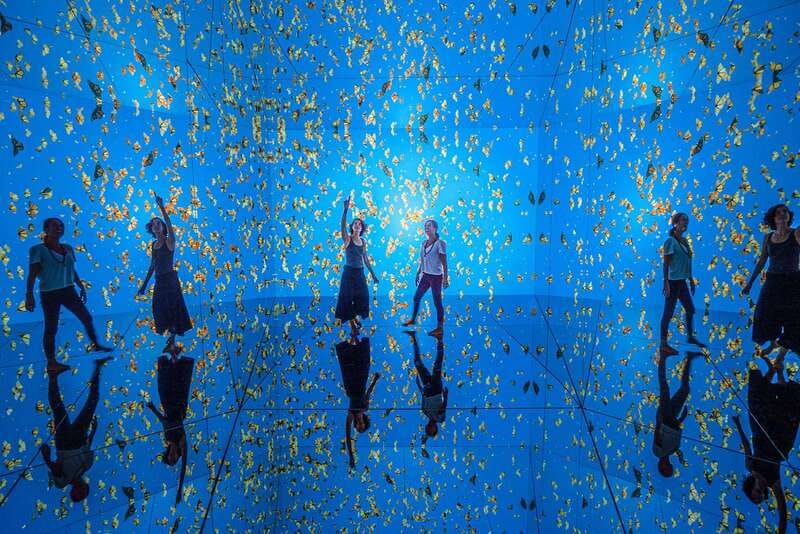
The monarch butterfly section turns the insect into a symbol of change and renewal. The exhibition presents it as a tribute to nature and connects the butterfly’s transformation with your own.
This is a familiar idea, but it fits the show’s structure. Each room uses a different Mexican subject to return to the same larger message: people are part of nature, not separate from it. The butterfly theme gives that message a bright and accessible form.
For families, this may be one of the easiest rooms to discuss afterward. Children can respond to the motion and color, while adults may focus on the symbolism. Since all ages are welcome, the exhibition is designed to work on more than one level.
Tulum beneath a star-filled dome
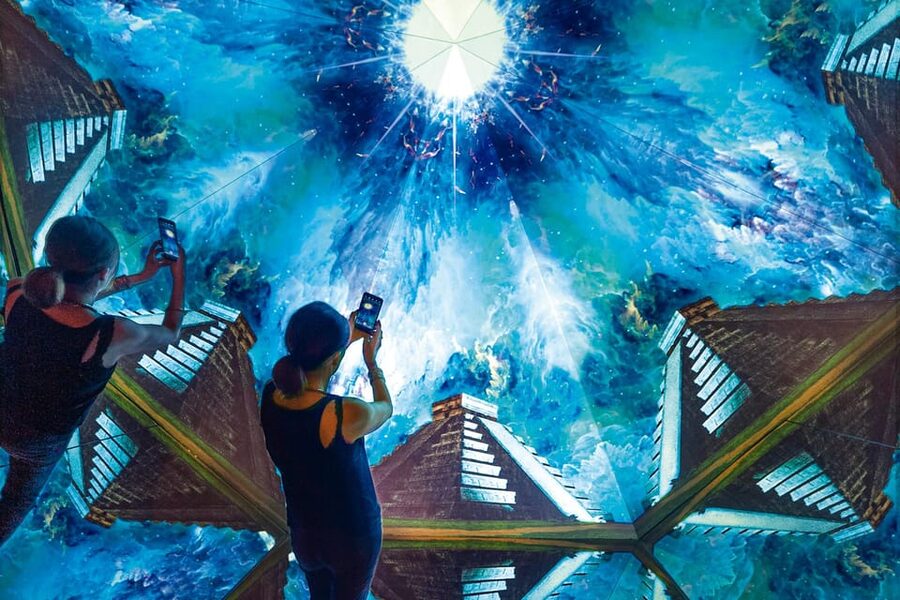
The Tulum section places the ruins beneath a starry sky inside a 360-degree dome. The curved screen is meant to surround you, changing the scale of the image and making the room feel separate from the city outside.
This is a good example of what Mystika does best: it takes a recognizable Mexican site and turns it into an atmospheric scene. You are not receiving a guided archaeology lesson about Tulum. You are being asked to experience the site as a place of wonder and stillness.
The dome can also be a useful change of pace after the more active visual effects. Instead of mirrors or fast-moving imagery, you get a broad overhead view and a chance to settle into the music. If enclosed visual environments make you uncomfortable, note that the entire exhibition takes place indoors and uses large projections.
Chichén Itzá and the final sense of calm
Chichén Itzá appears beneath a starry night, with the room designed to encourage a state of peace. Like the Tulum presentation, this is an artistic evocation rather than a substitute for visiting the archaeological site.
The scene works as a natural closing idea because the show moves from nature and animals toward reflection. You finish with a famous Mexican monument presented as a quiet, almost dreamlike image. The emphasis is on feeling and contemplation, not dates, architecture, or excavation.
If you have already visited Chichén Itzá, you may enjoy the memory-based effect. If you have not, treat it as an introduction to the site’s visual power, not as a complete explanation of what you will see there.
Three video walls and the photo gallery
Along with the seven rooms, Mystika includes three video walls showing animated pieces by Pepe Soho. These add more examples of the artist’s visual style and give you additional material to look at beyond the main installations.
The included photo gallery contains more than 45 large-format images. This is important because the experience is not only about digital projections. The gallery lets you see the artist’s photographic work in a more traditional format, with time to study individual images.
I would plan a few extra minutes for the gallery if photography interests you. The stated duration is one hour, so you should not expect a long museum visit, but the gallery gives the experience a more lasting visual record.
Is $26 a fair price for one hour?
At $26 per person, Mystika is not a budget sightseeing stop. Its value depends on what you want from your time in Mexico City.
The ticket covers general admission to all seven rooms, the three video walls, and the photo gallery. You are paying for a produced art experience with lighting, music, large-scale imagery, and a clear emotional theme. For a special indoor outing, a date, a family activity, or a break from outdoor sightseeing, that can be reasonable.
The value is weaker if you are mainly looking for historical information or a long cultural tour. You will not get transportation, food, drinks, or an audio guide, and the full visit lasts about an hour. You should also remember that the exhibition is in a closed, air-conditioned area, so the ticket does not replace a visit to Mexico’s real ruins, forests, or sanctuaries.
The photo gallery and the many picture-friendly rooms help the price feel more worthwhile for people who enjoy visual art. If you take only a quick look at each room, however, the visit may feel short for the cost.
Practical details at Torre Cuarzo
You must exchange your voucher at the Mystika counter on the ground floor of Torre Cuarzo. Look for the counter marked Mystika rather than heading directly into the exhibition area.
Transportation is not included, so you need to arrange your own way to the building. Food and drinks are also not part of the ticket. Since the visit lasts about an hour, you can fit it into a larger day of sightseeing, but you should check the available starting times when choosing your ticket.
The venue has air conditioning. Chairs are available on site for seniors, and the exhibition is wheelchair accessible. These details make it easier to include older relatives or people who need occasional rest during an indoor activity.
Professional cameras are not allowed, and flash photography is prohibited. Standard personal photographs and selfies are part of the appeal, but you should keep your camera setup simple and avoid using flash. Pets are not allowed, although assistance dogs are permitted. Alcohol and drugs are forbidden.
Who will enjoy Mystika most?
I would recommend this experience to you if you like:
- Large-scale projections and digital art
- Music-led visual experiences
- Mexican nature presented through art rather than a formal lecture
- Personal or spiritual themes
- Photographing mirrors, domes, and dramatic installations
- Short activities that fit around a busy city schedule
It is also a sensible choice for a mixed-age group. Children under five enter free when accompanied by an adult, and all ages are welcome. Young children may respond to the lights and movement, while adults can focus on the ideas about nature, horses, and transformation.
You may want to skip it if you dislike enclosed exhibitions, theatrical spiritual themes, or technology-heavy art. It is also not the right pick if your main goal is detailed archaeology, wildlife education, or a guided tour led by a specialist.
How to get the most from the one-hour visit
Start by allowing enough time to exchange your voucher at the ground-floor counter. You do not want to cut the visit short because of a last-minute ticket issue.
Once inside, resist the urge to photograph every room immediately. Take a moment to watch the projections and listen to the music, then take pictures when the room’s visual rhythm allows it. The infinite mirror room and 360-degree dome are obvious photo choices, but the horse and butterfly scenes may also give you the most meaningful memories.
Keep an open mind. One person can see the horse room as a moving statement about freedom, while another may see it as polished visual theater. Both responses are fair. The show works best when you let it be art rather than demanding that every image function as a literal fact.
The English and Spanish text means you can follow the main ideas in either language. Still, the experience is driven more by images and sound than by written explanation, so reading every word is not essential.
Should you book Mystika Inmersivo?
Book it if you want a short, highly visual indoor experience that combines Mexican nature, Pepe Soho’s photography, music, projections, and personal reflection. The horse presentation, mirror room, butterfly imagery, and starry views of Tulum and Chichén Itzá give the visit several distinct moods rather than one repeated effect.
Think twice if $26 feels high for an hour or if you want a conventional museum with detailed historical information. Mystika is best treated as an artistic sensory show, not as a replacement for seeing Mexico’s natural and archaeological sites in person.
For the right audience, it is an easy addition to a Mexico City itinerary. Go with your camera, leave the flash at home, and give the horse section and final dome scene more attention than a quick photo stop.
FAQ
Where does Mystika Inmersivo take place?
The exhibition takes place at Torre Cuarzo in Mexico City. You must exchange your voucher at the Mystika counter on the ground floor of the building.
How long does the experience last?
The stated duration is one hour. Starting times vary, so check availability when booking.
How many rooms are included?
General admission includes seven immersive rooms, along with three video walls showing animated pieces by Pepe Soho.
What will I see inside Mystika?
The experience includes Mexican natural sanctuaries, horses, the Lacandona Jungle, monarch butterflies, the ruins of Tulum under a starry sky, and Chichén Itzá at night. It also includes a room of infinite mirrors and a 360-degree dome.
Is the exhibition available in English?
Yes. All text and information are available in both Spanish and English. The host or greeter may speak English or Spanish.
Is Mystika wheelchair accessible?
Yes, the venue is wheelchair accessible. Chairs are also available on site for seniors.
Are children allowed?
Yes. All ages are welcome. Children under five enter free, but they must remain accompanied by an adult at all times.
Can I take photographs inside?
Personal photographs are allowed, but professional cameras and flash photography are not permitted. The experience includes a photo gallery with more than 45 large-format images.
What is not included with admission?
Transportation, food, drinks, and an audio guide are not included. The ticket covers general admission to the exhibition and its included rooms, video walls, photo gallery, and souvenir shop.
More City Tours in Mexico City
More Tickets in Mexico City
More tours in Mexico City we've reviewed



Tickets, compared.
 ★ 5.0Lucha Libre Tickets & Tacos & Beer & Mezcal – BEST NIGHT EVER!From $84
 ★ 5.0Frida Kahlo VIP [Museum Tickets Included] Bike, Markets & ChurrosFrom $834 hours (approx.)
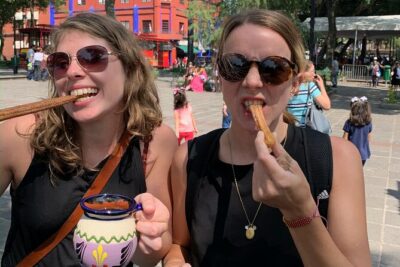 ★ 5.0Frida Kahlo VIP [Museum Tickets Included] Walk, Markets & ChurrosFrom $833 to 4 hours (approx.)
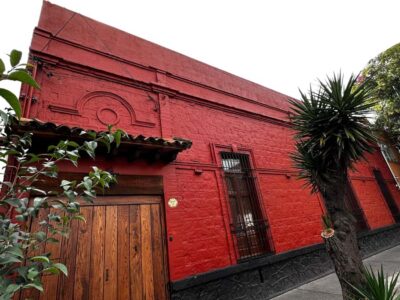 ★ 4.5Mexico City: Frida Kahlo Museum Entry Ticket w/Digital GuideFrom $34
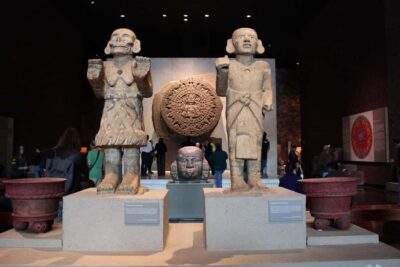 ★ 4.4Mexico City: Anthropology Museum Skip-the-Line TicketFrom $15
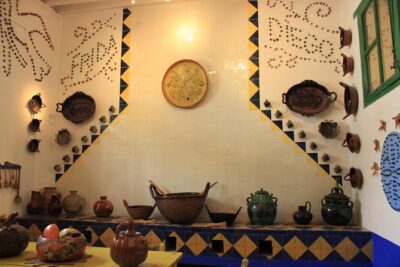 ★ 3.5Frida Kahlo and Anahuacalli Museums Ticket with Digital GuideFrom $491 hour (approx.)
 ★ 3.8Mexico City: Chapultepec Castle Skip-the-Line TicketFrom $291 day
 ★ 4.0Frida Kahlo Museum Ticket with Written Digital GuideFrom $472 to 4 hours (approx.)
The lists this tour appears in