
Reviewed · MEXICO CITY
Museo Nacional de Antropología – Small Groups
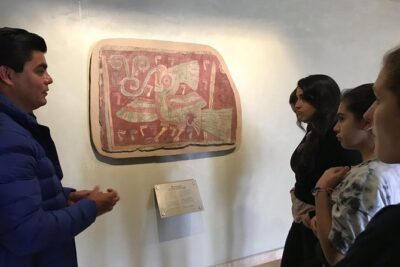
Mexico City’s National Museum of Anthropology is enormous, and its best objects can blur together without a clear path. This tour gives you one. Raúl, an official tourist guide, artist, and researcher, uses objects from the Olmec, Zapotec, Teotihuacan, and Mexica cultures to explain how Mesoamerican societies developed before the fall of Mexico Tenochtitlan in 1521.
In This Article
- Key points at a glance
- Why a guide helps inside this vast museum
- Starting at the National Museum of Anthropology
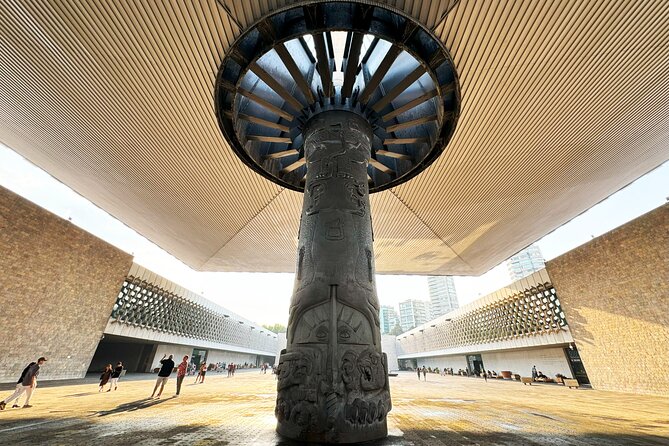
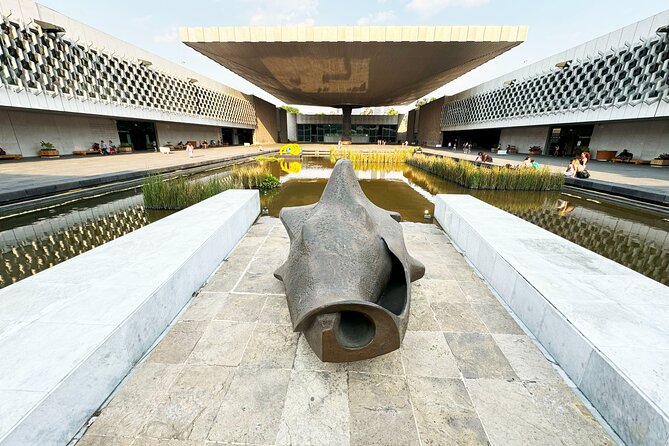
- The museum’s design is part of the story
- Olmec, Zapotec, Teotihuacan, and Mexica objects
- Gold, jade, obsidian, and a museum theft
- A small group changes the pace
- English explanations where they matter most
- Three hours inside a museum that demands energy
- What the $83.63 price really buys
- Who should book this museum tour
- Final call: a strong first look, not the whole museum
- FAQ
- How long does the Museo Nacional de Antropología small-group tour last?
- How many people can join the tour?
- Is the museum admission included in the tour price?
- What language is the tour offered in?
- Which museum rooms does the tour visit?
- Where does the tour begin and end?
- Can I cancel for a full refund?
I like the six-person maximum, which keeps the visit calm and makes it easier to ask questions. I also like the focus on the museum’s design, not just its display cases. The main drawback is that the entrance ticket costs extra, and three hours is enough for a strong introduction, not a full museum visit.
Key points at a glance
- Six archaeology rooms in about three hours: You get a clear route through selected galleries instead of trying to tackle the whole museum.
- Raúl’s history-first approach: Expect explanations that connect objects to politics, religion, technology, and daily life.
- English-language guidance: This matters because many museum signs are in Spanish.
- Objects made from gold, jade, and obsidian: The tour also covers the surprising theft of important pieces on December 25, 1985.
- Small, personal group: The maximum is six people, with room for questions and occasional seated breaks.
- Admission is separate: The tour costs $83.63 per person, plus the museum’s MX$210 entrance fee.
Why a guide helps inside this vast museum
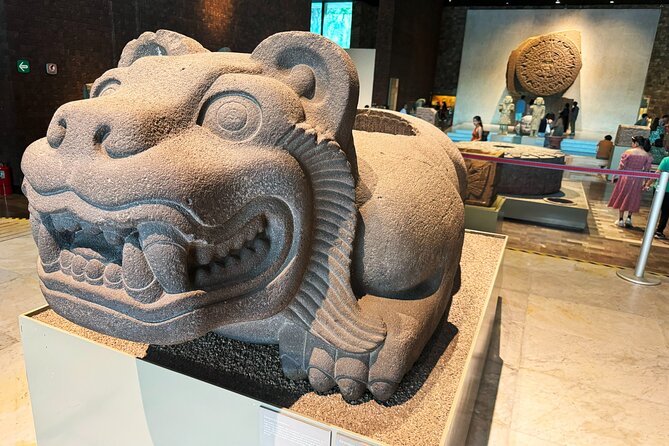
The National Museum of Anthropology is not a place you casually finish in an hour. Its archaeology rooms cover major cultures across Mesoamerica, and the building itself was designed around ideas about Mexican identity, Indigenous civilizations, and the relationship between past and present.
You can certainly walk in on your own and admire the famous pieces. The problem is scale. Without a plan, you may spend too long on one case, miss the connection between cultures, or leave with a pile of names but little sense of how the societies fit together.
This tour solves that problem by choosing six of the museum’s eleven archaeology rooms. That is a sensible trade. You do not see everything, but you get a route with a beginning, middle, and end.
Raúl’s approach is built around explanation rather than a quick parade of objects. He uses pieces as evidence. An item made from jade can open a discussion about trade and status. Obsidian can lead to technology and warfare. Gold can raise questions about power, ritual, and the movement of valuable materials.
That method helps you remember the museum after you leave. Instead of thinking only about individual statues, you begin to see how objects reveal the structure of entire societies.
If you're still narrowing it down, here are other tours in Mexico City we've reviewed.


Starting at the National Museum of Anthropology
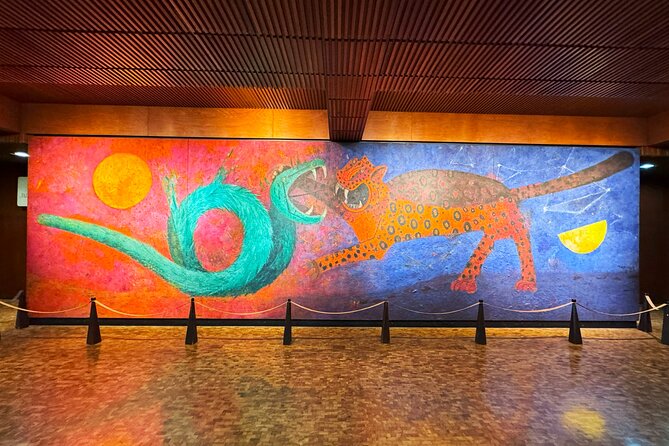
The meeting point is outside the Museo Nacional de Antropología on Paseo de la Reforma, in the Polanco section of Chapultepec. The tour ends at the same location, so you do not have to arrange a second meeting point inside Mexico City.
The museum is near public transportation, which makes the start practical. Still, give yourself enough time to reach the entrance. The museum is large, and a busy lobby can make it hard to spot a guide.
One useful detail is that the guide may not be immediately obvious among the crowd. A small sign or clear meeting instruction would help, so I would pay close attention to the booking confirmation and arrive early enough to look around calmly.
The admission fee is not included. You need to buy the museum ticket through its official website, at a listed price of MX$210 per person. The tour price is $83.63 per person, so you should add the museum fee when comparing the total cost with a self-guided visit or another museum tour.
The museum’s design is part of the story
Many museum tours rush straight to the famous exhibits. This one also spends time on the project behind the building’s design, which gives the visit a useful frame.
That matters because the museum is not just a storage place for archaeological objects. Its layout, rooms, courtyards, and display choices shape how you understand Mexico’s Indigenous cultures. Learning why the building was planned as it was gives you another way to read the exhibits.
I especially like this opening idea for first-time visitors. You are not simply told that a stone or mask is old and important. You are asked to consider why it is displayed, how it fits into the museum’s larger story, and what the building wants you to notice.
The discussion also helps explain why the museum can feel overwhelming. You are dealing with many centuries, several cultures, and a huge number of objects. A guide who begins with the building gives you a mental map before the details start arriving.
Olmec, Zapotec, Teotihuacan, and Mexica objects
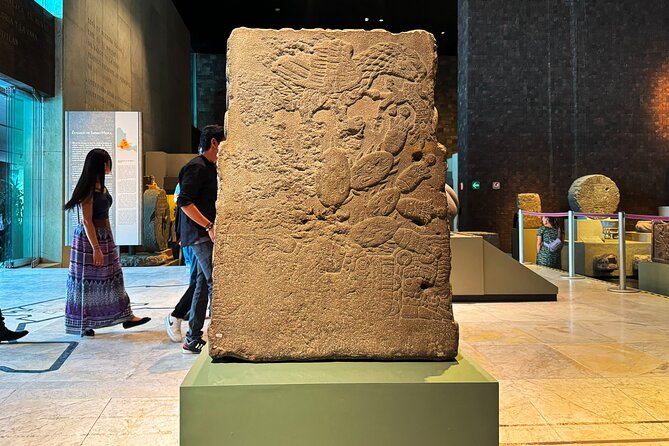
The main tour uses objects connected with the Olmec, Zapotec, Teotihuacan, and Mexica cultures. Each group offers a different window into Mesoamerican life, and the value of the tour comes from comparing them rather than treating each room as an isolated stop.
The Olmec material provides an early point of reference. From there, the route moves through later societies and shows how ideas, materials, artistic forms, and systems of power developed over time.
The Zapotec and Teotihuacan sections add more layers. You can expect discussion of the societies behind the objects, not only their appearance. A good explanation helps you ask who made something, what it was used for, who had access to it, and what it tells you about the world around it.
The Mexica material brings the route closer to the period before the fall of Mexico Tenochtitlan in August 1521. That endpoint gives the tour a clear historical boundary. You are looking at the major cultures that shaped Mesoamerica before Spanish conquest changed the region.
This chronological thread is one of the strongest reasons to choose a guided visit. If you explored alone, you might admire the famous Mexica objects without seeing how earlier cultures help explain them.
Gold, jade, obsidian, and a museum theft
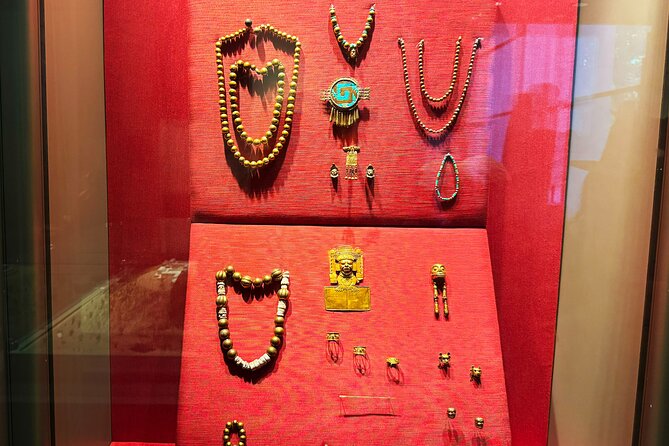
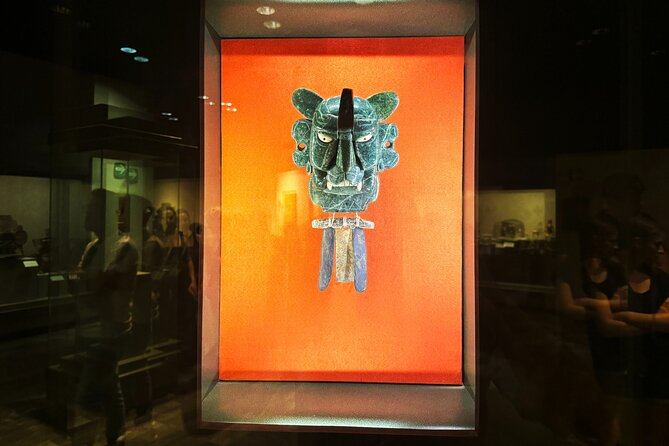
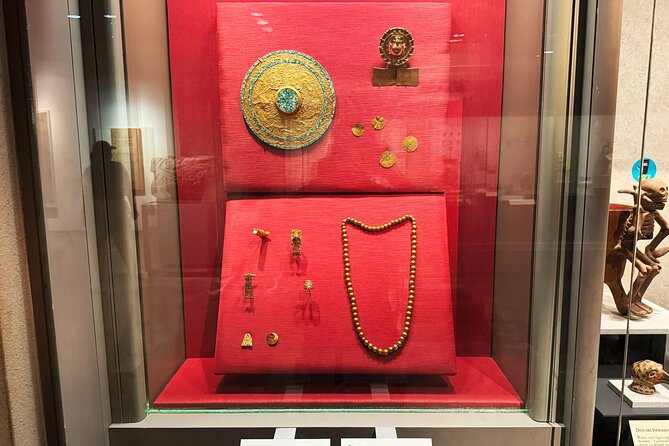
The objects selected for this tour are not valuable only because they are old. Some are made from gold, jade, and obsidian, materials that tell their own stories about skill, trade, wealth, and social rank.
The tour includes an unusual piece of museum history: some of these objects were stolen on Christmas Day in 1985. That detail shifts your attention from ancient societies to the modern life of archaeological collections. It reminds you that museum objects have continued stories after excavation, including questions about ownership, security, and cultural responsibility.
This is the kind of fact that makes a museum visit stick. It is unexpected, but it is not a random bit of trivia. It helps you think about why these objects matter today and why the museum protects them so carefully.
The material focus also gives the tour variety. You are not looking only at stone. Gold, jade, and obsidian each have different qualities, uses, and visual effects, and a guide can point out details that are easy to miss when you move quickly from one case to the next.



A small group changes the pace
The maximum group size is six people. That is a major advantage inside a museum where large groups can clog a doorway or make it hard to hear.
A small group also lets the guide adjust the pace. If you have a question about a culture, object, or historical connection, you have a better chance of getting an answer without interrupting a long chain of commentary.
The format should feel more personal than a crowded museum walk. It is also better for visitors who prefer a measured explanation over a fast list of dates. The three-hour duration gives the guide time to explain, pause, and make connections.
There is a tradeoff. A careful visit can mean fewer rooms. The planned route centers on six of the eleven archaeology rooms, but the actual pace may vary. One account of the experience describes covering four rooms over four hours, which suggests that discussion can take priority over checking off every planned section.
That is not necessarily a flaw. If your goal is depth in a few rooms, the slower pace is useful. If you want to see all eleven archaeology rooms, this is not the right format.
English explanations where they matter most
The tour is offered in English, and that can make a large difference here. Many museum signs are in Spanish, so you may otherwise spend much of your visit translating labels or skipping them.
Raúl’s English is described as very good, and his explanations are presented as easy to follow. That combination matters more than simply having an English-speaking guide. Archaeology involves unfamiliar names, dates, and concepts, and clear delivery keeps the material from becoming a blur.
You should expect a lot of information, but the format aims to make it manageable. Objects provide the starting point, while the guide supplies the context around them.
For English-speaking visitors with little background in Mexican archaeology, this is likely the best use of the tour. For visitors who already know the museum well, the building’s design discussion and the theft story may still offer something new, but the basic cultural overview could feel familiar.
Three hours inside a museum that demands energy
The listed duration is about three hours. That is long enough to build a solid understanding of the selected cultures, but short enough to fit into a larger Mexico City day.
You should expect plenty of walking and standing. The experience calls for a moderate physical fitness level. A visitor who cannot stand for long periods may need more flexibility, but the tour can include seated breaks while the guide continues explaining the material.
That detail makes the format more workable for mixed-age groups. You may want to tell the guide about any physical limits at the start, so the pace and pauses can be handled comfortably.
Three hours can pass quickly in a museum this large. It can also feel full if you are not used to long stretches of historical explanation. The best approach is to arrive ready to focus on a selected route rather than trying to see every gallery.
I would schedule this tour early in your museum visit, especially if you plan to visit major archaeological sites elsewhere in Mexico. The cultural framework can make later visits to Teotihuacan and Monte Albán easier to understand. Those site visits will have more meaning when you recognize the broader Mesoamerican connections.
What the $83.63 price really buys
At $83.63 per person, this is not a bargain museum entry. The MX$210 admission fee is also separate, and you must buy that ticket through the museum’s official website.
The value comes from the guide service and the time saved. You are paying for a planned route, English explanations, a small group, and a specialist who can connect objects across several cultures. If you would otherwise wander for three hours and leave unsure what you saw, the added cost may be worthwhile.
The price is harder to justify if you enjoy reading every label at your own pace or already have a strong background in Mesoamerican archaeology. In that case, you may prefer to pay only the entrance fee and spend longer in the rooms that interest you most.
For a first visit, I see the tour as a focused introduction rather than a complete museum replacement. You can return later for the remaining rooms if the subject catches you. The tour gives you a foundation, then lets you decide where to spend more time.
The 94 percent recommendation rate and 4.7 rating from 33 ratings point to a consistently strong experience, especially around the guide’s presentation. The praise centers on clear English, passion for Mexican history, and explanations that make the museum easier to follow.
Who should book this museum tour
I would choose this experience if you are visiting Mexico City for a short time and want an organized introduction to the museum’s major archaeology rooms.
It is also a good fit if you plan to visit Teotihuacan or Monte Albán. The tour can give those sites a broader cultural setting before you arrive.
The small group suits solo visitors, couples, and families who prefer questions and conversation over a large lecture. It may also work well for an older family member if seated pauses are needed.
I would think twice if you want to explore all eleven archaeology rooms, spend hours studying individual objects, or move at your own speed. The route is selective by design.
The guide’s style is detailed and passionate. That is a strength for anyone who wants history explained fully, but you should not expect a quick highlights walk with only a few short comments at each case.
Final call: a strong first look, not the whole museum
Book this tour if you want the National Museum of Anthropology to make sense quickly. Raúl’s English explanations, the six-person limit, and the focus on major Mesoamerican cultures give you a clear route through a very large collection.
The separate admission fee and $83.63 price make it a considered purchase, but the cost can be fair if you value time, context, and an expert-led visit. Just keep your expectations straight: three hours will introduce you to selected rooms, not finish the museum.
For a first visit, I would book it. Then return on your own if the Olmec, Zapotec, Teotihuacan, or Mexica material leaves you wanting more.
FAQ
How long does the Museo Nacional de Antropología small-group tour last?
The tour lasts about three hours.
How many people can join the tour?
The group has a maximum of six travelers.
Is the museum admission included in the tour price?
No. Admission is separate and costs MX$210 per person. Tickets should be purchased through the museum’s official website.
What language is the tour offered in?
The tour is offered in English.
Which museum rooms does the tour visit?
The experience focuses mainly on six of the museum’s eleven archaeology rooms.
Where does the tour begin and end?
It begins at the Museo Nacional de Antropología on Avenida Paseo de la Reforma in Mexico City and ends back at the meeting point.
Can I cancel for a full refund?
Yes. You can cancel at least 24 hours before the start time for a full refund. Cancellations or changes made less than 24 hours before the experience are not accepted for a refund.
More tours in Mexico City we've reviewed





Mexico City, compared.
 ★ 5.0Teotihuacan, Guadalupe Shrine & Tlatelolco Day Tour with LunchFrom $399 hours (approx.)
 ★ 4.5Xochimilco, Coyoacan and Frida Kahlo with Optional LunchFrom $349 hours (approx.)
 ★ 5.0Balloon flight + Breakfast in cave + Pyramids + Pick up CDMX.From $1722 to 8 hours (approx.)
 ★ 5.0Teotihuacan pyramids morning or afternoon without tourist trapsFrom $645 hours 30 minutes (approx.)
 ★ 4.5Teotihuacan Early Access Guided Tour with optional LunchFrom $398 hours (approx.)
 ★ 5.0Balloon flight + pick up in CDMX + Breakfast in Cave + PyramidsFrom $1694 to 7 hours (approx.)
 ★ 5.0Balloon Flight + Cave Breakfast + Pick Up from CDMX or We FlyFrom $1663 to 9 hours (approx.)
 ★ 4.6Mexico City: Teotihuacan, Tlatelolco & Guadalupe Shrine TourFrom $49