
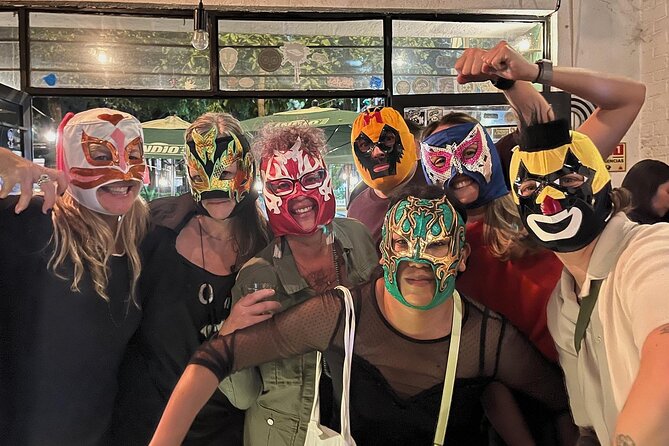
Reviewed · TEQUILA & MEZCAL TASTINGS
Pulque Tasting and Mexican Wrestling: Premium Small Group Tour
Mexico City’s best nights often mix a little spectacle with something you would not try at home. This tour pairs lucha libre at Arena México with a stop at Pulquería La Pirata, where you taste pulque, an old fermented Mexican drink, in a local setting.
In This Article
- Key points to know before booking
- Why this Mexico City pairing works
- Pulquería La Pirata and the first taste of pulque
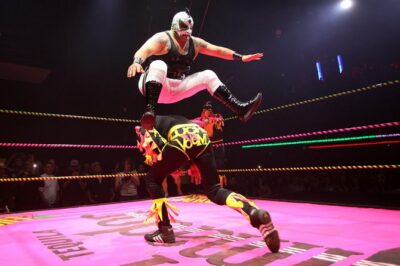
- Arena México, two hours of masks and noise
- What the guides add to the night
- Pickup, timing, and meeting point details
- Is $88 a fair price?
- Who will enjoy this most?
- Tips for getting more from the evening
- Should you book this tour?
- FAQ
- How long does the tour last?
- Where does the tour start and end?
- Are Arena México tickets included?
- What can I taste at Pulquería La Pirata?
- Is the tour conducted in English?
- How many people can join the tour?
- What is the cancellation policy?
I like the reserved seats and the guide’s running explanation of rudos, técnicos, masks, and crowd rituals. I also like the small-group size, capped at 15, plus hotel pickup and drop-off. The one drawback is timing: the wrestling portion alone lasts about two hours, and the full outing runs roughly four and a half hours, so this is an evening commitment rather than a quick add-on.
Key points to know before booking
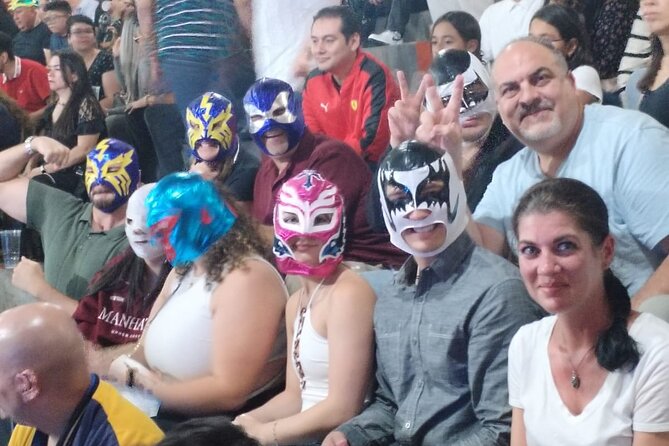
- Reserved Arena México seats: You are escorted to numbered seats in a good viewing area rather than left to figure out the arena alone.
- A guide who teaches the show: Expect explanations of rules, wrestling roles, history, and the playful insults shouted at the rudos.
- Pulque in several styles: At Pulquería La Pirata, you can try natural pulque, flavored curados, or choose a cold caguama instead.
- Small-group format: The maximum group size is 15, which makes city transport and ringside explanations easier to manage.
- Hotel pickup is offered: You are asked to wait in your lobby or pickup point 15 minutes early, with your accommodation address supplied during booking.
- A useful Mexico City double act: You get a cultural stop before or around the wrestling event, not only a ticket and a ride.
Why this Mexico City pairing works
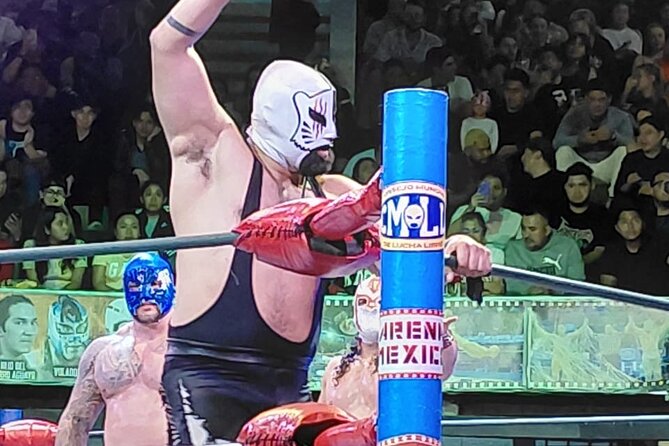
Lucha libre and pulque come from different corners of Mexican life, but they make a fine match. One is loud, theatrical, and full of flying bodies. The other is slower and more social, with a long connection to Mexican foodways and popular culture.
You are not simply watching a wrestling card with no context. The guide helps you read the room. You learn why the crowd sides with the técnicos, the heroic wrestlers, or the rudos, the villains and rule-breakers. You also learn which chants and insults are part of the fun.
That matters because lucha libre can be confusing at first. Masks, team loyalties, dramatic entrances, quick reversals, and theatrical gestures all carry meaning. A guide such as Miguel, Oscar, Jesus, or Didier can turn a noisy event into a show you understand and join.
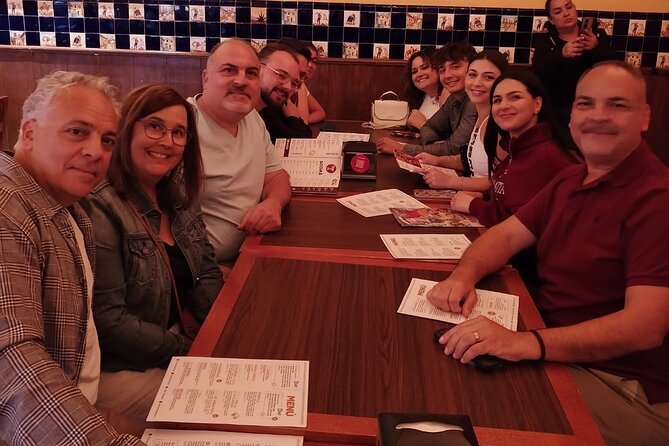
The pulque stop gives the evening a second layer. At Pulquería La Pirata, you see how the drink is served in a traditional pulquería in central Mexico City. You can taste several flavors, compare natural pulque with curado varieties, or skip the tasting and order a caguama, a large bottle of beer.
The result feels more connected to everyday Mexican culture than a standard sightseeing loop. You get an arena built for spectacle, then a drink associated with local social life.
A few more Mexico City tours and experiences worth a look

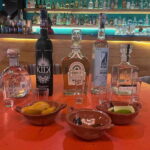
Pulquería La Pirata and the first taste of pulque
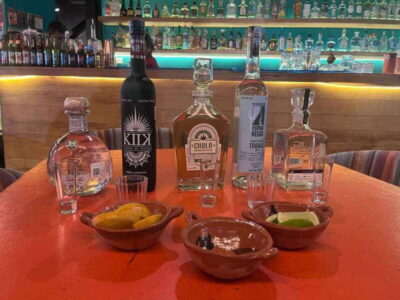
Pulque is a fermented drink made from agave sap. It is not tequila, and it is not mezcal. Its soft, cloudy appearance and lightly fermented character can surprise first-time tasters, especially if you expect a strong distilled spirit.
At Pulquería La Pirata, you can try pulque natural or curado, which is pulque flavored with ingredients such as fruit. The exact choices can change, but guava was a particular favorite on one outing. You may also find several other flavors, so this is a good place to compare rather than judge pulque from one sip.
I like this stop because it gives you a chance to ask questions before the wrestling begins. You can learn about the drink’s ancestral origins while sitting in a colorful, music-filled setting. It is a social stop, not a museum display, and that makes the experience more immediate.
Do keep your expectations sensible. A pulquería is not a polished cocktail lounge. The appeal is the local atmosphere and the chance to try something tied to Mexican culture. If you dislike fermented drinks, the caguama option gives you an easy alternative.
The tour includes admission to the stop, but the supplied details do not state how many pours are included or whether extra drinks cost more. If that matters to your budget, ask before ordering beyond the included tasting.
Arena México, two hours of masks and noise
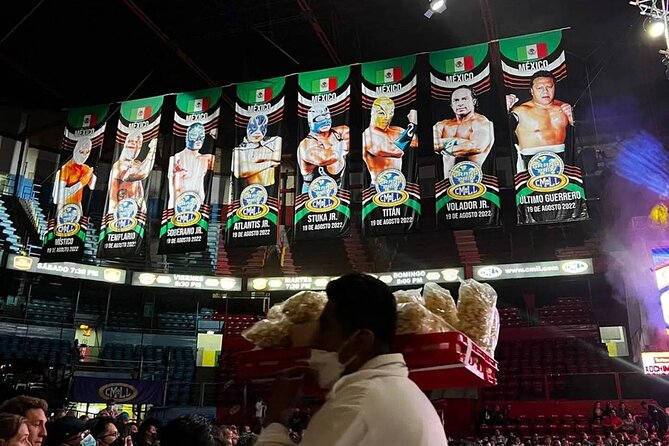
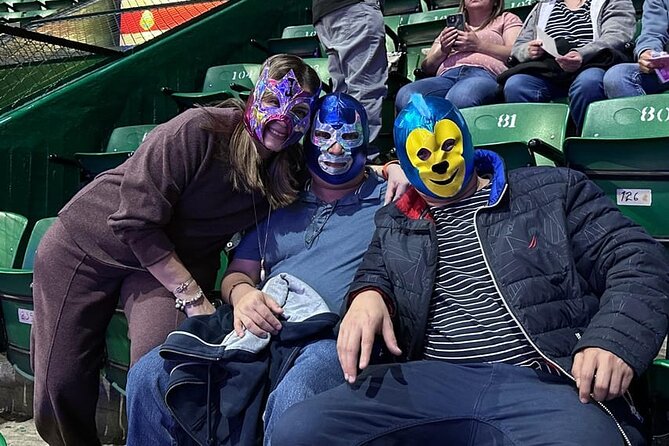
Arena México is the main event. Your guide meets you at the entrance and leads you to numbered seats in a strategic area with a full view of the ring. That removes two common worries: finding the entrance and ending up with a poor view in a crowded arena.
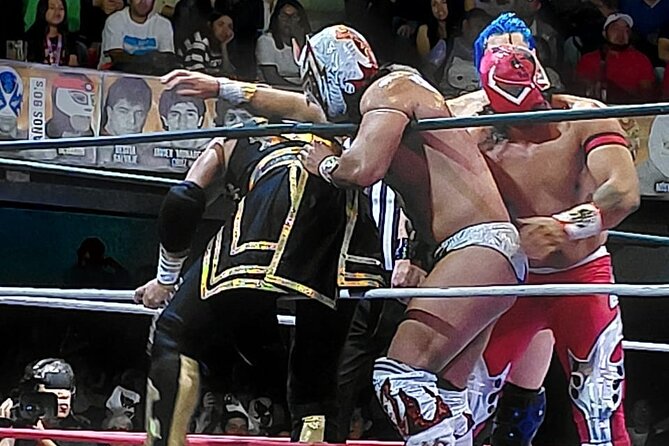
The setting is part of the entertainment. The lights, masks, shouts, and exaggerated rivalries create an atmosphere closer to live theater than a quiet sporting match. The wrestlers are athletes, but the show also relies on costumes, characters, crowd response, and carefully shaped drama.
Your guide explains the basic rules and the difference between rudos and técnicos as the matches unfold. That is especially useful during quick bouts, when a first-time viewer may not know who to support or why the crowd suddenly erupts.
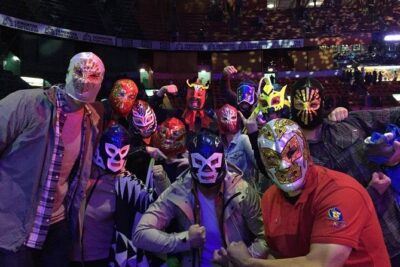
You will also be encouraged to participate. The guides teach playful Mexican insults aimed at the bad guys, and the audience supplies plenty of noise. This is not a sit quietly and observe kind of event. If you enjoy joining in, the guidance helps you feel part of the room instead of watching from the sidelines.
A few practical details matter here. Arena México is loud, and the show may feel intense if you prefer calm cultural visits. The crowd participation is a major feature, but it may not suit everyone. Families and mixed-age groups should consider their comfort with theatrical insults and a rowdy sports setting.
The wrestling segment lasts about two hours. That is long enough to see the event develop, but it also means you should not plan another fixed activity immediately afterward.
What the guides add to the night
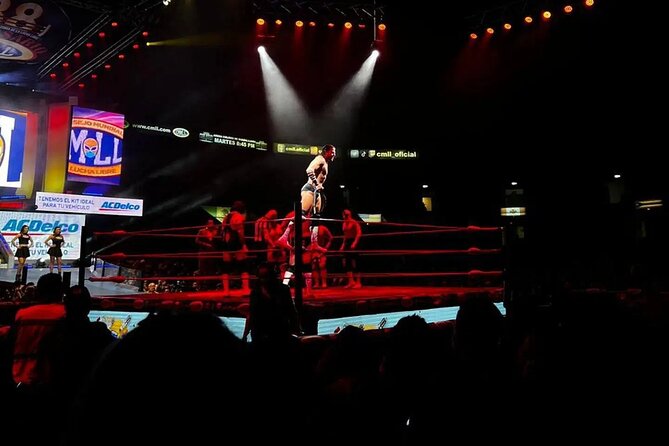
The guide is the difference between a ticketed outing and a cultural experience. You are not expected to know the history of Mexican wrestling, the teams, the roles, or the right moment to shout. The guide gives you a working vocabulary as the action happens.
Miguel and Oscar are specifically associated with a smooth, welcoming outing, including wrestling explanations and help finding good souvenir shops. Jesus and Didier handled another pickup and shared city information during the drive. Since the assigned guide can vary, you should not assume a particular person will lead your tour, but these names give you an idea of the hands-on style offered.
The guides also help with small local details. One group was introduced to Rancheritos with Valentina, a simple snack ritual involving hot sauce added directly to the bag. That kind of detail is easy to miss if you attend only as a ticket holder.
I especially value the guide’s role in helping you participate without making the evening feel like a lesson. You get enough background to understand the show, then plenty of room to laugh, shout, and watch the action.
The small-group limit of 15 supports this style. It is not a private tour, but it is easier for a guide to keep a group together, explain what is happening, and answer questions than with a large coach group.
Pickup, timing, and meeting point details
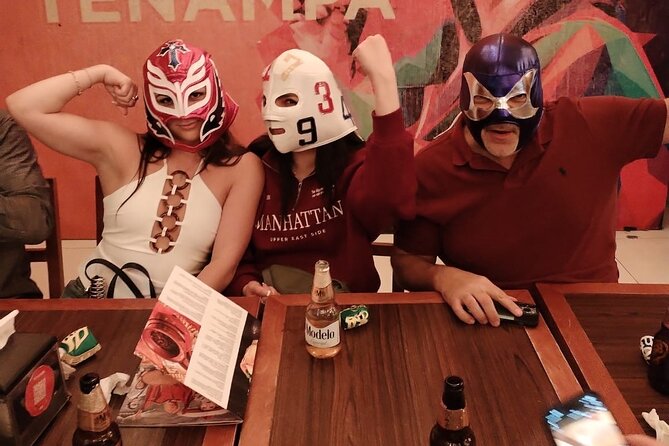
The tour lists the Angel of Independence on Paseo de la Reforma as the start point, but it also offers pickup and drop-off at your hotel or accommodation. You need to provide the correct address when booking and wait in the lobby or designated pickup area 15 minutes before the scheduled time.
The vehicle is described as clearly marked with the tour name. Past outings used a comfortable van, and pickup was reported as prompt. The exact driving time is not supplied, so allow room for Mexico City traffic and do not schedule a tight dinner reservation or show afterward.
The activity ends back at the meeting point. Because the information also describes hotel return service, confirm the exact pickup and return arrangement when you book. This is a small but important point, especially if you are staying outside the central areas.
The listed meeting point near the Angel of Independence is easy to recognize and close to public transportation. If you prefer to meet there rather than arrange accommodation pickup, that gives you a clear central landmark.
The total duration is about four hours and 30 minutes. The listed stops account for about three hours, with roughly two hours at Arena México and one hour at the pulquería. The remaining time is likely used for transport and coordination, though the exact breakdown is not specified.


Is $88 a fair price?
At $88 per person, this is not the cheapest way to attend lucha libre. You are paying for more than entry, though. The price includes a guided evening, numbered seats, transportation support, hotel pickup and drop-off, pulquería admission, and a small-group setting.
The value is strongest if you want someone else to handle the evening’s moving parts. Finding Arena México, choosing seats, understanding the crowd, and arranging transport can take time. You also get a guide who explains the cultural side rather than simply pointing you toward the arena door.
The price is less compelling if you are comfortable arranging your own transportation and attending without background information. The supplied details do not say that unlimited drinks, souvenirs, or food are included, so plan to pay separately for extras.
For a first visit to Mexico City, I think the price can make sense because the tour combines two activities that are difficult to connect on your own. You are not spending four and a half hours on a single attraction. You are getting a wrestling event plus an introduction to pulque and a central social setting.
The maximum group size of 15 also helps justify the cost. It is still a shared tour, but it should feel more personal than a large bus outing.
Who will enjoy this most?
I would recommend this tour to you if you want an evening that is social, funny, and distinctly Mexican. It suits first-time visitors who want help understanding lucha libre, as well as returning visitors looking for a less formal night out.
It is a good fit for:
- People who enjoy live sports mixed with theater
- Visitors curious about pulque and traditional pulquerías
- First-time lucha libre spectators
- Small groups who prefer guided transport
- Anyone who likes audience participation and local snacks
- English-speaking visitors who want explanations during the event
You may want to choose something else if you dislike loud venues, crowd participation, fermented drinks, or fixed four-hour-plus outings. The tour is not designed for quiet observation. The arena is part of the experience, and the crowd is expected to shout, laugh, and take sides.
The tour is offered in English, which makes the rules and cultural details easier to follow if you do not speak Spanish. Most people can participate, and the activity is near public transportation, but the supplied information does not give detailed accessibility specifications.
Tips for getting more from the evening
Arrive at the pickup point early. The instruction is to wait 15 minutes before the scheduled time, and Mexico City traffic can make a late start more stressful for everyone.
If you are staying at a hotel, provide a precise address and clarify the return point. The listed start is the Angel of Independence, while hotel pickup and drop-off are also offered.
At the pulquería, try more than one flavor if you enjoy the first sample. Natural pulque and curados can taste quite different, and guava is worth considering if it is available. If pulque is not for you, the cold caguama option provides another choice.
At the arena, let the guide teach you the chants and insults. You do not need to perform, but joining the crowd is a large part of what makes the night memorable. Rancheritos with Valentina can also be a fun snack to try if offered.
Leave room in your evening for the souvenir stop. The guides may point you toward wrestling merchandise shops, which can be useful if you want a mask or another small reminder of the event. Souvenirs are not listed as included, so budget separately.
Finally, remember that the wrestling card is a live event. The exact match lineup and pacing are not provided, and the mood depends partly on the crowd that night. The guide can explain the tradition, but no tour can guarantee a specific wrestler or match.
Should you book this tour?
Book it if you want a guided, high-energy Mexico City night rather than a standard city tour. The strongest reasons are the reserved Arena México seating, the guide’s explanations and crowd coaching, the pulque tasting, and the convenience of transport in a small group.
I would skip it if you already have wrestling tickets, prefer to explore independently, or do not enjoy loud audience-driven events. For everyone else, $88 is reasonable when you value local context and simple logistics. Just confirm the pickup arrangement, expect to pay for extra drinks and souvenirs, and keep the rest of your evening free.
Free cancellation is available when you cancel at least 24 hours before the start time. Changes or cancellations made less than 24 hours ahead are not accepted for a refund.
FAQ
How long does the tour last?
The experience lasts approximately four hours and 30 minutes. The Arena México portion lasts about two hours, and the pulquería visit lasts about one hour, with the remaining time used for transportation and coordination.
Where does the tour start and end?
The listed meeting point is the Angel of Independence on Paseo de la Reforma, and the activity ends back at the meeting point. Hotel pickup and drop-off are also offered, so provide your accommodation address when booking and confirm the exact arrangement.
Are Arena México tickets included?
Yes. Admission to Arena México is included, and the guide accompanies you to numbered seats in a designated viewing area.
What can I taste at Pulquería La Pirata?
You can try natural pulque or flavored curados. A caguama, or cold large-format beer, is also available as an alternative. The exact flavors may vary, and additional food or drinks are not specified as included.
Is the tour conducted in English?
Yes. The experience is offered in English, including explanations of lucha libre rules, history, characters, and crowd participation.
How many people can join the tour?
The tour has a maximum group size of 15 people. Most people can participate, and the experience is near public transportation.
What is the cancellation policy?
You can cancel up to 24 hours before the start time for a full refund. Cancellations or changes made less than 24 hours before the experience are not accepted for a refund.
More Tequila & Mezcal Tastings in Mexico City


More tours in Mexico City we've reviewed




Tequila & Mezcal Tastings, compared.
 ★ 5.0Lucha Libre Tickets & Tacos & Beer & Mezcal – BEST NIGHT EVER!From $84
 ★ 5.0Lucha Libre Tour and Mezcal Tasting in Mexico CityFrom $1344 hours (approx.)
 ★ 4.8Mexico City: Tequila and Mezcal Museum Tour with TastingFrom $401.5 hours
 ★ 5.0A Night of Tacos and Mezcal in Mexico CityFrom $1353 hours 30 minutes (approx.)
 ★ 4.9Xochimilco: Tequila tasting (unlimited) and cultural party on a boatFrom $422 hours
 ★ 5.0Narvarte At Night: Tacos, Chelas & MezcalFrom $1433 hours 30 minutes (approx.)
 ★ 5.03-Hour Night Tacos and Mezcal Crawl in Mexico with GuideFrom $953 hours (approx.)
 ★ 5.0Xochimilco All Inclusive Experience Tequila and Mezcal with CultureFrom $472 hours (approx.)
The lists this tour appears in