
Reviewed · MEXICO CITY
Soumaya: the greatness of Mexican & western art.
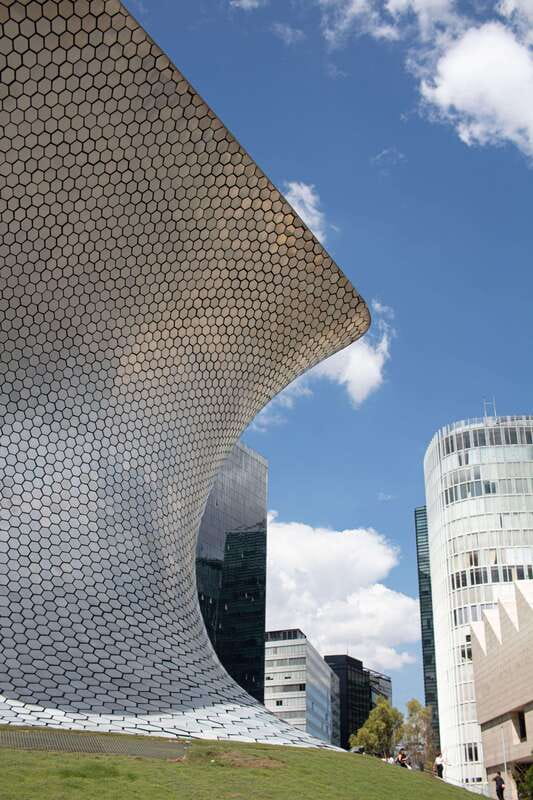
Soumaya Museum packs Mexican art, European painting, sculpture, and decorative works into six floors, making it far more than a quick Polanco photo stop. This 2.5-hour tour helps you sort the collection into meaningful periods, from Mexican masters to Rodin and the European old masters.
In This Article
- Key points to know before you book
- Starting at the Soumaya Museum gate
- Six floors, six different ways to read art
- Modernism: Ars & Techné
- Myths and allegories: from the visible to the invisible
- Old Masters: Europa & viceroy
- From Romanticism to the avant-garde
- Twenty centuries of Mexican art
- Rodin’s era and the power of sculpture
- What the guide adds to the museum
- Why the small group matters
- How to judge the value of two and a half hours
- Tips for getting more from the visit
- Who should book this Soumaya tour?
- Should you book it?
- FAQ
- Where does the tour begin and end?
- How long does the guided tour last?
- How many floors does the tour cover?
- Which artists may be discussed?
- Can I request a focus on Mexican art?
- Which languages are available?
- Is the tour wheelchair accessible?
I like the national focus, which places Mexican artists such as Rivera, Orozco, Velasco, Correa, and De Echave Orio in the center of the story. I also like the small-group format, limited to 10 people, and the chance to request a stronger focus on Mexican art with guides such as José Vicente Figueroa.
The main drawback is time. Six floors hold far more art than anyone can properly cover in two and a half hours, so the guide must choose key works. If you want a slow look at every European room, you may need extra time on your own afterward.
Key points to know before you book
- Six floors in 2.5 hours: Expect a guided overview rather than a room-by-room study of every object.
- Mexican art gets serious attention: The route includes 20 centuries of Mexican art, with Rivera, Orozco, Velasco, Correa, and other major names.
- European art is part of the picture: You may see works connected with Rodin, Van Gogh, Pissarro, Monet, Manet, Juan de Flandes, and Miguel Ángel.
- A small group changes the experience: With no more than 10 participants, it is easier to ask questions or request a Mexican-focused route.
- Several guide languages are offered: English, Portuguese, Spanish, German, Italian, and Russian are listed for the live tour.
- Families can manage the pace: José has been praised for patience with children and elderly family members, an important point in a large museum.
Starting at the Soumaya Museum gate
You meet your guide at the main gate of Museo Soumaya in Polanco. The tour begins and ends at the museum, so there is no complicated transfer between sights. That makes this an easy activity to place into a day already spent in the Polanco area.
The setting matters because Soumaya is not arranged like a small specialist gallery. Its collection crosses centuries, countries, styles, and materials. Without a guide, you can certainly walk through the building, but it may be difficult to understand why a Mexican painting belongs beside a European sculpture or how one period leads into another.
Your guide gives you a framework before the visual details begin. That is useful here because the collection can feel like several museums in one. I would arrive ready to listen, but also ready to tell the guide what interests you most. The supplied experience specifically welcomes people who care about Mexican and Western art but do not have formal art training.
If you're still narrowing it down, here are other tours in Mexico City we've reviewed.


Six floors, six different ways to read art
The route is divided into six broad sections. These titles are useful because they signal the kind of conversation you can expect, although the guide will spend more time on selected works than on every item in each room.
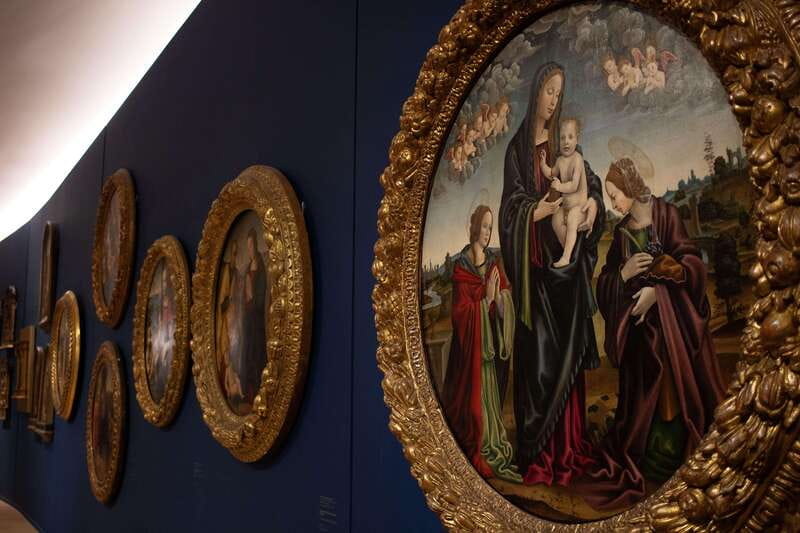
Modernism: Ars & Techné
The first section links modern artistic ideas with the techniques used to create them. That pairing is a good reminder that art is not only about subject matter. Materials, construction, surface, and method also shape what you see.
I would use this part of the visit to ask the guide how Mexican modernism fits into the wider Western story. The tour promises a national-based focus, so the value is not simply identifying a style. You get help connecting artistic changes to Mexico’s own cultural path.
Myths and allegories: from the visible to the invisible
This section moves from what is plainly shown to the ideas beneath the image. Myths and allegories often reward explanation, especially when symbols are not obvious to a modern viewer.
You do not need to arrive with a list of symbols memorized. A guide can point out details you might otherwise pass by and explain how a painting communicates through figures, objects, and stories. Francisco, another guide associated with this experience, has been praised for sharing curious details and fun facts about historical paintings. That sort of commentary is particularly useful in a section built around hidden meanings.
Old Masters: Europa & viceroy
The Old Masters section brings European art and the art of the viceroyal period into the same broad conversation. Juan de Flandes, Miguel Ángel, and De Echave Orio are among the artists named for the collection.
This stop should appeal to you if you want to see how European artistic traditions relate to art produced in Mexico during the colonial period. The important point is not only that the works come from different places. It is also how artistic ideas moved across regions and changed when they reached Mexico.
The title includes Europa and viceroy, so this part can open a useful discussion about power, religion, and cultural exchange. The precise emphasis will depend on your guide and the works selected. If colonial art is your main interest, say so at the beginning rather than waiting until the final floor.



From Romanticism to the avant-garde
This section covers a broad stretch of European art. Its title alone suggests a shift from emotional, dramatic painting toward more experimental approaches. The named artists include Pissarro, Monet, Manet, and Van Gogh, so you can expect a strong connection to major changes in nineteenth and early twentieth-century art.
A guide is valuable here because famous names can dominate your attention. It is easy to spend all your time looking for a recognizable signature and miss the way artists changed color, light, composition, or brushwork. I would ask the guide to compare two artists rather than simply list their names.
This is also the part of the tour where personal interests matter most. Some people come mainly for Mexican art and may find the European rooms less satisfying. One practical approach is to let the guide give you the main points, then return to the works that catch your eye if you have time after the guided visit.
Twenty centuries of Mexican art
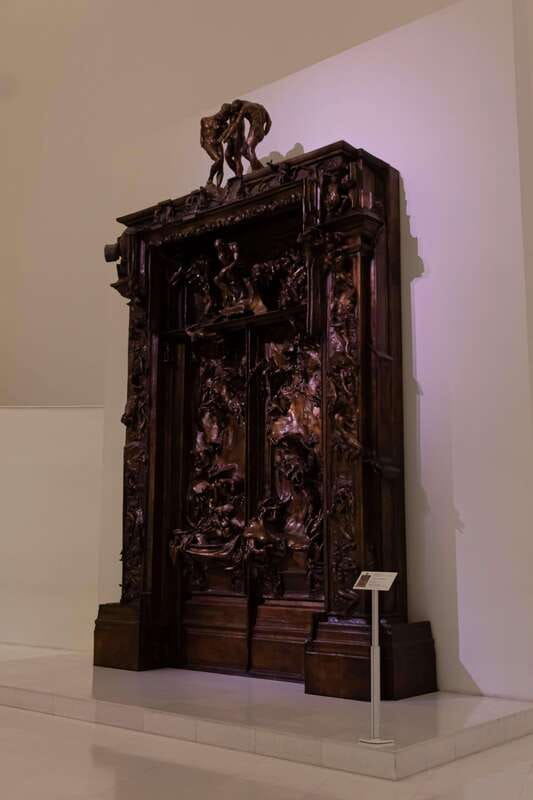
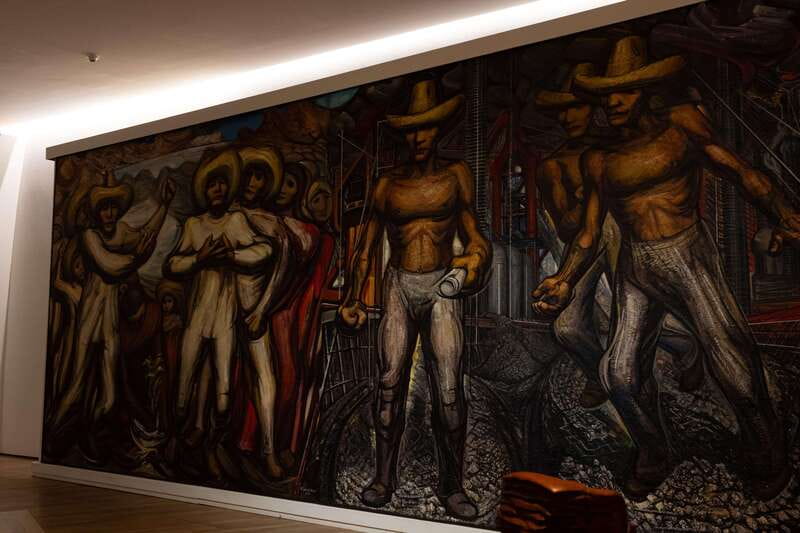
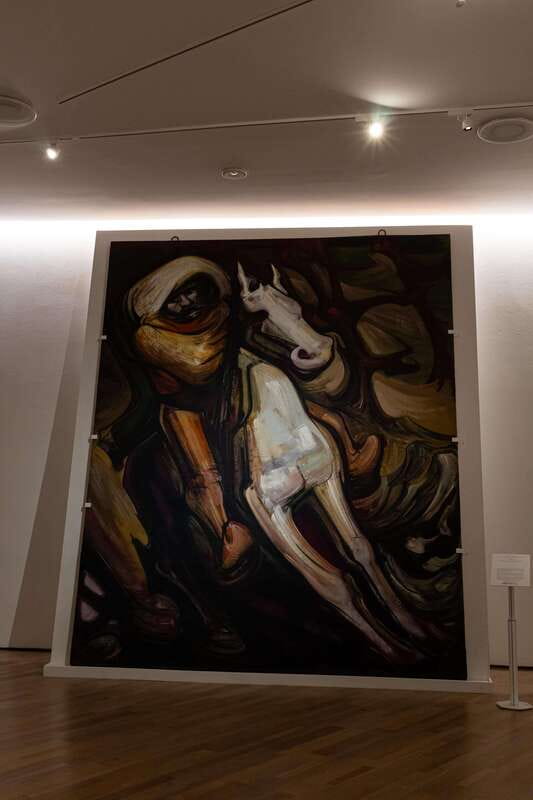
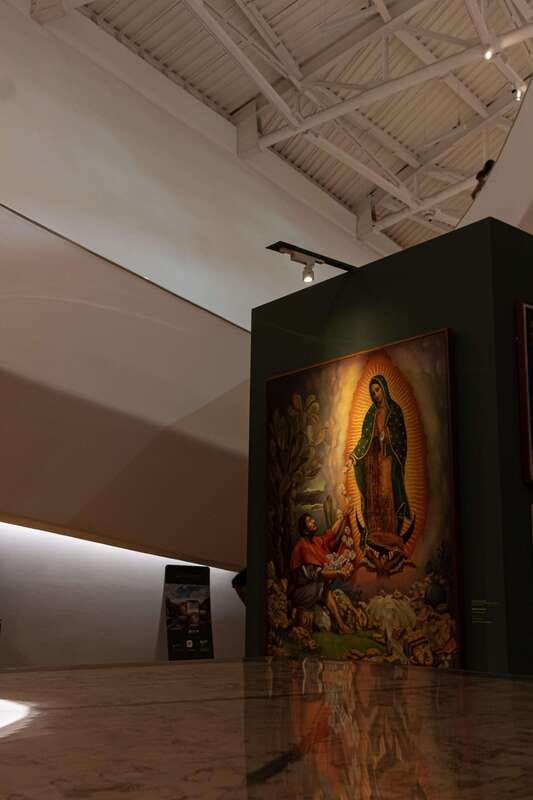
For many visitors, this is the central reason to book the tour. The section spans a long period and includes important Mexican artists such as Diego Rivera, José Clemente Orozco, José María Velasco, and Correa.
The phrase 20 centuries covers a lot of ground. You should not expect every century or movement to receive equal time in a 2.5-hour visit. Instead, the guide will use important works to show how Mexican art changed across periods.
This national focus is one of the strongest features of the experience. It keeps the Mexican collection from becoming a short detour between famous European names. If you request a Mexican-centered route, José Vicente Figueroa is a particularly useful guide to ask for when available. He has led tours with a strong focus on the historical periods of Mexican art and is described as enthusiastic and skilled at explaining that progression.
I would also recommend this focus if you have already visited major European museums. You may know Monet or Van Gogh from other collections, but the Mexican rooms give you something more specific to Mexico. The tour can help you see the museum as a way to study Mexico through art, not merely as a place to tick off well-known painters.
Rodin’s era and the power of sculpture
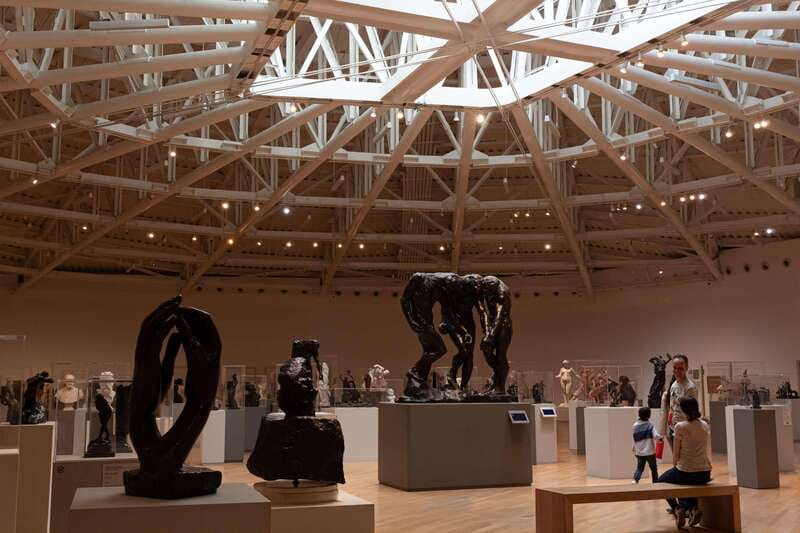
The final section centers on Rodin’s era. This gives the tour a different physical rhythm after the emphasis on paintings and historical periods.
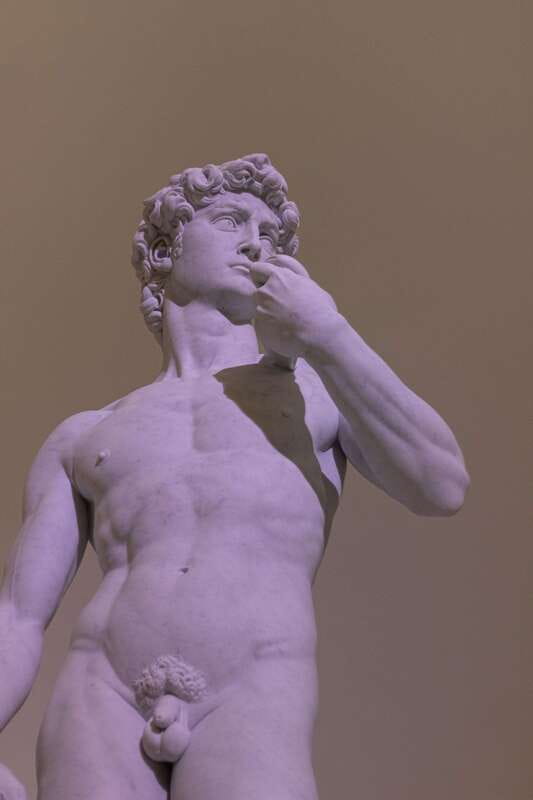
Rodin is one of the major names highlighted in the experience. Sculpture asks you to move around the work, notice its volume, and study how the figure occupies space. If the guide points out the relationship between sculptural form and the period that produced it, this section can bring the whole museum’s changing artistic ideas into sharper focus.
Do not assume that a famous name means a quick stop is enough. Sculpture often needs more time than a painting because you are reading it from several angles. Since the guide has to cover six floors, you may want to return to your favorite Rodin works after the formal tour ends.
What the guide adds to the museum
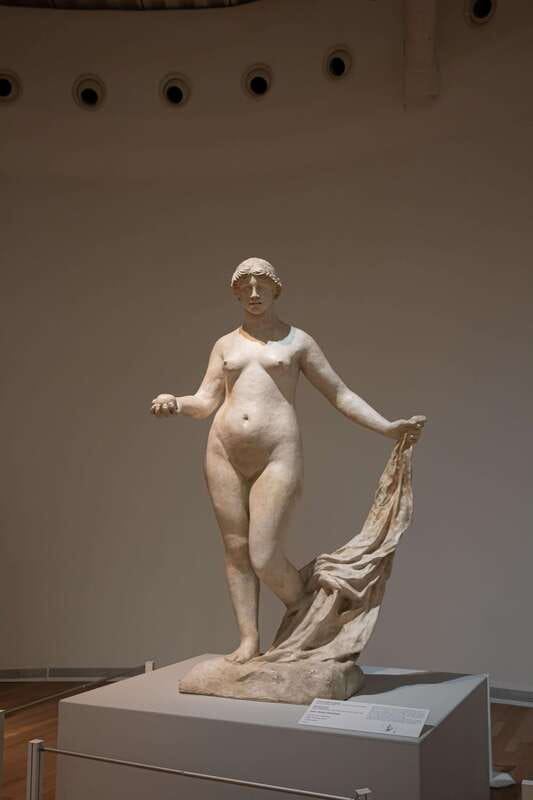
The guide is the heart of this experience. The collection is large enough that a basic walk through the building may leave you with isolated impressions. A good guide connects those impressions into a story.
José Vicente Figueroa is the named provider and one of the guides associated with the experience. José has been singled out for clear historical explanations and for patience with groups that include children and older adults. That matters because the museum’s range can be demanding, and different people in one family may need different pacing.
Francisco is also praised for making historical paintings more approachable by pointing out unusual details and sharing facts. You should not expect the exact same style from every guide, but the advertised language choices give you a good chance of finding a comfortable way to discuss the art.
The listed live-tour languages are English, Portuguese, Spanish, German, Italian, and Russian. The included guide information also specifically names English, Spanish, German, and Portuguese. If language is important to your booking, check the available option when you reserve.
I would speak up early about your interests. Ask for Mexican art, colonial art, European painting, sculpture, or a family-friendly pace. The tour is small enough that this request can shape the visit more easily than it would in a large group.
Why the small group matters
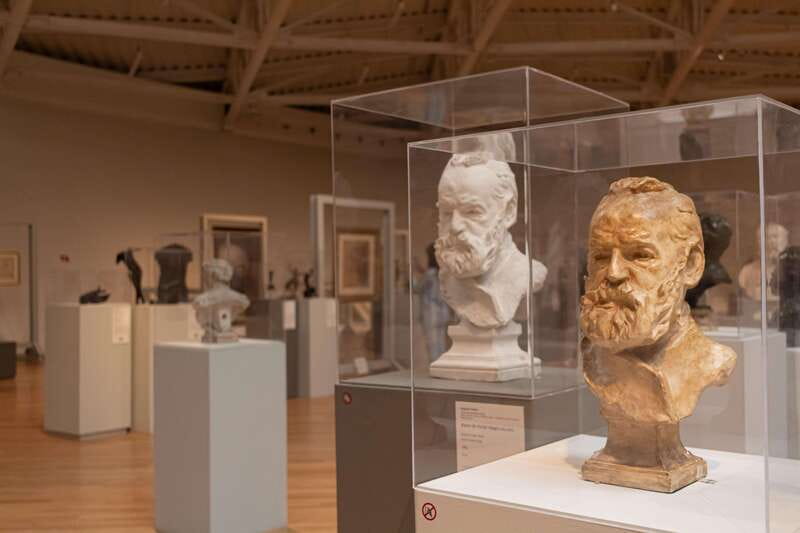
The group is limited to 10 participants. That is not a private tour, but it is small enough to make questions practical.
In a museum with six floors, questions help you decide where to spend your attention. You can ask why a work matters, how a Mexican artist relates to a European movement, or what detail the guide wants you to notice. You are not forced to rely on a general speech meant for a crowd.
The small size also helps families. A group that includes children and elderly parents may need pauses or a different pace. José has been praised for handling that mix patiently, which suggests this is a better fit for a multigenerational outing than a rushed large-group walk.
The experience is listed as wheelchair accessible. That is an important advantage for anyone who needs an accessible museum visit, though you should still confirm any personal requirements at booking.
How to judge the value of two and a half hours
No price is provided here, so I cannot tell you if this is the cheapest way into Soumaya. I can tell you how to judge its value.
You are paying for interpretation, structure, and time saved. The museum’s six sections cover such a wide span that a guide can prevent you from wandering without context. A private or small-group format also gives you a better chance to shape the emphasis around Mexican art.
The time limit is both the strength and the weakness. Two and a half hours is long enough to build a clear overview, but not long enough to examine every major work. If you treat the tour as an introduction and then revisit selected rooms on your own, the time feels better used.
The best value comes when you care about understanding the collection rather than simply entering the building. If you only want to see a few famous works at your own speed, independent visiting may suit you better. If you want someone to explain how Mexico and Western art fit together, the guided format earns its keep.
Tips for getting more from the visit
- Tell the guide at the start if Mexican art is your priority. This can keep the tour from giving equal weight to every section.
- Wear comfortable shoes. The visit covers six floors and lasts 2.5 hours.
- Do not expect every artwork to receive a full explanation. The guide must select main pieces because the collection is extensive.
- Keep a mental note of works you want to revisit after the tour. The European floors may deserve extra independent time if you enjoy slow looking.
- Families should mention children and elderly relatives in advance if pacing is a concern. José has shown patience with mixed-age groups.
- Check the language offered at your chosen time. English, Portuguese, Spanish, German, Italian, and Russian are listed among the tour languages.
- Use the guide for comparisons. Asking how a Mexican artist relates to a European movement will usually give you more than asking for a list of dates.
Who should book this Soumaya tour?
I would choose this experience if you want a guided introduction to both Mexican and Western art, especially if Mexican art is your main reason for visiting. It suits first-time museum visitors, curious couples, families, and anyone who prefers historical context over reading labels alone.
It is also a good choice if your group speaks English, Spanish, Portuguese, German, Italian, or Russian and wants a live guide in one of those languages. The small group makes the visit more personal without requiring a fully private booking.
I would hesitate if you want to study every room at a slow pace. Six floors in 2.5 hours requires selectivity. The most sensible plan is to use the tour to learn the museum’s structure, then spend extra time with the works that interest you most.
Should you book it?
Book this tour if you want Soumaya Museum to make sense, not just to see it quickly. The strongest reason to go is the Mexican art focus, especially if José Vicente Figueroa is available and you request a route through the historical periods of Mexican art.
Go in knowing that the European collection receives a brisker treatment. With the right expectations, that is not a flaw. You get a guided map of a huge collection, a clear look at Mexican artists, and the freedom to return to favorite works afterward.
FAQ
Where does the tour begin and end?
The tour begins at the main gate of Museo Soumaya in Polanco and returns to the same museum.
How long does the guided tour last?
The guided tour lasts 2.5 hours.
How many floors does the tour cover?
The tour explores all six floors of the museum.
Which artists may be discussed?
Artists named for the experience include Rodin, Dumier, Van Gogh, Pissarro, Monet, Manet, Juan de Flandes, Rivera, Orozco, Velasco, Correa, De Echave Orio, and Miguel Ángel.
Can I request a focus on Mexican art?
Yes. The tour is designed for a national-based focus, and you can request special attention to Mexican art and its historical periods.
Which languages are available?
The listed live-tour languages are English, Portuguese, Spanish, German, Italian, and Russian.
Is the tour wheelchair accessible?
Yes, the activity is listed as wheelchair accessible.
More tours in Mexico City we've reviewed





Mexico City, compared.
 ★ 5.0Teotihuacan, Guadalupe Shrine & Tlatelolco Day Tour with LunchFrom $399 hours (approx.)
 ★ 4.5Xochimilco, Coyoacan and Frida Kahlo with Optional LunchFrom $349 hours (approx.)
 ★ 5.0Balloon flight + Breakfast in cave + Pyramids + Pick up CDMX.From $1722 to 8 hours (approx.)
 ★ 5.0Teotihuacan pyramids morning or afternoon without tourist trapsFrom $645 hours 30 minutes (approx.)
 ★ 4.5Teotihuacan Early Access Guided Tour with optional LunchFrom $398 hours (approx.)
 ★ 5.0Balloon flight + pick up in CDMX + Breakfast in Cave + PyramidsFrom $1694 to 7 hours (approx.)
 ★ 5.0Balloon Flight + Cave Breakfast + Pick Up from CDMX or We FlyFrom $1663 to 9 hours (approx.)
 ★ 4.6Mexico City: Teotihuacan, Tlatelolco & Guadalupe Shrine TourFrom $49