
Reviewed · TOURS
Axolotl Tour from CDMX
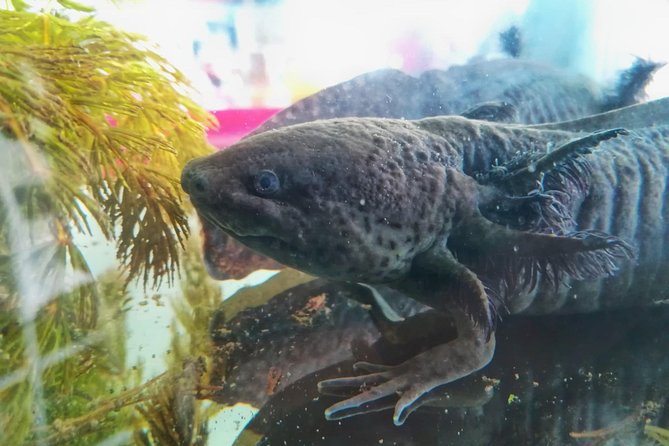
Mexico’s axolotl is not just a cute cartoon face. It is an endangered animal native to Mexico, and this day trip takes you to a family-run place working to raise and protect it. You’ll meet guides Martha and Alonso, learn about the animals from Rosa and her family, and see an axolotl museum and conservation space near Tepotzotlan.
In This Article
- Key points to know before you book
- Why axolotls make this Mexico City day trip special
- Leaving Polanco at 8:00 a.m.
- A generous breakfast with local ingredients
- Meeting the axolotl family near Tepotzotlan
- Holding the axolotls is possible, but not promised
- Rabbits, guinea pigs, and a miniature donkey
- What the $126.67 price really covers
- A possible stop in Tepotzotlan afterward
- Who will enjoy this tour most
- Booking details that matter
- Should you book the Axolotl Tour from CDMX?
- FAQ
- Where does the Axolotl Tour from CDMX start?
- What time does the tour begin?
- Where does the tour end?
- How long does the tour last?
- Is transportation included?
- Is breakfast included?
- Can I hold or feed the axolotls?
I like the small group size, capped at eight, because it gives you room to ask questions and lets the guides shape the day around your interests. I also like the regional food: breakfast is included, and the family may serve a homemade meal that can include dishes such as ceviche, fish, rice, and eggs.
The catch is the drive. The axolotl center is about two hours from Mexico City, with a bumpy, winding final stretch, so anyone prone to motion sickness should plan ahead. The stated duration is about seven hours, but the long road time makes this a full day rather than a quick animal visit.
Key points to know before you book
- A real conservation visit: You learn about endangered axolotls and the family effort to raise and protect them.
- Martha and Alonso guide the day: They provide English explanations and translate for the local family.
- Breakfast breaks up the drive: Regional ingredients and generous homemade food are part of the experience.
- Farm animals add variety: You may meet rabbits, baby bunnies, guinea pigs, a miniature donkey, and sheep.
- The last part of the drive is rough: Bring motion-sickness medicine if winding roads bother you.
- Private transport and a tiny group: The tour starts and ends at Av. Horacio 603 in Polanco, with pickup at 8:00 a.m.
Why axolotls make this Mexico City day trip special
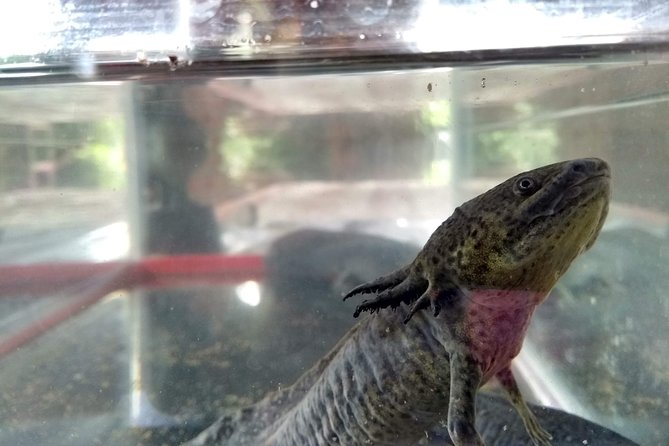
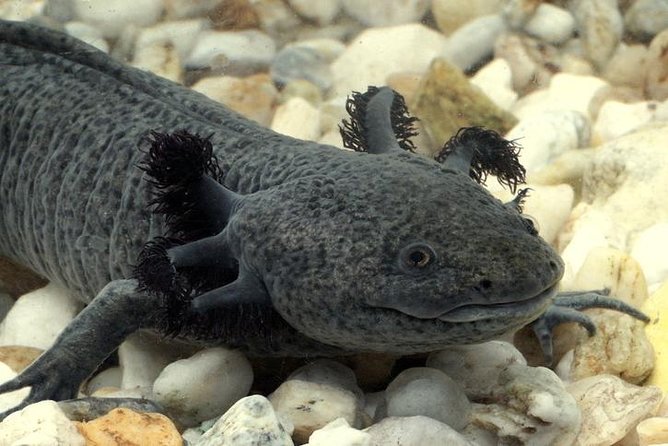
An axolotl looks like a small salamander with feathery gills and a permanent youthful face. In Mexico, it is much more than an odd little animal. It is an endemic species, meaning it belongs naturally to Mexico, and it has become a symbol of the country’s natural life and conservation struggles.
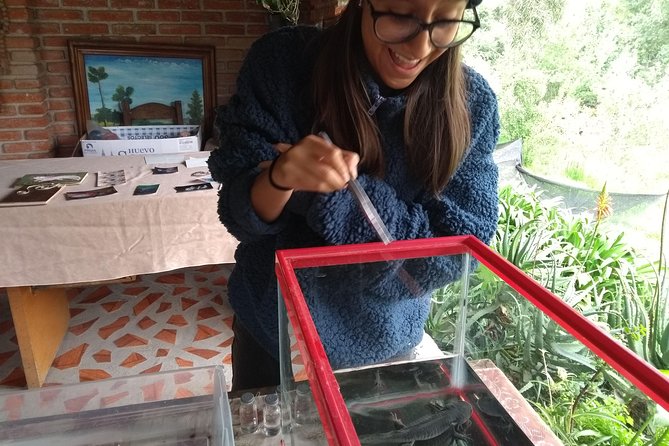
This tour gives you a chance to see axolotls in a setting focused on their care, reproduction, and survival. You are not simply looking at an animal in a tank and moving on. Martha explains the biology and the conservation work, while Rosa and her family share their hands-on experience through the guides’ translation.
I especially like that the visit has a personal scale. The project is family-run, and the people caring for the animals are part of the experience. That makes the visit feel more direct than a standard attraction, although it also means conditions can change. If the axolotls are recovering from a health problem or exposure to a new plant, you may not be able to hold or feed them.
That possibility is worth accepting before you book. The main value is learning about the animals and seeing the conservation work. Physical contact is a bonus, not a guarantee.
If you're still narrowing it down, here are other tours in Mexico City we've reviewed.



Leaving Polanco at 8:00 a.m.
The tour begins at Av. Horacio 603 in Chapultepec Morales, Polanco V Secc, in Mexico City. Private transportation is included, and the activity returns to the same meeting point at the end.
A prompt morning start makes sense. The route takes roughly two hours to reach the axolotl center, so a late departure would leave little time for the visit. The small vehicle and maximum group of eight should feel more personal than a large bus tour, and the guides can answer questions as you travel.
The drive is the main practical issue. The road becomes winding and bumpy during the final part, and one family found the last quarter especially hard on a child prone to car sickness. If you know that roads affect you or your children, bring Dramamine or another motion-sickness remedy that you already use, and take it according to its directions.
You can also make the journey easier with headphones, an audiobook, or a downloaded story for children. This is not a short transfer across town. It is a rural outing with a long ride each way.
A generous breakfast with local ingredients
The food is one of the pleasant surprises of the day. A regional breakfast is included, prepared with ingredients from the area. The meal can be substantial, and the stop helps break up the long drive before the final stretch to the axolotl center.
You may also receive a homemade meal prepared by the family at the conservation site. One menu included ceviche, fish, rice, and hard-boiled eggs, with the exact dishes tied to the day and local circumstances. That meal was described as excellent, but it created a practical problem for a family that had already eaten a large breakfast.
I suggest pacing yourself. Breakfast is not just a pastry and coffee stop, and lunch may also be part of the visit. The supplied tour details specifically list breakfast, while the experience can include a family-prepared lunch, so ask Martha or Alonso about the food plan at the start of the day if meal timing matters to you.
The meals add real value to the price. You are not paying only for transportation and an animal talk. You are also getting a taste of home cooking and local ingredients, served as part of a visit to a working family project.
Meeting the axolotl family near Tepotzotlan
The main stop is in the village of Tepotzotlan, at a space created for the conservation and reproduction of axolotls. The visit lasts about four hours, including the introduction, questions, time with the animals, and additional farm activities.
Martha leads the English explanation. Rosa does not speak English, but Martha translates, allowing you to hear about the family’s work and ask questions. Jose and Rosa are involved in raising the axolotls, and their personal connection to the project gives the visit a strong human side.
You should expect plenty of explanation before contact with the animals. The guides cover what axolotls are, why they need help, and how the family works with them. If your child already keeps an axolotl as a pet, this is a good place to bring questions. Martha and Alonso take an active interest in what children want to know rather than giving only a fixed speech.
An axolotl museum is also part of the visit. That gives children a visual way to understand the animal before seeing the live specimens, and it adds context for adults who know little about axolotls beyond their unusual appearance.
Holding the axolotls is possible, but not promised
Some visits allow you to hand-feed and hold the axolotls. That can be the highlight for a child who has been hoping to see one up close. The guides make sure the activity is explained, and the family can show you how they care for the animals.
Still, conditions at a live-animal conservation project can change. During one visit, the axolotls had recently been exposed to something on a newly purchased plant and were still recovering. Holding and feeding were paused, quite properly, but the educational part of the visit continued.
That is an important point when you weigh this tour. If your only goal is to touch an axolotl, you may be disappointed. If you want to understand the species and support a small conservation effort, the visit remains worthwhile even when contact is off the table.
The responsible approach is reassuring. Animal welfare has to come before a photo or a child’s wish to hold one. You should treat direct contact as an occasional privilege, not a fixed promise.




Rabbits, guinea pigs, and a miniature donkey
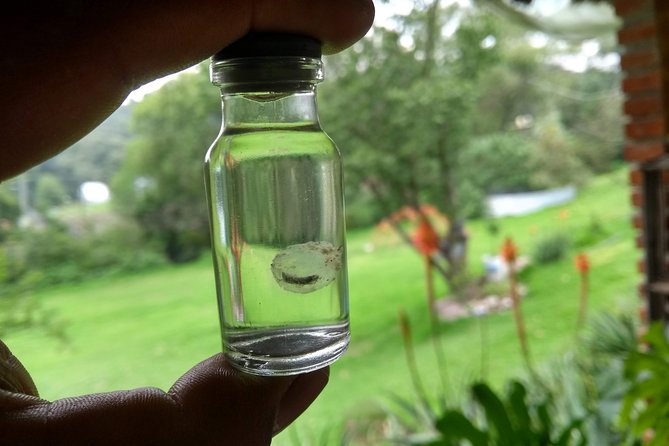
The farm animals keep the visit lively, especially for families. Depending on the day, you may hold and feed rabbits, cuddle two-week-old baby bunnies, and handle guinea pigs. You may also pet a miniature donkey and feed sheep.
This extra time with the animals helps balance the technical axolotl talk. Younger children may not follow every detail about breeding or conservation, but they can stay engaged with the rabbits and other animals while still learning how a family cares for its animals.
I would not book this as a conventional petting zoo. The central subject is the axolotl, and the farm animals are an added part of the family setting. But for a child who loves animals, the combination can turn a long drive into a memorable day.
It also gives you a worthwhile backup if the axolotls cannot be handled during your visit. You still get close to several kinds of animals and spend time hearing how the family runs the place.
What the $126.67 price really covers
At $126.67 per person, this is not a bargain-priced sightseeing transfer. The value comes from the full package: private transportation, a small group, an English-speaking guided experience, breakfast, translation, and several hours at the conservation site.
The drive alone would be a poor use of your day if you were simply going to look at axolotls for fifteen minutes. Here, the long journey is paired with food, a detailed visit, access to the family project, and time for questions. That makes the price easier to justify, particularly for families or dedicated axolotl fans.
The maximum of eight also matters. A larger group could make translation and animal contact feel rushed. With fewer people, you have a better chance to speak directly with Martha and Alonso and ask questions that fit your interests.
Souvenirs are not included, and you should not count on them as part of the visit. The experience is about the animals, food, conversation, and setting rather than shopping.
The tour is booked, on average, about 23 days ahead. That suggests you should reserve early if your Mexico City dates are fixed, especially if you are visiting with children who have chosen this as a must-do activity.
A possible stop in Tepotzotlan afterward
After the axolotl visit and meal, you may be offered the choice of returning to Mexico City or spending some time in town. The available details describe free time for local shops and homemade ice cream, with the guides asking how long you would like to stay.
That flexibility is useful. You are not forced into shopping, but you can add a little time in Tepotzotlan if you want to see more of the local setting. One family chose to stay and felt the slower pace improved the day.
Do not count on an extensive town tour, since the listed activity centers on the axolotls. Think of this as optional breathing room after the family visit. If you are tired from the drive, you can return. If you still have energy, you can look around and try the recommended ice cream.
The option also shows the tour’s relaxed character. You are given time rather than being pushed from one fixed stop to the next.
Who will enjoy this tour most
I would choose this outing for a child who is fascinated by axolotls, a family that enjoys hands-on animal experiences, or an adult who wants to learn about a Mexican species through a small local project.
It also suits you if you prefer a personal guide, translation, and time for questions. Martha and Alonso are described as attentive and easy to contact, and they have helped families reschedule after illness. That sort of care matters when you are spending a full day outside Mexico City.
You should think twice if you dislike long car rides, have serious motion-sickness concerns, or want a tightly scheduled city excursion. The drive takes up a large share of the day, and the route is rough near the end.
You should also be comfortable with a visit that depends on living animals. The axolotls may be held and fed, but they may also need quiet care. The tour’s best moments come from learning and seeing the conservation effort, not from a guaranteed photo holding one.
Booking details that matter
The tour is offered in English and uses a mobile ticket. Confirmation is sent when you book, and most people can participate.
The start time is 8:00 a.m. at Av. Horacio 603 in Polanco, and the activity ends back at that meeting point. Private transportation is included, which removes the need to arrange a separate long-distance ride.
The experience requires a minimum number of participants. If the operator cancels because that minimum is not met, you can choose another date or experience, or receive a full refund.
Your own cancellation terms are strict: the experience is non-refundable and cannot be changed for any reason. I would only book once your plans are firm. That is especially important for families, since illness can happen, even though the operator has helped with rescheduling in at least one case.
Should you book the Axolotl Tour from CDMX?
Book it if axolotls are a serious interest, especially for a child, and you want more than a quick exhibit. The combination of an English-speaking guide, a family conservation project, regional food, and farm animals gives the day real substance.
I would call it good value for the right person, not a universal Mexico City excursion. The two-hour drive, winding final road, strict cancellation rule, and uncertain animal contact all deserve honest consideration.
If those limits work for you, this is a rare chance to meet Mexico’s famous water monster while supporting a personal conservation effort. Bring patience, motion-sickness medicine if needed, and an appetite for a slow day outside the city.
FAQ
Where does the Axolotl Tour from CDMX start?
The tour starts at Av. Horacio 603, Chapultepec Morales, Polanco V Secc, Miguel Hidalgo, 11560 Ciudad de México, CDMX, Mexico.
What time does the tour begin?
The start time is 8:00 a.m.
Where does the tour end?
The activity ends back at the same meeting point in Mexico City.
How long does the tour last?
The tour lasts approximately seven hours. The axolotl visit itself takes about four hours.
Is transportation included?
Yes. Private transportation is included.
Is breakfast included?
Yes. Breakfast with ingredients from the region is included. A homemade family-prepared lunch may also be served during the visit, depending on the day.
Can I hold or feed the axolotls?
You may be able to hold and feed them, but this is not guaranteed. Animal health conditions can temporarily prevent contact, while the educational visit continues.
More tours in Mexico City we've reviewed











Tours, compared.
 ★ 5.0Teotihuacan, Guadalupe Shrine & Tlatelolco Day Tour with LunchFrom $399 hours (approx.)
 ★ 4.5Teotihuacan Early Access Guided Tour with optional LunchFrom $398 hours (approx.)
 ★ 4.6Mexico City: Teotihuacan, Tlatelolco & Guadalupe Shrine TourFrom $49
 ★ 4.4CDMX: Xochimilco, Coyoacan, Frida Kahlo Museum & Murals TourFrom $89
 ★ 5.0Hot Air Balloon Flight with Breakfast Cave and Pyramids TourFrom $1408 hours (approx.)
 ★ 5.0Teotihuacan Private Tour from Mexico CityFrom $1401 to 5 hours (approx.)
 ★ 5.0Balloon flight with breakfast in Cave and Pyramids tour from CDMXFrom $1483 to 9 hours (approx.)
 ★ 4.5Chapultepec Castle & Anthropology Museum TourFrom $795 hours (approx.)