

Reviewed · CHAPULTEPEC & MUSEUM TOURS
CDMX: Museum of Memory and Tolerance – Anne Frank (Entrance ticket)
Anne Frank: Notes of Hope brings her diary and wartime story into a focused exhibition at Mexico City’s Museum of Memory and Tolerance. I like the replica of the Frank family’s hiding place, and I like that the exhibition was made with the Anne Frank House in Amsterdam. The photos and written material give the visit a clear human focus.
In This Article
- Key points to know before you go
- Anne Frank’s story takes center stage
- The Frank family hideout replica
- Photographs and written material reward slow reading
- Why the partnership with the Anne Frank House matters
- A visit with a serious purpose
- What the $7 ticket really includes
- Guided visits and the value of interpretation
- Practical rules inside the exhibition
- Cancellation and flexible planning
- How this compares with other Mexico City activities
- Who should book Anne Frank: Notes of Hope?
- Should you book it?
- FAQ
- Where does the Anne Frank exhibition take place?
- What is the name of the exhibition?
- What does the admission ticket include?
- Is the replica of the Frank family’s hiding place included?
- How much does admission cost?
- How long is the ticket valid?
- Are children allowed to attend?
- Is the exhibition wheelchair accessible?
- Can I cancel my booking?
- Can I bring food, drinks, or use flash photography?
The main drawback is simple: your $7 ticket covers only the Anne Frank temporary exhibition, not general admission to every part of the museum. Children under 12 are not permitted, and the subject matter is serious, so this is best for visitors ready to spend time with difficult history.
Key points to know before you go

- See a replica of the Frank family hideout, a physical feature that helps you picture the cramped space behind Anne’s writing.
- Explore a temporary exhibition created with the Anne Frank House in Amsterdam, linking the Mexico City presentation with the institution connected to Anne’s story.
- Read Anne Frank’s words in a wider human context, including the Holocaust, resistance, helpers, survivors, and the danger of hate speech.
- Expect photographs and substantial written content, rather than a light or purely visual attraction.
- Pay $7 per person for exhibition-only admission, a modest price if you want a serious museum stop in central Mexico City.
- Plan for a quiet, respectful visit, with no food, drinks, flash photography, alcohol, drugs, or audio recording allowed.
Anne Frank’s story takes center stage

The most important feature here is not a grand object or a famous painting. It is Anne Frank’s voice, preserved through her writing and placed beside the story of the people who hid, helped, suffered, and survived during the Holocaust.
The exhibition, titled Anne Frank: Notes of Hope, presents Anne as a young person facing fear and uncertainty while still trying to understand people and the world around her. Her belief that you do not need to wait for a perfect moment to make a difference gives the exhibition its main thread.
That message can sound simple. In this setting, it carries weight. Anne’s life was cut short by Nazi persecution, yet her words continued to reach readers across generations. The exhibition asks you to consider how hope, moral courage, and personal choices matter during times of cruelty.
You will also see her story placed within the experience of tens of thousands of Jewish families who hid from Hitler’s regime. That wider view matters. Anne Frank’s family was not an isolated case, and the exhibition does not treat her diary as a story detached from the millions affected by Nazi persecution.
A few more Mexico City tours and experiences worth a look
The Frank family hideout replica
The replica of the Frank family’s hiding place is likely to be the most immediately memorable part of the visit. A model can never reproduce the full reality of living in hiding, but it gives you a physical sense of the confined setting connected to Anne’s diary.
This is useful because many readers know Anne Frank through text alone. You may picture a room while reading her diary, but seeing a representation of the hideout gives the story a more concrete frame. The replica helps connect the young writer’s thoughts with the physical limits of her daily life.
Do not expect a theme-park reconstruction or a theatrical presentation. The point is not spectacle. It is to help you think about the conditions behind the writing: a family hidden away, an uncertain future, and the constant danger of discovery.
Take your time here. The replica works best when you pause and let the scale of the space guide your thoughts. It is one of those museum displays that rewards attention more than a quick photograph, especially since flash photography is not allowed.
Photographs and written material reward slow reading

The exhibition includes photographs and historical content, with enough written material to make this more than a brief photo stop. If you prefer museums that explain their subject clearly, this format should suit you.
I would allow time to read rather than treating the exhibition as something you can scan in a few minutes. The words are central to the experience, and the story depends on context. You will encounter the lives of Jewish families who hid, the people who helped them, and the survivors who later shared their experiences.
The exhibition also points toward the role of protectors. These were people who chose to help others despite the risks to their own futures and lives. That part of the story widens the focus beyond victims and perpetrators. It asks what ordinary people can do when indifference becomes dangerous.
The subject is painful, but the presentation also carries a clear note of hope. Anne did not abandon her faith in humanity, even while living under severe threat. That tension between horror and hope gives the exhibition its emotional force.
Why the partnership with the Anne Frank House matters
The exhibition was developed in collaboration with the Anne Frank House in Amsterdam. For you, that means the Mexico City presentation is linked to the major institution devoted to Anne’s life, diary, and hiding place.
That connection adds weight to the display, but it does not turn the visit into a full replacement for Amsterdam. The exhibition is a temporary presentation, and your ticket provides access only to this section. If your goal is to see every part of the Museum of Memory and Tolerance, you will need to check the separate admission option.
Still, the partnership is valuable. It helps place Anne’s story within a carefully established historical framework rather than presenting her as a general symbol of optimism without context. Her hope is powerful precisely because it existed alongside persecution, fear, and loss.
A visit with a serious purpose
The Museum of Memory and Tolerance uses the exhibition to honor Holocaust victims, survivors, and the people who protected others. It also connects the past with present-day concerns, especially hate speech and the divisions that damage communities and countries.
That modern connection is one of the strongest reasons to visit. You are not being asked to remember the Holocaust as a closed chapter with no relevance today. Instead, the exhibition encourages you to notice how language, prejudice, and social division can prepare the ground for cruelty.
This is not a cheerful attraction, and I would not place it in the same category as a sightseeing stop designed mainly for photographs. The emotional tone is reflective. You may leave feeling sad, thoughtful, or newly alert to the responsibility of speaking up when others are targeted.
For that reason, the minimum age matters. The experience is not suitable for children under 12. Older children and teenagers may find it meaningful, but the material calls for enough maturity to understand persecution, hiding, death, and moral responsibility.
A few more Mexico City tours and experiences worth a look



What the $7 ticket really includes

At $7 per person, the ticket is reasonably priced for a dedicated museum exhibition, particularly if Anne Frank’s story is a main reason you want to visit. You receive admission to the Anne Frank temporary exhibition, including the photographs, written content, and replica of the hideout.
The limitation is important. This is not a general ticket to the entire Museum of Memory and Tolerance. If you arrive expecting one ticket to cover all museum rooms, you may be disappointed. Check what you want to see before booking, and compare this exhibition-only ticket with the museum’s broader admission option if available for your date.
The low price also makes this easy to add to a Mexico City museum day. You do not need to commit to a costly guided excursion or a full-day tour. The activity is listed as valid for one day, with starting times subject to availability.
A visit can also work well for students, history-minded adults, and anyone who wants a focused cultural stop rather than a long sightseeing program. The price is modest, but the subject asks for more than a quick stop at the door.
Guided visits and the value of interpretation
A guided visit to the Anne Frank exhibition is available as part of the experience described. No guide names or fixed guide schedule are provided, so you should check the available time and language details when choosing your booking.
A guide can add value here because the exhibition includes both Anne’s personal story and the larger history of the Holocaust. You may understand the basic outline already, but a good explanation can help connect the photographs, the hideout replica, and the accounts of helpers and survivors.
At the same time, the ticket is not described as a full guided city tour. There is no transportation, meal, or other excursion feature included. Think of it as a museum visit with an exhibition focus, not a sightseeing package.
If you prefer to read at your own pace, the photographs and written material give you a clear reason to visit even without relying on a guide. If interpretation is important to you, confirm whether your selected time includes the guided format before paying.
Practical rules inside the exhibition

The restrictions are standard for a serious museum setting, but they affect how you plan the visit. Food and drinks are not allowed, and flash photography is prohibited.
Alcohol and drugs are also not allowed. Audio recording is forbidden, so you should not plan to capture the exhibition’s spoken content or make your own recording for later use.
These rules help keep the rooms quiet and protect the displays. Bring your attention rather than a full snack bag, and expect to engage with the exhibition through looking, reading, and listening to any permitted presentation.
The venue is wheelchair accessible, which makes the visit more practical for many people with mobility needs. Since no details are provided about every individual display, you may still want to confirm any specific access requirement before arrival.
Cancellation and flexible planning

You can cancel up to 24 hours in advance for a full refund. The reserve-now-and-pay-later option lets you hold a place without paying at the time of booking, which can help if your Mexico City schedule is still changing.
Because the ticket is valid for one day and starting times depend on availability, check the date and time carefully. The information provided does not give a fixed visit length, so avoid building a tightly packed schedule around an assumed duration.
This flexibility is useful when you are combining the exhibition with other Mexico City sights. Just remember that the activity itself is the admission to the temporary exhibition, not transport between attractions or a larger city itinerary.
How this compares with other Mexico City activities
Mexico City offers many major cultural outings, including Frida Kahlo-focused visits, Xochimilco boat trips, Teotihuacan excursions, and tequila or mezcal experiences. Those activities are often more visual, social, or outward-looking.
Anne Frank: Notes of Hope offers something different. It is a quiet museum experience built around documents, photographs, personal writing, and moral questions. You will not get panoramic views, a boat ride, or a festive tasting here.
That difference is exactly why it can fit well into a varied trip. After a day of pyramids or busy city streets, this exhibition gives you a chance to slow down and think. It is also a better choice than a general sightseeing activity if your main interest is Holocaust education, Anne Frank, human rights, or the history of resistance.
I would not choose it as the only cultural activity in Mexico City. The ticket covers a narrow subject, and the material can feel heavy. But as one carefully chosen museum stop, it offers depth at a low cost.
Who should book Anne Frank: Notes of Hope?
I would recommend this experience to:
- Adults and children aged 12 or older with an interest in history and human rights
- Readers who know Anne Frank’s diary and want a physical sense of the hideout
- Visitors who value photographs and written interpretation
- Students and families looking for a serious educational activity
- People who want to reflect on prejudice, hate speech, and the choices made by helpers during persecution
- Museumgoers who want an affordable, focused visit rather than a full-day tour
I would think twice if you want a light activity, a highly interactive attraction, or admission to the entire museum under one ticket. The exhibition deals with genocide, fear, and loss. Its hopeful message is real, but it does not erase the difficult material.
Should you book it?
Book this ticket if Anne Frank’s story matters to you, or if you want a thoughtful Mexico City museum visit built around the Holocaust and the responsibility to resist hate. The $7 price is fair for a focused temporary exhibition, especially with the hideout replica and the connection to the Anne Frank House in Amsterdam.
Before booking, confirm that you are buying exhibition-only admission and check the available time. If you want a guided visit, verify that detail for your chosen slot. For visitors aged 12 and over who are prepared for serious history, this is a worthwhile and purposeful stop.
FAQ
Where does the Anne Frank exhibition take place?
It takes place at the Museum of Memory and Tolerance in Greater Mexico City, Mexico.
What is the name of the exhibition?
The exhibition is called Anne Frank: Notes of Hope.
What does the admission ticket include?
The ticket includes access to the Anne Frank temporary exhibition only.
Is the replica of the Frank family’s hiding place included?
Yes. The exhibition includes a model or replica of the place where the Frank family hid.
How much does admission cost?
The listed price is $7 per person.
How long is the ticket valid?
The ticket is valid for one day. Available starting times should be checked before booking.
Are children allowed to attend?
The experience is not suitable for children under 12.
Is the exhibition wheelchair accessible?
Yes. The activity is listed as wheelchair accessible.
Can I cancel my booking?
Yes. You can cancel up to 24 hours in advance for a full refund.
Can I bring food, drinks, or use flash photography?
No. Food and drinks, flash photography, alcohol, drugs, and audio recording are not allowed.
More Museum Experiences in Mexico City

More Tickets in Mexico City
More Chapultepec & Museum Tours in Mexico City
More tours in Mexico City we've reviewed







Chapultepec & Museum Tours, compared.
 ★ 4.4CDMX: Xochimilco, Coyoacan, Frida Kahlo Museum & Murals TourFrom $89
 ★ 4.5Chapultepec Castle & Anthropology Museum TourFrom $795 hours (approx.)
 ★ 5.0Frida Kahlo VIP [Museum Tickets Included] Bike, Markets & ChurrosFrom $834 hours (approx.)
 ★ 4.5Anthropology Museum Guided TourFrom $392 hours 30 minutes (approx.)
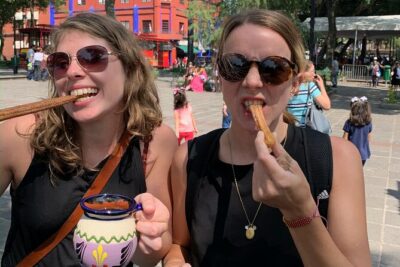 ★ 5.0Frida Kahlo VIP [Museum Tickets Included] Walk, Markets & ChurrosFrom $833 to 4 hours (approx.)
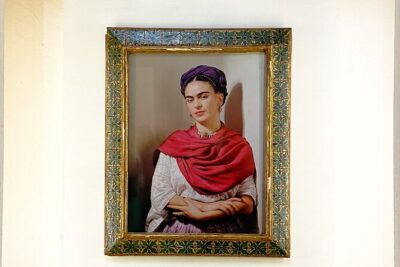 ★ 5.0EXCLUSIVE TOUR Frida Kahlo Museum – SMALL GROUPSFrom $862 hours (approx.)
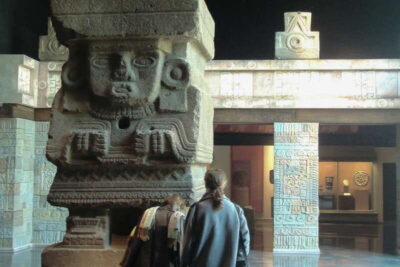 ★ 4.4Mexico City: Anthropology Museum Guided VisitFrom $672.5 hours
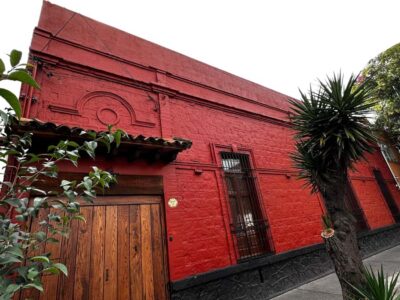 ★ 4.5Mexico City: Frida Kahlo Museum Entry Ticket w/Digital GuideFrom $34
The lists this tour appears in