
Reviewed · MEXICO CITY
Explore the Barrio Bravo of Tepito with local guides
Tepito is Mexico City’s famously misunderstood neighborhood, and this small-group walk lets you see it through people who know it from the inside. You’ll move from crowded market lanes and food stalls to a boxing club, a 16th-century church, and the internationally known Santa Muerte altar. Local guides such as Gaby and Nelly give the visit its real value.
In This Article
- Key points before you go
- Why Tepito makes a memorable Mexico City walk
- Starting among Tepito’s market lanes
- Football and boxing at Deportivo Maracaná
- San Francisco Church and its unusual Christ
- Seeing the local side of Barrio Bravo
- The Santa Muerte altar
- Ending with a Tepiteña michelada
- Safety, comfort, and the role of the guide
- Is $79 a fair price?
- Who should book this Tepito experience?
- Should you book it?
- FAQ
- How long does the Tepito tour last?
- What is the price?
- How many people can join the tour?
- Is the tour offered in English?
- Where does the tour begin?
- Does the tour end at the same place?
- Should I bring cash?
- Can I cancel for a refund?
I like two things right away: the route shows more than a market, and the guides have genuine ties to the barrio. You get food, football, religion, shopping, and local stories in one short outing. The guide may also take you into areas that would be difficult to find on your own, including parts of Tepito where only local residents usually enter.
The main consideration is that Tepito is not a polished sightseeing district. It can feel intense, crowded, and unfamiliar, and you need cash because cards are not accepted and there are no nearby ATMs. At $79 per person, this is not the cheapest walk in Mexico City, but the small group, local access, and specialist focus make it a fair choice for visitors who want something far beyond the usual historic center route.
Key points before you go
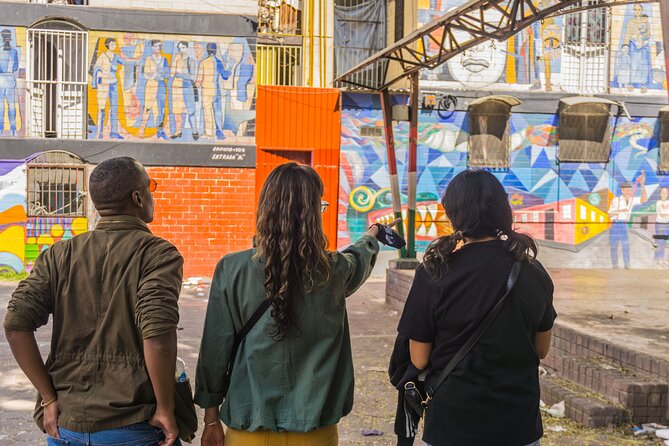
- A true local perspective: Gaby, Nelly, and Martin are praised for knowing Tepito personally and for helping visitors feel at ease.
- More than market shopping: The walk includes food, micheladas, football, boxing, church art, local streets, and Santa Muerte.
- A maximum of eight people: The small group suits anyone who wants room to ask questions and move through narrow market lanes.
- Cash is essential: Cards are not accepted, and there are no ATMs nearby.
- A candid look at Tepito: You see both the commercial zone and residential areas, not just the parts prepared for visitors.
- Plan for about three hours: The outing takes roughly two and a half to three hours, with walking and several short stops.
Why Tepito makes a memorable Mexico City walk
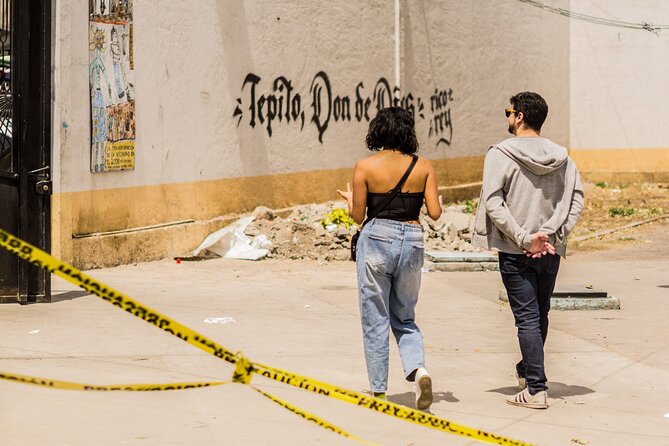
Tepito has a strong public reputation, often shaped by stories about crime and its rough edges. This tour gives you a more useful way to understand it. You do not simply pass through a market and leave with a few purchases. You see how commerce, family ties, sport, faith, and neighborhood pride fit together.
That distinction matters. A guide who grew up in Tepito can explain why a particular street matters, who belongs to a local institution, or how the market connects with everyday life. Gaby is described as having lived there all her life, while Nelly has family roots going back generations. Those connections help turn a walk through busy streets into a conversation about place and identity.
I would not book this expecting a quiet, carefully staged cultural show. The appeal is the opposite. You are seeing an active neighborhood where people are working, eating, praying, and meeting friends. The experience asks you to stay alert, respectful, and open-minded.
If you're still narrowing it down, here are other tours in Mexico City we've reviewed.


Starting among Tepito’s market lanes
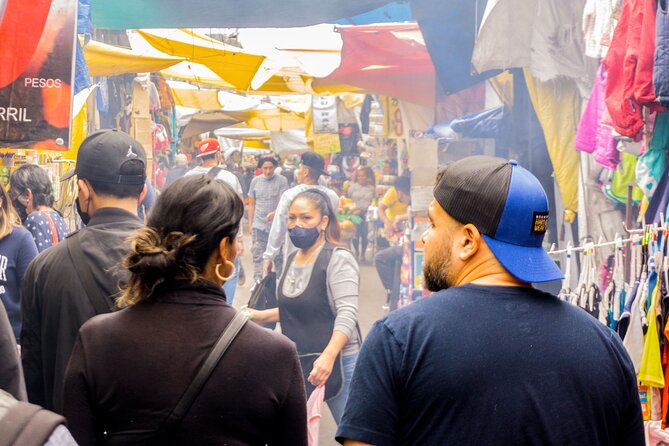
The first substantial part of the walk takes about an hour in Tepito itself. You’ll pass through commercial lanes filled with shops and vendor booths, where the scale and layout can be confusing without someone who knows how the area works.
The market is a major draw for shoppers, but you do not need to arrive with a shopping list. The point is to watch the movement of the neighborhood and let your guide explain what you are seeing. You might find shoes, clothing, food, drinks, and other everyday goods, with the exact mix changing from stall to stall.
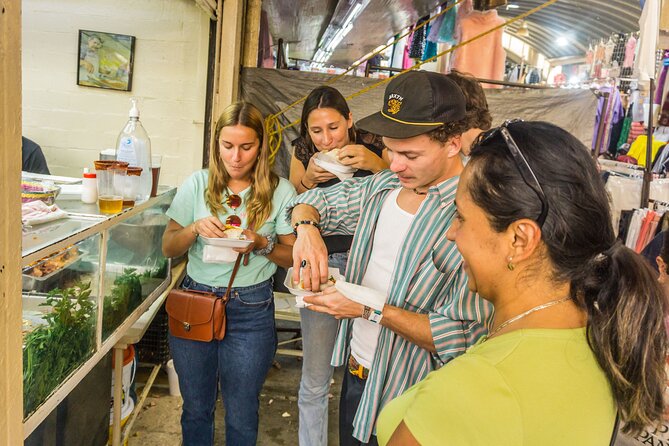
The food is one of the tour’s strongest practical pleasures. The guides can point you toward local specialties, including the soup restaurant associated with Anthony Bourdain and the much-loved liver tacos mentioned by one family. Migas La Güera is singled out as a reason to make the trip on its own, though you should treat any food purchase as an extra cost unless your booking details say otherwise.
You’ll also encounter micheladas and other cold drinks. This is not a formal tasting with a printed menu. It is a chance to try food and drink in places chosen by someone who knows the neighborhood. Bring an appetite, but tell your guide about dietary needs early. Vegetarian options are available.
The market section may be the most demanding part for visitors who dislike crowds or sensory overload. Keep your belongings secure, stay with the group, and follow the guide’s directions about where to walk and when to stop for photographs. The reward is access to a part of Mexico City that most standard sightseeing routes skip.
Football and boxing at Deportivo Maracaná
The visit to Deportivo Maracaná takes about 15 minutes, but it adds important context. This is described as Tepito’s most emblematic sports center, with a football field and a boxing club.
Sport here is not just a casual side note. The center has served as a training ground for internationally successful champions, and it reflects the neighborhood’s pride in discipline, competition, and local talent. A short stop can therefore tell you something about how Tepito sees itself.
Do not expect a full match or an extended sports lesson. The stop is brief, so it works best as a window into local life rather than a major activity. If football or boxing interests you, ask your guide questions while you are there. Gaby and Nelly are praised for adding personal and social context to places that could otherwise seem like quick photo stops.
San Francisco Church and its unusual Christ
The Parroquia de San Francisco offers a change of pace. After market streets and sports facilities, you enter a peaceful church in the heart of the neighborhood.
The building dates to the 16th century, and the visit includes a special Christ figure that receives local devotion. You will also see the crypts. The stop takes about 15 minutes, so it is concise, but the contrast is useful: Tepito is not only commerce and street energy. It also has older religious spaces and traditions woven into daily life.
Dress and behave respectfully inside the church. Keep your voice low and follow any photography rules in force during the visit. The short timing means you may not get a long architectural lecture, but the guide can help explain why this church matters to the community.
Several accounts describe the church as unexpectedly beautiful. That makes it one of the tour’s most effective surprises, especially if you arrive expecting only markets and rough-edged street scenes.
Seeing the local side of Barrio Bravo
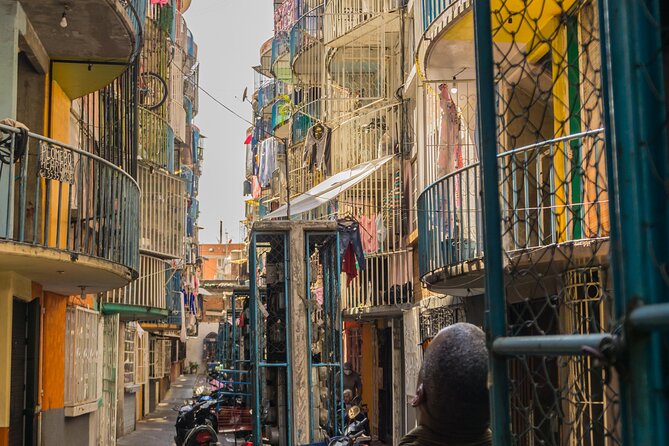
Another 30-minute section takes you beyond the main commercial lanes and into a more local part of Tepito. This is where the guide’s neighborhood ties matter most.
The route includes places that would be hard to identify or enter on your own. Nelly is praised for showing areas that visitors would otherwise miss, while Gaby is described as knowing many people along the way. That familiarity can change the tone of the walk. Instead of feeling like an outsider peering in, you have someone who can introduce the area with care.
Still, you should keep your expectations sensible. You are not being given unlimited access to private homes or sensitive spaces. The wording about areas where only Tepiteños can enter suggests a special local route, but the exact path will depend on the guide, the day, and neighborhood conditions.
This part is valuable because it pushes back against a one-note picture of Tepito. You see that a market district is also a home, a social network, and a place with its own rules. I would consider this the strongest reason to choose the tour over a self-guided market visit.



The Santa Muerte altar
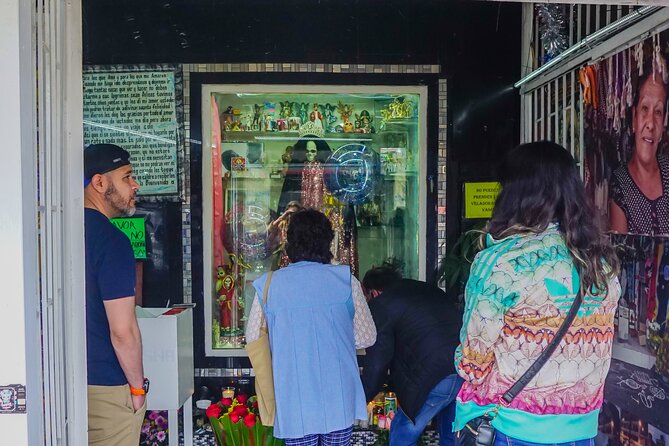
The Santa Muerte altar is the tour’s most distinctive stop. It is described as Tepito’s best-known altar, with followers around the world and attention from documentaries and Netflix specials.
The visit gives you a chance to learn about the devotion rather than simply take a dramatic photograph. Santa Muerte is a powerful and sometimes misunderstood part of Mexican religious life, and the guide can explain how the altar fits into Tepito’s local culture.
Some bookings may include a meeting with Doña Queta, the woman closely associated with the altar. That meeting should not be treated as guaranteed, but it is one of the possible highlights of this stop. The altar is an active place of devotion, so act respectfully. Ask before taking close-up photographs, avoid treating religious objects as props, and listen to the guide’s instructions.
This is also the point where an open mind matters most. You do not need to share the belief to understand why it carries meaning for millions of people. The visit works best as a cultural encounter, not as a spectacle.
Ending with a Tepiteña michelada
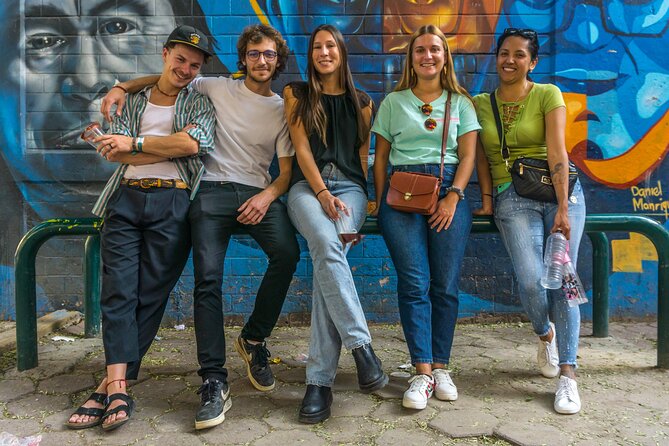
After the walking portion, the experience finishes with a cold drink at a local spot attended by the owner. The featured drink is an authentic Tepiteña michelada.
That final stop gives the tour a relaxed finish and lets you talk with the guide about what you have seen. It also brings the experience back to one of Tepito’s everyday pleasures: food, drink, and conversation.
The word authentic can mean many things in tourism, so keep this simple. You are not getting a laboratory-style explanation of micheladas. You are having one in a neighborhood setting, with a local guide who can explain how it fits into the area’s social life.
If you do not drink alcohol, ask about available alternatives. The supplied details confirm vegetarian food choices, but they do not specify a full nonalcoholic drink menu. Since cards are not accepted, keep enough pesos available for the drink and any food or shopping you choose to add.
Safety, comfort, and the role of the guide
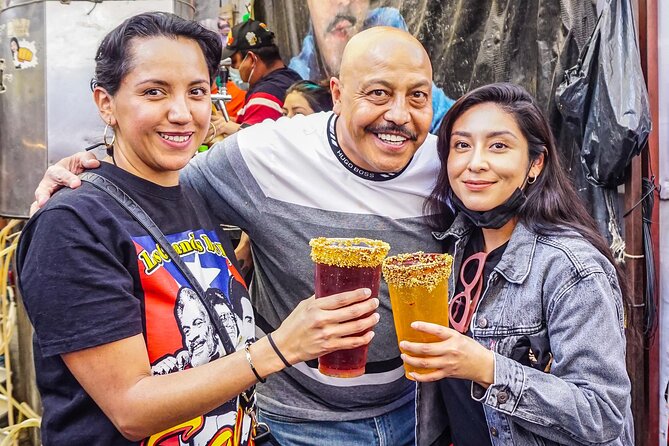
The guides are the key safety feature, though no responsible operator can promise that any city neighborhood is risk-free. Several accounts describe feeling comfortable throughout the walk, including solo visitors and families with young children. The guides are familiar with the area and are known by local people, which helps them choose suitable routes and handle introductions.
That should not lead you to switch off your common sense. Keep valuables out of sight, use a small bag, and do not wander away from the group. Ask before photographing people, market stalls, religious objects, or private spaces.
The tour has been completed by solo visitors, families with children as young as four, and groups of friends. Most people can participate, but it is still a walking experience through market streets. Wear comfortable shoes and expect uneven or crowded passages.
A guide may also help with the end of the day. Gaby and Martin are praised for waiting while visitors arranged transport, including helping them get into an Uber. That is a considerate touch, but your own pickup arrangements remain your responsibility.
Is $79 a fair price?
At $79 per person, this costs more than simply walking through a market or ordering street food on your own. You are paying for access, interpretation, a very small group, and the confidence of having a local person guide you through a complicated area.
The maximum group size is eight, which is a real advantage. Smaller groups can move more easily, and you have a better chance to ask about the church, the sports center, the altar, or a food stall without losing the guide’s attention.
The value depends on what you want from Mexico City. If you mainly want famous landmarks and polished attractions, this may feel expensive for a three-hour walk. If you want a focused look at a neighborhood you would not confidently visit alone, the price is easier to justify.
The tour is generally booked about 15 days ahead, so do not leave it until the last morning if your schedule is tight. Confirmation arrives at booking, and free cancellation is available up to 24 hours before the start time. Changes or cancellations inside that window are not refundable.
Who should book this Tepito experience?
I would recommend it to curious visitors who have already seen some of central Mexico City and want a different angle. It also suits solo visitors who prefer a guide when exploring unfamiliar districts, as well as families who are comfortable with markets, local food, and a less polished setting.
Food-focused visitors will get plenty from the route, especially if they arrive hungry and carry cash. Football fans, boxing followers, students researching urban culture, and anyone interested in Santa Muerte will also find clear reasons to go.
I would hesitate to recommend it to someone seeking a calm, highly structured tour with guaranteed private access to every stop. The neighborhood is active and unpredictable, and the exact experience can shift with local conditions. You should also think twice if you dislike crowded streets or are unwilling to follow instructions about photography and movement.
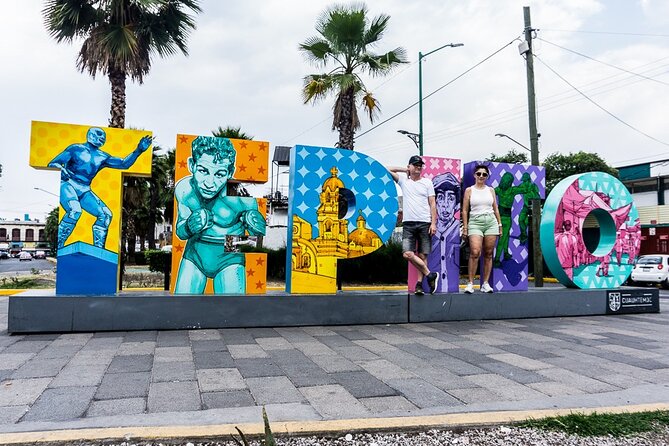
The meeting point is at the Letras de Tepito on Avenida Ricardo Flores Magón, near Peralvillo and Tlatelolco. The tour ends somewhere different, so check the final location before you plan your next appointment.
Should you book it?
Book this tour if you want to understand Tepito through local relationships rather than through its reputation. The strongest reasons are the guides’ personal ties, the mix of market life with church and sport, and the chance to see the Santa Muerte altar with proper context.
I would choose Gaby or Nelly if you have the option, based on the repeated praise for their warmth, local roots, and ability to make solo visitors and families feel comfortable. Bring cash, wear practical shoes, leave room for food, and arrive ready to listen.
Skip it if you want only major monuments or a predictable sightseeing circuit. For an open-minded visitor looking for a candid side of Mexico City, this is one of the more distinctive ways to spend three hours.
FAQ
How long does the Tepito tour last?
The experience lasts approximately two and a half to three hours.
What is the price?
The listed price is $79 per person.
How many people can join the tour?
The group has a maximum of eight participants.
Is the tour offered in English?
Yes. The experience is offered in English.
Where does the tour begin?
It begins at the Letras de Tepito, located at Matamoros, Avenida Ricardo Flores Magón, Peralvillo, Tlatelolco, Cuauhtémoc, Mexico City.
Does the tour end at the same place?
No. The activity ends at a different location. Check the end details when booking.
Should I bring cash?
Yes. Cash is required because cards are not accepted, and there are no ATMs nearby.
Can I cancel for a refund?
You can cancel up to 24 hours before the experience start time for a full refund. Cancellations or changes made less than 24 hours before the start time are not refunded.
More tours in Mexico City we've reviewed





Mexico City, compared.
 ★ 5.0Teotihuacan, Guadalupe Shrine & Tlatelolco Day Tour with LunchFrom $399 hours (approx.)
 ★ 4.5Xochimilco, Coyoacan and Frida Kahlo with Optional LunchFrom $349 hours (approx.)
 ★ 5.0Balloon flight + Breakfast in cave + Pyramids + Pick up CDMX.From $1722 to 8 hours (approx.)
 ★ 5.0Teotihuacan pyramids morning or afternoon without tourist trapsFrom $645 hours 30 minutes (approx.)
 ★ 4.5Teotihuacan Early Access Guided Tour with optional LunchFrom $398 hours (approx.)
 ★ 5.0Balloon flight + pick up in CDMX + Breakfast in Cave + PyramidsFrom $1694 to 7 hours (approx.)
 ★ 5.0Balloon Flight + Cave Breakfast + Pick Up from CDMX or We FlyFrom $1663 to 9 hours (approx.)
 ★ 4.6Mexico City: Teotihuacan, Tlatelolco & Guadalupe Shrine TourFrom $49