
Reviewed · COOKING CLASSES
Market tour, cooking class & three-course Mexican feast
Mexican food makes more sense when you see the ingredients before they reach the plate. This six-hour experience begins at Mercado Medellín in Roma, then moves to Jim’s Condesa home, where you prepare tamales, mole and tortillas by hand before sitting down to eat.
In This Article
- Key points at a glance
- Start with the ingredients at Mercado Medellín
- The move from Roma to a Condesa kitchen
- Three hours with tamales, mole and tortillas
- History that earns its place at the table
- A feast after the work
- What the $180 price really covers
- Who should book this experience
- Practical details before you go
- Should you book it?
- FAQ
- Where does the market tour begin?
- How long does the experience last?
- Where does the cooking class take place?
- Which languages are available?
- What dishes will I prepare?
- Are drinks included?
- Can dietary requirements be accommodated?
- Is the experience suitable for wheelchair users?
- What should I bring?
I like the clear link between food and history, and I like the homely format. You are not just watching a chef work behind a counter. You spend about three hours cooking together, then share the meal at a carefully laid table with Mexican beer, wine, mezcal and soft drinks. The main caution is timing: you may not eat until after 2 PM, and one serious no-show report means I would confirm the meeting details before setting out.
Key points at a glance
- Mercado Medellín sets the scene: A 90-minute market visit introduces Mesoamerican ingredients, Spanish influence and the food of Mexico today.
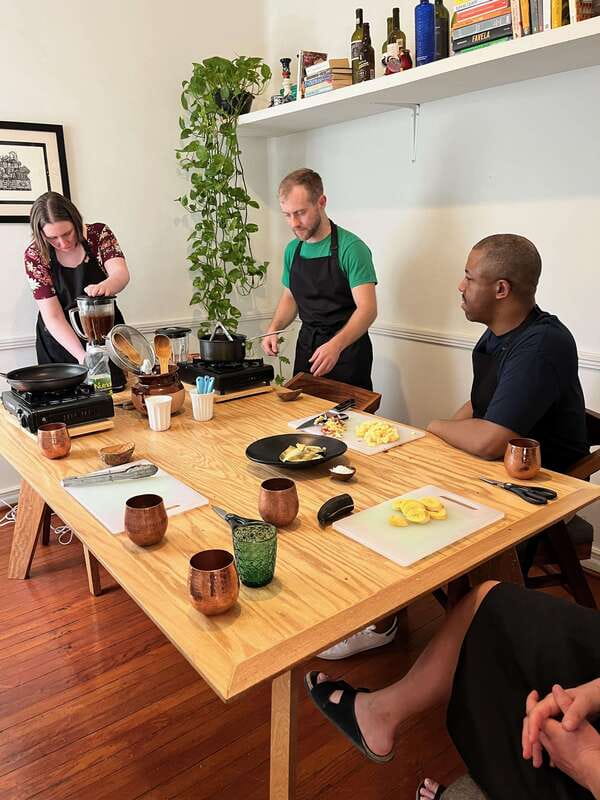
- Jim leads the cooking at home: The class takes place in a Condesa residence, with a friendly, informal feel rather than a restaurant-school setup.
- You make three Mexican staples: Tamales, mole and tortillas are prepared from scratch with guidance and fresh ingredients.
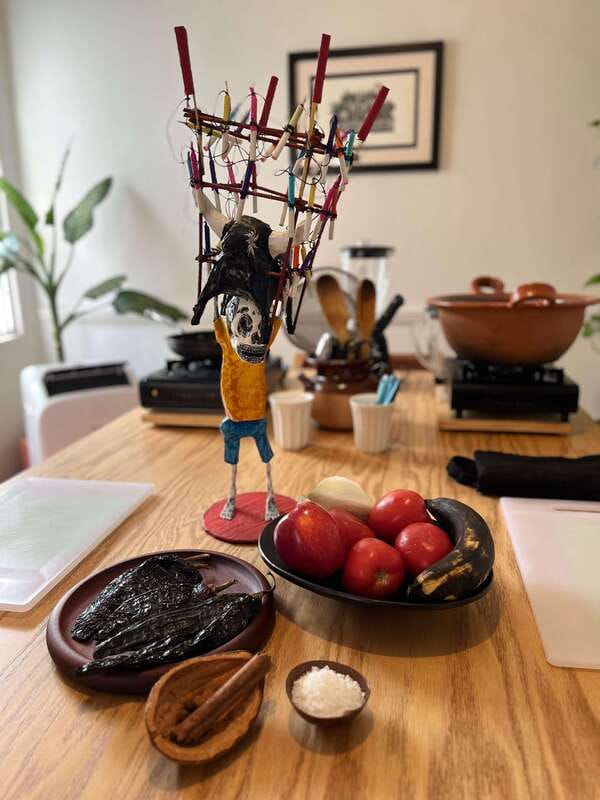
- The meal is part of the lesson: Local linens and artisanal tableware turn the food you made into a proper three-course feast with dessert.
- Dietary needs are discussed in advance: Many requirements can be accommodated, but strict kosher cooking is not available.
- The day is long and hands-on: Wear comfortable shoes, eat breakfast and expect to be on your feet for several hours.
Start with the ingredients at Mercado Medellín
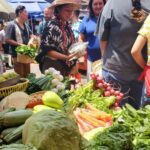
Meet at the market entrance on the corner of Medellín and Campeche streets. Look for the large market name in plain sight, then wait under the broad overhang in the shade. That is a useful meeting point in a city where a busy street corner can otherwise feel vague.
The market portion lasts about 90 minutes, although the included information also describes it as a one-hour tour. I would plan for the longer figure and leave room around the start time. The market itself matters because Mexican cooking is not only a collection of recipes. It is built around ingredients, local habits and techniques passed down through very old food traditions.
Jim uses the visit to explain how ancient Mesoamerican foodways shaped modern Mexican cooking. You learn why corn, tortillas, chiles and other native ingredients remain so central, then how the Spanish conquest in the 16th century brought new foods and methods. The useful part is the connection: the meal later in the day should feel less like a list of dishes and more like the result of several culinary worlds meeting.
You may also get the chance to see or taste unfamiliar ingredients, depending on the market route and what is available that day. One German participant specifically praised the chance to discover and sample new foods during the walk. That makes this a better choice for someone who enjoys asking questions and paying attention, rather than someone who wants a fast shopping stop.
Mercado Medellín is also a practical first lesson in Mexican food culture. A market gives you a sense of the raw materials before they are cleaned, mixed, folded or ground in the kitchen. When you later work with those ingredients, you have a better idea of where they come from and why they matter.
Other cooking classes in Mexico City

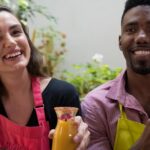
The move from Roma to a Condesa kitchen
After the market, you go to the cooking location in Condesa. A taxi is provided if it is raining, which is a small but welcome detail. Otherwise, the exact transfer arrangements should be confirmed when you book, since the meeting point and cooking location are separate.
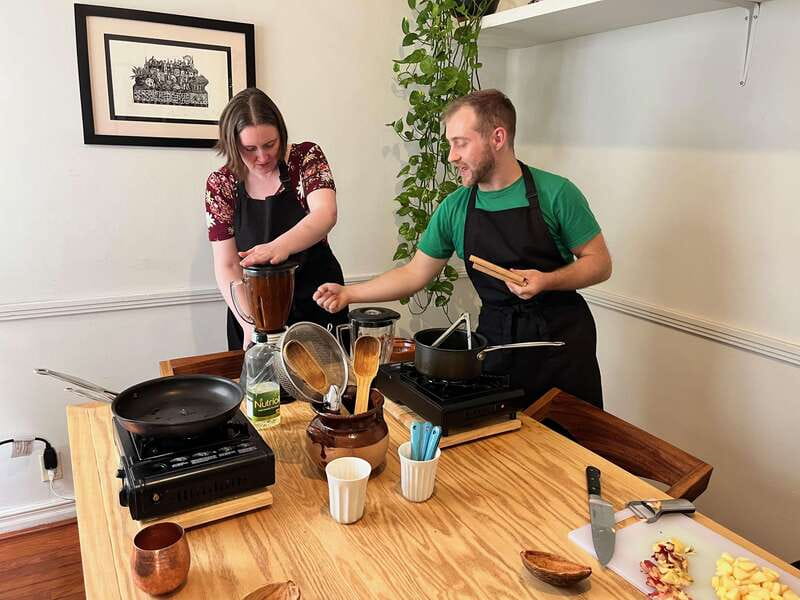
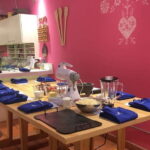
The class takes place in Jim’s home, not in a large commercial cooking studio. That changes the tone. You cook around the same table, with an informal setup that has been compared to preparing food at home with friends. I see that as the core appeal of the experience, but also the main thing to consider if you prefer a polished, highly structured school.
A home setting allows more conversation. Jim can talk about food, history and Mexican culture while you work, and the group can share the jobs instead of watching a demonstration from a distance. The setting is also intimate, particularly when the group is private or small.
There are two cats in the house. They are kept away from the cooking area, and allergy pills are available, but this is not a suitable setting for someone with a serious cat allergy. Wheelchair users have attended before, although the building has no elevator. That means access should be discussed in advance, especially if stairs are difficult for you.
Three hours with tamales, mole and tortillas
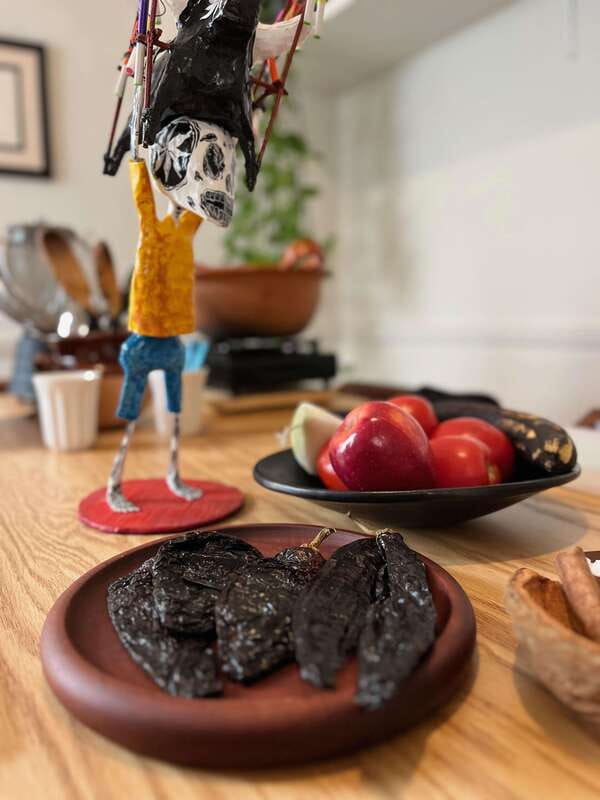
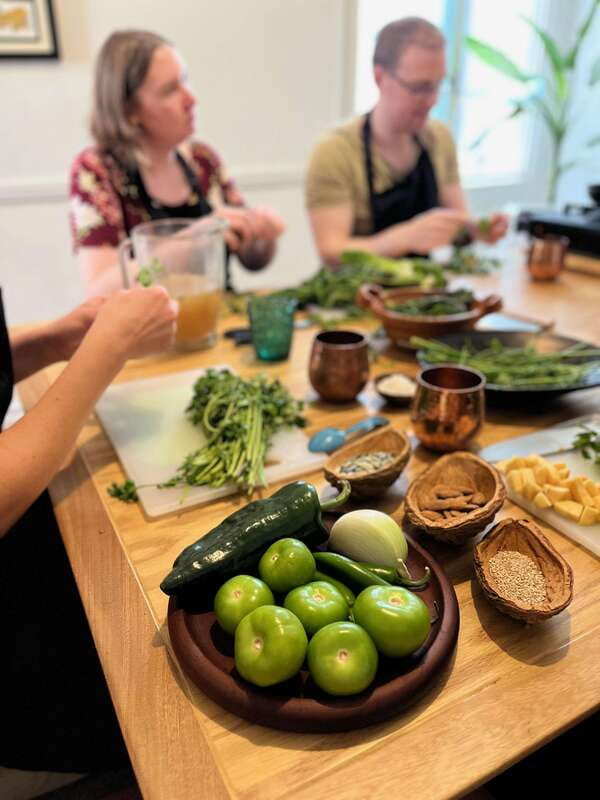
The cooking section lasts around three hours, so this is a real working class rather than a short demonstration. You receive the ingredients, guidance and recipes for the dishes, with the menu discussed by email after booking.
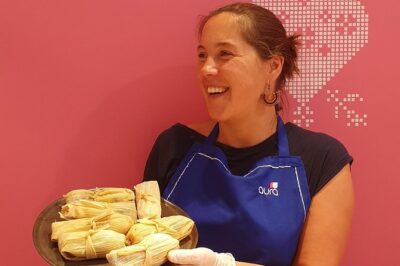
Tamales are one of the more hands-on parts of the day. You work with the filling and dough, then learn the basic process of wrapping and preparing them. The green vegetarian tamales received special praise from one American participant, so vegetarian cooking is not treated as an afterthought.
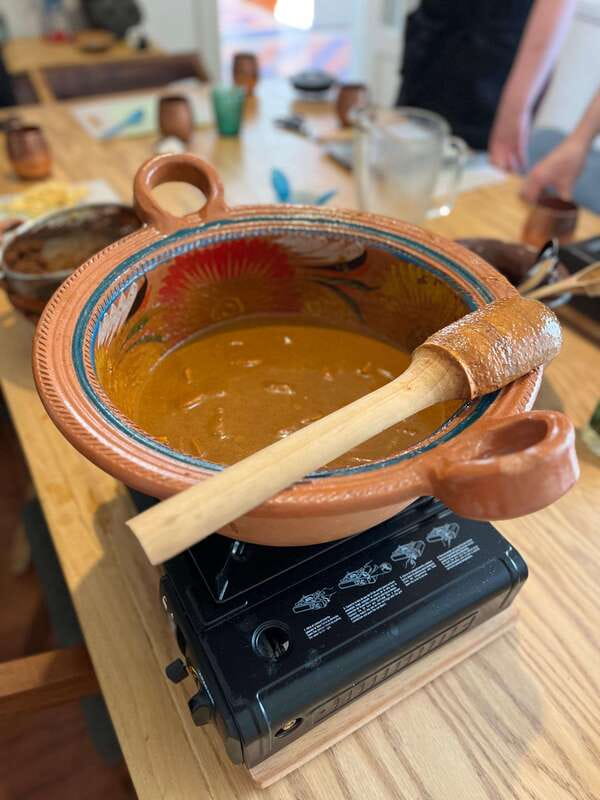
Mole gives the class a different kind of challenge. It is a dish with layers of flavor and a long culinary story, and making it from scratch helps explain why a prepared restaurant version can taste so different from one built carefully in a kitchen. The class is not simply about copying a recipe. It is about seeing how separate ingredients become one sauce.
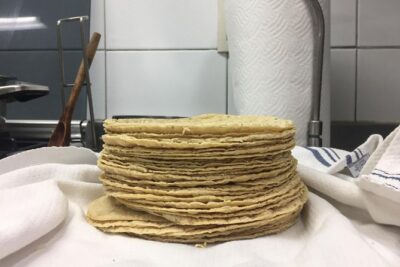
Tortillas provide the most direct connection to everyday Mexican food. Working with the dough and shaping tortillas gives you a useful skill to take home, even if your results are not perfectly round. That is part of the charm. You get to handle the food rather than admire it from a safe distance.
The included description says you prepare two courses and tortillas, while the experience is presented as a three-course feast with dessert. The safest way to read this is that you make the main savory dishes and tortillas, then finish with dessert as part of the meal. Ask about the exact menu when Jim contacts you, particularly if you have dietary needs or strong preferences.
You should also eat a good breakfast. The class can run for six hours, you will be on your feet for several hours, and lunch may come after 2 PM. This is not the right plan for someone who needs an early meal or wants a low-effort afternoon.
History that earns its place at the table
The strongest part of this experience is the way the cooking is tied to the past. Mexican food is often reduced to familiar restaurant labels, but the class puts those dishes into a wider story.
Mesoamerican ingredients and methods form the foundation. Spanish ingredients and techniques arrived later, creating new combinations on both sides of the Atlantic. Jim’s approach connects those changes to the dishes you are making, so the historical material has a practical purpose.
I like this format because it avoids separating culture from food. You do not spend one hour hearing dates and another three hours chopping without context. The market and kitchen support each other. First you see ingredients in their market setting. Then you turn them into food and eat the result.
The history is delivered in English or Spanish, and Jim has been described as warm, friendly and especially good at explaining the links between food, culture and the past. If you want a quiet, anonymous class, the amount of conversation may feel like too much. If you enjoy a host who keeps the discussion going, it is a major part of the value.
A feast after the work
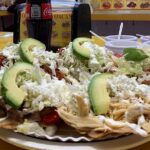
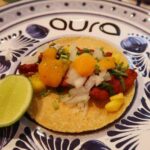
The final meal is designed to feel like a proper occasion. You sit at a table set with local linens and handmade tableware, then eat the food you prepared. This is a pleasant change from the usual cooking-class pattern, where the final dish is sampled quickly over the same work surface.
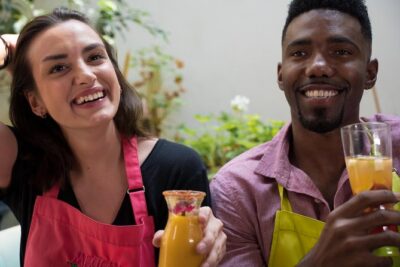
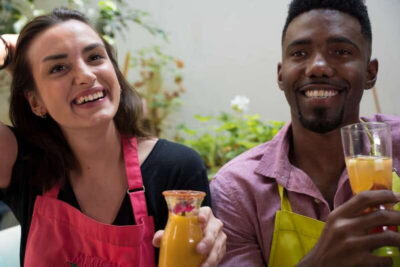
The meal includes dessert, and drinks include Mexican beer from small brands, soft drinks, Mexican wine and mezcal. You do not need to purchase these separately as part of the planned experience. The alcohol also gives the afternoon a celebratory finish, though anyone who does not drink can use the nonalcoholic options.
The table setting may sound like decoration, but it serves a purpose. After several hours of standing, mixing and shaping food, sitting down gives the day a natural rhythm. You can compare the results, talk through what you learned and enjoy the meal at a slower pace.
The food is the main reward. One American participant singled out the green vegetarian tamales, while another called the tamales and mole the best they had eaten. I would keep expectations sensible: cooking quality depends partly on how closely you follow the guidance and how the group works together. Still, the class gives you a much better chance of understanding those foods than a standard restaurant meal does.
Other shopping tours in Mexico City


What the $180 price really covers
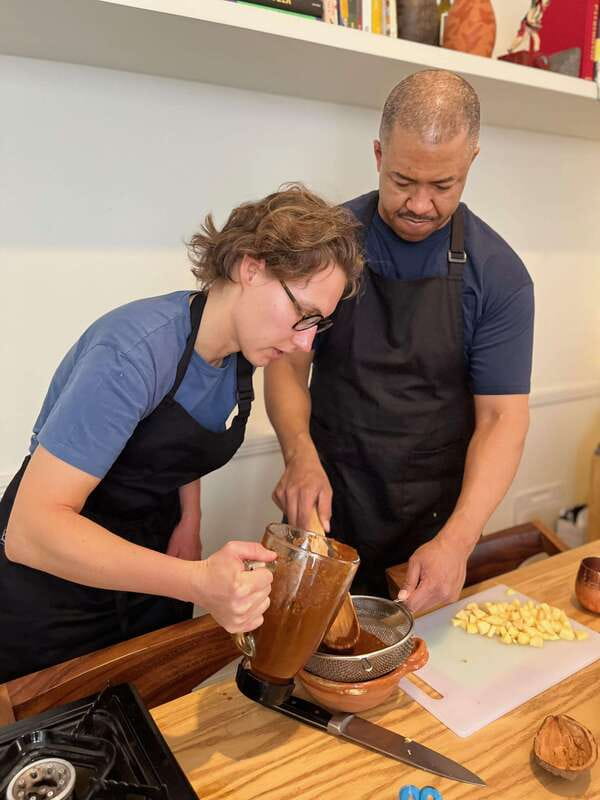
At $180 per person, this is not a cheap way to get lunch. You are paying for a six-hour private or small-group experience, a market visit, instruction, ingredients, a cooked meal, dessert, drinks and recipes sent by email afterward.
The value depends on how you travel. If you only want to taste Mexican food, you can spend far less in Roma and Condesa. If you want a market guide, cultural explanation, hands-on cooking and a hosted meal in a home, the price is easier to justify.
The recipes add useful value after the trip. You can attempt the dishes again at home instead of leaving with nothing but photographs. One participant had already cooked one of the recipes again with success, which is a good sign for anyone who wants a practical souvenir.
Shorter classes are also available through the provider, so the full six-hour version is not the only option. The long format is best if you want the market, cooking and meal as one connected day. A shorter class may suit you better if you have limited time or do not want to spend most of an afternoon on your feet.
There is one pricing detail worth noting. The booking information says some people joining the same class may pay less when booking directly through the Martaja website. Compare the available options before paying, while also checking that the date, menu and cancellation terms match.
Who should book this experience
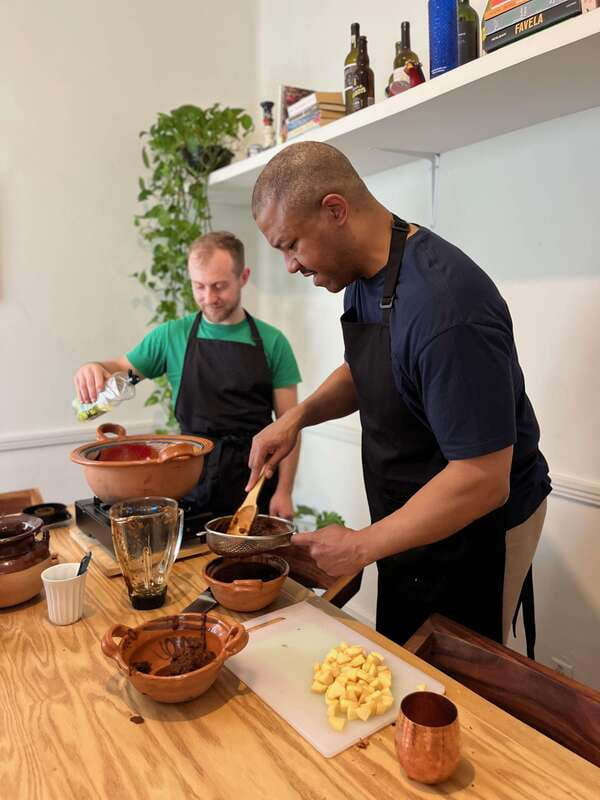
I would choose this class if food is one of the main reasons you are visiting Mexico City. It suits couples, families with older children, friends and solo visitors who are comfortable joining a small group.
It is particularly good for you if you want:
- A food lesson tied to Mexican history
- Actual cooking rather than a chef demonstration
- A relaxed home setting
- A meal with drinks after the class
- Recipes you can use later
- Help planning a menu around dietary requirements
It may not suit you if you need a short activity, dislike standing for long periods, have a serious cat allergy or need strict kosher preparation. It is also not the best fit if you want precise professional-kitchen instruction with no interruptions or informal conversation.
The group format matters. Private and small-group options are available, but the exact size should be checked before booking. A small group makes it easier to handle the food and ask Jim questions. A larger group could make the home setting feel less personal.
Practical details before you go
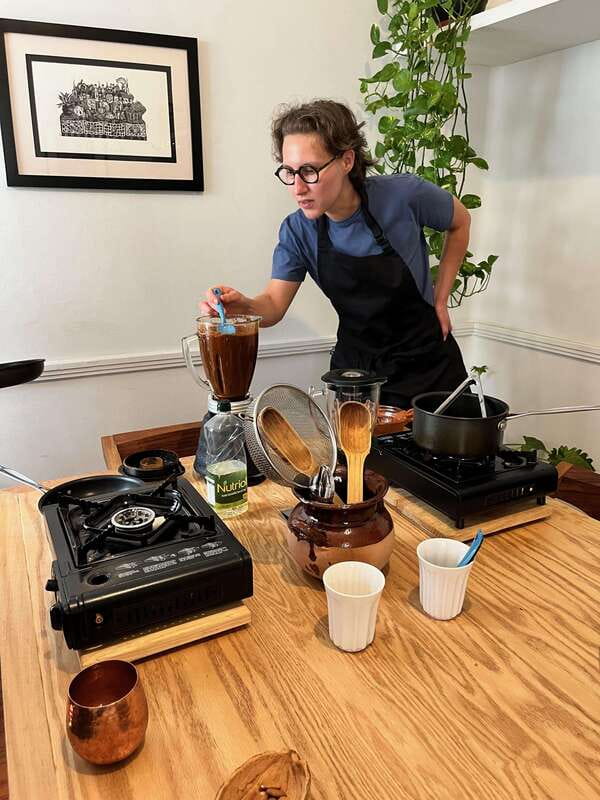
Wear comfortable shoes. You will spend much of the cooking section on your feet, and the market walk adds more time standing and walking.
Eat breakfast, but do not arrive overfull. The main meal may not be served until after 2 PM, so a solid morning meal is sensible.
Watch your email after booking. Jim will ask about your menu and dietary requirements, and replying promptly is important. Many dietary needs can be accommodated, but strict kosher preparation is not possible.
If it rains, a taxi to the cooking location is included. If you use a wheelchair, contact the provider before booking because wheelchair users have attended, but the building has no elevator.
The meeting point is the market entrance at Medellín and Campeche streets. Look for the name Mercado Medellín in large letters and wait in the shade beneath the overhang. I would arrive with the meeting details saved offline, especially because one verified booking from September 2025 reported that the guide did not arrive and could not be reached. That appears to be an isolated but serious warning, so confirming the appointment is sensible.
The experience has a 4.4 rating from 17 ratings. The strongest praise centers on Jim’s hosting, the food history, the friendly home setting and the quality of the tamales and mole. Those are precisely the parts that make this more than a standard cooking lesson.
Should you book it?
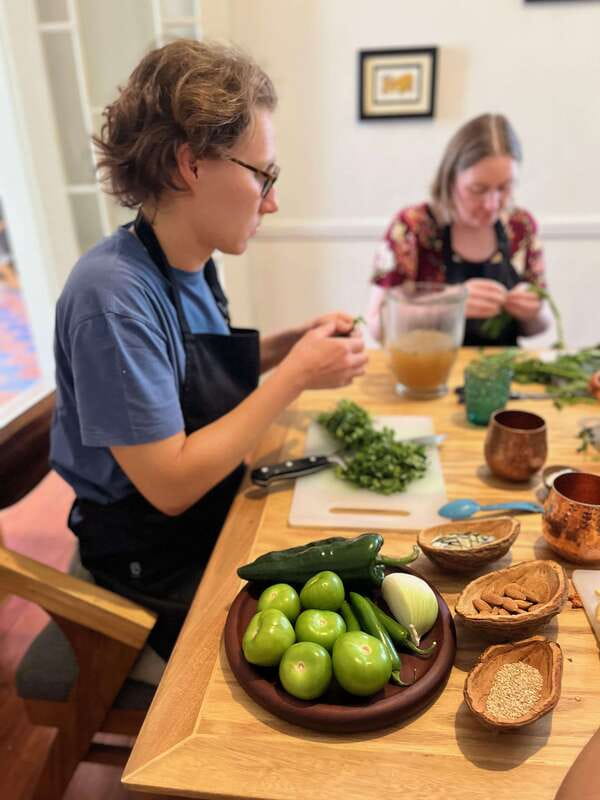
Book this if you want a full food day, not just a quick class. The market visit gives the dishes context, the kitchen work gives you useful skills, and the final meal lets you enjoy the results without rushing.
At $180, the experience is a splurge. I think it earns that price for a small group that values personal guidance, drinks, a full meal and recipes to take home. I would skip it if your schedule is tight, your mobility or allergies require special planning, or you only want to eat rather than cook.
For most food-focused visitors, the best reason to book is simple: you leave with a better idea of how Mexican food is made and why it tastes the way it does. Just confirm the date, menu and meeting details before you go.
FAQ
Where does the market tour begin?
Meet at the entrance to Mercado Medellín on the corner of Medellín and Campeche streets. The market name is displayed in large letters, and you can wait in the shade under the overhang.
How long does the experience last?
The full experience lasts about six hours. The market visit is described as lasting about 90 minutes, while the cooking section takes around three hours, followed by the meal.
Where does the cooking class take place?
The class takes place at the chef and guide Jim’s home in Condesa.
Which languages are available?
The experience is offered in English and Spanish.
What dishes will I prepare?
You will prepare tamales, mole and tortillas from scratch. The included information describes guidance and ingredients for two courses and tortillas, with dessert served as part of the final meal.
Are drinks included?
Yes. Mexican beer, wine, mezcal and soft drinks are included, along with dessert.
Can dietary requirements be accommodated?
Many dietary requirements can be accommodated, but you must discuss them by email after booking. Strict kosher preparation is not available.
Is the experience suitable for wheelchair users?
Wheelchair users have attended the class before, but the building has no elevator. Contact the provider in advance to discuss your needs.
What should I bring?
Wear comfortable shoes. You should also eat a good breakfast because you may be standing for several hours and may not eat the main meal until after 2 PM.
More Markets in Mexico City
More Shopping Tours in Mexico City
More Cooking Classes in Mexico City
More tours in Mexico City we've reviewed




Cooking Classes, compared.
 ★ 5.0Mexican Cooking Class with Food Market Visit in Mexico CityFrom $1243 hours 30 minutes (approx.)
 ★ 5.0Essence of Mexico: Authentic Mexican Cooking Class & Market TourFrom $1784 hours 30 minutes (approx.)
 ★ 5.0Mexican Cooking Class & Cocktails in Mexico CityFrom $1323 hours 30 minutes (approx.)
 ★ 5.0Private Mexican Cooking Class with Gastronomic Historian, LuciaFrom $1453 hours (approx.)
 ★ 4.8Mexico City: Mexican Cooking ClassFrom $1213 hours
 ★ 5.0México City: Street Food to Home Cooking Food TourFrom $1104 hours
 ★ 5.03h Cooking Class in Mexico City: 8 Recipes & Bottomless DrinksFrom $1104 hours (approx.)
 ★ 5.0Private San Angel Tour & Cooking Class in Mexico City with LuciaFrom $1555 hours (approx.)
The lists this tour appears in