
Reviewed · COOKING CLASSES
Mexican Cooking Class & Cocktails in Mexico City
The best part of this Mexico City experience is that it begins with ingredients, not a lecture. You get a short look at a local market, learn how to choose produce, then head to a stylish home kitchen to prepare tortillas, salsas, guisados, and drinks. I especially like the market visit and the chance to cook with José, Eduardo, or another English-speaking chef who can adjust the pace for beginners. The small group size, capped at six, also gives the class a friendly feel.
In This Article
- Key points at a glance
- Why this class feels different from a standard food tour
- Starting at Bucareli 165 in Juárez
- The market visit: useful, but keep expectations modest
- Cooking tortillas, salsas, and Mexican mains
- Three cocktails made during the meal
- Dessert and the shared table
- Is $132.99 a fair price?
- Who should book this experience?
- Booking advice and cancellation rules
- Should you book the Mexican Cooking Class and Cocktails?
- FAQ
- How long does the Mexican cooking class last?
- Where does the activity begin?
- Where does the experience end?
- Is hotel pickup included?
- Is the class offered in English?
- Are vegetarian options available?
- What is included in the price?
I like that the food is practical enough to make again at home, and that the cocktail session gives you three Mexican drink recipes rather than just a single sample. The main caution is price: at $132.99 per person, this is not a bargain cooking lesson, especially if your group spends more time watching than chopping. The market portion can also be brief, so book it for the social meal and instruction, not as a full market tour.
Key points at a glance
- A market-to-kitchen lesson: Begin with local ingredients and tips on choosing produce before cooking.
- Three cocktails included: Mix three drinks using Mexican spirits and fresh fruit during the meal.
- Small class size: The listed maximum is six people, though some sessions may differ in size.
- Beginner-friendly cooking: Make tortillas, salsas, guacamole, soups, enchiladas, tacos, or other dishes depending on the menu.
- A real meal, not a tasting: The class includes a starter, main course, dessert, and the drinks you prepare.
- Central meeting point: Meet at Bucareli 165 in Juárez, near public transportation, with no hotel pickup.
Why this class feels different from a standard food tour
Many food tours put a finished taco in your hand and move on. This one asks you to work for dinner, in the best possible way. You learn how tortillas change from masa to griddle, how a salsa comes together, and how Mexican cooking builds flavor from simple ingredients.
The class is run by Mexican Food Tours and lasts about three and a half hours. It is offered in English, which matters when you are trying to understand cooking methods rather than merely copy a gesture. The chef explains the ingredients, assigns tasks, and brings the group together for a shared meal.
José receives especially strong praise as a teacher. He is described as patient, upbeat, and clear with both experienced cooks and people who rarely touch a kitchen. Eduardo has also led sessions where every participant stayed involved from start to finish. The exact chef matters because the rhythm of a hands-on class depends heavily on how well the instructor divides up the work.
You do not need to be a skilled cook. In fact, beginners may get the most from the class because the recipes focus on basic methods you can repeat at home. More experienced cooks should still find useful details in the market stop, tortilla making, seasoning, and the use of traditional spirits.
Other cooking classes in Mexico City

Starting at Bucareli 165 in Juárez
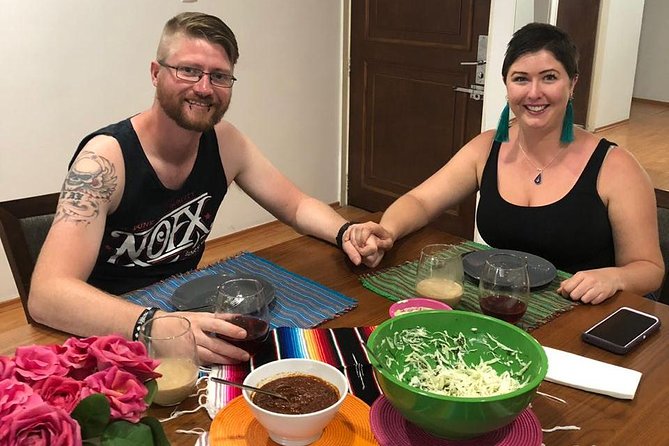
You meet at Bucareli 165, Juárez, Cuauhtémoc, in central Mexico City. The meeting point is near public transportation, but hotel pickup and drop-off are not included. Plan your route before the start time, especially if you are crossing town during Mexico City traffic.
The activity ends back at the same meeting point. That makes the timing easy to manage, but it also means you should not plan a distant dinner reservation immediately afterward. Three and a half hours is the approximate duration, and cooking sessions can feel longer when a group is enjoying its drinks and conversation.
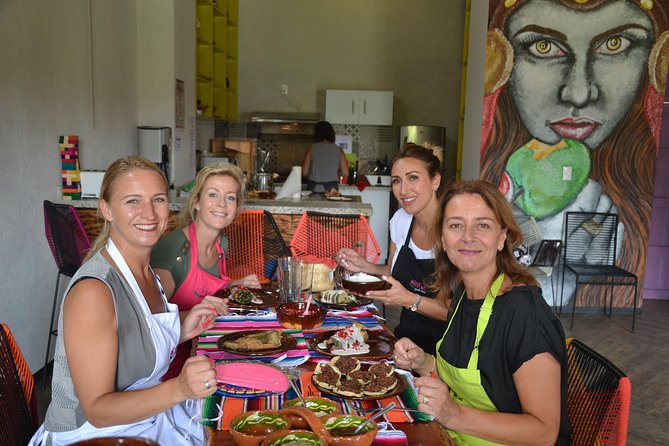
The setting is one of the unusual features. Several accounts describe cooking in a private home or apartment with a hacienda-style feel. One participant compared the space to a museum. That setting gives the meal more character than a plain demonstration kitchen, though it also means you are taking part in a home-style experience rather than a polished restaurant service.
The market visit: useful, but keep expectations modest
The first stop is a nearby local market. This is where the chef introduces the ingredients used in the meal and explains how to select vegetables, meat, and other produce. You may taste Mexican snacks and get a quick lesson in local food before returning to the kitchen.
I find this part valuable because shopping is often the missing piece in a cooking class. A recipe can tell you to buy a tomato, chile, or avocado. A local chef can show you what to look for and explain how that ingredient fits into Mexican cooking.
Do not expect a long market walk with a shopping bag full of discoveries. The market visit can be short, and one account described it as more of a quick look and tasting than actual shopping. The class still uses the market as a useful introduction, but food-focused visitors who want hours of stalls and vendors should book a separate market tour.
The stop also helps set up the rest of the lesson. You see the raw ingredients before they are chopped, seasoned, simmered, and served. That connection makes the final meal more meaningful than cooking from a prepared tray.
Cooking tortillas, salsas, and Mexican mains
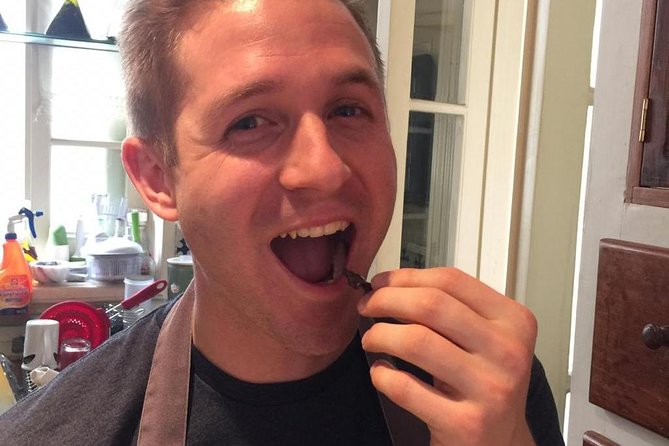
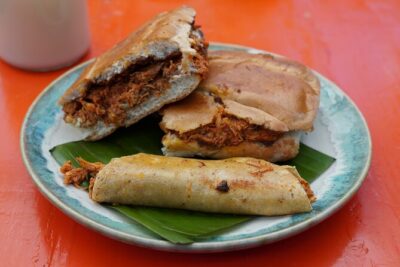
Back in the kitchen, the class becomes active. You may prepare homemade tortillas, guacamole, chile sauce, soup, tacos, enchiladas, chicken tinga, or other Mexican dishes. The supplied sample menu lists Mexican salsas and tortillas as the starter, Mexican guisados as the main course, and assorted sorbets for dessert.
The precise dishes can vary, so do not treat every item mentioned in past sessions as guaranteed. Still, the pattern is clear: you work through several parts of a Mexican meal rather than preparing one dish and calling it a day.
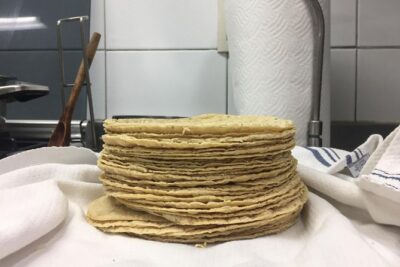
Homemade tortillas are a highlight for many people. They are simple in theory, but the class gives you a chance to feel the dough, shape it, and cook it properly. That is the sort of skill you can take home without hunting down rare equipment.
The recipes also tend to use accessible ingredients. Participants have made meals they felt able to recreate with products available outside Mexico. That is an important value point. You are not paying only for dinner. You are learning methods that can live in your own kitchen.
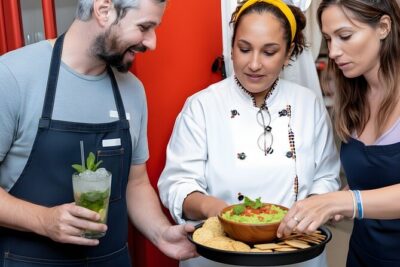
The class is designed so everyone handles part of the preparation. In a well-managed session, the chef keeps the group moving and gives each person a job. Eduardo is praised for making sure all four people in one class stayed involved, while José is noted for adapting explanations to different cooking levels.
Still, hands-on time may not be perfectly even. In a larger group, or during a busy step at the stove, you might wait while someone else cooks or watches the pot. One less favorable experience found the instruction under-planned and wished each person had taken part in every stage. If active cooking is your top priority, ask at the start how tasks will be divided.
Three cocktails made during the meal
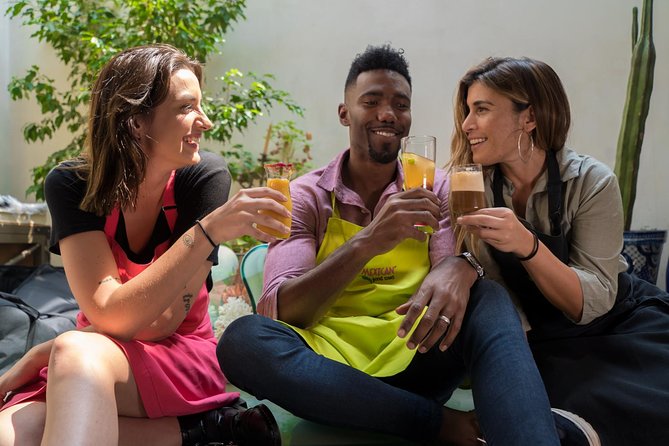
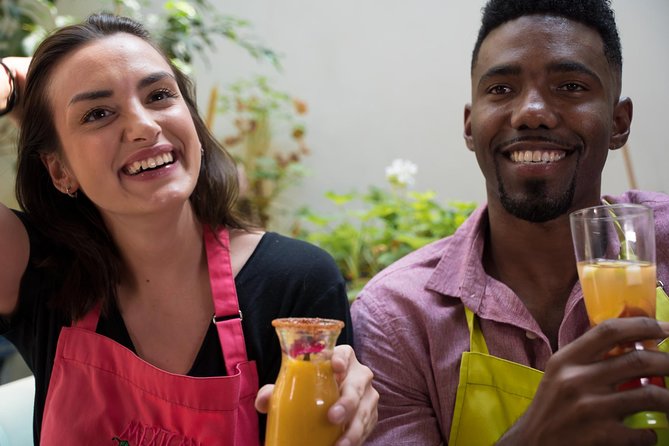
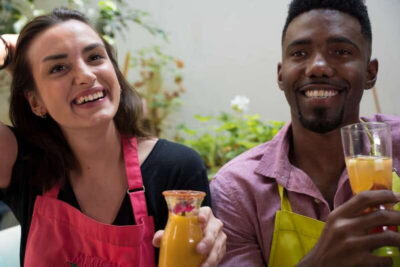
The cocktail portion is more than a quick toast at the end. You prepare three original recipes using Mexican spirits, fresh fruit, and other ingredients that complement the food.
The drinks help break up the cooking and add a festive touch to the evening. You may mix one between courses, then taste it with the dish you have just helped make. This pairing is part of what makes the experience feel social rather than like a strict kitchen lesson.
I would add the cocktail option if it is offered as a choice. The class already has a fairly high price, but the drinks give you three recipes and three chances to practice mixing. Several people specifically found the cocktail session fun and useful, while one person considered the added cost worthwhile.
Keep in mind that the drinks are part of the experience, so this may not be the right pick if you do not drink alcohol. The description focuses on traditional Mexican spirits and original cocktails, and it does not promise nonalcoholic substitutes.
Other city tours we've reviewed in Mexico City





Dessert and the shared table
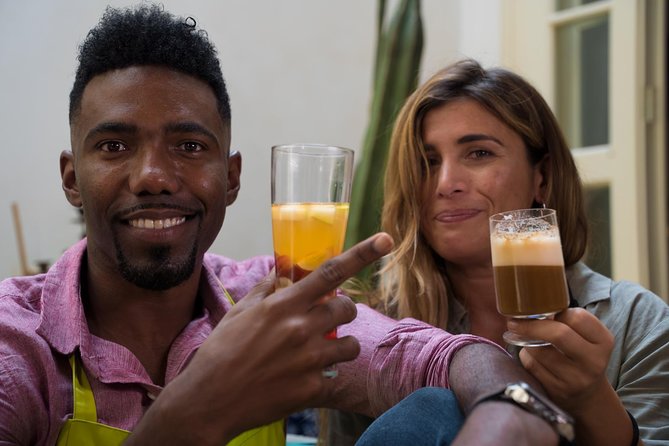
The listed dessert is assorted sorbets. That is a sensible finish after tortillas, sauces, guisados, and cocktails. It keeps the final course light and gives you a cool pause after the hands-on cooking.
The meal is one of the strongest reasons to choose this class over a short demonstration. You sit down with the food your group prepared and share it with the chef and the other participants. The setting encourages conversation, and several sessions have included couples, families with adult children, solo participants, and groups of friends.
For a birthday or a small group outing, the format works particularly well. You have an activity to focus on, but enough time to talk. Some groups have ended up with a nearly private class, while the stated maximum is six people. A small group can make the chef more available and give you more time at the counter.
One practical detail: ask about the recipes before leaving. Many people received recipes afterward, but at least one participant expected them and did not get them. If you want to repeat the meal at home, confirm how the recipes will be sent.
Is $132.99 a fair price?
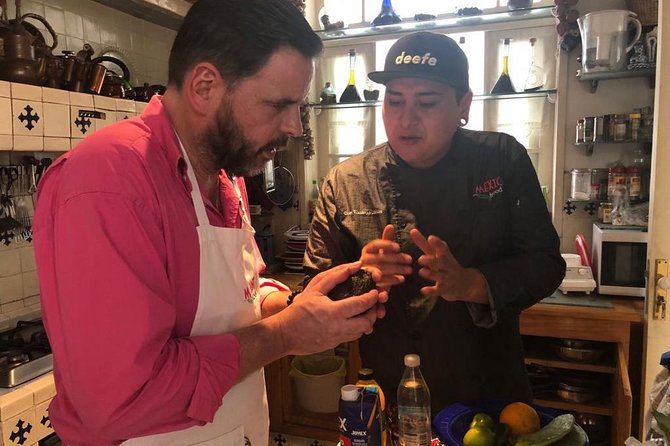
At $132.99 per person, the price is high for a three-and-a-half-hour activity. The fee includes ingredients, cooking tools, the chef, the meal, and three cocktail recipes. It does not include transportation to the meeting point.
The value improves if you want several things in one evening: a market introduction, a cooking lesson, a full meal, cocktails, and a small social group. A private-feeling session with José or Eduardo can also make the cost easier to justify, particularly for a couple or family marking a special occasion.
The value drops if you mainly want to eat, if the market is your main interest, or if you expect constant personal instruction. One participant felt the class did not provide enough active work for the price. That is a fair concern. You are paying for a hosted cultural activity, not simply ingredients and kitchen access.
I would compare it with the cost of a good meal plus a separate food tour. If you would happily pay for both, this combined format makes sense. If you are watching your budget, look closely at the menu, cocktail inclusion, and group size before booking.
Who should book this experience?
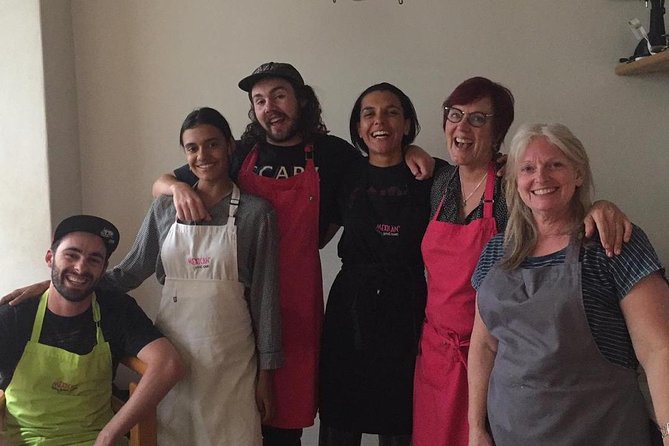
I would recommend it most strongly to:
- Couples looking for a shared evening activity
- Families with adult children who enjoy cooking together
- Solo visitors who like meeting people over a meal
- Beginners who want simple Mexican recipes
- Food lovers who want to understand ingredients, not just taste them
- Small groups planning a birthday or special celebration
You will get the most from it if you ask questions, volunteer for each task, and tell the chef about your spice preferences and cooking level. José is noted for asking about both, and that sort of conversation can make the lesson more useful.
This may not suit you if you want a serious professional cooking course, a long market tour, or a low-cost meal. It also may disappoint if you expect every participant to prepare every step. The class is social and practical, but the depth depends on the instructor and the group.
Vegetarian cooking is available if you request it when booking. You should also share any other dietary needs in advance. Do not wait until you arrive, since the ingredients and menu need to be planned.
Booking advice and cancellation rules
The activity is booked, on average, about 26 days ahead, and the high rating of 4.9 from 134 ratings means popular dates may fill early. If you want a particular chef, such as José, you can request that preference, but a specific instructor should not be treated as guaranteed unless the operator confirms it.
You receive confirmation at booking, and the ticket is mobile. The activity is offered in English and has free cancellation up to 24 hours before the local start time. Cancel later than that and you should expect no refund. Changes made within 24 hours are not accepted.
Should you book the Mexican Cooking Class and Cocktails?
Book it if you want an approachable introduction to Mexican cooking with a real meal at the end. The market stop, homemade tortillas, three cocktails, and small-group setting give the evening plenty of variety. José and Eduardo appear particularly suited to people who want patient instruction and a relaxed pace.
I would hesitate only if $132.99 feels steep, if you want a long market visit, or if you need every minute to be hands-on. For most food-focused visitors, the best reason to book is simple: you leave with recipes, kitchen techniques, and a meal you helped make, not just another restaurant receipt.
FAQ
How long does the Mexican cooking class last?
The experience lasts approximately 3 hours and 30 minutes.
Where does the activity begin?
It begins at Bucareli 165, Juárez, Cuauhtémoc, 06600 Ciudad de México, CDMX, Mexico.
Where does the experience end?
The activity ends back at the meeting point.
Is hotel pickup included?
No. Hotel pickup and drop-off are not included.
Is the class offered in English?
Yes. The experience is offered in English and led by an English-speaking chef.
Are vegetarian options available?
Yes. A vegetarian option is available, but you must request it when booking. You should also provide any other dietary requirements at that time.
What is included in the price?
The price includes authentic ingredients, cooking tools, expert-crafted recipes, instruction from the chef, the prepared meal, and three original Mexican cocktail recipes.
More Cooking Classes in Mexico City
More City Tours in Mexico City
More Cooking Classes in Mexico City
More tours in Mexico City we've reviewed








Cooking Classes, compared.
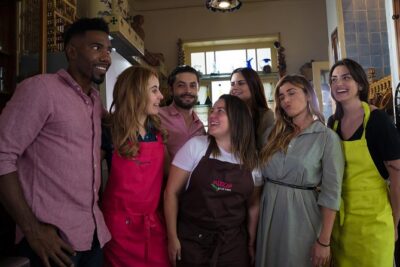 ★ 5.0Mexican Cooking Class with Food Market Visit in Mexico CityFrom $1243 hours 30 minutes (approx.)
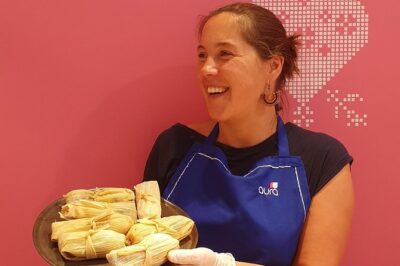 ★ 5.0Essence of Mexico: Authentic Mexican Cooking Class & Market TourFrom $1784 hours 30 minutes (approx.)
 ★ 5.0Private Mexican Cooking Class with Gastronomic Historian, LuciaFrom $1453 hours (approx.)
 ★ 4.8Mexico City: Mexican Cooking ClassFrom $1213 hours
 ★ 5.0México City: Street Food to Home Cooking Food TourFrom $1104 hours
 ★ 5.03h Cooking Class in Mexico City: 8 Recipes & Bottomless DrinksFrom $1104 hours (approx.)
 ★ 5.0Private San Angel Tour & Cooking Class in Mexico City with LuciaFrom $1555 hours (approx.)
★ 5.0Mexico City : Street Food to Home Cooking Food TourFrom $1133 hours (approx.)
★ 5.0Private San Angel Tour & Cooking Class in Mexico City with LuciaFrom $1555 hours (approx.)
★ 5.0Mexico City : Street Food to Home Cooking Food TourFrom $1133 hours (approx.)
The lists this tour appears in