
Reviewed · COOKING CLASSES
Mexico City: Mexican Cooking Class
Mexico City’s best cooking lessons often begin before the stove is lit. Here, you may walk to a local market with your chef, choose the ingredients for the meal, then return to a home-style kitchen to prepare and eat it. The market-to-table format gives the class a useful sense of place, not just a stack of recipes.
In This Article
- Key points to know before booking
- A cooking class that begins in the Mexico City market
- Inside the Juárez kitchen
- What you actually do during the three hours
- The chefs and the teaching style
- The meal: from preparation to a shared table
- Is $121 a fair price?
- Who should book this experience?
- Timing, language, and practical details
- How this compares with simply eating at a restaurant
- Should you book the Mexican Cooking Class?
- FAQ
- Where does the cooking class meet?
- How long does the Mexican cooking class last?
- What languages are available?
- How many people can join the class?
- Are ingredients and recipes included?
- What should I bring to the class?
I like the small six-person limit, which gives you real time at the counter instead of watching from the back. I also like the focus on techniques you can repeat at home, from selecting produce to making tortillas with blue corn masa. The main consideration is that the class takes place in a residential kitchen, and one report found the space and equipment needed a more thorough cleaning.
Key points to know before booking
- Market shopping comes first: You may help select fresh produce, meat, and other ingredients before cooking.
- The meal is hands-on: You take part in preparation, tortilla making, cooking, and the final shared meal.
- The menu can include regional favorites: Past classes have featured cactus tacos, chicken enchiladas with crema, vegetable soup, moles, tamales, and blue-corn tortillas.
- Groups are capped at six: You get more instruction and more chances to handle each part of the cooking.
- José is a frequently praised chef: Other instructors, including Ile, Ileana, Eren, Hector, and Eduardo, have also led highly regarded sessions.
- The $121 price includes the essentials: Ingredients, cooking equipment, and recipes are covered, along with three hours of instruction.
A cooking class that begins in the Mexico City market
The first useful lesson is not a recipe. It is learning how to shop for Mexican food.
The class meets at Calle Bucareli 165 in Colonia Juárez. Look for a white door, and arrive 10 to 15 minutes early. From there, the group may walk to a local market with the chef to choose ingredients for the meal. This part matters because Mexican cooking depends heavily on the quality and handling of its basic ingredients.
You may learn how to judge produce, select meat, and recognize the ingredients that give a dish its character. The market visit also gives you a more practical connection to Mexico City than simply arriving at a kitchen with everything already measured.
The exact shopping route and menu can vary, so you should not book this expecting one fixed set of dishes. Past menus have included cactus tacos, chicken enchiladas with crema, vegetable soup, and tortillas made from blue corn masa. Other sessions have focused on dishes such as moles and tamales.
That variety is a strength if you want a broader introduction to Mexican cooking. It is less ideal if you have your heart set on one particular dish. Ask about the day’s menu if a certain recipe is the main reason you are booking.
Other cooking classes in Mexico City


Inside the Juárez kitchen
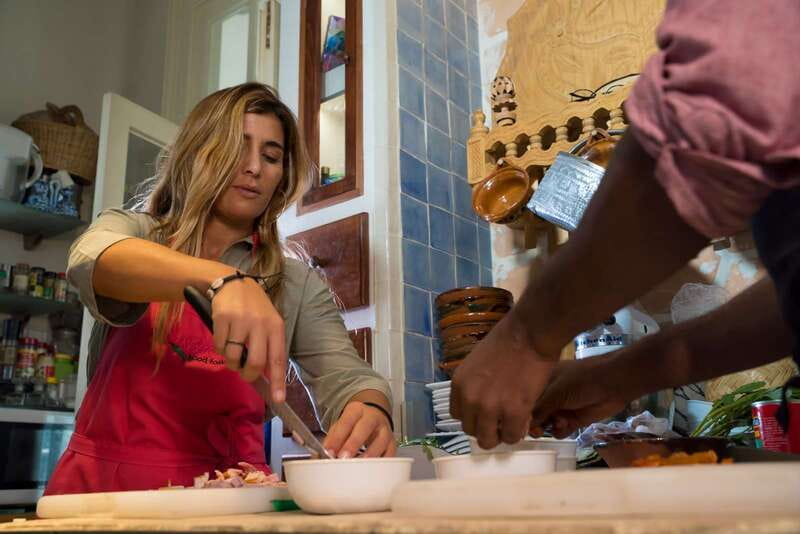
After the market, you return to a cozy residential kitchen in a lovely Mexico City building. Several sessions have taken place in a beautiful home or apartment, and the setting helps the class feel personal rather than like a formal school with rows of workstations.
That home-style setting is part of the charm. You are cooking in a place that feels connected to everyday Mexican life, and the meal is prepared in a real kitchen rather than a staged demonstration space. It also makes the experience work well for couples, solo participants, and small groups of friends.
The tradeoff is cleanliness. One participant found grease on some items and countertops near the stove, along with full garbage containers and visible signs of heavy use. This was the only clear negative issue in the supplied feedback, but it is worth noting because food preparation depends on a clean workspace.
If kitchen standards are a major concern for you, keep this point in mind. The setting is intimate and attractive, but it is not presented as a polished culinary institute.
What you actually do during the three hours
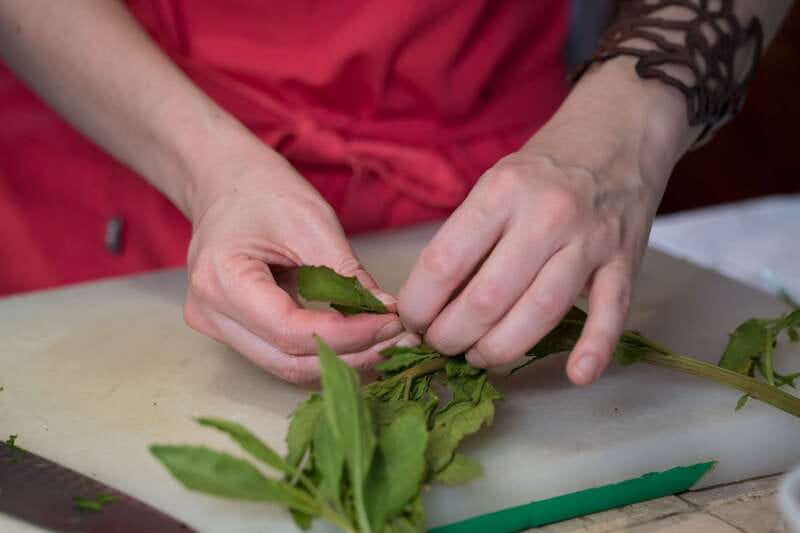
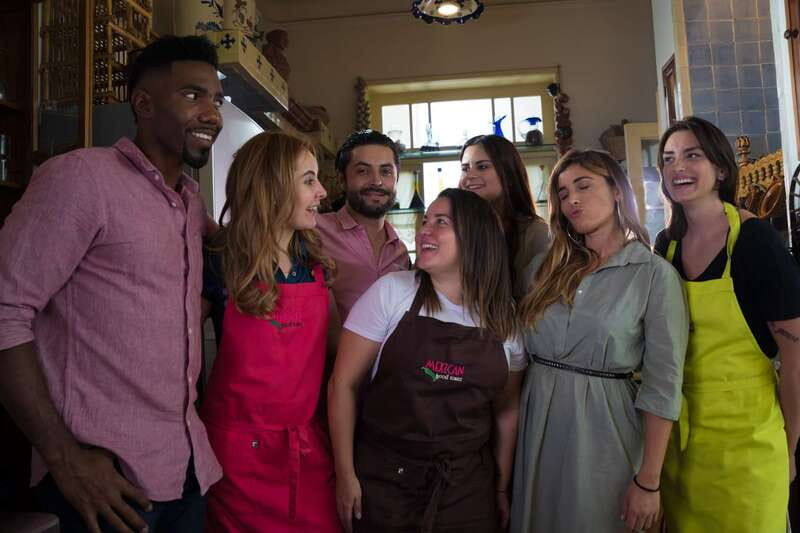
This is not a class where you sit at a table and watch a chef do everything. The idea is to divide the preparation among the group so everyone gets a turn.
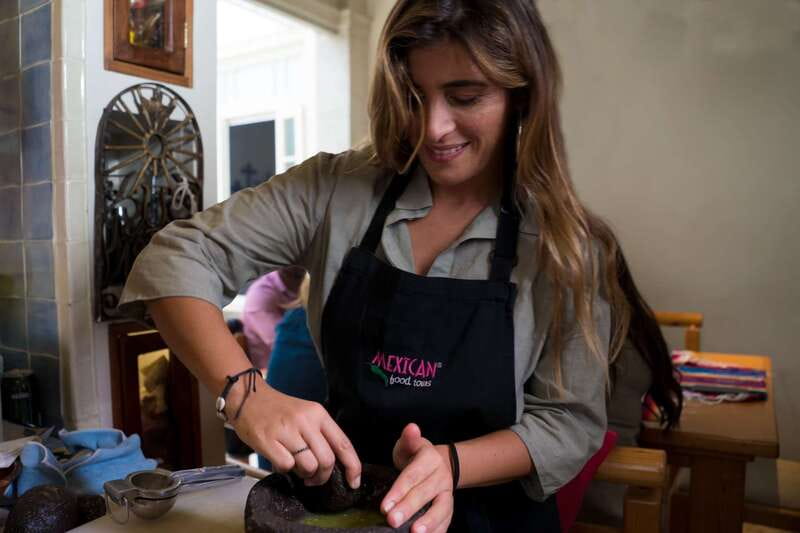
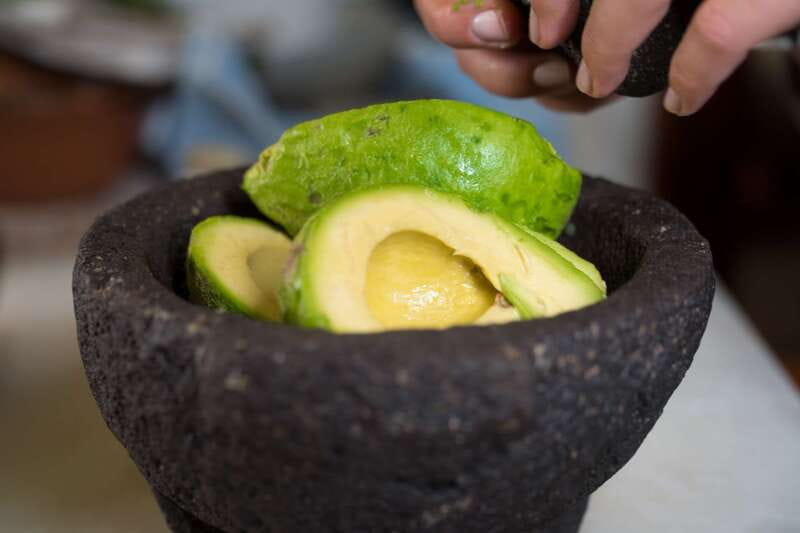
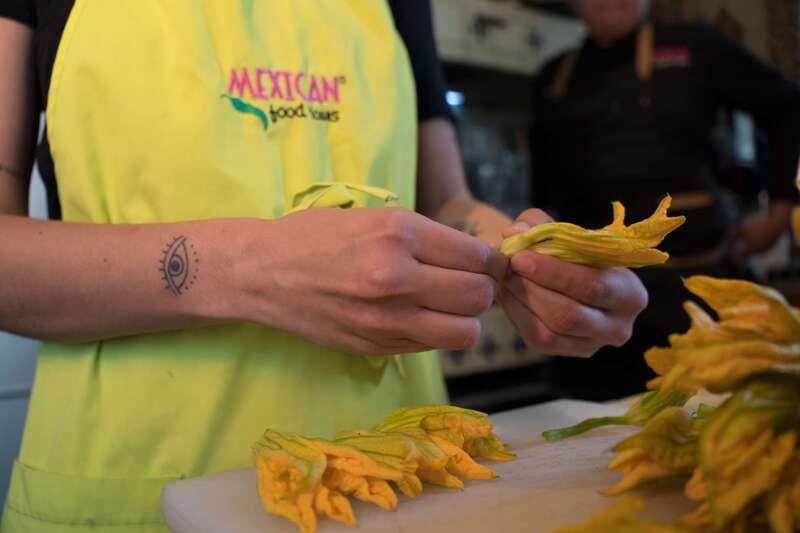
You might chop, mix, shape tortillas, prepare fillings, work with sauces, or help assemble the dishes. The chef guides the pace and corrects technique when needed. That format is especially helpful if you are a beginner because you can ask questions as you work, rather than trying to remember a long demonstration afterward.
It also suits confident home cooks. You may already know how to prepare a tortilla or salsa, but the class can still teach you how Mexican cooks select ingredients, build flavor, and organize a meal from start to finish.
A particularly useful lesson is tortilla making. One participant initially thought making tortillas from scratch would not be worth the time because store-bought tortillas are inexpensive. After trying homemade tortillas, that opinion changed. If you cook Mexican food at home, this is the kind of small technique that can improve an entire meal.
Some sessions have included blue-corn tortillas made from masa azul. That adds both color and a different flavor to the meal, while giving you a recipe and method you can try again after returning home.
The chefs and the teaching style
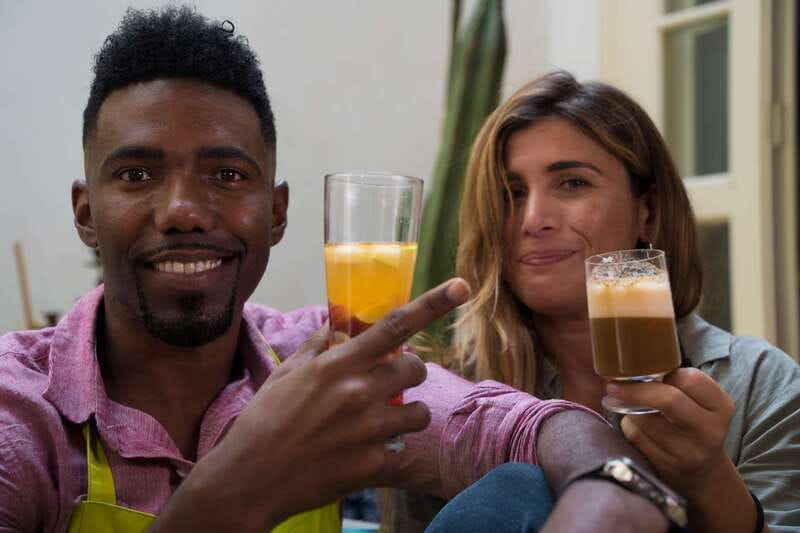
José is the name most closely connected with the class in the supplied feedback. He has been praised for making the lessons easy to follow, involving everyone in the cooking, explaining produce selection, and correcting technique without making beginners feel uncomfortable.
His classes appear to balance structure and relaxed conversation. The pace has been described as well organized, with enough detail to explain the method but enough group work to keep the three hours moving.
You may also be taught by Ile, Ileana, Eren, Hector, or Eduardo. Ileana has led market walks that explain what you are seeing before the cooking begins. Eren has been praised for teaching new dishes and techniques, while Eduardo has been described as passionate about Mexican cuisine and careful about everything from shopping to preparation and final presentation.
The listed teaching languages are English and Spanish. That makes the experience accessible if you do not speak Spanish, while still giving Spanish speakers a chance to take part in the class in their preferred language.
Because the group is limited to six participants, the teaching can feel almost private. One person ended up alone in the class and cooked one-on-one with José. That sort of private session cannot be guaranteed, but the small maximum gives you a better chance of getting personal attention than a large cooking workshop would.
The meal: from preparation to a shared table
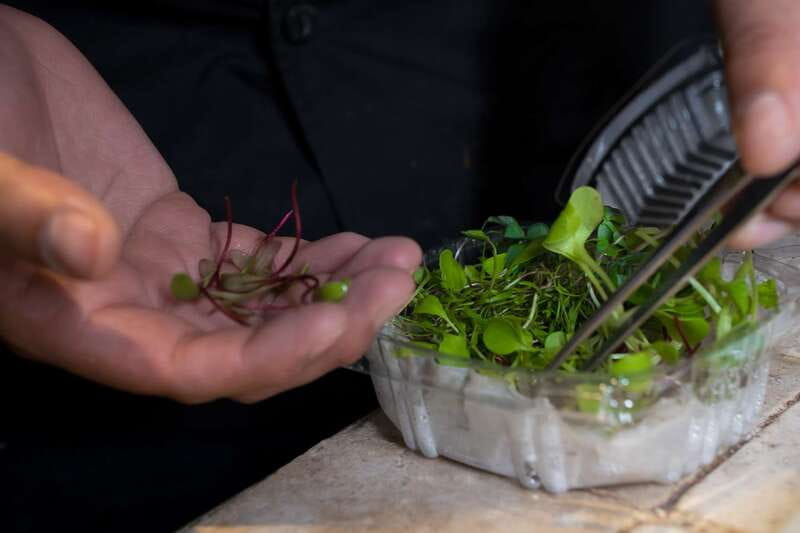
The reward comes at the end, when you sit down to eat what you prepared.
The meal is described as a three-course or multi-course spread, depending on the session. Examples have included soup, tacos, enchiladas, homemade tortillas, and other traditional dishes. The food is prepared fresh, so you get to see how each part comes together rather than receiving a plated meal with no sense of the work behind it.
I like this structure because it turns the class into a complete morning or afternoon. You shop, prepare, cook, and eat in one continuous experience. You leave with more than a full stomach, since the recipes and techniques are included.
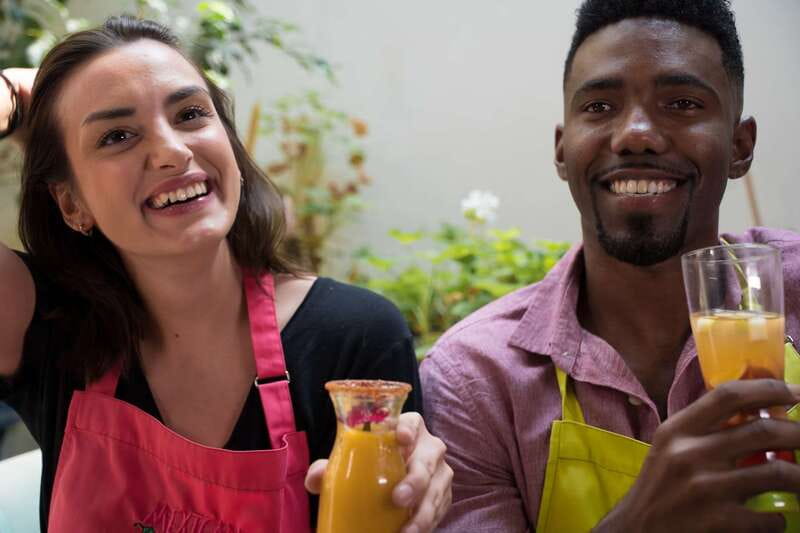
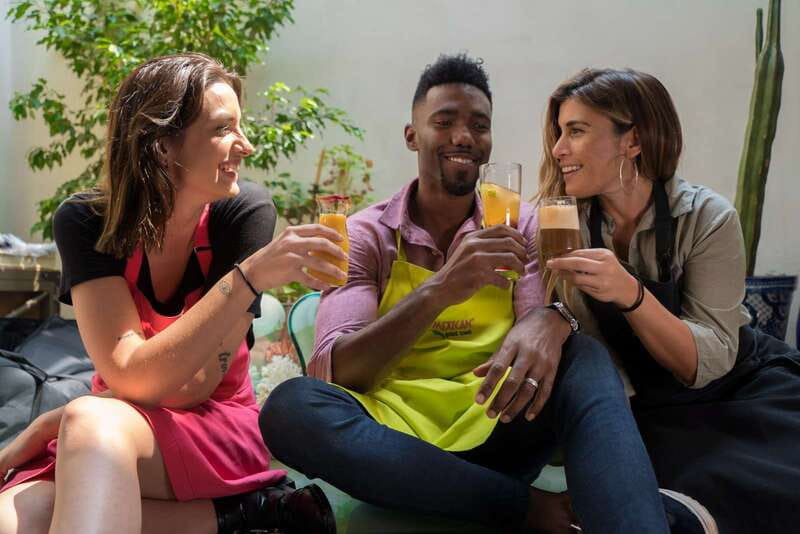
The shared meal also helps the social side of the class. Cooking in turns requires teamwork, and the small group gives you a natural way to meet other people without forcing a formal group activity. It can be a good choice for a couple looking for something different from another restaurant meal.
If you are traveling alone, the class can work just as well. One solo participant booked it for a birthday and found the group made the occasion feel special. The format gives you company without requiring you to arrive with a group of friends.
Other city tours we've reviewed in Mexico City




Is $121 a fair price?
At $121 per person, this is not a cheap meal. You could eat very well in Mexico City for less, especially if you choose a market stall or neighborhood restaurant.
The price makes more sense when you count what is included: three hours, ingredients, cooking materials, recipes, market shopping, instruction, and the meal you prepare. You are paying for access to a chef, not just food. The small group also matters because the value of a cooking class depends on how much time you get with the instructor.
I consider it a fair price for someone who wants a practical lesson and a cultural activity in one booking. It is less compelling if you only want to taste Mexican food or if you already cook Mexican dishes with confidence and have no interest in learning the process.
The best value comes from using the recipes afterward. If you make the tortillas, sauces, tacos, or enchiladas at home, the class continues to pay off after your Mexico City visit. Bring a phone or notebook if you like to record notes, though the provided recipes should give you a starting point.
Who should book this experience?
This class suits you if you enjoy food, prefer active sightseeing, or want an experience that gets you away from the usual museum-and-restaurant routine.
It is a strong choice for:
- Beginners: You do not need prior cooking skills, and the chef guides you through each step.
- Home cooks: You can pick up ingredient-selection advice, preparation methods, and tortilla techniques.
- Couples: Several activities require teamwork, making this more engaging than a standard dinner.
- Solo visitors: The small group offers an easy way to meet people, and a private session is possible if no one else books.
- Food-focused visitors: The market visit and fresh preparation add useful context to Mexico City’s cuisine.
- Small groups: A group of six or fewer should receive plenty of direct instruction.
You may want to skip it if you dislike working in a shared kitchen, have strict expectations about professional-level cleanliness, or want a guaranteed menu. The residential setting is part of the experience, but it also means the atmosphere may be more informal than polished.
Comfortable shoes and comfortable clothing are recommended. You should also remember that pets are not allowed.
Timing, language, and practical details
The class lasts three hours, with starting times dependent on availability. Morning and afternoon sessions are offered, so you can fit the activity around other plans in Mexico City.
Allow a little extra time for the market walk and for eating at the end. The class is not simply three hours of standing at a cooking station. You will also be shopping, listening, working with others, and sharing the finished food.
The meeting point is easy to identify if you know what to look for: Calle Bucareli 165 in Colonia Juárez, at a white door. Arrive 10 to 15 minutes early so you are not rushing into the market or missing the introduction.
English and Spanish instruction is available. The group size is limited to six participants, and ingredients, cooking materials, and recipes are included. You can reserve now and pay later, and cancellation is free up to 24 hours before the activity for a full refund.
How this compares with simply eating at a restaurant
A restaurant gives you a faster and cheaper taste of Mexican cooking. You can order several dishes, try regional specialties, and spend the rest of your day exploring.
This class gives you a slower look at how the food is made. You learn why the ingredients are chosen, how the components are prepared, and how the meal is organized. For me, that makes it more useful if you plan to cook at home after your trip.
The class also avoids the common problem of a cooking lesson that is really a chef demonstration. You are expected to participate. That means the final meal may feel more satisfying because you helped make it, but it also means you should be ready to work rather than simply relax.
Should you book the Mexican Cooking Class?
Book it if you want a friendly, hands-on introduction to Mexican food and like the idea of shopping for ingredients before cooking them. The combination of a local market, a home-style kitchen, a small group, and a shared multi-course meal gives you a fuller experience than a standard food tasting.
I would especially recommend it for couples, solo visitors, and anyone who wants recipes they can use at home. José has received especially strong praise, but the other listed chefs have also been described as engaging and skilled.
Think twice if you need a spotless professional kitchen or a guaranteed menu. For most food-minded visitors, though, the chance to make blue-corn tortillas, prepare dishes such as cactus tacos and enchiladas, and eat the results makes the $121 worthwhile.
FAQ
Where does the cooking class meet?
The meeting point is Calle Bucareli 165 in Colonia Juárez, Mexico City. Look for a white door.
How long does the Mexican cooking class last?
The activity lasts three hours. Starting times vary, so you should check availability when booking.
What languages are available?
Instruction is available in English and Spanish.
How many people can join the class?
The class is limited to six participants.
Are ingredients and recipes included?
Yes. Ingredients, cooking materials, and recipes are included in the price.
What should I bring to the class?
Wear comfortable shoes and comfortable clothing. Pets are not allowed, and you should arrive 10 to 15 minutes before the start time.
More Cooking Classes in Mexico City
More City Tours in Mexico City
More Cooking Classes in Mexico City
More tours in Mexico City we've reviewed






Cooking Classes, compared.
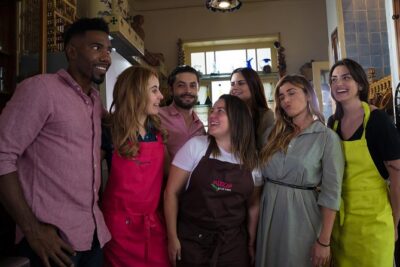 ★ 5.0Mexican Cooking Class with Food Market Visit in Mexico CityFrom $1243 hours 30 minutes (approx.)
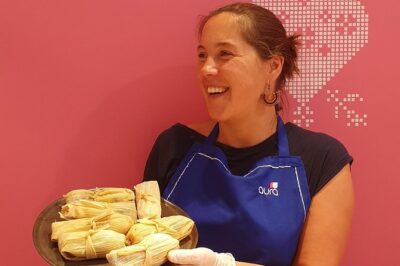 ★ 5.0Essence of Mexico: Authentic Mexican Cooking Class & Market TourFrom $1784 hours 30 minutes (approx.)
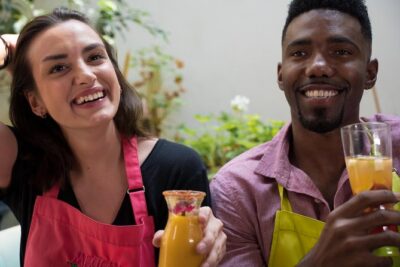 ★ 5.0Mexican Cooking Class & Cocktails in Mexico CityFrom $1323 hours 30 minutes (approx.)
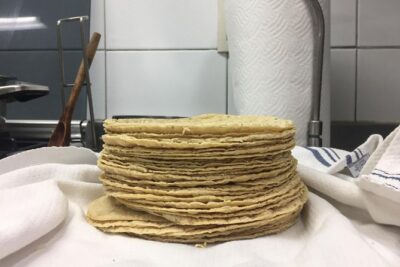 ★ 5.0Private Mexican Cooking Class with Gastronomic Historian, LuciaFrom $1453 hours (approx.)
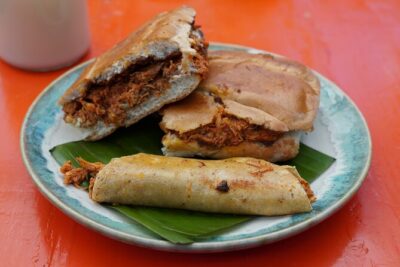 ★ 5.0México City: Street Food to Home Cooking Food TourFrom $1104 hours
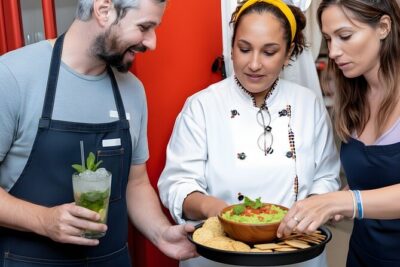 ★ 5.03h Cooking Class in Mexico City: 8 Recipes & Bottomless DrinksFrom $1104 hours (approx.)
 ★ 5.0Private San Angel Tour & Cooking Class in Mexico City with LuciaFrom $1555 hours (approx.)
★ 5.0Mexico City : Street Food to Home Cooking Food TourFrom $1133 hours (approx.)
★ 5.0Private San Angel Tour & Cooking Class in Mexico City with LuciaFrom $1555 hours (approx.)
★ 5.0Mexico City : Street Food to Home Cooking Food TourFrom $1133 hours (approx.)
The lists this tour appears in