
Reviewed · MEXICO CITY FOOD TOURS
Mexico City: 3–Hour Polanco Food Tour
Polanco gives you two very different Mexico City pleasures in one walk: polished architecture and serious Mexican food. Over three hours, you move between restaurants, cantinas, and less obvious food stops, tasting dishes such as tuna tostada, tortilla soup, tacos, mole, café de olla, and possibly grasshoppers.
In This Article
- Key points to know before booking
- Why Polanco works so well for a food walk
- What the three hours feel like
- The first bites: tostadas, soup, and Mexican flavor basics
- Tacos and a real Mexican cantina
- Mole, tamales, coffee, and the less familiar tastes
- The guides make the difference
- Vegetarian visitors, families, and food preferences
- Is $105 a fair price?
- Practical details that affect your day
- Who should book the Polanco Food Tour?
- Should you book it?
- FAQ
- Where does the Polanco Food Tour meet?
- How long does the tour last?
- What languages are offered?
- Is food and drink included?
- Is hotel pickup included?
- Are vegetarian alternatives available?
- What should I wear and bring?
I like the small-group format, which leaves room for questions and makes solo bookings feel comfortable. I also like the mix of food styles, from street-food flavors to more refined restaurant plates. The main consideration is the price, $105 per person. That is a lot for a three-hour walk, though all tastings and drinks are included and several people have found the portions large enough to replace a meal.
Key points to know before booking
- Six food stops can add up to a full meal, so arrive hungry rather than treating this as a light snack walk.
- Polanco’s food range is the star, with tacos, cantina fare, regional dishes, drinks, and restaurant tastings in one outing.
- Guides may bring culinary training, including chef-led tours with detailed explanations of ingredients and cooking methods.
- The walk includes architecture and green spaces, not just indoor eating stops.
- Vegetarian alternatives are available, and the tour is family-friendly.
- The meeting point is Karisma Restaurant, at Campos Eliseos 219 in Polanco. Arrive 10 to 15 minutes early.
Why Polanco works so well for a food walk
Polanco is one of Mexico City’s most polished neighborhoods, known for handsome buildings, leafy public spaces, high-end shopping, and a strong restaurant scene. That polished setting can make it easy to assume the food here is aimed only at expense-account diners. This tour helps correct that idea.
You get a look at Polanco’s broad food culture, including spots that are not obvious from a first walk through the area. The route may include a traditional Mexican cantina, highly rated taco stops, and restaurants serving regional specialties. That range matters because Mexican food is not one single style. Tacos, soups, moles, tostadas, tamales, and drinks each tell a different part of the story.
I especially like the contrast between the neighborhood’s elegant streets and the direct, punchy flavors of casual Mexican food. You may admire a grand facade one minute, then stop for a taco or a dish served in a more relaxed setting the next. It gives you a better sense of how locals can enjoy both polished dining and everyday Mexican cooking.
The walk also passes through green spaces, giving your stomach a short break between tastings. Polanco is pleasant on foot, but comfortable shoes still matter. This is a walking meal, not a series of seated restaurant reservations connected by a vehicle.
A few more Mexico City tours and experiences worth a look


What the three hours feel like
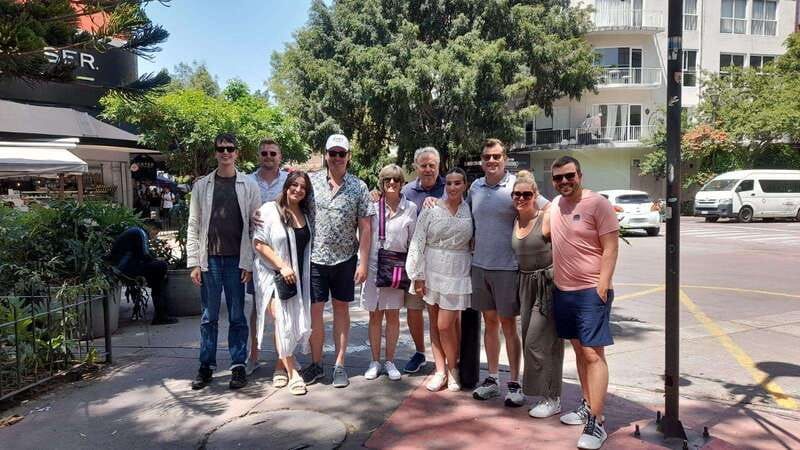
The experience begins at Karisma Restaurant on Campos Eliseos 219. I would arrive 10 to 15 minutes early, since finding a restaurant entrance in an unfamiliar neighborhood can take longer than expected. Hotel pickup and drop-off are not included, so you make your own way to Polanco and return independently after the tour.
Once the group meets, the guide sets the pace and introduces both the neighborhood and the food. The tour is offered in English or Spanish. The strongest guides use the walk between stops well, explaining Polanco’s character, local customs, and the dishes ahead rather than simply moving from plate to plate.
Three hours is a useful length. You get enough tastings to understand the neighborhood without giving up an entire afternoon. At the same time, the food adds up quickly. One account described the experience as something like a seven-course dinner, and another noted generous portions. My advice is simple: eat a very light breakfast or lunch before you arrive.
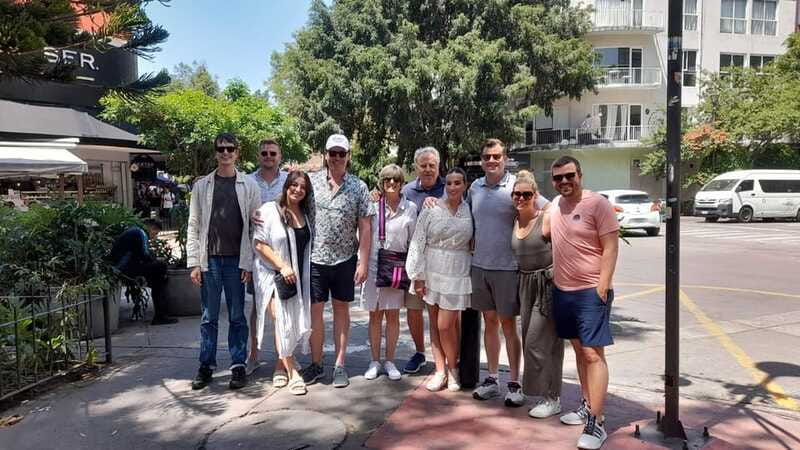
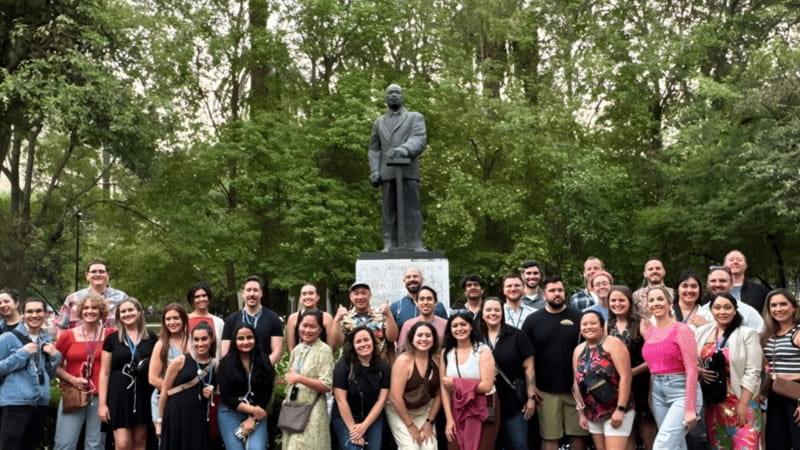
Group size can vary. Some departures have been intimate, with only two people or even one guest and the guide. Other groups have included about six or seven people, and one booking involved a party with a baby. A small group makes it easier to ask questions and adjust the conversation to your interests, though group size is not guaranteed.
The first bites: tostadas, soup, and Mexican flavor basics
The exact stops can vary, but the food may begin with familiar Mexican specialties presented in a useful order. A tuna tostada is one possible tasting. Its crisp base and bright toppings make it a good introduction to the balance of texture, acidity, and seasoning that runs through Mexican cooking.
Tuna may sound like a modern restaurant choice rather than a traditional Mexican dish, but it fits the country’s coastal and contemporary food culture. Your guide can explain the ingredients and preparation, helping you understand why the dish tastes the way it does.
Tortilla soup is another possible stop. It is comforting, filling, and much more than a bowl of broth. The tortilla strips provide crunch, while the soup brings warmth and seasoning. If you have only eaten Mexican food in fast-casual restaurants, this is the sort of tasting that can broaden your idea of the cuisine.
The best part of these early tastings is the explanation. Guides such as Bibi, Marcela, German, and Viridiana have been praised for connecting ingredients to local food traditions and Polanco itself. One guide was a chef, which allowed her to discuss ingredients in unusually clear detail. You should feel free to ask how a dish is made, what regional tradition it reflects, or how you might order something similar later.
Tacos and a real Mexican cantina
Tacos are among the most anticipated stops, and the tour may visit one of Mexico City’s top-rated taco spots. A taco stop is valuable even if you already know you like tacos because the details change from place to place: the filling, tortilla, salsa, cooking method, and way the taco is served.
One particularly praised stop was Turix, where a guest called the taco the best of their life. Another food stop mentioned was Guzina Oaxaca, while Agua & Sale drew enough interest for a participant to return there later for dinner. These names give you useful possibilities, but they should not be treated as guaranteed stops on every departure.
A cantina stop adds a different mood. Cantinas are tied to social life as much as food, and a visit gives you a chance to see how a casual drink and a small dish can fit together. The tour includes all food and drink tastings, so you do not need to budget separately for the included samples.
I like this part of the experience because it keeps the tour from becoming a parade of upscale restaurants. Polanco can be expensive, but a cantina or taco counter brings the food back to everyday life. The possible drawback is that the quality and atmosphere of a casual stop may feel less controlled than a formal restaurant. That is also part of its value.
Mole, tamales, coffee, and the less familiar tastes
Later tastings may introduce you to mole or a tamale wrapped in a banana leaf. Mole is not a single sauce with one fixed recipe. It can include layers of chiles, spices, nuts, seeds, fruit, or other ingredients, depending on the regional style. A guide with culinary experience can make this tasting far more useful by pointing out how the flavor develops.
A banana-leaf tamale is worth paying attention to for both taste and presentation. The leaf helps shape and scent the tamale, and it connects the dish to older cooking traditions. You might not leave knowing every type of mole or tamale, but you will have a better sense of how much variety exists within Mexican food.
Café de olla has been singled out as a favorite tasting. This traditional coffee is associated with spices and a distinctive preparation style, giving you a warm, sweet finish between savory stops. It is the kind of drink you may want to seek out again during the rest of your Mexico City visit.
Some tours may also include grasshoppers. If you are curious about Mexican food culture, this is an easy way to try an ingredient you might not order on your own. If insects are a firm no, tell your guide before the tasting and ask what alternative is available.
A few more Mexico City tours and experiences worth a look



The guides make the difference
Food tours depend heavily on the person leading them, and this one has featured several guides with different strengths. German has been praised for combining Polanco’s past with neighborhood sights and showing real enthusiasm for the local food scene. Marcela has led private-feeling departures and has been noted for friendly conversation about Mexico City.
Bibi has a culinary background and has been especially effective at explaining the history of dishes. Ilse has handled vegetarian choices well, while Viridiana has provided a strong general introduction to Polanco. Victor and Elisabeth have also led well-received departures.
I would not book this tour solely because a particular guide name appears in past experiences. Guide assignments can change. Still, the pattern is encouraging: the best version of this tour is not a memorized speech followed by rushed bites. It is a conversation about food, place, and daily life.
Small groups help here. If you are alone and the departure remains small, you may get plenty of time for questions. That can feel more like a private food lesson than a standard group tour. Larger groups are still workable, but the conversation will naturally be less personal.
Vegetarian visitors, families, and food preferences
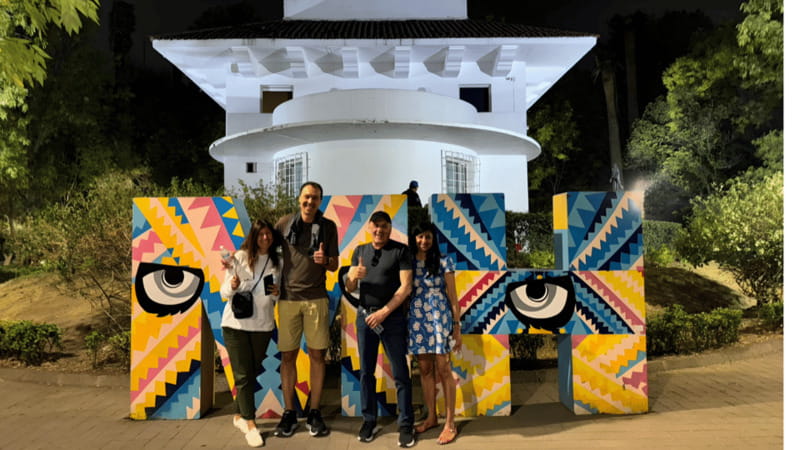
Vegetarian alternatives are available, which is important because Mexican menus often include meat in dishes where you might not expect it. Tell the provider about your preference when booking and remind the guide at the start. One vegetarian participant found the substitutions well handled, and another described the tour as accommodating.
The experience is family-friendly. A group with a baby completed the tour successfully, though you should remember that it involves walking, restaurant entries, and several tastings in a limited three-hour window. Children who enjoy trying different foods will get more from it than children who prefer a predictable meal.
For adventurous eaters, the range is a clear strength. You might try grasshoppers, multiple moles, a cantina dish, tacos, tostadas, and regional preparations in one outing. For cautious eaters, there should still be approachable choices such as tortilla soup, tacos, coffee, and familiar restaurant dishes, but this is not the place to expect a narrowly familiar menu.
Is $105 a fair price?
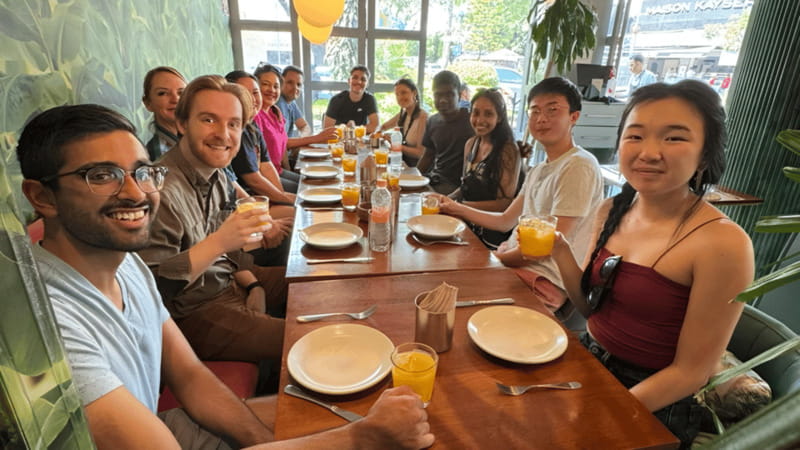
At $105 per person, this is not a budget food walk. The price includes a professional guide and all food and drink tastings, but not transportation to Polanco or hotel pickup and drop-off.
The value depends on how you use it. If you order six small dishes and drinks on your own at separate venues, you may spend a substantial amount while missing the explanations and neighborhood context. The guide also saves you from guessing which places are worth your time, particularly in a district where polished restaurants can sit close to less obvious food stops.
Several portions appear generous enough to leave you full. That makes the price easier to accept if you treat the outing as lunch or dinner rather than a snack tour. It is less compelling if you are already planning expensive restaurant meals throughout Polanco and mainly want a quick introduction.
I would book it early in a Mexico City visit. The food gives you ideas for later meals, and you may find a restaurant you want to revisit. One participant returned to a first stop for dinner, which is a good sign that the tour can function as a practical food guide rather than a one-time tasting only.
Practical details that affect your day
Wear comfortable clothing and shoes. The route includes walking through the neighborhood and green spaces, with several eating stops along the way. The tour operates in all weather, so bring clothing suited to the forecast and be prepared to continue outdoors if conditions change.
The meeting point is Karisma Restaurant, Campos Eliseos 219, Polanco. There is no included hotel transport. Check the available start times when booking, since the three-hour duration is fixed but departure options can vary.
Free cancellation is available up to 24 hours before the start for a full refund. You can also reserve now and pay later, which helps if your Mexico City plans are still changing.
Who should book the Polanco Food Tour?
I would choose this for a first or second visit to Mexico City when you want a quick, food-centered introduction to Polanco. It suits people who enjoy tasting several dishes, asking questions, and walking between stops rather than sitting in one restaurant for a long meal.
It is also a good fit for solo visitors. Small departures can make the experience feel relaxed, and the guide has plenty of material beyond restaurant facts. Families and vegetarians can book with reasonable confidence, provided they communicate their needs and are comfortable with the walking pace.
I would hesitate if your priority is a low-cost street-food crawl, a fixed list of famous restaurants, or a quiet three-hour meal. The route can vary, and the $105 price asks you to pay for guidance, variety, drinks, and neighborhood context as well as the food itself.
Should you book it?
Book this tour if you want to understand Polanco through its food, not just admire its buildings. The strongest reasons are the small-group feel, the wide range of tastings, the chance to try places you might miss alone, and guides who can explain both cooking and local culture.
Skip it if you are watching every peso or already have a detailed food plan for Polanco. For everyone else, I see it as a worthwhile first taste of the neighborhood, especially if you arrive hungry and treat the three hours as your main meal.
FAQ
Where does the Polanco Food Tour meet?
Meet your guide at Karisma Restaurant, located at Campos Eliseos 219 in Polanco.
How long does the tour last?
The tour lasts three hours. Starting times depend on availability when you book.
What languages are offered?
The live tour guide is available in English or Spanish.
Is food and drink included?
Yes. All food and drink tastings are included in the tour price.
Is hotel pickup included?
No. Hotel pickup and drop-off are not included, so you must arrange your own transportation to and from the meeting point.
Are vegetarian alternatives available?
Yes. Vegetarian alternatives are available. Inform the provider about your dietary preference when booking.
What should I wear and bring?
Bring comfortable shoes and wear comfortable clothing. The tour runs in all weather conditions, so dress suitably for the forecast and arrive 10 to 15 minutes before the start time.
More Food Experiences in Mexico City


More Roma & Polanco Tours in Mexico City
More Mexico City Food Tours in Mexico City
More tours in Mexico City we've reviewed



Mexico City Food Tours, compared.
 ★ 5.0Historic Center Food Tour in Mexico CityFrom $1155 hours (approx.)
 ★ 5.0Xochimilco Barco Fiesta Tentacion 18+ with Open Bar and TacosFrom $592 hours (approx.)
 ★ 5.0Lucha Libre Tickets & Tacos & Beer & Mezcal – BEST NIGHT EVER!From $84
 ★ 5.0Polanco Food Tour: The Bestselling Food Adventure in Mexico CityFrom $1093 hours (approx.)
 ★ 5.0Colonia Roma Food TourFrom $1104 hours (approx.)
 ★ 5.0Mexico City Historical Centre Food Tour with 7 Authentic TastingsFrom $653 hours (approx.)
 ★ 5.0Street Food Tour with Friends4 hours 30 minutes (approx.)
 ★ 5.0Mexico City: Hidden Markets, Street Food & Salsa-Making TourFrom $695 hours (approx.)
The lists this tour appears in