
Reviewed · MEXICO CITY FOOD TOURS
Mexico City: Hidden Markets, Street Food & Salsa-Making Tour
Mexico City’s best food lessons may begin far from polished tourist streets. This five-hour outing takes you through two local markets, from murals tied to early 20th-century Mexico to Jamaica’s flower, produce, and prepared-food halls. I especially like the local Metro ride and the chance to make salsa by hand in a molcajete. The main catch is the pace: about 6 kilometers of walking, much of it on hard city streets.
In This Article
- Key points at a glance
- Why this market tour feels different
- First stop: murals and market life at Abelardo Rodríguez
- Riding the Metro from Centro Histórico to Jamaica
- Jamaica Market: flowers, produce, and cooked food
- Street food with context, not just a checklist
- Making salsa in a family-run business
- Walking, clothing, safety, and the actual pace
- Is $69.45 a fair price?
- Who should book this Mexico City experience?
- Should you book it?
- FAQ
- Where does the tour start?
- Where does the tour end?
- How long does the tour last?
- How much walking is involved?
- What foods and drinks can I expect to try?
- Can dietary requirements be accommodated?
- What is the cancellation policy?
I also like the way the food connects to daily life. Tamales, atole, tacos, huaraches, fruit, and tepache are not presented as museum pieces. You see where ingredients are sold, meet vendors, and use market produce in a family salsa lesson. Food and drinks are not all covered by the base price, so bring cash and confirm what tastings are included that day.
Key points at a glance
- Murals inside Abelardo Rodríguez Market: See roughly 1,450 square meters of artwork in a market with an auditorium and daycare.
- Jamaica in three parts: Walk through flowers, produce, and prepared food in one of Mexico City’s best-known market settings.
- A real Metro tutorial: Ride public transport with your guide and learn how to feel more at ease using the system later.
- Street-food tasting route: Try tamales, atole, tacos, huaraches, fruit, and pineapple tepache as you move through the markets.
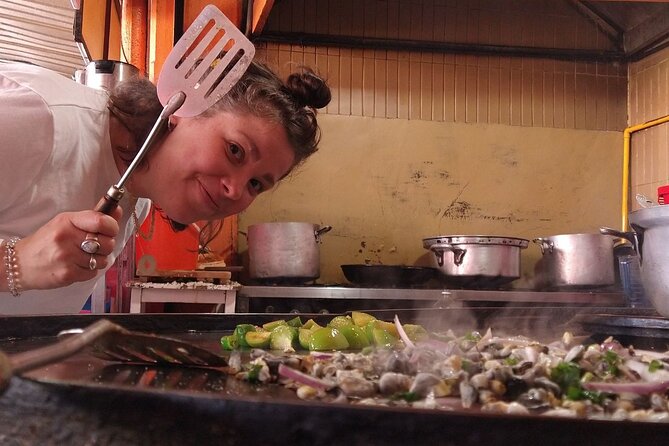
- Salsa made with a molcajete: Wash, cut, grill, and crush ingredients with help from a local family business.
- Small-group format: The maximum group size is 12, though some departures may be smaller.
Why this market tour feels different
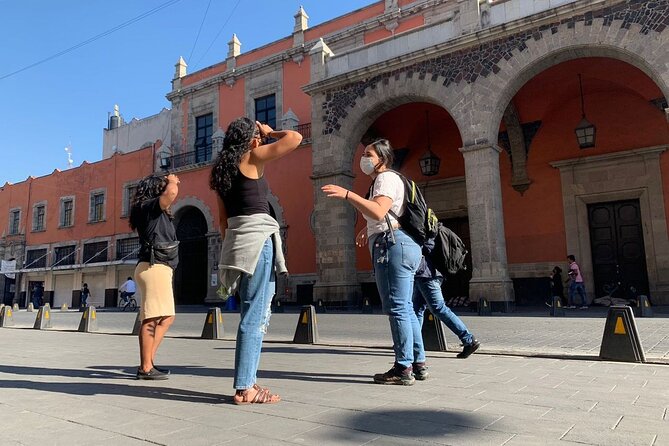
Many Mexico City food outings stay in well-known neighborhoods and move from one restaurant to the next. This one makes markets the main event. You begin at 8:30 a.m. near the Centro Histórico, then follow your guide into places built for local shopping, eating, and daily business.
That difference matters. A market is not simply a collection of food stalls. It shows how people buy breakfast, choose vegetables, celebrate with flowers, and pass down cooking methods. Your guide adds the social and political background, including the place of markets in Mexico City during the early 20th century and their links to Diego Rivera and Frida Kahlo.
The guides are a major part of the experience. Names praised in the tour details include Andrea, Edgar, Axel, Viri, Adriana, Poncho, Alfonso, Roy, Victor, and Rogelio. You cannot select a particular guide from the information provided, but the strongest descriptions point to guides who are warm, deeply familiar with CDMX, and happy to explain buildings, murals, food customs, and the Metro.
I would book this early in a Mexico City visit. The route gives you practical orientation, especially if the subway feels intimidating at first. Several guides also offer advice about what to see afterward, though that depends on the individual guide.
A few more Mexico City tours and experiences worth a look


First stop: murals and market life at Abelardo Rodríguez
The first market is identified in the tour details as Mercado Melchor Muzquiz, with the itinerary also naming it Abelardo Rodríguez Market. The important point for you is the setting: an older market known for murals and unusual public features, including a daycare and an auditorium.
The artwork covers about 1,450 square meters. It is not an isolated gallery visit. You see murals in the middle of a working market, which changes how you read them. The paintings relate to social concerns and Mexican life, while shoppers and vendors continue their normal routines around you.
This is where the history lesson begins. Your guide explains the market’s connection to major Mexico City figures and the political and social climate of the early 1900s. Some descriptions refer to murals painted by students of Diego Rivera, making the stop especially worthwhile if you care about Mexican art but do not want to spend all your museum time indoors.
You also start eating here. Tamales and atole provide the first tasting. Tamales are filling masa-based parcels, while atole is a warm, traditional drink with a thick texture. A coffee drink such as café de olla may also appear during the food stops, depending on the route and vendors available that morning.
The market is a strong opening because it combines art, food, architecture, and civic life in one place. The drawback is that you need to pay attention while walking and eating. This is not a slow museum tour with unlimited time at every mural. If you want to study every painted panel, you may wish for a longer stop.
Riding the Metro from Centro Histórico to Jamaica
After the first market, you use public transport to reach Mercado de Jamaica. This is one of the most useful parts of the day. Mexico City’s Metro is inexpensive and practical, but first-time users may feel unsure about entrances, platforms, transfers, and the general rhythm of the system.
Your guide handles the route and helps you understand how to ride it. You are not simply driven from one market to another. You get a short lesson in a transport system you can use for the rest of your stay.
The Metro also keeps the experience grounded in ordinary city life. It can be busy, and you should keep your belongings close. The tour advises leaving passports, credit cards, and other valuables at your hotel and carrying only a small amount of spending money.
This section requires basic city awareness. Stay with the group, listen for instructions, and keep your phone and wallet secure. The practical payoff is good: several guides, including Andrea and Adriana, have been praised for helping people gain confidence with the subway.
Jamaica Market: flowers, produce, and cooked food
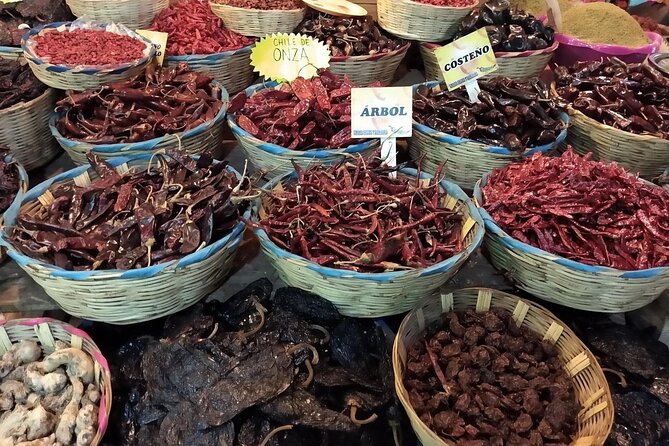
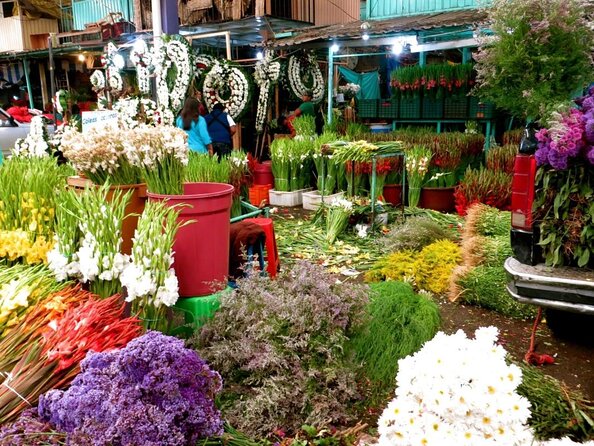
Mercado de Jamaica is the visual centerpiece. It is described as a three-part market with flowers, fresh produce, and prepared food. The flower section is especially striking, with a huge range of blooms and the constant activity of buying, arranging, and carrying them through the aisles.
One playful feature is asking a flower seller to choose flowers that match your eye color. It gives you a simple way to interact with a vendor without turning the market into a staged performance. You can look, ask questions, and notice how flowers are part of Mexican celebrations, homes, and public occasions.
The produce section shifts the focus from decoration to cooking. You may help buy fresh vegetables for the salsa lesson while learning about local farming practices. That connection is valuable because it shows the path from market stall to finished dish.
The prepared-food area is where the day becomes a proper grazing route. Expect opportunities to sample tacos, huaraches, tamales, fruit, atole, and pineapple tepache. Some food accounts also mention green chorizo tacos, café de olla, and additional bites offered at stalls along the way.
Do not eat a large breakfast before meeting the group. The food is spread across several stops, and a few people describe the tour as covering breakfast, lunch, and a salsa snack. Still, the exact selection can depend on the day, the vendors, and dietary needs.
Jamaica is not a quiet place for a leisurely private tasting. You walk through narrow passages, pause at stalls, and keep moving with the group. That is part of the appeal, but it may be tiring if you dislike crowds, strong food smells, or a busy market pace.
Street food with context, not just a checklist
The food is the heart of this outing, but the setting gives it extra value. A taco at a market counter means more when you have just watched produce being unloaded or learned how a vendor’s family business fits into the neighborhood.
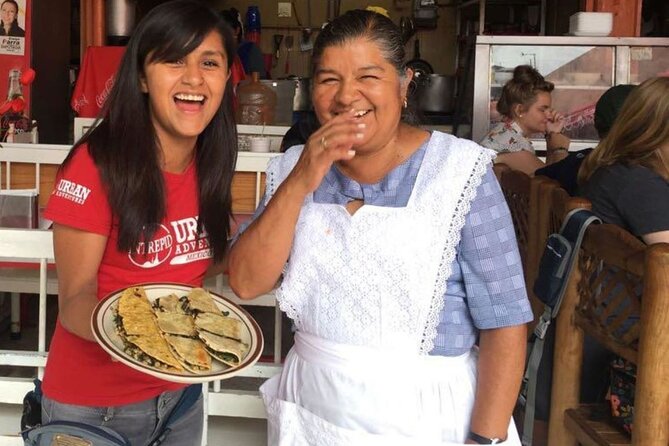
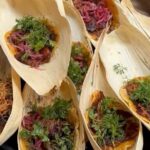
Tamales and atole offer a traditional start. Tacos provide a savory market meal, with green chorizo singled out as a memorable option in the supplied experiences. A huarache, a thick oval of masa topped with ingredients, becomes the base for tasting your own salsa later.
Pineapple tepache adds a fermented fruit drink to the route. It is a useful reminder that Mexican street drinks go well beyond bottled soda and fresh juice. You should expect flavors and textures that may be new to you, especially if you usually eat only familiar Mexican dishes at home.
The tour includes elements of UNESCO-recognized Mexican cuisine, but I would treat that as cultural context rather than a formal culinary certification. The experience is about eating food where people shop and work, then learning a basic preparation method from a local family.
Food restrictions can be accommodated for vegetarian, gluten-free, and lactose-free diets if you provide notice at least 24 hours before the start. Ask what substitutions are planned when you book, since the normal route includes masa, dairy possibilities, meat, and spicy ingredients.
A few more Mexico City tours and experiences worth a look


Making salsa in a family-run business
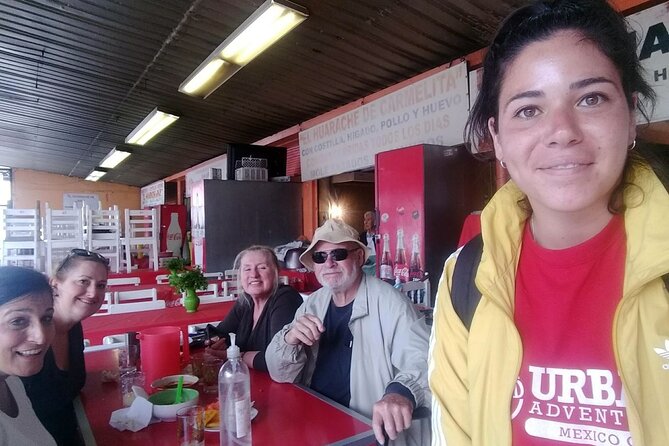
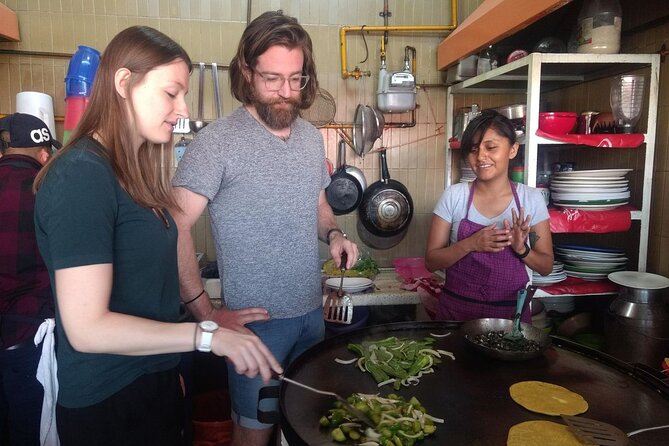
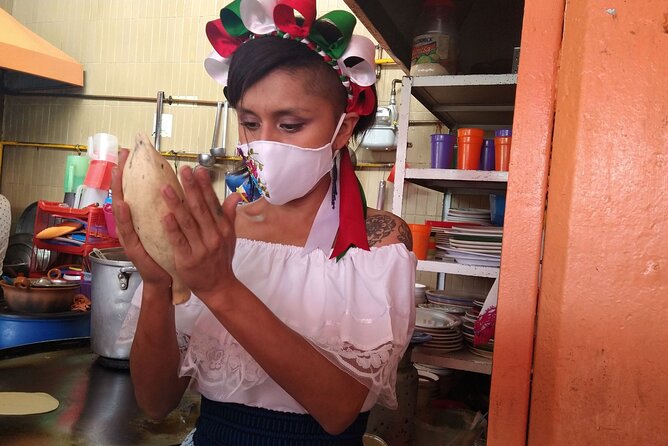
The hands-on lesson is the most personal part of the day. At a local family business with nearly a century of tradition, you help wash, cut, and grill the ingredients. You then crush them in a molcajete, the traditional mortar and pestle used to make salsa with a rough, textured finish.
This is not a demonstration where you watch someone else do everything. You take part in the preparation, and the family helps you through the steps. The people involved have been described as patient and welcoming, which helps if you are not comfortable with knives, grilling, or spicy food.
The salsa is eaten with a classic huarache. That final bite brings the whole route together: you saw produce at Jamaica, learned about local food customs, and then turned ingredients into something you can taste immediately.
I would not expect to leave with a formal recipe booklet or a professional cooking qualification, since those details are not provided. The value is the method and memory. You learn how ingredients are handled and how a molcajete changes the texture, then you can try the idea again at home.
The salsa stop also works well for families. Children old enough to follow simple food-preparation instructions can take part, while adults get a closer look at a cooking tradition that is difficult to understand from a restaurant table alone.
Walking, clothing, safety, and the actual pace
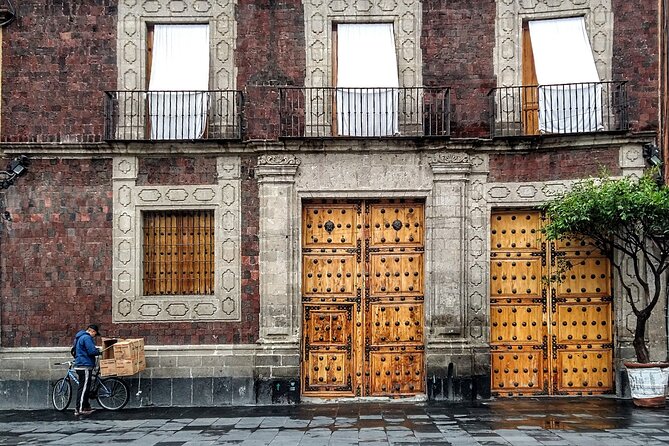
The route covers around 6 kilometers, or 3.7 miles. That may not sound extreme, but markets, sidewalks, Metro stations, and city streets can make the distance feel longer. Wear comfortable walking shoes and bring water.
The tour recommends conservative clothing for the non-tourist areas. Long trousers or jeans and a T-shirt are practical. During the rainy season, from May through September, carry a raincoat or umbrella. Markets provide some cover, but you should not count on staying dry from door to door.
Only small cameras are considered suitable. Large professional equipment is not recommended. A phone or compact camera lets you photograph murals, flowers, and food without adding bulk or drawing unwanted attention.
The small-group limit is 12 people. That is a useful size for market movement and for a cooking lesson, though a full group can still feel tight in narrow aisles. Some departures have been much smaller, even just two people, but you should plan for the full maximum.
One serious operational issue deserves mention. Two November 2025 departures had a guide fail to arrive, followed by difficulty reaching the operator. The operator apologized and described the situation as a last-minute cancellation. The overall rating is 4.8 from 310 ratings, with 95 percent recommending the experience, but this small number of no-show incidents is still worth knowing before you book. Confirm the meeting details and keep your booking contact information handy.
Is $69.45 a fair price?
At $69.45 per person, the value depends on what you want from a food tour. You are paying for about five hours of guiding, two market visits, historical and art commentary, Metro assistance, food sampling, and a salsa lesson in a family business.
That is a fair price if you would otherwise spend part of a day trying to find these markets, work out the transport, choose safe and worthwhile stalls, and arrange a cooking lesson. The guide’s local contacts are part of the value, especially at Jamaica and the family-run salsa stop.
The phrase food and drinks, unless specified, requires a little care. Tamales, atole, tacos, fruit, tepache, and other tastings are central to the route, but not every purchase or drink is necessarily included. Bring modest cash for extra snacks, flowers, vegetables, water, or anything you want to buy.
Compared with a standard restaurant-based food tour, this experience offers more movement and more local texture. Compared with a private tour, it costs less but gives you less control over timing and food choices. For many people, the combination of market access and practical Metro help makes the price worthwhile.
Who should book this Mexico City experience?
I would recommend it to first-time visitors who want an early introduction to CDMX beyond the major sights. It is also a strong choice for solo visitors, couples, families, and anyone who likes food with a story attached.
It suits people who enjoy walking, asking questions, trying unfamiliar dishes, and using public transport. The art content makes it a good fit for visitors who might otherwise skip Mexico City’s mural tradition.
You may want a different type of tour if you need a slow pace, dislike spicy food, have limited mobility, or want a polished cooking-school setting. The experience is active, informal, and rooted in working markets. It is not designed as a luxury food crawl.
Book it near the start of your stay if you want help with the Metro and suggestions for the rest of your time in the city. Book it later if your first priority is to settle in before tackling a six-kilometer walking route.
Should you book it?
Yes, if you want to connect food, art, local shopping, and public transport in one half-day. The strongest parts are the murals at Abelardo Rodríguez, the flower-and-food route through Jamaica, and the hands-on salsa lesson with a family business.
I would make three preparations: eat lightly, wear serious walking shoes, and carry small cash rather than valuables. Confirm dietary needs at least 24 hours ahead, and remember that the guide assigned to your departure may be Andrea, Axel, Viri, Poncho, Alfonso, or another member of the team.
The missed-guide incidents are a real caution, even though the overall record is very strong. If the operator confirms your departure and you are comfortable with the walking, this tour offers a useful, friendly introduction to everyday Mexico City that is hard to arrange on your own.
FAQ
Where does the tour start?
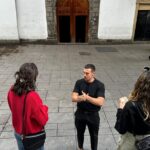
The meeting point is at República de Guatemala 4 in Centro Histórico, near the facade of Hostel Mundo Joven. The start time is 8:30 a.m.
Where does the tour end?
The experience ends at the facade or entrance of Palacio de Bellas Artes on Avenida Juárez in Centro Histórico.
How long does the tour last?
The tour lasts approximately five hours.
How much walking is involved?
You cover around 6 kilometers, or 3.7 miles, through markets and city streets. A moderate level of physical fitness is recommended.
What foods and drinks can I expect to try?
The route includes opportunities to taste tamales, atole, tacos, huaraches, fruit, and pineapple tepache. Some departures may also include café de olla, green chorizo, or additional market snacks.
Can dietary requirements be accommodated?
Vegetarian, gluten-free, and lactose-free requirements can be accommodated if you provide notice at least 24 hours before the tour.
What is the cancellation policy?
You can cancel up to 24 hours before the local start time for a full refund. Cancellations or changes made less than 24 hours before the start are not accepted for a refund.
More City Tours in Mexico City

More Food Experiences in Mexico City
More Mexico City Food Tours in Mexico City
More tours in Mexico City we've reviewed




Mexico City Food Tours, compared.
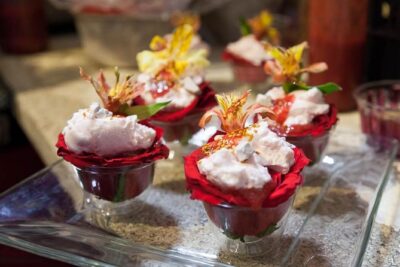 ★ 5.0Historic Center Food Tour in Mexico CityFrom $1155 hours (approx.)
 ★ 5.0Xochimilco Barco Fiesta Tentacion 18+ with Open Bar and TacosFrom $592 hours (approx.)
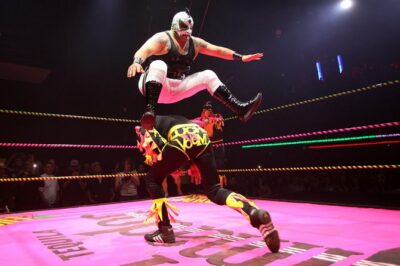 ★ 5.0Lucha Libre Tickets & Tacos & Beer & Mezcal – BEST NIGHT EVER!From $84
 ★ 5.0Polanco Food Tour: The Bestselling Food Adventure in Mexico CityFrom $1093 hours (approx.)
 ★ 5.0Colonia Roma Food TourFrom $1104 hours (approx.)
 ★ 5.0Mexico City Historical Centre Food Tour with 7 Authentic TastingsFrom $653 hours (approx.)
 ★ 5.0Street Food Tour with Friends4 hours 30 minutes (approx.)
 ★ 5.0A Night of Tacos and Mezcal in Mexico CityFrom $1353 hours 30 minutes (approx.)
The lists this tour appears in