
Reviewed · ROMA & POLANCO TOURS
Mexico City: Roma & Condesa Private & Personalized Walking Tour
The best thing about this Mexico City tour is its flexibility. You are not locked into a fixed route or forced to keep pace with a large group. Your host can focus on Roma and Condesa, add parks and architecture, or shift toward food, markets, history, or the city center. Claudia, Alex, Lando, Ingrid, and Max are among the guides who have led this experience.
In This Article
- Key points to know before booking
- What this private Mexico City walk is really like
- Roma: grand facades, creative corners, and food stops
- Condesa: parks, Art Deco, and a slower pace
- Chapultepec: a change from streets to trees
- Zócalo: Mexico City’s layered center
- Paseo de la Reforma and the Ángel
- The guides and the value of a private match
- Timing, walking, and transport
- Is $77.78 per person good value?
- Who should book this experience?
- FAQ
- How long does the walking tour last?
- Is this a private tour?
- Is hotel pickup available?
- Is transportation included?
- Are food and drinks included?
- Can I choose which neighborhoods to visit?
- Is the tour offered in English?
- Will I receive a customized route?
- What is the cancellation policy?
- Should you book the Roma and Condesa private walking tour?
I especially like the pre-tour questionnaire, which gives your host a useful starting point, and the practical restaurant and café advice you can use after the walk. I also like that the tour works well as a first-day orientation, helping you understand where you are before setting off on your own. The main caution is that the quality depends on how clearly you explain your interests, and one poor match resulted in a basic walk without enough neighborhood detail.
Key points to know before booking
- Private route: Only your group participates, so you can ask questions freely and adjust the pace.
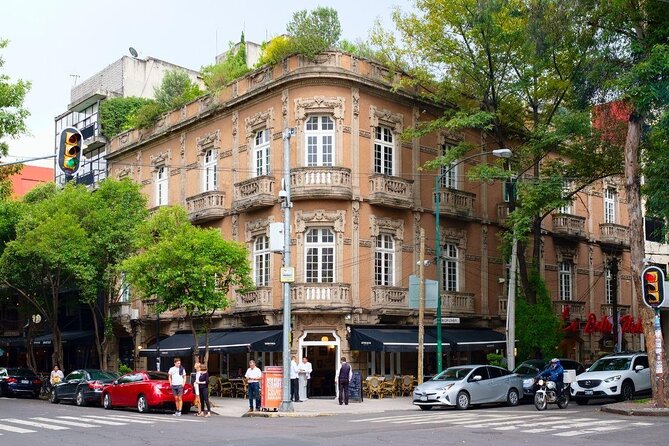
- Roma and Condesa focus: Expect tree-lined streets, Art Nouveau and Art Deco buildings, parks, cafés, street art, and local food ideas.
- Flexible length: Choose roughly two to five hours, though one experience described a six-hour outing.
- Strong guide feedback: Hosts including Claudia, Alex, Lando, Ingrid, Marisol, Max, and Rafael have earned praise for history, architecture, food tips, and personal attention.
- Walking first: No private vehicle is included. Longer jumps may require public transport or a local taxi at your own cost.
- Good trip starter: The best use is often your first day, when local advice can shape the rest of your stay.
What this private Mexico City walk is really like
This is less a standard sightseeing march and more a meeting with a local who builds a route around your interests. Before the outing, you receive a short questionnaire covering your preferences, must-see places, pace, and likely subjects such as food, art, architecture, history, or culture.
That step matters. Roma and Condesa can fill an afternoon on their own, while Chapultepec, Zócalo, and Paseo de la Reforma pull you toward other parts of the city. A private guide can help you choose instead of wasting time trying to cover everything.
You may begin at Fuente de Cibeles in Roma Norte, or your host may meet you at your hotel if it is an available pickup location. A central meeting point can be arranged if your hotel is not on the list. The exact starting point is confirmed after booking, so check those messages before the day of the tour.
The experience is offered in English, and the strongest guide feedback repeatedly points to clear communication. That is useful if you do not speak Spanish and want to ask detailed questions about neighborhoods, food, daily life, or getting around.
A few more Mexico City tours and experiences worth a look



Roma: grand facades, creative corners, and food stops
Roma is the natural heart of this experience. Its broad, tree-lined streets and older buildings make it easy to walk, but the area rewards a guide who can explain what you are seeing. Your host may point out Art Nouveau details, changing facades, small bookshops, independent cafés, and street art that you could easily pass without noticing.
The neighborhood has a useful tension between old and new. Elegant buildings and traditional street life sit beside design shops, pop-up markets, and contemporary food spots. A host might include Mercado Roma, described as a place for inventive culinary stops, though food is not included in the tour price.
I would use this portion to ask specific questions. Which restaurants suit a casual meal? Where should you go for coffee? Are there markets or shops worth returning to? Several guides, including Lando, Marisol, Ingrid, and Alex, have been praised for restaurant recommendations that remained useful after the tour.
There is also room to shape Roma around your interests. If architecture is your priority, tell your host early. If you care more about food or local routines, say so in the questionnaire and again at the start. The one negative account attached to this experience is a reminder that a general request can sometimes produce a general walk.
Condesa: parks, Art Deco, and a slower pace
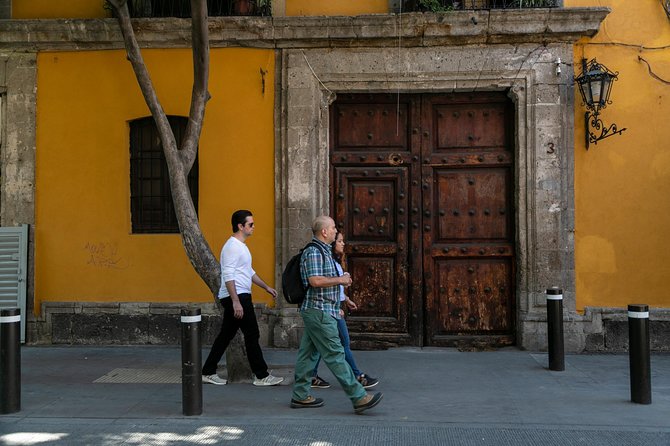
La Condesa feels different from Roma, and a good host should help you notice the change. The streets are leafy, the buildings often carry Art Deco details, and Parque México gives the neighborhood a relaxed center. This is a pleasant place to slow down rather than rush from one sight to the next.
You might walk through the park, follow quieter side streets, look at murals, and stop to discuss local life. The supplied description paints a picture of dogs in bowties and pop-up musicians, details that capture the neighborhood’s easygoing character without reducing it to a checklist.
Condesa is also a good place to compare architectural changes over time. Marisol has been praised for explaining how the area has changed, while Max received strong marks for connecting architecture with history and culture. Ask your host to compare Roma Norte and Condesa directly. That comparison is more useful than treating them as one interchangeable district.
Families can benefit from this section because the parks break up the walking and give younger visitors something immediate to enjoy. One guide, Lando, adjusted a route for a family ranging from age 10 to 84. That kind of pacing is one of the clearest advantages of booking privately.
Chapultepec: a change from streets to trees
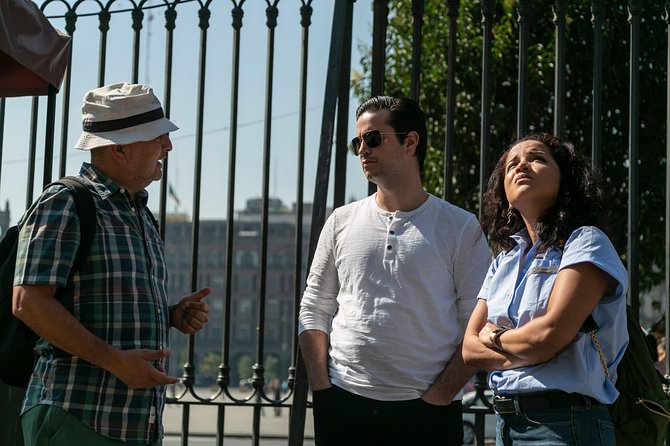
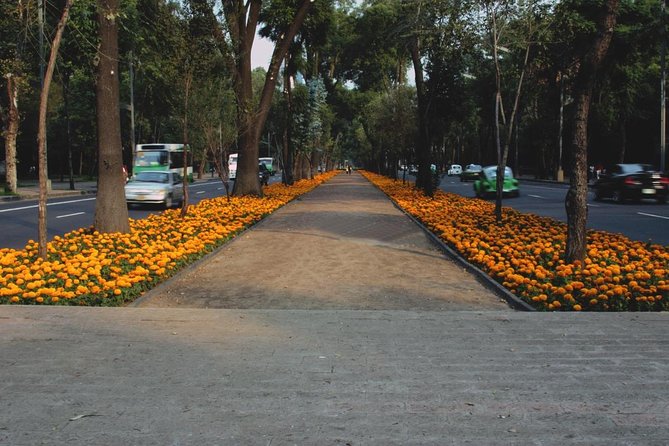
Bosque de Chapultepec offers a major change of scene. Instead of cafés, facades, and narrow urban details, you get wooded paths, lakes, sculptures, and open space in one of the world’s largest city parks.
The guide can place the park in the long story of Mexico City, from Aztec times to its role as a modern public recreation area. This is a good choice if you want a little air and greenery during a city break, or if your group prefers a less concentrated urban walk.
The practical issue is distance. Chapultepec does not naturally fit into a short Roma and Condesa stroll, and the experience does not include a private car. Your host may suggest public transport or a local taxi between sections, with those costs paid separately. If Chapultepec is a must-see, mention it before the tour so the route and timing make sense.
For a two-hour booking, I would not assume you can cover Roma, Condesa, Chapultepec, Zócalo, and Reforma in a meaningful way. The tour’s flexibility is useful, but it cannot defeat geography. Choose fewer areas and enjoy them properly.
Zócalo: Mexico City’s layered center
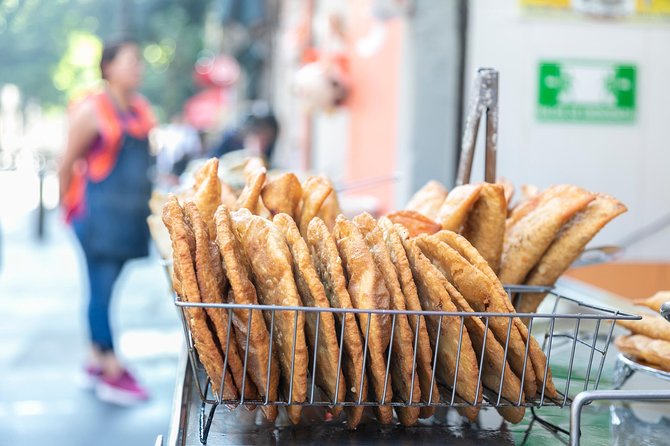
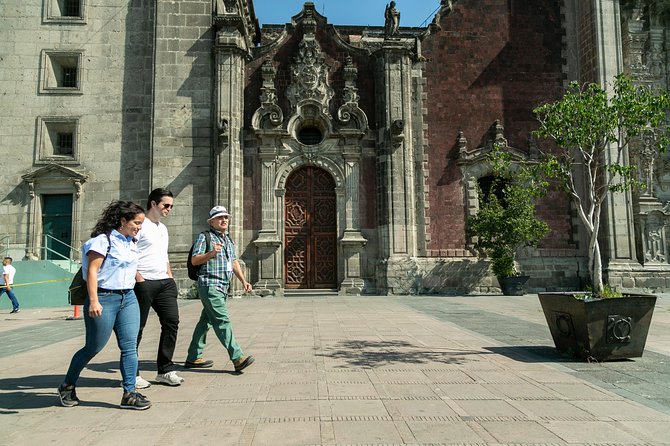
If you want the city’s oldest and most powerful setting, ask for Zócalo. This huge central square brings Mexico’s indigenous and colonial past together, with the National Palace and Metropolitan Cathedral framing the space.
Your host can explain how the square connects to the former Aztec capital and the colonial city that followed. The value here is context. A guide can help you understand why the center looks and feels different from Roma and Condesa, rather than presenting each place as an unrelated stop.
This route works especially well for visitors who want history but do not want a full museum-focused day. Roberto, an archaeologist who has led this experience, was praised for bringing extra depth to a private walk in the central historic district. If archaeology or early Mexico City interests you, request that emphasis in advance, though guide assignments cannot be guaranteed from the information provided.
Zócalo also changes the character of the tour. Roma and Condesa are mainly about neighborhood life, architecture, parks, and food. The center carries heavier political and historical meaning. Combining both areas can give you a broad introduction, but only if you accept that each section will receive less time.
Other walking tours we've reviewed in Mexico City



Paseo de la Reforma and the Ángel

The tour may finish near the Ángel de la Independencia, the gold-colored column on Paseo de la Reforma. It is one of Mexico City’s best-known landmarks and a useful place to talk about national identity, independence, revolution, and resilience.
Reforma gives you a sense of the city at a larger scale. It is a major avenue rather than a small neighborhood street, and the Ángel makes a clear photo stop. If you enjoy public monuments and modern civic life, this ending adds a strong visual marker to the walk.
Again, ask about distance. Reforma may work as a final stop after Roma and Condesa, but it may require transport depending on where you begin and how much walking you have already done. Any public transportation or taxi expense is separate.
The guides and the value of a private match
The guide is the main product here. The route matters, but the person leading it determines whether you notice the details or simply walk past them.
Claudia has been praised for tailoring routes, adapting to later start times, and sharing useful restaurant and café advice. Alex has received strong feedback for warmth, history, architecture, and practical suggestions for the rest of a Mexico City stay. Lando has been especially effective with families and has combined neighborhood history with tacos, coffee, photos, and restaurant advice.
Ingrid has been praised for adjusting a solo day around boutiques, museums, local food, and side streets. She also followed up with links to recommended places, which is exactly the sort of small service that makes a private guide useful beyond the scheduled hours. Marisol has been noted for architecture and food stops, while Rafael handled a longer outing with many options and broad local knowledge.
No booking can promise a particular host unless the operator confirms one. The range of guide experiences also explains the one sharply negative account. That guest felt the walk lacked street art, architecture, neighborhood introductions, and practical tips, and ended an hour early. The lesson is simple: use the questionnaire carefully and spell out what you expect to see.
Timing, walking, and transport
The advertised duration is about two to five hours, with flexible start times. That range gives you several sensible choices:
- Two hours works for a compact introduction to Roma and Condesa.
- Three to four hours gives you time for architecture, parks, food suggestions, and questions without constant rushing.
- Five hours allows a wider route, but you still need to discuss transport and priorities.
- A longer outing may be possible. One account described a six-hour tour, but you should confirm the duration available for your booking.
This is primarily a walking experience. Wear shoes suited to city streets and plan for pauses rather than treating the tour as a ride between attractions. No attraction tickets, food, drinks, private vehicle, or gratuities are included.
Public transport may be used for longer distances, and your host can discuss the likely cost after the reservation is finalized. This arrangement keeps the tour flexible, but it means you should carry a way to pay for incidental transport.
Most people can participate, and service animals are allowed. Since the tour is private, you can request a slower pace or more breaks, although the supplied information does not promise a fully accessible route.
Is $77.78 per person good value?
At $77.78 per person, this is not the cheapest way to walk Roma and Condesa. You can explore both districts independently with a map and a little preparation. The price makes more sense when you use the private format well.
For a couple, solo visitor, or small family, the cost buys undivided attention, route changes, questions on demand, and advice you can use for the rest of the trip. A useful restaurant recommendation alone is not the point, but it can turn the tour into a practical orientation rather than a one-time sightseeing walk.
The value drops if you want a fixed list of major attractions, included meals, or transportation. It also drops if you prefer a formal lecture and do not want to discuss your interests. This product depends on conversation and flexibility.
I would book it near the beginning of your stay. Ingrid helped one solo visitor feel comfortable and excited from the start, and several guides provided restaurant suggestions that shaped later meals. That is when local advice has the most practical value.
The cancellation policy is generous if your plans change: cancel at least 24 hours before the local start time for a full refund. Changes or cancellations inside that window are not accepted for a refund.
Who should book this experience?
I would choose this tour if you want to:
- Get your bearings in Roma or Condesa on your first day.
- Learn about architecture without spending the whole day indoors.
- Receive personal restaurant, café, market, or park suggestions.
- Travel solo and prefer company without joining a large group.
- Bring a family with different ages and walking speeds.
- Combine neighborhood life with a custom focus on history, art, or food.
- Ask direct questions about Mexico City and adjust plans as you go.
I would think twice if you want a guaranteed expert in one narrow subject, a private car, included meals, or a carefully fixed route with attraction tickets. I would also avoid booking without stating your must-sees. The experience is advertised as personalized, but personalization works only when you give your host enough direction.
FAQ
How long does the walking tour last?
The experience lasts approximately two to five hours. Flexible durations are available when booking, and one described outing lasted six hours, though you should confirm your preferred length.
Is this a private tour?
Yes. Only your group participates, and your host gives your party personal attention.
Is hotel pickup available?
Your host can meet you at a selected hotel if it is an available pickup location. Otherwise, choose a central meeting point, such as Fuente de Cibeles in Roma Norte.
Is transportation included?
No. This is a walking experience, and no private vehicle is included. Public transport or local taxis may be used for longer distances, with those costs paid separately.
Are food and drinks included?
No. Food, drinks, and attraction tickets are not included. Your host can suggest places to eat and may include food-related stops in the route.
Can I choose which neighborhoods to visit?
Yes. You can discuss the areas and subjects that interest you, including Roma, Condesa, Chapultepec, Zócalo, and Paseo de la Reforma.
Is the tour offered in English?
Yes. The experience is offered in English, and several hosts, including Max, Claudia, Ingrid, and Alex, have been specifically praised for communicating well in English.
Will I receive a customized route?
After booking, you receive a short questionnaire about your interests, preferences, and must-see places. Your host then uses that information to plan a route suited to your style and pace.
What is the cancellation policy?
You can cancel at least 24 hours before the local start time for a full refund. Cancellations or changes made less than 24 hours before the start are not accepted for a refund.
Should you book the Roma and Condesa private walking tour?
Book it if you want a flexible introduction to Mexico City and will take an active role in shaping the route. The strongest reasons are the private format, personal pace, neighborhood comparisons, and useful food and café advice from guides such as Claudia, Alex, Lando, and Ingrid.
For the best result, request specific subjects and keep the route realistic. Choose Roma and Condesa for a short booking, or allow more time if you want Chapultepec, Zócalo, or Reforma too. At $77.78 per person, it is a fair choice for personal attention and trip-planning help, but not the right pick if you expect transport, meals, tickets, or a guaranteed set of sights.
More City Tours in Mexico City


More Walking Tours in Mexico City
More Roma & Polanco Tours in Mexico City


More tours in Mexico City we've reviewed




Roma & Polanco Tours, compared.
 ★ 5.0Polanco Food Tour: The Bestselling Food Adventure in Mexico CityFrom $1093 hours (approx.)
 ★ 5.0Colonia Roma Food TourFrom $1104 hours (approx.)
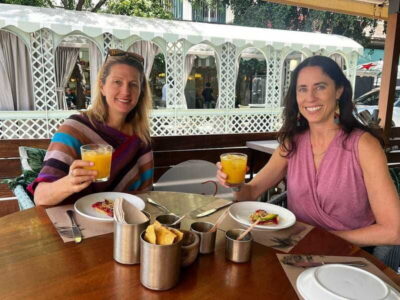 ★ 4.9Mexico City: 3–Hour Polanco Food TourFrom $1053 hours
 ★ 5.0Michelin Taco Bike Tour: Roma Norte & Condesa /All-Inclusive.From $1013 hours 30 minutes (approx.)
 ★ 5.0Tacos and Mezcal Experience in Polanco!From $493 hours (approx.)
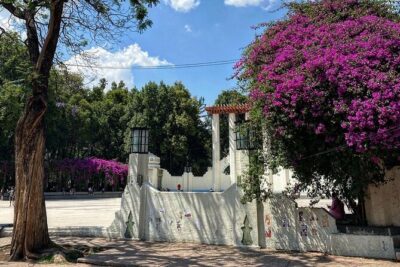 ★ 5.0Epic Condesa and Roma Norte Walking TourFrom $594 hours 30 minutes (approx.)
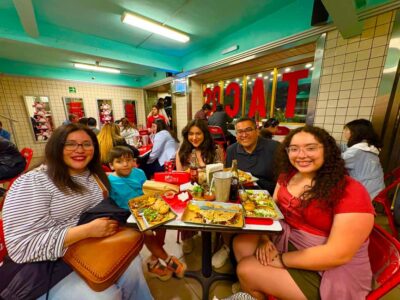 ★ 4.9Mexico City: Roma and Condesa Neighborhoods Walking TourFrom $583 hours
 ★ 5.0Cheerful Introduction Walking Tour in Roma, Condesa & JuarezFrom $593 hours (approx.)
The lists this tour appears in