
Reviewed · MEXICO CITY FOOD TOURS
Mexico City: Old Town Food Tour of 7 Tastings & Secret Dish
Mexico City’s Historic Center is best understood one bite at a time, and this tour makes a meal of the city’s streets, markets, bakeries, and local eateries. You’ll begin with Aztec-style chilaquiles, move on to mole-covered enchiladas and tacos, then finish with sweets, chocolate, and a secret dish. It is a lot of food in three hours, so arrive hungry.
In This Article
- Key points at a glance
- Why this three-hour food walk works
- Meeting at the Pino Suárez subway entrance
- Chilaquiles in the market
- Mole enchiladas and the story behind the sauce
- Totopos, guacamole, and fresh tortilla flavor
- Tacos at a local taquería
- A traditional bakery for the sweet course
- Artisanal chocolate and the secret dish
- Guides who add more than food
- How much walking and food to expect
- Is $74 a fair price?
- Who should book this food tour?
- FAQ
- How long does the Mexico City Old Town Food Tour last?
- How many tastings are included?
- What drinks are included?
- Where does the tour meet?
- Is hotel pickup included?
- What language is the tour conducted in?
- Is the tour suitable for wheelchair users or people with mobility impairments?
- Should you book it?
I like the mix of everyday Mexican eating and short bursts of city history. I also like that guides such as Andy, Diana, and Carlo add personal context rather than simply passing plates around. The main tradeoff is practical: you’ll walk a fair amount, the menu can change, and this is not a good fit for wheelchair users or people with mobility limits.
Key points at a glance
- Start with breakfast in a local market: Chilaquiles and fresh tortillas give you an early taste of ordinary Mexico City cooking.
- Sample several parts of Mexican food culture: The menu moves from mole and tacos to bakery pastries, chocolate, agua fresca, and beer.
- Walk through the Centro Histórico: Food stops are mixed with views of streets, arcades, architecture, and the Zócalo area.
- Expect a generous meal: The tour includes 8 or more tastings, and several people found it filling enough to replace a meal.
- Guides make the difference: Andy, Diana, and Carlo are repeatedly praised for explaining ingredients, food traditions, and the city.
- Plan for comfort: Wear sturdy walking shoes, contact the operator ahead of time about dietary needs, and leave strollers behind.
Why this three-hour food walk works
At $74 per person, this is not the cheapest way to eat in Mexico City. It can still be good value if you want an organized introduction to Mexican food, especially during your first days in the city.
The price covers more than a few sample portions. You receive 8 or more tastings, a local English-speaking guide, a glass of beer, agua fresca, water, and non-alcoholic options. You also get help finding places that are easy to miss when you are still learning how Mexico City’s markets and food counters work.
I see the strongest value in the range. Instead of ordering one large meal and hoping you chose well, you get small portions of several familiar and less familiar foods. The guide explains what you are eating and how each stop fits into local life. That can save you from spending your first day guessing at menus.
This is also a useful tour for cautious eaters. You can try tacos, mole, guacamole, pastries, and chocolate in a guided setting, then use the experience to choose your own restaurants later. One of the most useful effects of the tour is confidence: you begin to understand how to approach markets and local counters on your own.
A few more Mexico City tours and experiences worth a look


Meeting at the Pino Suárez subway entrance
The meeting point is at Izazaga S/N, on the corner of José María Pino Suárez, in the Centro area of Cuauhtémoc. Look outside the subway, under the screen, in front of the stairs.
That detail matters. Mexico City’s Historic Center has many busy corners, and a precise landmark is far better than simply being told to meet near the Zócalo. Give yourself time to find the subway entrance and the screen. Hotel pickup is not included, so you will need to make your own way there.
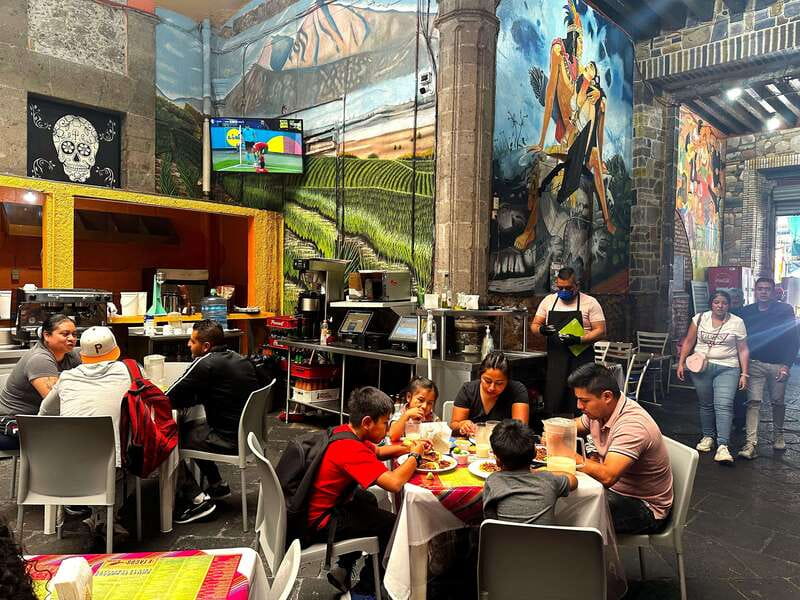
The tour lasts three hours, with walking between stops. The route takes you through the Centro Histórico and nearby streets, including parts of the Zócalo area and shopping arcades. You should not treat this as a seated tasting event with short transfers. Comfortable shoes are essential.
Bring water if you prefer to carry your own, although water and other drinks are included. Baby strollers are not allowed, and the activity is not suitable for wheelchair users or people with mobility impairments.
Chilaquiles in the market
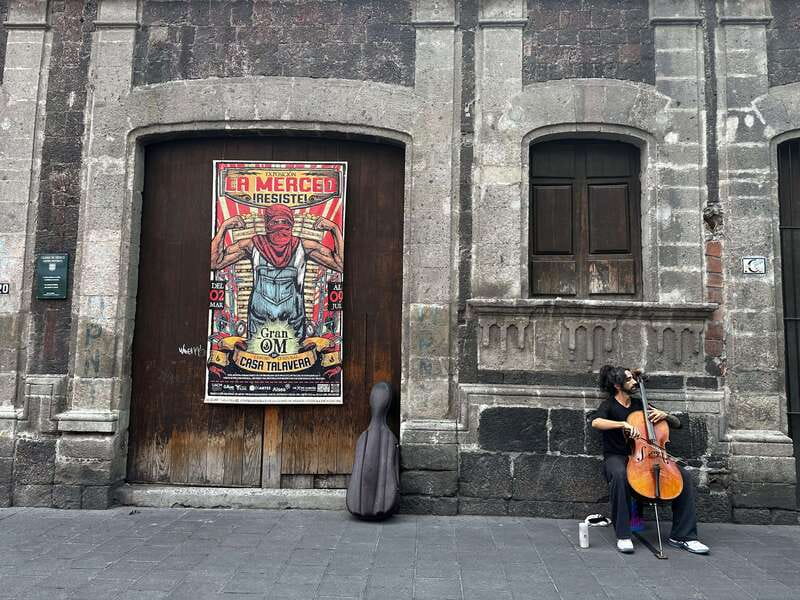
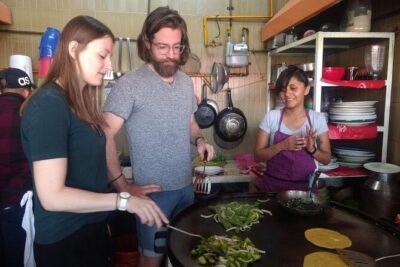
The first major stop is a lively open-air market, where you start with chilaquiles. This is a smart opening course because chilaquiles are both familiar and distinctly Mexican: fried tortilla pieces are combined with sauce and toppings to make a filling breakfast dish.
Here, the tour presents an Aztec-style version. The meal gives your guide a chance to explain how old food traditions still appear on modern breakfast tables. It also places you in a setting where daily life matters more than polished dining-room presentation.
For you, the useful part is the setting. Markets can be confusing at first. There may be many counters, fast-moving service, and unfamiliar ingredients. With a guide beside you, you can focus on taste and observe how people eat instead of worrying about every decision.
This is one reason to come with a serious appetite. Chilaquiles are not a tiny decorative sample, and they set the tone for a tour that keeps feeding you. If you normally eat lightly in the morning, consider keeping breakfast small before you arrive.
Mole enchiladas and the story behind the sauce
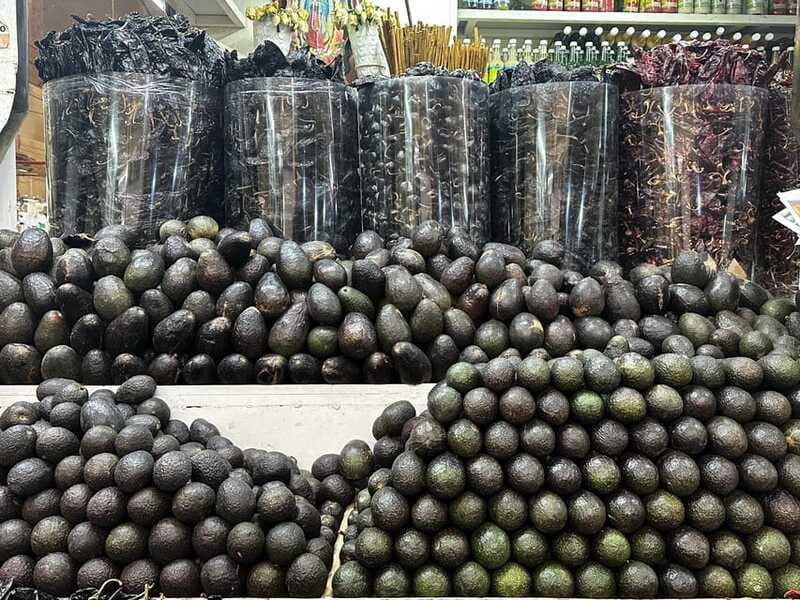
Next comes chicken enchiladas covered in mole. Mole is one of Mexico’s most famous sauces, but it is not one single recipe. It can involve many ingredients, and the flavor often combines savory, spicy, sweet, and earthy notes.
The important point is not only that you taste mole. Your guide explains the ingredients and preparation, helping you understand why the sauce can taste so layered. This turns a standard enchilada stop into a lesson in how Mexican cooking builds flavor over time.
I like this part of the route because it offers contrast. Chilaquiles are a breakfast classic built around tortillas and sauce. Mole enchiladas show a more elaborate side of Mexican cooking, while still being served as familiar comfort food.
Do not expect the exact same mole each time you take the tour. The menu and route may change based on availability, weather, and other conditions. That flexibility is worth remembering if you have your heart set on one particular preparation.
Totopos, guacamole, and fresh tortilla flavor
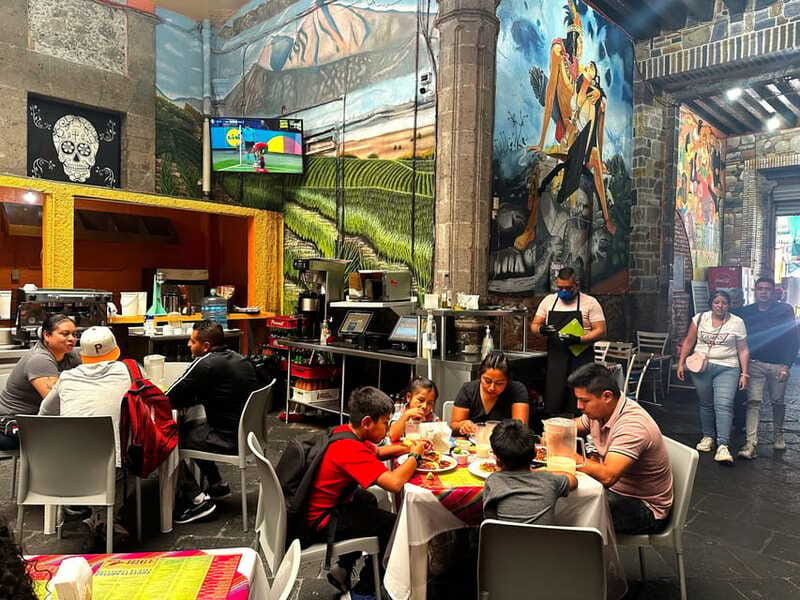
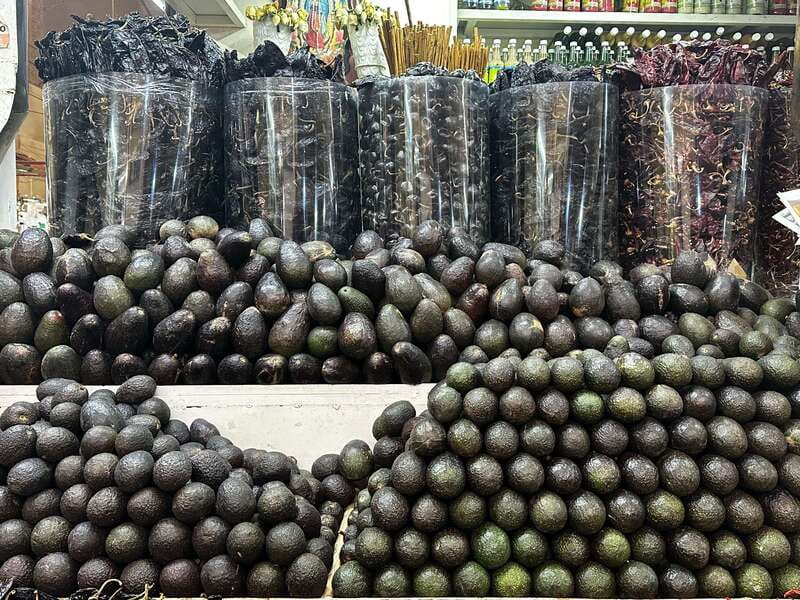
The tour then brings you to crispy homemade totopos with fresh guacamole. Totopos are tortilla chips, but the emphasis here is on homemade texture and freshness rather than a packaged snack.
This is a simple tasting with a useful connection to Mexican food culture. Guacamole is widely known around the world, yet tasting it in Mexico helps you notice the role of the tortilla, the freshness of the ingredients, and the balance between creamy avocado and bright seasoning.
The stop may also include fresh tortillas, giving you another chance to compare textures and preparation styles. A guide can point out details that are easy to miss when you simply eat the chips and move on.
This course is also a welcome pause between heavier dishes. By this point, you have already had chilaquiles and enchiladas, so the guacamole and totopos offer something lighter in feel while keeping the tortilla theme going.
A few more Mexico City tours and experiences worth a look




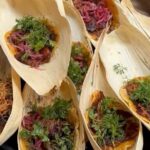
Tacos at a local taquería
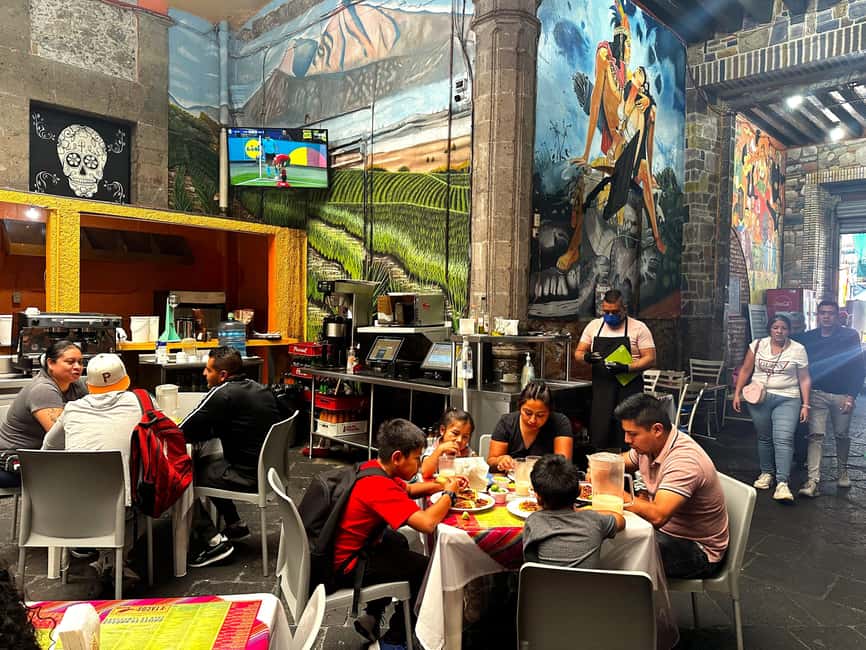
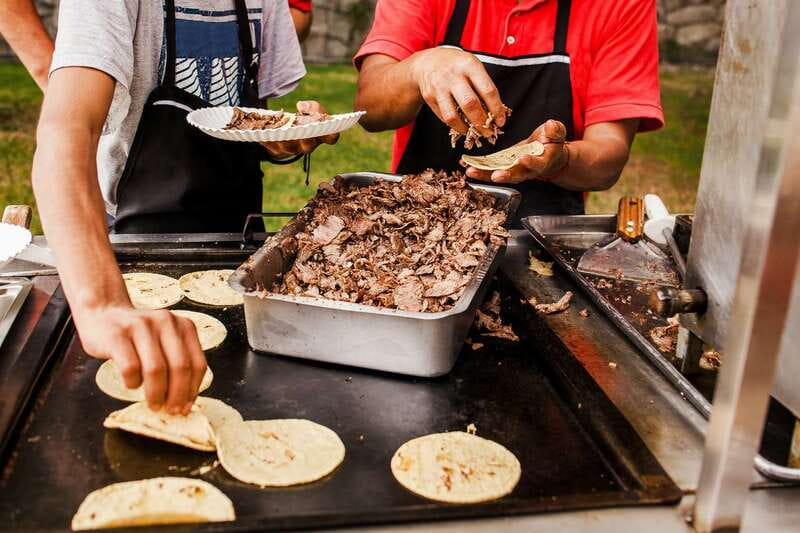
No Mexico City food tour would feel complete without tacos, and this one includes a stop at a popular local taquería. Fresh limes and salsas are served on the side, giving you the classic chance to adjust each taco to your taste.
The taco stop has earned particular attention for variety and flavor, including a pastor taco at Los Tacos. The exact stop can change, but the point is clear: you are not merely tasting a token taco. You are sitting down for one of the city’s defining foods in a place used by local diners.
If you have never eaten at a busy taquería, the guide’s presence is valuable. You can learn how to use the salsas, lime, and toppings without having to decode the whole process yourself. Ask questions about the meat, tortillas, and regional styles if the timing allows.
There may be two taco stops on some versions of the route, but the published menu confirms tacos as a central part of the experience rather than promising one fixed combination. Again, the itinerary can shift. Come ready for a good range, not a guaranteed list of exact taco fillings.
A traditional bakery for the sweet course
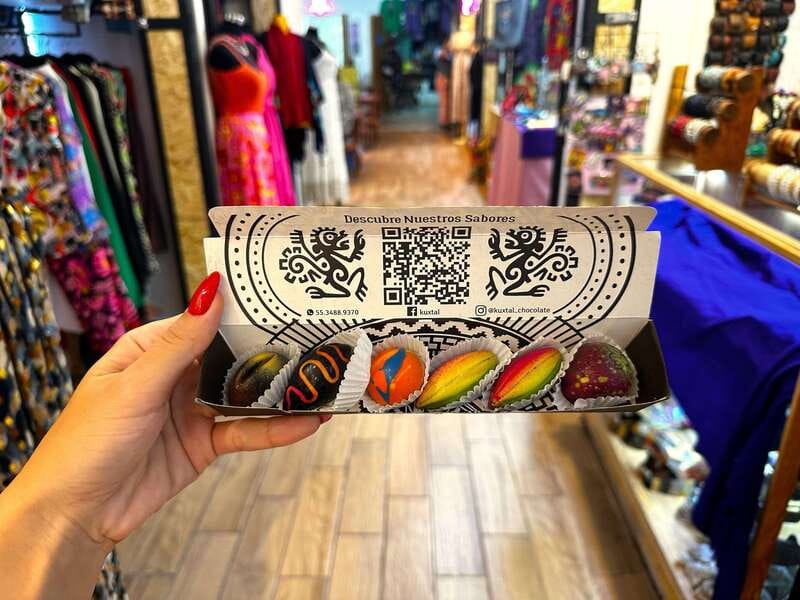
The food keeps going with a freshly baked Mexican pastry from a traditional panadería. Bakeries are an important part of everyday eating in Mexico City, and this stop adds a different rhythm to the tour.
After savory dishes, a pastry gives you a clear change in flavor and texture. You might find a soft, sweet bread or another local bakery specialty, but the precise item is not fixed. The stop is about seeing how Mexican bakeries fit into ordinary city life as much as it is about dessert.
This is also one of the places where a guide’s recommendations can help later. If you find a pastry you like, ask for the Spanish name and look for it again during the rest of your visit. A food tour is most useful when it gives you ideas for independent eating afterward.
The quantity matters here. The tour is described as plentiful, and past itineraries have included several desserts. If you are planning a large dinner soon afterward, you may want to keep that schedule flexible.
Artisanal chocolate and the secret dish
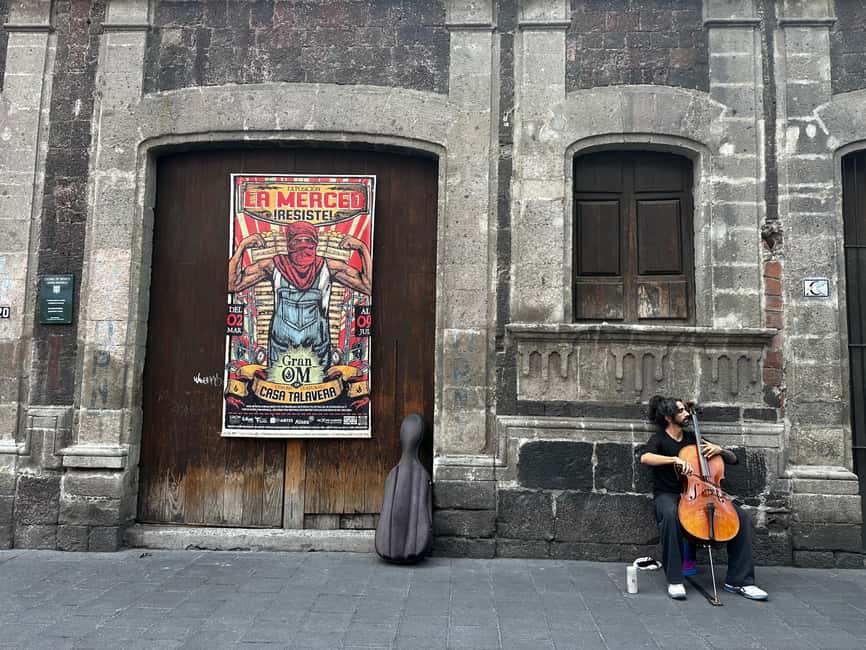
The final food stages include a bite of artisanal Mexican chocolate and a surprise secret dish. Chocolate has deep roots in Mesoamerica, so this is a fitting way to connect modern eating with the region’s older food traditions.
The chocolate is a small bite, not a full dessert course. That is sensible after such a generous route. It gives you a concentrated finish without asking you to manage another large serving.
The secret dish is intentionally not specified. That is part of the fun, but it also means you should not book this tour if you need every course confirmed in advance. The operator asks people with dietary requirements to make contact before the tour so the team can try to accommodate them.
You also receive drinks along the way: agua fresca, a glass of local beer, water, and non-alcoholic options. The beer adds a relaxed local touch, while the agua fresca helps break up the heavier food. If you do not drink alcohol, you are not left without alternatives.
Guides who add more than food
The guide is the most important variable on a walking food tour, and this experience has several named guides who have made a strong impression: Andy, Diana, and Carlo.
Andy is described as energetic and clear when explaining food and city history. She has also handled larger groups well, taking questions and encouraging people to share their thoughts. That is useful on a food tour because a good guide keeps the group moving without making the experience feel rushed.
Diana brings detailed explanations of ingredients, preparation, and the places along the route. She is also praised for offering ideas for other things to do and places to eat in Mexico City. At the end of one tour, she gave each person a small worry doll, a thoughtful souvenir that fits the city’s craft traditions.
Carlo is known for combining food with stories about Mexico City. He has also been helpful with families and children, though the walking and food schedule may still be demanding for younger members of your group.
The guide’s role is not just to point out the next restaurant. You get the most from this tour if you ask about ingredients, local customs, architecture, and where to eat later. Several guides have been described as passionate about their city, and that personal connection is a major part of the experience.
How much walking and food to expect
Three hours may sound short for 8 or more tastings, but the pace is full. You will walk through city streets, markets, shopping arcades, and restaurant areas while eating at several locations.
The route is not presented as an accessibility-friendly outing. People with mobility impairments and wheelchair users should choose another activity. Strollers are not allowed, and comfortable shoes are not optional advice here.
The food is plentiful enough that you should plan around it. A few people have found the tour so filling that they needed a quiet afternoon afterward. That makes it a good lunch or late-morning activity, but less ideal immediately before a formal dinner.
Because the menu can change, allergies and dietary restrictions need advance notice. The team can best respond when you contact them before the tour, rather than trying to solve the problem at the first stop.
Is $74 a fair price?
For $74, you are paying for food, drinks, guiding, and the convenience of moving between several stops without planning the route yourself. You are also paying for interpretation: someone explains what you are eating and why it matters.
If your priority is the lowest possible food bill, you can eat more cheaply in Mexico City. A self-guided market lunch and a few tacos will cost less. But you may not sample as many styles in three hours, and you will not have the same help with ordering or food traditions.
I consider the tour a fair buy for first-time visitors, solo visitors who want company, and anyone who wants an organized introduction before eating independently. It is less compelling for an experienced Mexico City eater who already knows the markets and taquerías of the Centro Histórico.
Free cancellation up to 24 hours before the tour and reserve now, pay later terms also make it easier to fit into a changing trip plan. Starting times vary, so check availability when choosing your date.
Who should book this food tour?
Book it if you want a generous introduction to Mexican food without spending days researching individual stops. It suits people who enjoy walking, asking questions, and trying several small portions instead of sitting down to one long meal.
It is especially useful early in your Mexico City visit. The tour can give you a working vocabulary for foods, a better sense of local eating places, and ideas for where to return later.
Families may enjoy the variety, and Carlo has been helpful with children, but the full route may be tiring for anyone who struggles with walking. People with strict dietary needs should contact the operator before booking.
Skip it if you need a fixed menu, a fully accessible route, or a quiet tasting in one location. Also skip it if you dislike surprise courses or prefer to choose every dish yourself.
FAQ
How long does the Mexico City Old Town Food Tour last?
The tour lasts three hours.
How many tastings are included?
The experience includes 8 or more tastings, including chilaquiles, mole-covered chicken enchiladas, totopos with guacamole, tacos, a bakery sweet, artisanal chocolate, and a secret dish.
What drinks are included?
You receive agua fresca, a glass of local beer, water, and non-alcoholic options.
Where does the tour meet?
The meeting point is at Izazaga S/N, corner of José María Pino Suárez, Centro, Cuauhtémoc, Mexico City. Meet outside the subway, under the screen, in front of the stairs.
Is hotel pickup included?
No. You must make your own way to the meeting point.
What language is the tour conducted in?
The live tour guide speaks English.
Is the tour suitable for wheelchair users or people with mobility impairments?
No. The tour involves a fair amount of walking and is not suitable for wheelchair users or people with mobility impairments. Baby strollers are also not allowed.
Should you book it?
I would book this tour if I were new to Mexico City and wanted a practical first taste of the Centro Histórico. The combination of market food, mole, tacos, pastries, chocolate, drinks, and city stories gives you more than a meal, while the guides add the local know-how that is hard to get from a menu.
Come hungry, wear comfortable shoes, and keep dinner light. If you want a fixed menu or an accessible route, choose another activity. For most food-minded visitors who want to eat broadly and learn how to order with more confidence, $74 is a sensible price for a full three-hour introduction.
More City Tours in Mexico City


More Food Experiences in Mexico City
More Mexico City Food Tours in Mexico City
More tours in Mexico City we've reviewed





Mexico City Food Tours, compared.
 ★ 5.0Historic Center Food Tour in Mexico CityFrom $1155 hours (approx.)
 ★ 5.0Xochimilco Barco Fiesta Tentacion 18+ with Open Bar and TacosFrom $592 hours (approx.)
 ★ 5.0Lucha Libre Tickets & Tacos & Beer & Mezcal – BEST NIGHT EVER!From $84
 ★ 5.0Polanco Food Tour: The Bestselling Food Adventure in Mexico CityFrom $1093 hours (approx.)
 ★ 5.0Colonia Roma Food TourFrom $1104 hours (approx.)
 ★ 5.0Mexico City Historical Centre Food Tour with 7 Authentic TastingsFrom $653 hours (approx.)
 ★ 5.0Street Food Tour with Friends4 hours 30 minutes (approx.)
 ★ 5.0Mexico City: Hidden Markets, Street Food & Salsa-Making TourFrom $695 hours (approx.)
The lists this tour appears in