
Reviewed · MEXICO CITY FOOD TOURS
Mexico City: Vegan and Vegetarian Street Food Adventure
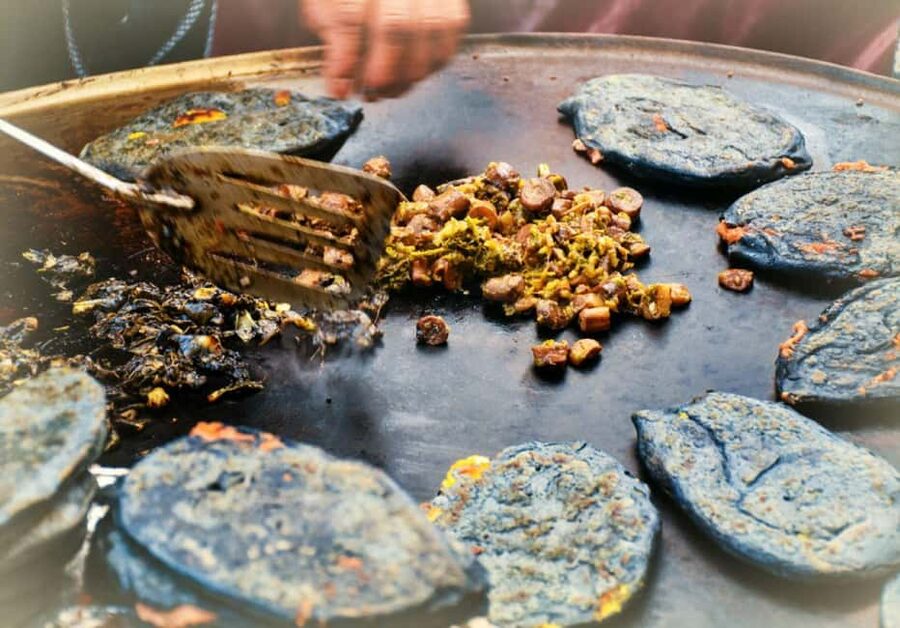
Mexico City makes a fine case for plant-based eating, and this all-you-can-eat street food tour does it one taco, sope, churro, and vegan seafood dish at a time. You walk through four very different neighborhoods, use public transport like a local, and eat at family-run spots that are easy to miss on your own.
In This Article
- Key points at a glance
- Why this tour matters for plant-based eaters
- Meeting Sharon or Mena at Hilton Reforma
- Alameda Central starts the eating
- From central streets to Paseo de la Reforma
- Tacos, tlacoyos, tortas, and more
- The lesser-known stops are the real value
- Food safety and the shared grill question
- Political and social context between bites
- Finishing in Zona Rosa with a drink
- Is $99 a fair price?
- Who should book this food adventure?
- Booking, timing, and practical details
- Should you book it?
- FAQ
- Where does the tour begin?
- Where does the tour finish?
- How long does the experience last?
- What food is included?
- Is a drink included?
- Is the tour suitable for gluten-free participants?
- What happens if I need to cancel?
I like two things right away: the tour supports small and minority-owned businesses, and guides such as Sharon and Mena bring food, neighborhood history, and current social issues into the same conversation. The main consideration is pace: you cover about 4.5 to 5 kilometers and eat a lot, with one stop occasionally taking longer than planned.
Key points at a glance
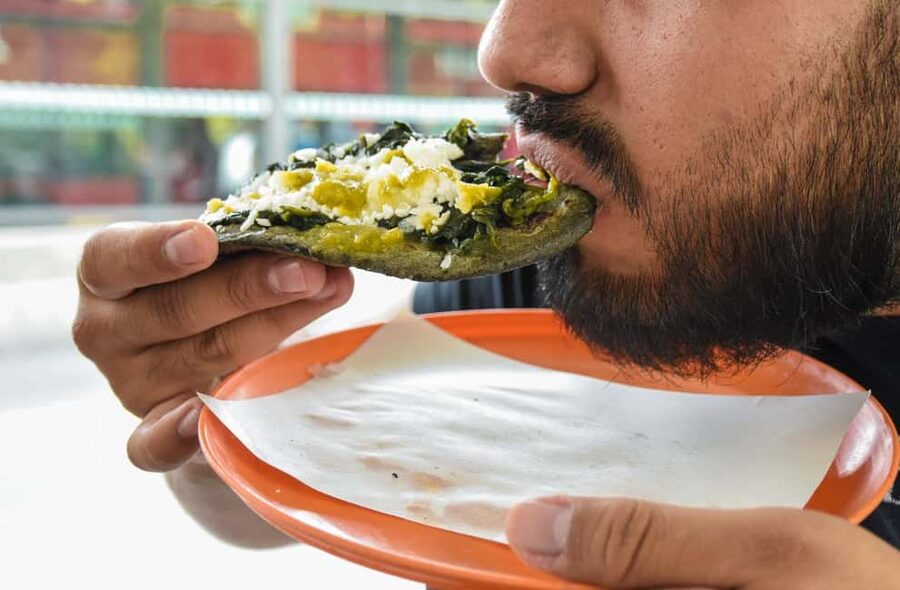
- Seven or more food stops: Expect generous portions of vegan tacos, quesadillas, tlacoyos, sopes, tortas, vegan seafood, ice cream, and churros.
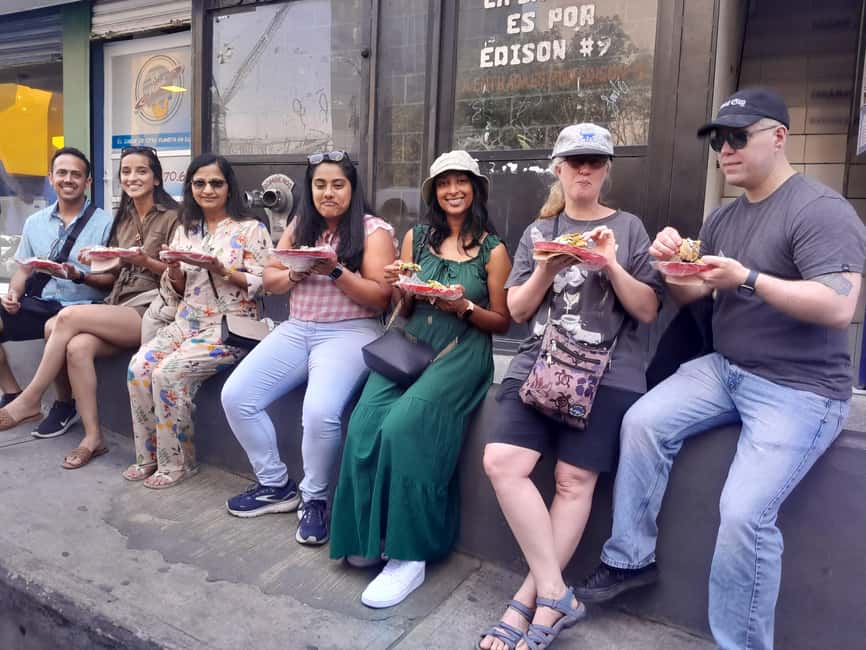
- Four neighborhoods in one outing: The route begins near Alameda Central and finishes in Zona Rosa, with public transport connecting sections.
- Guides who connect food to place: Sharon and Mena explain how dishes are prepared and discuss Mexico City’s political and social setting.
- A practical first-day tour: You get restaurant ideas, neighborhood orientation, and dishes to seek out again during your stay.
- Good for mixed diets: Vegetarians, vegans, and carnivores can all find something satisfying, though one grill is shared with meat.
- Small-group format: Groups are limited to 10, and English and Spanish tours are available.
Why this tour matters for plant-based eaters
Mexico City is famous for street food built around meat, but the familiar dishes often have plant-based versions that are just as fun to try. This experience does not keep you inside a single vegan restaurant. It takes you to street stalls, local restaurants, and family businesses where you can see how everyday eating works in the city.
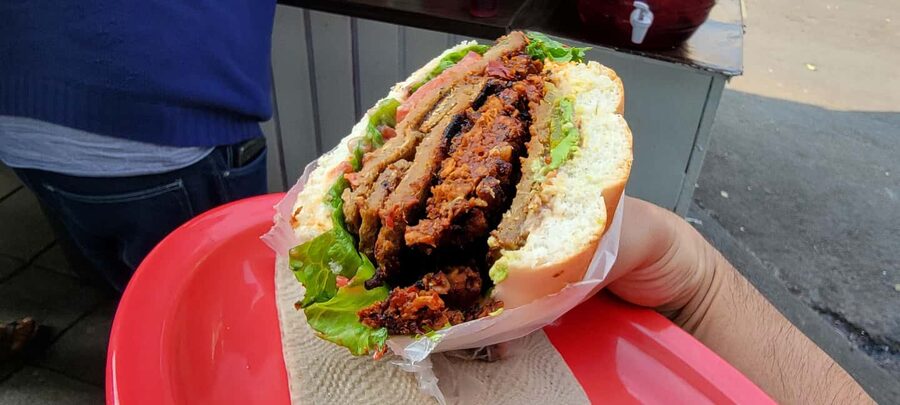
That difference matters. A polished vegan restaurant can be good, but it tells you less about the food people grab between errands, after work, or during a neighborhood outing. Here, you sample versions of chicharron, al pastor, and suadero tacos, along with quesadillas, tlacoyos, sopes, tortas de milanesa, and vegan seafood.
I also like the company’s stated focus on fair wages and local businesses. Your $99 price is not the cheapest way to eat in Mexico City, but part of what you pay supports the guide’s labor and the small places on the route. You are paying for food, transport, translation, local access, and someone else handling the decisions.
A few more Mexico City tours and experiences worth a look



Meeting Sharon or Mena at Hilton Reforma
The meeting point is outside the Hilton Mexico City Reforma, under the Hilton sign on Juarez Avenue. Look for the Travelling Herbivore logo, a green brontosaurus, on a black tote bag, shirt, pin, or cap.
This is a useful meeting place because it is easy to identify and gives you a dependable landmark in the Historical Downtown area. Arrive ready to walk, rather than treating the hotel as the start of a short food crawl. The full route lasts about 3.5 hours, and the walking adds up.
Sharon and Mena are the two guide names that come up most often in the tour details. Both are described as warm, attentive, and well informed about the food and neighborhoods. Sharon has handled everything from private days to larger groups, while Mena is praised for keeping people together and explaining how each stop fits into the city.
The group limit is 10 people. That is small enough for questions and easier movement between stalls, though the tour can occasionally be larger than expected. Wear comfortable shoes, bring sunscreen or a hat, and carry some cash. The included food is generous, but cash gives you flexibility for extra drinks or anything you want to buy later.
Alameda Central starts the eating
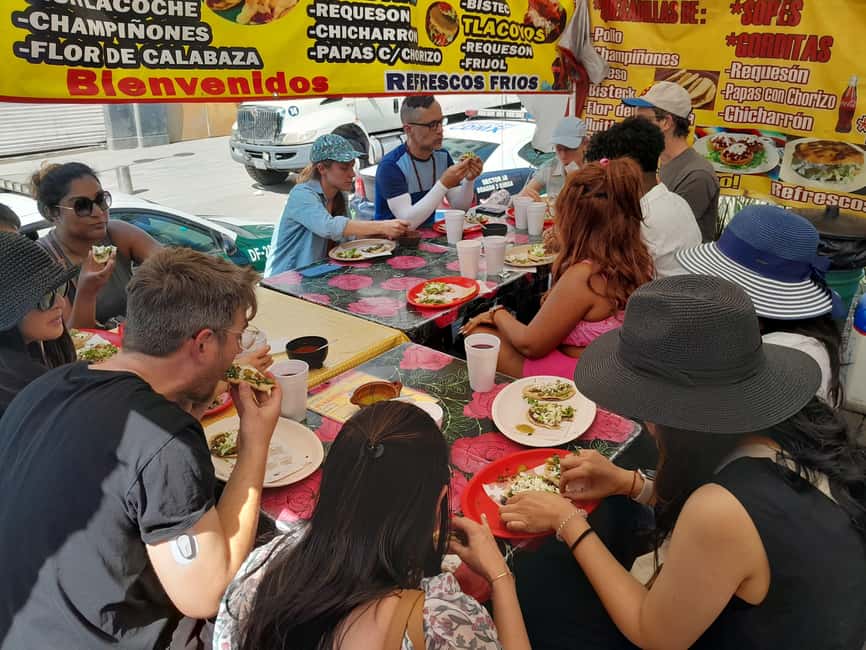
The first food section takes place around Alameda Central, a central park near the starting point. This is a smart opening area because it puts you right into the city’s public life instead of beginning in a tourist-only dining room.
You may start with street food and then move to a local restaurant for another tasting. The exact dishes can change, but the range is the point. You are not simply trying one replacement for one meat dish. You are sampling the many forms Mexican food can take when vegetables, beans, cactus, grains, sauces, and plant-based fillings do the work.
The tour is all-you-can-eat in spirit, with food tastings included throughout. Several people have found the portions large enough to leave them very full, so do not eat a big breakfast beforehand. At the same time, come prepared to pace yourself. It is easy to accept every plate early and regret that generosity when the tacos and churros keep coming.
From central streets to Paseo de la Reforma
After the first food stops, the route uses public transportation for about 15 minutes. Metrobus tickets are included, so you do not need to work out the fare or route while trying to keep up with the group.
This short ride is part of the experience, not dead time. You see how the city connects its central districts and get a break from walking before the next round of food. Follow your guide closely during the boarding and exiting process, especially if the group is near its 10-person limit.
The tour then reaches Paseo de la Reforma for more street food. This broad, important avenue gives the route a change of scale. Instead of staying among historic streets and market-style stalls, you get a sense of one of Mexico City’s best-known public corridors while still eating from local vendors.
That contrast is one of the tour’s strengths. Food is not separated from the city around it. You move from park paths to sidewalks, from a family restaurant to a transport stop, then back to a street stall. The result feels more like a guided day in Mexico City than a series of restaurant reservations.
Tacos, tlacoyos, tortas, and more

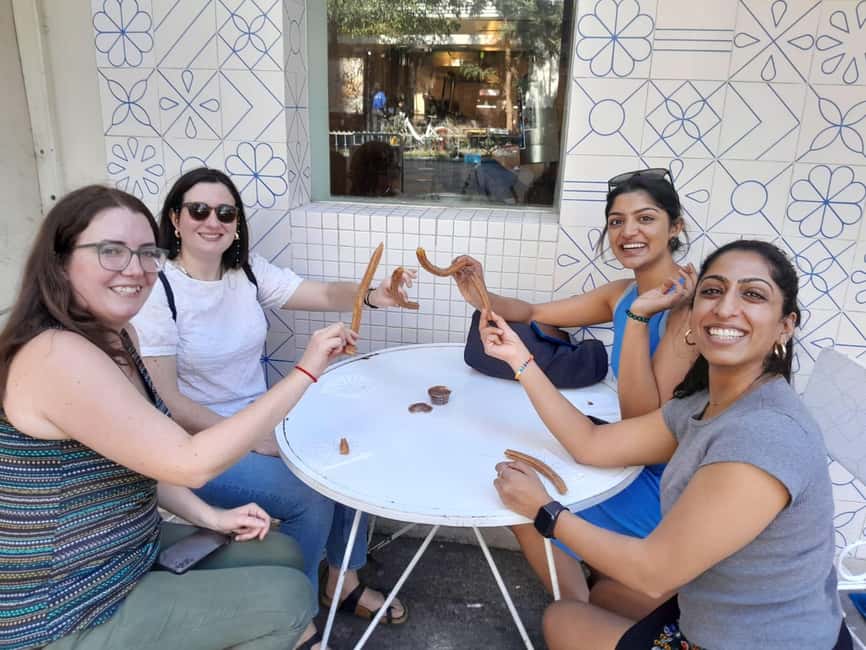
The food list is unusually broad. You may taste vegan tacos filled in the style of chicharron, al pastor, or suadero, then try quesadillas, tlacoyos, sopes, and a plant-based torta de milanesa. There may also be vegan seafood, cactus tacos, agua fresca, ice cream, and churros.
For a vegan, that variety is the major draw. You can try foods that are visually and culturally tied to Mexico’s meat-heavy street-food tradition without having to spend the trip translating menus or guessing about ingredients.
For a vegetarian or mixed-diet couple, the format also works well. The experience is built around vegetarian and vegan food, but the familiar shapes and flavors make it enjoyable even if you normally eat meat. One mixed-diet couple found that both partners had plenty to enjoy, which is useful if you are traveling with someone who does not follow your diet.
The food is not served as a formal tasting menu. Expect street-food portions and a changing route, with some eating done standing or in simple local places. That is part of the appeal, but it may not suit you if you want table service, a fixed menu, or time to linger over every plate.
A few more Mexico City tours and experiences worth a look




The lesser-known stops are the real value
Several stops are described simply as a secret stop, hidden local place, or family business. The useful point is not the mystery label. It is that the route takes you beyond the restaurants most visitors find through a quick search.
You might enter a small place where the owners know the guide, stop at a stall serving working locals, or visit a business run by women or people from communities that receive less attention in the city’s food economy. The guide’s personal ties help with ordering and give you a better chance to understand what is on the plate.
I value this kind of access because it saves you from spending your first days in Mexico City inside the same handful of popular districts. One of the best practical reasons to book this tour early is that you can return to favorite stops later. Several food locations are memorable enough to become part of your own eating plan for the rest of the trip.
Still, small local businesses have their own rhythm. One recent outing had long waits at two restaurants. Most of the time the route is planned to keep waiting short, but street food is not a machine. If you need a tightly timed afternoon appointment afterward, leave plenty of space.
Food safety and the shared grill question
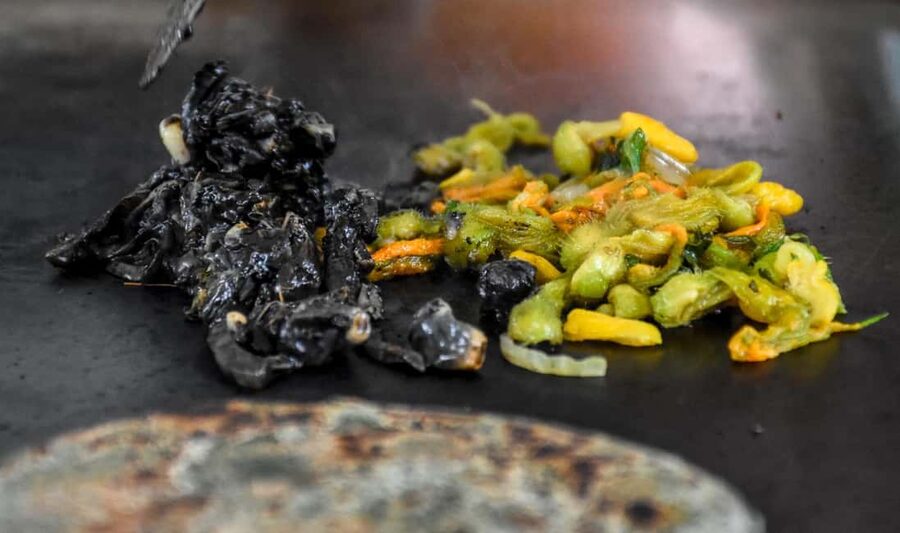
Food safety is a common concern when you are trying street food in a new city, especially when you are vegan. The guides choose partner businesses they trust and handle the ordering, which removes much of the guesswork.
You should still be clear about your needs before the tour begins. One stop shares meat with vegetables. The partner usually cleans the grill for the group, but you can opt out of that item by telling the tour operator in advance.
This detail is important for strict vegans and anyone with a serious allergy or cross-contact concern. The tour is strongly plant-based, but the shared grill means it is not the same as a fully vegan kitchen. Gluten-free participants are welcome, yet you should communicate dietary limits clearly before eating.
Political and social context between bites
The guide does more than identify fillings. You learn about Mexico City, the districts you cross, and the cultural role of the food. The conversation also includes political and social context, including current changes in Mexico and the people who make a living through small food businesses.
That broader discussion gives the route more meaning. A taco is not just a snack. It reflects ingredients, labor, neighborhood habits, and the way public space is used. You get a sense of where people eat and spend time, not only where visitors are told to go.
Guides Sharon and Mena are especially valuable here because their explanations connect the food to local life. Their approach is conversational rather than classroom-like, and there is room for questions. If you enjoy asking about ingredients, preparation, neighborhoods, or current issues, a small group makes the experience more rewarding.
The route can also change with the city around it. One group encountered a puppet parade and a zombie parade, and the guide adjusted without losing control of the outing. That sort of surprise is a good reminder that Mexico City is a living place, not a staged food set.
Finishing in Zona Rosa with a drink
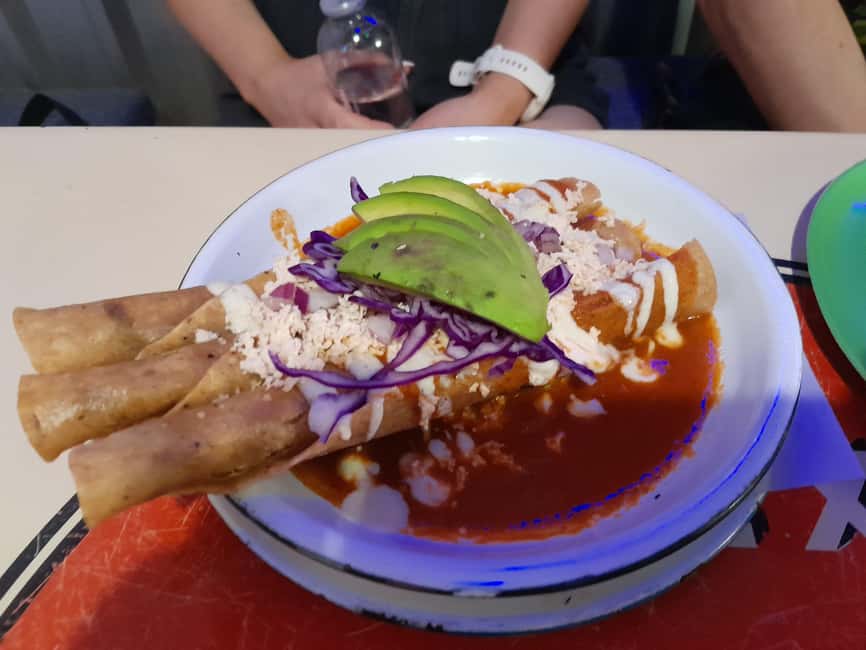
The tour ends in Zona Rosa, Mexico City’s well-known party district. After several hours of walking and eating, you can slow down, digest, and take in the neighborhood’s social energy.
One drink is included: an agua fresca, beer, or bottle of water. Extra drinks and souvenirs cost more. If you choose beer, Zona Rosa is a fitting place to finish. If you prefer something lighter, agua fresca is a good match for the food and heat.
Ending here also gives you options. You can continue exploring, find a meal later, or simply use the area as a convenient point from which to return to your hotel. The tour does not end back at Hilton Reforma, so check your plans before booking a late afternoon activity on the other side of town.
Is $99 a fair price?
At $99 per person, this is not a budget street-food crawl. You could spend far less by ordering individual tacos and snacks on your own. The comparison, however, is not only food against food.
The price covers all tastings, a bilingual English or Spanish guide, Metrobus tickets, and one drink. It also pays for planning a route through four neighborhoods, choosing places that can handle plant-based requests, translating cultural details, and supporting businesses that may not market themselves to international visitors.
I think the value is strongest for a first or second day in Mexico City. You eat enough to replace a meal, learn where to return, and get a practical sense of the city’s central districts. If you already know Mexico City well and only want the cheapest possible tacos, the price may feel high.
The all-you-can-eat format helps justify the cost for a hungry person. It is less attractive if you eat lightly, dislike walking, or are likely to skip several dishes. Come hungry, but pace yourself. The food keeps arriving.
Who should book this food adventure?
I would recommend it most strongly to:
- Vegans who want traditional Mexican food rather than a tour of only modern vegan restaurants.
- Vegetarians who want help finding local food stalls and small restaurants.
- Couples or families with mixed diets.
- First-time visitors who want an orientation through several districts.
- Food-focused visitors who enjoy public transport and walking.
- People who like learning about social issues along with recipes and ingredients.
You should think twice if you have limited mobility, cannot walk several kilometers, need a strictly meat-free kitchen, or dislike eating in casual street settings. The activity is described as wheelchair accessible, but the 4.5 to 5 km walking distance and public transport still deserve a direct conversation with the operator before booking.
The tour is not suitable for people over 75, according to the activity information. The walking, food volume, and city transfers make that age restriction worth taking seriously.
Booking, timing, and practical details
The experience lasts 3.5 hours, with starting times available according to the date you select. Free cancellation is available up to 24 hours before the tour for a full refund, and you can reserve now and pay later.
Bring comfortable shoes, cash, sunscreen, and a hat. You should also arrive genuinely hungry. The guide can help with the route and food choices, but you are responsible for staying hydrated and communicating allergies or cross-contact concerns.
I would book it near the start of your Mexico City stay. That lets you return to favorite stalls, use the Metrobus route with more confidence, and avoid spending the rest of the trip wondering where to find the best plant-based tacos.
Should you book it?
Book this tour if you want traditional Mexican street food in vegan and vegetarian form, a local guide, and a route that reaches beyond the easiest restaurant districts. The food variety, generous portions, personal connections with vendors, and social context make it more useful than a simple meal.
Skip it if you want a short, inexpensive tasting or a fully vegan kitchen at every stop. For most plant-based visitors, though, the combination of food, walking, public transport, and neighborhood knowledge makes the $99 worthwhile, especially as an early-trip introduction to Mexico City.
FAQ
Where does the tour begin?
You meet outside the Hilton Mexico City Reforma under the Hilton sign on Juarez Avenue. Look for the Travelling Herbivore green brontosaurus logo on a black tote bag, top, pin, or cap.
Where does the tour finish?
The tour finishes in Zona Rosa, Mexico City.
How long does the experience last?
The experience lasts 3.5 hours. The walking route covers approximately 4.5 to 5 kilometers.
What food is included?
All food tastings are included. Dishes may include vegan chicharron, al pastor, and suadero tacos, quesadillas, tlacoyos, sopes, tortas de milanesa, vegan seafood, churros, and other Mexican street foods.
Is a drink included?
Yes. One agua fresca, beer, or bottle of water is included. Extra drinks are not included.
Is the tour suitable for gluten-free participants?
The tour states that gluten-free people are welcome. You should still tell the tour operator about your dietary needs before the experience.
What happens if I need to cancel?
You can cancel up to 24 hours in advance for a full refund. The activity also offers a reserve-now-and-pay-later option.
More City Tours in Mexico City

More Food Experiences in Mexico City
More Mexico City Food Tours in Mexico City
More tours in Mexico City we've reviewed







Mexico City Food Tours, compared.
 ★ 5.0Historic Center Food Tour in Mexico CityFrom $1155 hours (approx.)
 ★ 5.0Xochimilco Barco Fiesta Tentacion 18+ with Open Bar and TacosFrom $592 hours (approx.)
 ★ 5.0Lucha Libre Tickets & Tacos & Beer & Mezcal – BEST NIGHT EVER!From $84
 ★ 5.0Polanco Food Tour: The Bestselling Food Adventure in Mexico CityFrom $1093 hours (approx.)
 ★ 5.0Colonia Roma Food TourFrom $1104 hours (approx.)
 ★ 5.0Mexico City Historical Centre Food Tour with 7 Authentic TastingsFrom $653 hours (approx.)
 ★ 5.0Street Food Tour with Friends4 hours 30 minutes (approx.)
 ★ 5.0Mexico City: Hidden Markets, Street Food & Salsa-Making TourFrom $695 hours (approx.)
The lists this tour appears in