
Reviewed · MEXICO CITY
Monarch Butterfly Reserve: Piedra Herrada Magical Valle de Bravo
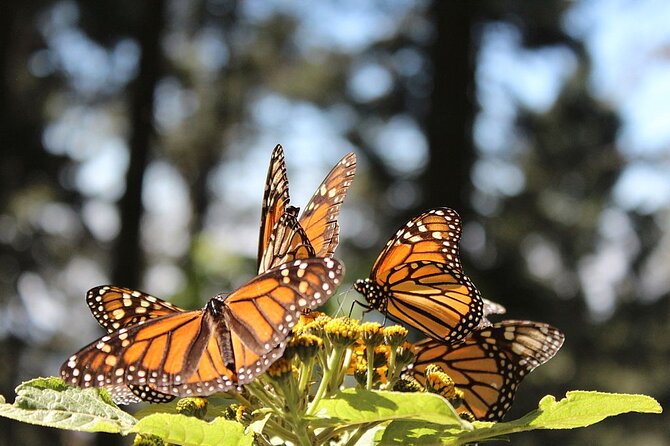
At Piedra Herrada, thousands of monarch butterflies gather in the high mountain forest, sometimes hanging in dense clusters from the trees. This tour pairs that rare sight with Velo de la Novia Waterfall and a walk through Valle de Bravo, giving you nature, small-town Mexico, and a break from Mexico City in one very long day.
In This Article
- Key points to know before booking
- Why the monarchs make this trip worth the effort
- The 7 a.m. start and long ride from Mexico City
- Piedra Herrada: a real mountain hike, not a casual stroll
- Seeing the butterflies in changing weather
- Velo de la Novia adds a welcome change of pace
- Valle de Bravo beyond the postcard view
- Guides who shape the day
- Is $195 a fair price?
- Who should book this day trip?
- Practical details before you reserve
- Should you book the Piedra Herrada and Valle de Bravo tour?
- FAQ
- Where does the tour start?
- What time does the tour begin?
- How long does the experience last?
- When is monarch butterfly season at Piedra Herrada?
- How difficult is the hike to the butterflies?
- Can I hire a horse at the sanctuary?
- Is hotel pickup included?
- What happens if bad weather cancels the tour?
I like the relief of having a guide and driver handle the three-hour trip each way. I also like the guides’ personal touch: Ady helped a slow hiker manage the steep climb, Sal added extra stops, and Andres led a group to excellent market food in Valle de Bravo.
The tradeoff is clear: this is a 12-and-a-half-hour day, and the butterfly hike can be hard. The trail may climb from 2,800 to 3,400 meters, with steep or muddy sections, so you should not book it expecting a gentle wildlife outing.
Key points to know before booking
- Monarch season runs from November through March, with the best chance of peak activity from December through February.
- The hike can take one to two hours each way, depending on where the butterflies are and how quickly you walk.
- The trail reaches roughly 11,150 feet, where cold air, rain, and altitude can make the climb more demanding.
- Horses are available locally for an extra fee, though they cover only about half of the route.
- Valle de Bravo adds real variety, with a waterfall, cobbled streets, local food, shops, and cultural sights.
- The $195 price includes transport, guide service, snacks, drinks, and sanctuary entry, but not tips, insurance, or personal spending.
Why the monarchs make this trip worth the effort
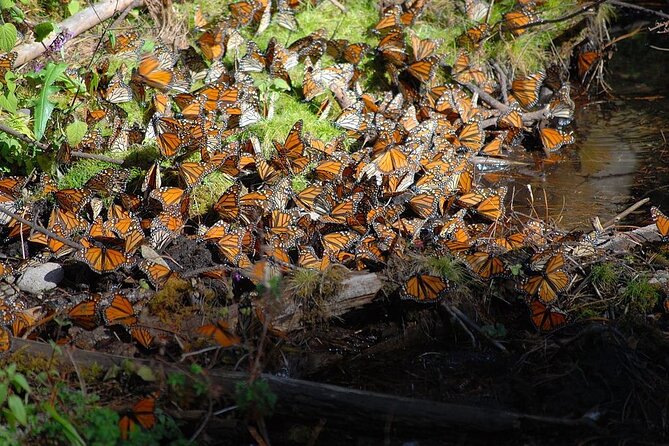
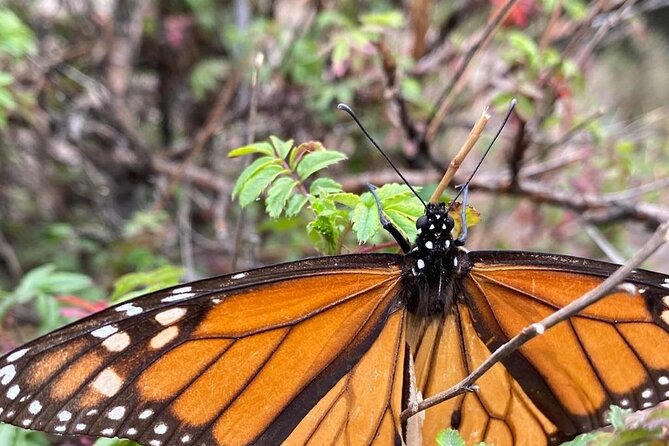
The monarch migration is the main event. Each year, butterflies arrive in the mountains of central Mexico after traveling south from North America. At Piedra Herrada, you are taken into their winter habitat rather than viewing them in a garden or museum.
The exact sight changes from day to day. On a cold or cloudy morning, the butterflies may stay still in the trees. That can feel less dramatic than watching clouds of orange insects lift into the air, but it still gives you a close look at the colonies. When the sun warms the forest, the butterflies may become more active.
You should keep your expectations flexible. Nature does not follow a tour schedule, and the sanctuary’s butterfly locations shift with the season and weather. The experience can be moving even on a chilly day when most of the monarchs remain clustered overhead.
The setting also gives the visit its power. You are walking uphill through a high mountain forest, not simply stepping off a bus at a viewing platform. The effort helps explain why this is a protected natural place and why sturdy shoes, patience, and moderate fitness matter.
If you're still narrowing it down, here are other tours in Mexico City we've reviewed.

The 7 a.m. start and long ride from Mexico City
You meet at the Angel of Independence on Paseo de la Reforma at 7 a.m. The ride to the sanctuary takes about three to three and a half hours, depending on traffic. The return trip takes about the same time, so plan for a full day away from your hotel.
That sounds like a lot of driving, and it is. Still, the transport is one of the tour’s strongest practical features. Mexico City traffic, unfamiliar roads, and mountain directions can turn a self-drive day into a chore. Here, you can sit back while your guide explains places along the way and points out the changing scenery.
The guide is also useful before the vehicle leaves. Ady arrived early for one pickup and contacted her group the day before, helping avoid confusion. The meeting details call for a valid phone number with an international prefix, and you should keep that phone available on the day of the tour.
Hotel pickup and drop-off are included only with the private option. For the group format, you need to reach the designated meeting point yourself. The details also describe this as a private activity in which only your group participates, so confirm the exact format when booking if that distinction matters to you.
Non-alcoholic drinks and snacks are included. That is welcome on a long day, though you should still be ready for a late or optional lunch at the sanctuary area.
Piedra Herrada: a real mountain hike, not a casual stroll
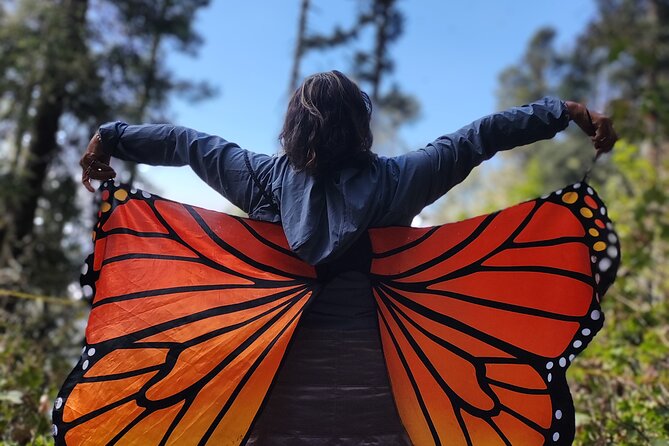
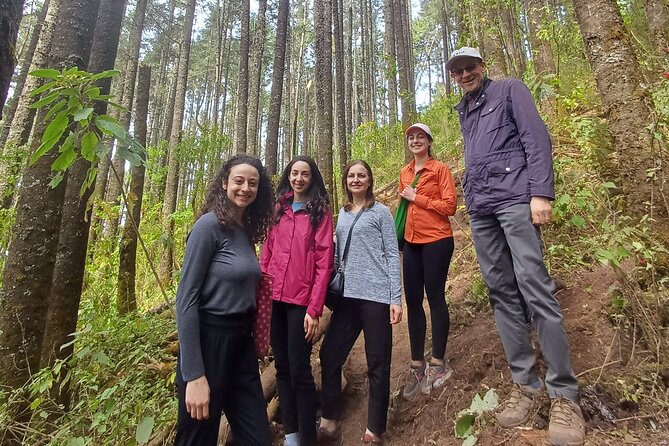
The route into Piedra Herrada usually takes one to two hours, with a similar return journey. The distance can range from about 1.2 to 3 kilometers, and the elevation gain can range from 220 to 800 meters. Those numbers vary because the butterflies move within their habitat.
The trail rises from about 2,800 meters to as high as 3,400 meters. At the upper point, you are around 11,150 feet above sea level. Even fit people may need to slow down, especially if they are not used to high altitude.
One description of the outing puts the round trip at about 3.3 miles and 1,400 feet of climbing. That gives you a useful idea of the challenge, but conditions can differ. Mud, slippery ground, cold temperatures, and the location of the colonies all affect the pace.
Wear shoes with good grip and bring warm layers. The sanctuary can be cold, and rain or damp ground can make the climb harder. You should also bring patience. Sal was praised for giving a slow hiker time to continue, and that sort of calm support matters more here than a fast schedule.
Horses can be hired locally for the steepest sections, at an additional cost. They do not carry you for the whole route, covering only about half the journey. If you are uncomfortable with a sustained uphill walk, consider this option, but do not assume it removes the physical challenge completely.
Seeing the butterflies in changing weather
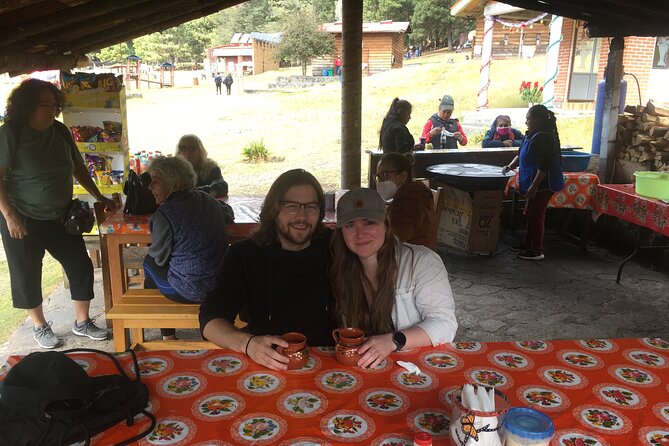
The ideal season is November through March, with December through February the strongest period for sightings. Even during those months, the daily display depends on the weather.
Cold conditions can leave the butterflies gathered in the trees. Rain also reduces activity. You may see fewer butterflies flying, but the clusters can still be impressive and close enough to appreciate. In warmer sun, you have a better chance of seeing movement through the forest.
Your guide helps you understand what you are seeing and positions you for a better view. Omar and Alonso used the ride to share historical information and answer questions, while Sal made sure his group had good access at the preserve. Those details point to the value of guided access here: the guide is not just a driver, but your link to the place.
Do not touch the butterflies or expect a staged wildlife encounter. The sanctuary works best when you accept its natural rhythm. If your main goal is a dramatic cloud of monarchs in flight, choose a sunny day in the peak season when possible, but remember that no operator can control the weather.
An optional lunch takes about 45 minutes. One account describes lunch as included on that particular outing, while the main details list personal expenses separately and call lunch optional. I would ask your guide what is covered on your booking and bring money for food, drinks, and small purchases.
Velo de la Novia adds a welcome change of pace
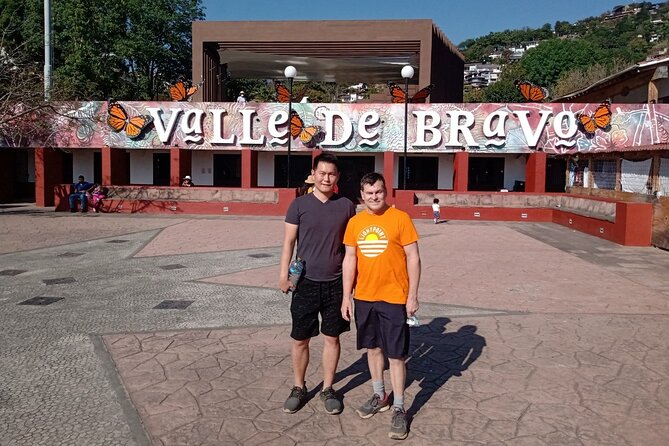
After the sanctuary, the vehicle takes about an hour to Valle de Bravo. The first stop is Velo de la Novia Waterfall, visited during a two-hour Valle de Bravo segment.
The waterfall gives your legs a break from the uphill trail while keeping the day outdoors. It is also a useful change in scenery after the mountain forest and monarch habitat. The visit is included in the guided experience, with no separate admission listed in the schedule.
The time at this stop may also include other extra stops, depending on the guide and the day. Sal was especially praised for adding touches that made the outing feel less rushed. Do not count on a particular unscheduled stop, but a private format can give the guide more room to adjust the pace.


Valle de Bravo beyond the postcard view
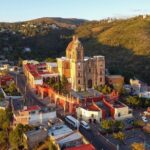
Valle de Bravo is a historic town built largely in the 16th century, with cobbled streets, markets, old buildings, and a lakeside setting. The town visit lasts about two hours, which is enough for a walk and a meal, but not enough for an exhaustive tour.
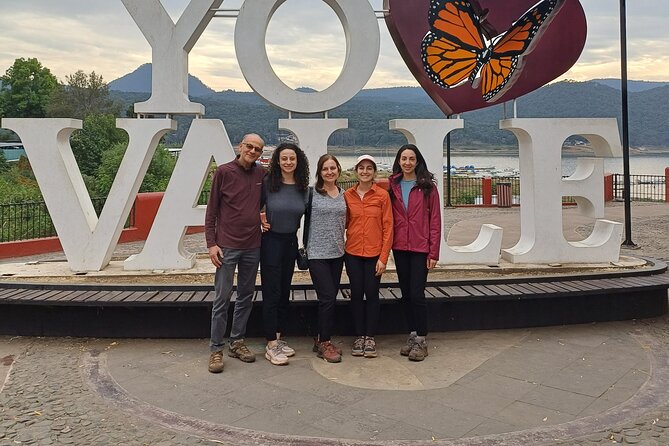
The guide leads you through the historic center, including Independence Square and the Joaquin Arcadio Pagaza Cultural Center. You may also visit the Museum of Popular Art, which is listed among the included admissions. The exact order of these stops can depend on the day.
This is where the tour becomes more than a butterfly transfer. You get time to see how local life works in a small Mexican town, rather than returning straight to Mexico City after the sanctuary. Andres guided one group toward especially good food in the market, and artisanal ice cream is part of the stroll.
Allow time for personal spending here. Food, ice cream, crafts, and market purchases are not covered as general personal expenses. The town section is not just filler after the main attraction, but your priorities matter: if you want a long, relaxed lunch and serious shopping, the two-hour visit may feel short.
Guides who shape the day
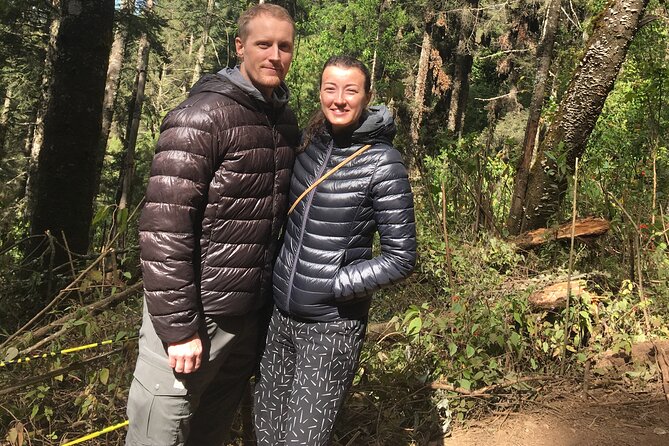
The strongest praise centers on the guides. Ady was described as patient and reassuring during the climb, while Sal helped with access to the monarchs and added extra stops. Andres kept communication clear and led his group to local market food.
Omar and Alonso used the drive to explain the places along the route and respond to questions. Alberto was singled out for being friendly, helpful, and well informed. Since the long drive and mountain walk make guide quality important, these examples are encouraging.
The service is described as multilingual, with English offered. Your experience will still depend on the guide assigned that day, but the tour places a guide beside you for the parts that need context and judgment.
The driver matters, too. Gabriel was praised for handling the roads well and for being friendly. A skilled driver is a real benefit when you are spending six to seven hours on the road and moving between Mexico City, the sanctuary, and Valle de Bravo.
Is $195 a fair price?
At $195 per person, this is not a cheap day trip. The price includes round-trip transport from Mexico City, a multilingual local guide, snacks, non-alcoholic drinks, entry to the monarch sanctuary, and the listed waterfall and museum visits.
The value depends on how you measure convenience. If you rented a car, you would still need to manage traffic, mountain roads, directions, parking, sanctuary arrangements, and the return journey after a strenuous hike. The tour also saves you from trying to combine the butterfly reserve and Valle de Bravo on your own.
You should budget extra for tips, insurance, personal purchases, lunch if it is not included in your booking, and a possible horse ride. The listed price includes a commission from the online booking platform, sometimes up to 30 percent, so a discount may not be available.
For a private group, the price can make more sense because you are paying for flexibility and personal attention. For a group departure, compare the meeting requirements and inclusions carefully. Group discounts are available, but the exact savings are not stated.
Who should book this day trip?
I would recommend it to you if the monarch migration is high on your Mexico list and you want someone else to handle the transport. It also suits people who like a full day with several distinct stops rather than a single attraction.
You should be comfortable with a moderate physical effort at altitude. If you have trouble with steep uphill walking, ask about the horse option before you go, and remember that horses cover only part of the route.
This is less suitable if you want a leisurely schedule, dislike long rides, or need guaranteed butterfly activity. It is also a poor match for anyone expecting hotel pickup on a group booking, since pickup is listed only for private tours.
The best timing is December through February, when the sanctuary is most likely to be at its seasonal peak. Still, November and March remain within the stated season, and the sight can be worthwhile outside the busiest weeks.
Practical details before you reserve
You receive confirmation at booking, and the experience offers free cancellation up to 24 hours before the start time. Cancellations or changes made less than 24 hours in advance are not refunded or accepted.
The tour requires good weather. If poor conditions cause cancellation, you are offered another date or a full refund. The same choice applies if the minimum number of participants is not met.
Bring a valid international phone number to the operator and keep it available. If the guide cannot reach you for pickup or meeting coordination, the booking may be treated as a no-show.
The tour returns to the Angel of Independence meeting point after the day. Since the return depends on traffic, avoid scheduling a fixed evening activity immediately afterward.
Should you book the Piedra Herrada and Valle de Bravo tour?
Book it if you want a serious monarch encounter, are ready for a high-altitude hike, and value a guide, driver, and planned route. The combination of butterflies, waterfall, historic town, market food, and cultural stops gives you much more than a quick wildlife visit.
Skip it if you need a short outing or cannot manage a steep trail. For everyone else, this is a demanding but rewarding day, especially in sunny December, January, or February weather. Go prepared for cold, mud, altitude, and a long ride, and the reward can be one of the most memorable nature experiences near Mexico City.
FAQ
Where does the tour start?
It starts at the Angel of Independence, at Av. Paseo de la Reforma 342, Piso 27, in the Juárez area of Mexico City.
What time does the tour begin?
The stated start time is 7 a.m.
How long does the experience last?
The full experience lasts approximately 12 hours and 30 minutes, including the journeys to and from Mexico City.
When is monarch butterfly season at Piedra Herrada?
The sanctuary season runs from November through March, with the peak period generally from December through February.
How difficult is the hike to the butterflies?
A moderate level of fitness is usually required. The hike can take one to two hours, and the trail may rise from 2,800 to 3,400 meters, with elevation gains between 220 and 800 meters.
Can I hire a horse at the sanctuary?
Yes. Horses can be hired locally for an additional cost, but they cover only about half of the journey.
Is hotel pickup included?
Hotel pickup and drop-off are included only with the private tour option. Group bookings require you to meet the guide at the designated meeting point.
What happens if bad weather cancels the tour?
You can choose a different date or receive a full refund if the experience is canceled because of poor weather.
More tours in Mexico City we've reviewed

Mexico City, compared.
 ★ 5.0Teotihuacan, Guadalupe Shrine & Tlatelolco Day Tour with LunchFrom $399 hours (approx.)
 ★ 4.5Xochimilco, Coyoacan and Frida Kahlo with Optional LunchFrom $349 hours (approx.)
 ★ 5.0Balloon flight + Breakfast in cave + Pyramids + Pick up CDMX.From $1722 to 8 hours (approx.)
 ★ 5.0Teotihuacan pyramids morning or afternoon without tourist trapsFrom $645 hours 30 minutes (approx.)
 ★ 4.5Teotihuacan Early Access Guided Tour with optional LunchFrom $398 hours (approx.)
 ★ 5.0Balloon flight + pick up in CDMX + Breakfast in Cave + PyramidsFrom $1694 to 7 hours (approx.)
 ★ 5.0Balloon Flight + Cave Breakfast + Pick Up from CDMX or We FlyFrom $1663 to 9 hours (approx.)
 ★ 4.6Mexico City: Teotihuacan, Tlatelolco & Guadalupe Shrine TourFrom $49