
Reviewed · MEXICO CITY
Mountaineering to the Nevado de Toluca (altitude 4680m)
Nevado de Toluca gives you something rare: a high-altitude summit climb with two blue-green crater lagoons sitting inside an extinct volcano. From Mexico City, you can reach a 4,680-meter peak in one very long day, with mountain guides leading the route.
In This Article
- Key points to know before you book
- Why Nevado de Toluca is worth leaving Mexico City for
- The 7:00 am start from Condesa
- Walking into the volcanic crater
- The final scramble toward Pico del Fraile
- The descent is harder than it looks
- Altitude is the real challenge
- What the guides add to the day
- Gear, food, and what to bring
- Lunch and the ride home
- Who should book this climb
- Should you book the Nevado de Toluca tour?
- FAQ
- Where does the Nevado de Toluca tour start?
- Where does the tour end?
- How long does the full experience last?
- What is the highest point reached on the tour?
- Will I see lagoons during the hike?
- Is transportation included?
- Is lunch included?
- Is hiking equipment provided?
- Is the tour suitable for children?
- Can the tour be canceled because of weather?
I like the small maximum group of 10, which lets guides such as Beto, Alan, Cesar, and Alberto keep an eye on pace and altitude symptoms. I also like that private transport, lunch, safety equipment, and recent outings have included packs, water, snacks, and walking poles.
The catch is simple but serious: altitude can stop even fit hikers. The drive takes you rapidly from Mexico City to the high trailhead, and a group tour may turn around if one participant cannot continue. This is a mountaineering day, not a casual volcano walk.
Key points to know before you book
- The summit reaches 4,680 meters: Expect thin air, cold, wind, and a real physical test.
- The crater holds two remarkable lagoons: The route combines volcanic scenery with a demanding mountain climb.
- The final ascent involves scrambling: The rocky upper section is not highly exposed, but you need sure footing and comfort using your hands.
- The tour runs from Condesa: Pickup is at Av. Vicente Suárez 38 at 7:00 am, with return to the same point.
- The group limit is 10 people: This keeps the cost moderate while allowing personal attention from the guide team.
- A summit is not guaranteed: Weather, altitude, fitness, and the pace of the group can change the day.
Why Nevado de Toluca is worth leaving Mexico City for
Mexico City has plenty to keep you busy, but Nevado de Toluca offers a sharp change of scene. You leave the city behind, climb into a cold volcanic environment, and walk around a crater that contains two striking lagoons.
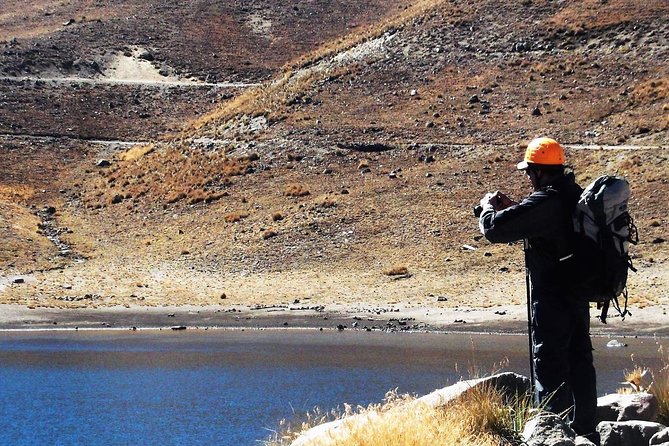
The mountain is Mexico’s fourth-highest peak. Its upper area is an extinct volcano with a broad caldera, and the highest summit is called Pico del Fraile. The crater lakes give the outing its special character. You are not simply walking uphill toward a distant summit. You are moving through a volcanic bowl, past water, ridges, scree, and high alpine rock.
I like the contrast. The lower route allows you to appreciate the crater and lagoons, while the upper route asks for more strength and balance. That makes the day rewarding even if altitude or weather prevents a summit finish.
The lagoons are also a useful reminder that this is not a standard Mexico City day trip. The air is cold and thin. Weather can shift quickly. Wind, rain, snow, or a sudden drop in temperature can make the final section much harder than it looks from the parking area.
If you're still narrowing it down, here are other tours in Mexico City we've reviewed.
The 7:00 am start from Condesa
The meeting point is at Av. Vicente Suárez 38 in Colonia Condesa. The activity begins at 7:00 am and ends back there later in the day.
The total outing takes about 10 to 12 hours, with roughly eight hours at Nevado de Toluca. That makes this a full-day commitment. Do not schedule a tight evening plan, an airport transfer, or a late-night event after it.
The drive to the mountain takes about three hours, and Mexico City traffic can add stress or delay. One outing lost about an hour to traffic, leaving less time to move at a comfortable pace before the mountain’s cutoff. I would arrive at the meeting point early and keep the morning free of complications.
Private transportation is included, which is a major part of the value. Reaching the mountain independently would require sorting out a long transfer, park access, and a safe return. Here, you can use the drive to rest, eat, and prepare for the climb.
The early departure also matters for safety. A mountain day needs enough daylight for the ascent and descent. The tour’s schedule is shaped by the distance from the city, the time needed at altitude, and changing weather.
Walking into the volcanic crater
At the mountain, the route begins near the parking area on a broad path. The first section is not a technical climb, but the altitude makes even easy walking feel harder than expected.
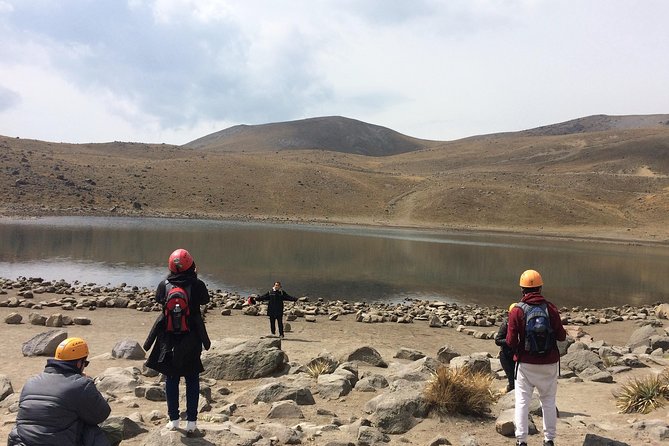
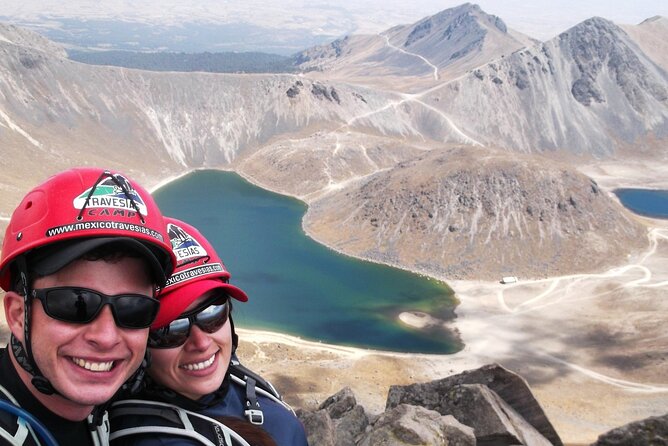
You cross the crater rim and continue toward the lagoons. From here, the setting becomes the day’s first major reward. The water sits inside the old volcanic caldera, with steep ridges and high slopes surrounding it.
The route then follows one of the lagoons before becoming steeper. This gradual change is important. You have time to look around and settle into the pace before reaching the rocky upper section.
Your guide should monitor how you are breathing, how often you need breaks, and whether you are developing a headache, nausea, or unusual fatigue. Guides Beto, Alan, Cesar, Alberto, Bernardo, Carlos, Johannes, and Santiago have each been praised for encouragement, patience, photographs, and attention to safety during different outings.
That support is not just friendly service. At this altitude, a guide’s judgment can determine whether you continue, shorten the route, or turn back. The best approach is to be honest from the start. Do not hide symptoms because you want to reach the top.
The final scramble toward Pico del Fraile
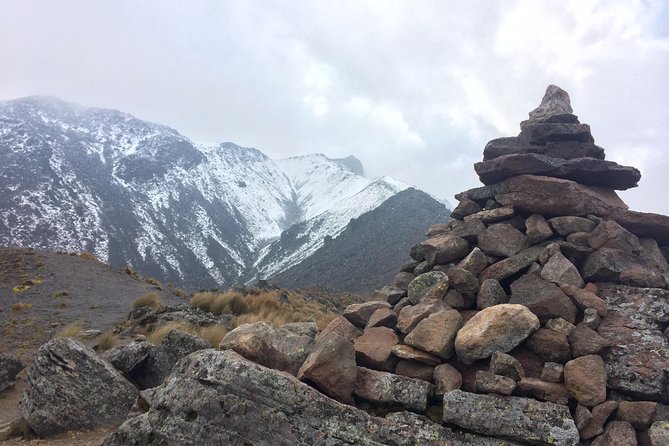
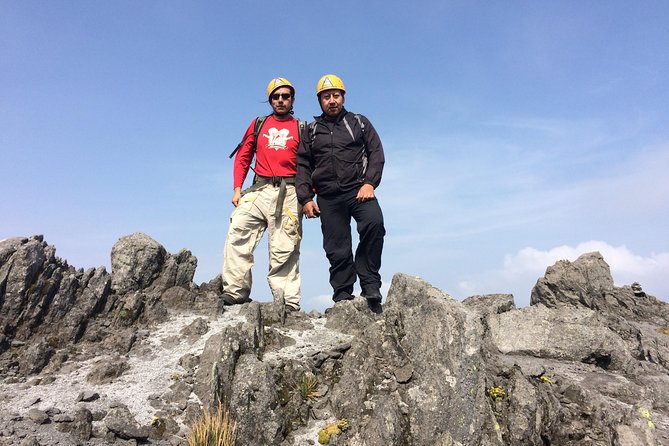
The upper part is where this outing becomes mountaineering. The final ascent includes a scramble over rocks. You may use your hands for balance and progress, but the route has been described as non-exposed, meaning there is no major drop directly beside the scrambling section.
Still, do not treat that as easy. Loose rock, steep ground, cold fingers, and thin air can make simple movements tiring. Proper hiking boots matter. Running shoes may save luggage space, but they are a poor choice for this terrain.
Some descriptions place the final section around a class 3 scramble. If you have experience with easy scrambling, you will have a useful advantage. If you are new to it, the guide can help with foot placement and the technical sections, but you still need enough balance and strength to move safely.
The highest point is Pico del Fraile at 4,680 meters. A successful summit depends on several things at once: your condition, your acclimatization, the weather, the group’s speed, and the guide’s safety decision.
One important detail is that the route may pass Campanario, an earlier summit at about 14,730 feet. Reaching Campanario is a meaningful high point, but it is not the main summit. Make sure you understand the route plan before setting out, especially if the summit is the main reason you booked.
The descent is harder than it looks
Going down is not simply the easy half. The return includes a steep scree slope, with loose gravel and sand sliding underfoot. Walking poles are especially useful here, and the equipment provided on recent outings has included poles.
Take short steps and avoid rushing. A fast descent can send loose material downhill and make you lose balance. Your legs may also be tired from the climb, while the altitude continues to affect coordination.
The descent back toward the crater and parking area offers different views of the lagoons and volcanic ridges. It can also feel long. One outing involved about six hours on foot, while the full mountain portion is described as roughly eight hours.
Your guide may shorten the route or adjust the pace if the group is struggling. That is sensible mountain management, even if it disappoints someone who expected a summit. A group tour requires a shared pace, and the guide cannot safely leave a slower participant alone on the mountain.

Altitude is the real challenge
Fitness helps, but it does not cancel out altitude. Several strong hikers found the elevation more difficult than expected, and some experienced headaches or nausea after the outing.
The tour takes you by vehicle to roughly 4,000 meters and then begins climbing toward 4,680 meters. That rapid gain is the central physical issue. Spending a few days in Mexico City before the climb may help you adjust somewhat, but Mexico City itself is much lower than the mountain.
I would avoid alcohol the night before, eat a proper breakfast, rest well, and bring a calm attitude. Carbohydrates can help fuel a long day. Drink steadily, but do not force excessive water.
You should have a moderate level of physical fitness at minimum. The activity is not recommended for children under 14. You also need to be willing to stop or turn around if your body reacts badly.
The strongest warning is for people who expect a relaxed hike simply because the route starts on a wide path. The mountain may feel gentle near the lagoons, then become demanding as the path steepens and the air gets thinner.
What the guides add to the day
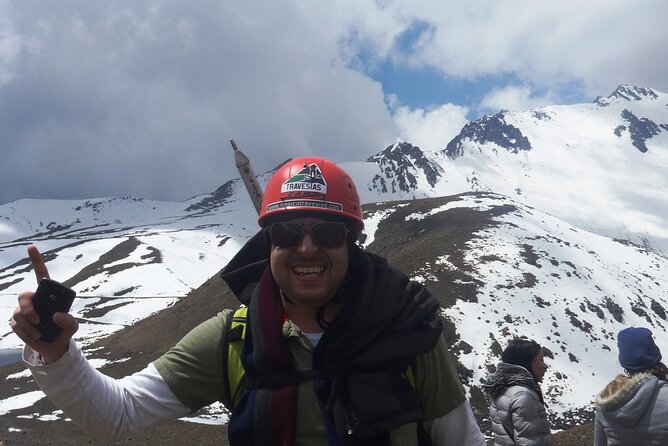
The guide team is one of the tour’s strongest features. Beto has been described as encouraging while helping with the technical sections. Cesar has been praised for checking altitude symptoms and supporting a solo climber to the summit. Alberto has focused on making sure hikers ate and drank enough.
Alan has led groups through difficult conditions and helped keep people moving. Bernardo has helped with acclimatization and taken photographs along the route. Carlos, Johannes, and Santiago have also been singled out for patience and safe handling of the climb.
Those details matter because a guide on this mountain is not just there to point out the path. The guide sets the pace, explains rocky moves, watches the weather, and decides when safety comes first.
A small group of 10 is a good compromise. It costs less than hiring a private guide, while still allowing more attention than a large bus tour. The tradeoff is that your day can be shaped by the least prepared person in the group.
One dissatisfied participant was unable to reach the main summit because another hiker struggled almost immediately. The company explained that it does not leave people alone on the mountain and tries to keep the group together. That is a fair safety position, but it also means a strong hiker cannot assume a guaranteed summit on a shared departure.
If reaching Pico del Fraile is your top priority, ask about a private option before booking. The supplied information confirms this activity is a group tour with a maximum of 10, not a private summit guarantee.
Gear, food, and what to bring
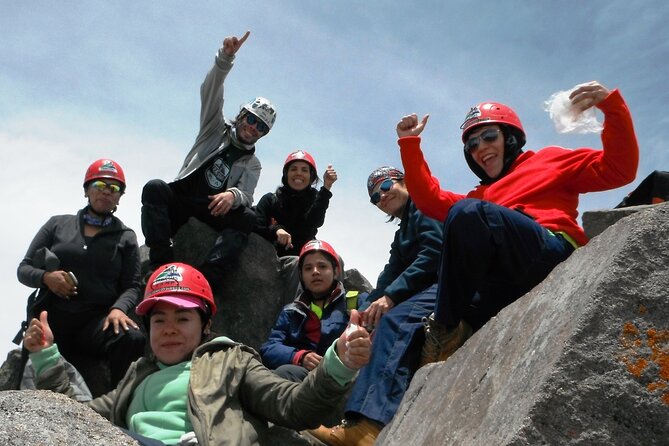
Safety equipment and lunch are included, along with private transportation. Recent outings have also included a backpack, helmet, water, sports drink, snacks, and poles. Vegetarian snacks were available on one outing, but you should state dietary needs when arranging the activity rather than assume every meal will suit you.
Bring your own extra water and snacks. A long day at altitude can leave you hungry before the scheduled meal, and one outing felt less organized because the timing of food was not explained clearly.
Dress for quick weather changes. You should pack:
- Waterproof clothing
- Warm layers
- Hat and gloves
- Proper hiking boots
- Sunglasses
- Sunscreen, including protection for your ears and neck
- Extra snacks and water
A rain jacket is not optional in this setting. Snow and strong wind have occurred near the summit, while another outing began in clear weather. Layers work better than one heavy coat because you can warm up quickly on the climb and cool down just as fast during breaks.
Alcohol is not included. That is a minor point, but it fits the practical needs of the day. This is not a picnic with a mountain view. You need clear judgment and reliable footing.
Lunch and the ride home
Lunch is included, and several outings ended with a meal at a local restaurant or small family kitchen. One group enjoyed tacos on the way back to Mexico City, while another received lunch at a pleasant restaurant away from the main route.
The exact meal setting may vary, so think of lunch as useful fuel rather than a fixed dining experience. After several hours at altitude, a proper meal can feel like a welcome reset.
The ride back is part of the long day. You may be tired, dusty, and ready to sit quietly. Returning to the Condesa meeting point keeps the logistics simple, but traffic can again affect the final arrival time.
The price is $166.68 per person. For that amount, you are paying for a full-day transfer from central Mexico City, a mountain guide, safety equipment, lunch, and a small shared group. I consider that solid value if you want the mountain experience without arranging transport and technical support yourself.
The value drops if you mainly want a scenic crater visit and do not care about the climb. In that case, a less demanding outing may suit you better. This tour earns its price through the high altitude, guide support, and long transport day, not through luxury.
Who should book this climb
I would choose this activity if you want a serious physical day outside the city, have suitable hiking clothing, and accept that the summit may not happen.
It suits hikers with experience on steep trails, people comfortable with cold mountain weather, and visitors who want to see an extinct volcano from inside its crater. It can also suit a fit novice, provided you understand that novice does not mean unprepared.
I would hesitate if you have only walked flat city paths, dislike group pacing, or need a fixed summit result. I would also reconsider if you have just arrived from sea level and have no spare day in case altitude affects you.
The strongest choice is to book with realistic goals: enjoy the lagoons, climb as far as conditions allow, and treat the summit as a bonus. That mindset lets you appreciate the mountain without turning every slow section into a crisis.
Should you book the Nevado de Toluca tour?
Book it if you want one of Mexico City’s most memorable outdoor challenges and value having transport, equipment, lunch, and a guide arranged for you. The crater lagoons, high ridges, and final rock scramble make this far more than a routine walk.
Do not book it expecting a guaranteed summit or a relaxed sightseeing trip. Ask yourself if you can handle 10 to 12 hours, rapid altitude gain, cold weather, loose scree, and the possibility of turning back for safety.
For a shared tour at $166.68, this is a strong option for prepared hikers. If the summit matters more than the group experience, seek a private guide. If you are ready for the effort and respect the mountain’s limits, Nevado de Toluca can become the highlight of your time in Mexico City.
FAQ
Where does the Nevado de Toluca tour start?
The tour starts at Av. Vicente Suárez 38, Colonia Condesa, Cuauhtémoc, Mexico City, at 7:00 am.
Where does the tour end?
The activity ends back at the same meeting point in Colonia Condesa.
How long does the full experience last?
The full experience takes approximately 10 to 12 hours. The mountain portion is listed as about eight hours.
What is the highest point reached on the tour?
The route aims for the summit of Nevado de Toluca at 4,680 meters. The highest summit is called Pico del Fraile.
Will I see lagoons during the hike?
Yes. The route enters the volcano’s crater and passes the lagoons inside it.
Is transportation included?
Yes. Private transportation from the Mexico City meeting point and back is included.
Is lunch included?
Yes. Lunch is included in the tour price.
Is hiking equipment provided?
Safety equipment is included. Recent outings have also included items such as helmets, walking poles, backpacks, water, and snacks.
Is the tour suitable for children?
The activity is not recommended for children under 14. Participants should have a moderate level of physical fitness.
Can the tour be canceled because of weather?
Yes. The activity requires good weather. If poor weather causes cancellation, you will be offered a different date or a full refund. You can cancel for a full refund if you do so at least 24 hours before the start time.
More tours in Mexico City we've reviewed

Mexico City, compared.
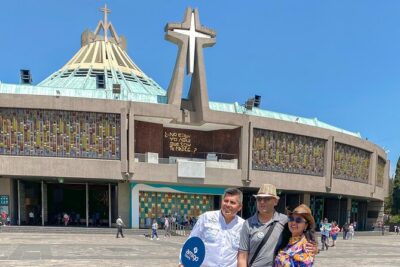 ★ 5.0Teotihuacan, Guadalupe Shrine & Tlatelolco Day Tour with LunchFrom $399 hours (approx.)
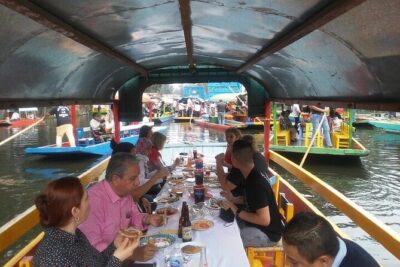 ★ 4.5Xochimilco, Coyoacan and Frida Kahlo with Optional LunchFrom $349 hours (approx.)
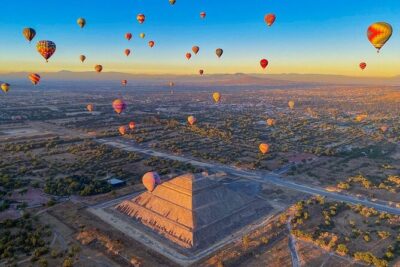 ★ 5.0Balloon flight + Breakfast in cave + Pyramids + Pick up CDMX.From $1722 to 8 hours (approx.)
 ★ 5.0Teotihuacan pyramids morning or afternoon without tourist trapsFrom $645 hours 30 minutes (approx.)
 ★ 4.5Teotihuacan Early Access Guided Tour with optional LunchFrom $398 hours (approx.)
 ★ 5.0Balloon flight + pick up in CDMX + Breakfast in Cave + PyramidsFrom $1694 to 7 hours (approx.)
 ★ 5.0Balloon Flight + Cave Breakfast + Pick Up from CDMX or We FlyFrom $1663 to 9 hours (approx.)
 ★ 4.6Mexico City: Teotihuacan, Tlatelolco & Guadalupe Shrine TourFrom $49