
The best part of this Mexico City experience is that it connects the market to the kitchen. You begin with agua fresca and a short lesson on Mexican food, walk through Mercado de Coyoacan, taste from selected stalls, then return to Aura Casa Coyoacán to cook a full meal with a professional chef.
In This Article
- Key points at a glance
- A Coyoacan morning built around food
- Mercado de Coyoacan before the cooking begins
- Rolling tortillas and making the meal
- Flan and the reward at the table
- Why the small group matters
- What the $155.36 price really covers
- Practical details before you book
- Who should book this cooking class?
- Should you book Aura Cocina Mexicana?
- FAQ
- Where does the cooking class meet?
- What time does the experience start?
- How long does the activity last?
- Is the class offered in English?
- How many people can join the class?
- What food will I prepare?
- What is included to drink?
- Can I have something other than chicken with the mole?
- What should I wear for the cooking class?
I like the small limit of eight students, which gives you room to ask questions and handle the food yourself. I also like the mix of practical recipes and cultural context, from dried chiles and molcajete salsa to the place of mole in Mexican celebrations. The one consideration is the price: at $155.36 per person, this is not a cheap meal, but it includes a market visit, four-course lunch, drinks, instruction, and digital recipes.
Key points at a glance
- Small class, maximum eight people: You get more direct help than in a large demonstration-style cooking class.
- Mercado de Coyoacan comes first: Learn how the market is organized, see its food halls, and sample selected products.
- A complete Mexican meal: Prepare quesadillas, red rice with fried plantain, hand-made tortillas, mole rojo, and flan.
- Drinks are part of the meal: Enjoy agua fresca, hot chocolate, and a choice of artisanal mezcal, Mexican craft beer, or Mexican wine.
- Dietary adjustments are possible: Mole rojo is usually served with chicken, but panela cheese or mushrooms can be requested.
- Recipes go home with you: Digital instructions make this more useful than a meal you simply remember.
A Coyoacan morning built around food
The class starts at 9:30 a.m. at Aura Casa Coyoacán, located at San Gregorio 3 in Coyoacan. The activity lasts about four hours and 30 minutes and ends back at the same meeting point.
That timing works well for a food-centered morning. You are likely to finish with a substantial lunch in the early afternoon, so eat lightly beforehand. One cooking class attendee specifically found the meal filling, and the menu gives you good reason to believe it. This is not a quick snack stop followed by a short demonstration.
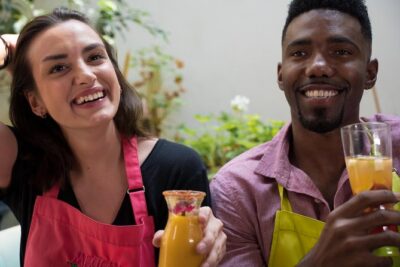
Your first drink is agua fresca, a fruit-based Mexican beverage. It is a pleasant way to settle in while the instructor introduces the history and traditions behind Mexican cooking. This opening matters because the dishes are not presented as disconnected recipes. You learn how ingredients, techniques, and celebrations fit together.
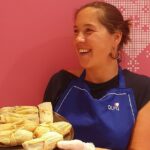
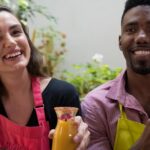
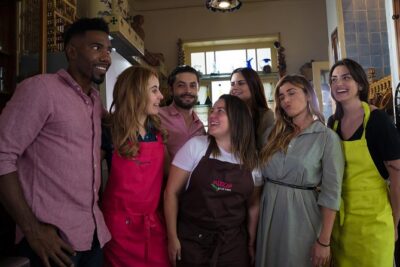
The instructors named in the experience include Pame, Graciela, Dani, and Christen, with the exact instructor depending on the class. Pame is described as warm and helpful, with a knack for adding food facts without turning the lesson into a lecture. Graciela is especially attentive to allergies and substitutions, and assistants help keep an eye on food cooking at the stove while you work on another part of the meal.
Other cooking classes in Mexico City

Mercado de Coyoacan before the cooking begins
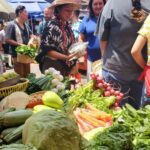
The market visit is within walking distance of the kitchen. You tour Mercado de Coyoacan while learning about its organization, history, and range of products. The plan includes visits through some of the main halls and tastings from selected market stands.
This is a useful start because it gives you a better eye for the ingredients you will use later. Chiles can look similar until someone explains the differences in flavor and heat. A market walk also shows you how Mexican food shopping works beyond the polished restaurant table.
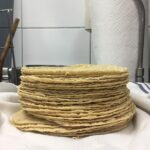
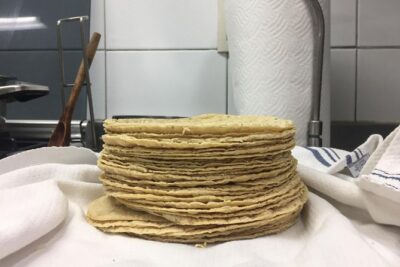
The experience can include stops at local food vendors and a tortillería, based on the way the class has been conducted. That adds a practical touch. Tortillas are not just a side item here. You get to see how an everyday Mexican staple connects to the meal you later prepare by hand.
The market portion is a walking tour, so wear comfortable shoes. It is also the part of the morning with the least control over pace. If the group spends extra time asking questions or tasting, the cooking portion can feel more compact. That is not a flaw, but it is worth knowing if you prefer a tightly timed class.
Mercado de Coyoacan is also a good reason to schedule this activity early in your Mexico City stay. Afterward, you will recognize ingredients and dishes more easily at other markets and restaurants. The lesson keeps working for you after the class ends.
Rolling tortillas and making the meal
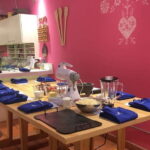
Back at Aura Casa Coyoacán, the group receives explanations of the recipes and ingredients before getting to work. The class is hands-on, not a cooking show where you watch a chef do everything.
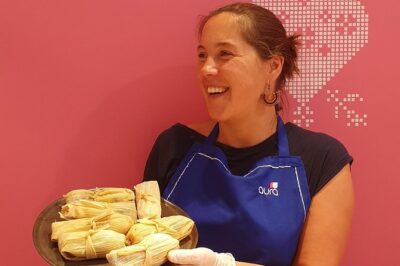
You prepare hand-made tortillas, quesadillas with red molcajete salsa, red rice with fried plantain, mole rojo, and flan. The menu gives you a nice spread of Mexican techniques: working with masa, grinding or mixing salsa, building flavor with dried chiles, cooking rice, frying plantain, and making a custard dessert.
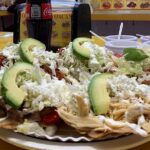
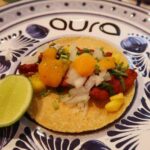
The quesadillas are a friendly first dish. You learn how to handle tortillas and pair them with a fresh Mexican salsa. The molcajete element is especially fun because it connects the texture and flavor of the sauce to traditional kitchen tools rather than relying only on a blender.
The red rice and fried plantain bring a different set of skills. Rice can be deceptively tricky, and learning the method in person is more useful than simply receiving a recipe. Plantain adds sweetness and a soft contrast to the rice.
Then comes mole rojo, the most involved dish on the menu. The sauce uses red chiles such as pasilla, guajillo, and ancho, along with raisins and almonds or peanuts. The combination gives you a lesson in how Mexican sauces balance heat, sweetness, fruit, nuts, and toasted flavors.
Mole is also a dish with a strong connection to special occasions and regional cooking. Preparing it here helps you understand why it is more than a generic spicy sauce. You are learning a layered dish that takes patience and several ingredients.
The mole is normally served with chicken. If that does not suit you, you can request panela cheese or mushrooms. Make that selection when booking or as early as possible. The class has also accommodated vegetarian diners and a sesame allergy in the past, with careful substitutions and a separate preparation. Still, you should clearly state your needs before the class rather than counting on a last-minute change.
Flan and the reward at the table
Flan finishes the meal with a creamy custard and caramel topping. It is a straightforward dessert in appearance, but the cooking method rewards attention. You will see how the smooth texture develops and how the caramel adds a slightly bitter edge to the vanilla custard.
After the cooking is complete, you sit down to eat what you prepared. The meal includes the quesadillas and salsa, red rice with fried plantain, mole rojo, hand-made tortillas, and flan. Depending on your mole choice, the main course may feature chicken, panela cheese, or mushrooms.
The drink pairing makes the lunch feel generous. Included options are artisanal mezcal, Mexican craft beer, or Mexican wine. You also receive hot chocolate made with water at the end. If you do not drink alcohol, the agua fresca and hot chocolate still give the meal a proper Mexican beverage arc.
This shared lunch is one of the class’s strongest features. You have worked for the food, so the meal becomes a chance to compare results, ask follow-up questions, and understand how each dish came together. The setting is social, but the group size keeps it from feeling like a crowded group event.
Why the small group matters
A maximum of eight people is a real advantage here. Cooking has a lot of small moments when you need help: Is the tortilla ready to turn? Has the chile mixture cooked long enough? Should the mole be thinner? In a big class, those questions can go unanswered while the instructor moves from station to station.
The intimate setup also helps if your group includes different skill levels. A teenager and grandparent have both taken part successfully, and couples have received highly personal instruction when the class was very small. You do not need to be an experienced cook. The recipes are taught in clear steps, and the chef or assistants help manage several dishes at once.
The class is also a good fit for curious eaters who want context. Instructors explain ingredients and cultural background as you go, instead of handing you a recipe without meaning. Graciela, in particular, is described as willing to answer questions well beyond the dishes themselves.
There is a social side, too. People in the class may come from different countries and cooking backgrounds. If you enjoy meeting people over a shared meal, this is an easy setting for it. If you prefer a private lesson with no interaction, a group cooking class may not be your ideal format.
Other shopping tours in Mexico City

What the $155.36 price really covers
The listed price is $155.36 per person. That is a high cost compared with buying a market lunch in Mexico City, so the value depends on what you want from the morning.
You are paying for more than ingredients and food. The price includes a professional chef guide, agua fresca, the market tour, all cooking ingredients, a four-course lunch, hot chocolate, and alcoholic drinks. You also receive digital recipes, which give the experience some life after your trip.
The small class size is another part of the value. Eight people or fewer means more personal correction and more chances to ask about substitutions, technique, and ingredients. If the class has only a few people, the instruction can become almost private.
I would recommend the price to someone who treats cooking as a central part of travel. You get a meal, but also a market lesson and skills you can use at home. If you mainly want to eat Mexican food without spending a morning cooking, you can find less expensive ways to do that in Mexico City.
The recipes make a difference. A good food tour can be memorable, but it may not change what you do once you return home. Here, you leave with instructions for recreating the meal, including the mole, tortillas, rice, salsa, and flan.
Practical details before you book
The meeting point is Aura Casa Coyoacán, San Gregorio 3, Coyoacán, 04000 Ciudad de México. The activity returns there at the end.
Confirmation is provided when you book. The experience is offered in English and uses a mobile ticket. It is near public transportation, though no specific route or station is provided, so check your route to Coyoacan before the morning begins.
An apron is supplied. For kitchen safety, wear closed shoes and long sleeves, and leave scarves, long necklaces, and loose jewelry at your accommodation. That advice is particularly useful when you are working near a stove and handling hot pans.
Service animals are allowed. If you have food allergies or dietary restrictions, communicate them in advance. The listed mole substitution is chicken, panela cheese, or mushrooms, and the class has shown flexibility with vegetarian and allergy-free meals.
Free cancellation is available if you cancel at least 24 hours before the 9:30 a.m. start time. Changes or cancellations inside that window are not accepted for a refund.
Who should book this cooking class?
I would choose this class if you want a hands-on food experience rather than a restaurant meal. It suits couples, families, solo food lovers, and curious teenagers who enjoy learning by doing.
It is especially good for anyone interested in ingredients. The market walk and discussion of chiles add value for cooks who want to understand Mexican food at the source. The digital recipes also make it a strong choice if you plan to cook for friends after returning home.
Vegetarians should ask for panela cheese or mushrooms instead of chicken. People with allergies should contact the provider ahead of time and explain exactly what must be avoided.
You should think twice if you dislike group activities, walking, or spending several hours in a kitchen. The class is relaxed and social, but it is still a working cooking session. Also, the generous meal and drinks mean this is a substantial morning, not a quick activity to squeeze between several sightseeing stops.
Should you book Aura Cocina Mexicana?
I would book it if Mexican food is one of the reasons you came to Mexico City. The combination of Mercado de Coyoacan, hands-on preparation, careful instruction, drinks, and recipes gives you a fuller experience than a standard food tasting.
The strongest reasons are the small class size, the cultural explanation behind the ingredients, and the chance to make mole and tortillas yourself. Chef Pame and the Aura team also appear attentive to dietary needs and special occasions, including personalized substitutions and birthday surprises.
At $155.36, it is an investment. But if you value skills, context, and a long meal as much as the food itself, the price is easier to justify. Come hungry, wear practical clothes, and reserve early, since the activity is often booked more than a month ahead.
FAQ
Where does the cooking class meet?
It meets at Aura Casa Coyoacán, San Gregorio 3, Coyoacán, 04000 Ciudad de México, CDMX, Mexico.
What time does the experience start?
The start time is 9:30 a.m.
How long does the activity last?
The experience lasts approximately four hours and 30 minutes.
Is the class offered in English?
Yes. The experience is offered in English.
How many people can join the class?
The maximum group size is eight travelers.
What food will I prepare?
You will prepare quesadillas with Mexican salsa, red rice with fried plantain, hand-made tortillas, red mole, and flan.
What is included to drink?
The experience includes agua fresca, water-based hot chocolate, and alcoholic beverage options including artisanal mezcal, Mexican craft beer, and Mexican wine.
Can I have something other than chicken with the mole?
Yes. Mole rojo is usually served with chicken, but you can request panela cheese or mushrooms.
What should I wear for the cooking class?
An apron is provided, but closed shoes and long sleeves are recommended. Avoid scarves, long necklaces, and jewelry in the kitchen.
More Markets in Mexico City
More Shopping Tours in Mexico City
More Cooking Classes in Mexico City
More tours in Mexico City we've reviewed





Cooking Classes, compared.
 ★ 5.0Mexican Cooking Class with Food Market Visit in Mexico CityFrom $1243 hours 30 minutes (approx.)
 ★ 5.0Essence of Mexico: Authentic Mexican Cooking Class & Market TourFrom $1784 hours 30 minutes (approx.)
 ★ 5.0Mexican Cooking Class & Cocktails in Mexico CityFrom $1323 hours 30 minutes (approx.)
 ★ 5.0Private Mexican Cooking Class with Gastronomic Historian, LuciaFrom $1453 hours (approx.)
 ★ 4.8Mexico City: Mexican Cooking ClassFrom $1213 hours
 ★ 5.0México City: Street Food to Home Cooking Food TourFrom $1104 hours
 ★ 5.03h Cooking Class in Mexico City: 8 Recipes & Bottomless DrinksFrom $1104 hours (approx.)
 ★ 5.0Private San Angel Tour & Cooking Class in Mexico City with LuciaFrom $1555 hours (approx.)
The lists this tour appears in