
Reviewed · CHAPULTEPEC & MUSEUM TOURS
Soumaya Museum: the Master of Mexican and Western Art
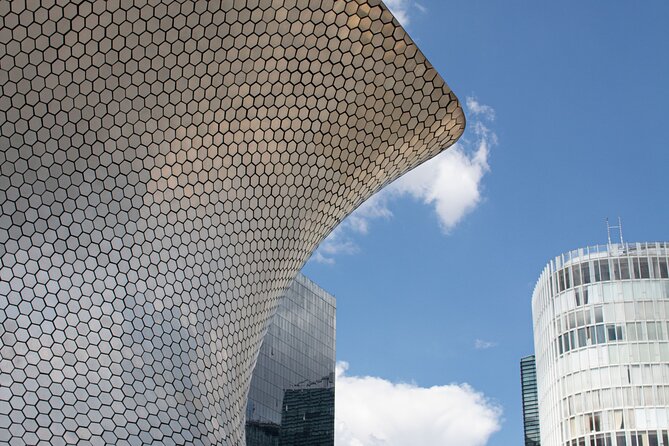
Museo Soumaya brings an unusually broad sweep of art under one roof, from a da Vinci to Rodin, Rivera, Dalí, and Monet. The six-floor visit moves from modern design and myths to European masters and 20 centuries of Mexican art, with a bilingual guide to connect the dots.
In This Article
- Key points at a glance
- Why Museo Soumaya is worth your afternoon
- Starting at Museo Soumaya in Granada
- Room 1: Modernity, art, and technique
- Room 2: Myths and allegories from visible to invisible
- Room 3: Old European and New Spain masters
- Room 4: From Romanticism to the Avant-garde
- Room 5: Twenty centuries of art in Mexico
- Room 6: Julián and Linda Slim, and the Rodin era
- What the $53.68 price really buys
- Who should book this museum experience?
- Should you book the Soumaya Museum tour?
- FAQ
- Where does the Soumaya Museum tour start?
- Where does the activity end?
- How long does the experience last?
- What language is the tour offered in?
- What is included in the price?
- Is transportation included?
- Is food included?
- How large can the group be?
- Can I cancel for a full refund?
I like the small group limit of 15, which gives the guide room to explain key works without turning the tour into a museum cattle drive. I also like the clear route through six rooms, especially the final Rodin section, which gives the visit a strong finish.
The main consideration is time. About two and a half hours is enough for a guided overview, but not enough to study every work in detail. At $53.68 per person, the value rests on how much you want interpretation rather than a quick, self-guided look.
Key points at a glance
- Six rooms with a wide art range: Move from modernity and myth to European masters, Mexican art, and Rodin.
- A da Vinci in the collection: The museum visit includes major names such as da Vinci, Monet, Rivera, and Dalí.
- Rodin gets a full final section: Room 6 focuses on the Julián and Linda Slim collection and the Rodin era.
- Bilingual guidance: The experience is offered in English, with guides including Jesús and José associated with especially clear explanations.
- Small group format: The maximum group size is 15 people, a useful balance between structure and personal attention.
- Simple museum logistics: You meet and finish at Museo Soumaya, with no food or transportation included.
Why Museo Soumaya is worth your afternoon
Museo Soumaya is a good choice if you want one museum visit to cover several chapters of art history. You are not coming for a narrow collection devoted to one artist or movement. Instead, you get a guided path through European art, Mexican art, sculpture, religious and mythic themes, and modern ideas about art and technique.
That range can be a strength and a weakness. I like the variety because you can move from an Old European master to a Mexican muralist, then from a Renaissance name to Rodin. The tradeoff is that the collection can feel broad rather than tightly focused. A guide matters here because the visit needs a clear thread.
The most useful part of the experience is not simply seeing famous names. It is hearing how the works fit into different periods and ideas. One guide, José, is noted for linking artists across the floors in a way that makes a large amount of information easier to follow. Jesús is also associated with a polished, gracious tour style and strong knowledge of the collection.
The group size helps. With no more than 15 people, you should have a better chance of hearing the explanation and asking a question than you would in a large public group. This is still a group tour, so you should not expect a private conversation at every painting, but it is small enough to feel manageable.
A few more Mexico City tours and experiences worth a look
Starting at Museo Soumaya in Granada
The meeting point is Museo Soumaya on Boulevard Miguel de Cervantes Saavedra in the Granada area of Miguel Hidalgo, Mexico City. You meet at the museum and return to the same point at the end.
This arrangement keeps the day simple. There is no separate transfer, restaurant stop, or second museum to coordinate. You should plan your own way to the meeting point, since transportation is not included. The location is near public transportation, which gives you a practical option if you are moving around Mexico City without a private vehicle.
The experience lasts about two and a half hours, while the museum route itself is described as roughly two hours. That difference likely leaves room for meeting, introductions, transitions, and questions. I would still protect a little extra time around the booking rather than schedule another timed activity immediately afterward.
The museum admission is listed as free with the experience, so you are paying mainly for the guided service rather than a separate entrance charge. That distinction matters when judging the $53.68 price. If you already know the museum well and prefer to read labels at your own pace, the cost may feel high. If you want a structured explanation of a large and varied collection, the guide is the main reason to book.
Room 1: Modernity, art, and technique
The first room is titled Modernity: ars and techné. Even without spending long on every object, this opening section gives the tour a useful starting point. It raises the connection between artistic vision and the tools, materials, and methods used to create a work.
I like beginning with an idea rather than immediately marching toward famous names. It gives you a question to carry through the rest of the museum: how do artists use technique to shape what you see?
The word techné points to making and skill, while modernity suggests a change in how artists and viewers think about art. Your guide can use this room to set up later comparisons between older European works, modern movements, and Mexican artists.
Because the overall collection covers a great deal, listen for the guide’s main point here rather than trying to memorize every term. The value of this room is its role as a frame for what follows.
Room 2: Myths and allegories from visible to invisible
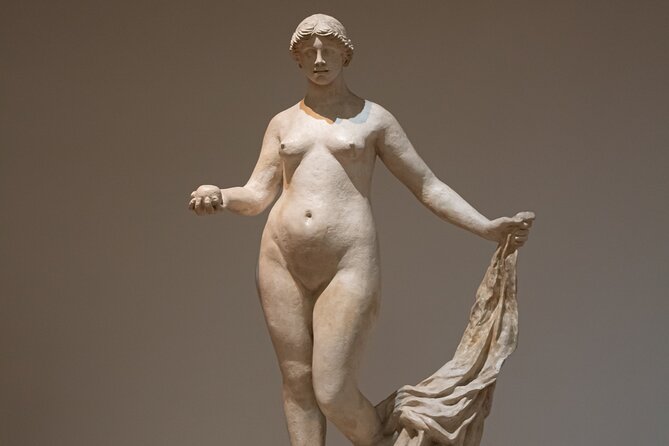
Room 2 turns toward myths and allegories, moving from the visible to the invisible. This section gives the guide a chance to explain how artists use symbols, stories, figures, and visual clues to suggest ideas that are not directly shown.
This can be one of the more useful rooms for a guided visit. Mythological and allegorical art often makes more sense when someone points out the details that carry the meaning. Without that help, you may recognize an attractive scene but miss the argument hidden inside it.
You should expect the emphasis here to be on interpretation rather than a simple parade of names. Ask yourself what a figure represents, why a particular object appears in a scene, and how the artist expects you to read the work.
The drawback is that symbolic art can slow the pace. If your main goal is to see the museum’s most famous artists, this room may feel less immediate than the later sections. Still, it helps you understand why older art often needs more explanation than a quick label can provide.
Room 3: Old European and New Spain masters
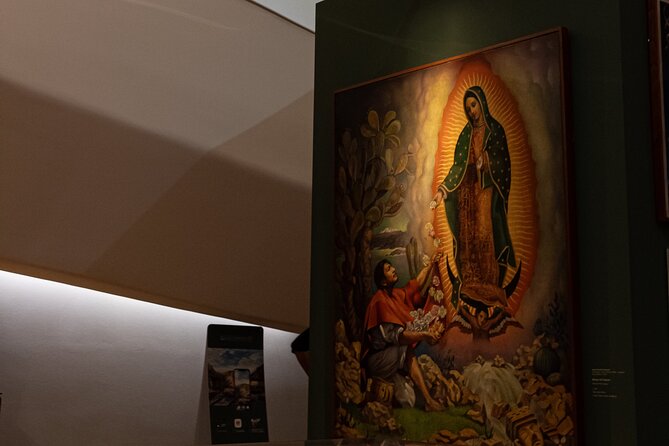
Room 3 brings together Old European and New Spain masters. This is where the tour’s geographical and historical range becomes especially clear. You move between art connected to Europe and work shaped by New Spain, allowing the guide to compare traditions rather than treating them as isolated subjects.
A guide is valuable here because the category is broad. You may be looking at works from different places and periods, and a short explanation can show how artistic ideas traveled, changed, or took on local meaning.
This room also prepares you for the museum’s most famous individual names. The collection is not built only around modern celebrities. It places major works within a longer story of painting and sculpture.
For me, this is a section where the pace matters. Two hours cannot support a full lecture on every master. The strongest guide will select the important works and explain why they deserve attention, rather than giving equal time to everything. José’s approach, linking one artist to the next, sounds especially useful in a room with such a wide span.
Other museum experiences in Mexico City



Room 4: From Romanticism to the Avant-garde
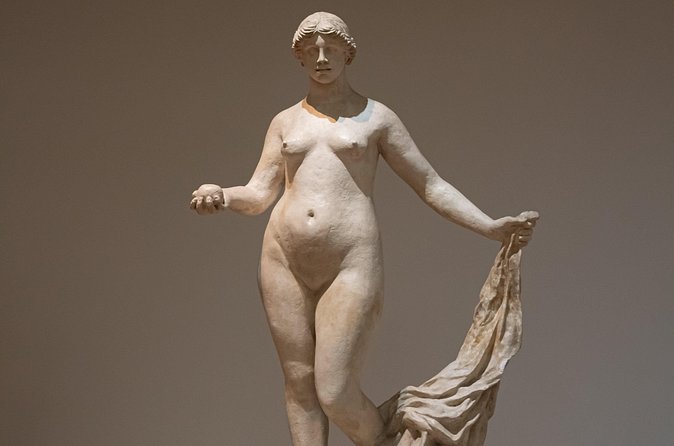
Room 4 covers the journey from Romanticism to the Avant-garde. That title signals a shift in mood and method. Art moves from the emotional force and dramatic subjects associated with Romanticism toward new approaches that challenge older rules.
This section should appeal to you if you enjoy seeing change happen over time. Instead of presenting modern art as a sudden break, the route shows a progression of ideas. The guide can explain how artists responded to earlier traditions and why later works began to look, feel, or communicate differently.
This is also one of the places where the museum’s famous names may become more prominent. The collection includes Monet and Dalí, among others. You may find the contrast between artists more rewarding than any single masterpiece. A guided comparison can help you notice differences in color, subject, technique, and attitude.
The possible weakness is compression. Romanticism, the Avant-garde, and the artists between them could fill several museum visits. You will get an organized introduction, not a specialist seminar. That is a fair exchange if you want a broad first look and plan to return to favorite works on your own.
Room 5: Twenty centuries of art in Mexico
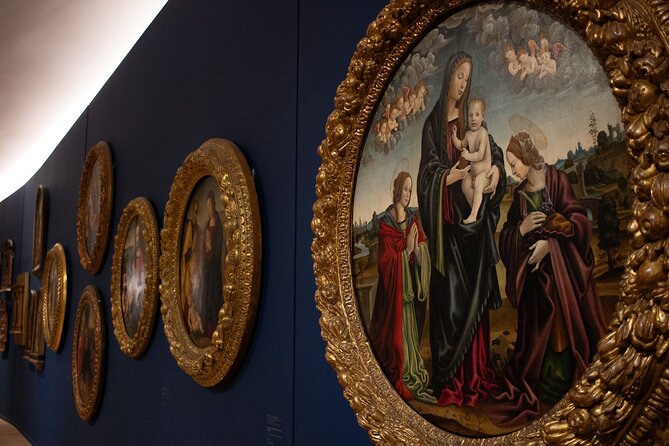
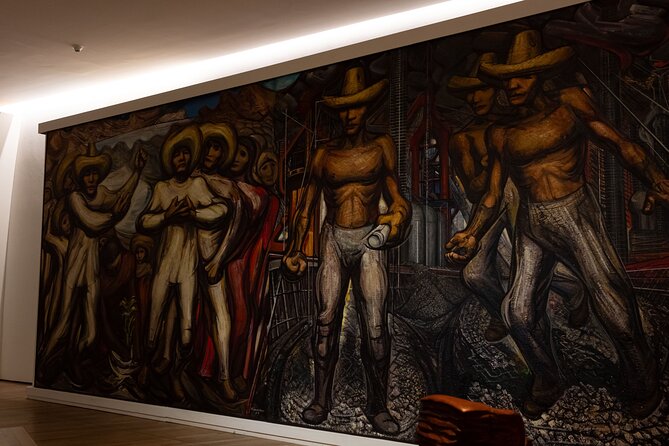
Room 5 focuses on 20 centuries of art in Mexico. This section gives the museum visit its strongest local anchor. After seeing European traditions and movements, you get a chance to place Mexican art at the center of the story rather than treating it as an afterthought.
The title covers a vast period, so the guide must make careful choices. You should expect an overview rather than a full account of every century. The benefit is that this room can connect the country’s artistic past with the better-known modern Mexican artists represented in the museum.
Rivera is among the names connected with the collection. Hearing about Mexican art alongside European art may help you see both in a wider frame. The point is not to rank one tradition above another. It is to notice how artists work with different subjects, symbols, materials, and historical pressures.
I would pay close attention to the guide’s transitions here. The best moments may come when one work explains or complicates another. The experience is designed to make a large amount of information digestible, so let the guide establish the main story and save detailed study for the pieces that catch your eye.
Room 6: Julián and Linda Slim, and the Rodin era
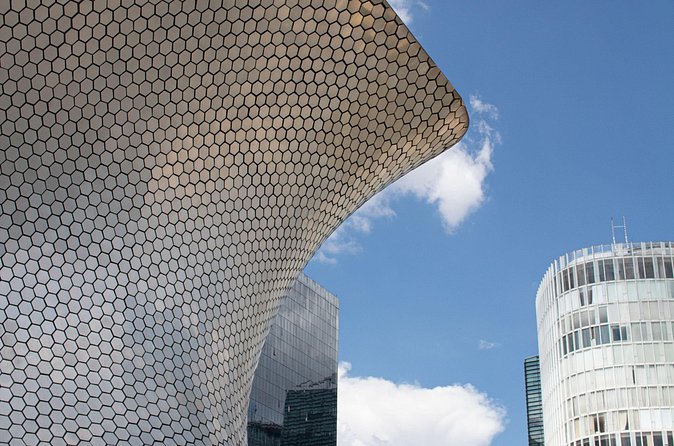
The final room is devoted to Julián and Linda Slim and the Rodin era. This is a strong place to end because sculpture changes the way you move through a museum. Paintings ask you to face a surface, while sculpture invites you to consider volume, pose, texture, and the work from different angles.
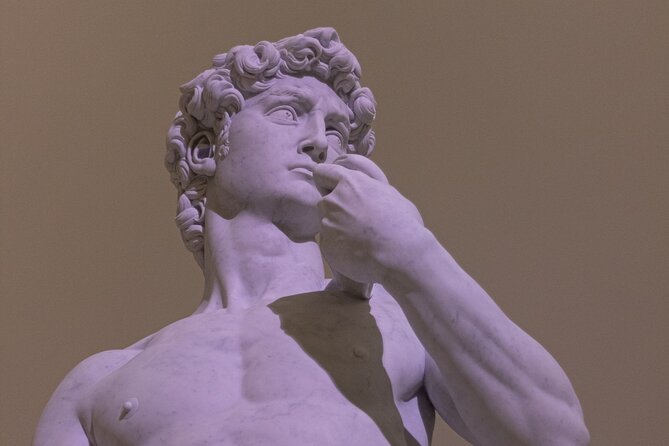
Rodin is one of the major draws of Museo Soumaya, and the dedicated final section gives him more weight than a single stop on a mixed-art route would. If sculpture is your main interest, you may find this room the most satisfying part of the experience.
The collection also includes other major artists, including da Vinci, Monet, Rivera, and Dalí. A da Vinci can be an emotional sight, particularly when you are close enough to study the work rather than seeing it reproduced in a book or on a screen. The guide can add context, but you should also give yourself a quiet moment to look before moving on.
Ending with Rodin creates a clear final chapter. It leaves you with a concentrated group of works after the broader movement through art history. If you want more time with the sculptures, ask how much of the remaining visit can be used for independent viewing. The supplied details do not promise a separate free period, so you should treat any extra time as something to confirm with the guide.
What the $53.68 price really buys
At $53.68 per person, this is not a bargain museum entry. The admission itself is listed as free, and food and transportation are not part of the package. The price pays for the bilingual guide, the organized route, and the convenience of having someone explain the collection in English.
That can be good value if you are new to Museo Soumaya or find large art collections hard to approach alone. Six rooms and several centuries of art can easily become a blur without a plan. A guide gives you a route and helps identify which works deserve your limited time.
It is less compelling value if you are already comfortable reading museum labels, or if you want to spend a full day with a few selected artists. The two-hour museum portion is designed for an overview. You will not be able to give every room the attention it could receive on a slower visit.
The maximum of 15 people is another part of the value. You are paying for a more personal format than a very large group, though it is not advertised as a private tour. The strongest fit is someone who wants context, clear English explanations, and a manageable schedule.
Who should book this museum experience?
I would choose this tour if you want an organized introduction to Museo Soumaya and prefer hearing the story behind the art. It suits first-time visitors, couples, families with older children, and anyone who wants to see major European and Mexican names in one outing.
It also works well for people who are curious about art but do not want to read a long guidebook before entering. The route gives you a basic framework, while the guide can explain difficult subjects such as allegory, artistic movements, and the connections between European and Mexican work.
You may want to skip it if you strongly prefer complete independence. The group follows a planned route, and two hours is a set amount of time. You should also think twice if your main purpose is detailed study of one artist, since the collection covers too much ground for that.
The English option is useful, but the experience is described as bilingual rather than English-only. If exact language arrangements matter to you, confirm them at booking. Guides such as Jesús and José have been specifically associated with friendly, clear presentations, but a particular guide is not guaranteed.
Free cancellation is available if you cancel at least 24 hours before the start time. A cancellation within 24 hours is not refundable, and changes inside that window are not accepted.
Should you book the Soumaya Museum tour?
Book it if you want the museum’s big names, a clear six-room route, and a guide who can make a sprawling collection easier to understand. The da Vinci, Mexican art, and final Rodin section give the visit plenty of substance, while the 15-person limit keeps the format from feeling too large.
Skip it if you want a slow, private study session or if the $53.68 price feels too steep for guided interpretation. For most first visits, though, the bilingual format and carefully structured route make this a practical way to get oriented. Plan your own transportation, keep room in your schedule for the full two and a half hours, and treat the tour as an informed first pass rather than the last word on the museum.
FAQ
Where does the Soumaya Museum tour start?
The tour starts at Museo Soumaya, Boulevard Miguel de Cervantes Saavedra, Granada, Miguel Hidalgo, 11529 Ciudad de México, CDMX, Mexico.
Where does the activity end?
The activity ends back at the Museo Soumaya meeting point.
How long does the experience last?
The experience lasts approximately two hours and 30 minutes. The museum itinerary itself is listed as about two hours.
What language is the tour offered in?
The experience is offered in English and includes a bilingual guide.
What is included in the price?
A bilingual guide and museum admission are included.
Is transportation included?
No. Transportation is not included, so you need to arrange your own way to Museo Soumaya. The meeting point is near public transportation.
Is food included?
No. Food is not included in the experience.
How large can the group be?
The activity has a maximum of 15 travelers.
Can I cancel for a full refund?
Yes. You can cancel for a full refund up to 24 hours before the experience starts. Cancellations or changes made less than 24 hours before the start time are not accepted for a refund.
More Museum Experiences in Mexico City
More Chapultepec & Museum Tours in Mexico City
More tours in Mexico City we've reviewed






Chapultepec & Museum Tours, compared.
 ★ 4.4CDMX: Xochimilco, Coyoacan, Frida Kahlo Museum & Murals TourFrom $89
 ★ 4.5Chapultepec Castle & Anthropology Museum TourFrom $795 hours (approx.)
 ★ 5.0Frida Kahlo VIP [Museum Tickets Included] Bike, Markets & ChurrosFrom $834 hours (approx.)
 ★ 4.5Anthropology Museum Guided TourFrom $392 hours 30 minutes (approx.)
 ★ 5.0Frida Kahlo VIP [Museum Tickets Included] Walk, Markets & ChurrosFrom $833 to 4 hours (approx.)
 ★ 5.0EXCLUSIVE TOUR Frida Kahlo Museum – SMALL GROUPSFrom $862 hours (approx.)
 ★ 4.4Mexico City: Anthropology Museum Guided VisitFrom $672.5 hours
 ★ 4.5Mexico City: Frida Kahlo Museum Entry Ticket w/Digital GuideFrom $34
The lists this tour appears in