
Reviewed · MEXICO CITY
Bean to Beverage: Roast and grind cacao into chocolate
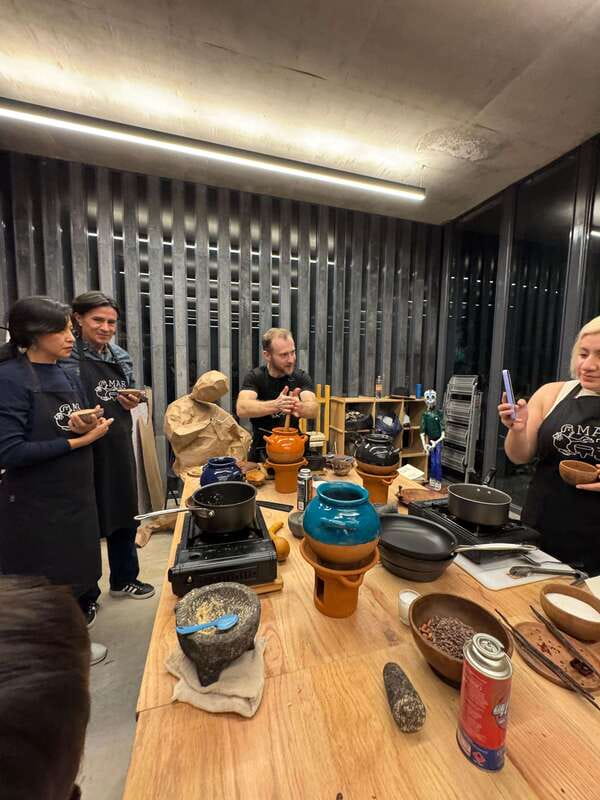
Cacao becomes much more interesting when you handle it yourself. In this three-hour workshop, you roast beans, grind them on a metate, and turn them into six hot chocolate drinks inspired by Mayan and Aztec traditions.
In This Article
- Key points to know before booking
- Starting with cacao, not a packet
- Roasting cacao beans over the first part of the class
- Grinding cacao by hand on a metate
- Six drinks built from Mesoamerican ingredients
- A relaxed Condesa home setting
- Ending with dessert and handmade serveware
- What the $115 price buys you
- Who will enjoy this chocolate workshop most
- Language, timing, and planning advice
- Should you book Bean to Beverage?
- FAQ
- Where does the cacao workshop take place?
- How long does the experience last?
- How many hot chocolate drinks will I make?
- Which ingredients can I use in the drinks?
- Is the class offered in English?
- Can wheelchair users attend the class?
I like the hands-on work and the chance to try unusual flavors such as chile, achiote, and avocado leaf. I also like the relaxed home setting and Jim’s knack for connecting pre-Hispanic foodways with the later use of sugar and spices. The main drawback is practical: the Condesa building has no elevator, and two cats live in the house.
Key points to know before booking
- You make six different hot chocolates, not just one standard cup.
- You roast and grind cacao yourself using a metate, a traditional stone grinding tool.
- Jim leads the class in English or Spanish and brings a clear focus to Mayan, Aztec, and later Mexican food traditions.
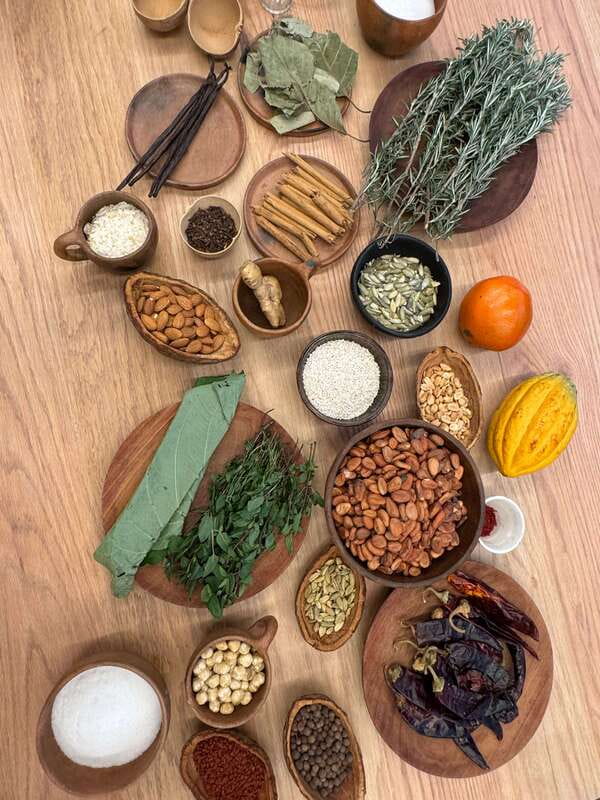
- Chile, achiote, and avocado leaf let you build flavors that go well beyond ordinary cocoa and sugar.
- The class suits families, with children as young as 8, 9, and 10 enjoying the activity in recent sessions.
- The $115 price includes ingredients and dessert, with private and small-group formats available.
Starting with cacao, not a packet
This class begins at the source. Instead of opening a tin of powdered mix, you start with cacao beans and learn why cacao mattered so much in the Mayan world and among the Aztecs.
That background gives the practical work a point. You are not simply making a fashionable drink. You are seeing how a prized Mesoamerican foodstuff moved from bean to beverage, and how its uses changed over time.
Jim guides the discussion in English or Spanish. The class has a home-based feel, so you should expect conversation rather than a formal lecture. That suits the subject. Cacao has a long cultural story, and the setting gives you room to ask questions as you work.
The emphasis is on pre-Columbian ingredients and methods. You also hear about the later influence of sugar and spices, which helps explain why modern hot chocolate tastes different from older Mesoamerican versions.
I particularly like this approach for visitors who want more than a quick tasting. You get context, but the class keeps moving toward something you can touch, smell, grind, and drink.
A few more Mexico City tours and experiences worth a look

Roasting cacao beans over the first part of the class
After the introduction, you put on an apron and begin the preparation. Roasting is an important step because it changes the character of the cacao and prepares it for grinding.
The supplied details do not specify the exact roasting equipment or heat source, so you should expect instruction from Jim rather than a fixed demonstration format. The useful part is that you take part in the process and follow the beans through their changes.
This stage works well for families and mixed-age groups. The activity is simple enough for children to follow, but it also gives adults something real to learn. Recent family bookings included children aged 8, 9, and 10, and the class was considered a good fit for them.
You should be ready for a little mess. Roasting and grinding are kitchen tasks, not a polished chocolate-shop display. That is part of the appeal, but anyone seeking a highly technical pastry lesson may find the class more relaxed than formal.
Grinding cacao by hand on a metate
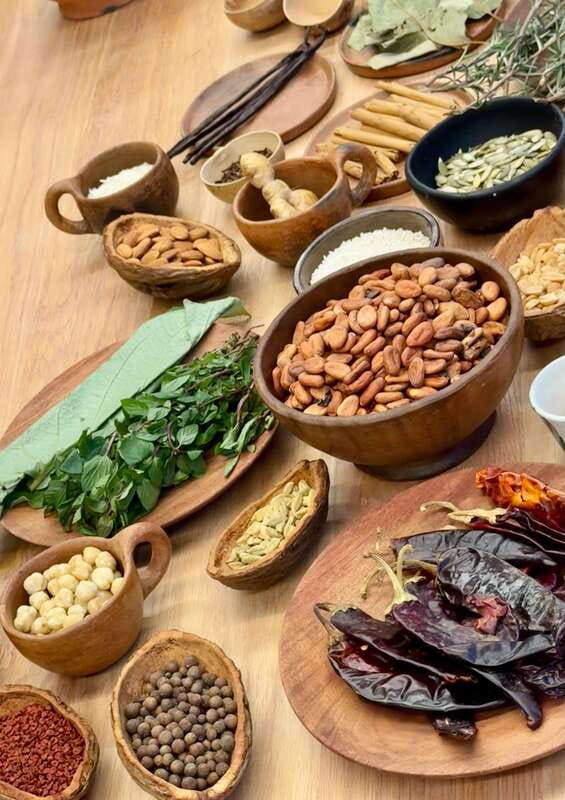
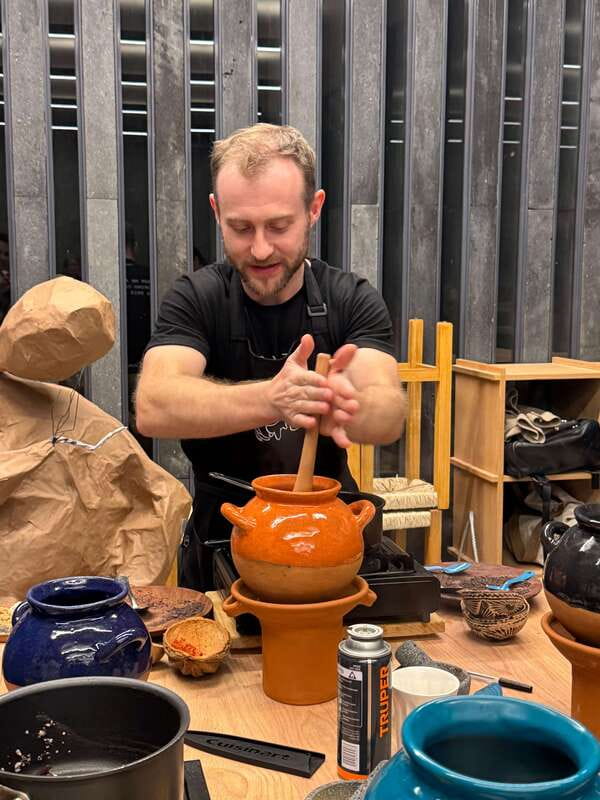
The metate is the heart of the workshop. You grind the roasted cacao by hand, following a method associated with Mayan and Aztec food preparation.
A metate is a stone grinding surface, and working on it gives you a direct sense of the labor behind older cacao drinks. The result is not just a story about the past. Your arms and hands become part of the lesson.
This is one of the strongest reasons to book the class. A museum label can tell you that cacao was important. Grinding it yourself shows you that turning a bean into a smooth drink took time and effort.
Do not expect every batch to come out perfectly smooth at once. Hand grinding is slower than using a modern blender or mill, and that difference is useful. It helps you understand why technique, patience, and added ingredients mattered in traditional kitchens.
Jim’s role here is part teacher and part kitchen guide. He encourages creativity rather than insisting that everyone make the same drink. That freedom makes the workshop feel personal, especially in a private or small-group booking.
Six drinks built from Mesoamerican ingredients
The class includes all ingredients needed to prepare six different hot chocolate drinks. The range gives you several chances to compare flavors, textures, and levels of spice.
Chile is one of the most familiar Mexican additions, but it changes cacao in a way that surprises some people. It can add warmth and lift without making the drink simply hot. Achiote brings another layer, and avocado leaf offers an aromatic note that many visitors are unlikely to have tried in hot chocolate.
These ingredients are not included just for novelty. They connect the drink to foods available in Mesoamerican cooking. You get to consider how local plants and spices shaped traditional flavors before modern chocolate became tied to milk, sugar, and candy.
Jim encourages you to create your own combinations. That is good news if you like experimenting, but it also means the final drinks depend partly on your choices. There is no single perfect cup waiting at the end.
The six-drink format is generous. It lets you test different blends without placing all your hopes on one recipe. It also makes the $115 price easier to assess, since the class is both a lesson and an extended tasting.
You should pace yourself. Six hot chocolate drinks, even in tasting portions, can be a lot. The exact serving sizes are not given, so arrive ready to sample rather than assuming you will receive six full café-sized mugs.
A relaxed Condesa home setting
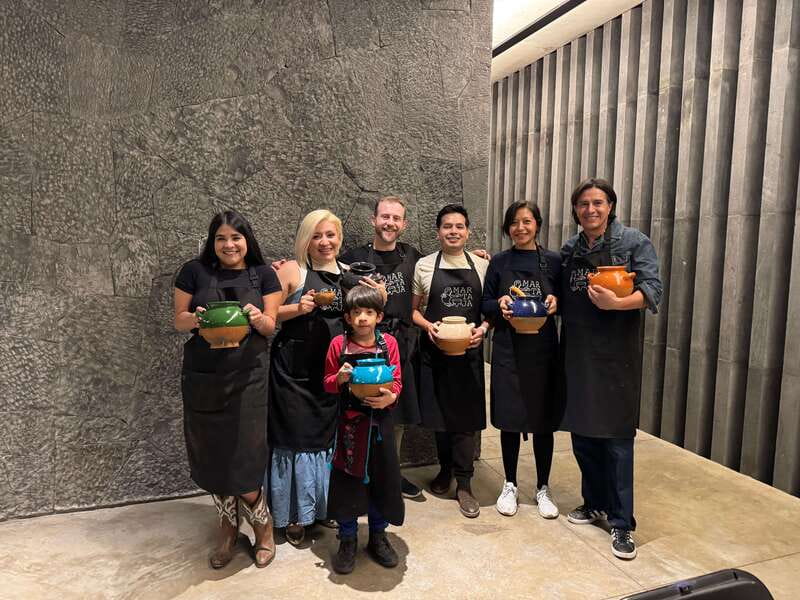
The workshop takes place at a beautiful home in Condesa, though the exact meeting point can vary depending on the option you book. That means you should check your confirmation carefully rather than relying only on the general neighborhood description.
A private home changes the mood. You are not sitting in a busy commercial kitchen with people coming and going. The format feels closer to being invited into someone’s kitchen for a guided food session.
Jim and his assistant create a friendly, informal atmosphere. The setting also allows room for conversation about Mexico City restaurants and other activities. Jim has offered local recommendations during the class, which can be useful if this is one of your first days in the city.
The home environment has two practical limits. There are two cats in the house, and allergy sufferers should take that seriously. Allergy pills are available for those who need them, but the cooking area is kept away from the cats. Anyone with a strong allergy should think carefully before booking.
The building has no elevator. Wheelchair users have enjoyed the class, but you should ask for current access details before paying if stairs may be difficult for you. The information provided does not specify the number of stairs or the bathroom setup.


Ending with dessert and handmade serveware
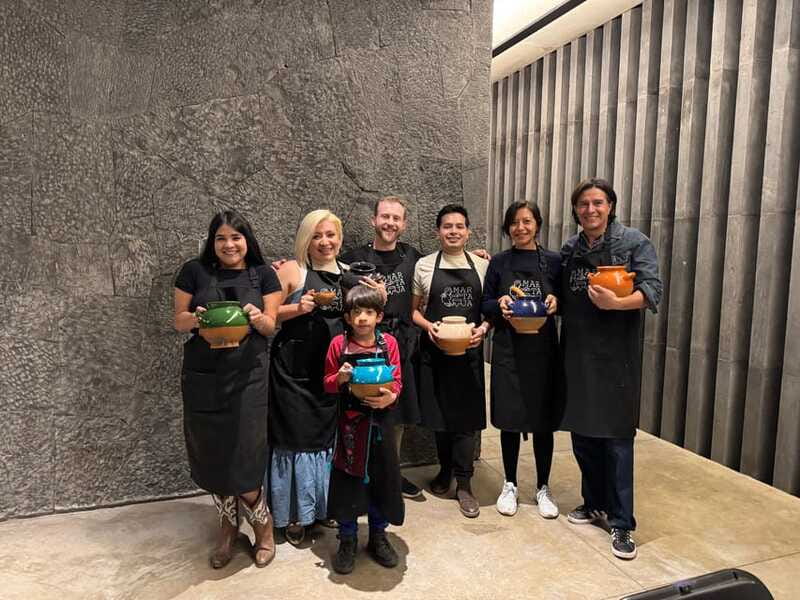
Once the drinks are ready, you sit down to enjoy your creations with a dessert. The table is arranged with artisanal serveware, giving the final part of the class a more settled, social feel.
This ending matters because the workshop is not only about production. You get time to taste the results and compare your choices. The dessert also gives you something to eat alongside the hot chocolate, which is welcome after several rounds of sampling.
The dessert is included, but its type is not specified. If dessert is important to your dietary needs, contact the provider after booking and explain your requirements.
The final tasting is also where the class works best as a shared activity. Families can compare their drinks, couples can try different combinations, and small groups can discuss which ingredients worked. You leave with a better idea of how cacao can be savory, spicy, aromatic, or sweet.
What the $115 price buys you
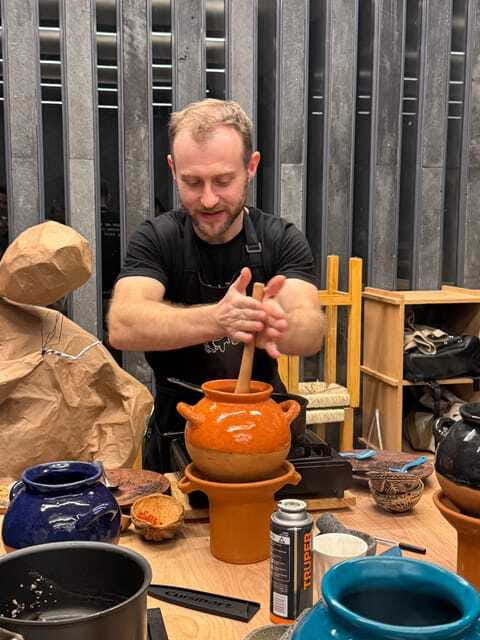
At $115 per person, this is not a quick chocolate tasting. You are paying for three hours of instruction, six drinks, all preparation ingredients, a dessert, and the use of a home kitchen with a guide.
The value is strongest if you care about food culture and active participation. If you only want a cup of Mexican hot chocolate, you can find a cheaper and faster option elsewhere. If you want to understand the process and make several versions yourself, the price is more reasonable.
Private and small-group choices also matter. A smaller class should give you more room at the metate and more time to discuss your flavor choices, though the exact group size and price can depend on the option selected.
There is one pricing detail worth noting. The same experience may cost less when booked directly through the Martaja website than through another booking channel. Compare prices before confirming, and check that the direct option offers the same cancellation and payment terms you want.
You can reserve now and pay later, which helps if your Mexico City schedule is still shifting. Cancellation is free up to 24 hours in advance for a full refund, according to the booking terms provided.
Who will enjoy this chocolate workshop most
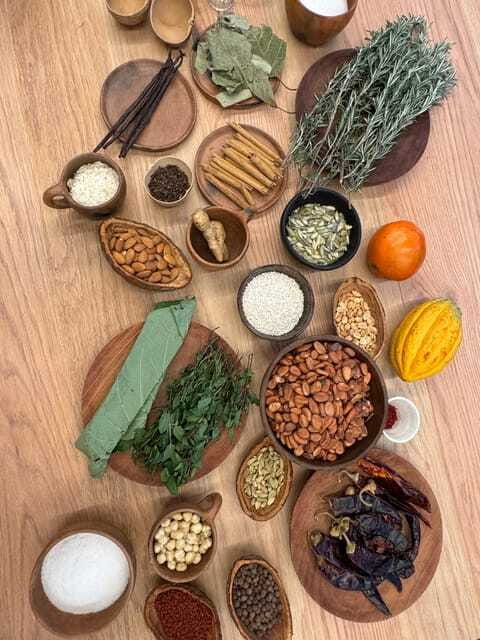
This is a strong pick for families. Children can take part in roasting, grinding, and flavor mixing, and the six-drink format gives them several things to do. The class also avoids the problem of a long lecture that leaves younger children waiting for the fun to begin.
Food-focused visitors will get the most from it. You should book if you enjoy learning where ingredients come from, trying unfamiliar combinations, and asking how old methods relate to food today.
It also suits couples and friends looking for a quieter activity. The home setting and small-group option are a better fit for conversation than a crowded food market.
The class may be less suitable if you have a serious cat allergy, need a fully step-free building, or prefer a tightly timed professional cooking course. It is also not the right choice for strict kosher diets, which the provider cannot accommodate at this time.
Dietary needs should be discussed by email after booking. Many requirements can be accommodated, but you should not wait until the class begins to explain them.
Language, timing, and planning advice
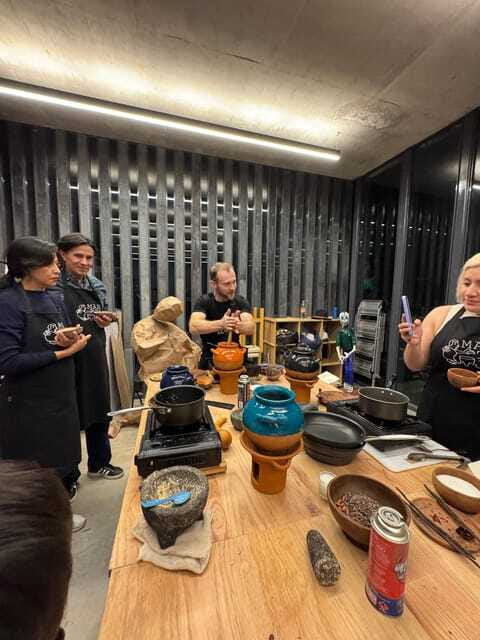
The class lasts three hours, and starting times depend on availability. Set aside the full block rather than trying to squeeze it between two tightly scheduled attractions.
Instruction is available in English and Spanish. If you want the class in a particular language, select the correct option or confirm it before arrival.
Because the meeting point may vary by booking option, read the arrival instructions closely. This is especially important for a home-based activity, where turning up at the wrong address would be a needless way to start a chocolate lesson.
Wear something comfortable and suitable for kitchen work. An apron is provided, but the class still involves roasting, grinding, mixing, and tasting. You should expect to participate rather than simply watch.
Should you book Bean to Beverage?
Book this workshop if you want to understand cacao through your hands, not just through a tasting menu. The metate work, six drink combinations, and focus on Mayan and Aztec ingredients make it more memorable than a standard hot chocolate stop.
I especially recommend it for families with school-age children, food lovers, and anyone who enjoys a small class with plenty of conversation. Jim’s warmth and clear interest in pre-Hispanic ingredients add real value to the three hours.
Think twice if stairs, cats, strict kosher requirements, or the $115 price are serious concerns. Also compare the direct Martaja price before booking.
For the right person, this is a thoughtful Mexico City food experience: practical, unusual, and tasty, with enough history to make every cup mean more.
FAQ
Where does the cacao workshop take place?
The experience takes place at a home in Condesa. The exact meeting point may vary depending on the option you book, so check the arrival details after booking.
How long does the experience last?
The workshop lasts three hours. Starting times depend on availability.
How many hot chocolate drinks will I make?
You will prepare six different hot chocolate drinks using the included ingredients.
Which ingredients can I use in the drinks?
The workshop includes Mesoamerican ingredients such as chile, achiote, and avocado leaf. You roast and grind cacao, then create different combinations.
Is the class offered in English?
Yes. Instruction is available in English and Spanish.
Can wheelchair users attend the class?
Wheelchair users have attended the class before, but the building does not have an elevator. Contact the provider before booking if you need specific access information.
More Dessert Tours in Mexico City
More tours in Mexico City we've reviewed


Mexico City, compared.
 ★ 5.0Teotihuacan, Guadalupe Shrine & Tlatelolco Day Tour with LunchFrom $399 hours (approx.)
 ★ 4.5Xochimilco, Coyoacan and Frida Kahlo with Optional LunchFrom $349 hours (approx.)
 ★ 5.0Balloon flight + Breakfast in cave + Pyramids + Pick up CDMX.From $1722 to 8 hours (approx.)
 ★ 5.0Teotihuacan pyramids morning or afternoon without tourist trapsFrom $645 hours 30 minutes (approx.)
 ★ 4.5Teotihuacan Early Access Guided Tour with optional LunchFrom $398 hours (approx.)
 ★ 5.0Balloon flight + pick up in CDMX + Breakfast in Cave + PyramidsFrom $1694 to 7 hours (approx.)
 ★ 5.0Balloon Flight + Cave Breakfast + Pick Up from CDMX or We FlyFrom $1663 to 9 hours (approx.)
 ★ 4.6Mexico City: Teotihuacan, Tlatelolco & Guadalupe Shrine TourFrom $49