
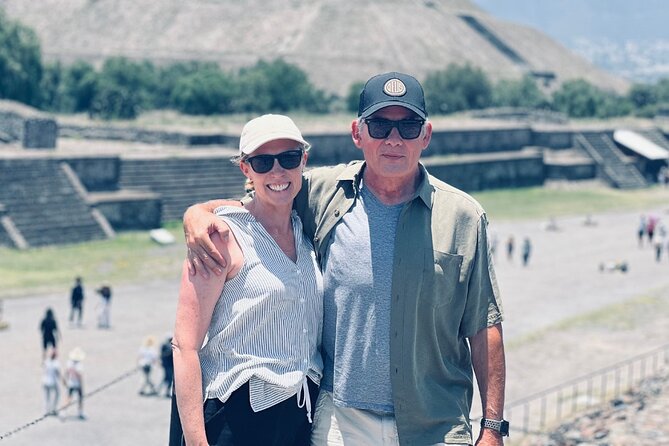
Reviewed · TEOTIHUACAN TOURS
Eat in a local house & access to restricted areas in Teotihuacan
Teotihuacan is far more than a pyramid photo stop on this six-hour outing. You’ll visit a restricted area tied to mural-art research, then sit down at Erica’s home for a meal that brings together pre-Hispanic foods and colonial cooking. The local lunch and the access beyond the usual route are the two reasons I’d look closely at this tour.
In This Article
- Key points to know before booking
- Why this Teotihuacan outing feels different
- Start with coffee in Roma Norte or Col Juárez
- The road to Teotihuacan adds city context
- Four stages of a city built over centuries
- The restricted mural-art area is the special access
- Erica’s home brings the history to the table
- Dietary needs are handled better than on many food tours
- Transport, timing, and group size
- Who will get the most from this experience
- Is the $90 price fair?
- Should you book this Teotihuacan tour?
- FAQ
- Where does the tour begin?
- Is coffee included?
- How long does the experience last?
- How long is the drive to Teotihuacan?
- Is transportation air-conditioned?
- How many people can join the tour?
- Is the tour offered in English?
- What food is included?
- Can people with dietary restrictions join?
- Are service animals allowed?
- What is the cancellation policy?
I also like the small-group format, capped at 12 people, and the useful city views and social context during the drive from Mexico City. The main drawback is the early start and long road time, with about an hour each way between the city and Teotihuacan.
Key points to know before booking
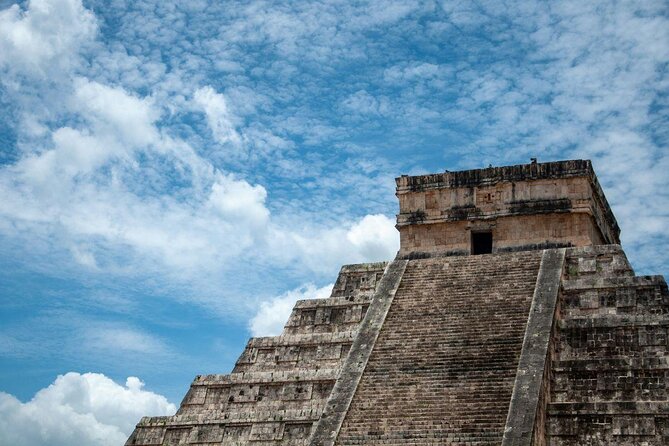
- Restricted access at Teotihuacan: Visit the Temple of the Ancient Masters of Mural Art, an area under investigation by INAH.
- A meal inside a local home: Erica serves food combining pre-Hispanic ingredients with colonial methods.
- Two easy café meeting points: Start at 8:00 a.m. in Roma Norte or 8:30 a.m. in Col Juárez, with specialty coffee included.
- A small group of no more than 12: The size should make it easier to hear the guide and ask questions.
- Good dietary flexibility: The meal can suit vegetarians, vegans, and people with celiac disease.
- A full six-hour outing: Allow for an early morning, about two hours of total road travel, the archaeological visit, and lunch.
Why this Teotihuacan outing feels different
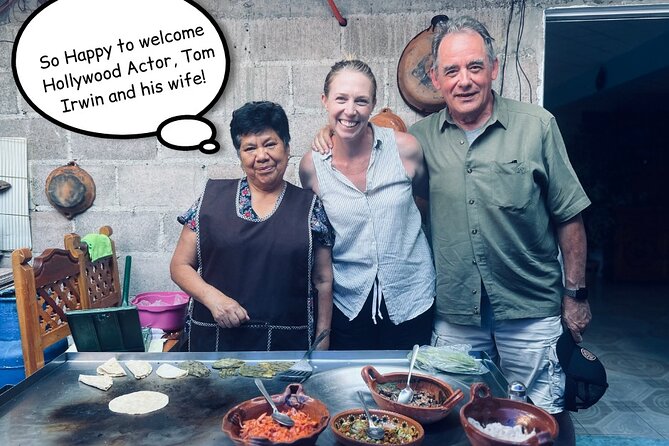
Many trips to Teotihuacan focus on the main monuments, a guide’s explanation, and a quick return to Mexico City. This one adds two less usual elements: a visit to a restricted research area and a meal in a local home.
That combination changes the pace. You are not only looking at monumental stonework. You also get a closer look at the art traditions linked to the city and time to talk over food in a personal setting.
The experience is priced at $90 per person. That is not the cheapest way to reach Teotihuacan, but the fee includes transport from Mexico City, a guide, coffee, entry to the special area described in the tour, and a substantial meal. If you value context and a small group more than a bare-bones archaeological visit, the price makes better sense.
The tour is offered in English, and confirmation arrives when you book. Pickup is not described as hotel pickup. Instead, you meet at one of two cafés, so check the location before you reserve and plan your morning route carefully.
A few more Mexico City tours and experiences worth a look

Start with coffee in Roma Norte or Col Juárez
The day begins at 8:00 a.m. at Almanegra café in Roma Norte, or at 8:30 a.m. at 1401 café in Col Juárez. Specialty-brewed coffee is included, which gives you a simple way to start before the drive.
The two meeting times are useful if you are staying in one of these central areas. They also mean you should not treat the tour as a sleep-in day. If you choose the Roma Norte meeting point, you gain an extra half hour at the café compared with the Col Juárez departure, but both starts are early.
The coffee is a small part of the price, yet it helps set the tone. This is not a rushed bus transfer where you are left to find breakfast on your own. You begin with a drink, meet the group, and then head out in an air-conditioned vehicle.
The vehicle matters. Mexico City to Teotihuacan takes about an hour, and air conditioning makes the ride more comfortable, especially if the day turns warm. The trip back also takes about an hour, so comfort is a real part of the experience rather than a minor extra.
The road to Teotihuacan adds city context
The drive is not treated as dead time. Along the way, the guide discusses the social differences between districts such as Indios Verdes and Ecatepec, along with government efforts to improve links to Mexico City.
One example is the city’s hanging cable-car system. Hearing about it during the drive gives you a broader view of how people move between outer districts and the capital. It also keeps the tour from presenting Teotihuacan as an isolated archaeological site with no connection to modern Mexico.
This part will appeal to you if you like social and urban context alongside old monuments. If you only want to reach the pyramids as quickly as possible, the discussion may feel like a detour. Still, the one-hour trip leaves room for it, and the subject helps connect the ancient city to the modern region around it.
Four stages of a city built over centuries
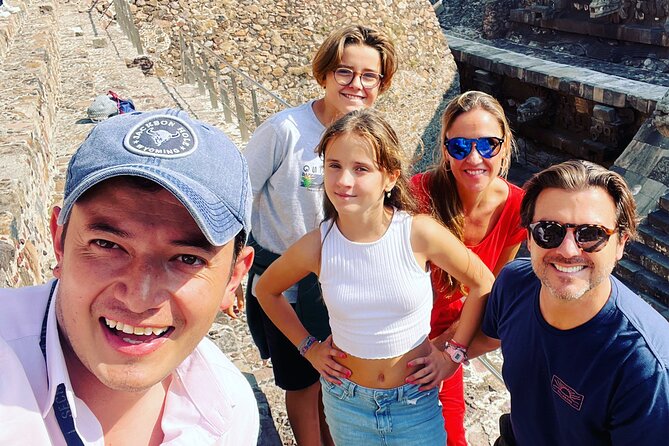
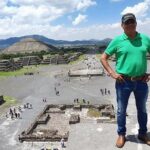
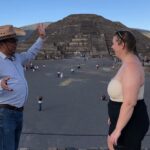
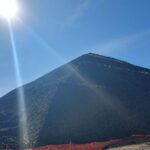
At Teotihuacan, an expert guide leads you through four stages of construction, dating from 100 B.C. to 650 A.C. The point is not simply to identify a pyramid or avenue. You learn how the city developed over time and why it mattered as a cultural and commercial center.
That long building period is one of the strongest reasons to have a guide. The site is large, and its scale can be hard to understand from a photograph or a quick walk. A clear explanation of the four stages gives you a way to read what you are seeing.
The visit centers on the Teotihuacan pyramids and the city’s larger ceremonial setting. You should expect time outdoors and a site visit that requires attention to the guide’s explanations as you move through the area. The supplied details do not specify how much time is spent at each monument, so the exact balance between the main pyramids and the restricted area may vary.
The guide’s role is especially important here. A past booking described the historic-site visit as fascinating and praised the guide’s explanations, which fits the design of this tour: the archaeological setting receives more than a quick photo stop, and the meal afterward gives you a chance to keep talking about what you saw.
The restricted mural-art area is the special access
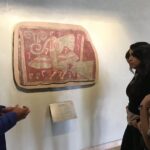
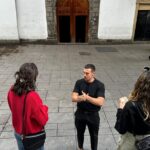
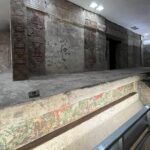
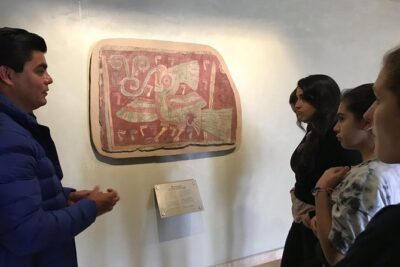
The most unusual part of the archaeological visit is access to The Temple of the Ancient Masters of Mural Art. This area is under investigation by INAH, Mexico’s national institute for anthropology and history.
The site was once used for art study and exploration, including work with techniques such as cochineal painting. Cochineal is linked to a natural red pigment, and the mention of this technique points to the care and skill behind Teotihuacan’s painted surfaces. The tour gives you a chance to consider the city not only as a place of stone architecture, but also as a center of visual work.
This stop is valuable because painted decoration is often less visible than large buildings. A restricted research area offers a different kind of access and may give the guide room to explain how specialists study ancient art.
You should keep your expectations measured. The area is under investigation, so it is not presented as a fully open museum with every feature on display. Access can also depend on the rules governing the site. The key benefit is the chance to enter a part of Teotihuacan that is not part of the standard public route described for a basic pyramid visit.
For anyone interested in archaeology, conservation, or ancient painting, this may be the strongest feature of the day. If your priority is simply climbing or photographing the largest monuments, the restricted area may matter less to you.
A few more Mexico City tours and experiences worth a look





Erica’s home brings the history to the table
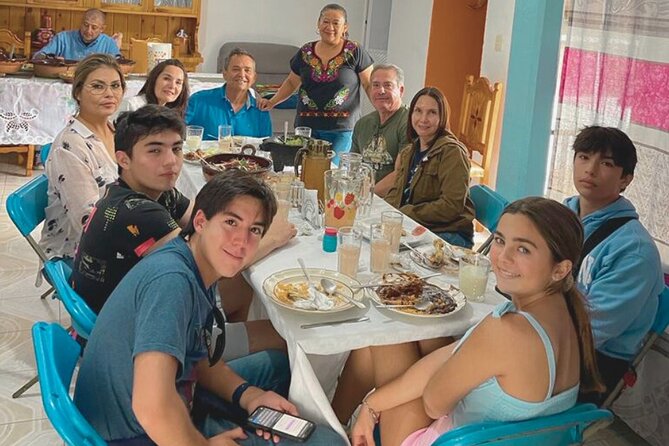
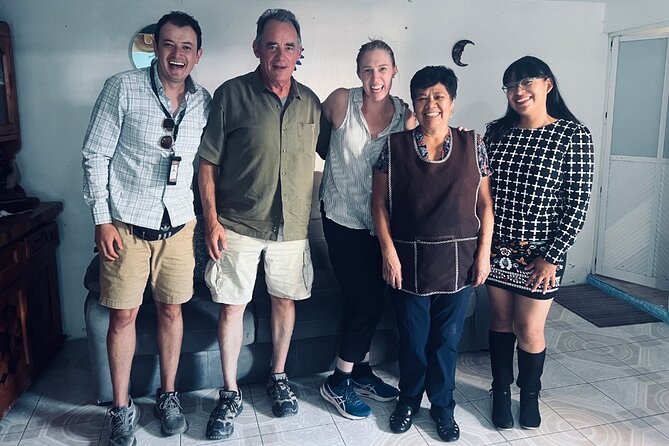
After Teotihuacan, you take a short drive of about ten minutes to Erica’s home. The change from an archaeological site to a local house is deliberate. Instead of ending with a restaurant meal chosen for convenience, the day shifts to a personal setting and a menu built around Mexican ingredients and cooking traditions.
The food combines pre-Hispanic and colonial ingredients and techniques. That makes the meal more than a break for lunch. It gives you a practical example of how different periods of Mexican food culture meet in everyday cooking.
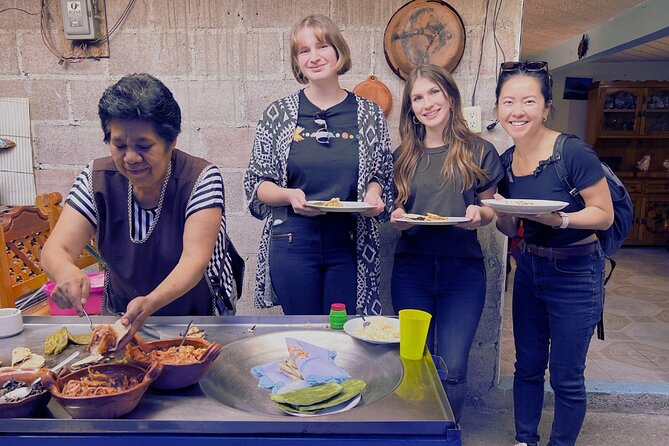
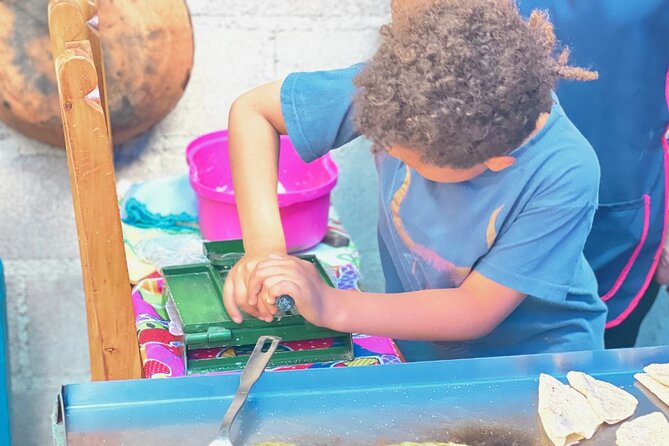
The menu begins with homemade quesadillas. You may receive Oaxacan cheese, huitlacoche, mushrooms, and nopal, or cactus. Huitlacoche has a distinctive earthy flavor, while cactus adds a fresh, slightly tart note. Together, these fillings offer more character than a plain cheese quesadilla.
The main course is chicken with mole, served with guacamole, grasshoppers, maguey worms, pork rinds in green sauce, rice, and beans. Mole gives the plate its central flavor, but the selection also lets you try several ingredients associated with Mexican food traditions.
Grasshoppers and maguey worms are included, so you should be ready for some foods that may be unfamiliar. You do not have to treat them as a dare. The value is in having the chance to try them in a meal where they belong, alongside more familiar chicken, rice, beans, and guacamole.
Dessert is a pre-Hispanic-style preparation of xoconostle fruit with cinnamon. Xoconostle is a tart fruit related to the prickly pear. The cinnamon should soften the sharpness, giving the meal a finish that is quite different from a standard sweet pastry.
The supplied information does not say how the meal is served or how much time you have at the house, so do not assume a formal cooking class or a hands-on workshop. The clear promise is a home meal, local conversation, and a menu that draws from several periods of Mexican food culture.
Dietary needs are handled better than on many food tours
This experience is suitable for vegetarians, vegans, and people with celiac disease. That is important because the listed menu includes chicken, pork rinds, and other ingredients that will not suit everyone.
You should still provide your dietary needs when booking, rather than waiting until the meal begins. The tour specifically identifies these diets as suitable, but the exact substitutions are not listed.
For a plant-based diner, the quesadillas, mushrooms, nopal, guacamole, rice, beans, and other components may form the basis of the meal, though the details should be confirmed ahead of time. For someone with celiac disease, advance notice matters just as much because the menu and preparation methods are not explained in detail.
The food is one of the tour’s most praised features. A past booking described the local lunch as delicious, and that positive response makes sense given the range of dishes and the home setting. The meal also helps balance the morning. After several hours of transport and archaeology, you get a relaxed chance to sit down.
Transport, timing, and group size
The total duration is about six hours. A practical outline looks like this:
- Meet for coffee at 8:00 a.m. in Roma Norte or 8:30 a.m. in Col Juárez.
- Travel about one hour to Teotihuacan.
- Tour the archaeological site and the restricted mural-art area.
- Drive about ten minutes to Erica’s home.
- Eat a local meal.
- Return to Mexico City in about one hour.
The schedule leaves little room for casual wandering beyond the planned visit. That is not a criticism, but it is useful to know. You are buying a focused day with a set route, not an open-ended visit where you can decide on the spot how long to stay at each part of the site.
The group maximum is 12 people. That is small enough to keep the guide close and make questions practical, while still being large enough that the outing has a group-tour feel. If you want a private guide or a fully flexible schedule, this is not that kind of product.
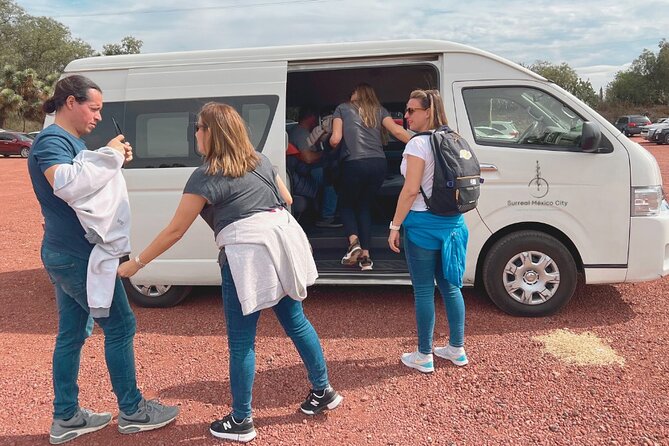
The air-conditioned vehicle is a strong practical feature. Teotihuacan is outside Mexico City, and the drive takes time in both directions. Instead of arranging your own transport, you can use the ride to listen to the guide and arrive with the main logistics handled.
The meeting points are less flexible than hotel pickup. Pickup is listed as offered, but the specific morning instructions identify the two cafés as meeting points. Confirm which arrangement applies to your booking. You also receive a mobile ticket, which is handy when you are moving through Mexico City without printed paperwork.
Who will get the most from this experience
I would recommend this tour most strongly if you want Teotihuacan explained rather than simply photographed. The four construction stages, the city’s commercial and cultural role, and the mural-art research area give the visit more substance than a quick monument circuit.
It also suits people who plan trips around food. The meal at Erica’s home is not an afterthought. It is a central part of the day, with a menu that includes huitlacoche, nopal, mole, grasshoppers, maguey worms, and xoconostle.
You may also find it a good fit if you want a small group and an English-language guide without arranging every detail yourself. The café start, air-conditioned transport, archaeological visit, and home meal are bundled together.
I would hesitate if you dislike early starts, long vehicle rides, or set schedules. You should also think twice if you want a full day focused only on the major Teotihuacan monuments. The unusual access and lunch take part of the available time, and the group returns to Mexico City after about six hours.
The tour is open to most people, and service animals are allowed. The information provided does not describe mobility conditions at the site, so you should ask before booking if you have specific access needs.
Is the $90 price fair?
At $90 per person, the value depends on what you would otherwise arrange yourself. You receive a guided archaeological visit, access to a restricted area, coffee, round-trip transport, and a substantial meal in a local home.
A cheaper independent visit might give you more control over timing, but it would not necessarily include the special access or the food experience. You would also need to arrange transportation to and from Mexico City and find your own guide.
The strongest value here is the combination. A standard trip to Teotihuacan and a separate local meal could cost less or more depending on your choices, but this tour removes the guesswork and adds the mural-art stop.
The 100 percent recommendation rate and five-star score from 51 bookings point to a consistently positive experience, especially around the guide, the historic site, and the lunch. I would still judge the price against your interests. If you care about food and access, it is a reasonable splurge. If you mainly want a low-cost ride to the pyramids, you can likely find a simpler option.
Should you book this Teotihuacan tour?
Book it if you want a focused, English-language day that links archaeology, modern Mexico City, and home cooking. The restricted mural-art area gives the Teotihuacan visit a clear point of difference, while Erica’s meal turns the trip into more than a monument stop.
The best reasons to choose it are the small group, air-conditioned transport, unusual food, and the chance to see a research area not included in a basic site visit. The main trade-offs are the early meeting time, fixed schedule, and six hours of total travel and touring.
I would choose this experience for a first or second Mexico City visit when you want cultural context without managing the transport yourself. If that sounds like your kind of day, the $90 cost is defensible. Cancel at least 24 hours before the start time if your plans change, since later cancellations and changes are not refunded.
FAQ
Where does the tour begin?
You can meet at Almanegra café in Roma Norte at 8:00 a.m. or at 1401 café in Col Juárez at 8:30 a.m.
Is coffee included?
Yes. Specialty-brewed coffee is included at the morning meeting point.
How long does the experience last?
The experience lasts about six hours, including transport, the Teotihuacan visit, lunch, and the return to Mexico City.
How long is the drive to Teotihuacan?
The drive from Mexico City to Teotihuacan takes about one hour. The return trip also takes about one hour.
Is transportation air-conditioned?
Yes. Transport is provided in an air-conditioned vehicle.
How many people can join the tour?
The group can include a maximum of 12 people.
Is the tour offered in English?
Yes. The experience is offered in English.
What food is included?
The sample menu includes homemade quesadillas with Oaxacan cheese, huitlacoche, mushrooms, and nopal; chicken with mole, guacamole, grasshoppers, maguey worms, pork rinds in green sauce, rice, and beans; and xoconostle with cinnamon for dessert.
Can people with dietary restrictions join?
The experience is suitable for vegetarians, vegans, and people with celiac disease. Share your needs when booking so the meal can be planned appropriately.
Are service animals allowed?
Yes. Service animals are allowed, and most people can participate.
What is the cancellation policy?
You can cancel for a full refund up to 24 hours before the start time. Cancellations or changes made less than 24 hours before the experience are not accepted for a refund.
More Food Experiences in Mexico City
More Teotihuacan Tours in Mexico City

More tours in Mexico City we've reviewed


Teotihuacan Tours, compared.
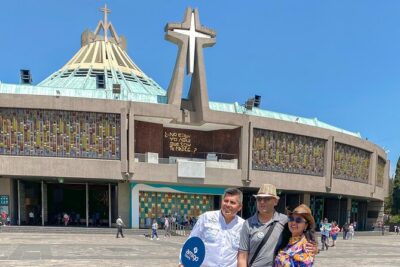 ★ 5.0Teotihuacan, Guadalupe Shrine & Tlatelolco Day Tour with LunchFrom $399 hours (approx.)
 ★ 5.0Balloon flight + Breakfast in cave + Pyramids + Pick up CDMX.From $1722 to 8 hours (approx.)
 ★ 5.0Teotihuacan pyramids morning or afternoon without tourist trapsFrom $645 hours 30 minutes (approx.)
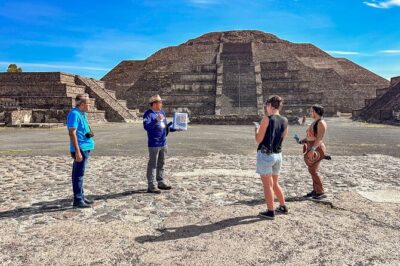 ★ 4.5Teotihuacan Early Access Guided Tour with optional LunchFrom $398 hours (approx.)
 ★ 5.0Balloon flight + pick up in CDMX + Breakfast in Cave + PyramidsFrom $1694 to 7 hours (approx.)
 ★ 4.6Mexico City: Teotihuacan, Tlatelolco & Guadalupe Shrine TourFrom $49
 ★ 5.0Teotihuacan Hot Air Balloon Flight from Mexico City / VolareFrom $1553 to 9 hours (approx.)
 ★ 5.0Hot Air Balloon Flight with Breakfast Cave and Pyramids TourFrom $1408 hours (approx.)
The lists this tour appears in