
Reviewed · CHAPULTEPEC & MUSEUM TOURS
Museum of Anthropology: a look at Mexico’s past
The best reason to book this tour is simple: Mexico City’s National Museum of Anthropology can feel overwhelming without a plan. A good guide turns its vast collection into a clear story, linking artifacts, symbols, myths, politics, and daily life across Mexico’s ancient cultures. Hector Banderas and Edith Gonzalez are the guides most often associated with this experience.
In This Article
- Key points to know
- Why this museum needs a guide
- Starting at the Reforma entrance
- What the three-hour route covers
- Symbols, myths, and the human stories behind objects
- Hector or Edith: which guide suits you?
- Why the six-person limit matters
- Is three hours enough?
- Value, inclusions, and what you must arrange
- Who should book this experience?
- Booking, cancellation, and small practical details
- Should you book the Anthropology Museum tour?
- FAQ
- Where does the tour meet?
- Where does the activity end?
- How long does the museum tour last?
- Is museum admission included?
- Is a guide included?
- Is the tour offered in English?
- Is transportation included?
- Can children join the tour?
- What is the cancellation policy?
I like the small maximum of six people, which gives you room to ask questions. I also like that museum admission and a federally licensed SECTUR guide are included, so you are paying for interpretation, not just a walk to the front door. The main drawback is that the tour is not available to anyone under 18, and three hours only gives you a focused introduction to a museum that could occupy several days.
Key points to know
- A focused route through Mexico’s most important rooms: You will not try to see every display. The guide concentrates on emblematic galleries and the cultures that shaped Mexico before Spanish arrival.
- Hector and Edith bring different strengths: Hector is praised for linking symbols, mythology, and chronology, while Edith is known for clear explanations of religion, history, and modern cultural connections.
- The group is capped at six people: This makes questions and conversation more practical than on a large coach-style museum visit.
- Audio equipment helps larger small groups: Audiobox equipment is provided for groups of six or more, useful in crowded galleries.
- The museum visit begins and ends at the same Reforma meeting point: You arrange your own way there and back. Private transport, lunch, and bottled water are not included.
- Plan for a serious museum visit: The stated duration is about three hours, but you should expect to be on your feet and have a moderate level of fitness.
Why this museum needs a guide
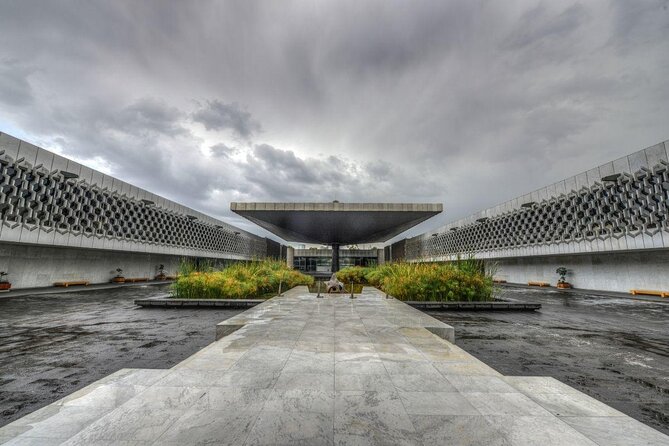
Mexico City’s National Museum of Anthropology is not a quick stop with a handful of famous objects. It is a large institution devoted to the peoples and cultures of Mexico, with displays that span thousands of years and many regions.
That scale is exciting, but it can also make your visit feel like a march from one case to the next. You see carved stones, masks, figures, tools, vessels, and monumental pieces, yet the meaning may not be clear. A guide gives those objects a place in a larger story.
This experience focuses on the museum’s most emblematic rooms and on cultures that existed before the arrival of the Spaniards. That makes it a sensible first visit, especially if you want a framework for the rest of your time in Mexico City.
I would not choose this tour if your goal is to study every label or spend a full day in one gallery. I would choose it if you want someone to explain why certain symbols repeat, how beliefs shaped public life, and how different cultures fit into the wider story of Mexico.
A few more Mexico City tours and experiences worth a look
Starting at the Reforma entrance
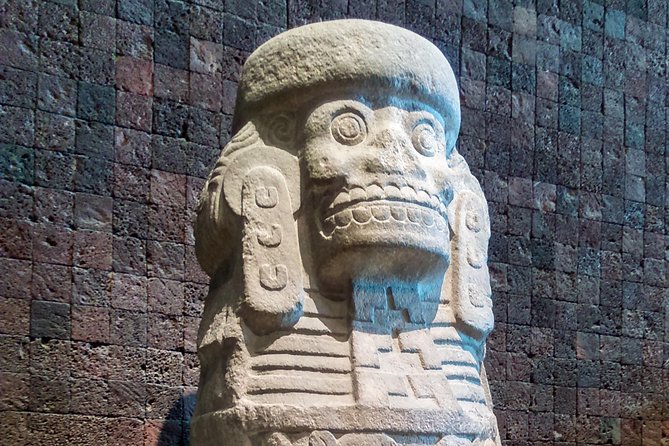
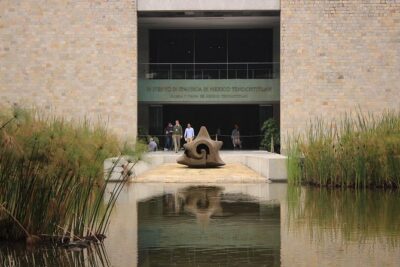
The meeting point is on Avenida Paseo de la Reforma, beside Bosque de Chapultepec in the Polanco area. This is a central Mexico City location near public transportation, but you still need to allow time to reach it. The tour does not include private transport, so getting to the museum is your responsibility.
The activity ends back at the meeting point. That is useful if you want to continue your day in Chapultepec or return toward Polanco, but it also means you should not expect a drop-off at your hotel or another neighborhood.
Once inside, the guide sets the pace and selects the key rooms. The exact route can vary, but the purpose is consistent: to help you understand the cultures and communities that inhabited Mexico before Spanish rule.
A practical tip is to arrive ready for a museum visit rather than a short sightseeing stop. Wear comfortable shoes, carry water for before or after the tour, and keep your schedule flexible enough that you do not feel pressed to leave at the stated three-hour mark.
What the three-hour route covers
The tour is built around the museum’s major rooms rather than every corner of the building. That is a sensible choice. You get an organized introduction instead of trying to absorb thousands of objects without knowing what deserves your attention.
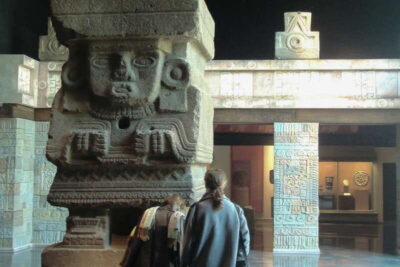
Your guide may explain how a culture developed in a particular region, how it interacted with neighboring groups, and how its religious or political ideas appear in the objects on display. The strongest part of this approach is the connection between a single artifact and the wider world that produced it.
Hector is especially well suited to visitors who like chronology and visual clues. His explanations connect symbols and themes so you can recognize them later in the museum, and perhaps even elsewhere in Mexico City. He is also praised for using technology to help connect ancient ideas with the present.
Edith offers a different but equally useful style. Her explanations place emphasis on the purpose of the museum, pre-colonial life, legends, gods, and the ways older practices relate to religious customs in Mexico today. If you want history explained in a warm, easy-to-follow way, her approach should suit you.
The tour is not a lecture that leaves you alone with a headset. It is intended to be interactive. You can ask questions about objects, stories, beliefs, and the links between cultures. That matters here because the museum contains many items whose meaning is not obvious from appearance alone.
Symbols, myths, and the human stories behind objects
A major strength of this experience is its attention to symbols. Ancient Mexican art can look mysterious when viewed without context. A figure, animal, headdress, or repeated shape may carry religious, political, or social meaning that is easy to miss.
A guide can point out those patterns and show how they fit together. Hector’s style, in particular, connects symbols to stories and mythology, while Edith explains legends and religious ideas in a way that links the past to Mexico today.
That does not mean every mystery receives a simple answer. Ancient cultures left evidence, but evidence must be interpreted carefully. A good guide helps you understand what historians know, what the objects suggest, and why different ideas mattered to the people who made them.
This is also where a guided visit offers more value than simply downloading information. You can stop and ask why an image appears in a certain setting, how an artifact was used, or what changed over time. You get a conversation rather than a pile of facts.
Hector or Edith: which guide suits you?
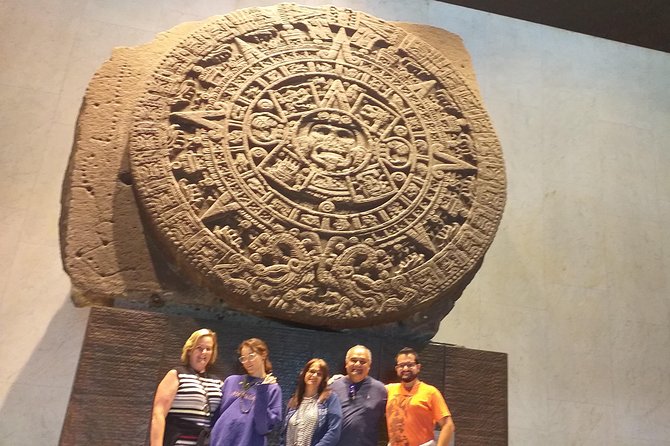
You cannot necessarily request a particular guide unless the operator confirms it, but Hector Banderas and Edith Gonzalez are the names most closely tied to the experience.
Hector’s appeal is his energy and gift for teaching. He explains the chronology of the cultures, then uses stories and symbols to make the sequence easier to remember. He is also described as patient with questions and generous with time, rather than rushing visitors from object to object.
His style should work especially well if you enjoy mythology, mystery, and the reasoning behind ancient beliefs. He has also been praised for making a complicated museum feel manageable on a first visit.
Edith’s strength is clarity. She explains the museum’s purpose and the history of pre-colonial Mexico in a grounded way. Her background in history, noted in the tour feedback, helps her connect politics, geography, conflict, religion, and everyday life.
She is a good match if you want a calm presentation with plenty of context. Her ability to make difficult material understandable is particularly useful when you are new to Mexican history.
Both guiding styles share the main benefit: they give the objects a human setting. You are not only looking at old things. You are learning how people understood their world and how traces of those ideas continue in Mexican culture.
Other museum experiences in Mexico City



Why the six-person limit matters
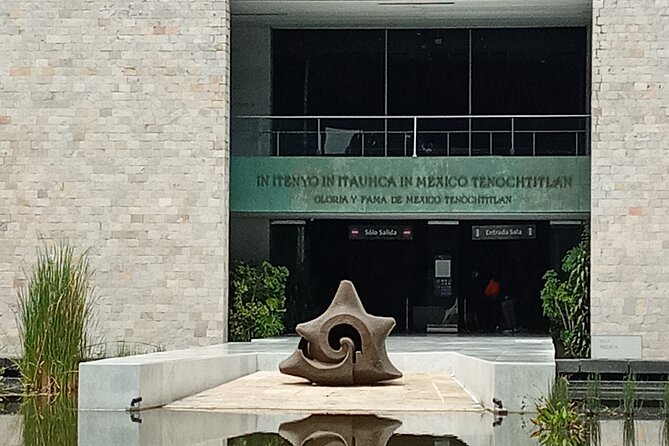
The maximum group size is six people. That is one of the best practical features of the tour.
In a museum, a large group can create a problem. The guide has to speak loudly, visitors at the back miss details, and questions take more time. A group of six allows the guide to gather everyone around a display without turning the visit into a public performance.
For groups of six or more, audiobox equipment is provided. The wording suggests this equipment is used when the group reaches that size, so it should help you hear the guide in busy galleries. If your booking has fewer than six people, confirm how the guide will communicate with you.
The small group also changes the social feel of the visit. You can ask about an object that interests you, pause when your legs need a break, and tell the guide what you already know. One account specifically praised the guide for finding places to sit during explanations, a thoughtful detail during a long museum visit.
Still, a moderate level of physical fitness is expected. You may be walking and standing for much of the three-hour session. The tour is not presented as accessible for people who need a fully seated activity, and no specific accessibility arrangements are listed.
Is three hours enough?
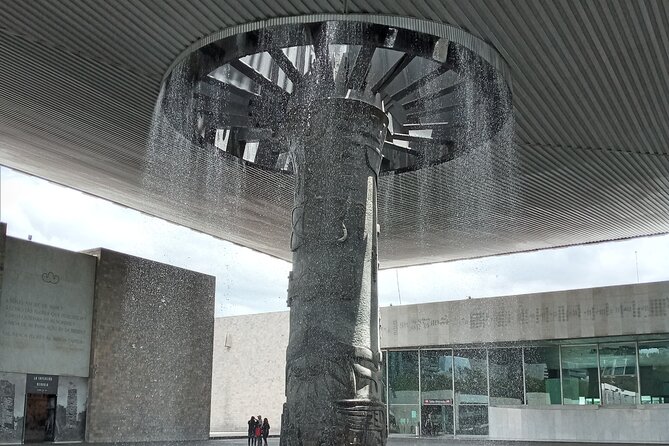
Three hours is enough for a strong introduction, not for the whole museum.
One of the most useful pieces of advice from the experience is that seeing everything properly could take three days. That may sound excessive until you consider the museum’s size and the range of material on display.
The guided route gives you a foundation. Afterward, you may want to return independently to spend more time in rooms that caught your attention. That makes this tour a good first-day activity, when you want to learn the basic themes before exploring on your own.
If you have only one afternoon in Mexico City, the three-hour format is practical. It gives you a meaningful cultural visit without taking the entire day. If you have several days, use the tour as an introduction, then return for a slower look at the galleries that interested you most.
You should also know that the published duration is approximate. The guided portion is described as three hours, while the overall experience is presented as roughly two to three hours. Allow extra time if you prefer not to leave immediately after the formal tour.
Value, inclusions, and what you must arrange
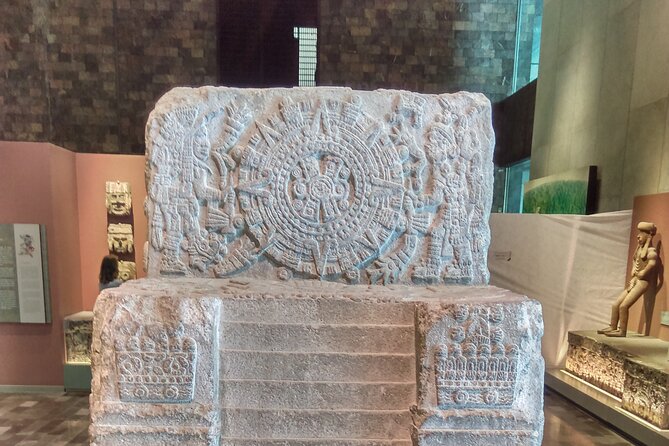
No tour price is provided here, so I cannot judge whether the cost beats buying a museum ticket and hiring a guide separately. The value depends on how much you want interpretation and how comfortable you are navigating a very large museum alone.
The package includes:
- Museum admission
- A federally licensed guide certified by SECTUR
- Audiobox equipment for groups of six or more
Those inclusions matter. A licensed guide gives you professional interpretation, and the museum ticket removes one small task at the entrance. The audio equipment can make a difference when several people need to hear the same explanation.
You pay separately for transportation, lunch, and bottled water. Since the museum is near public transportation, reaching the meeting point should be manageable, but the exact ease depends on where you are staying and the time of day.
I would compare the tour price with the cost of admission plus the value of three hours of expert guidance. If you normally walk through museums quickly and read every label yourself, the added cost may not feel necessary. If you often leave major museums unsure what you saw, the guide is likely the part worth paying for.
Who should book this experience?
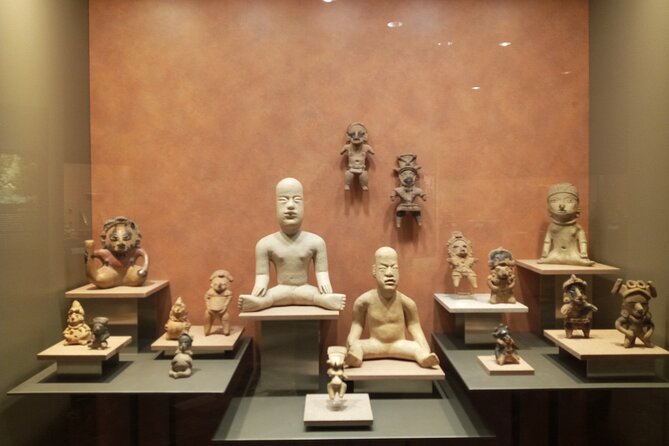
This tour is best for adults visiting the Anthropology Museum for the first time. It also suits couples, friends, and families with adult children who enjoy history and want a clear explanation instead of a self-guided wander.
It is particularly useful for you if:
- You want to understand Mexico’s ancient cultures in chronological order.
- Mythology, religion, and symbols interest you.
- You prefer asking questions to reading every museum label.
- You have about three hours for a focused museum visit.
- You want a small group rather than a large organized tour.
- You plan to return to the museum later for a longer visit.
The official conditions say the activity is not available to children under 18. One past account describes a 13-year-old asking questions during a visit, but you should rely on the current booking condition and confirm directly if your party includes anyone younger.
This is less suitable if you dislike guided pacing or want to photograph and examine every object at length. It may also disappoint you if you expect transport, food, or a full-day museum program, since none of those are included.
Booking, cancellation, and small practical details
Confirmation is provided at booking. The activity requires a minimum number of participants, so it can be canceled if that minimum is not met. In that case, you are offered another date or experience, or a full refund.
You can cancel for a full refund up to 24 hours before the start time. Changes or cancellations made less than 24 hours before the local start time are not accepted for a refund.
The meeting point is the Reforma address by Chapultepec, and the tour returns there. Check the exact start time carefully, since the meeting point is specific and the guide cannot be expected to chase late arrivals across a large city.
Should you book the Anthropology Museum tour?
Book it if you want the museum to make sense rather than simply look impressive. The objects are powerful on their own, but a skilled guide such as Hector or Edith can connect them into a story about culture, belief, conflict, geography, and memory.
The small group, included admission, licensed guide, and focused route give the experience solid practical value. The main limits are the adult-only rule, the lack of transport and refreshments, and the fact that three hours covers only the museum’s highlights.
My advice is to schedule this near the beginning of your Mexico City visit. Let the guide teach you the main symbols and themes, then return later if the museum catches your interest. For a first visit, that combination gives you both structure and freedom.
FAQ
Where does the tour meet?
It meets at Av. Paseo de la Reforma, beside Bosque de Chapultepec in the Polanco area of Mexico City.
Where does the activity end?
The tour ends back at the meeting point.
How long does the museum tour last?
The experience lasts approximately two to three hours, with the museum visit described as three hours.
Is museum admission included?
Yes. The museum access ticket is included.
Is a guide included?
Yes. The tour includes a federally licensed guide certified by SECTUR.
Is the tour offered in English?
Yes. English is one of the offered languages.
Is transportation included?
No. Private transportation is not included. You must arrange your own way to and from the meeting point.
Can children join the tour?
The stated conditions say the activity is not available for children under 18.
What is the cancellation policy?
You can cancel up to 24 hours before the experience begins for a full refund. Cancellations or changes made less than 24 hours before the local start time are not accepted for a refund.
More Museum Experiences in Mexico City
More Chapultepec & Museum Tours in Mexico City
More tours in Mexico City we've reviewed





Chapultepec & Museum Tours, compared.
 ★ 4.4CDMX: Xochimilco, Coyoacan, Frida Kahlo Museum & Murals TourFrom $89
 ★ 4.5Chapultepec Castle & Anthropology Museum TourFrom $795 hours (approx.)
 ★ 5.0Frida Kahlo VIP [Museum Tickets Included] Bike, Markets & ChurrosFrom $834 hours (approx.)
 ★ 4.5Anthropology Museum Guided TourFrom $392 hours 30 minutes (approx.)
 ★ 5.0Frida Kahlo VIP [Museum Tickets Included] Walk, Markets & ChurrosFrom $833 to 4 hours (approx.)
 ★ 5.0EXCLUSIVE TOUR Frida Kahlo Museum – SMALL GROUPSFrom $862 hours (approx.)
 ★ 4.4Mexico City: Anthropology Museum Guided VisitFrom $672.5 hours
 ★ 4.5Mexico City: Frida Kahlo Museum Entry Ticket w/Digital GuideFrom $34
The lists this tour appears in