
Reviewed · TOURS
EXCLUSIVE TOUR to Palacio de Bellas Artes – small groups
Mexico City’s Palacio de Bellas Artes is far more than a pretty theater facade. Inside, its murals turn the building into a lesson in Mexican politics, art, and social change, with guides explaining the symbols that are easy to miss on your own.
In This Article
- Key points to know before you book
- Why Bellas Artes deserves focused attention
- Starting outside with Art Nouveau details
- Reading the Art Nouveau and Art Deco mix
- The murals turn architecture into history
- Temporary exhibits, if the clock allows
- What the two-hour format really gives you
- Guide styles and the value of an English tour
- Is $65.72 a fair price?
- Who should book this Bellas Artes visit?
- Practical planning for the visit
- How to get more from the murals
- Should you book this tour?
- FAQ
- How long does the Palacio de Bellas Artes tour last?
- Where does the tour begin?
- Where does the tour end?
- What language is the tour offered in?
- What does the visit cover?
- How many people can join the tour?
- Is the experience near public transportation?
- Can I cancel for a full refund?
I like the tour’s small maximum of 15 people, which makes it easier to ask questions, and I like its clear focus on the building’s Art Nouveau and Art Deco design. Guides such as Tiare, Cinthya, Maite, and Isaac are praised for explaining the murals with energy and care.
The main consideration is scope. This is a roughly two-hour art and architecture visit, not a full study of every performance space and chapter of the theater’s story. If your priority is seeing the concert hall or learning about Bellas Artes as a working performance venue, you may want more time afterward.
Key points to know before you book
- The murals are the heart of the visit: Expect close attention to major works by Mexican muralists and the political ideas hidden in their images.
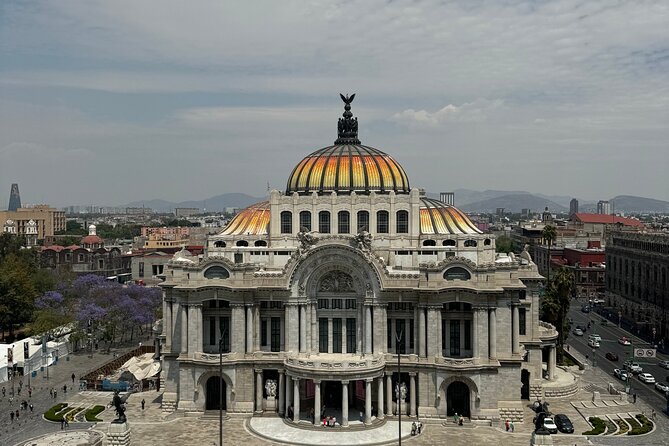
- Architecture comes first: The tour explains the building’s Art Nouveau facade, Art Deco details, sculptures, and Mexican design influences.
- English is provided: The experience is offered in English, with guides including Tiare, Cinthya, Maite, Isaac, Daniel, Alex, Janek, and others.
- Groups stay fairly small: The maximum is 15 people, though some departures may feel much more personal if attendance is low.
- Plan for about two hours: The tour starts and ends at Palacio de Bellas Artes in the Centro Histórico.
- Temporary exhibits may fit in: If time allows, your guide may include current exhibitions, but they are not the main promise of the visit.
Why Bellas Artes deserves focused attention
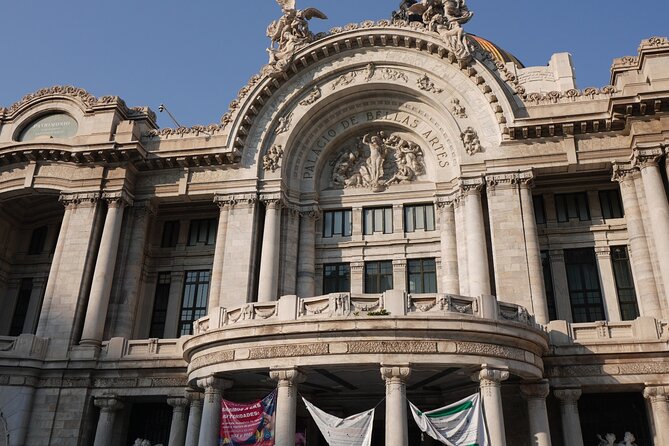
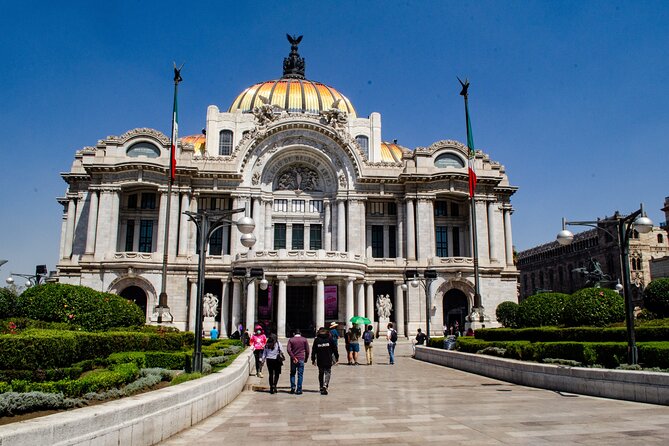
The Palacio de Bellas Artes can be hard to appreciate from a quick photo stop. Its white exterior attracts the eye, but the building’s design becomes more interesting once someone points out how different artistic styles meet in one place.
The tour begins with the facade and the building’s setting on Avenida Juárez. You’ll hear about the historical and architectural context before heading into the museum areas. That opening matters because the interior does not simply continue the exterior style. Art Nouveau and Art Deco appear in different ways, giving the building a layered look rather than a single, tidy design.
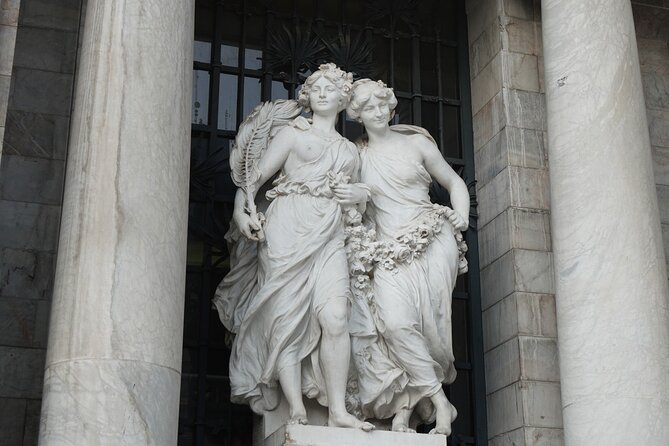
I like this approach because it gives you a way to read the building. Instead of seeing only grand decoration, you start noticing line, shape, ornament, and sculpture. The tour also brings attention to unusual sculptural details that reflect Mexican creative ideas, a useful counterpoint to the European influences visible in the architecture.
The Centro Histórico location makes this an easy cultural stop during a day in central Mexico City. Public transportation is nearby, and the activity ends at its starting point, so you do not need to arrange a separate pickup across town.
If you're still narrowing it down, here are other tours in Mexico City we've reviewed.


Starting outside with Art Nouveau details
Your meeting point is the Palacio de Bellas Artes, at Avenida Juárez, with the activity beginning and ending there. The exact entrance procedure and crowd conditions can vary, but the guide handles the opening orientation and explains what you are about to see.
The facade is the first lesson. Art Nouveau is known for flowing forms and decorative lines, while Bellas Artes also presents a grand civic scale. The guide connects those visual choices to the building’s design and to Mexico’s own artistic identity.
This is a good moment to ask questions. Several guides, including Cinthya and Tiare, are praised for explaining both the building and the wider area. Cinthya has also helped people plan nearby shopping and additional activities, which can be useful if Bellas Artes is your first stop in the historic center.
Do not expect the exterior portion to be a long architectural lecture. The visit lasts about two hours, and the murals receive the most attention. Still, starting outside gives you a framework for the interior. You can better understand why the palace feels both decorative and monumental.
Reading the Art Nouveau and Art Deco mix
Inside, the tour shifts from the facade to the building’s changing visual language. You’ll examine how Art Nouveau and Art Deco influenced different parts of the design, with the guide pointing out details you might otherwise pass without noticing.
That explanation is particularly useful for first-time museum visitors. You do not need formal art training to follow it. The styles are introduced through visible features, and the guide relates them to the building’s purpose and period.
The tour also includes attention to sculptures. These pieces help connect the imported design vocabulary with Mexican expression. That balance is one of the most useful parts of the experience: you are not simply told that the building has European influences, nor are you given a vague claim about Mexican creativity. You are shown how both elements appear together.
Guide quality matters here. Janek is praised for clear English and for helping senior visitors navigate the entrance process. Other guides are noted for patience and for answering questions in detail. If you have mobility concerns or need extra time with procedures, tell the guide at the start. The activity says most people can participate, and service animals are allowed.
The murals turn architecture into history
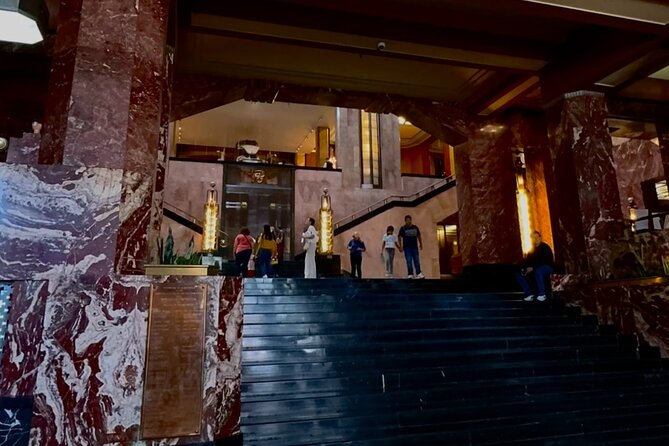
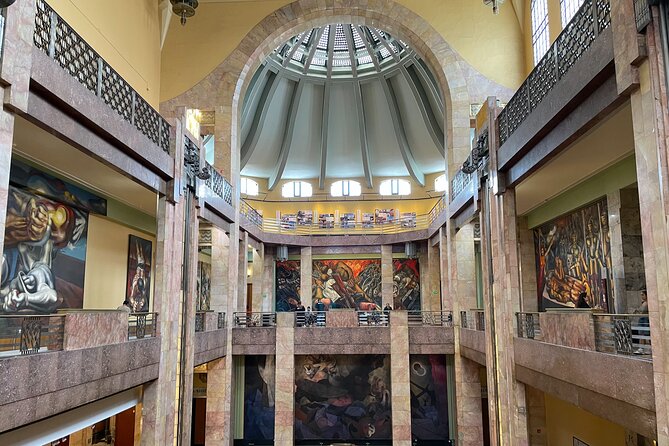
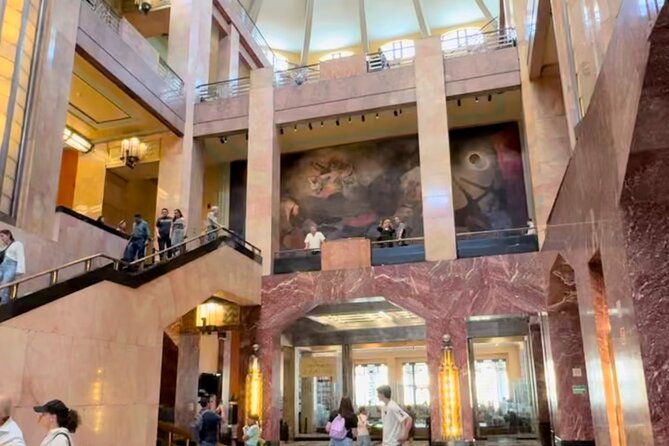
The mural section is where the tour earns its price. Palacio de Bellas Artes contains monumental works by major Mexican artists, and the guide explains more than the names and dates. You’ll look at figures, gestures, symbols, and political messages that reflect different periods in Mexico’s past.
The murals are not presented as neutral decoration. Their subjects connect to social conflict, political ideas, labor, revolution, and changing views of Mexican identity. A guide such as Isaac can help you follow the symbolism and the ways artists communicated their positions through images.
This is also where a guide changes the visit from looking to seeing. On your own, you may notice the scale and color first. With good interpretation, you begin to spot details within the composition and understand why an artist placed certain people or objects where they did.
Several guides are especially praised for passion. Tiare is described as bringing the paintings to life through explanations of symbolism, politics, and Mexican culture. Maite is noted for her detailed treatment of both the murals and the building. Daniel is praised for telling the theater’s story while explaining the ideas behind the paintings.
The experience includes works associated with famous Mexican muralists, including Diego Rivera and David Alfaro Siqueiros, as well as other important artists. One review also mentions Manuel Rodríguez Lozano. The key value is not simply seeing famous names in person. It is learning how the works fit into the country’s artistic and political development.
If you enjoy asking questions, this tour should suit you well. Isaac has led a one-person departure and was able to adapt the discussion to the participant’s questions and opinions. A small group creates more room for that kind of exchange, though the maximum of 15 means your experience will not always be private.
Temporary exhibits, if the clock allows
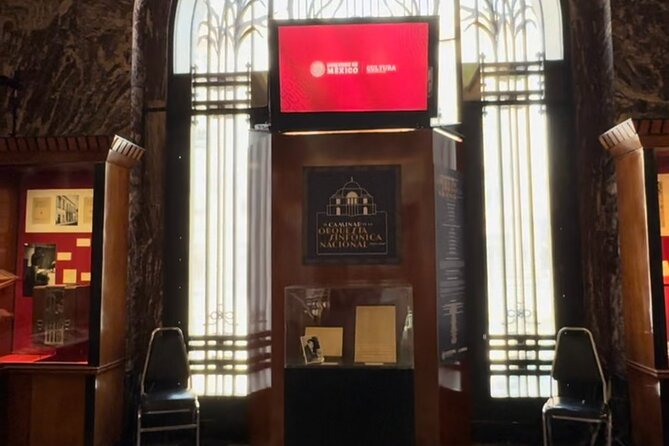
The planned focus is the permanent architecture and murals. If time permits, the guide may include temporary exhibitions featuring contemporary artists.
Treat this as a bonus rather than a reason to book. Temporary shows change, and the available time will depend on the pace of the group and the museum’s conditions. If you have a particular exhibition in mind, confirm that it can be included rather than counting on it.
This flexibility is still useful. After studying monumental muralism, a contemporary exhibition can give you a different view of Mexican art. But two hours can pass quickly, especially if the guide is answering questions. People who want a broad museum visit with plenty of time for temporary galleries may find the schedule tight.



What the two-hour format really gives you
Two hours is a sensible length for a focused introduction. It is enough time to discuss the exterior, architectural styles, sculptures, and major murals without turning the visit into an exhausting full-day museum session.
I would think of it as a guided foundation. You will leave with a stronger sense of what to look for if you return on your own, and the same ideas can help you understand murals in other Mexico City museums.
The limit is just as clear. The tour does not promise a detailed look at every room or the full performance legacy of Bellas Artes. One participant specifically hoped to see the concert hall and learn more about the building from its construction to the present. That expectation was not fully met because the visit focused on the artistic narrative.
So, check your priorities. If you want the murals explained in plain English, two hours is well used. If you want theater history, backstage areas, performance spaces, and temporary exhibits in equal measure, you may need to supplement the tour with independent time.
Guide styles and the value of an English tour
The experience is offered in English, and the strongest guide comments focus on clarity, warmth, and subject knowledge. Tiare is praised for her English and her command of mural symbolism. Cinthya combines art and history with humor, and she has even supported a visitor practicing Spanish while translating into English when needed.
Maite is repeatedly described as passionate about the building and its art. Isaac receives praise for making a solo visit feel like a conversation with a friend. Daniel, Alex, Janek, and Angel are also described as careful, clear, and generous with explanations.
The provider does not promise a specific guide, so you should not book on the assumption that one named person will lead your departure. Still, the range of strong guide reports suggests that the experience depends on a team rather than a single personality.
For older participants, the tour can be a practical choice because guides have been praised for patience and for explaining procedures. Most people can participate, and the location is near public transportation. Service animals are allowed.
Is $65.72 a fair price?
At $65.72 per person, this is not a bargain museum wander. You are paying for a focused English-speaking guide, interpretation of the murals, and help understanding architecture that can be difficult to read without context.
The value is strongest if you care about art but do not already know Mexican muralism well. The guide can save you the work of researching each artist and help connect visual details to Mexican history and politics. That can make a short visit far more useful than walking through with only a few labels.
The price is harder to justify if you mainly want to enter the building, take photographs, and look around at your own pace. It is also less attractive if your main interest is the concert hall or the theater’s performance history, since the tour’s main attention goes to the architecture and murals.
A group maximum of 15 helps protect the value. You are not signing up for a huge lecture where the guide is difficult to hear. If the group is small, you may get a more personal exchange and more time for questions. There is no promise that every departure will be private, so keep that distinction in mind.
Who should book this Bellas Artes visit?
I would recommend it most strongly to:
- First-time visitors who want context for Mexico City’s major art sites
- People curious about Diego Rivera, Siqueiros, and Mexican muralism
- Museum visitors who prefer explanation over silent self-guided viewing
- Solo visitors who want a structured cultural activity
- Couples and families who enjoy history, architecture, and discussion
- English-speaking visitors who want help interpreting political symbolism
It may be less suitable for you if you want a quick photo stop, a full architectural survey, or a performance-focused theater tour. It may also feel too short if you like spending long periods with each artwork.
The tour is friendly to a range of ages and experience levels. You do not need to identify as an art expert. In fact, the explanations are most useful when you arrive curious but unsure how to interpret what you are seeing.
Practical planning for the visit
The tour starts and ends at Palacio de Bellas Artes, so plan your day around the Centro Histórico rather than adding a long cross-city transfer. Since the meeting point is a major landmark, arriving early is sensible, especially if this is your first time in the area.
The experience is usually booked about 20 days ahead, which suggests that advance planning is wise during popular travel periods. Confirmation is provided when you book.
Free cancellation is available if you cancel at least 24 hours before the start time. Changes or cancellations inside that window are not accepted for a refund. The activity can also be canceled if a minimum number is not reached or if poor weather affects the visit, in which case you are offered another date or a full refund.
The tour is near public transportation, and most people can take part. Because the outing involves standing and moving through museum spaces, mention any need for a slower pace when you meet the guide. The group limit is 15 people.
How to get more from the murals
Bring questions. Ask the guide to explain a symbol you cannot place, an artist’s political position, or the link between a mural and a period in Mexican history. The best parts of this experience come from conversation, not from rushing to the next wall.
Give the exterior your attention too. It is tempting to hurry indoors, but the Art Nouveau facade and sculptures provide useful clues about the building’s style. Once inside, compare those details with the Art Deco elements and see how the visual language changes.
If you have extra time after the tour, use what you learned to look again at the murals on your own. A second pass can be surprisingly rewarding because you will notice smaller figures and relationships that were invisible at first glance.
Also ask for neighborhood suggestions. Cinthya has helped visitors with nearby shopping and activities, and guides may be able to point you toward sensible next stops. Treat such advice as an added benefit, not a guaranteed part of every departure.
Should you book this tour?
Book it if you want the Palacio de Bellas Artes to make sense, not merely to look impressive. The strongest reason to go is the mural interpretation, backed by a clear introduction to Art Nouveau, Art Deco, sculpture, and the building’s cultural role.
At $65.72, the tour is best value for curious visitors who want an English-speaking guide and who will ask questions. The small group cap, central meeting point, and roughly two-hour schedule make it easy to fit into a Mexico City itinerary.
Skip it if you want a broad theater tour, a guaranteed concert hall visit, or unlimited time with temporary exhibitions. For everyone else, especially anyone interested in Mexican art and political symbolism, this is a focused and worthwhile way to see Bellas Artes.
FAQ
How long does the Palacio de Bellas Artes tour last?
The experience lasts approximately two hours.
Where does the tour begin?
It begins at Palacio de Bellas Artes, Avenida Juárez S/N, Centro Histórico de la Ciudad de México, Cuauhtémoc, Mexico City.
Where does the tour end?
The activity ends back at the Palacio de Bellas Artes meeting point.
What language is the tour offered in?
The tour is offered in English.
What does the visit cover?
It covers the building’s Art Nouveau facade, Art Deco and Art Nouveau influences, sculptures, architecture, and murals by major Mexican artists. Temporary exhibitions may be included if time permits.
How many people can join the tour?
The maximum group size is 15 people.
Is the experience near public transportation?
Yes, the meeting point is near public transportation.
Can I cancel for a full refund?
Yes. You must cancel at least 24 hours before the experience start time for a full refund. Changes or cancellations made less than 24 hours before the start time are not accepted for a refund.
More tours in Mexico City we've reviewed




Tours, compared.
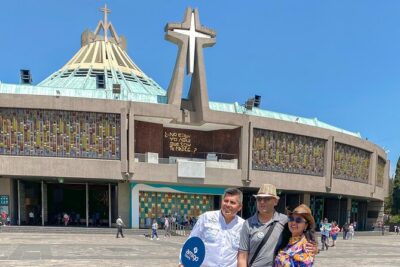 ★ 5.0Teotihuacan, Guadalupe Shrine & Tlatelolco Day Tour with LunchFrom $399 hours (approx.)
 ★ 4.5Teotihuacan Early Access Guided Tour with optional LunchFrom $398 hours (approx.)
 ★ 4.6Mexico City: Teotihuacan, Tlatelolco & Guadalupe Shrine TourFrom $49
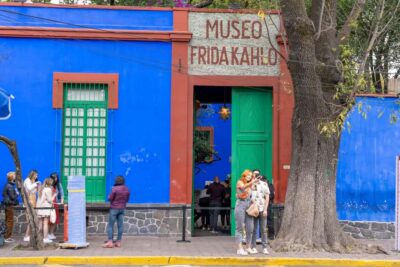 ★ 4.4CDMX: Xochimilco, Coyoacan, Frida Kahlo Museum & Murals TourFrom $89
 ★ 5.0Hot Air Balloon Flight with Breakfast Cave and Pyramids TourFrom $1408 hours (approx.)
 ★ 5.0Teotihuacan Private Tour from Mexico CityFrom $1401 to 5 hours (approx.)
 ★ 5.0Balloon flight with breakfast in Cave and Pyramids tour from CDMXFrom $1483 to 9 hours (approx.)
 ★ 4.5Chapultepec Castle & Anthropology Museum TourFrom $795 hours (approx.)