
Reviewed · CHAPULTEPEC & MUSEUM TOURS
Guided Tour of the Museum of Anthropology
Mexico City’s Museum of Anthropology is too large for a quick wander and too important to treat like a room-by-room checklist. This three-hour guided visit gives you a clear path through Teotihuacan, Mexica, Maya, Toltec, and Gulf Coast cultures, with the museum’s famous objects explained rather than left behind glass without context.
In This Article
- Key points at a glance
- Why this museum deserves a guided visit
- The Sun Stone and the Mexica collection
- Teotihuacan, Toltec, and Gulf Coast cultures
- Maya art and the Mask of Pakal
- Coatlicue and the power of close explanation
- A tour of the museum gardens
- What the guide experience is really like
- Three hours, comfortable shoes, and extra time
- Is $38 a fair price?
- Who should book this experience?
- Should you book the Museum of Anthropology tour?
- FAQ
- How long does the guided tour last?
- What language is the tour offered in?
- What is included in the price?
- What is not included?
- Where is the meeting point?
- How large is the group?
- Which cultures are included in the tour?
- Which famous objects will I see?
- Should I bring anything?
- Can I cancel for a full refund?
I like the small groups of up to eight and the chance to tour with a federal guide who specializes in Mexican history and Mesoamerican cultures. I also like the focus on symbols and meaning, especially around pieces such as the Sun Stone, Coatlicue, the Olmec Heads, and the Mask of Pakal.
The main consideration is time. Three hours allows for a serious introduction, not a complete look at one of Mexico’s largest museums. The signage has limited English, so the guide adds real value, but you should leave extra time if you want to explore additional rooms on your own.
Key points at a glance
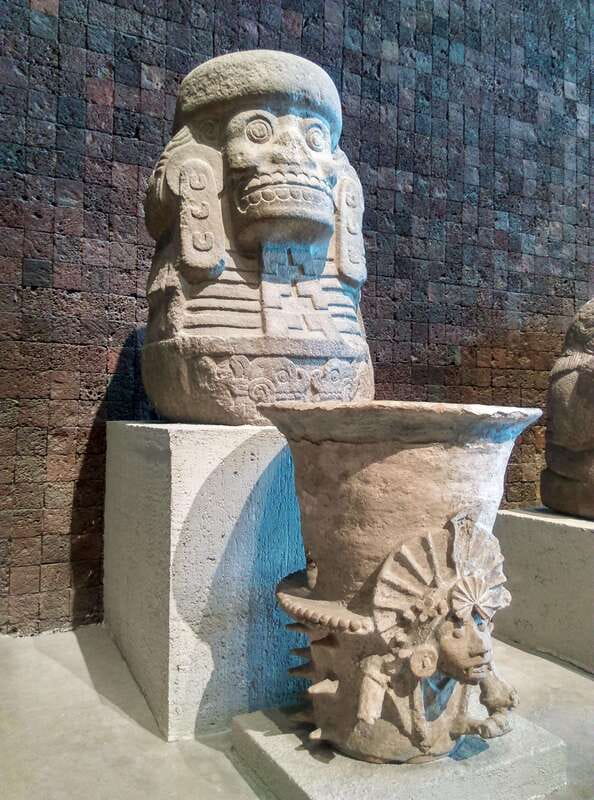
- See Mexico’s iconic objects with context: The Sun Stone, Coatlicue, Olmec Heads, and Mask of Pakal are central parts of the visit.
- Tour with a specialist guide: Edith and Hector are named guides associated with the experience, both praised for clear explanations, humor, and patient answers.
- Stay in a small group: The group is limited to eight people, making it easier to ask questions and hear the guide.
- Cover several major cultures: The route includes Teotihuacan, Mexica, Maya, Toltec, and Gulf Coast collections.
- Use the gardens as part of the museum visit: The outdoor spaces connect the exhibition halls and add breathing room to a long indoor tour.
- Plan extra museum time: The guided route gives you a strong framework, but it will not cover every gallery in three hours.
Why this museum deserves a guided visit
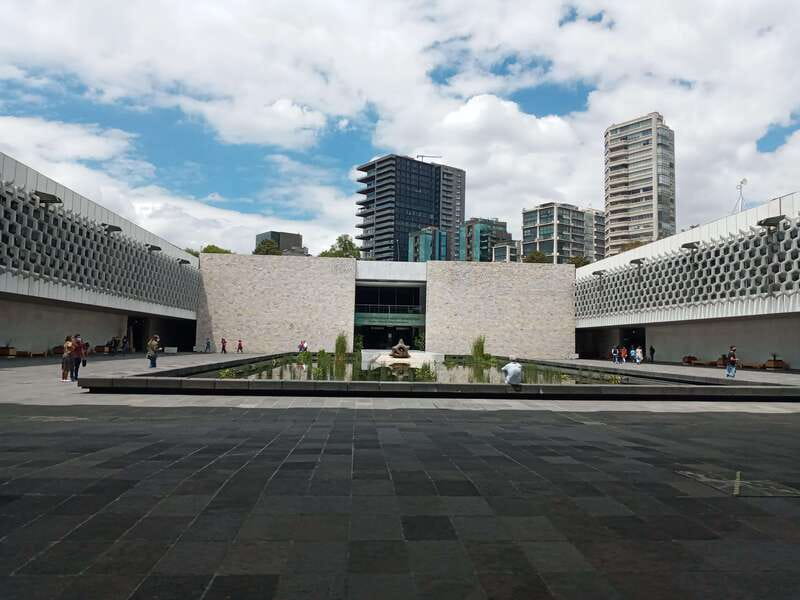
The Museum of Anthropology is one of those places where the size creates its own problem. You can walk through impressive halls, admire polished stone, and take plenty of photographs, yet still miss why an object mattered to the people who made it.
That is where this tour earns its $38 price. You are not paying only for entry. You are paying for a route through complicated subjects, a live English explanation, and the chance to ask questions as ideas come up. For a museum with little English signage, that help can save you from guessing at the meaning of what you see.
The tour begins by discussing the museum’s construction and purpose. That is a useful starting point because the building is not simply a container for old objects. Its design and organization present the cultures of Mexico in a particular way, linking the nation’s ancient past with the people and traditions of Mexico today.
That framing matters. The tour is not limited to a distant, vanished world. It presents the cultures that inhabited Mexico and the communities that continue to shape the country. You get a clearer sense of how ancient symbols and stories still appear in Mexican life.
A few more Mexico City tours and experiences worth a look
The Sun Stone and the Mexica collection
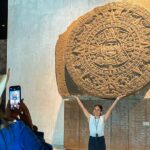
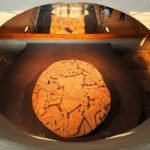
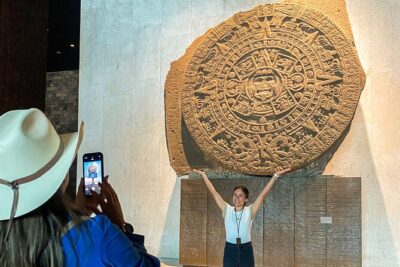
The Sun Stone is one of the museum’s essential sights, and it can easily become a quick photo stop unless someone explains what you are looking at. Here, the guide emphasizes the symbolism and the historical setting, helping you read the carved forms as more than a famous circular monument.
The Mexica material also brings Mexico City’s own past into focus. The modern capital sits in a place with a long and complex story, and this part of the visit connects the museum’s objects to the history of the city itself.
Allow time to look closely. A guide such as Edith or Hector can answer questions as you notice details, rather than forcing you to wait until the end. That makes the experience feel more like a conversation than a speech.
One practical point: the guide may spend substantial time on a small number of important pieces. That is good for understanding, but it means you will not rush through every display. If your goal is to see as many objects as possible, a self-guided visit may suit you better. If your goal is to understand what you are seeing, the slower pace works in your favor.
Teotihuacan, Toltec, and Gulf Coast cultures
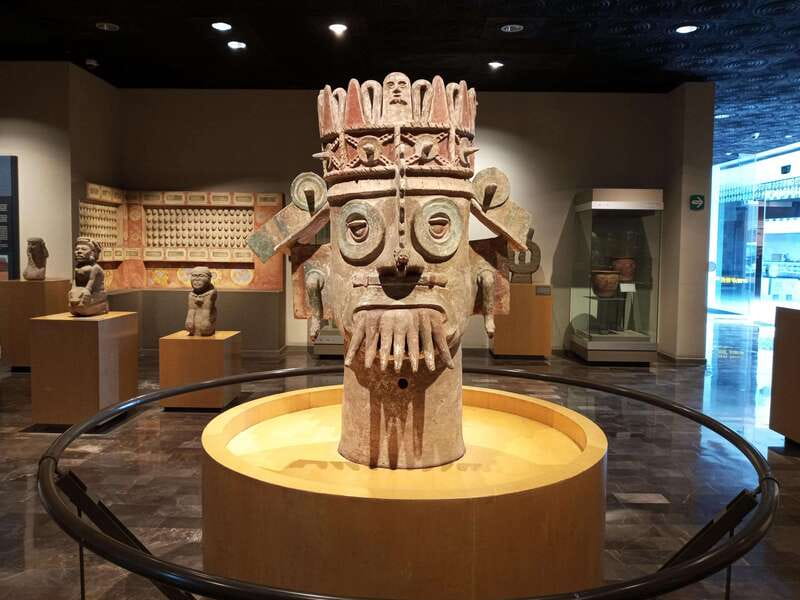
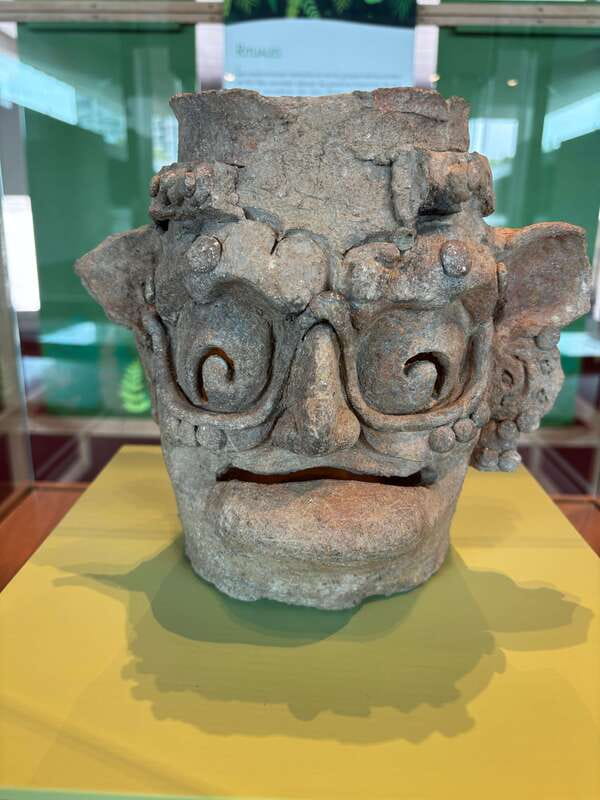
The tour also visits collections connected with Teotihuacan, Toltec, and Gulf Coast cultures. These sections broaden the picture beyond the Mexica, whose objects often receive the most attention from first-time visitors.
Teotihuacan is especially important in understanding the scale and influence of earlier urban cultures in Mexico. The guide places the objects within their cultural setting and helps you compare them with material from later societies.
The Toltec collection adds another layer to the story. Rather than treating Mexican history as one straight line, the visit shows a succession of cultures with different achievements, beliefs, and artistic traditions. That approach is useful if you have only a general idea of Mesoamerican history.
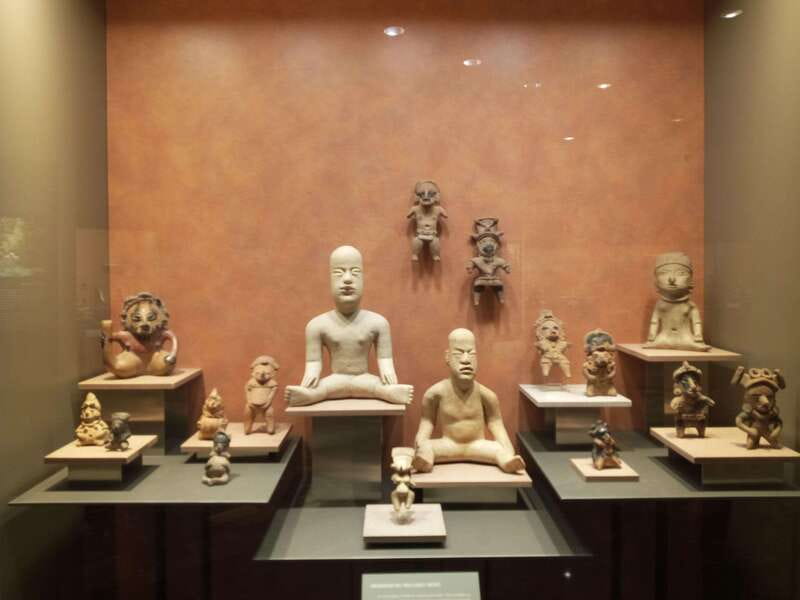
The Gulf Coast material is another reason to take this tour. The Olmec Heads are among the museum’s most recognizable objects, but their size and appearance only tell part of the story. The guide explains their place within the culture and draws attention to the details that make them such powerful works of sculpture.
You will not get an exhaustive academic treatment of every culture in three hours. You will get a structured introduction that helps you understand how the major collections relate to one another.
Maya art and the Mask of Pakal
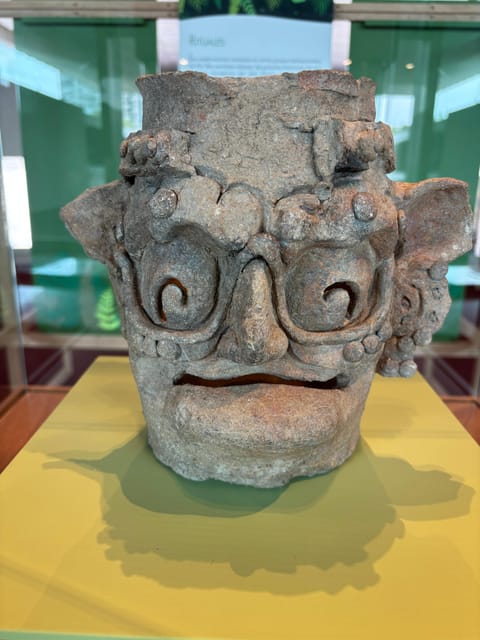
The Maya rooms provide one of the tour’s strongest moments. The Mask of Pakal is an iconic piece, and the guide’s job is to make its symbols and setting understandable without turning the visit into a lecture packed with names and dates.
The most useful part of this approach is the attention to meaning. Several people who took the tour praised the guides for explaining symbolism, and that focus changes how you look at the displays. Instead of seeing a decorative pattern, you begin to ask what the image represented and how it fit into the wider culture.
The Maya section also helps you see why a museum guide can be so helpful for English speakers. Much of the museum’s written material is not translated into English, so a live explanation fills a real gap. You can still explore independently, but the guide gives you a firm base before you set off on your own.
If Maya art is your main interest, tell the guide at the start. The group is small enough that questions should be manageable, though the tour still has to balance several cultures and major galleries.
Coatlicue and the power of close explanation
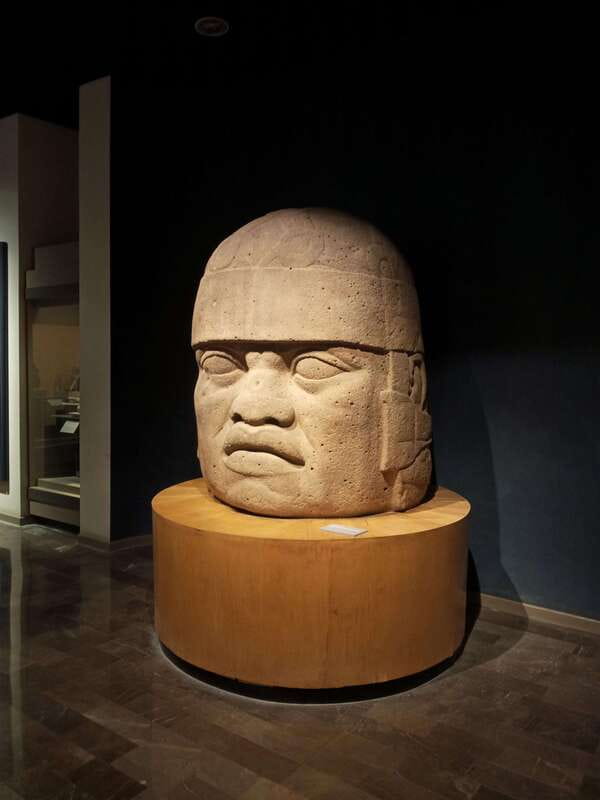
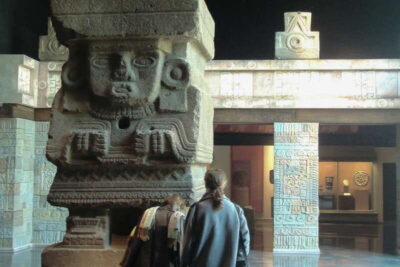
Coatlicue is another key object highlighted during the visit. It is the sort of work that may seem overwhelming at first glance, with a dense arrangement of forms that rewards a slower look.
This is where a good guide earns their fee. The sculpture’s details and symbolism can be difficult to sort out on your own, especially when you are also trying to keep track of the historical setting. A clear explanation gives you a way to break the piece into parts and understand why it has such force.
The guides associated with this tour, including Edith and Hector, receive especially strong praise for their command of the material and their friendly manner. Several people also valued their ability to answer questions without losing the thread of the tour. That balance is important in a museum setting, where one curious question can easily send the whole group down a side path.
Hector is also noted for allowing the three hours to pass at an enjoyable pace. That may sound minor, but it matters. A museum tour can become tiring when the guide races from object to object or speaks without pause. A measured pace gives you time to look.
Other guided tours in Mexico City


A tour of the museum gardens
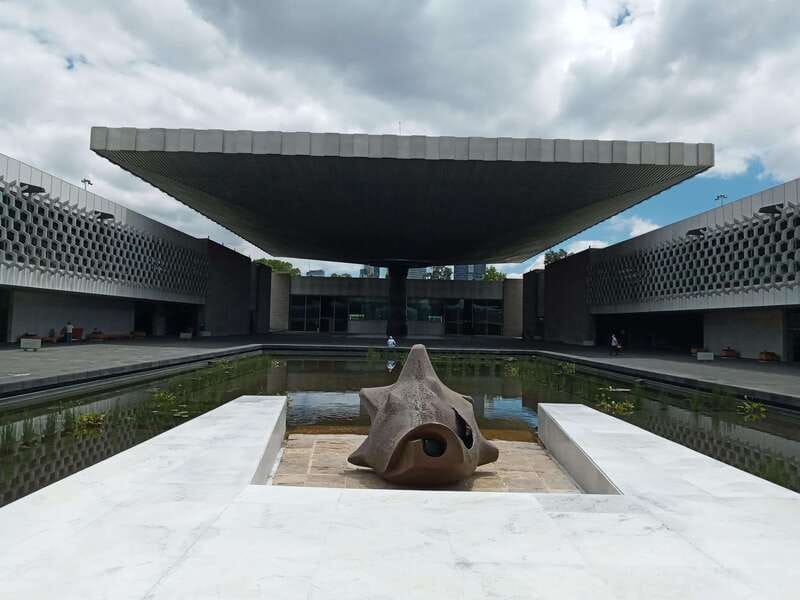
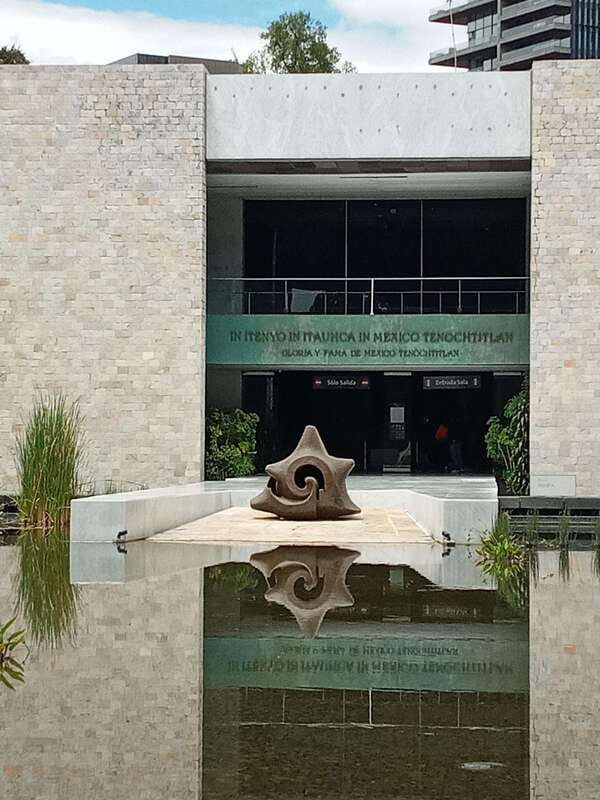
The gardens around the museum are part of the planned route, not just a place to pass through between halls. They complement the exhibitions and give you a change of pace after time indoors.
The gardens also help connect the museum’s many rooms. After concentrating on carved stone, masks, monuments, and symbols, stepping outside gives you a chance to reset before the next collection.
Do not expect the gardens to replace the exhibition halls. Their value is in the way they support the visit, adding space and a visual link between the different parts of the museum. They make the three-hour route feel less confined.
The outdoor portion is also a reminder that the tour is not only about famous individual objects. It is about how the museum presents Mexico’s past as a broad national story. The setting helps that idea come together.
What the guide experience is really like
The tour is offered in English and led by a federal tour guide. Edith and Hector are the named guides connected with the experience, and both are repeatedly praised for their command of Mexican history, warm approach, and ability to handle questions.
Edith is described as friendly, accommodating, and able to bring a strong sense of pride and connection to Mexico’s past. Hector is praised for his explanations of artifacts and symbolism, as well as his humor and easy pace. Your specific guide will depend on availability, so you should not assume you will receive one particular person.
The small group size is a major practical advantage. With no more than eight participants, you are less likely to lose the guide in a crowd and more likely to ask about an object that catches your eye. It also makes the tour feel less formal than a large group with a flag and a hurried route.
The experience suits curious first-time visitors especially well. It also works for people who have already seen some of Mexico City but want a stronger framework for understanding the symbols they encounter elsewhere. One useful result of this kind of tour is that you may start recognizing the same visual ideas beyond the museum.
Three hours, comfortable shoes, and extra time
The advertised duration is three hours, with morning and afternoon departures usually available. Wear comfortable shoes. The museum is large, and the tour involves moving through exhibition rooms and gardens rather than remaining in one place.
Plan your day carefully. Three hours is enough for the main rooms included in the route, but it is not enough for the entire museum at a thoughtful pace. If you want to continue independently, allow additional time after the guided visit.
A late breakfast or early meal may also be worth planning around. One useful museum tip is that lunch in the dining room is not available until 1 p.m., though a late breakfast there can work well after the tour. Food and drinks are not part of the tour price, so plan separately.
The meeting point is at the museum entrance, next to the Mexican flag. That is specific and easy to identify, but arrive with enough time to find the entrance and meet the guide without rushing.
Is $38 a fair price?
At $38 per person, the tour sits at a reasonable price for a three-hour museum visit with admission and a specialist federal guide included. The value depends on how you like to visit museums.
If you read Spanish comfortably, prefer to move quickly, and already know the main cultures, you might choose a self-guided visit and spend the money on extra time inside. The museum is large enough to reward independent wandering.
If you want the major objects explained in English, the price is easier to justify. You receive entry, a three-hour guided route, and a small group rather than a large crowd. The limited English signage makes the guide more useful than a simple convenience.
The strongest value comes from the depth of explanation. Several tours at famous museums focus only on taking you to the best-known objects. This one places those objects within a wider discussion of Mexican history, cultural meaning, and the museum’s purpose.
Free cancellation up to 24 hours before the visit and the option to reserve now and pay later make the booking less rigid. Those policies are practical, but the real question is still whether you want interpretation or independence.
Who should book this experience?
I would choose this tour if you are visiting Mexico City for the first time, have limited time, or want a clear introduction to Mesoamerican cultures. It is also a good fit for anyone who finds museums harder to appreciate when labels are brief or untranslated.
Families with older children may appreciate the guide’s ability to answer questions, though the supplied information does not specify a minimum age or special family format. Art and history fans should find the emphasis on symbolism worthwhile.
You may want to skip it if you dislike fixed routes or prefer to spend an hour on one room and then wander wherever curiosity takes you. Three hours with a guide is focused by design. It gives you structure, but less freedom to set your own pace.
The tour is also not a substitute for seeing every gallery. Think of it as a strong first visit, followed by extra independent time if the museum captures your interest.
Should you book the Museum of Anthropology tour?
Book it if you want the Sun Stone, Coatlicue, Olmec Heads, Mask of Pakal, and major culture halls explained by an English-speaking specialist. The small group, federal guide, and attention to symbolism make the $38 fee good value for visitors who want meaning, not just photographs.
Give yourself extra museum time afterward, especially if you want to explore beyond the main route. Wear comfortable shoes, plan food around the dining room hours, and arrive at the entrance by the Mexican flag.
Skip the guided option only if you already have a strong grasp of the collections or prefer complete freedom. For most English-speaking first-time visitors, the guide solves the museum’s biggest problem: there is simply too much to see and too little English explanation to make sense of it all alone.
FAQ
How long does the guided tour last?
The tour lasts three hours.
What language is the tour offered in?
The live tour is offered in English.
What is included in the price?
The $38 price includes museum entrance and a guided visit with a federal tour guide.
What is not included?
Food, beverages, and souvenirs are not included.
Where is the meeting point?
Meet at the entrance to the Museum of Anthropology, next to the Mexican flag.
How large is the group?
The group is limited to eight participants.
Which cultures are included in the tour?
The visit includes Teotihuacan, Mexica, Maya, Toltec, and Gulf Coast cultures.
Which famous objects will I see?
The tour highlights the Sun Stone, Coatlicue, Olmec Heads, and Mask of Pakal.
Should I bring anything?
Bring comfortable shoes because the visit involves several museum rooms and surrounding gardens.
Can I cancel for a full refund?
Yes. You can cancel up to 24 hours in advance for a full refund. You can also reserve now and pay later.
More Museum Experiences in Mexico City


More Guided Tours in Mexico City
More Chapultepec & Museum Tours in Mexico City
More tours in Mexico City we've reviewed






Chapultepec & Museum Tours, compared.
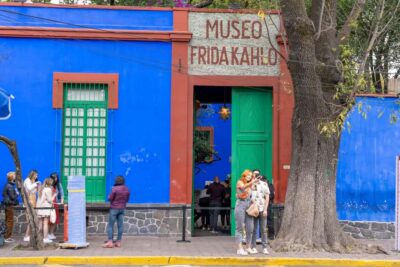 ★ 4.4CDMX: Xochimilco, Coyoacan, Frida Kahlo Museum & Murals TourFrom $89
 ★ 4.5Chapultepec Castle & Anthropology Museum TourFrom $795 hours (approx.)
 ★ 5.0Frida Kahlo VIP [Museum Tickets Included] Bike, Markets & ChurrosFrom $834 hours (approx.)
 ★ 4.5Anthropology Museum Guided TourFrom $392 hours 30 minutes (approx.)
 ★ 5.0Frida Kahlo VIP [Museum Tickets Included] Walk, Markets & ChurrosFrom $833 to 4 hours (approx.)
 ★ 5.0EXCLUSIVE TOUR Frida Kahlo Museum – SMALL GROUPSFrom $862 hours (approx.)
 ★ 4.4Mexico City: Anthropology Museum Guided VisitFrom $672.5 hours
 ★ 4.5Mexico City: Frida Kahlo Museum Entry Ticket w/Digital GuideFrom $34
The lists this tour appears in