
Reviewed · HIKING & TREKKING
Iztaccihuatl Volcano Hike with an Alpinist
Iztaccihuatl is the real attraction here: a high mountain trail with views toward the smoking Popocatepetl, far from Mexico City’s traffic and noise. You begin near 3,990 meters, then climb toward 4,200 or 4,350 meters, depending on weather and the group’s condition. The trail itself is not a technical climb, but the thin air makes every uphill stretch count.
In This Article
- Key points to know before booking
- Iztaccihuatl is a mountain day, not a casual Mexico City outing
- The 6:20 a.m. start and the long road out of town
- Paso de Cortés, where the history meets the high country
- La Joya and the first climb at 3,990 meters
- What the four-hour hike actually feels like
- Altitude is the main test, not the distance
- Clothing and equipment that make a real difference
- Guides, group pace, and the human side of the outing
- The roadside meal and what is not included
- Is $139 a fair price?
- Weather, park closures, and cancellation terms
- Who should book this hike?
- Should you book the Iztaccihuatl Volcano Hike?
- FAQ
- Where does the Iztaccihuatl Volcano Hike start?
- How high does the hike go?
- Is hotel pickup available?
- What should I bring?
- Can children join the activity?
- What happens if the weather is too bad?
I like two things right away. An alpinist guide takes care of the route, so you do not have to puzzle out the mountain paths yourself. I also like the easy transport arrangement from central Mexico City, with park admission included and the day wrapped around a genuine outdoor experience rather than another city attraction.
The catch is the long day. The advertised duration is about 11 hours, but the drive can take much of it, and the actual hiking time may be only two to four hours. Add altitude, rough access roads, changing weather, and a basic shared van, and this is a good-value mountain outing, not a pampered excursion.
Key points to know before booking
- The hike begins at La Joya, about 3,990 meters above sea level, and may reach 4,200 or 4,350 meters.
- Paso de Cortés has real historical meaning, marking the route associated with Hernán Cortés and the Spanish march toward Mexico-Tenochtitlan in 1519.
- Guides such as Gerson, Fabrizio, Ramy, Leonardo, and Santiago have earned strong praise for patience, encouragement, and keeping groups together.
- The drive is long and can be uncomfortable, with reports of bumpy access roads, crowded vans, traffic, and roadside meal stops.
- Proper mountain clothing and hiking shoes are essential. Sandals, casual sneakers, and shorts are not suitable.
- Weather and park access can change the plan, including a shorter hike, a modified route, or a full cancellation.
Iztaccihuatl is a mountain day, not a casual Mexico City outing
Mexico City sits high above sea level, but this hike goes much higher. That difference matters. The trail starts around 3,990 meters and climbs several hundred more, so even a fit person can feel short of breath, develop a headache, or need frequent rests.
The walking is generally described as moderate in physical terms, with an ascent of roughly 200 meters on the main outing. At this altitude, though, moderate can feel hard. Loose gravel can make the descent slippery, and snow or seasonal ice may appear in colder months. You need to move steadily, watch your footing, and accept that the mountain sets the pace.
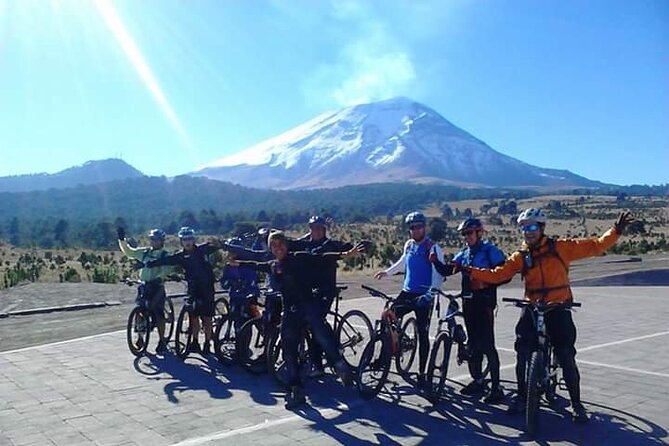
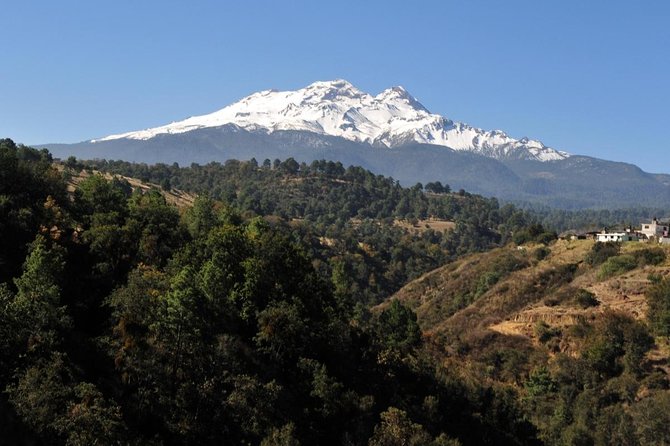
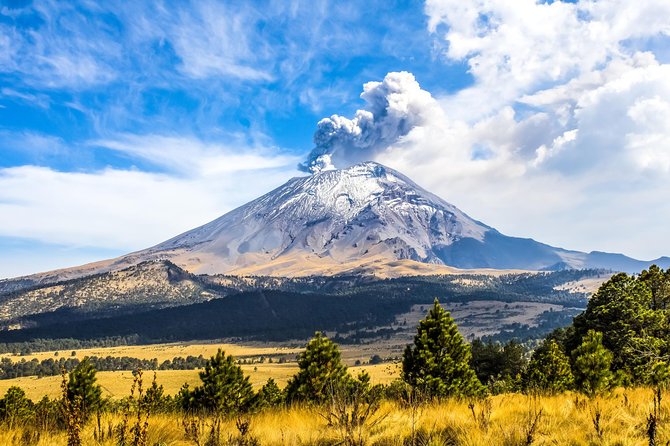
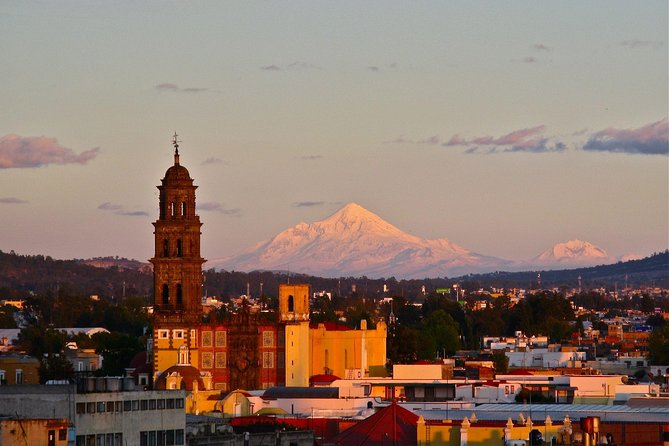
The reward is a wide view of two famous volcanoes. Iztaccihuatl, often called Izta, is the hiking objective, while Popocatepetl, or Popo, forms the dramatic companion peak. On a clear day, the views stretch across the Valley of Mexico. Some outings have also offered a glimpse of smoke or a fumarole from Popo, though clouds can block the volcanoes entirely.
You are not signing up for a summit climb of Iztaccihuatl’s highest point. This excursion reaches a high viewpoint or stopping point on the mountain, usually around 4,200 or 4,350 meters. That distinction is important. The tour offers a high-altitude hike with excellent views, not a full mountaineering expedition.
Other hiking tours in Mexico City
The 6:20 a.m. start and the long road out of town
The stated meeting point is Hostal Amigo at Isabel La Católica 61-A in Centro Histórico. The listed start time is 6:20 a.m., and the activity ends back at the same meeting point. If you choose the private option, hotel pickup can be arranged, but you need to provide your hotel name in advance.
The early start makes sense. You need daylight for the trail, and traffic can turn the return to Mexico City into a slow crawl. Plan on roughly 11 hours overall, and keep your evening free. Some outings have returned around 4 p.m., while others have run closer to 5:30 or 8 p.m. depending on traffic, delays, the group, and meal stops.
Transport is included, which is a major part of the tour’s value. Reaching Paso de Cortés and La Joya independently would take planning, navigation, park access arrangements, and a vehicle suited to rough roads. Here, you can leave the city with the basic logistics handled.
The shared transport is also the weakest part of the day. Past outings have included small, crowded vans, long highway stretches, and delays caused by vehicle trouble or road stops. The final road to the trailhead can be rough and uneven. Keep your seat belt fastened, and do not expect luxury coach comfort.
The tour allows up to 15 people. That is small enough for a group feel, but large enough for different walking speeds. The guide may need to balance fast hikers with people who need more time at altitude. Ask early about the meeting point, turnaround time, and what happens if you stop before the highest point.
Paso de Cortés, where the history meets the high country
The first named stop is Paso de Cortés, a mountain pass linked to the route used by Hernán Cortés and Spanish conquerors in 1519 on their way toward Mexico-Tenochtitlan. That connection gives the pass more weight than a simple roadside viewpoint.
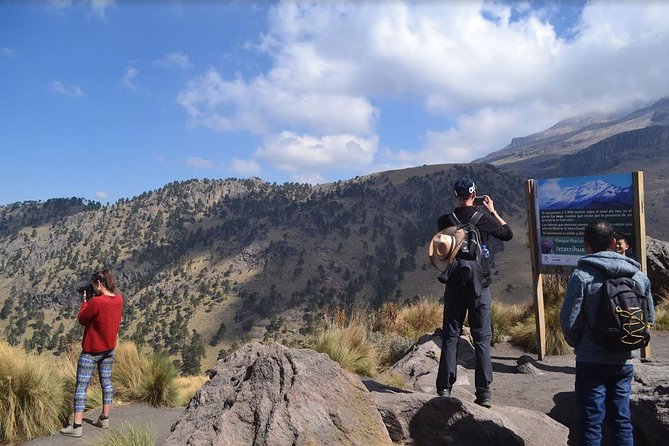
The stop itself is short, listed at about 20 minutes. Use it to take photographs, look at the volcanoes, and get your first sense of the conditions above the city. If the weather is clear, you may see both volcanic peaks from here. If clouds are moving in, this can be one of your best chances for an unobstructed view.
The surroundings change quickly as you move higher. Depending on the season, you might find snow, hardy mountain plants, and a mix of high-altitude flora and fauna. The quiet is part of the appeal. After the city, the open mountain air feels like a change of country, even though you are still within reach of Mexico City.
This is not a long sightseeing stop, so do not expect an extended historical talk or a museum-style presentation. The main purpose is to reach the hiking area and provide a viewpoint before the trail begins.
La Joya and the first climb at 3,990 meters
From Paso de Cortés, the vehicle continues toward La Joya, the point where the hike begins. The tour description places the trailhead at about 3,990 meters. Some accounts put the hiking start near 9:15 or 9:30 a.m., though the exact time depends on the drive and road conditions.
The opening section can feel deceptively easy. The route is not presented as technical mountaineering, but the air is thin from the first step. You may find yourself walking slowly, pausing to breathe, and drinking more water than expected. That is normal at this height, but it is also why the fitness warning should be taken seriously.
The pace depends on the group. Strong hikers may reach the upper stopping point quickly, while others need regular breaks. The best guides, including Gerson, Fabrizio, Ramy, Leonardo, and Santiago, have been praised for helping slower walkers without making them feel like a problem. Gerson is specifically remembered for lending a hiking pole to a person struggling uphill, while Fabrizio was praised for keeping the group together and focused on safety.
Still, guide quality can vary. You should not assume that every outing will include a detailed briefing or constant individual attention. Some people have found the instructions unclear, particularly about where to wait if they turn back. Before leaving La Joya, confirm the route, the highest meeting point, the turnaround time, and the plan for anyone who cannot continue.
What the four-hour hike actually feels like
The hiking portion is listed at about four hours, but actual walking time can be shorter. Some outings have taken about two hours round trip, while others have included longer pauses and reached roughly three or four hours on the mountain.
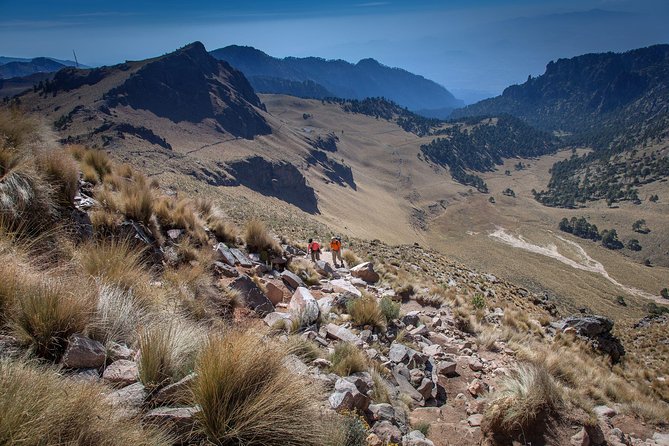
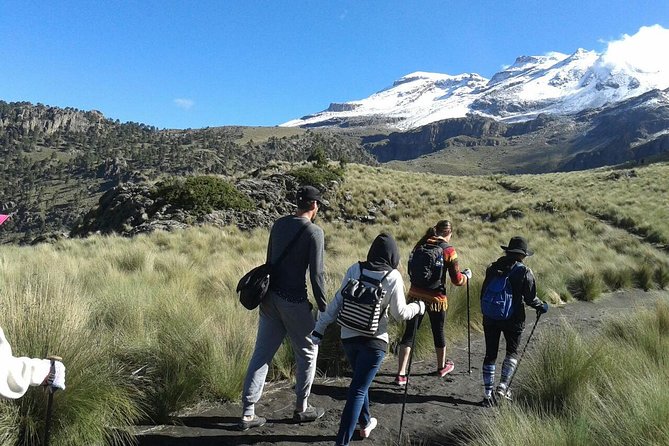
The trail is often described as technically easy but physically demanding because of altitude. You should expect an uphill route over uneven ground, gravel, and possibly snow. The descent may take less time, but loose stones can make it more hazardous. Use shoes with a firm sole and good grip.
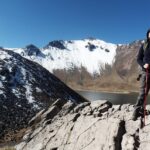
The scenery changes as you climb. Lower sections may show mountain vegetation, while higher ground becomes more open and austere. The view toward Popocatepetl is the prize, especially when its upper slopes are clear. Mexico City and the Valley of Mexico spread out below, giving you a strong sense of how high you have come.
Take photographs, but do not let the camera set your pace. The mountain can shift from clear skies to cloud cover, and the best view may appear for only a few minutes. Keep your phone and battery protected from cold, and carry water where you can reach it without stopping.
You may not reach the highest advertised point. The guide makes that call based on weather, altitude, and the condition of the group. That is not a failure. Turning around is the correct choice if someone is unwell or conditions become unsafe. The problem comes only when the plan is not explained clearly, so ask questions at the start.

Altitude is the main test, not the distance
A short ascent at 4,000 meters can feel harder than a much longer walk at low elevation. People have reported chest tightness, heavy breathing, and a slower pace even when they are generally fit. Someone arriving from sea level the day before may find the hike especially tough.
You should take the fitness advice literally. This is not suitable for children under 16, and it is not a good first hike if you are unsure how your body reacts to extreme elevation. The tour asks for a moderate fitness level, but the altitude turns that into a serious consideration.
Walk slowly from the beginning. Do not race the strongest person in the group. Drink water often and eat small snacks such as granola bars, chocolate, seeds, or other compact foods that provide quick energy. Food and drinks are not included, so bring enough for the morning and the hike.
If you feel seriously unwell, tell the guide at once. The group may continue while you return to the vehicle, depending on the situation, but you need clear instructions about where to go and where to meet. A private tour may offer more control over timing, but the standard experience is a shared group outing.
Clothing and equipment that make a real difference
The company does not provide hiking equipment, so you must arrive prepared. Sandals, casual sneakers, and shorts are specifically unsuitable. Wear sturdy hiking or trail shoes, warm layers, and clothing that can handle wind and changing conditions.
Mountain weather can be much colder than Mexico City, even when the city feels mild. A practical setup includes:
- Firm hiking shoes with good grip
- Warm pants or leggings
- A base layer and insulating mid-layer
- A windproof or weather-resistant jacket
- Thick socks
- Gloves and a warm hat in colder months
- Water and high-energy snacks
- Sun protection
Do not make the opposite mistake and carry a giant winter wardrobe without checking the forecast. Conditions vary, and layers are more useful than one heavy item. Snow has been present on some outings, and clear days have also brought comfortable temperatures. The weather can change the route or cancel the activity, so check the forecast before leaving Mexico City.
Guides, group pace, and the human side of the outing
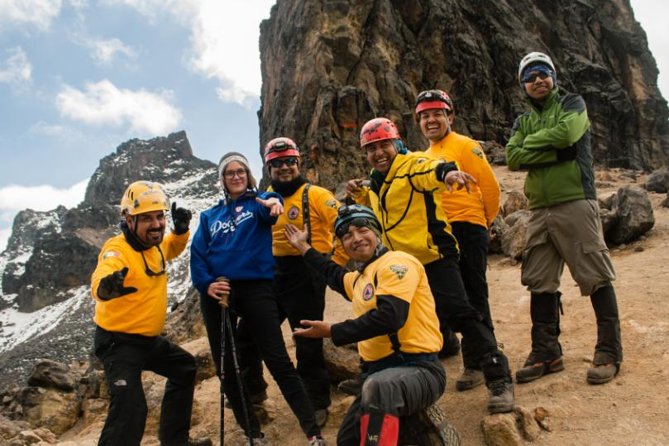
The guide is described as an alpinist rather than a conventional sightseeing host. That means the focus is likely to be route management, safety, and getting the group up and down the trail. You may receive useful mountain advice, but do not expect a long stream of historical facts or polished commentary at every turn.
Several guides have made a strong impression. Gerson has been singled out for enthusiasm, patience, and help with altitude. Fabrizio has been praised for managing mixed abilities, and Ramy, Leonardo, Santiago, Josué, and Kevin have also received warm comments for friendliness, encouragement, and group care.
The shared format can work well if you enjoy meeting people and do not mind a flexible pace. It can be less satisfying if you want a private schedule, long photography stops, or a faster ascent. A few poor outings have involved unclear communication, weak English, or a guide moving ahead of slower walkers. Since the tour is offered in English, you should still confirm that the day’s guide can communicate clearly with the whole group.
A private option costs more, but it may suit you if timing, hotel pickup, or a custom pace matters more than the lowest price.
The roadside meal and what is not included
Food and drinks are excluded. Bring breakfast supplies, hiking snacks, and plenty of water rather than relying on a scheduled meal. The early departure makes this especially important.
A roadside restaurant stop is common on the return, often late in the afternoon. Some people have enjoyed a filling local meal at a good price. Others have found the stop too long, especially after spending only a few hours hiking. Bring cash for food and any extras, since the meal is not covered by the tour price.
This stop can be part of the local character of the day. You are not being returned to a polished tourist district for a standardized lunch. You may eat at a simple roadside place that supports the local economy. At the same time, standards and comfort may not match what you expect from a city restaurant, so pack food if you are particular about timing or diet.
Is $139 a fair price?
At $139 per person, the tour’s value comes from transport, park entry, and access to a difficult-to-reach mountain area. You are paying for a full day of logistics from Mexico City, not four hours of continuous hiking.
If you arrange a private vehicle, park access, route knowledge, and an experienced mountain guide yourself, the price can look reasonable. The tour also removes the stress of navigating the Paso de Cortés and the rough approach to La Joya. For a solo visitor or couple without a car, that convenience matters.
The value drops if you dislike long van rides, crowded transport, or roadside stops. You might prefer a private hike if you want more control over the schedule or plan to spend a longer time on the mountain. The standard tour is best viewed as a practical, budget-minded way to experience the volcanoes, not a luxury adventure package.
Weather, park closures, and cancellation terms
The route depends on mountain conditions and government access. Bad weather can lead to a modified plan, while extreme weather can cancel the activity. In that case, you are offered another date or a full refund.
A park or parking closure has also caused a serious problem on at least one outing, with the hike not taking place as planned. Before departure, it is sensible to confirm that the access point is open and that the hike is still expected to run. This is especially important if you have only one free day in Mexico City.
You can cancel for a full refund up to 24 hours before the local start time. Changes made within 24 hours are not accepted, and late cancellations are not refunded unless the operator cancels because of weather.
Who should book this hike?
You should consider it if you want a high-altitude mountain experience, enjoy outdoor activity, and accept a long day with basic transport. It suits reasonably fit hikers who are comfortable walking on loose ground and carrying their own food and water.
It is a poor choice if you want a relaxed sightseeing trip, dislike early starts, or have just arrived from low elevation and do not know how you respond to altitude. It also does not suit children under 16 or anyone expecting a full summit ascent.
Bring your passport or a copy of it, including the page showing your personal data and, if needed, your Mexico entry stamp. This is required under immigration rules and can become a needless problem if you leave the document at your accommodation.
Should you book the Iztaccihuatl Volcano Hike?
Book it if the thought of standing high above the Valley of Mexico, with Iztaccihuatl under your boots and Popocatepetl in view, sounds worth a long day in a shared van. The scenery is the star, and a good guide can make the climb feel safe, organized, and achievable.
I would book this tour with realistic expectations: the altitude is harder than the trail, and transport may be tiring. Pack food, wear proper shoes, confirm the meeting details, and ask for a clear plan before starting. If you want more personal attention or a flexible schedule, choose the private option. For a straightforward and affordable escape from Mexico City, the standard tour can be a memorable choice.
FAQ
Where does the Iztaccihuatl Volcano Hike start?
The shared tour starts at Hostal Amigo, Isabel La Católica 61-A, in Mexico City’s Centro Histórico. The listed start time is 6:20 a.m., and the activity ends back at the same meeting point.
How high does the hike go?
The hike begins at about 3,990 meters. Depending on the weather and the physical condition of the group, it may reach approximately 4,200 or 4,350 meters.
Is hotel pickup available?
Hotel pickup is available only when you select the private tour option. You must provide your hotel name so the pickup can be arranged.
What should I bring?
Bring water, light high-energy snacks, and suitable mountain clothing. Sturdy hiking shoes, warm layers, and protection from changing weather are important. Hiking equipment is not included.
Can children join the activity?
No. Children under 16 years old cannot participate. Participants should also have a moderate level of physical fitness.
What happens if the weather is too bad?
The route may be changed for safety. If conditions are extremely bad and the activity is canceled, you will be offered a different date or a full refund.
More Hiking & Trekking Tours in Mexico City
More tours in Mexico City we've reviewed



Hiking & Trekking, compared.
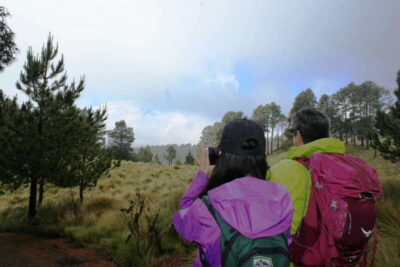 ★ 4.7Mexico City: Guided Volcano Trek with LunchFrom $1059 hours
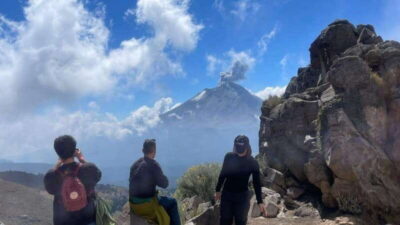 ★ 4.3From Mexico City: Hike Iztaccihuatl Volcano with an AlpinistFrom $16811 hours
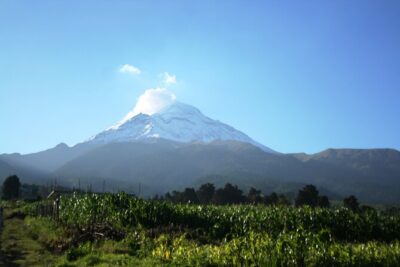 ★ 5.0Trekking Through The VolcanoesFrom $1339 hours (approx.)
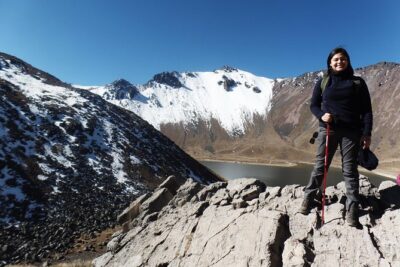 ★ 5.0Hike at Nevado de Toluca VolcanoFrom $10512 hours (approx.)
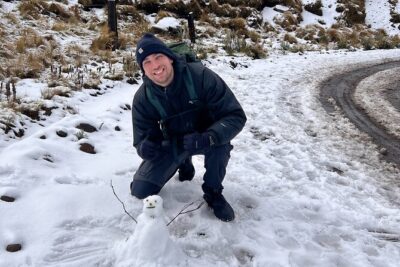 ★ 5.03 Hour Private Hike: Mountain Nevado Toluca from Mexico CityFrom $1179 hours (approx.)
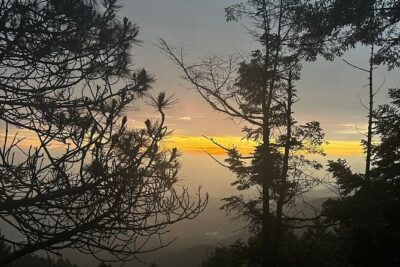 ★ 5.0Sunrise in Las Alturas Hiking in El Pico del Aguila TlalpanFrom $1078 hours (approx.)
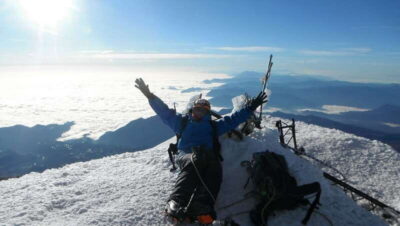 ★ 4.9From Mexico City: 2-Day Pico de Orizaba Summit TrekFrom $5992 days
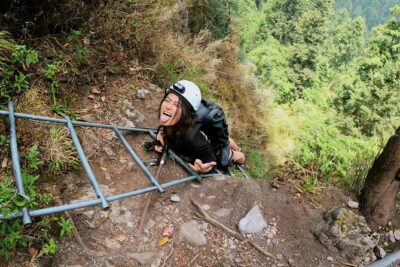 ★ 5.0Hiking to the Puerta del Cielo Viewpoint in Mexico CityFrom $956 hours (approx.)
The lists this tour appears in