
Reviewed · HIKING & TREKKING
From Mexico City: Hike Iztaccihuatl Volcano with an Alpinist
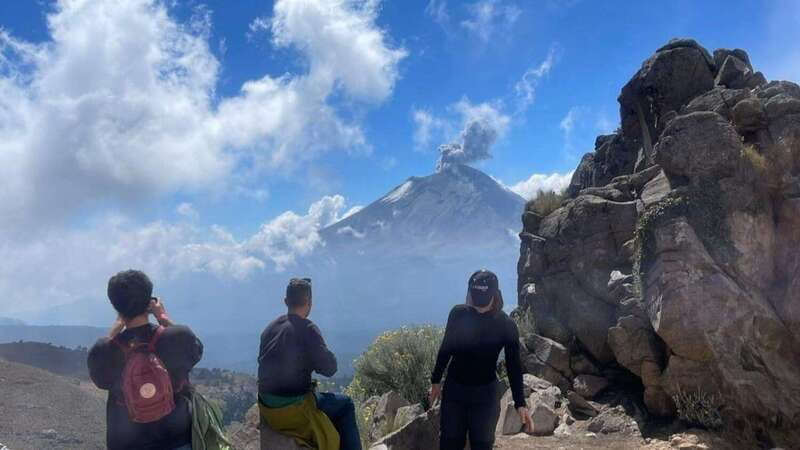
The most striking part of this day is the altitude. You leave Mexico City in the morning and, within a few hours, you are walking high on the shoulder of Iztaccíhuatl, with Popocatépetl rising nearby and the Valley of Mexico spread below. This is not a summit expedition, but it gives you a serious taste of high-mountain hiking.
In This Article
- Quick points to know before booking
- Why this mountain day is worth your time
- The early ride from Mexico City to Paso de Cortés
- Paso de Cortés gives you the first great view
- La Joya marks the start of the real climb
- What the three-hour hike feels like
- The views are the main reward
- Returning through the park and back to the city
- Is $168 a fair price?
- Who should book this hike?
- Should you book the Iztaccíhuatl hike?
- FAQ
- How long does the Iztaccíhuatl volcano tour last?
- How far do you hike?
- Does the tour reach the summit of Iztaccíhuatl?
- How high does the hike go?
- What does the $168 price include?
- Are food and hiking equipment included?
- Can children join the hike?
I like the spectacular volcano views and the fact that an alpinist leads the walk rather than leaving you to find your way over loose volcanic ground. I also like the flexible pace, since the guide can adjust the outing to the group. The main drawback is equally clear: 4,000 meters feels high, especially if you have just arrived in Mexico City or are not used to strenuous walking.
Quick points to know before booking
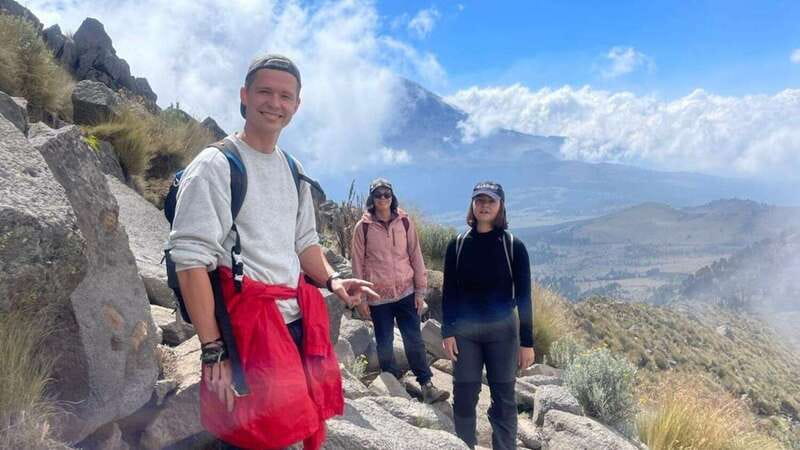
- You hike the lower slopes and shoulder of Iztaccíhuatl: This is a challenging mountain outing, not a climb to the volcano’s summit.
- The trail reaches roughly 14,000 feet: Depending on conditions and group ability, the high point may be around 4,270 meters, with past outings reaching about 4,400 to 4,500 meters.
- The walk covers about 5 to 7 kilometers: Allow around three hours on foot, with breaks along the route.
- The best views come from Paso de Cortés and the upper trail: You get sightlines toward both Iztaccíhuatl and Popocatépetl.
- Transport takes much of the day: The drive from central Mexico City and back totals about four hours, before counting the park roads.
- Bring your own food, water, and gear: Hiking equipment, drinks, and meals are not included in the $168 price.
Why this mountain day is worth your time
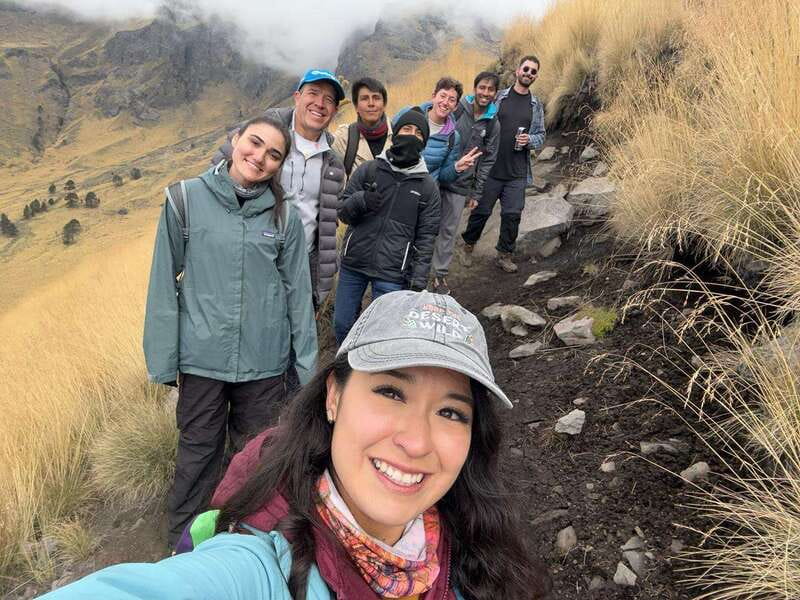
Mexico City has enough museums, markets, and historic sights to fill several days. Still, I like the way this tour gives you a complete change of pace without requiring a full mountaineering program. You trade city streets for pine country, volcanic rock, cold air, and views that stretch across central Mexico.
The pair of volcanoes gives the outing its drama. Iztaccíhuatl is the mountain you walk on, while Popocatépetl is usually the great visual prize across the park. The setting feels much larger than a standard day hike, yet the tour keeps the logistics fairly simple by providing transport, park entry, and an alpinist guide.
The experience has a useful middle ground. You do not need the permits, technical equipment, or summit experience required for a professional ascent. At the same time, this is not a gentle stroll. The trail is steep in places, the ground can be loose, and the altitude can slow even fit people.
That distinction matters when you compare this outing with the tour description. You are not going to the top of Iztaccíhuatl. Instead, you hike toward a high shoulder or gate area, depending on weather, permits, equipment, and the group’s condition. For many people, that is enough. You still get the mountain air, the volcanic terrain, and the grand views without committing to a full summit climb.
Other city tours we've reviewed in Mexico City
The early ride from Mexico City to Paso de Cortés
The day begins early, with a 6:20 a.m. meeting at the Amigo Tours Downtown Meeting Point. Pickup can be available with the private option, but it is not offered in Santa Fe. Confirm the exact meeting or pickup arrangement when booking, since the starting point depends on the option you choose.
The first drive takes about 105 minutes. This is a useful time to rest, eat something, and check your clothing before the walking begins. The day is long, and breakfast matters. One practical lesson from the high altitude is simple: start hydrated and fed, then carry snacks for the trail.
Your transport continues toward Popocatépetl-Iztaccíhuatl National Park. The included ride removes the need to deal with the park roads yourself, which is a genuine benefit. Some of the roads higher up are slow and rough, and the ride from the park entrance to the walking area can take longer than the distance suggests.
Comfort is the weak point here. One account describes a crowded van and an awkward seat, so the $168 price will feel better if your group is small or you select the private option. The vehicle is functional transport, not part of the luxury experience.
Paso de Cortés gives you the first great view
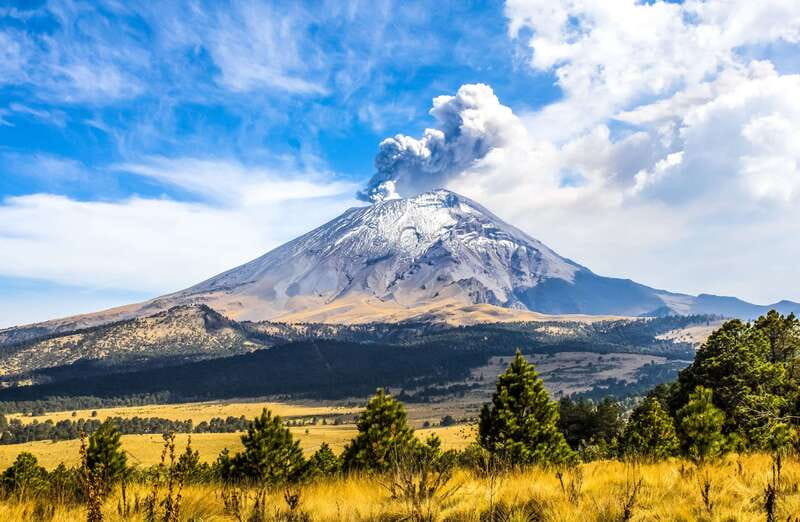
Paso de Cortés sits at about 3,300 meters. The stop lasts around 15 minutes and includes a safety briefing, photos, and time to look toward the volcanoes. This is more than a quick roadside pause. It lets you see the scale of the area before you begin walking.
The pass is named after Hernán Cortés, who crossed this route during the Spanish conquest, but the important thing for this outing is its position between two huge volcanic peaks. From here, the relationship between the mountains becomes clear. Popocatépetl is an active volcano, while Iztaccíhuatl provides the hiking route for the day.
Use this stop to take photos, but also use it to check your body. You are already above 3,000 meters, and the air may feel different before the hike starts. If you have a headache, unusual shortness of breath, or feel unwell, tell the guide early. Do not wait until the steep section.
After Paso de Cortés, the van takes about 30 minutes toward La Joya. The road can be rough, and the final approach is part of the mountain experience rather than a smooth transfer.
La Joya marks the start of the real climb
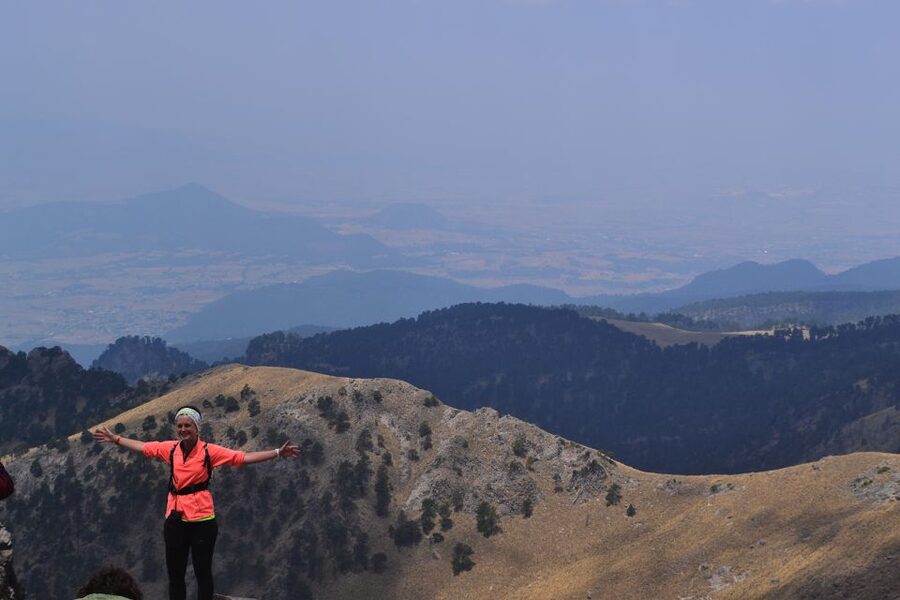
La Joya is the trail area on Iztaccíhuatl where the walking begins. The hike is generally about 5 to 7 kilometers round-trip and lasts roughly three hours, although the exact distance and high point depend on the group and conditions.
The opening section quickly shows you what sort of day this is. Expect irregular, rocky ground and a steady uphill route. In some places, the surface is loose enough that good traction matters. One person reported slipping several times, so ordinary city trainers are a poor choice. Wear sturdy hiking shoes or boots with reliable grip.
The route passes through dramatic mountain scenery with views of both volcanoes. You will not spend the entire time looking at distant peaks, though. Your attention will often be on your footing, breathing, and pace. That is part of the challenge. At high altitude, a slope that would feel modest at sea level can demand frequent pauses.
The guide’s role is important here. Alpinist guides such as Fabrizio, Gerson, Ivan, Leonardo, and Sergio have been praised for clear explanations, encouragement, and careful attention to the group. The assigned guide can vary, so do not book expecting one particular person. What you need is a guide who watches the pace, explains the route, and takes altitude symptoms seriously.
What the three-hour hike feels like
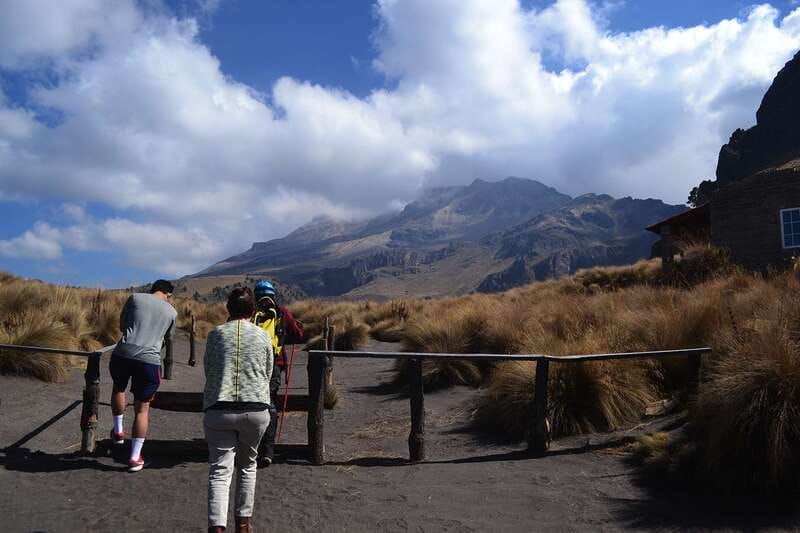
Think of the walk as a high-altitude ascent, not a long-distance hike. The total distance is moderate, but the combination of steep ground, scree, cold air, and reduced oxygen makes it demanding.
The group normally takes breaks along the route, with a longer pause at the high point. These pauses are valuable, not wasted time. They let your breathing settle and give you a chance to drink, eat, and take in the view.
The exact high point can vary. The published information describes an altitude of up to about 4,270 meters, while several accounts describe reaching around 4,400 meters or the second gate at about 4,500 meters. Other outings stopped lower when permits, equipment, or group ability made that the sensible choice.
That variation is worth accepting. A responsible mountain day cannot promise one exact point under every condition. Weather, trail conditions, government rules, and the group’s slowest walkers all affect the plan. The pace is meant to match the overall group, so a fast hiker may find the walk too slow, while a less experienced hiker may appreciate the breathing room.
Fitness helps, but altitude is the wild card. One person in good enough shape may still struggle badly at 4,000 meters. Another may find the physical effort manageable but feel the thin air at every step. If you normally live near sea level, give yourself time in Mexico City before booking this day. Several people found acclimatization useful, and that is sensible advice even though Mexico City itself is already high.
Other hiking tours in Mexico City
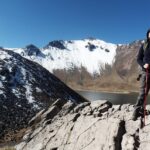
The views are the main reward
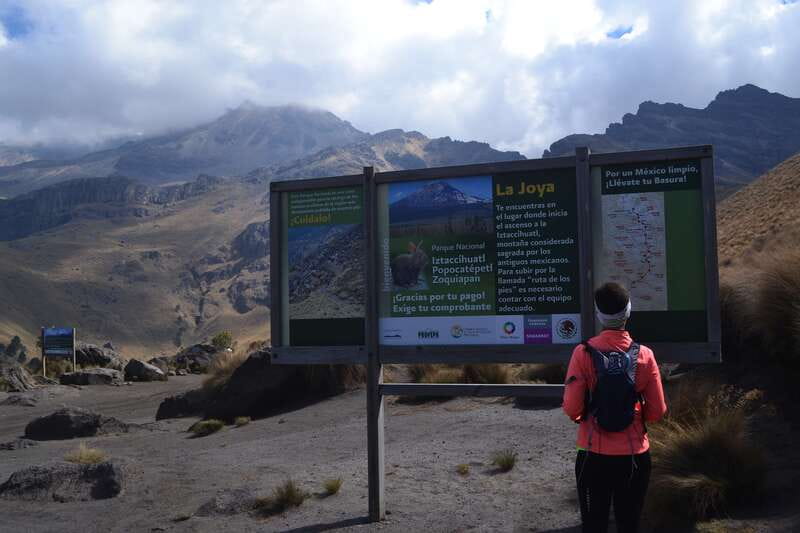
The scenery is the reason to make this effort. As you climb, the views open toward the Valley of Mexico and the volcanic ridges around it. On a clear day, the sight of Popocatépetl from Iztaccíhuatl is the defining moment of the outing.
Snow conditions can change the appearance of the mountain. One winter account describes clear sunshine over snow without feeling especially cold, but you should not count on identical conditions. Wear layers so you can adjust as the temperature and wind change.
The upper trail also gives you a better sense of the volcanic terrain. Loose rock, open slopes, and broad views replace the sheltered feel of a city park trail. This is a place where the route itself is part of the attraction.
A longer stop at the high point gives you time for photos and a rest before descending. Do not rush this section. The descent can be harder than the climb because loose rock shifts underfoot and tired legs make slips more likely.
Returning through the park and back to the city
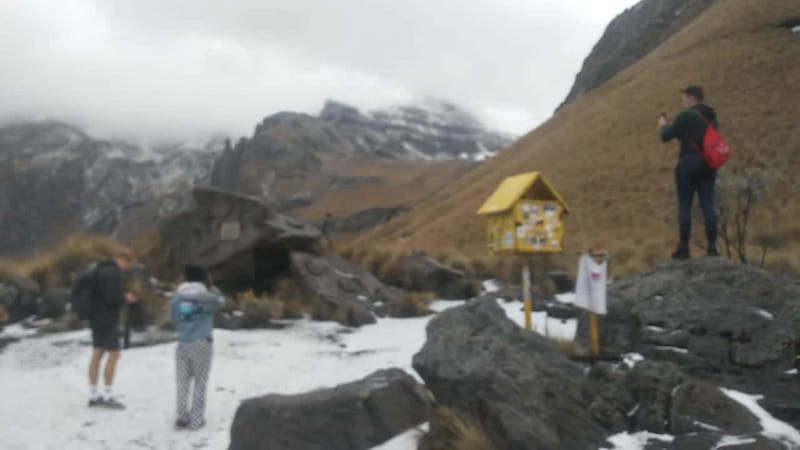
After the hike, you return to La Joya and then take the van back toward Paso de Cortés. There is a short break there, usually around 10 minutes, before the longer ride back to Mexico City.
The return transfer is listed at about 105 minutes, though the full day can stretch. The scheduled duration is 11 hours, and some past outings reached Mexico City around 4 p.m., while others took longer. Traffic, road conditions, and the pace of the group can all affect your arrival.
Food is not included. The tour information asks you to bring water and does not provide breakfast, lunch, or drinks. Past outings have included a stop at a roadside quesadilla or taco place, with particularly good food reported after the climb, but you should treat that as a possible stop rather than a guaranteed meal arrangement.
Carry small bills if you plan to buy food. Pack snacks that are easy to eat on a break: fruit, sandwiches, nuts, or energy bars. You will appreciate having food ready instead of waiting until the van reaches a restaurant.
Is $168 a fair price?
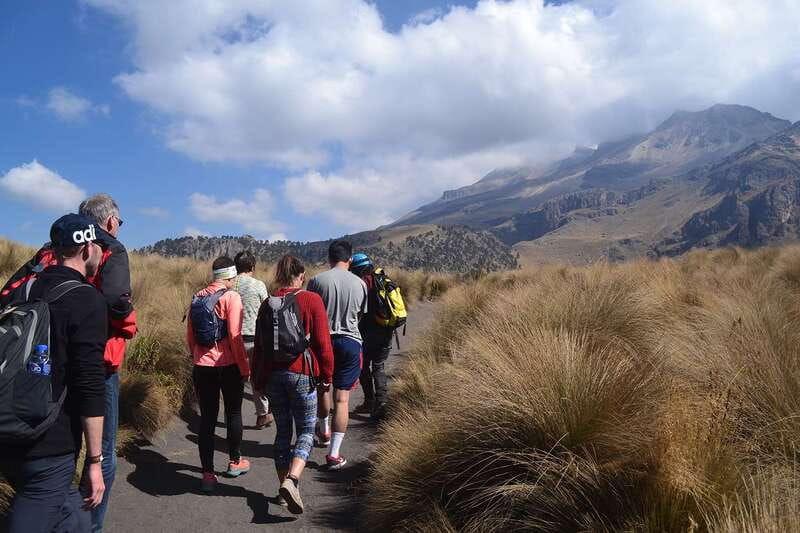
At $168 per person, the value depends on what you need. The price includes round-trip transport, entry to the national park, and an alpinist guide. For someone without a car, local mountain contacts, or experience finding the trail, that package has real value.
The price also buys access to a difficult-to-organize natural area in a single day from Mexico City. You avoid arranging transport to the park, navigating the high roads, and dealing with the route alone. A private option can make the cost easier to justify if you want a more personal pace and less crowded transport.
Still, meals, drinks, and hiking equipment are extra. If you need boots, poles, warm layers, or other mountain gear, add those costs before deciding. The crowded van reported on one outing also makes the price feel less attractive for a larger shared group.
I would compare it with the cost of arranging a private vehicle and a qualified mountain guide independently. For a small group that wants a guided mountain day without technical summit plans, $168 is reasonable. For someone seeking a polished, comfort-first excursion with food included, it may feel expensive.
Who should book this hike?
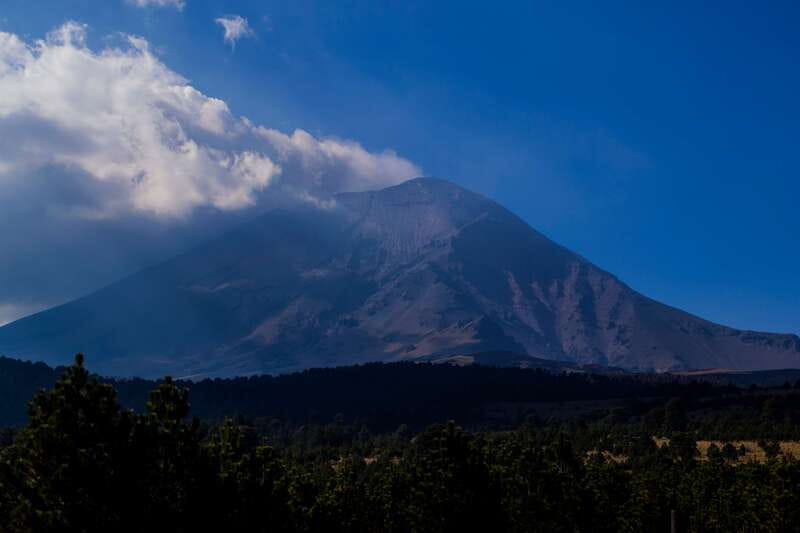
This outing suits you if you enjoy active days, dramatic mountain scenery, and a physical challenge that does not require a full summit ascent. You should be comfortable walking for about three hours over steep and uneven ground.
It is a good fit for people who want something beyond Mexico City’s urban sights but do not have the time or endurance for a complete volcano climb. It can also work for people who are not elite athletes, provided they are honest about their fitness and willing to move slowly.
It is not suitable for children under 16, pregnant women, wheelchair users, people with mobility impairments, or anyone with heart or respiratory problems. The tour also requires a passport, original or digital, or a photocopy showing legal stay in Mexico.
You need comfortable clothes, sturdy shoes, water, and food. Smoking, littering, and making fires are not allowed. Bad weather can cause the activity to be rescheduled or canceled, so keep some flexibility in your Mexico City plans.
Should you book the Iztaccíhuatl hike?
I would book this tour if your priority is access to remarkable volcano scenery and you are ready for a real high-altitude walk. The combination of transport, park entry, and an alpinist guide makes it a practical way to reach Iztaccíhuatl from Mexico City.
I would not book it expecting a summit, a relaxed nature walk, or a fully catered day. Bring your own food and water, wear proper footwear, and allow time to adjust to the altitude. If you do that, this can be one of the most memorable ways to trade Mexico City for open mountain air in a single day.
FAQ
How long does the Iztaccíhuatl volcano tour last?
The tour lasts about 11 hours, including transport from Mexico City, the park stops, and roughly three hours of guided hiking.
How far do you hike?
The hike covers approximately 5 to 7 kilometers round-trip. The exact distance can change based on weather, permits, group pace, and physical ability.
Does the tour reach the summit of Iztaccíhuatl?
No. This is not a summit expedition. The route reaches a high shoulder or gate area on Iztaccíhuatl, with the precise high point depending on conditions and the group.
How high does the hike go?
The activity reaches up to about 4,270 meters, or 14,000 feet, according to the tour details. Past outings have reached approximately 4,400 to 4,500 meters.
What does the $168 price include?
The price includes an alpinist guide, round-trip transfer, and entrance to the volcanoes natural park. Hotel pickup and drop-off are included if you select the private option.
Are food and hiking equipment included?
No. You need to bring your own water, snacks, and food. Hiking equipment is also not included.
Can children join the hike?
No. Children under 16 cannot participate. The activity is also unsuitable for pregnant women, wheelchair users, people with mobility impairments, and people with heart or respiratory problems.
More Hiking & Trekking Tours in Mexico City
More City Tours in Mexico City

More tours in Mexico City we've reviewed



Hiking & Trekking, compared.
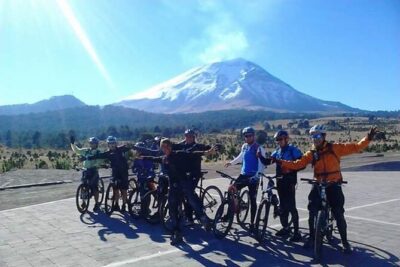 ★ 4.0Iztaccihuatl Volcano Hike with an AlpinistFrom $13911 hours (approx.)
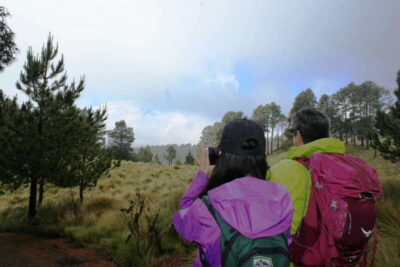 ★ 4.7Mexico City: Guided Volcano Trek with LunchFrom $1059 hours
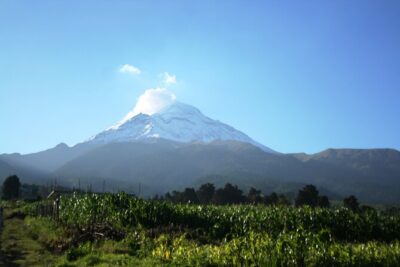 ★ 5.0Trekking Through The VolcanoesFrom $1339 hours (approx.)
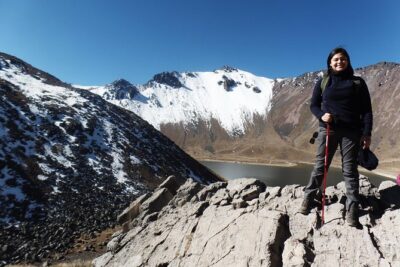 ★ 5.0Hike at Nevado de Toluca VolcanoFrom $10512 hours (approx.)
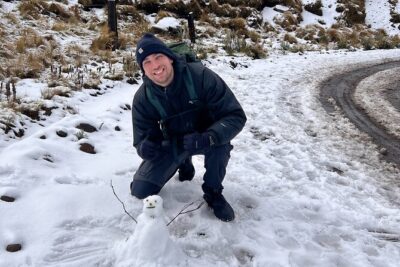 ★ 5.03 Hour Private Hike: Mountain Nevado Toluca from Mexico CityFrom $1179 hours (approx.)
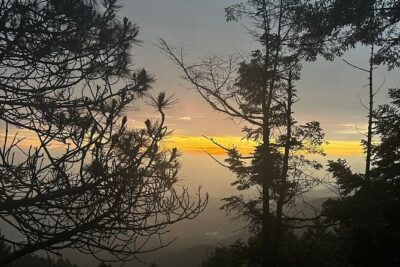 ★ 5.0Sunrise in Las Alturas Hiking in El Pico del Aguila TlalpanFrom $1078 hours (approx.)
 ★ 4.9From Mexico City: 2-Day Pico de Orizaba Summit TrekFrom $5992 days
 ★ 5.0Hiking to the Puerta del Cielo Viewpoint in Mexico CityFrom $956 hours (approx.)
The lists this tour appears in