
Reviewed · WORKSHOPS
Mexican Churros Master Class
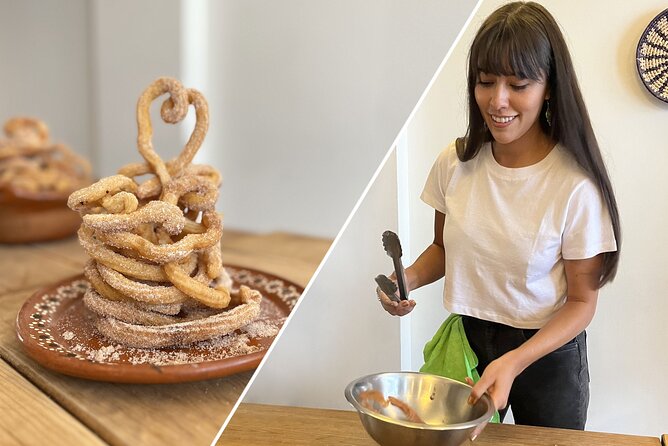
Mexico City’s churro lesson is less a formal cooking school and more a friendly kitchen session. At Andrea’s home in Roma Norte, you’ll make the dough, practice shaping it, fry it in hot oil, coat it with sugar, and eat the results with Mexican coffee. The cat, Bicho, may also make an appearance.
In This Article
- Key points at a glance
- Making churros in a Roma Norte home
- From dough to golden dessert
- Why the cooking lessons are worth your time
- The atmosphere: casual, social, and personal
- Is it suitable for children?
- What the $70 price really buys
- Getting there and planning your day
- Who should book this class?
- Should you book the Mexican Churros Master Class?
- FAQ
- Where does the Mexican Churros Master Class take place?
- What time does the class start?
- How long does the experience last?
- What will I make during the class?
- Is coffee included?
- Is the class offered in English?
- How many people can join?
- Can children attend?
- What is the cancellation policy?
I like the hands-on format and the relaxed pace. You do not simply watch a chef work. You take part in nearly every step, and Andrea explains the small pastry tricks that make the recipe easier to repeat at home. I also like the social finish: sitting down with fresh churros and coffee turns a short class into a pleasant Mexico City morning or afternoon.
The main caution is the small home setting and hot oil. It works best for adults, couples, solo visitors, and older children who can follow safety instructions. Families with young children should ask about the setup before booking, since one station and limited room may make the activity awkward.
Key points at a glance
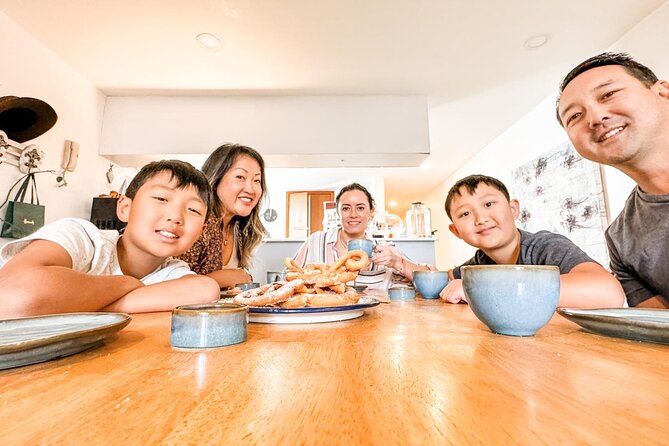
- Churros from scratch: Mix the dough, squeeze the batter, fry it, and coat it in sugar.
- Andrea leads the class: Expect clear instruction, pastry tips, and local suggestions for places to eat and visit.
- A cozy Roma Norte setting: The class takes place in a home rather than a large commercial kitchen.
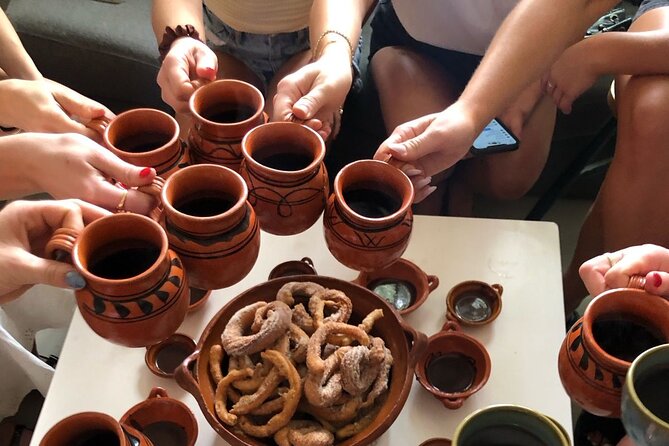
- Coffee with the finished dessert: Your churros come with artisanal Mexican coffee, and some sessions may include chocolate chili ganache.
- Small group size: The maximum is 10 people, though the home kitchen can feel tight when children or larger groups attend.
- Simple timing: The session begins at 11:30 a.m. and lasts about two hours, with the activity ending where it starts.
Making churros in a Roma Norte home
The address is C. Orizaba 78 in Roma Norte, a handy base for a day spent exploring one of Mexico City’s most walkable districts. The class starts at 11:30 a.m. and returns to the same spot, so you do not lose time changing locations between cooking and coffee.
The home setting shapes the whole experience. This is not a polished restaurant demonstration with everyone seated in rows. You work in a domestic kitchen, talk with the people around you, and get the easygoing feel of cooking at a friend’s place. Andrea has described that atmosphere as part of the point, and the structure supports it.
Andrea is the main host and teacher. Bicho, her friendly cat, may serve as an unofficial assistant. If you have allergies, tell the host in advance. One family asked for the cat to be put away because of allergies, and that request was accommodated.
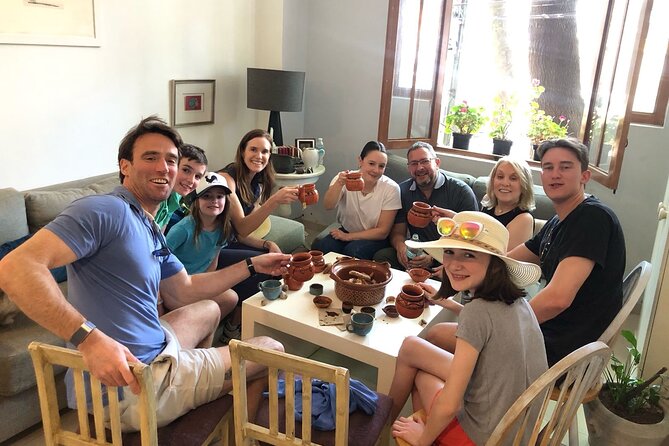
The group can include couples, friends, solo visitors, and families. The maximum is 10 people, but the actual comfort level depends on the mix. A small group of adults can share the space easily. A larger family may find the work area crowded, especially when several children want to handle the same task.
A few more Mexico City tours and experiences worth a look

From dough to golden dessert
The class follows the natural life of a churro. You begin by preparing the mixture from basic, authentic ingredients. The value here is not just learning a list of steps. You see how the dough should look and feel, which is the sort of detail that written recipes often fail to explain.
Andrea takes you through the process in plain language, then lets you try. The format gives you room to develop your own technique while she corrects problems before they become disasters. That balance is useful for beginners. You get help without feeling that every movement must match the instructor’s hands.
Next comes shaping and squeezing the batter. This is where the activity becomes properly hands-on, and it can get a little messy. You learn how to form the churros before they meet the oil, rather than receiving neat, ready-made pastries at the end.
Frying is the part that requires the most care. Hot oil is an obvious hazard, and the limited kitchen space matters here. Adults should expect to take the lead around the fryer, while younger children can help with mixing, shaping, and coating under close supervision.
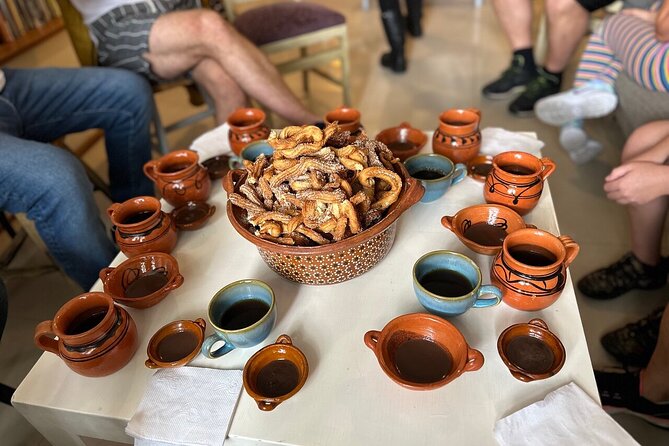
Once the churros are cooked, you coat them with sugar and sit down to eat. Some descriptions of the class include a chocolate chili ganache for dipping, while the standard menu lists churros with Mexican coffee. Since the exact extras may vary, consider the churros and coffee the dependable part of the meal.
Why the cooking lessons are worth your time
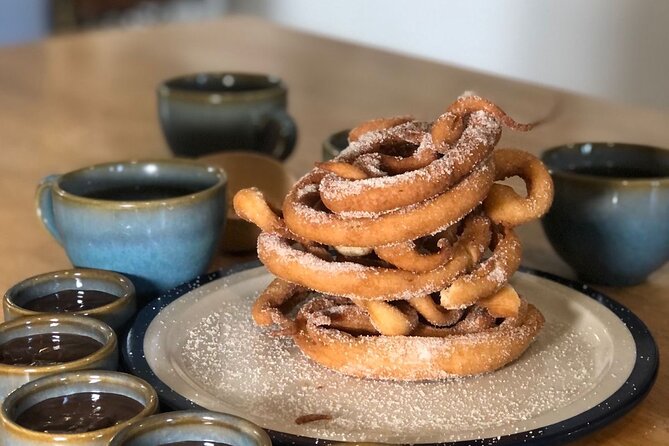
A good food class gives you something beyond a snack, and this one is easy to repeat at home. The recipe is presented as uncomplicated, and the method does not require an entire day of kitchen work. That makes the lesson practical for someone who wants a Mexico City memory that continues after the flight home.
I particularly like that you handle the full process. You are not only learning how to pipe a finished pastry. You see the dough come together, learn the frying method, and taste the difference between a properly cooked churro and one that needs more attention.
The class also offers a small window into everyday Mexican food culture. Churros are familiar to visitors, but making them with a local cook gives the sweet a little more context. Andrea can discuss the food and pastry techniques, and she has also offered suggestions for restaurants and other places to see in the city.
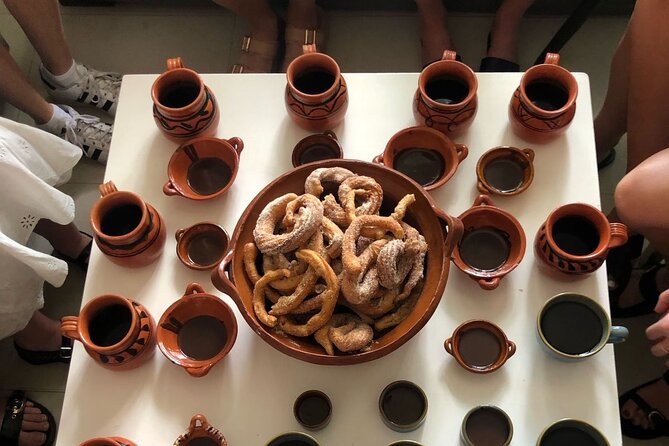
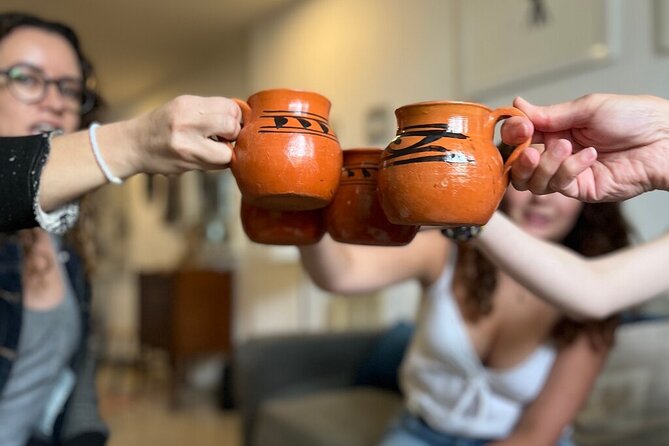
The coffee is an important part of the experience. Fresh churros are sugary and rich, so the bitter, warm drink gives the meal some balance. The coffee is described as artisanal Mexican coffee, and past sessions have included traditional café de olla. The drink is not an afterthought. It is what turns the final tasting into a proper pause.
The atmosphere: casual, social, and personal
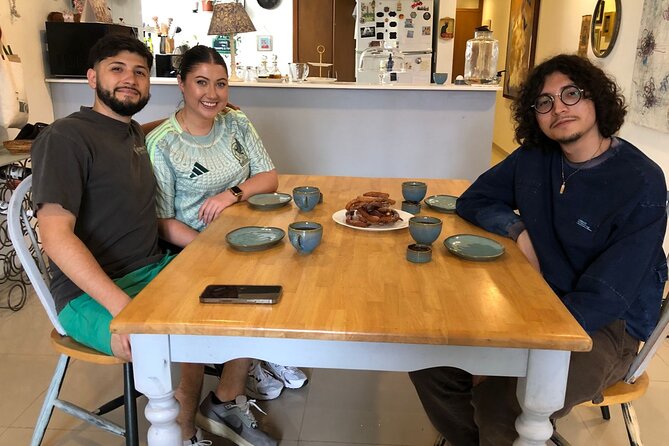
This class is a good choice if you want conversation along with your food. The cooking creates natural breaks for talking, and the final coffee gives everyone time to compare results and chat. Several parts of the experience are designed to feel low-key rather than rushed.
That makes it especially appealing to couples and solo visitors. You can learn a local dish while meeting people without the forced energy of a large group tour. Friends can split the tasks and enjoy the inevitable flour, sugar, and fried-dough chaos together.
Andrea’s personality is central to the experience. She is described as warm, clear, and personable, with an easy way of making people feel at home. She also gives tips about the wider city, which can be useful if this is one of your first activities in Mexico City.
The setting is not for everyone. If you want professional workstations, lots of room, or a tightly timed culinary course, this may feel informal. The home kitchen is part of its charm, but it also creates the class’s main practical weakness.
Is it suitable for children?
The answer needs some care. Children as young as 4 and 9 have taken part successfully, helping mix ingredients, squeeze batter, and coat the cooked churros. Another family with children aged 7, 10, and 12 found the space tight and the hot oil stressful, particularly because they had to divide the work among themselves.
So the question is less about a strict age cutoff and more about supervision, space, and temperament. A child who can listen carefully and stay close to an adult may enjoy the lesson. A group of energetic children may find the single work area frustrating.
There is also an age concern around the fryer. One attendee felt the class would be safer for older teenagers and adults. That is a fair point. The teacher’s caution about the table and the oil suggests that parents should not treat this as a drop-off activity or a free-form children’s workshop.
If you are bringing children, contact the host before booking. Ask how many stations will be available, how the children will share the work, and what can be done about allergies. The provider has acknowledged the need to improve the setup for families, but the current experience remains best suited to adults or families comfortable with close supervision.


What the $70 price really buys
At $70 per person, this is not a bargain snack stop. You can buy churros for far less in Mexico City. The price makes sense only if you want instruction, a social setting, the use of ingredients and equipment, and the chance to prepare the food yourself.
For a couple or solo visitor who values a small, personal activity, the cost is easier to justify. You receive roughly two hours of attention, not just a quick tasting. The host supplies the ingredients, guides the cooking, and provides coffee at the end. You also leave with a technique you can try at home.
For families, the value calculation is less favorable. Every participant pays the adult price, and one family felt they received the same space and supplies as the couples in the group. If your children are too young to take part fully, you may end up paying for seats rather than instruction.
The amount of churros can also be generous. You may have more than you can eat during the session, and a small takeaway bag has been provided in at least one class. That is a nice practical touch, though you should not book this expecting a full meal. It is a dessert class with coffee.
Getting there and planning your day
The meeting point is in Roma Norte, near public transportation. The class begins at 11:30 a.m., making it a useful first or second activity of the day. You can cook in the morning, then continue around Roma Norte afterward, or treat it as a late breakfast substitute if you have a sweet tooth.
The neighborhood is also part of the value. The area has plenty to see and do before or after the class, and the address makes it possible to build a simple half-day around the lesson without crossing the city.
Allow a little flexibility around the stated two-hour duration. The official estimate is approximately two hours, while one family completed the class in about an hour and a half. The exact pace will depend on group size, conversation, and how much time you spend cooking and eating.
You receive confirmation when booking, and the activity is offered in English. Tell the host about food or ingredient allergies in advance. Free cancellation is available up to 24 hours before the local start time. Cancellations or changes inside that window are not refunded or accepted.
Who should book this class?
I would point churro lovers toward this experience first. If you have ever wondered how the dough is made or why some churros turn out crisp while others are heavy, the class gives you a useful answer through practice.
It also suits:
- Couples looking for a relaxed food activity
- Solo visitors who enjoy meeting people in small groups
- Friends who want a light, social morning
- Families with older children who can follow safety rules
- Visitors who prefer a home kitchen to a formal culinary school
I would be more cautious if you dislike small spaces, need a fully structured professional kitchen, or are traveling with several young children. The hot oil and shared work area are real considerations, not minor footnotes.
The near-perfect rating and 98 percent recommendation fit the strongest features: Andrea’s hospitality, the simple instructions, the cozy setting, and the pleasure of eating what you made. The lower scores point to one clear issue, family logistics. That balance is worth keeping in mind before you pay.
Should you book the Mexican Churros Master Class?
Book it if you want a personal, easygoing food experience where the cooking matters as much as the eating. Andrea’s guidance, the Roma Norte location, the small group, and the coffee-and-churros finish give this activity more character than a standard tasting.
For adults, couples, solo visitors, and older children, $70 can be fair value if you take part in every step and use the lesson at home later. For families with young children, contact the host first and ask direct questions about hot oil, table stability, stations, and allergy arrangements.
The best reason to book is simple: you leave with a useful recipe, a full plate of fresh churros, and a relaxed memory of Mexico City that does not depend on rushing from one sight to the next.
FAQ
Where does the Mexican Churros Master Class take place?
The class starts at C. Orizaba 78, Roma Norte, Cuauhtémoc, 06700 Mexico City, Mexico. It ends back at the same meeting point.
What time does the class start?
The listed start time is 11:30 a.m.
How long does the experience last?
It lasts approximately two hours. Some sessions may finish in about an hour and a half, depending on the pace of the group.
What will I make during the class?
You will prepare Mexican churros from scratch, including mixing the dough, shaping the batter, frying the churros, and coating them with sugar.
Is coffee included?
Yes. The finished churros are served with artisanal Mexican coffee. Some versions of the class also include traditional café de olla or chocolate chili ganache.
Is the class offered in English?
Yes. The experience is offered in English.
How many people can join?
The maximum group size is 10 people.
Can children attend?
Children have taken part, including children aged 4 and 9, but hot oil and the small space require close adult supervision. Some families found the setup less suitable for young children.
What is the cancellation policy?
You can cancel at least 24 hours before the local start time for a full refund. Cancellations or changes made less than 24 hours before the start time are not refunded or accepted.
More Workshops & Classes in Mexico City
More tours in Mexico City we've reviewed


Workshops, compared.
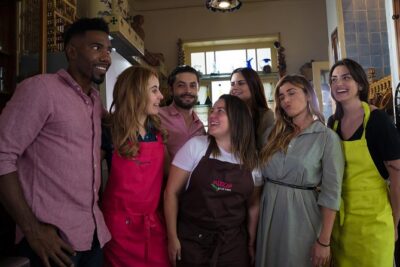 ★ 5.0Mexican Cooking Class with Food Market Visit in Mexico CityFrom $1243 hours 30 minutes (approx.)
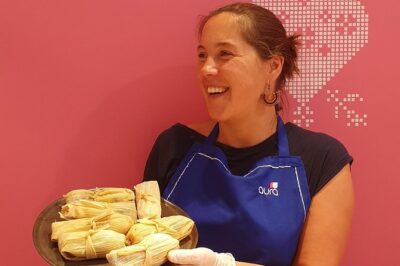 ★ 5.0Essence of Mexico: Authentic Mexican Cooking Class & Market TourFrom $1784 hours 30 minutes (approx.)
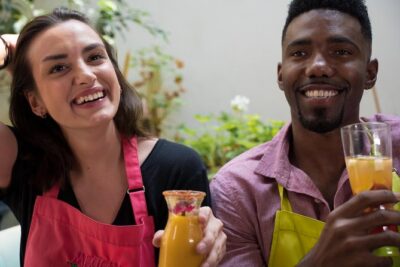 ★ 5.0Mexican Cooking Class & Cocktails in Mexico CityFrom $1323 hours 30 minutes (approx.)
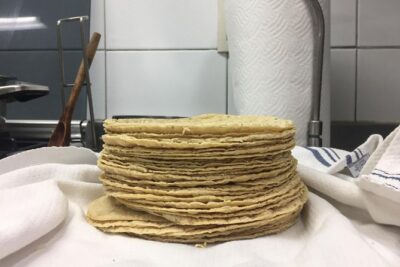 ★ 5.0Private Mexican Cooking Class with Gastronomic Historian, LuciaFrom $1453 hours (approx.)
 ★ 4.8Mexico City: Mexican Cooking ClassFrom $1213 hours
 ★ 5.03h Cooking Class in Mexico City: 8 Recipes & Bottomless DrinksFrom $1104 hours (approx.)
 ★ 5.0Private San Angel Tour & Cooking Class in Mexico City with LuciaFrom $1555 hours (approx.)
 ★ 4.7Mexico City: Authentic Mexican Cooking Class & Market TourFrom $2044.5 hours
The lists this tour appears in