
Reviewed · BIKE TOURS
Mexico City: 19 City Highlights Bicycle Tour
Mexico City is too large to understand from a car window. This four-hour bicycle route gives you a quick, useful look at five neighborhoods and a long list of major sights, from Chapultepec Park to the Zócalo. I especially like that guides Yibran and Daniella combine history with practical advice about food and places to visit next.
In This Article
- Key points to know before you book
- Why a bicycle is the right way to meet Mexico City
- Starting in Roma Norte and heading toward Chapultepec
- From the Angel to the city center
- The Zócalo and Templo Mayor
- Monumento a la Revolución and the Roma finish
- How difficult is the four-hour ride?
- What makes the guides useful
- Is $70 a fair price?
- Who should book this Mexico City bicycle tour?
- Should you book it?
- FAQ
- How long does the bicycle tour last?
- Where does the tour begin?
- Where does the tour finish?
- What sights are included?
- Are bicycles and helmets provided?
- Is food included?
- What should I bring?
- Can children join the tour?
I like the easy riding pace and the quality bikes and helmets. I also like the way the guides help with traffic, keep the group together, and take photos and short videos along the way. The main consideration is weather and traffic: the tour runs rain or shine, and Sunday is likely the most comfortable day because major roads close to cars.
Key points to know before you book
- A four-hour city orientation: Cover a large stretch of CDMX before deciding where to return for a longer visit.
- Sunday is the smart choice: Road closures create a calmer setting for cycling, running, and walking.
- A local guide team: Yibran and Daniella provide English commentary, safety help, photos, videos, and restaurant tips.
- An easy pace: The ride is suitable for a normal level of fitness, though you should be comfortable cycling in a major city.
- Five neighborhoods, 19 sights: The route moves from leafy Chapultepec to the Centro Histórico and Roma Norte.
- Small-group attention: The group is limited to 10 people, which helps the guides watch the riders and answer questions.
Why a bicycle is the right way to meet Mexico City
Mexico City spreads across a huge area, yet many of its key sights sit along a workable route. A bus can show you the same monuments, but a bicycle lets you notice the shift from quiet tree-lined streets to grand avenues, public squares, museums, and older central neighborhoods.
I see this as an orientation tour first and a deep visit to individual sights second. Stops are generally short, often around 10 minutes, so you get the story and a photo before moving on. That is useful on your first or second day, when you want to decide which places deserve more of your time later.
The route is advertised as covering 19 must-see places in five neighborhoods. The supplied stop list names the main landmarks and squares, while some of the additional points are likely passed along the way. You should not expect lengthy museum visits or time to enter every building. You are seeing the city from outside, with brief explanations that help you plan.
The guides are a major part of the experience. Yibran explains the sites in English, often using humor and visual material to make the history easier to follow. Daniella helps riders stay together and handles photos and videos. This two-person setup matters on city streets because one guide can focus on the front while the other watches the group.
A few more Mexico City tours and experiences worth a look

Starting in Roma Norte and heading toward Chapultepec
You meet at Jalapa 272, where your guide provides the bicycle and helmet. Arrive at least 20 minutes early if you care about bike fit. Arriving only 10 minutes before the start left one rider with a bike that was not ideal for their height, an avoidable problem on a four-hour ride.
The first named stop is Mexico Park, in the Condesa area. It is a pleasant opening because you begin among broad paths, trees, and public spaces rather than immediately facing heavy traffic. The stop also introduces the kind of city life this tour handles well: parks used not only as scenery, but as everyday places for exercise, meetings, and neighborhood life.
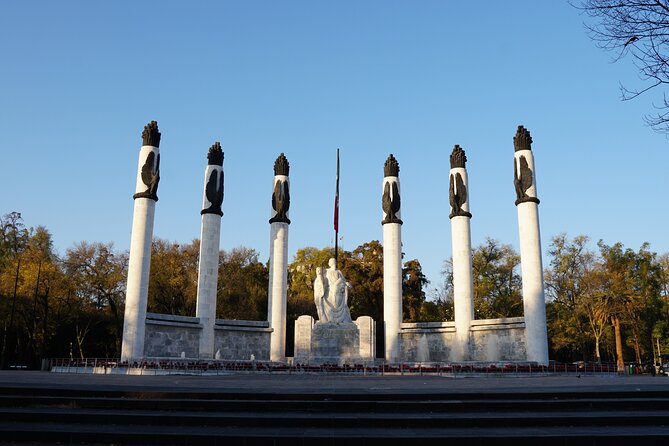
From there, the route heads toward Chapultepec. You stop at Estela de Luz, a tall modern monument, and Altar a la Patria, the memorial known for its large sculptural columns. These places give you two different views of Mexico: one tied to modern national memory and one tied to the country’s military past.
Chapultepec Park is one of the route’s strongest sections. It gives your legs a break from central-city streets and shows why this enormous urban park matters to residents as well as visitors. The tour includes about 15 minutes here, enough for an explanation and photographs, but not enough for a full park visit.
Next comes Chapultepec Castle. From the bicycle, you get an introduction to the castle and its hilltop position. You should treat this as a preview rather than a substitute for going inside. The castle rewards a separate visit if you want rooms, murals, formal gardens, and time with the exhibits.
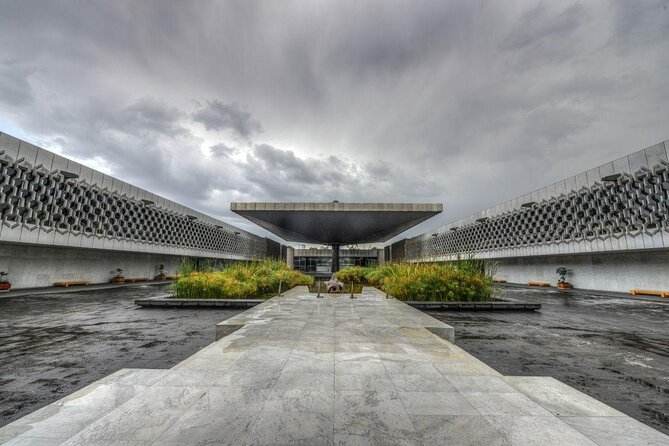
The National Museum of Anthropology follows. Again, the guide can explain why this museum is central to understanding Mexico’s many cultures and archaeological traditions, but the bicycle tour does not provide time to explore its galleries. I like this stop because it helps you place the museum on your later itinerary. If you have only one museum morning available, you will know exactly where to return.
From the Angel to the city center
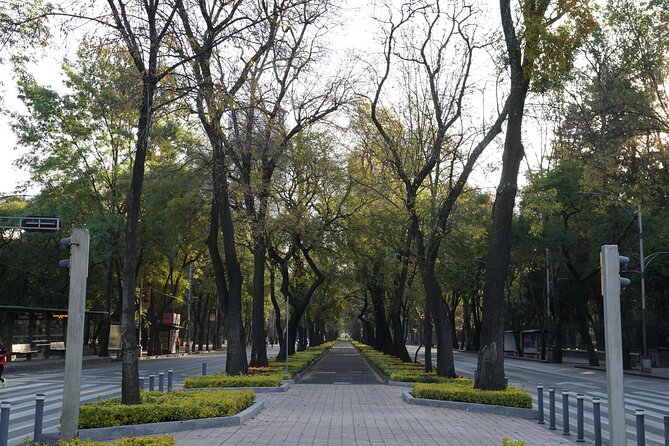
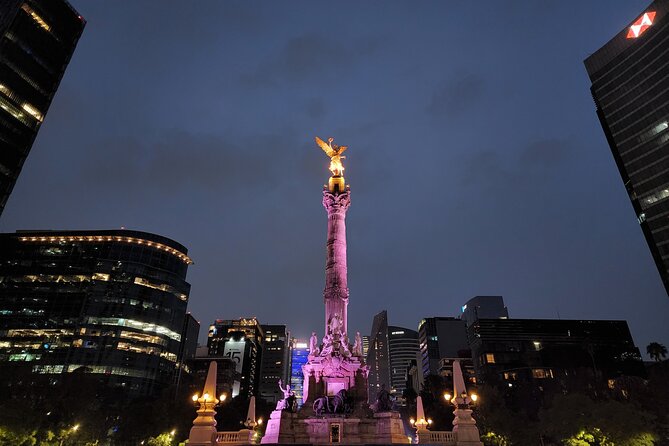
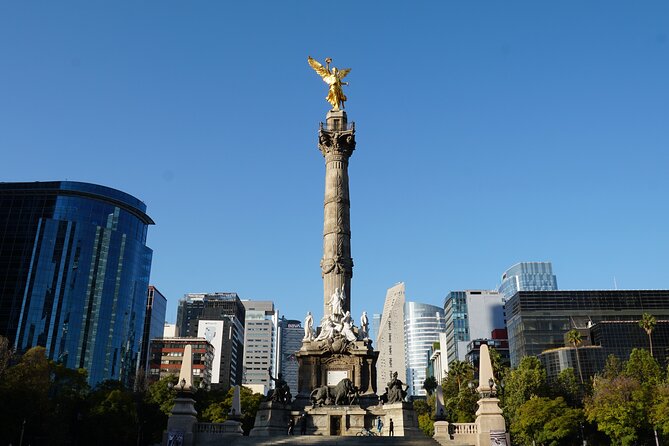
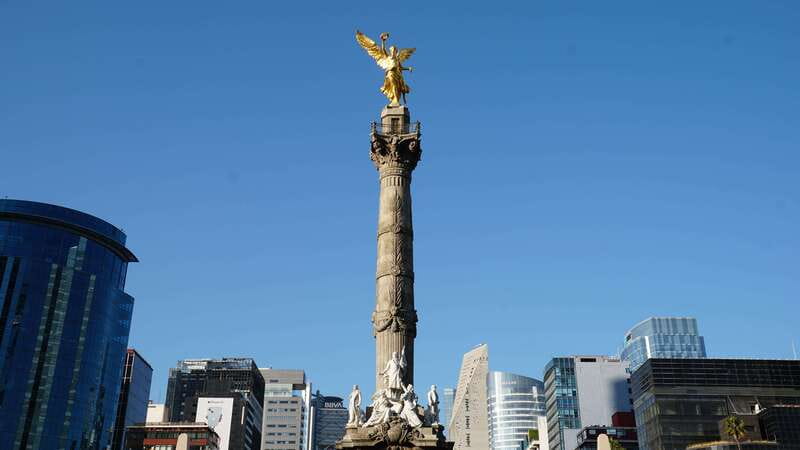
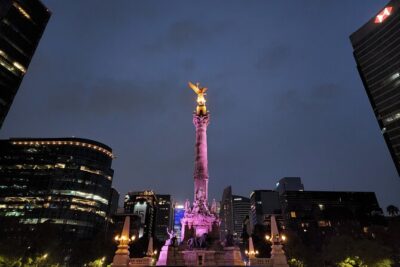
The ride continues to the Angel of Independence, one of Mexico City’s most recognizable monuments. This is a classic photo stop on Paseo de la Reforma, and it helps you understand the scale of the avenue. The guide provides context about the monument and its role in the capital’s public life.
This is also where timing makes a real difference. Several people specifically preferred Sunday, when important roads are closed to motor traffic for cyclists, runners, and walkers. On that day, Paseo de la Reforma feels less like a traffic corridor and more like a public space. The tour can be safer and more relaxed, though you should still follow the guide’s directions at every crossing.
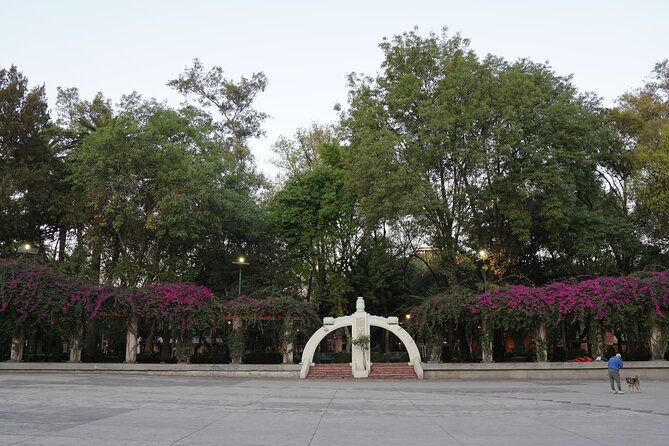
The route then reaches Alameda Central, a historic public park in the center of the city. Nearby, the Hemiciclo a Juárez provides another short stop, with its white semicircular monument dedicated to Benito Juárez. These two stops work well together because they place public memory, civic space, and daily city life side by side.
You then pass the Torre Latinoamericana, a modern landmark with a strong connection to the city’s skyline. The guide’s commentary helps connect the tower to the changing face of central Mexico City. The building itself is worth returning to if you want a higher view, but the bicycle stop is mainly for orientation and photographs.
The Palace of Fine Arts is one of the most rewarding exterior stops. Its domed roof and pale stone make it easy to recognize, but the building also represents the city’s long relationship with music, dance, painting, and public culture. The tour gives you a short explanation and time to look around. If the interior interests you, plan a separate visit because four hours and 19 sights leave no room for a full performance or gallery visit.
The Zócalo and Templo Mayor
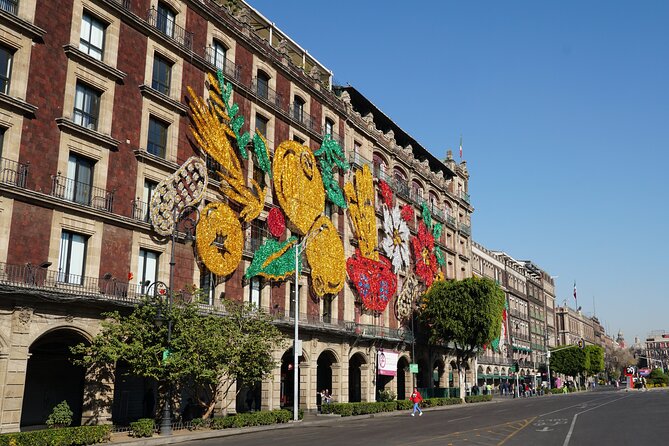
The Zócalo is the emotional center of the route. This huge square can feel grand, crowded, ceremonial, and ordinary all at once. It is a place where national events, daily movement, historic buildings, and street activity meet.
The guide’s short talk gives you a basic framework for Mexico City’s past and present. You will not get every detail, but you should leave knowing why this square is the natural heart of the historic center. Take your photo, look up at the surrounding architecture, and pay attention to how the square is used.
Templo Mayor Museum receives about 15 minutes, slightly longer than many other stops. That extra time is useful because the site needs context. The remains and museum point to the Aztec capital that existed here before the Spanish conquest, while the surrounding streets show how different layers of the city occupy the same ground.
As with Chapultepec Castle and the Anthropology Museum, this is an outside introduction rather than a museum visit. If archaeology is a main reason for your trip, return with several hours available. The bicycle tour gives you the reason to go, not the full experience.
Monumento a la Revolución and the Roma finish
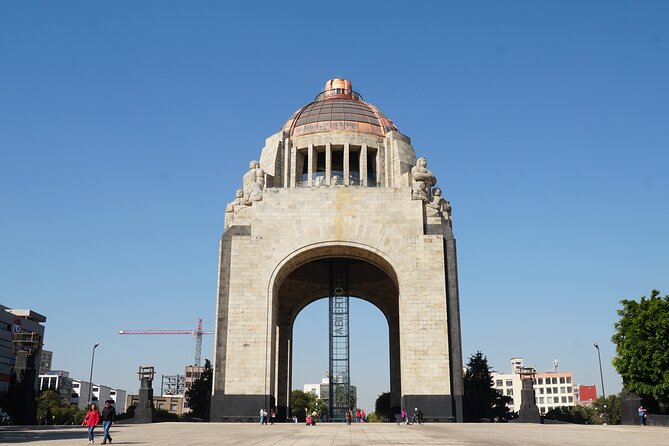
The final major central stop is Monumento a la Revolución. Its broad structure and open plaza provide a strong change of mood after the older streets around the Zócalo. The guide explains its place in Mexican history, and you get another useful landmark for finding your way around later.
From there, the ride continues toward Plaza Río de Janeiro and ends at Cerrada Orizaba and Coahuila in Roma Norte. This finish is practical. You are back among restaurants, cafés, and neighborhood streets, so the guide’s food suggestions can be useful right away.
The route’s value comes from its variety. In a single morning, you move through parks, ceremonial avenues, historic squares, museum districts, and residential neighborhoods. You see enough of each area to recognize it later, yet you do not spend the entire day trapped in one museum or monument.
Other city tours we've reviewed in Mexico City


How difficult is the four-hour ride?
The pace is generally easy. Riders describe the route as manageable for an ordinary person, and the stops break up the cycling. This is not a race or a training ride, but you should still be comfortable staying on a bicycle for several hours.
Mexico City traffic can be unpredictable. The guides help with street crossings and work to keep the group together, but no city cycling tour can remove every risk. I would choose Sunday whenever possible, especially if you are nervous about riding in traffic.
Wear comfortable clothes and shoes, apply sunscreen, and bring identification or a copy of your passport. The tour runs rain or shine, so check the forecast and dress with that policy in mind. Some parts of the route are in full sun, while tree-covered sections provide shade.
Children under 10 cannot join. The small group limit of 10 is helpful, but you should still tell the operator in advance if bike size or riding comfort is a concern. Arriving early gives you the best chance of getting a bicycle suited to your height.
What makes the guides useful
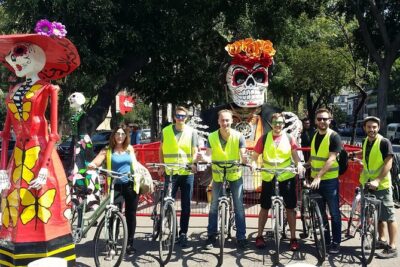
Yibran and Daniella do more than point at monuments. Yibran’s English explanations are clear, and he uses humor and visual aids to keep short history talks lively. Daniella helps riders avoid getting separated, watches traffic, and takes pictures and videos of the group riding.
The photo service is a thoughtful extra. Instead of asking you to stop constantly for selfies, the guides can capture you riding through the city and share the material afterward. That leaves you freer to watch the streets and listen.
The practical recommendations at the end may be just as useful as the monument talks. The guides offer suggestions for restaurants and other places to see, sometimes tailoring the advice to your tastes. I would save a few questions for the finish, especially if this is your first visit.
Is $70 a fair price?
At $70 per person, the tour is not the cheapest way to see Mexico City. You could use public transport and visit some sights independently for less. But the comparison is not simply bike rental versus admission tickets.
The price includes the bicycle, helmet, live English guide, route planning, traffic support, and four hours of organized sightseeing. You also cover a great deal of ground without spending time figuring out directions or deciding which streets are practical. The photos, videos, and food suggestions add value, especially for a first day in town.
The limitation is that almost every stop is brief and food and drinks are not included. You are paying for a broad introduction, not an in-depth visit to the castle, museum, or Templo Mayor. I consider the price reasonable if you value orientation, safety help, and local advice. It is less appealing if you prefer slow museum visits or already know the city well.
Free cancellation is available up to 24 hours before the start, and you can reserve now and pay later. Check the available start times when booking, since the exact schedule is not fixed in the details provided.
Who should book this Mexico City bicycle tour?
I would book it near the start of a CDMX visit. It helps you identify the neighborhoods and landmarks you want to revisit, and it gives you a basic map in your head before you begin using the city on your own.
It suits adults and children 10 or older who enjoy light exercise and want a broad overview. It is especially good for couples, first-time visitors, and small groups who like history in short portions rather than long lectures.
I would skip it if you dislike cycling, have trouble riding for several hours, or want to spend substantial time inside museums. I would also avoid treating it as a rainy-day backup unless you are prepared to ride in wet conditions.
Should you book it?
Yes, if you want to get your bearings fast while seeing major parts of Mexico City from street level. The strongest reasons are the calm pace, good equipment, careful two-guide system, and the amount of ground covered in four hours.
Choose Sunday if your schedule allows. The car-free roads can make a major difference, especially around Reforma and the center. Arrive early for the right bike, bring sunscreen, and use the short stops as a list of places to explore later. At $70, this is a useful first-day investment for an active visitor who wants history, photos, and practical local advice in one outing.
FAQ
How long does the bicycle tour last?
The tour lasts four hours. Check availability when booking for the specific starting times.
Where does the tour begin?
The meeting point is Jalapa 272 in Mexico City. Your guide will be ready to provide your bicycle.
Where does the tour finish?
The tour finishes at Cerrada Orizaba and Coahuila, Roma Norte, 06700 Ciudad de México, CDMX, Mexico.
What sights are included?
The route includes Mexico Park, Estela de Luz, Altar a la Patria, Chapultepec Park, Chapultepec Castle, the National Museum of Anthropology, Angel of Independence, Alameda Central, Hemiciclo a Juárez, Torre Latinoamericana, the Palace of Fine Arts, the Zócalo, Templo Mayor Museum, Monumento a la Revolución, and Plaza Río de Janeiro. The experience covers 19 points in five neighborhoods.
Are bicycles and helmets provided?
Yes. Bicycles, helmets, and an English-speaking live guide are included.
Is food included?
No. Food and drinks are not included.
What should I bring?
Bring a passport or ID card, or a copy, along with comfortable clothes, comfortable shoes, and sunscreen.
Can children join the tour?
Children under 10 are not permitted to join this activity.
More City Tours in Mexico City
More Bike Tours in Mexico City
More tours in Mexico City we've reviewed


Bike Tours, compared.
 ★ 5.0Frida Kahlo VIP [Museum Tickets Included] Bike, Markets & ChurrosFrom $834 hours (approx.)
 ★ 5.0Mexico City: 19 City Highlights Bicycle TourFrom $713 to 4 hours (approx.)
 ★ 5.0Mexico bike tourFrom $704 hours (approx.)
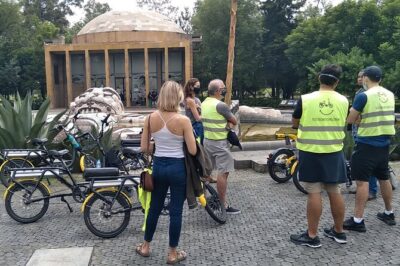 ★ 5.0Mexico City E-Bike Tour with a taco and churros stopFrom $704 hours (approx.)
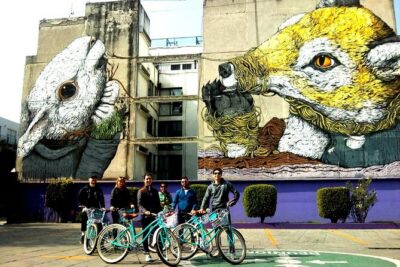 ★ 5.0Mexico City; ART NACO : Murals & Street Art Bike TourFrom $603 hours (approx.)
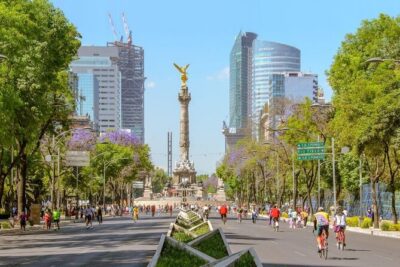 ★ 5.0Mexico City Highlights E-Bike Tour With Foodie StopsFrom $524 hours (approx.)
 ★ 5.0Street Food Bike Tour / Mexico is not only Tacos / All InclusiveFrom $924 hours 30 minutes (approx.)
★ 4.7Mexico City: Art Naco, murals & street art bike tourFrom $523 hours
★ 5.0Street Food Bike Tour / Mexico is not only Tacos / All InclusiveFrom $924 hours 30 minutes (approx.)
★ 4.7Mexico City: Art Naco, murals & street art bike tourFrom $523 hours
The lists this tour appears in