
Reviewed · EVENING EXPERIENCES
Mexico City: Night City Tour in a Double Decker Bus
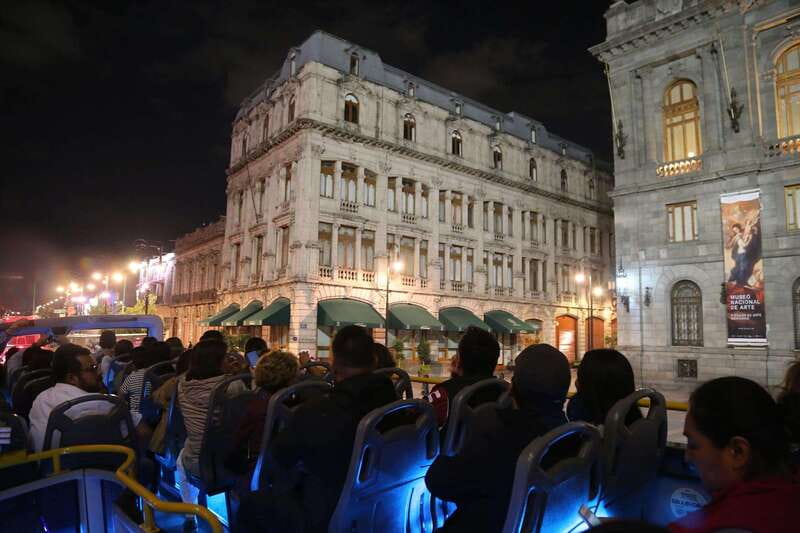
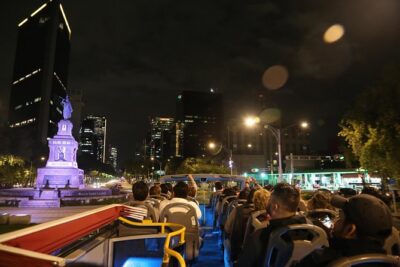
Mexico City looks wonderfully different after dark. From the upper deck of a red Turibus, you’ll roll from the Historic Center down Paseo de la Reforma, passing monuments and fountains lit against the night sky. I like the easy overview and the chance to photograph several major sights without arranging separate transport.
In This Article
- Key points to know before you book
- Why Mexico City shines from the upper deck
- Starting beside the cathedral in the Historic Center
- Monumento a la Revolución and the move toward Reforma
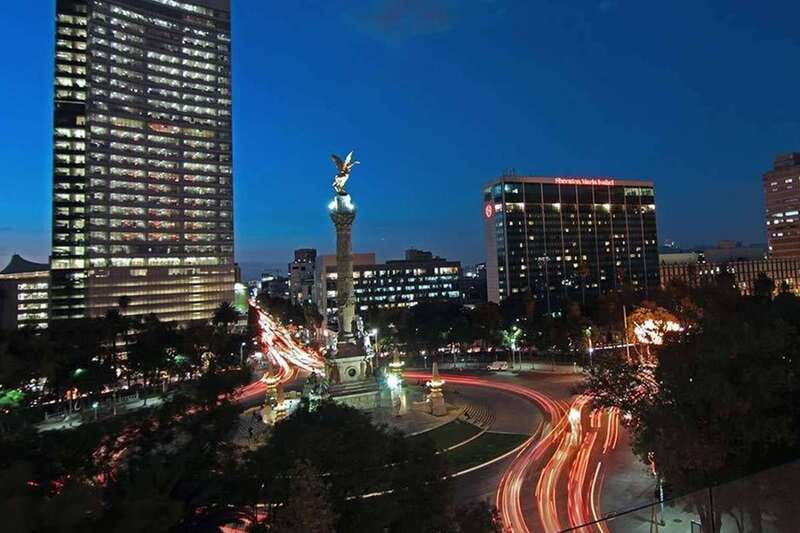
- Angel of Independence, the evening centerpiece
- Diana Cazadora, Fuente de Cibeles, and modern Reforma
- Hemiciclo a Juárez and the return downtown
- The $10 question: is the value really there?
- What to wear and how to make the ride easier
- Who will like this night tour most
- Should you book the Mexico City Night City Tour?
- FAQ
- Where does the night bus tour begin?
- How can I identify the correct bus and staff?
- How long does the tour last?
- Is this a hop-on hop-off tour?
- Which landmarks does the route pass?
- What languages are available for the audio guide?
- Do I need to arrive early?
- Can wheelchair users take this tour?
I especially like the $10 price and the simple one-hour format. It is a useful first-night activity, giving you a quick sense of the city before you choose which areas deserve more time. The main drawback is that this is a recorded audio tour, not a personal guide, and traffic, rain, demonstrations, or road closures can change the route.
Key points to know before you book
- Reforma is the star of the ride: The route gives you a relaxed nighttime look at one of Mexico City’s grandest avenues.
- The $10 fare is strong value: You see several famous monuments in about an hour without paying for a private vehicle.
- The Historic Center meeting point needs care: Find Turibus Tours between Avenida 5 de Mayo and Calle Tacuba, next to the cathedral.
- Choose your seat with the audio system in mind: Working headphone ports may be limited, so test yours early.
- Bring a jacket, even in a warm month: December riders have found the open-air upper deck surprisingly cold.
- This is a continuous ride: You cannot hop off at each monument, so treat it as sightseeing from the bus rather than a guided walking tour.
Why Mexico City shines from the upper deck
The appeal here is visual and immediate. Mexico City can feel huge when you are walking through its central districts, but the bus gives you a clean, low-effort introduction to its main ceremonial avenue. You sit back, watch the lights pass, and let the scale of the city register.
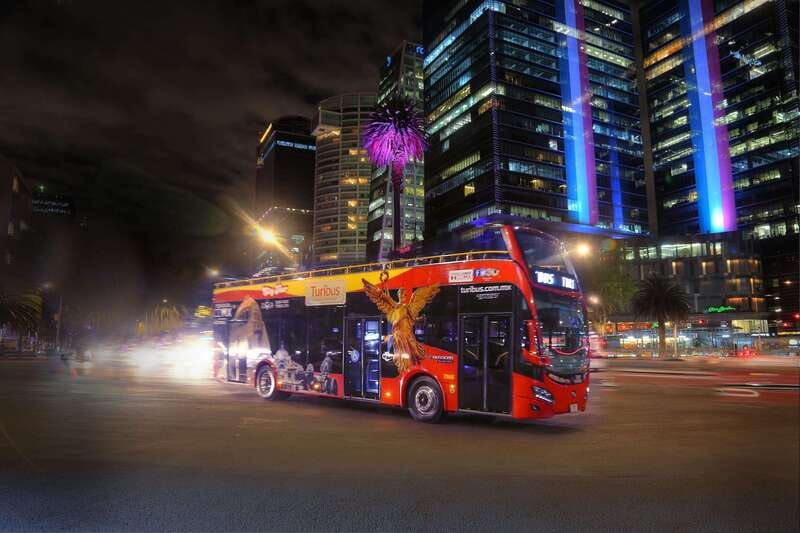
The red double-decker buses are easy to identify by the Turibus logo. The upper deck should give you the best view and the strongest photo chances, although an open top can make the ride chilly or uncomfortable in rain. The lower level offers a more sheltered seat, but windows and other passengers can limit your photographs.
I would use this ride as an orientation, not as a substitute for visiting the monuments on foot. At night, you will see the Angel of Independence, Diana Cazadora, Monumento a la Revolución, and other landmarks beautifully lit. You will not have much time to study their details or get out and explore.
The audio guide adds useful context in Spanish, English, French, German, Italian, Portuguese, and Japanese. It is recorded commentary, so do not expect a guide to answer questions or adjust the explanation to your interests. Still, for a low-cost city overview, it gives the ride more purpose than simply circling downtown.
Other city tours we've reviewed in Mexico City
Starting beside the cathedral in the Historic Center
Your starting point is Turibus Tours between Avenida 5 de Mayo and Calle Tacuba, next to the cathedral. This location puts you right beside the city’s central historic core, but it is described as a street-side meeting point rather than a clearly marked building. That can cause confusion, especially because different tour services may gather in the same area.
I would arrive at least 15 minutes early. Look for the red double-decker bus and staff wearing a Turibus vest and badge. Have your booking details ready, and do not wait until departure time to ask where your bus is going.
The area around the meeting point has restaurants and food stands, which is convenient if you want a quick meal before or after the ride. The exact departure schedule depends on availability, so check the time when booking rather than assuming there is a bus every few minutes.
The bus then passes through or near the Zócalo, Mexico City’s great central square. From the bus, you get a brief nighttime look rather than a full visit. The square and cathedral make a strong opening to the ride, but the bus may not pause long enough for careful photographs.
That short look is still valuable. The Zócalo gives you a sense of how the Historic Center connects with the city’s modern avenues. If this is your first evening, I like the way the route begins with Mexico City’s older civic core before moving toward Reforma’s grand monuments.
Monumento a la Revolución and the move toward Reforma
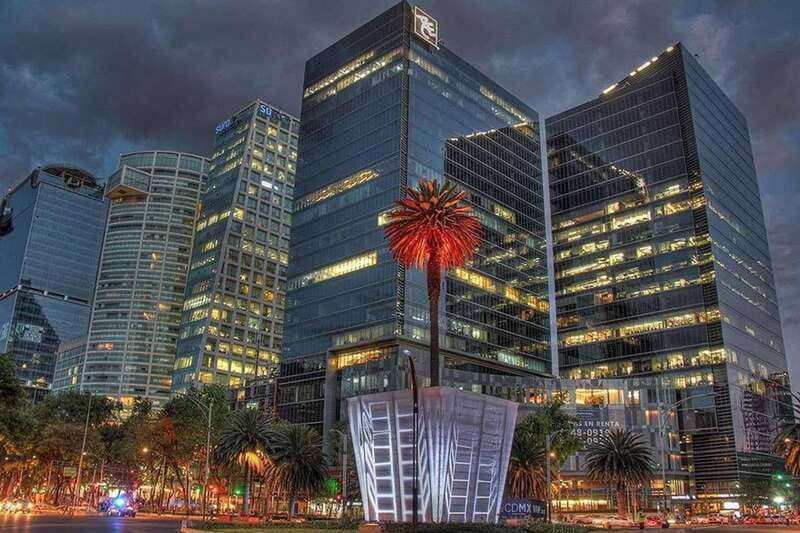
The route next passes Monumento a la Revolución. You should think of this as another sight viewed from the bus, not a scheduled stop for exploring. The monument is one of the route’s major visual markers, and nighttime lighting helps its outline show clearly against the surrounding city.
The bus portions between sights make up much of the experience. That is not a flaw at this price. You are paying for a moving city view, and the traffic itself becomes part of the evening scene. At times, the bus may move slowly, which can be helpful for photographs, but local congestion can also affect the timing.
The published duration is about one hour. One description gives a 45-minute ride, while one rider reported a trip lasting an hour and 15 minutes. I would plan for roughly an hour, with some flexibility around traffic and road conditions. Do not schedule a nonrefundable dinner reservation immediately after the bus.
This part of the route also shows why the tour works best early in your stay. You can mark the monuments and avenues you want to revisit in daylight. You may also gain a better feel for the distances between the Historic Center and Reforma, something that is harder to judge from a city map.
Angel of Independence, the evening centerpiece
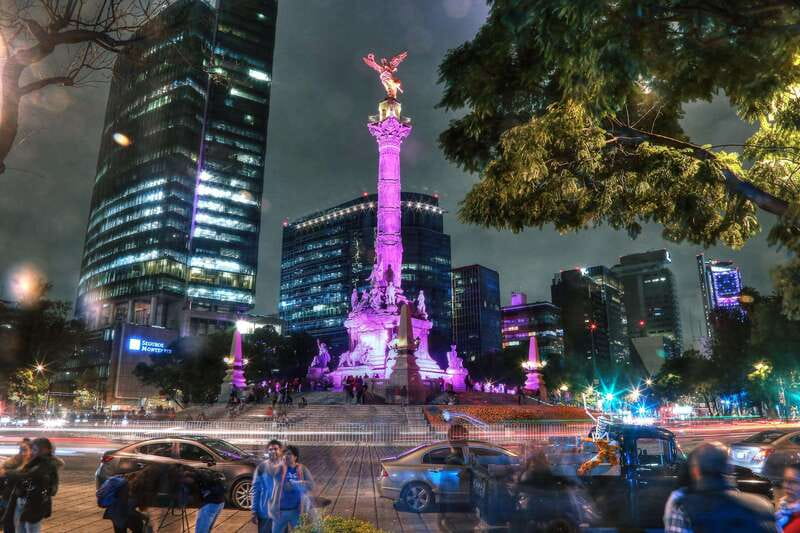
The Angel of Independence is the visual high point for many passengers. The golden monument rises above Paseo de la Reforma and is especially striking when illuminated. The bus passes it rather than delivering you to a long photo stop, so keep your camera ready before you reach it.
You should not expect perfect pictures every time. Traffic, the angle of the bus, reflections, and the position of other passengers can all get in the way. If photography matters to you, sit where you have a clear side view and keep your phone or camera accessible instead of buried in a bag.
The monument is also a good example of the tour’s limits. You can recognize the major landmarks and hear basic background through the audio guide, but you cannot pause to read plaques or walk around the base. I see this as a preview that helps you decide where to return later.
The avenue itself supplies much of the atmosphere. Reforma links historic symbols with offices, shops, restaurants, and modern buildings, so the ride does not feel like a museum circuit. It gives you a quick view of Mexico City as a living capital after work and after sunset.
Diana Cazadora, Fuente de Cibeles, and modern Reforma
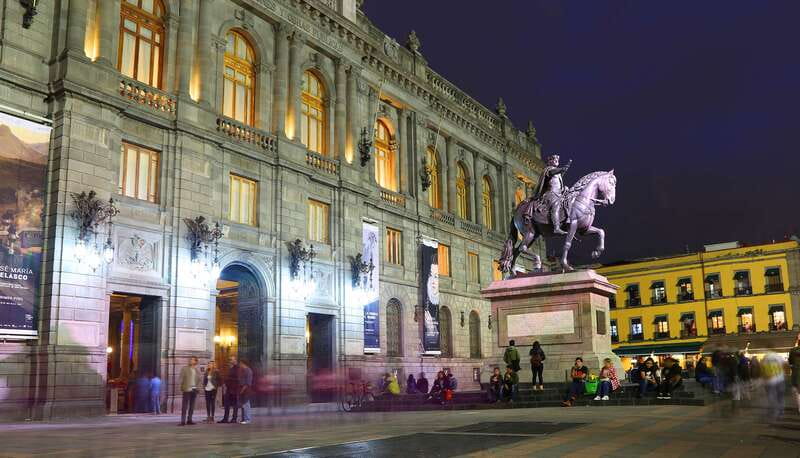
The bus continues past the Diana Cazadora Fountain, another well-known Reforma landmark. Like the Angel, it is best appreciated as part of the passing sequence. The illuminated fountain adds a different shape and mood to the route, and it is a good target for a quick photograph.
You also pass Fuente de Cibeles. The itinerary allows only a short viewing window, so you should not count on a detailed stop. The value is in seeing several monuments in one continuous ride, with no need to navigate between them on foot at night.
Reforma 222 brings a modern note to the route. Its shopping center and contemporary architecture contrast with the older monuments and ceremonial structures. I like this mix because it keeps the tour from becoming a simple parade of historic statues. You see a city that combines old symbols, current commerce, and busy public streets.
The audio commentary is available in seven languages, but the equipment can be a weak point. One rider had trouble finding a seat with a working headphone port, and another accidentally boarded the Spanish bus after being told to change buses. Test your audio as soon as you sit down, confirm your language selection, and ask staff for help before the bus leaves.
You should bring your own headphones if you have them. Headphones are listed among the recommended items, and using a familiar pair may be more comfortable than relying on whatever is supplied.
Other evening experiences in Mexico City




Hemiciclo a Juárez and the return downtown
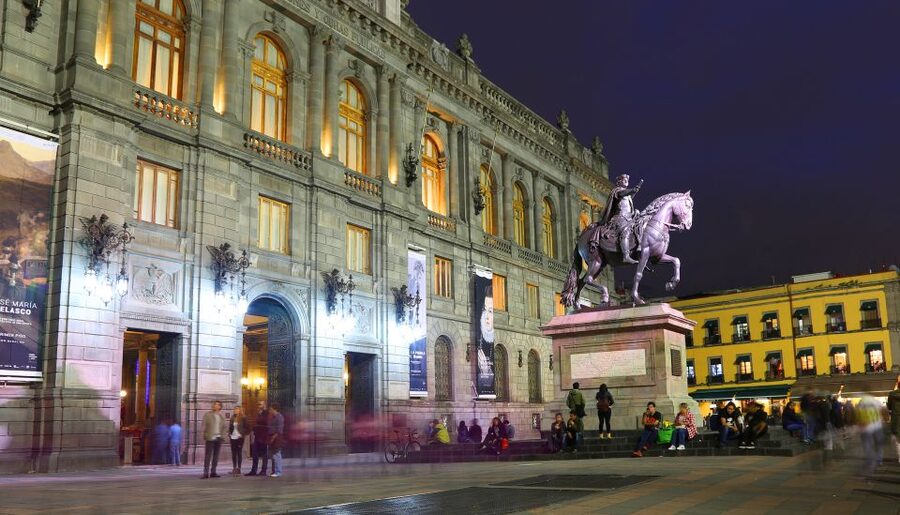
The route includes the elegant Hemiciclo a Juárez, a white marble monument honoring Benito Juárez. It is connected with Mexican civic identity and gives the ride a final historic note before the return to the starting area.
The published itinerary describes a pass by or stop near the monument, so keep your expectations modest. This is not a walking visit with time to examine the columns and inscriptions. You see it in context, along with the avenue and surrounding nighttime traffic.
From there, the bus returns toward Turibus Tours near the cathedral. The return is useful because it brings you back to the same central area, rather than leaving you at an unfamiliar neighborhood. Still, you should verify the exact return arrangements with staff if road conditions have changed.
The operator warns that weather, traffic, road closures, and public demonstrations can alter the itinerary. These are realistic concerns in a large capital city. A rainy night may still be enjoyable, but the upper deck becomes much less appealing, and a closure may mean you miss a planned landmark. Tickets are not refundable for these unpredictable changes, so leave room in your schedule.
The $10 question: is the value really there?
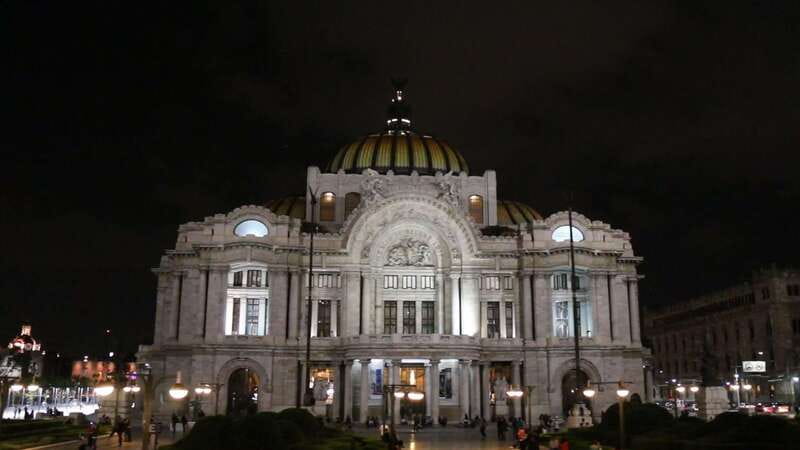
At $10 per person, I consider this a good-value introduction to Mexico City at night. You get a continuous ride along Paseo de la Reforma, views of several famous landmarks, and audio commentary in multiple languages. If you tried to arrange taxis between the same sights, you would spend more time managing transport and less time simply looking around.
The price is strongest for first-time visitors, couples, families with older children, and anyone who wants a low-effort evening. It also works well when you have only one free night or want a broad overview before planning more detailed sightseeing.
The value is less clear if you want a personal guide, long stops, or serious architectural study. You are not buying a walking tour, a private vehicle, or a hop-on hop-off ticket. The night tour is a set ride, and you cannot leave at the Angel of Independence or another landmark and rejoin later.
The audio guide also affects the value. It is a useful extra, but the experience remains mainly visual. If you already know Mexico City well, you may find the route too brief. If you are new to the city, the compact format is its strength.
What to wear and how to make the ride easier
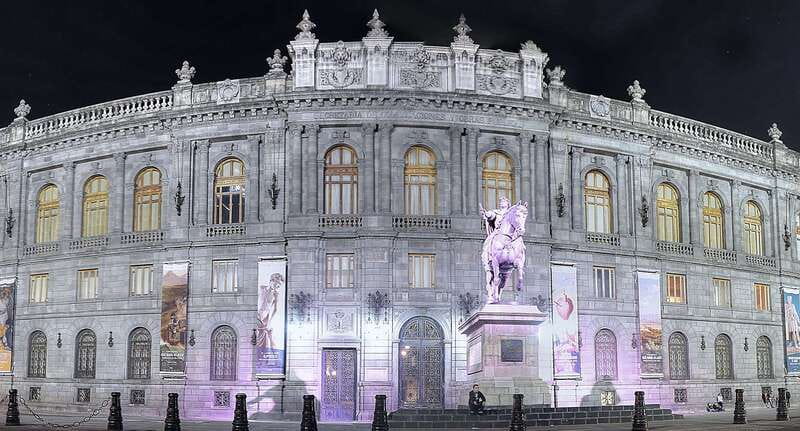
Bring comfortable clothes, comfortable shoes, and a jacket. Comfortable shoes still matter because you need to walk to the meeting point and may spend time standing before boarding. The jacket matters most on the upper deck, especially in December or on a rainy evening.
Bring headphones if possible, and check the audio connection immediately. If the first port does not work, ask to move before the bus fills. Select your language carefully, since changing buses or accidentally joining the Spanish commentary can leave you without the explanation you expected.
Smoking, alcohol, and drugs are not allowed in the vehicle. Passengers should also carry a passport or identification card, with a copy accepted according to the provided instructions.
The bus is not suitable for wheelchair users. If accessible transport is essential for you, confirm alternatives before booking rather than assuming the double-decker can accommodate your needs.
Free cancellation is available up to 24 hours before departure, and you can reserve now and pay later. Those options help if your evening plans are still changing. They do not protect you from route changes caused by weather, traffic, road closures, or public demonstrations.
Who will like this night tour most
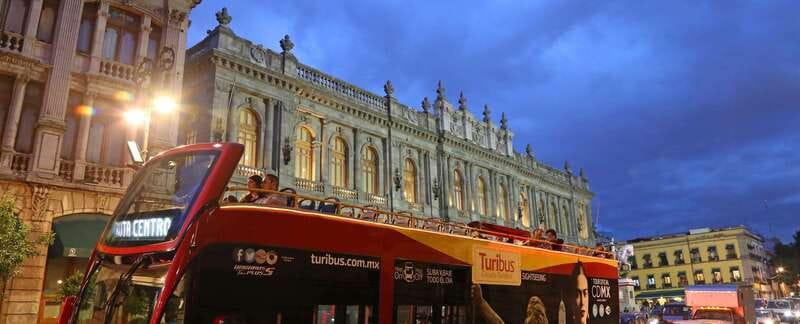
I would recommend it most strongly for people visiting Mexico City for the first time. You get a fast visual introduction to the Historic Center and Reforma, and you can use the experience to plan future walks.
It also suits you if you want photographs without spending the evening figuring out public transport. The illuminated Angel of Independence, Diana Cazadora, Hemiciclo a Juárez, and Monumento a la Revolución give you several clear subjects in a short period.
Families and mixed-age groups may appreciate the simple format. You can sit for most of the ride, and the route does not require a long walk between sights. The open upper deck adds fun, but you should choose the lower level if weather or cold is a concern.
I would hesitate to recommend it if you need a fully accessible vehicle, want a detailed personal explanation, or have only one fixed appointment later that night. Traffic can stretch the ride, and the commentary depends on functioning equipment.
Should you book the Mexico City Night City Tour?
Book it if you want an inexpensive first look at Mexico City after dark, especially during your first evening. The Reforma views and illuminated monuments provide the strongest reason to go, while the multilingual audio and central return point make the outing easy to use.
Skip it if you prefer getting out at every sight or having a guide beside you. For everyone else, $10 is a sensible price for an hour of city lights, major landmarks, and useful orientation. Arrive early, bring a jacket and headphones, and treat the bus as a scenic introduction rather than a complete tour of Mexico City.
FAQ
Where does the night bus tour begin?
It begins at Turibus Tours between Avenida 5 de Mayo and Calle Tacuba, next to the cathedral in the Historic Center.
How can I identify the correct bus and staff?
Look for a red double-decker bus with the Turibus logo on its sides. Staff members wear a Turibus vest and badge.
How long does the tour last?
The tour lasts approximately one hour. Actual timing can vary because of traffic, weather, road closures, or public demonstrations.
Is this a hop-on hop-off tour?
No. The night city tour is a continuous ride and is not hop-on hop-off.
Which landmarks does the route pass?
The route passes the Zócalo, Monumento a la Revolución, Angel of Independence, Fuente de Cibeles, Diana Cazadora, Reforma 222, and Hemiciclo a Juárez.
What languages are available for the audio guide?
The audio guide is available in Spanish, English, French, German, Italian, Portuguese, and Japanese.
Do I need to arrive early?
Yes. All passengers should arrive at the meeting point 15 minutes before departure.
Can wheelchair users take this tour?
The activity is not suitable for wheelchair users.
More Evening Experiences in Mexico City
More City Tours in Mexico City

More tours in Mexico City we've reviewed

Evening Experiences, compared.
 ★ 5.0Lucha Libre Tickets & Tacos & Beer & Mezcal – BEST NIGHT EVER!From $84
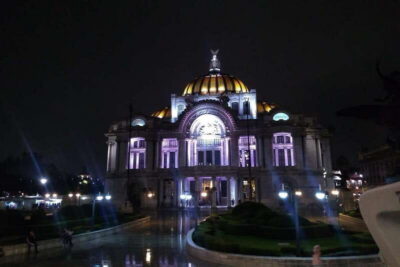 ★ 3.8Mexico City: Double Decker Bus Night TourFrom $101h 30m
 ★ 5.0A Night of Tacos and Mezcal in Mexico CityFrom $1353 hours 30 minutes (approx.)
 ★ 5.0Narvarte At Night: Tacos, Chelas & MezcalFrom $1433 hours 30 minutes (approx.)
 ★ 5.03-Hour Night Tacos and Mezcal Crawl in Mexico with GuideFrom $953 hours (approx.)
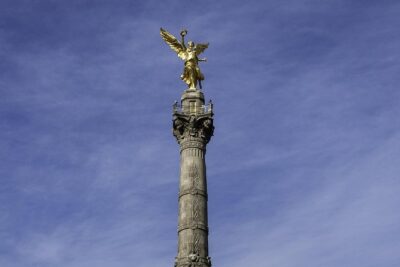 ★ 3.0Hop-on Hop-off or Night Tour Tourist Bus in Mexico City1 to 11 hours (approx.)
 ★ 5.0Mexico City: Tacos & Mezcal Night Food TourFrom $1354 hours
 ★ 3.5Night Tour of Mexico City Panoramic Ride on a Double-Decker BusFrom $1045 minutes (approx.)
The lists this tour appears in