
Reviewed · HISTORIC CENTER WALKS
Mexico City: Historic Downtown Walking Tour
Mexico City’s downtown makes the most sense when you see its layers side by side: Aztec stones, Spanish churches, grand government buildings, street vendors, and sweet bread shops all within a few blocks. This three-hour walk gives you that big picture without asking you to decode the city alone. The Metropolitan Cathedral and Templo Mayor ruins are the tour’s strongest stops.
In This Article
- Key points at a glance
- Why this downtown walk works as a first introduction
- Meeting at the Zocalo and reading the city’s center
- Inside the Metropolitan Cathedral
- Templo Mayor and the Aztec city beneath Mexico City
- The Zocalo as Mexico’s living center
- The Post Office Building, an unexpected interior highlight
- Palace of Fine Arts and the city’s grand style
- A traditional bakery and Mexico’s sweet bread culture
- Guide quality, language, and the pace of the walk
- Who should book this experience
- Is the $26 price fair?
- Should you book the Historic Downtown Walking Tour?
- FAQ
- How long is the Mexico City Historic Downtown Walking Tour?
- Where does the tour meet?
- What languages are available?
- Does the tour enter the Metropolitan Cathedral and Post Office Building?
- Is food included?
- What should I bring?
I like the way the route mixes famous sights with small, everyday details, especially the ornate Post Office and the traditional bakery. I also like the practical help from guides such as Emiliano, Mar, Nadia, Dani, and Arturo, who explain local food, point out places to eat, and help you get your bearings.
The main drawback is the sound level. Downtown can be loud, and several people had trouble hearing even strong guides over vendors and music. The schedule also gives only a short look at the Templo Mayor area, so plan to return on your own if you want the museum and full archaeological site.
Key points at a glance
- Three hours in the Centro Histórico: A brisk introduction to Mexico City’s central sights and long past.
- Cathedral interior included: You go inside the Metropolitan Cathedral rather than only viewing its facade.
- Aztec and Spanish history meet: Templo Mayor ruins sit beside the modern Zocalo and colonial buildings.
- The Post Office is a surprise: Its elegant interior is one of the walk’s most memorable architectural stops.
- Mexican bread is part of the story: You visit a traditional bakery and can taste the selection if you wish.
- Guides add practical help: Expect tips about tacos, places to visit, souvenirs, and what to notice next.
Why this downtown walk works as a first introduction
At $26 per person, this is priced as an affordable orientation rather than a private, specialist tour. You get three hours with a local guide, a route through the heart of Mexico City, and entry into several important buildings. Food, drinks, and transportation to the meeting point are extra.
I see the best value here in the connections between the stops. A church can feel like just another old church when viewed alone. Here, the Cathedral comes after an explanation of the Aztec capital and before colonial and modern Mexico appear in the surrounding streets. That sequence helps you understand why the center looks the way it does.
The route also suits a first day in town. You can pick up basic history, learn where the Zocalo sits, and ask your guide for ideas for meals and later sightseeing. Mar, Nadia, Emiliano, Daniella, and others have been praised for clear explanations, good pacing, and useful food advice.
This is still a group walking tour, not a quiet museum visit. You may pause near traffic, street music, vendors, and crowds. If you want every sentence of the history lesson, stand close to the guide and ask about the audio setup before booking. A few people found the city noise made it hard to hear.
A few more Mexico City tours and experiences worth a look



Meeting at the Zocalo and reading the city’s center
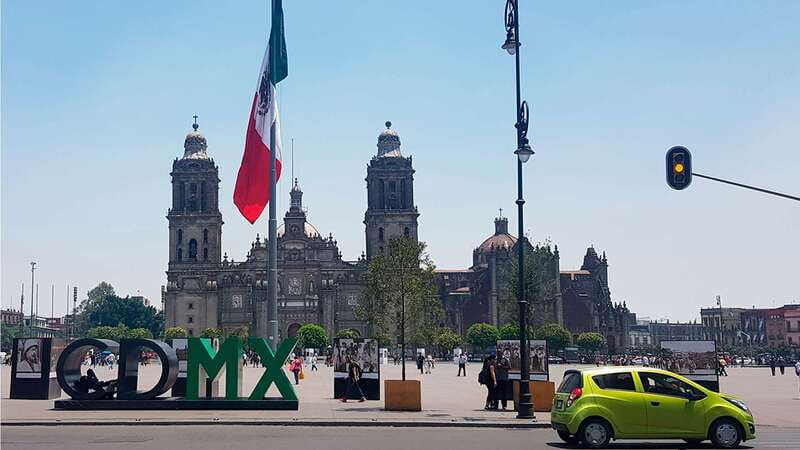
The meeting point is in front of the McDonald’s in the Zocalo Main Square. Look for the white umbrellas used by Mexico a Pie Walking Tours, and search for Meeting Point Mexico a Pie in Google Maps before you set out. The guides wait a few minutes before the morning departure at 9:30 a.m. and the afternoon departure at 4:30 p.m.
The Zocalo is an excellent place to begin because it is more than a large open square. It is the symbolic heart of Mexico City, surrounded by major buildings and layered with the country’s political, religious, and cultural past. Your guide will explain how the square fits into the story of the city rather than treating it as a simple photo stop.
You should arrive ready to walk on hard city surfaces for three hours. Comfortable shoes, sunscreen, sunglasses, and clothing suited to the weather are sensible. The tour runs rain or shine, so a light rain layer can be useful when the forecast is unsettled.
Provide a valid cellphone number when you book. That matters if you need help finding the group. One person who arrived late after getting turned around on the Metro was able to catch up with help from the guide’s live location on WhatsApp. I would not count on this as a reason to arrive late, but it is a useful safety net.
Inside the Metropolitan Cathedral
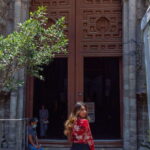
The tour begins inside the Metropolitan Cathedral, one of the center’s essential sights. It was the largest church in the Americas for more than three centuries, and its scale helps explain the power of the Spanish colonial church.
The value of having a guide here is context. You can look at the chapels, religious art, and elaborate interior details, but a good explanation helps you understand what you are seeing and why the building matters. Daniella was especially praised for encouraging a respectful, quiet approach inside the Cathedral, a small touch that improves the visit.
Allow yourself to shift from street noise to a more reflective atmosphere. You are not simply checking off a church. This is one of the places where the Spanish conquest, Catholic tradition, architecture, and modern city life meet.
The stop may not satisfy you if you want a long, unhurried church study. The tour has many places to cover, so the Cathedral is part of a larger route. Still, it is a useful opening because it gives you a clear sense of the center’s scale and religious importance.
Templo Mayor and the Aztec city beneath Mexico City
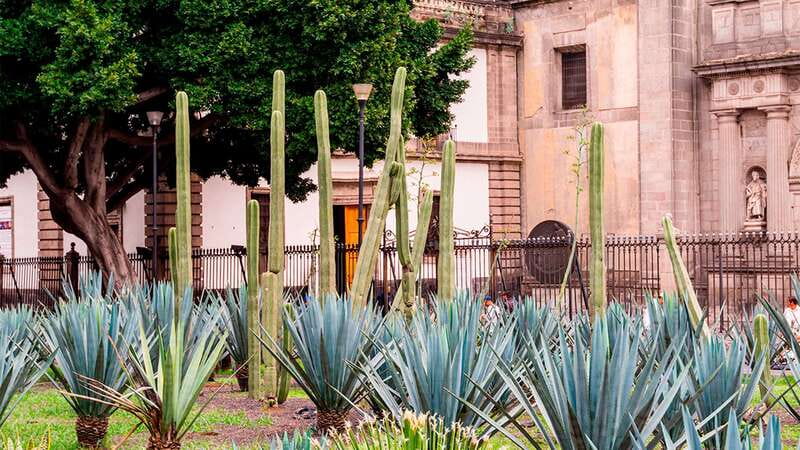
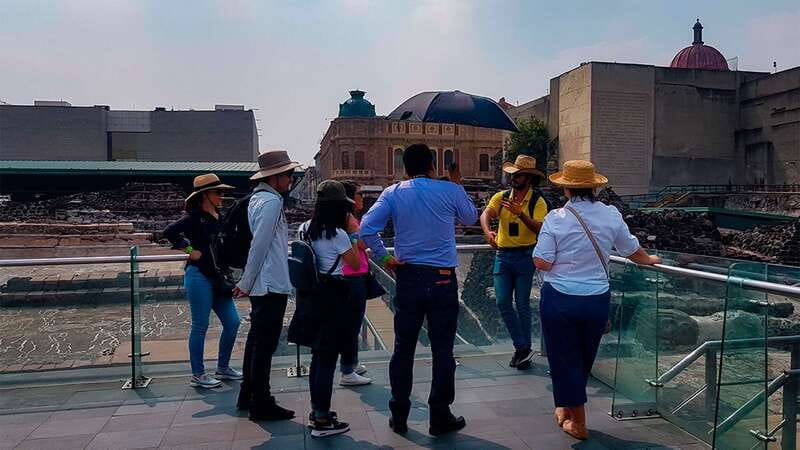
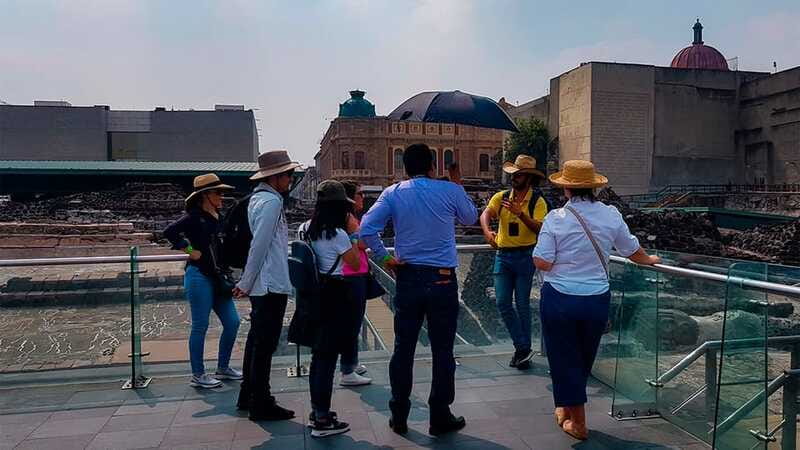
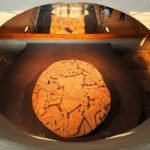
Near the Zocalo, you will see the remains of Templo Mayor, the ceremonial center of the ancient Aztec city. The ruins are especially striking because they sit in the middle of present-day Mexico City, close to the Cathedral and surrounded by ordinary urban activity.
This is the point where the tour makes Mexico City’s past feel physical. You are not hearing only about an ancient civilization in a museum. You are standing beside its remains while the modern capital carries on around you.
Expect an exterior introduction rather than a full archaeological visit. One account of the experience described about ten minutes at Templo Mayor without walking through the full site. If the ruins are a major reason for your trip, return later for the complete archaeological area and museum. The short tour stop gives you the essential setting, but it is not a substitute for dedicated time there.
The guide’s explanation is still valuable because the ruins make more sense when placed beside the Cathedral and Zocalo. You can see, in one glance, how the Spanish colonial city was built over the Aztec capital and how older layers remain visible.
The Zocalo as Mexico’s living center
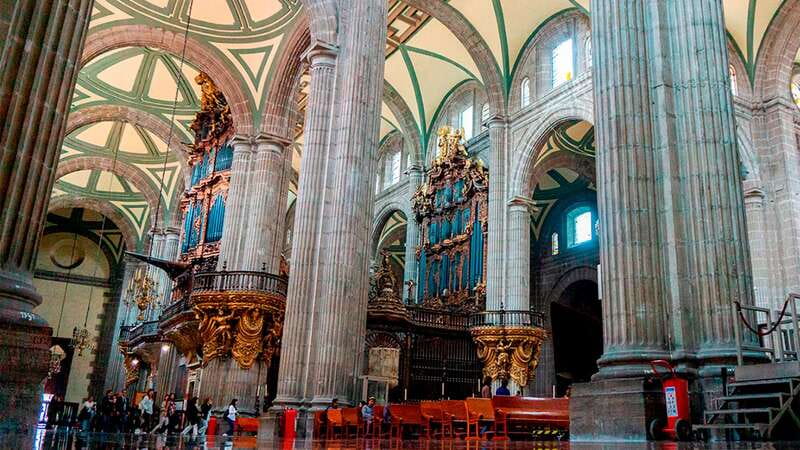
The walk across the giant Zocalo gives you time to take in the size of the square and the buildings around it. Your guide will discuss its role as the heart of Mexico and point out details that are easy to miss when you are focused only on taking pictures.
You will also hear about Hernan Cortes and the place associated with his remains. This part of the route adds a human and political layer to the earlier discussion of conquest. It can be uncomfortable material, but that is part of understanding the city honestly.
The Zocalo may feel open and easy to photograph, but it is not always peaceful. Street activity, music, vendors, and passing crowds can make it difficult to hear. Stay near the guide when the explanation begins, and do not be shy about asking for a repeat.
Other walking tours we've reviewed in Mexico City


The Post Office Building, an unexpected interior highlight
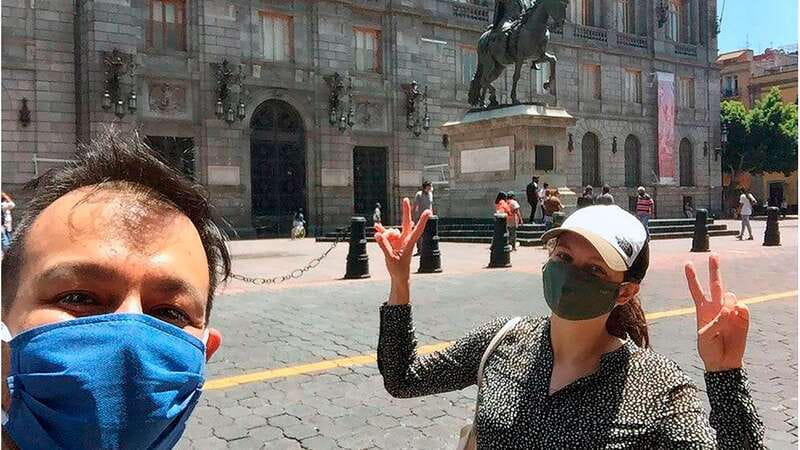
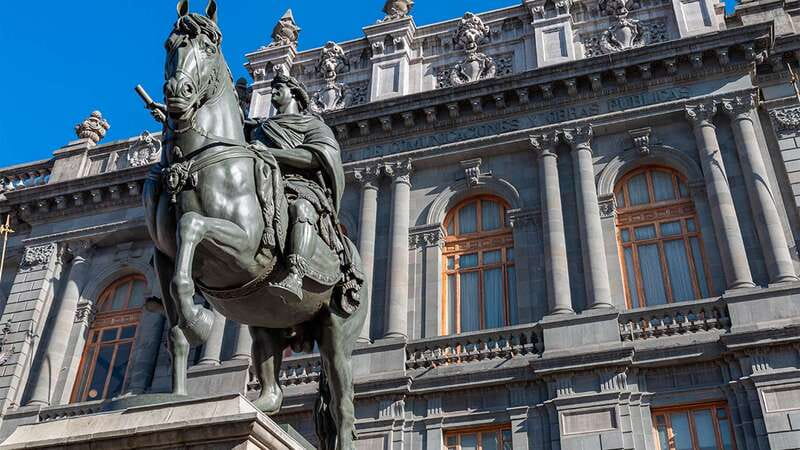
The Palacio Postal, or Post Office Building, is one of the route’s best surprises. Its exterior and interior decoration are far more ornate than you might expect from a working postal building, with polished surfaces, decorative metalwork, and grand architectural details.
This stop gives the tour a welcome change of mood. The Cathedral and Templo Mayor carry major historical weight, while the Post Office invites you to look closely at craftsmanship and design. It is the sort of building you might walk past without realizing how much there is to see inside.
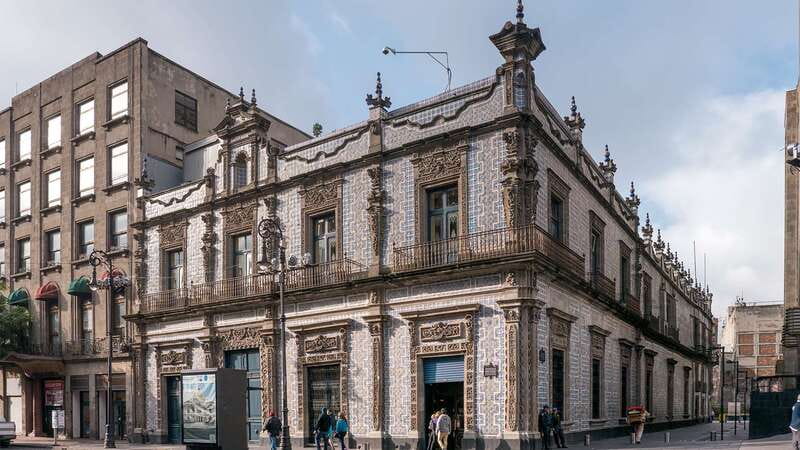
The stop is also a reminder that Mexico City’s historic center is not made up only of monuments with obvious names. Commercial and civic buildings can be just as rewarding. Your guide can point out details and explain how the building fits into the city’s architectural story.
Bring a camera, but be considerate of people using the building for its everyday purpose. The tour moves on, so you may want to make a note of the details you would like to inspect later.
Palace of Fine Arts and the city’s grand style
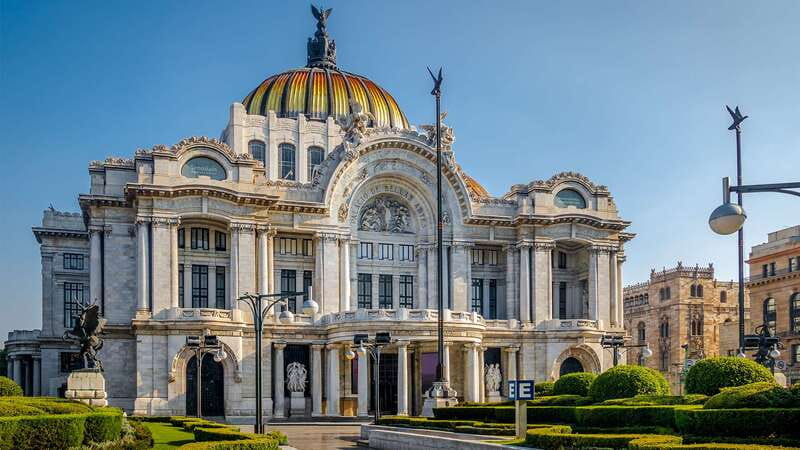
The Palace of Fine Arts provides another visual shift. Its architecture is among the center’s most recognizable, and the tour uses it to show the city’s taste for monumental design and artistic display.
You should expect to admire the building and learn about its place in Mexico City rather than spend a long period inside an art collection. One person would have preferred time in an art museum instead of a longer church-related stop, so keep your expectations clear. This is a downtown orientation with selected interiors, not a museum-focused experience.
That said, the Palace of Fine Arts works well in the route because it broadens the story beyond the Aztec and colonial periods. The city’s central district has continued to change, and this stop shows another stage in that process.
A traditional bakery and Mexico’s sweet bread culture
The bakery visit is a simple but memorable part of the walk. Inside, you can see the remarkable range of traditional Mexican sweet breads. You may taste something if you like, but food and drinks are not included in the price.
I like this stop because it gives you a practical connection to daily life. Monumental buildings explain the official story of Mexico City. A bakery shows what people buy, share, and eat in ordinary routines. It also gives you a chance to ask your guide about local food without turning the tour into a formal food walk.
The bakery is not a full meal stop, so do not arrive expecting lunch. Think of it as a short introduction and a chance to choose something interesting. The food tips can continue after the tour, especially if your guide is Mar, Daniella, Emiliano, or Nadia, all of whom have been singled out for helpful recommendations about tacos and other places to eat.
Guide quality, language, and the pace of the walk
The tour is offered in English or Spanish, with a live local guide. The strongest feature is the people leading it. Emiliano is repeatedly described as friendly, clear, and good at giving a broad overview. Nadia is praised for her storytelling and command of Mexico City’s past. Mar is noted for answering questions, finding shade, and helping solo participants feel included.
Other guide names connected with strong experiences include Sandra, Leslie, Arturo, Danielle, Dani, Stephania, Andrés, Alex, Mariel, Muriel, Lily, Robert, and Maria. Their styles will differ, but the recurring strengths are clear explanations, attention to safety, a friendly manner, and practical suggestions for the rest of your stay.
The pace is generally active but manageable. Dani was praised for keeping the group moving and engaged, while other guides were careful about heat and shade. You will cover several central sights in three hours, so this is not a slow photography walk.
The biggest practical issue is sound. Downtown noise can overwhelm a guide’s voice, and there does not appear to be a guaranteed microphone or speaker system. Stand close, keep an eye on the guide’s position, and ask questions when the group pauses.
Who should book this experience
I would choose this tour if you are visiting Mexico City for the first time, want a useful history lesson, or prefer to get oriented on foot. It also works well for solo visitors who want company and a chance to ask a local what to eat and see next.
Families with older children may find the mix of ruins, churches, architecture, and food more engaging than a standard lecture. People with limited time can cover several major sights in one morning or afternoon.
I would look elsewhere if your priority is a full visit to Templo Mayor, extended museum time, a private guide, or a quiet route away from street noise. Baby strollers are not allowed, and the information is inconsistent about wheelchair access: the activity details call it wheelchair accessible, while the suitability notes say it is not for wheelchair users. Contact the provider before booking if step-free access is important.
Is the $26 price fair?
Yes, for the right kind of visitor. Three hours of guiding through Mexico City’s most important central district for $26 is a sensible way to buy orientation and context. You are paying less for admission-heavy sightseeing and more for someone to connect the sites, answer questions, and help you avoid wasting your first day.
Remember that transportation to the meeting point, food, and drinks are not included. You may also want to pay separately for the full Templo Mayor site and museum after the walk. Add those costs only if the archaeological ruins are a main goal.
The cancellation terms are flexible: you can cancel up to 24 hours before the tour for a full refund, and you can reserve now and pay later. Check the available start times when you book, especially if you are planning around museum hours or a restaurant reservation.
Should you book the Historic Downtown Walking Tour?
Book it if you want a lively, useful first look at Mexico City’s center. The combination of Cathedral, Zocalo, Aztec ruins, Post Office, Palace of Fine Arts, and bakery gives you more range than a monument-only walk, and the local guides add the history and food advice that make the route worthwhile.
Go in with realistic expectations. The city can be noisy, the Templo Mayor stop is brief, and you will not have time to study every building or museum. Wear good shoes, arrive at the white umbrellas early, and plan a separate visit to Templo Mayor if you want the full site.
For $26, this is a strong starting point, especially with a guide such as Emiliano, Mar, Nadia, Dani, or Arturo. It gives you the basic map of central Mexico City and enough useful advice to shape the rest of your visit.
FAQ
How long is the Mexico City Historic Downtown Walking Tour?
The tour lasts three hours. Starting times vary, so check availability for the morning or afternoon departure when booking.
Where does the tour meet?
Meet in front of McDonald’s in the Zocalo Main Square. Look for the white umbrellas belonging to Mexico a Pie Walking Tours, and search Meeting Point Mexico a Pie in Google Maps.
What languages are available?
The tour is offered in English and Spanish with a live guide.
Does the tour enter the Metropolitan Cathedral and Post Office Building?
Yes. The route includes entry into the Metropolitan Cathedral and the beautiful Post Office Building.
Is food included?
No. Food and drinks are not included, although you can see the selection inside a traditional Mexican bakery and taste something if you wish.
What should I bring?
Wear comfortable shoes and weather-appropriate clothing. Sunglasses and sunscreen are recommended. The tour operates rain or shine, and baby strollers are not allowed.
More City Tours in Mexico City



More Walking Tours in Mexico City
More Historic Center Walks in Mexico City


More tours in Mexico City we've reviewed




Historic Center Walks, compared.
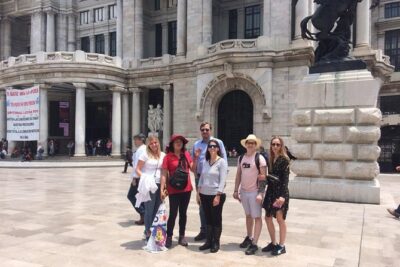 ★ 5.0Historic Downtown Walking TourFrom $263 hours (approx.)
 ★ 5.0Historic Center Food Tour in Mexico CityFrom $1155 hours (approx.)
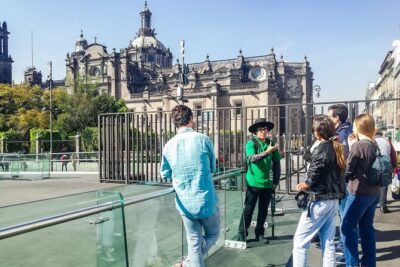 ★ 5.0Walking Tour of the Historic Center of Mexico City3 hours (approx.)
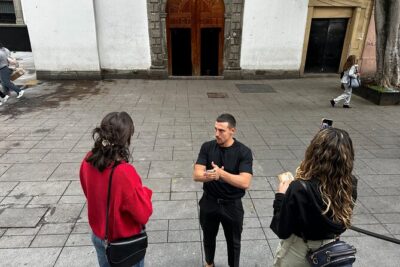 ★ 5.0Mexico City Historical Centre Food Tour with 7 Authentic TastingsFrom $653 hours (approx.)
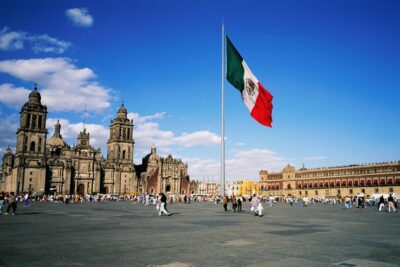 ★ 5.0Private Walking Tour Gems of the Historic Center of Mexico CityFrom $1564 hours (approx.)
 ★ 5.010 wonders of the Historic Center of Mexico City food and musicFrom $493 hours (approx.)
 ★ 5.0Walking Tour in Historic Center CDMXFrom $832 hours 30 minutes to 3 hours 10 minutes (approx.)
 ★ 5.0The best and most complete PRIVATE CITY TOUR through the Historic CenterFrom $683 hours (approx.)
The lists this tour appears in