
Reviewed · COOKING CLASSES
Rural cooking class at the mountains
The heart of this six-hour outing is not simply eating Mexican food. It is cooking with a local family in the mountains, using old techniques and learning why each ingredient matters. You leave Mexico City, trade traffic for trees and village life, and spend the day making tacos, gorditas, sopes, tostadas, and other dishes.
In This Article
- Key points
- Leaving Mexico City for a family kitchen
- What happens during the six-hour outing
- Cooking tacos, gorditas, sopes, and tostadas
- Why the family approach matters
- Group size, language, and personal attention
- The countryside experience beyond the food
- Value, timing, and what you are really paying for
- Practical details before you book
- Who should choose this mountain cooking class?
- Should you book it?
- FAQ
- How long does the cooking class last?
- Where does the activity begin?
- Where does the activity end?
- Is the experience offered in English?
- What food can I prepare?
- Is lunch included?
- Can minors receive alcoholic drinks?
- How many people can join the group?
- What happens if the weather is poor or the minimum group size is not met?
I like two things in particular: the hands-on format, with more than 20 possible dishes and vegetarian or pescatarian choices, and the personal touch. Guide Luis has been known to follow a guest’s curiosity, from trying menudo simmering nearby to arranging a pina colada for someone who does not care for beer. The main consideration is the six-hour commitment and the need for good weather, so this is not a quick city food stop.
Key points
- Cook in the mountains: Leave the city behind for a rural setting connected to nature, village life, and family cooking.
- Choose from more than 20 dishes: Prepare Mexican favorites such as tacos, gorditas, sopes, and tostadas, with vegetarian and pescatarian options.
- Learn the story behind the food: The class covers ingredients, culture, history, and ancestral cooking methods.
- Expect a small group: The maximum is 15 people, allowing more room for questions and personal help.
- Meet the experience at Alfonso Reyes 216: The outing begins and ends in Hipódromo, Cuauhtémoc.
- Look for warm, unscripted moments: The day may include local food discoveries, horses, village scenes, and time with the cooking team.
Leaving Mexico City for a family kitchen
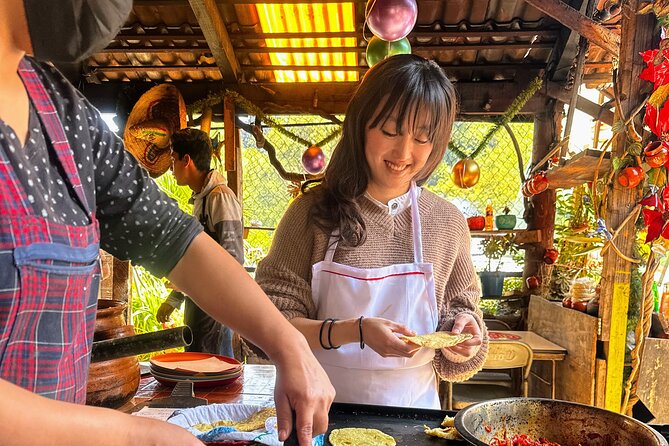
This experience works because the cooking class is only part of the day. You begin at Alfonso Reyes 216 in the Hipódromo area of Cuauhtémoc, then head toward the mountains and a rural community. The exact route details are not provided, so you should think of this as a full countryside outing rather than a tightly timed list of city sights.
The change in setting is important. Mexico City can fill every hour with museums, markets, traffic, and noise. Here, the point is to slow down, spend time outdoors, and cook in a place where food remains tied to family, local resources, and daily life.
The cooking team wants to share recipes and methods passed down through the family. That gives the class more meaning than a simple demonstration. You are not only shown what to do. You learn about the care behind the food and the role of ingredients in Mexican culture.
The mountain setting also means this is not a polished restaurant kitchen in the center of town. You may find yourself cooking in a village along a river and spending time in the forest. That setting is a major reason to book, though it also means you should arrive ready for a rural day rather than a controlled indoor class.
Other cooking classes in Mexico City


What happens during the six-hour outing
The listed itinerary identifies the provider and meeting arrangement, but it does not give a minute-by-minute schedule. That is useful to know before booking. You are buying a broad, experience-led day, not a tour built around exact departure times at several named attractions.
The day begins with pickup or departure arrangements at the meeting point on Alfonso Reyes. At the end, you return there. Since the experience lasts about six hours, allow a good part of your day for the outing and avoid booking another activity too tightly afterward.
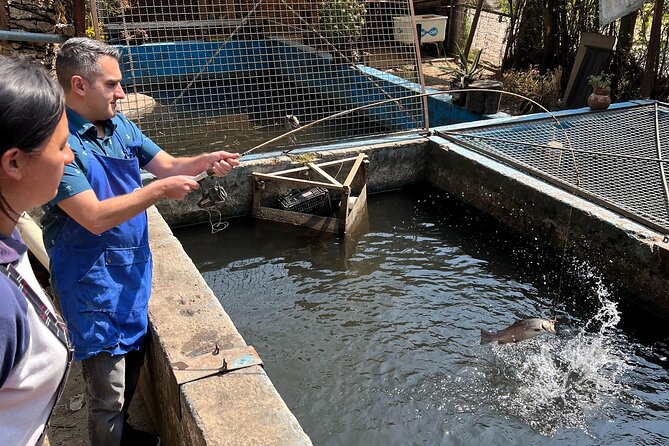
Along the way, the experience may include more than the cooking lesson. One particularly appealing part is the chance to notice ordinary local life. The cooking team has introduced visitors to horses, local food sellers, village surroundings, and dishes already being prepared. These moments are not a separate attraction with a fixed script. They are the sort of small discoveries that can make a rural day feel real.
In one memorable example, Luis noticed menudo simmering on the stove and arranged a bowl so the couple could try it. That tells you something useful about the style of the experience. If you show interest in a food, person, animal, or place, Luis appears willing to make room for that curiosity.
You might also share a celebration with the cooking team. A birthday for one cook’s eight-year-old daughter became part of one outing, giving the day a family feel rather than the atmosphere of a formal class. This is appealing if you value human contact and flexibility. It may be less appealing if you prefer a highly rehearsed program with no surprises.
Cooking tacos, gorditas, sopes, and tostadas
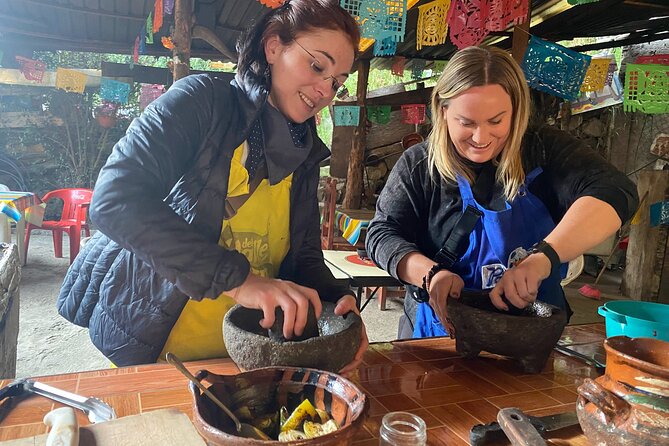
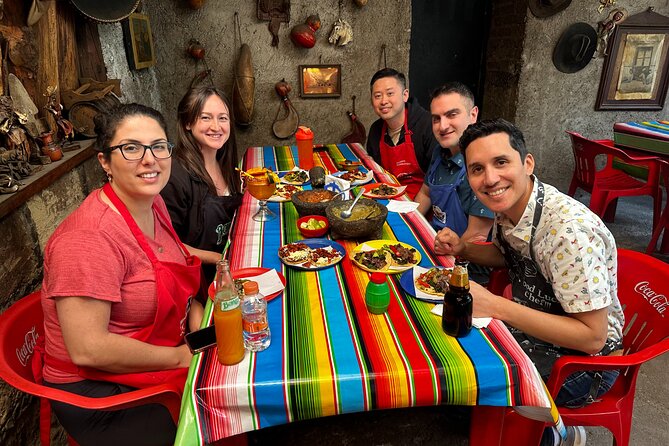
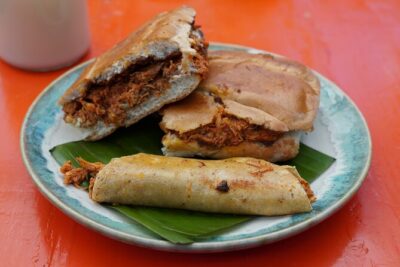
The food lesson is the main event. The sample menu includes tacos, gorditas, sopes, and tostadas, but you can choose from more than 20 dishes. Vegetarian and pescatarian options are available, which makes the class easier to recommend to mixed groups.
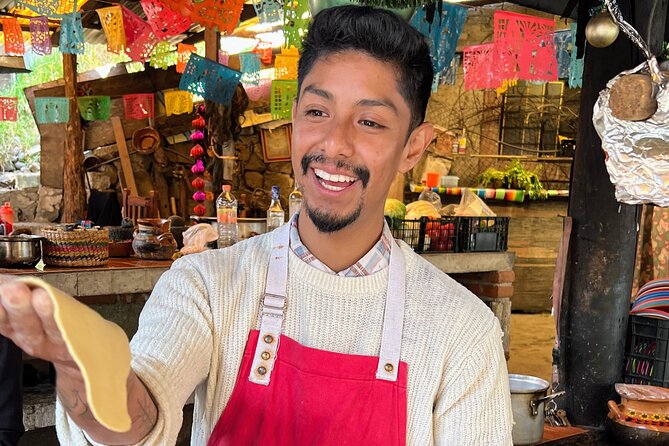
The format is hands-on. You prepare traditional food while learning techniques that have been kept within the family for years. The focus is not only on a finished plate. You learn why ingredients are used, how resources connect to local life, and how Mexican cooking depends on patience, care, and technique.
That distinction matters. A restaurant meal lets you taste the result. A cooking class lets you understand the work behind it. You will leave with recipes and methods you can try again, though the setting and family instruction are part of the value too.
With more than 20 choices, the menu sounds flexible, but the supplied details do not list every dish. If you have a strict allergy or a serious dietary restriction, contact the provider before booking rather than assuming every request can be handled.
Lunch is included. Alcoholic drinks are served only to people aged 18 and above, while minors receive non-alcoholic drinks. The information does not specify which alcoholic drinks are included or how many, so do not book this as a drinking-focused excursion. The food and the cooking are the central reasons to go.
Why the family approach matters
Many cooking classes teach a recipe and send you on your way. This one tries to explain the connection between food, culture, resources, and family memory. That approach gives you a better sense of why Mexican cooking cannot be reduced to a list of ingredients.
The hosts describe cooking as an act of love and passion. That may sound sentimental, but it has practical value when you are learning. Food prepared in a family setting often comes with small lessons about timing, texture, seasoning, and care that a short demonstration can skip.
The class also gives you a chance to see cooking as part of rural life. Food is not isolated from the surrounding community. The mountain setting, village, forest, river, horses, and local food discoveries all help place the dishes in a wider setting.
I especially like that the experience does not seem limited to a single worktable. Luis’s willingness to stop for menudo or arrange a different drink shows a host who pays attention to the people in front of him. That personal attention is useful in a group class, where beginners and confident cooks may need different levels of help.
Group size, language, and personal attention
The group maximum is 15 people, and the class is offered in English. That is small enough for a more personal lesson, though the exact group size on your date is not stated.
A group of 15 can still feel busy during food preparation, especially if everyone works on several dishes at once. The benefit is that you have fellow cooks to share the meal with. The tradeoff is that one-on-one instruction may be limited during the busiest moments.
The English-language format removes one common barrier for international visitors. Still, food preparation is practical and visual, so you can learn by watching, handling ingredients, and following the cooking process. Ask questions as you go, especially if you want to understand a technique rather than only copy the steps.
This is a good fit for couples, families, and friends who enjoy doing something together. A honeymooning couple found the day especially meaningful because it combined food, people, countryside, and unexpected moments. You do not need a special occasion, but you should enjoy conversation and a relaxed group setting.
Other cooking classes in Mexico City

The countryside experience beyond the food
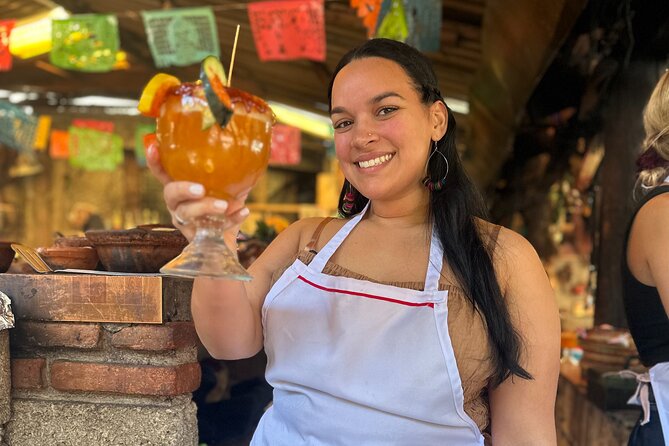
The strongest reason to choose this outing is the contrast with central Mexico City. You spend the day in the mountains, in contact with nature, and away from office routines and city pressure.
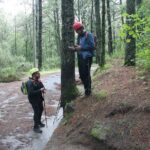
The rural setting is not just decoration. It shapes the experience. You may cook in a forested area near a river, meet members of the local community, and see animals such as horses. These details help you understand the setting in which the hosts live and work.
At the same time, you should keep expectations sensible. The information does not promise a hike, a particular river activity, or a formal nature program. The outdoor setting supports the cooking experience, but this is not advertised as a hiking tour or sightseeing trip.
That makes the outing best for someone who wants a cultural day with outdoor surroundings. If your main goal is mountain exercise, detailed wildlife viewing, or a long list of scenic stops, you may want a different activity.
Value, timing, and what you are really paying for
No price is provided here, so I cannot judge the exact cost. The right way to assess value is to look at what the fee covers and what sort of day you want.
Lunch is included, as is the class itself and the guidance of the cooking team. You also receive a countryside outing, a small-group setting capped at 15 people, and access to family recipes and techniques. If you would otherwise pay separately for a meal, a cooking class, and a day trip from the city, the combined format may offer good value.
The value is less clear if you want only a meal or only a short cooking lesson. Six hours is a sizeable block of time, and part of that time is spent getting out to the rural setting and returning to the meeting point.
I would also consider the social value. Meeting a family, sharing food, and seeing ordinary moments such as a birthday or a bowl of menudo can be more memorable than checking off another formal attraction. That sort of experience is difficult to price, but it matters if you want a closer look at local life.
Practical details before you book
The meeting point is Alfonso Reyes 216, Hipódromo, Cuauhtémoc, 06100 Ciudad de México. The activity ends back at that same meeting point. It is near public transportation, which makes the start and finish easier to reach.
Confirmation is normally received at booking. If you book within six hours of the activity, confirmation arrives as soon as possible and depends on availability. This is worth checking before you make other plans around the class.
Service animals are allowed. The experience is offered in English. Group discounts are available, though the discount terms are not specified, so ask the provider for the current conditions before booking for a larger party.
Plan around the weather. The experience requires good weather and may be canceled if conditions are poor. In that case, you are offered another date or a full refund. The activity also requires a minimum number of people. If that number is not met, you are offered another date or experience, or a full refund.
Free cancellation is available up to 24 hours before the start time for a full refund. Inside 24 hours, cancellations and changes are not accepted for a refund. The cutoff uses local time.
Who should choose this mountain cooking class?
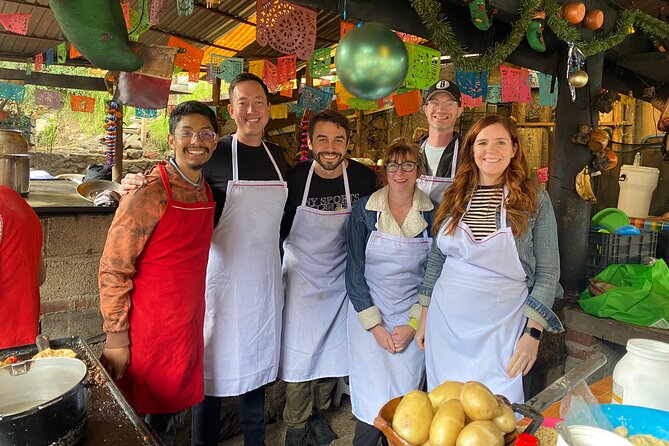
I would choose this experience if you want Mexican food taught through people, place, and family tradition. It suits curious eaters, home cooks, couples, families, and anyone who wants a break from city sightseeing.
It is also a strong choice if your group has different diets. The menu includes vegetarian and pescatarian options, and the large selection gives you more flexibility than a class built around one fixed dish.
You may want to skip it if you need a precise schedule, dislike group activities, or want a short class close to the historic center. The rural setting is the point, but it takes time to reach and may bring weather-related changes.
The available rating is 4.6 from 11 reviews, with 91 percent recommending the experience. Those figures suggest a very positive response, but the sample is small. I would place more weight on the clear strengths: personal hosting, a mountain setting, family cooking, and the chance to share unexpected local moments.
Should you book it?
Book this mountain cooking class if you want a full day that combines hands-on Mexican food with rural life. The chance to cook more than 20 possible dishes, meet a family team, and step outside Mexico City gives it a clear character of its own.
Go with an open schedule and a flexible attitude. The best parts may be the moments that cannot be planned, such as tasting menudo, meeting the cooking team’s horses, or sharing in a village celebration. If that sounds better than another polished city excursion, this is a thoughtful use of six hours.
FAQ
How long does the cooking class last?
The experience lasts approximately six hours.
Where does the activity begin?
It begins at Alfonso Reyes 216, Hipódromo, Cuauhtémoc, 06100 Ciudad de México, CDMX, Mexico.
Where does the activity end?
The activity ends back at the meeting point on Alfonso Reyes.
Is the experience offered in English?
Yes. The cooking class is offered in English.
What food can I prepare?
The sample menu includes tacos, gorditas, sopes, and tostadas. You can choose from more than 20 dishes, including vegetarian and pescatarian options.
Is lunch included?
Yes. Lunch is included in the experience.
Can minors receive alcoholic drinks?
No. Alcoholic drinks are served only to people aged 18 and above. Minors receive non-alcoholic drinks.
How many people can join the group?
The activity has a maximum of 15 people.
What happens if the weather is poor or the minimum group size is not met?
If poor weather causes cancellation, you are offered a different date or a full refund. If the minimum number of people is not reached, you are offered a different date or experience, or a full refund. You can also cancel at least 24 hours before the start time for a full refund.
More Workshops & Classes in Mexico City

More Cooking Classes in Mexico City
More Cooking Classes in Mexico City
More tours in Mexico City we've reviewed


Cooking Classes, compared.
 ★ 5.0Mexican Cooking Class with Food Market Visit in Mexico CityFrom $1243 hours 30 minutes (approx.)
 ★ 5.0Essence of Mexico: Authentic Mexican Cooking Class & Market TourFrom $1784 hours 30 minutes (approx.)
 ★ 5.0Mexican Cooking Class & Cocktails in Mexico CityFrom $1323 hours 30 minutes (approx.)
 ★ 5.0Private Mexican Cooking Class with Gastronomic Historian, LuciaFrom $1453 hours (approx.)
 ★ 4.8Mexico City: Mexican Cooking ClassFrom $1213 hours
 ★ 5.0México City: Street Food to Home Cooking Food TourFrom $1104 hours
 ★ 5.03h Cooking Class in Mexico City: 8 Recipes & Bottomless DrinksFrom $1104 hours (approx.)
 ★ 5.0Private San Angel Tour & Cooking Class in Mexico City with LuciaFrom $1555 hours (approx.)
The lists this tour appears in