
Reviewed · TEOTIHUACAN TOURS
Small Group: Teotihuacan Pyramids and Shrine of Guadalupe with Lunch
Teotihuacan is the star here: you walk the Avenue of the Dead, see the Temple of Quetzalcoatl, and climb the Pyramids of the Sun and Moon. The day also brings you to the Basilica of Our Lady of Guadalupe, Mexico’s most important Catholic shrine.
In This Article
- Key points to know before booking
- Why Teotihuacan deserves the biggest share of your day
- Climbing the Pyramids of the Sun and Moon
- The Temple of Quetzalcoatl and the Avenue of the Dead
- What the Basilica of Our Lady of Guadalupe adds
- A long day, and what the transport means
- Is lunch included at the price?
- Buying souvenirs, especially silver jewelry
- The guide can shape the whole experience
- Who should book this 11-hour outing?
- Should you book it?
- FAQ
- How long does the tour last?
- What sites are included?
- Can I climb the pyramids?
- Is transportation included?
- Is admission to Teotihuacan included?
- Are drinks included?
- How large is the group?
I like the small maximum group of 15, which should make it easier to hear the guide and keep the visit moving. I also like the included hotel or meeting-point pickup, since Teotihuacan is well outside central Mexico City and arranging transport on your own takes extra work.
The trade-off is the length. At about 11 hours, this is a full day with several pickup stops, lots of walking, and strong sun at the archaeological site. Bring more water than you think you need, and confirm exactly what the advertised lunch includes before booking.
Key points to know before booking
- Five hours at Teotihuacan: You have time for the Avenue of the Dead, the Temple of Quetzalcoatl, the Butterflies Temple, and the two major pyramids.
- Pyramid climbs are part of the plan: The tour specifically includes climbing the Pyramids of the Sun and Moon, so expect stairs and exposed walking.
- A bilingual guide adds context: Guides such as Sergio have introduced the ancient city during the drive and explained the site while walking.
- The group is capped at 15 people: That is a useful middle ground between a private tour and a large coach outing.
- The Guadalupe visit lasts about 90 minutes: You get a focused stop at the Basilica of Our Lady of Guadalupe rather than an entire day devoted to religious sites.
- Budget for drinks: Beverages are not included unless specifically stated, and a long day in the sun makes that worth planning for.
Why Teotihuacan deserves the biggest share of your day
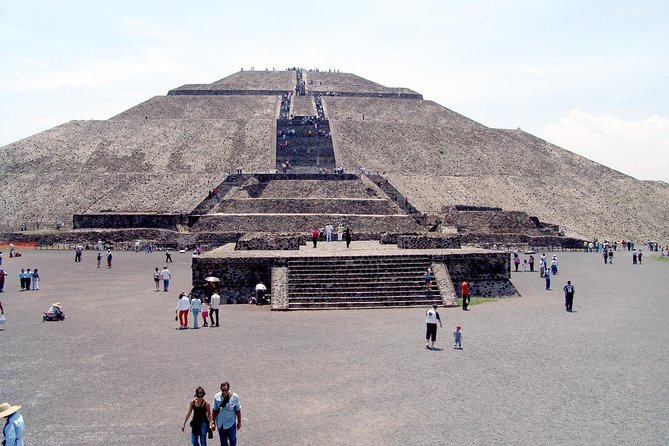
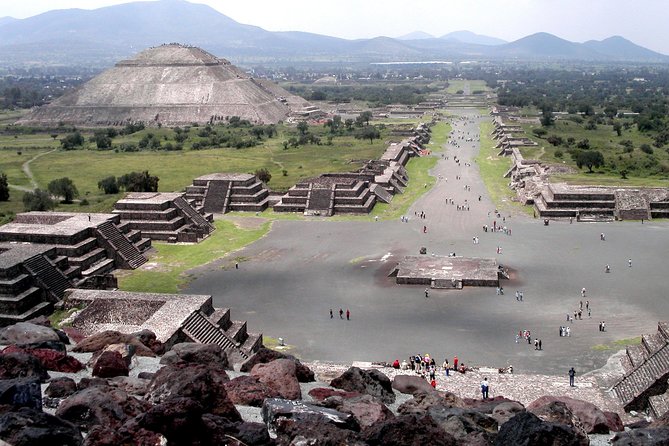
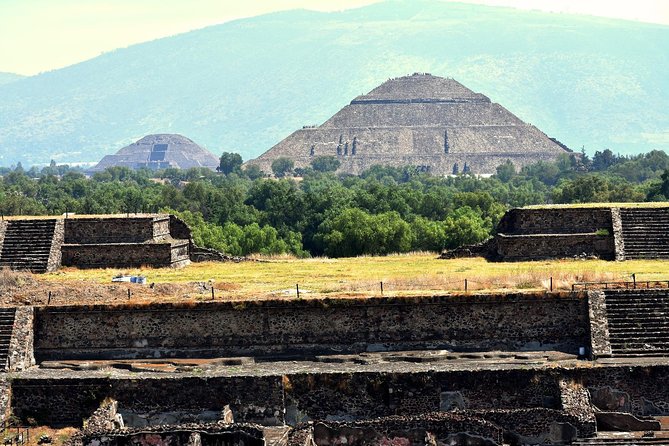
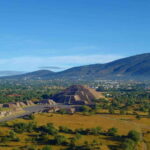
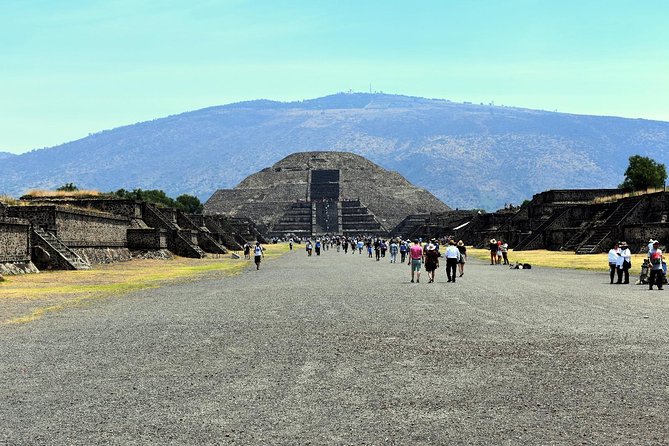
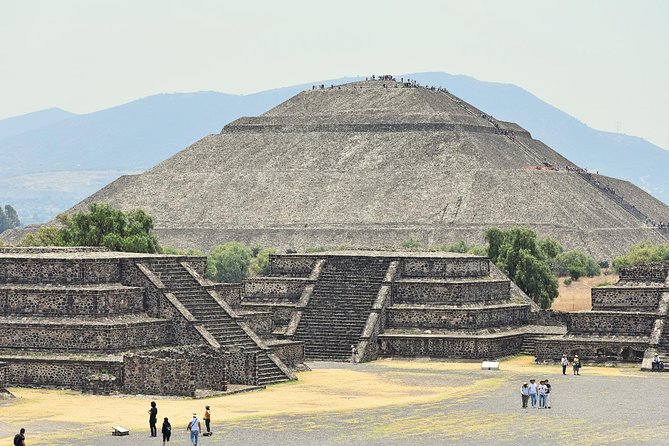
Teotihuacan means The City of the Gods, and its scale explains why this is not a quick photo stop. The broad Avenue of the Dead runs through the ancient city, with major ceremonial buildings arranged along it and the Pyramid of the Sun rising near the center.
The five-hour visit gives you a chance to see the site as more than two giant staircases. You can walk the main avenue, visit the Temple of Quetzalcoatl, and see the Butterflies Temple before or around the pyramid climbs. The guide’s explanations help connect these places instead of leaving you with a string of impressive but disconnected ruins.
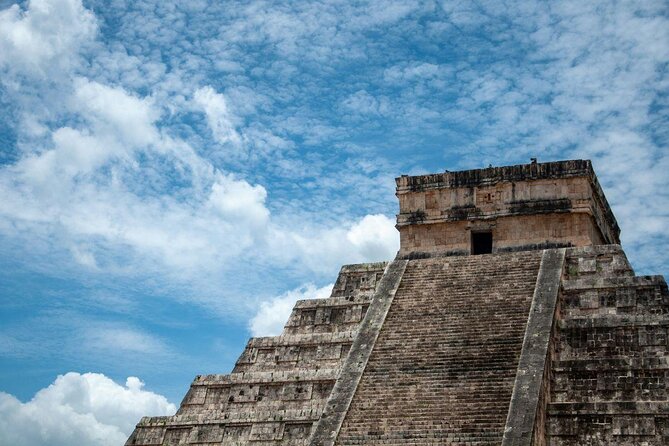
I especially like that the route includes the Temple of Quetzalcoatl. The carved serpent imagery gives you a different look at Teotihuacan than the broad views from the pyramids. The Butterflies Temple adds another stop with its own artistic details, while the Avenue of the Dead gives you the clearest sense of the city’s careful planning.
You should pace yourself. The site is open, exposed, and physically demanding, with much of the visit spent walking and climbing. A hat, sunscreen, comfortable shoes, and a refillable bottle are sensible choices. One person who took this tour found the return trip difficult after using up the water brought from Mexico City, a useful warning for the whole day.
A few more Mexico City tours and experiences worth a look
Climbing the Pyramids of the Sun and Moon
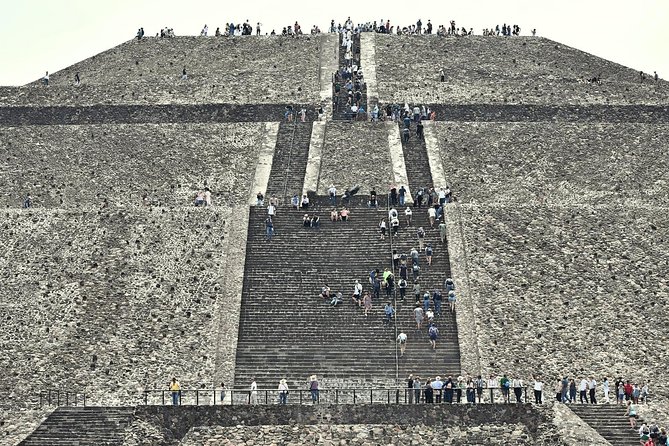
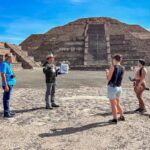
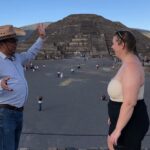
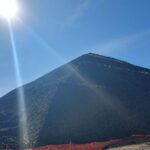
The tour’s main physical feature is the chance to climb both the Pyramid of the Sun and the Pyramid of the Moon. From above, you get a broad view down the Avenue of the Dead and across the surrounding area. The height and open sky are part of the experience, but so are the stairs.
The climb is not a casual stroll. You will need steady footing and enough energy for repeated steps, especially after several hours outside. The tour notes that most people can participate, but it does not promise an easy route or special assistance. If stairs are a concern, ask the operator about current access and the practical demands before you pay.
A guide can make the climbs more meaningful. Sergio, one guide named in the tour’s feedback, gave an introduction during the drive and continued explaining the site on foot. That approach works well because you begin learning before arrival, then recognize the places as you see them.
You should not expect every moment to be quiet or solitary. Teotihuacan is a major attraction, and vendors may approach you around the archaeological area. That is part of the setting, but it can interrupt the calm of the ruins and add pressure to the day.
The Temple of Quetzalcoatl and the Avenue of the Dead
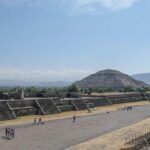
The Avenue of the Dead is the natural spine of the visit. Walking along it helps you understand the size of Teotihuacan far better than a photograph does. The avenue projects toward the cardinal points, and the guide can explain how the city’s layout reflects its ceremonial purpose.
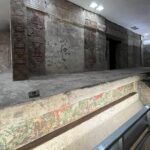
The Temple of Quetzalcoatl brings the details down to eye level. Instead of looking only at massive stone platforms, you see decorative work and the visual language used by the people who built and used the city. This is where a bilingual guide earns the fee, particularly if you want more than a quick label and a snapshot.
The Butterflies Temple is another reason the five-hour stop matters. You have enough time to include smaller structures alongside the famous pyramids. A shorter outing might leave you with the Sun Pyramid and little sense of the wider complex.
The advantage of a guided route is efficiency. With a large site and a fixed return time, it helps to have someone set the order and explain what deserves your attention. The disadvantage is that you have less freedom to linger wherever you choose, so tell the guide if one area matters especially to you.
What the Basilica of Our Lady of Guadalupe adds
After Teotihuacan, the tour visits the Basilica of Our Lady of Guadalupe, a major Catholic pilgrimage site built in the 16th century. The stop lasts about 1 hour and 30 minutes, giving you time to see the basilica and take in its importance to Catholic visitors from Mexico and around the world.
This is a useful contrast with Teotihuacan. The ancient city is about monumental planning, ceremonial power, and pre-Hispanic culture. Guadalupe brings you into a living religious tradition that remains important today. Together, the two stops show different parts of Mexico’s past and present.
The supplied details refer to both the Museo de la Basilica de Guadalupe and a visit to the Basilica itself. If you specifically want museum galleries, ask the operator what the 90-minute stop covers on your date. The description clearly promises the Basilica visit, but it does not provide a detailed list of museum exhibits.
The shrine stop also changes the rhythm of the day. After the open, sun-heavy ruins, the basilica offers a more focused visit. Still, this is not a specialized religious tour. The main emphasis remains Teotihuacan, so book it for the combination rather than expecting extensive time at Guadalupe.
A long day, and what the transport means
The tour begins at 9:00 a.m. and ends back at the meeting point. Pickup and drop-off from your hotel or a meeting point are included, which is a real convenience in Mexico City. You do not need to arrange a separate way to reach Teotihuacan or find your own return transport.
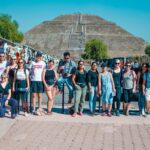
The group can include up to 15 people. That size is small enough for a guide to address the group without using a loudspeaker, yet large enough that pickup times may vary. One account described a stop-start morning while people were collected, including a wait of about 20 minutes outside a hotel for the final pair.
That detail matters. The 11-hour estimate includes transportation, pickups, sightseeing, and the transition between the two major stops. Do not schedule a tight evening reservation immediately afterward. The driver received strong praise for handling the route, but city traffic and several hotel pickups can still stretch the day.
The drive is not wasted time if the guide uses it well. Sergio reportedly introduced Teotihuacan before arrival, which gives you useful context before stepping onto the site. At the same time, you should bring a snack and water because beverages are not included, and the exact meal arrangements need clarification.
A few more Mexico City tours and experiences worth a look
Is lunch included at the price?
The experience is presented as Teotihuacan and Guadalupe with lunch, but the included-services list names transport, the Teotihuacan entrance, and a professional bilingual guide. It does not clearly spell out a restaurant meal. Beverages are specifically excluded unless stated otherwise.
That makes lunch the biggest point to confirm before booking. Ask if the meal is included in the $121.05 price, what kind of meal it is, and if drinks cost extra. You should not assume that a stop near a restaurant means lunch is covered.
At $121.05 per person, the value depends on how much you would otherwise pay for transport, admission, and a full day of guiding. The archaeological entrance is included, as are pickup and drop-off and the bilingual guide. For someone who wants both major sites without arranging a vehicle, that package can make sense.
The price is less attractive if you mainly want independent time at Teotihuacan or already have transport. A group tour gives you structure and interpretation, but you pay for that convenience with a fixed schedule and shared pickup time. The small group limit helps keep the arrangement from feeling like a giant bus excursion.
Buying souvenirs, especially silver jewelry
Expect vendors at Teotihuacan, and treat high-value purchases with care. One serious complaint involved a guide named Carlos who reportedly directed a customer toward silver jewelry that later tested as silver plate. The operator said Carlos no longer worked with the company and stated that his comments were personal, not company policy.
You should take that as practical shopping advice, not a reason to skip the ruins. Do not buy expensive jewelry from a street vendor based only on a guide’s recommendation, a claimed hallmark, or a quick magnet test. If you want silver, use a reputable jeweler and request a proper receipt before paying.
This is also where a guide’s role needs a clear boundary. Your guide should explain the site, manage timing, and help with logistics. You remain responsible for deciding what to buy. Keep purchases modest unless you can verify the material and obtain documentation.
The complaint also illustrates why you should compare prices before handing over money. Several vendors may sell similar pieces at very different prices, and a digital receipt promised by a seller may never arrive. A little caution protects the good part of the day.
The guide can shape the whole experience
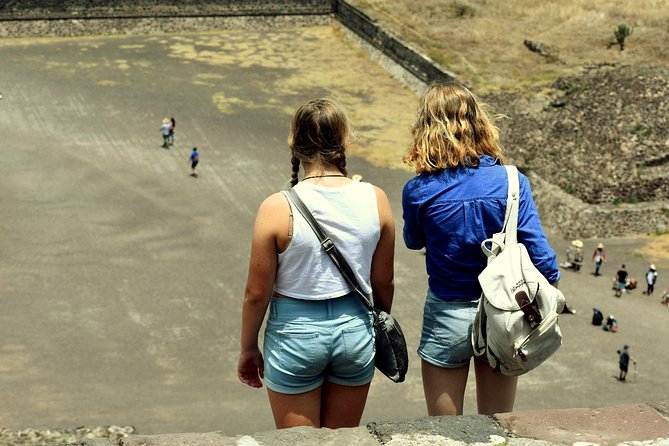
The strongest part of this tour is likely to be the guide. Sergio was praised for being fun, informative, and chatty, with useful explanations both during the drive and at Teotihuacan. That is exactly the kind of guidance that helps on a large archaeological site.
You should also recognize that guide quality can vary. Another guide, Carlos, was the subject of a serious accusation tied to a jewelry purchase, and the operator responded that he was no longer working with the company. The available information does not identify the current guide for your departure, so do not book solely on the assumption that you will have Sergio.
The bilingual format is useful if you want explanations in English while also having a guide who can work comfortably in Spanish during the day. The tour is offered in English, but the description calls the guide bilingual. If language support is especially important to you, confirm the arrangement at booking.
A 4.1 rating from 21 recorded ratings suggests a generally positive but not flawless experience. I would read that as a sign that the core outing works well, while transport timing, water, vendor contact, and guide consistency can affect the day.
Who should book this 11-hour outing?
I would choose this tour if you want to see Teotihuacan but do not want to arrange a car, admission, route planning, and return transport yourself. It also suits first-time visitors who want a guide to explain the Avenue of the Dead and the major temples rather than simply point out the pyramids.
It is a good match for people who can handle a long day outdoors and enjoy a set plan. The combination of ancient ruins and the Guadalupe Basilica gives you a broad introduction to Mexico City’s cultural setting in one outing.
I would hesitate if you dislike early starts, group pickups, stairs, or fixed schedules. Five hours at Teotihuacan can feel long if you are not interested in archaeology, and the sun can make the final part of the day tiring.
Pack water, sun protection, a hat, and shoes with a firm sole. Keep some money aside for food or drinks unless the operator confirms the lunch details, and avoid expensive street jewelry purchases.
Should you book it?
Book this tour if your priority is a well-organized day at Teotihuacan with the Guadalupe Basilica added, especially if you value included transport and a guide. The five-hour archaeological visit, pyramid climbs, and small group limit give you more substance than a quick photo stop.
Skip it if you want a slow, independent visit or need firm control over your schedule. Before booking, confirm the lunch arrangement, pickup timing, and current guide details. With those questions answered, the $121.05 cost can be fair for a full day that covers the major practical pieces.
FAQ
How long does the tour last?
The experience lasts approximately 11 hours. It begins at 9:00 a.m. and ends back at the meeting point.
What sites are included?
The tour includes Teotihuacan and the Basilica of Our Lady of Guadalupe. At Teotihuacan, the planned sights include the Pyramids of the Sun and Moon, the Temple of Quetzalcoatl, the Butterflies Temple, and the Avenue of the Dead.
Can I climb the pyramids?
Yes. The tour specifically includes climbing the Pyramid of the Sun and the Pyramid of the Moon.
Is transportation included?
Yes. Pickup and drop-off from your hotel or a meeting point are included, and the activity ends back at the meeting point.
Is admission to Teotihuacan included?
Yes. Entrance to the Teotihuacan archaeological site is included in the price.
Are drinks included?
No. Beverages are not included unless specifically stated.
How large is the group?
The activity has a maximum of 15 people. It is offered in English and includes a professional bilingual guide.
More Lunch Experiences in Mexico City


More Guadalupe Shrine Tours in Mexico City
More Teotihuacan Tours in Mexico City

More tours in Mexico City we've reviewed


Teotihuacan Tours, compared.
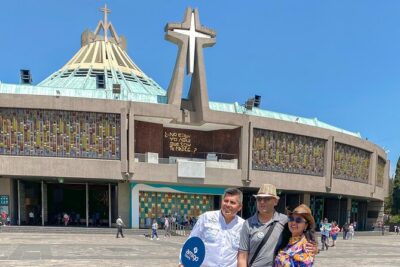 ★ 5.0Teotihuacan, Guadalupe Shrine & Tlatelolco Day Tour with LunchFrom $399 hours (approx.)
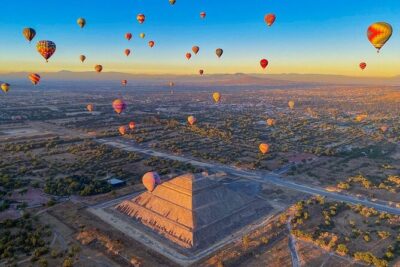 ★ 5.0Balloon flight + Breakfast in cave + Pyramids + Pick up CDMX.From $1722 to 8 hours (approx.)
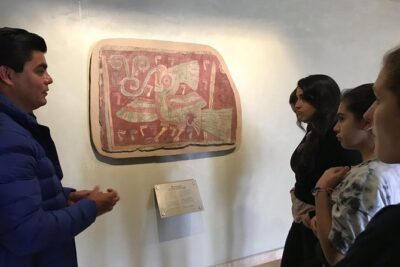 ★ 5.0Teotihuacan pyramids morning or afternoon without tourist trapsFrom $645 hours 30 minutes (approx.)
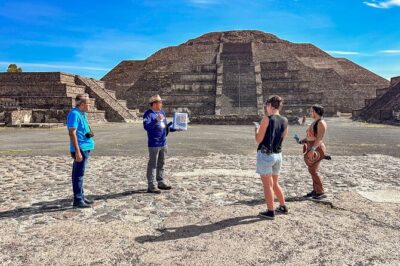 ★ 4.5Teotihuacan Early Access Guided Tour with optional LunchFrom $398 hours (approx.)
 ★ 5.0Balloon flight + pick up in CDMX + Breakfast in Cave + PyramidsFrom $1694 to 7 hours (approx.)
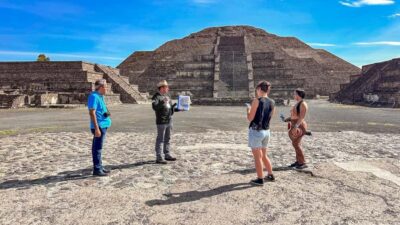 ★ 4.6Mexico City: Teotihuacan, Tlatelolco & Guadalupe Shrine TourFrom $49
 ★ 5.0Teotihuacan Hot Air Balloon Flight from Mexico City / VolareFrom $1553 to 9 hours (approx.)
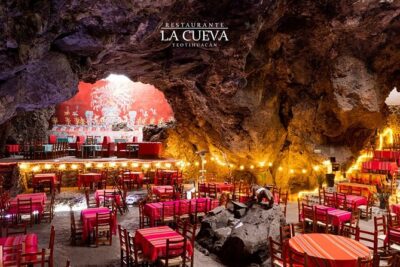 ★ 5.0Hot Air Balloon Flight with Breakfast Cave and Pyramids TourFrom $1408 hours (approx.)
The lists this tour appears in