
Mexico City’s taco world is best understood one tortilla at a time, and this three-hour bike tour gives you a useful taste of its range. You’ll sample four taco styles, including pastor, barbacoa, guisado, and suadero, while riding between taquerías with an English-speaking local guide.
In This Article
- Key points to know before booking
- Why a taco bike tour works in Mexico City
- Starting in Juárez at C. Dinamarca 11
- Taco de pastor, Mexico City’s famous spit-roasted classic
- Barbacoa and the slow-cooked side of taco culture
- Guisado tacos turn home-style food into street food
- Suadero delivers tender beef and a little fat
- Michelin-starred stops and local taquerías
- Music, atmosphere, and the human side of the outing
- What the $71.36 price really covers
- Practical fit for different kinds of visitors
- Should you book this Condesa taco ride?
- FAQ
- How long does the taco tour last?
- How many tacos are included?
- Which taco styles are included?
- Are drinks included in the price?
- Where does the tour start?
- Where does the tour finish?
- Is the tour offered in English?
- What is the cancellation policy?
I like the focus on variety, since these tacos show very different cooking methods and flavors. I also like the small-group limit of 15 people and the chance to visit both Michelin-starred taquerías and places known mainly to locals. The main consideration is price: at $71.36, four included tacos do not make this a cheap meal, especially since drinks and extra food cost more.
Key points to know before booking
- Four distinct taco styles: The included tasting covers pastor, barbacoa, guisado, and suadero.
- Bike-based route: You ride between taquerías rather than spending the whole experience at one restaurant.
- Local guide Laila Navarro: Laila has led food and market outings in Mexico City and is praised for her warmth, language skills, and personal approach.
- Small maximum group: The tour is capped at 15 people, which matters when ordering food at compact taquerías.
- English-language experience: The tour is offered in English and starts and ends at C. Dinamarca 11 in Juárez.
- Budget for extras: Four tacos are included, but tips, drinks, added food, transportation, and personal purchases are not.
Why a taco bike tour works in Mexico City
A taco tour should do more than hand you four similar tacos. The point is to see how a simple corn tortilla can carry completely different fillings, cooking methods, and regional traditions.
This experience uses four classic types as a rough map of Mexico City’s taco culture. Pastor brings marinated pork from a vertical spit, usually finished with pineapple. Barbacoa gives you slow-cooked, shredded meat, which may be lamb, beef, or goat. Guisado turns everyday stews into a quick meal, while suadero uses a tender, fatty cut of beef.
The bike matters because taquerías are spread across the city. Instead of sitting down for one long meal, you move from one stop to another and reset your appetite along the way. That makes the three-hour schedule feel more like a food-and-neighborhood outing than a restaurant reservation.
You should still keep your expectations sensible. The exact taquerías and route are not specified in advance, so you cannot plan around a particular menu item or restaurant. The appeal is the range of stops and the guide’s judgment on the day.
A few more Mexico City tours and experiences worth a look



Starting in Juárez at C. Dinamarca 11
The meeting point is C. Dinamarca 11 in Juárez, in the Cuauhtémoc area. You return to this same point at the end, which keeps the logistics simple and avoids having to find your way back from a distant final stop.
The area is near public transportation, useful if you are staying elsewhere in Mexico City. I would arrive with enough time to locate the address without rushing. A three-hour food ride has a set rhythm, and joining late could mean missing the first taco or the route briefing.
The experience is offered in English. That helps when you want to ask what is in a stew, how a meat was cooked, or why one tortilla is served differently from another. Laila Navarro has also guided other food-focused outings around Mexico City. Her strongest qualities, based on the available feedback about those experiences, are her friendly manner, strong language skills, and ability to make a food stop feel personal rather than formal.
Do not confuse that warm tone with a private tour. The maximum group size is 15, and the final group may include several people. A small group is still a good fit for compact taquerías, but you may not receive the same one-on-one attention as on a custom outing.
Taco de pastor, Mexico City’s famous spit-roasted classic
Pastor is the natural opening act for a Mexico City taco tour. Thin slices of pork are marinated with dried chiles and spices, then stacked on a vertical spit called a trompo. The meat cooks slowly as the outside browns, and the taquero slices it directly into the tortilla.
Pineapple is commonly added, bringing a sweet note to the seasoned pork. The result is a taco with smoky edges, soft meat, sharp seasoning, and a little sweetness. It is usually served on a corn tortilla, though flour tortillas may be available at some stops.
This is also where the city’s taco theater comes into play. The trompo is part cooking tool and part visual symbol of Mexico City street food. You are not simply eating pork. You are seeing a fast, skilled service style built around a food that is made to order.
The useful tip is to start with the taco as served, then add salsa in small amounts. A good salsa can sharpen the pork, but too much can hide the marinade and pineapple. Since only four tacos are included, take your time with each one instead of treating the stops as a race.
Barbacoa and the slow-cooked side of taco culture
Barbacoa changes the mood. Instead of meat sliced from a spit, you get slow-cooked, shredded meat. The filling may be lamb, beef, or goat, depending on the taquería and regional style.
Barbacoa is usually valued for tenderness and depth rather than crisp edges. The meat can be rich, so you may want to use the tortilla, salsa, and any accompanying seasoning to balance each bite. The tour description does not name a specific barbacoa restaurant or meat, so you should treat the exact version as part of the day’s discovery.
This stop is useful because it shows how broad the word taco can be. Pastor is associated with a vertical spit and a highly seasoned pork marinade. Barbacoa points to a slower cooking process and a different texture. Put side by side, the contrast is easy to taste even if you are new to Mexican food.
If you have a strong preference for lamb, beef, or goat, ask Laila before ordering. The listed menu allows for regional variation, and the precise filling is not guaranteed.
Guisado tacos turn home-style food into street food
Guisado tacos may be the most revealing stop for anyone who thinks tacos are only about grilled meat. A guisado is a cooked stew or prepared filling spooned into a tortilla. Possible examples include chicharrón in green sauce, pipián, mole, picadillo, steak with sausage, rajas with potatoes, and other combinations.
The beauty of this style is choice. At a taquería specializing in guisados, you may see several pans lined up, each offering a different flavor and texture. One might be saucy and spicy, another earthy and nutty, and another mild, savory, or vegetable-based.
The sample menu includes a campechano made with steak and sausage. Campechano generally signals a mix, so it is a good reminder that taco fillings are not locked into strict categories. The tour also mentions campechanos with copia, meaning a double tortilla, with or without cheese.
This can be an especially good part of the tour if you want to learn what locals order beyond the most famous taco names. It also brings a practical point: guisado tacos can be filling. Pace yourself early, since you still have more food ahead.
A few more Mexico City tours and experiences worth a look


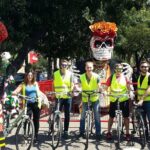


Suadero delivers tender beef and a little fat
Suadero is a beef cut taken from between the animal’s belly and skin. It is known for tenderness, juiciness, and a layer of fat, giving it a softer and fuller mouthfeel than a lean grilled steak taco.
For many people, this is the most satisfying taco of the four. It does not rely on a sweet marinade or a stew sauce. The appeal comes from the meat itself, its cooking, and the balance between beef, tortilla, salsa, and toppings.
Again, the corn tortilla is the sensible first choice. Corn is the traditional base for most of these tacos and brings its own roasted flavor. Flour tortillas may be available at some locations, but choosing corn lets you compare the fillings in a more typical format.
The tour description specifically recommends corn tortillas. You can follow that advice while remaining open to a flour tortilla if a particular taquería offers it as part of its style.
Michelin-starred stops and local taquerías
The promise of visiting Michelin-starred taquerías adds interest, but it should not be the only reason you book. Recognition can point you toward careful cooking and a well-regarded operation, yet a famous name does not automatically mean the best taco for your taste.
The more appealing plan is the mix. You may visit a highly recognized taquería and then a smaller place that locals know for a specific preparation. That contrast can show you how Mexico City’s taco scene works at different levels, from polished counters to everyday neighborhood food.
The exact stops are not provided, so you should not expect a fixed restaurant list. If a particular Michelin-recognized taquería is essential to your plans, confirm the day’s route before booking. Otherwise, let the guide’s selection do the work.
Laila’s previous food outings have included the Jamaica Market, where she led people to barbacoa, gorditas, carnitas, seafood quesadillas, street corn, and ice cream. That background suggests a guide comfortable with both famous dishes and less obvious choices. It also suggests that you can ask questions and request help choosing, rather than simply following a preset script.
Music, atmosphere, and the human side of the outing
The experience is presented as a combination of food, music, and a lively atmosphere. The music is part of the setting rather than a separate concert, so the main focus remains the tacos and the ride between stops.
I like this kind of outing for a first day in Mexico City because food provides an easy way to get oriented. You learn what to look for, how to order, and which styles you may want to seek out later. The guide’s personal approach matters here. Previous comments about Laila describe her as gentle, easy to spend time with, and good at making an outing feel like friends sharing food.
That style will suit you if you enjoy conversation and informal guidance. It may be less ideal if you want a highly structured culinary lecture, a printed menu, or a guaranteed list of restaurants. The experience is social and practical, not a formal cooking class.
A small group helps at this point. With no more than 15 people, it should be easier to hear the guide and keep the group together than on a large bus-based food tour. Still, taquerías can be tight, and ordering four different tacos for a group takes time. Allow the route to move at a relaxed pace.
What the $71.36 price really covers
The price is $71.36 per person. Four tacos are included, but tips, drinks, extra food, private transportation, and personal expenses are not.
That makes the value depend on how you use the tour. If you want a cheap lunch, this is not the right benchmark. Four tacos alone will not explain the full cost. You are also paying for the guide, the route planning, the bike-based movement between stops, and the chance to sample several styles without having to choose every taquería yourself.
The tour makes more sense as a first introduction to Mexico City tacos. It can save you from spending your first day guessing at menus or ordering four versions of the same thing. Afterward, you will have a better idea of whether pastor, barbacoa, guisado, or suadero deserves a return visit.
Budget extra money for drinks and additional bites. Four tacos may be enough for a light meal, but appetite varies, and the temptation to add a taco or try something else will be real. Tips are also not included, so plan for those separately.
The tour is often booked well in advance, with an average booking lead time of 61 days. That does not guarantee that every date sells out, but it is a useful reason to reserve early if the experience fits a fixed Mexico City itinerary.
Practical fit for different kinds of visitors
This tour is a good match for you if you want:
- A short introduction to several major taco styles
- An active food experience rather than a seated meal
- An English-speaking guide
- A small group with a maximum of 15 people
- A return to the original meeting point
- A local perspective on where to eat
It is less suitable if you want a private route, unlimited food, or a precise list of guaranteed taquerías. You should also think about the bike format before booking. The activity is built around riding between food stops, so it will appeal most if you are comfortable combining a little exercise with eating.
Most people can participate, and service animals are allowed. The tour is near public transportation. Confirmation is sent within 48 hours of booking, subject to availability.
Free cancellation is available if you cancel at least 24 hours before the local start time. Cancellations or changes made inside that window are not accepted for a refund.
Should you book this Condesa taco ride?
I would book it if you are visiting Mexico City for the first time, care more about trying several taco styles than eating a large meal, and like the idea of moving through the city by bike. The four-taco lineup is well chosen: pastor, barbacoa, guisado, and suadero give you four clearly different experiences.
I would hesitate if $71.36 feels high for a meal or if you need guaranteed restaurants and fixed menu items. Drinks and extra food cost more, and the exact stops are not listed.
For the best value, treat this as an orientation to Mexico City’s taco culture, not simply a lunch. Listen to Laila’s advice, ask about the meat and sauces, use corn tortillas for comparison, and save enough room for every stop. If you want a friendly guide, a manageable group, and a taste of both celebrated and local taquerías, this is a practical way to begin.
FAQ
How long does the taco tour last?
The tour lasts approximately three hours.
How many tacos are included?
The tour includes four different tacos.
Which taco styles are included?
The sample menu lists tacos de pastor, barbacoa, guisado, and suadero.
Are drinks included in the price?
No. Extra food and drinks are paid for separately.
Where does the tour start?
The tour starts at C. Dinamarca 11, Juárez, Cuauhtémoc, 06600 Juárez, CDMX, Mexico.
Where does the tour finish?
The activity ends back at the meeting point.
Is the tour offered in English?
Yes. The tour is offered in English.
What is the cancellation policy?
You can cancel for a full refund up to 24 hours before the experience start time. Cancellations or changes made less than 24 hours before the start time are not accepted for a refund.
More Cycling Tours in Mexico City
More Bike Tours in Mexico City
More Roma & Polanco Tours in Mexico City

More tours in Mexico City we've reviewed








Roma & Polanco Tours, compared.
 ★ 5.0Polanco Food Tour: The Bestselling Food Adventure in Mexico CityFrom $1093 hours (approx.)
 ★ 5.0Colonia Roma Food TourFrom $1104 hours (approx.)
 ★ 4.9Mexico City: 3–Hour Polanco Food TourFrom $1053 hours
 ★ 5.0Michelin Taco Bike Tour: Roma Norte & Condesa /All-Inclusive.From $1013 hours 30 minutes (approx.)
 ★ 5.0Mexico City: Roma & Condesa Private & Personalized Walking TourFrom $772 to 5 hours (approx.)
 ★ 5.0Tacos and Mezcal Experience in Polanco!From $493 hours (approx.)
 ★ 5.0Epic Condesa and Roma Norte Walking TourFrom $594 hours 30 minutes (approx.)
 ★ 4.9Mexico City: Roma and Condesa Neighborhoods Walking TourFrom $583 hours
The lists this tour appears in