
Reviewed · TEOTIHUACAN TOURS
Teotihuacan Pyramids: Guided Tour with Entry Ticket Included
Teotihuacan is the kind of place that makes a map feel too small. The Pyramid of the Sun rises beside the Avenue of the Dead, while the Pyramid of the Moon closes the view at the far end. This three-hour walk gives you the main ruins with a local guide and your entry ticket already covered.
In This Article
- Key points at a glance
- Why Teotihuacan works best with a guide
- Meeting the guide at Gate 1
- Walking the Avenue of the Dead
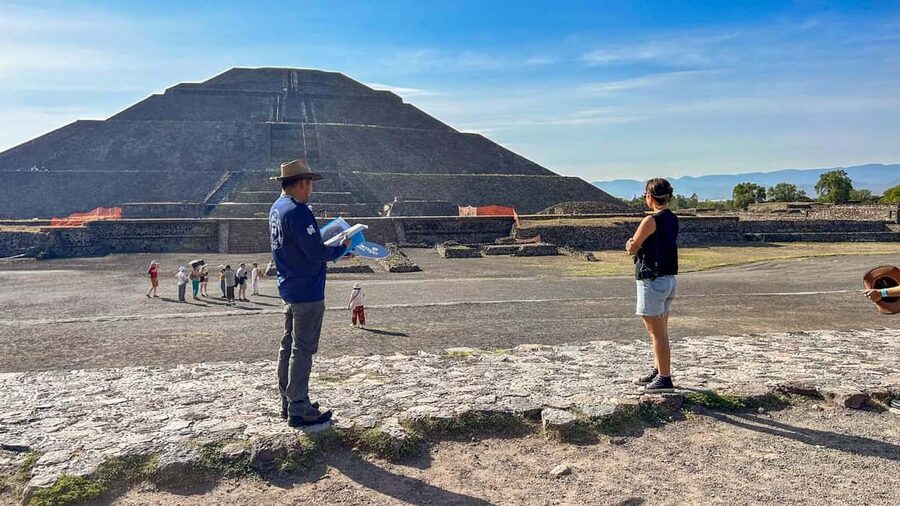
- Facing the Pyramid of the Sun
- Seeing the Pyramid of the Moon from the avenue
- The Temple of Quetzalcoatl
- What the three-hour format gives you
- Is the $31 price good value?
- Who should book this Teotihuacan walk?
- Should you book it?
- FAQ
- Is transportation to Teotihuacan included?
- Where should I meet the guide?
- How long does the tour last?
- Is the entrance ticket included?
- What languages are available?
- What should I bring?
I like the small-group feel and the fact that you can go straight to the entrance instead of sorting out the ticket line yourself. I also like the bilingual guiding, which has worked especially well with guides such as Leonardo and Gerson, both praised for clear, friendly explanations.
The catch is simple: you must reach Gate 1 on your own, and finding the guide can be confusing without precise instructions. The site is exposed, sunny, and not suited to wheelchair users or people with mobility impairments.
Key points at a glance
- Three hours on foot: Enough time for Teotihuacan’s principal avenues, pyramids, and temples without committing to a full-day outing.
- Entry ticket included: You meet at Gate 1 with admission handled, avoiding the standard ticket queue.
- The Pyramid of the Sun up close: See Mexico’s most famous ancient monument from its broad ceremonial setting.
- Avenue of the Dead and Pyramid of the Moon: The central route gives you the clearest sense of how large and planned the city was.
- Temple of Quetzalcoatl included: This stop adds carved decoration and a different architectural mood to the main pyramids.
- English and Spanish commentary: Guides including Leonardo and Gerson have been praised for answering questions well in both languages.
Why Teotihuacan works best with a guide
You can walk into Teotihuacan and see enormous stone platforms without knowing what you are looking at. That is the problem with many ancient sites: the scale survives, but the meaning can disappear.
A guide gives the broad avenue, temples, and pyramids a human shape. You learn about the people who built the city, the later Aztec connection, and the difference between Aztec and pre-Aztec cultures. The tour is not just a walk between large stones. It helps you understand why the site mattered.
I find guided visits most useful here because the ruins are spread across a large ceremonial area. The Avenue of the Dead is impressive on its own, but an explanation of its role helps you read the plazas and platforms around it. The guide can also point out details you might pass without noticing.
This is live commentary, not an audio track. You can ask questions in English or Spanish, and the guide can adjust the explanation to the group. Leonardo has been especially good at giving equal attention to both languages, while Gerson has been described as friendly, funny, and well prepared with archaeological detail.
That does not guarantee the same guide or the same quality on every departure. One poor experience involved a guide repeating basic information and giving little useful context, so your enjoyment depends quite a bit on who leads the group. If your guide is not answering questions or adding detail, speak up early. You paid for interpretation, not just a walk.
A few more Mexico City tours and experiences worth a look
Meeting the guide at Gate 1
The tour begins at Gate 1 of the Teotihuacan archaeological site, not in central Mexico City and not at your hotel. Transportation is not part of the booking, so you need to arrange your own way to the ruins and arrive at least 15 minutes before the scheduled start.
This detail matters more than it may seem. Teotihuacan is in the State of Mexico, outside the central city area, and a late arrival can be stressful when you are also trying to identify a guide in a busy entrance area.
The meeting point is the main practical weakness of the experience. Instructions about exactly where to find the guide have not always been clear. I would save the meeting details before leaving, arrive early, and allow time to get your bearings at Gate 1.
Once you locate the guide, the entry ticket is included. That saves you from dealing with the ticket line, though it does not remove the need to pass through the site entrance and follow the normal security rules.
Walking the Avenue of the Dead
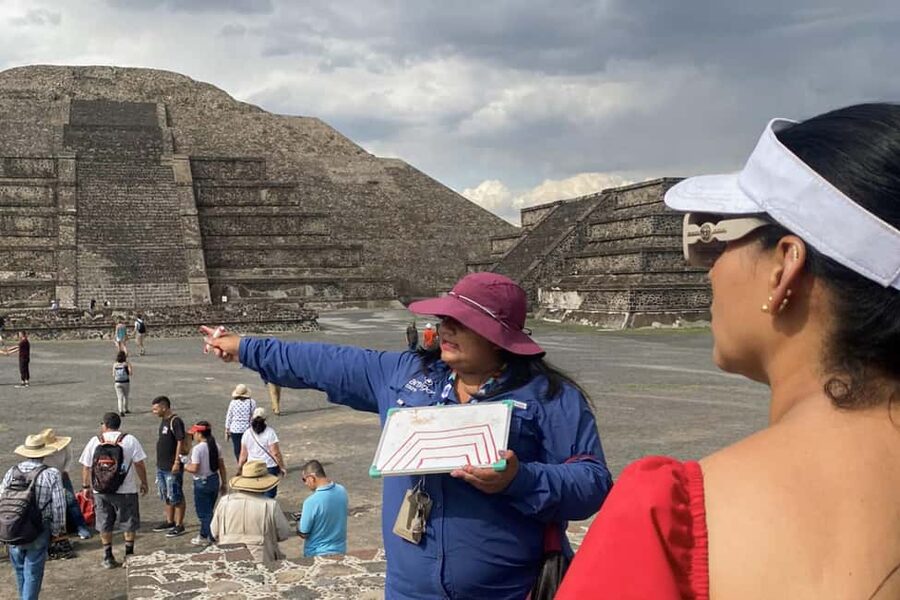
The Avenue of the Dead is the natural backbone of this visit. It leads through the central part of Teotihuacan and gives you the strongest sense of the city’s size and order.
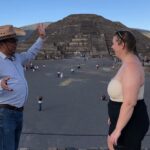
The route is broad, formal, and exposed. Large platforms and ceremonial spaces sit along the avenue, and the pyramids give the walk a strong visual direction. You will likely stop often for explanations, photographs, and views toward the two main pyramids.
This is where a guide can make the biggest difference. Without context, the avenue can look like a long path lined with ruins. With a good explanation, you begin to see it as the center of a planned urban and religious complex.
The walk is not difficult because of complicated trails, but the site is open to the sun and the route involves substantial walking. Wear shoes that can handle uneven ground. Bring water, a hat, and sunscreen. There is very little reason to arrive unprepared for the heat.
The three-hour schedule gives you a useful middle ground. You have enough time to see the major areas, but you are not signing up for an all-day archaeological expedition. The pace should suit a first visit focused on the best-known monuments.
Facing the Pyramid of the Sun
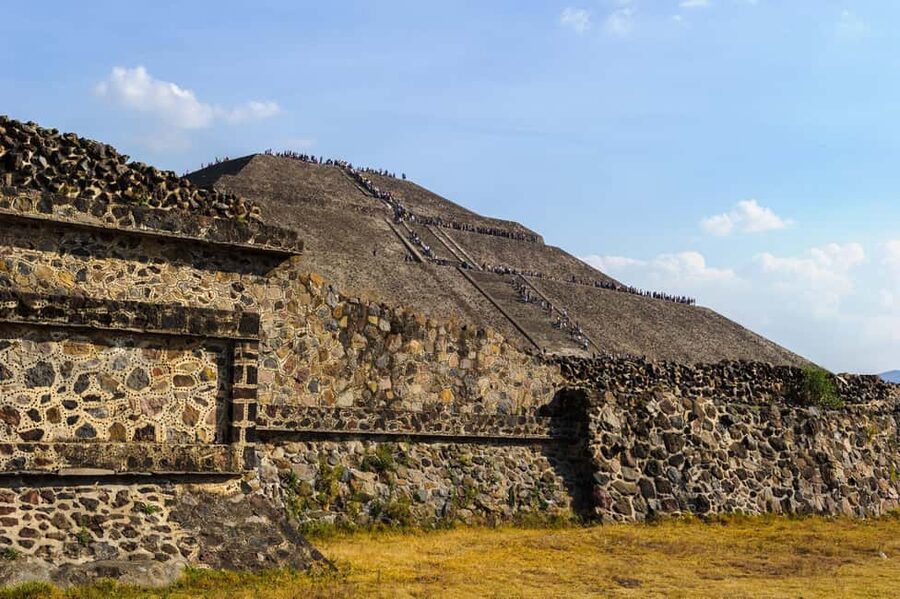
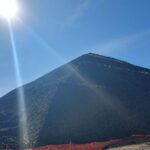
The Pyramid of the Sun is the stop that gives the tour its emotional punch. You stand at its base and look up across one of the largest structures in the ancient city.
The value here is not only the photograph. The pyramid helps you understand the scale of Teotihuacan as a place built for ceremony, public gatherings, and political power. Your guide can connect the monument to the wider city and explain the difference between what archaeologists know and what later cultures believed.
The listing highlights getting close to the pyramid, but it does not promise that you can climb it. Do not book this tour expecting a summit view. The reliable feature is the chance to stand beside the monument and hear the explanation in its setting.
That is still a strong part of the visit. A picture of the Pyramid of the Sun cannot show how much space surrounds it or how directly it relates to the avenue. You need to be on site to grasp that.
Take your time here, even if the group is moving on. Ask your guide what is known about the pyramid, how it fits into the city, and how later Aztec traditions shaped the way people understood Teotihuacan.
Seeing the Pyramid of the Moon from the avenue
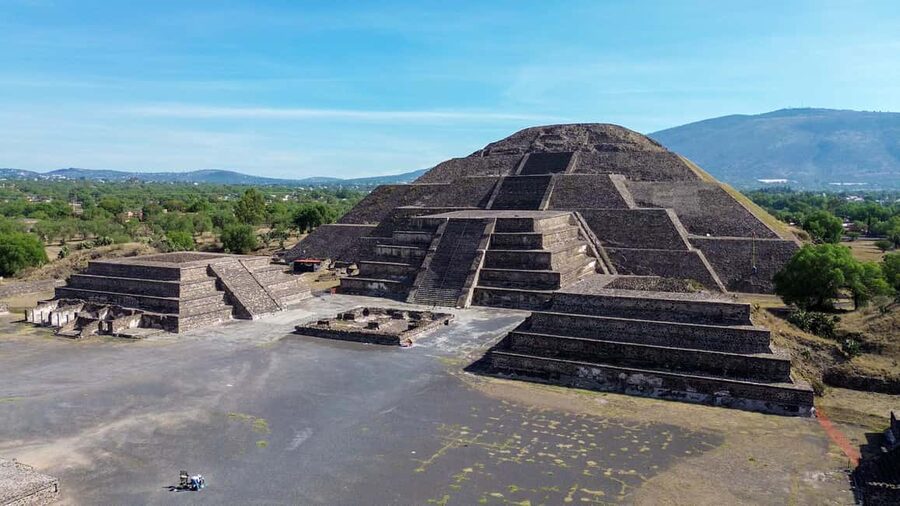
The Pyramid of the Moon gives the Avenue of the Dead its most dramatic endpoint. From the central route, it frames the view and helps you see how the city’s ceremonial design worked.
The pyramid is different from the Pyramid of the Sun in position and visual effect. It sits at the northern end of the main avenue, creating a strong sense of arrival as you look toward it. The guide’s explanation can help you notice the surrounding plazas and raised platforms rather than treating the monument as an isolated pile of stone.
The tour focuses on the major sights, so you should expect an overview rather than an exhaustive archaeological study. Three hours is enough for key context, but not enough to inspect every corner of this enormous site.
That trade-off suits you if this is your first visit or if you have limited time in the Mexico City area. If you already know Teotihuacan well, you may want a longer independent visit after the guided portion. The tour gives you the framework, then you can decide how much more time the site deserves.
A few more Mexico City tours and experiences worth a look


The Temple of Quetzalcoatl
The Temple of Quetzalcoatl adds a different kind of interest. The Sun and Moon pyramids impress through size. This temple is especially important for its carved imagery and architectural detail.
The tour includes this area so you are not seeing only the two headline monuments. Your guide explains the Temple of Quetzalcoatl and its place in the ancient city, giving you a closer look at the symbols and construction than you get from a distant pyramid viewpoint.
The connection to Quetzalcoatl also helps explain how later Aztec culture became linked to Teotihuacan. The city was built before the Aztecs, yet the Aztecs treated it as an important sacred place. That distinction is one of the most useful lessons on the tour: the people who built Teotihuacan were not the same people as the Aztecs who later encountered it.
If you enjoy art, religion, and the smaller details of archaeology, this may be your favorite stop. If you only want the biggest views, it can seem less immediately dramatic than the Sun Pyramid. A good guide keeps it from becoming a quick name on the itinerary.
What the three-hour format gives you
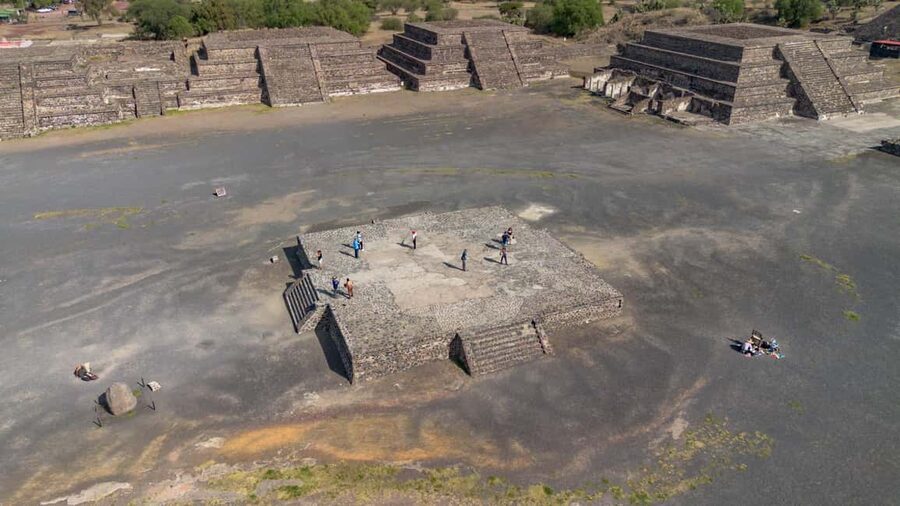
Three hours is a practical length for Teotihuacan. The site is large enough to require real walking, but the sun and open spaces can wear you down. A shorter visit keeps the main route manageable.
You should expect a guided walking tour rather than free time at every monument. The guide sets the pace and provides live commentary as the group moves between the Avenue of the Dead, the pyramids, and the Temple of Quetzalcoatl.
The small-group setup is a useful middle choice. You avoid the feel of a large bus group, yet you still have a guide to supply context. The exact group size is not stated, so do not assume a private tour. You will be sharing the experience with other people.
The pace also depends on the guide. Leonardo’s bilingual explanations have suited groups using both English and Spanish, and Gerson has been praised for mixing humor with archaeological information. Those examples suggest the best version of this tour feels conversational rather than rushed.
Still, expectations should remain sensible. A three-hour tour cannot explain every building, theory, and excavation at Teotihuacan. Think of it as a well-guided introduction to the site’s essential monuments.
Is the $31 price good value?
At $31 per person, the price is reasonable if you want a guide and do not want to arrange admission separately. The ticket is included, the tour lasts three hours, and live commentary is available in English or Spanish.
The value rests mainly on the quality of the guide. The entry ticket alone does not explain the city, and a strong guide can turn a hot walk into a meaningful visit. The strongest guide experiences have included equal bilingual explanations, direct answers to questions, and useful archaeological detail.
There is also a cost in convenience that the price does not cover: transportation. You still need to reach Teotihuacan and return afterward. Compare the $31 tour with your total transport plan, not just the booking price.
If you are comfortable getting to Gate 1 and want a focused introduction, this is a fair deal. If you want hotel pickup, a meal, or a full-day schedule, this is not that product. The low price reflects the fact that transportation and extras are left out.
The free cancellation option up to 24 hours before the start and the reserve-now, pay-later choice make it easier to keep plans flexible. Those policies are useful, but they do not solve the main planning issue: getting to the meeting point on time.
Who should book this Teotihuacan walk?
I would recommend this tour to a first-time visitor who wants the main monuments explained without spending an entire day at the site. It also suits anyone who prefers a small guided walk to a large coach excursion.
History fans should appreciate the focus on pre-Aztec and Aztec connections, while casual visitors will get a clear route through the most famous parts of Teotihuacan. The English and Spanish options make it practical for bilingual groups and mixed-language families.
You should think twice if you have limited mobility. The tour is on foot, and the information specifically excludes people with mobility impairments and wheelchair users. Comfortable shoes are not optional.
This also may not suit you if you dislike fixed pacing or want to photograph every monument at length. The group must move through the route within three hours. You can ask questions and take pictures, but the visit is structured around the guide’s schedule.
Professional cameras are not allowed. Bring a phone or a permitted camera for ordinary photos, but do not plan a professional photography session around this booking.
Should you book it?
Book this tour if you want the essential Teotihuacan experience with a guide and admission included, and you are happy to arrange your own transportation. The Avenue of the Dead, the Pyramid of the Sun, the Pyramid of the Moon, and the Temple of Quetzalcoatl create a strong three-hour introduction.
The deciding factor is guide quality. Guides such as Leonardo and Gerson have delivered the kind of friendly, detailed bilingual service that makes the price worthwhile, but one poor guide can reduce the visit to repeated basics. Arrive early at Gate 1, bring water and sun protection, and ask questions from the start.
Skip it if you need accessible transport, hotel pickup, or a private pace. For everyone else, it is a sensible, fairly priced way to meet Teotihuacan’s biggest monuments without tackling the site alone.
FAQ
Is transportation to Teotihuacan included?
No. You must arrange your own transportation and meet the guide directly at Gate 1 of the archaeological site.
Where should I meet the guide?
Meet at Gate 1 of the Teotihuacan site. You should arrive at least 15 minutes before the scheduled start time.
How long does the tour last?
The guided walking tour lasts three hours.
Is the entrance ticket included?
Yes. The Teotihuacan entry ticket is included, along with skip-the-ticket-line access.
What languages are available?
Live commentary is available in English and Spanish.
What should I bring?
Bring comfortable shoes, a hat, sunscreen, and water. Professional cameras are not allowed.
More Guided Tours in Mexico City

More Tickets in Mexico City
More Teotihuacan Tours in Mexico City

More tours in Mexico City we've reviewed



Teotihuacan Tours, compared.
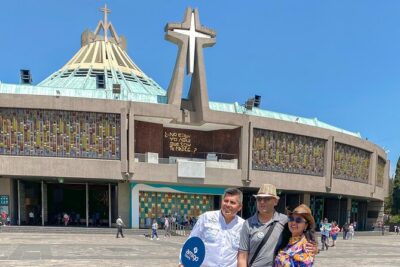 ★ 5.0Teotihuacan, Guadalupe Shrine & Tlatelolco Day Tour with LunchFrom $399 hours (approx.)
 ★ 5.0Balloon flight + Breakfast in cave + Pyramids + Pick up CDMX.From $1722 to 8 hours (approx.)
 ★ 5.0Teotihuacan pyramids morning or afternoon without tourist trapsFrom $645 hours 30 minutes (approx.)
 ★ 4.5Teotihuacan Early Access Guided Tour with optional LunchFrom $398 hours (approx.)
 ★ 5.0Balloon flight + pick up in CDMX + Breakfast in Cave + PyramidsFrom $1694 to 7 hours (approx.)
 ★ 4.6Mexico City: Teotihuacan, Tlatelolco & Guadalupe Shrine TourFrom $49
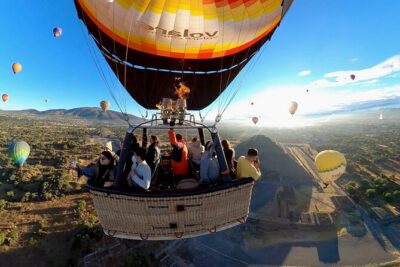 ★ 5.0Teotihuacan Hot Air Balloon Flight from Mexico City / VolareFrom $1553 to 9 hours (approx.)
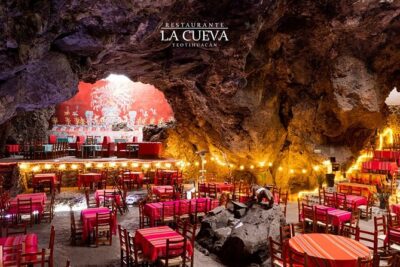 ★ 5.0Hot Air Balloon Flight with Breakfast Cave and Pyramids TourFrom $1408 hours (approx.)
The lists this tour appears in