
Reviewed · CITY TOURS
8-Day Best of Mexico Tour: Mexico City to Cancun
Mexico’s best sights are spread across a huge country, and this tour connects them without making you plan every hotel, bus, and transfer yourself. You’ll see Teotihuacan, Palenque, and Chichen Itza, then finish with a beach day in Cancun.
In This Article
- Key points to know before booking
- Is this the right way to see Mexico?
- Mexico City begins with Teotihuacan
- The flight to Villahermosa and the jungle ruins of Palenque
- Campeche gives the route a colonial pause
- Mérida connects Maya and Spanish Mexico
- Izamal and Chichen Itza on the busiest sightseeing day
- Rio Lagartos adds birds, mangroves, and mud
- Cenote Choj Ha and the final road to Cancun
- Transport, hotels, and the bilingual guide
- What the $2,150 price really covers
- Who should book this tour?
- FAQ
- How long is the tour?
- Where does the tour begin?
- Does the tour include a flight?
- Which hotels are included?
- Is Uxmal included?
- What is not included in the price?
I like the strong mix of ancient ruins and living towns, especially the jungle setting of Palenque and the yellow-painted streets of Izamal. I also like that the group is capped at 11 people, which can make a long route easier to manage. The main drawback is the pace: some stops feel rushed, and bilingual guiding can reduce the time and clarity of English explanations.
Key points to know before booking
- Three major Maya sites: Visit Palenque, Chichen Itza, and other important archaeological areas across southern Mexico.
- A long but efficient route: The tour covers Mexico City, Tabasco, Campeche, Mérida, Yucatán, Rio Lagartos, and Cancun.
- Nine calendar days: You get eight nights of lodging, including two nights in Mexico City and two in Cancun.
- Small group format: The maximum group size is 11 people, with an English and Spanish-speaking guide.
- Hotels vary by city: Five-star choices are offered only in Mexico City and Cancun. Palenque, Campeche, and Mérida use four-star hotels.
- Uxmal is no longer included: Older descriptions may mention the Fortune Teller Pyramid, but the current route does not visit Uxmal.
Is this the right way to see Mexico?
This is not a relaxed resort holiday. It is a moving tour with early departures, long road transfers, one domestic flight, and a steady run of archaeological sites. You trade freedom for structure, but in return you cover far more ground than you could comfortably manage on your own in nine days.
The route makes geographical sense. You begin in Mexico City, fly southeast to Villahermosa, visit Palenque, cross toward the Gulf coast, continue through Campeche and Mérida, then finish in the Yucatán and Cancun. That means you do not waste the trip flying straight from the capital to the beach.
At about $2,150 per person, the price is easiest to justify if you value convenience. Hotels, eight breakfasts, selected meals, airport transfers, road transport, entrance fees at key sites, and the Mexico City to Villahermosa flight are bundled together. You are paying to have the complicated pieces arranged.
The value is less clear if you want luxury at every stop or a private guide. The advertised five-star option applies only to Mexico City and Cancun. In Palenque, Campeche, and Mérida, the hotel category is four-star, and past hotel assignments have not always matched expectations. Confirm the actual properties before paying, especially in Mexico City and Cancun.
Other city tours we've reviewed in Mexico City

Mexico City begins with Teotihuacan
Your first day is mainly an arrival day. A transfer meets you at Benito Juárez International Airport and takes you to your Mexico City hotel. The stated start time is 9 a.m., but the tour begins after your arrival, so you must arrive on a Tuesday and provide passport details for every person at booking.
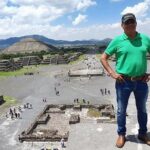
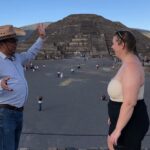
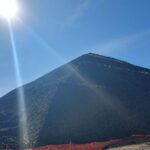
Day two brings the first major sight: Teotihuacan. The avenue of the dead leads through one of the largest ceremonial centers in ancient Mexico, with the Pyramid of the Sun and Pyramid of the Moon dominating the route. You also visit the temple of Quetzalpapalotl and the citadel.
Allow for heat, sun, and plenty of walking. The archaeological zone is open and exposed, so a hat, water, and comfortable shoes matter more here than fashionable clothes. The visit lasts about five hours, including an arts and crafts center. That shopping stop may appeal to you if you want to browse local work, but it also takes time from the ruins.
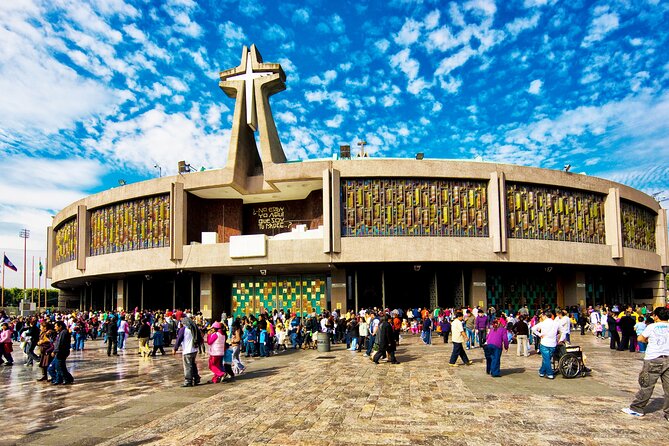
The tour then returns to the Basilica of Our Lady of Guadalupe. This is an important religious site and a useful contrast to Teotihuacan. You get a look at a major place of worship rather than another archaeological monument, and the rest of the afternoon is free.
Two nights in Mexico City are enough for a quick introduction, not a full visit. If you have never seen the capital, I would consider arriving early or staying after the tour. The schedule gives you Teotihuacan and Guadalupe, but not much spare time for the city’s museums, neighborhoods, or food scene.
The flight to Villahermosa and the jungle ruins of Palenque
On day three, you transfer to the airport for the included flight from Mexico City to Villahermosa. From there, ground transport takes you to Palenque. The schedule leaves the afternoon free, though the practical value of that time depends on arrival and hotel arrangements.
Palenque is one of the strongest stops on the entire route. The ruins sit among jungle vegetation, and the setting changes the mood completely from the broad, open spaces of Teotihuacan. The Palace, the Sun Temple, the Temple of the Cross, and the Inscriptions Pyramid form the heart of the visit.
The Inscriptions Pyramid is linked to the tomb of King Pakal, whose sarcophagus became one of the best-known discoveries in Maya archaeology. Your guide can help connect the carved monuments to the people and rulers who used this city, instead of leaving you to see the site as a collection of impressive stones.
You have about five hours at Palenque before traveling onward toward Campeche. That is a useful amount of time, but the day is still demanding. You will want to pay attention during the walk, then save some energy for the road.
Campeche gives the route a colonial pause
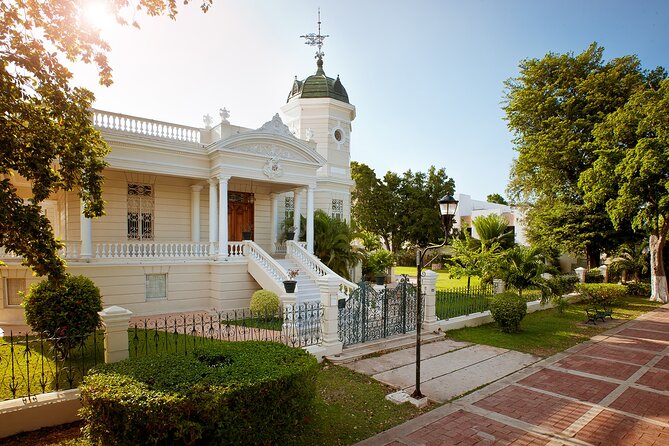
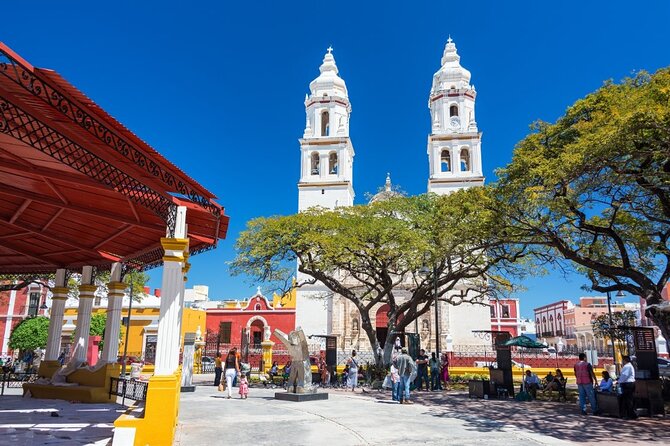
The drive to Campeche passes through Tabasco and reaches the Gulf of Mexico. Campeche is a welcome change after the ruins. Its old buildings and defensive walls reflect the city’s past as a port exposed to pirate attacks, with 17th-century fortifications still shaping the town.
The tour gives you an evening arrival, dinner, and an overnight stay. That is enough for a first look, but not enough for a leisurely exploration. If you want time for quiet walks, photographs, and the city’s smaller streets, you may feel shortchanged by the schedule.
This is also one place where the tour’s road-based design shows both its strength and weakness. You get to see a real Mexican city between major sites, but the timetable pushes you onward. The route has been praised for its selection of places, yet the stops do not all receive equal time.
Mérida connects Maya and Spanish Mexico
Day five takes you to Mérida, the capital of Yucatán. The city provides another useful pause from the ruins, with colonial buildings set alongside Maya traditions and regional food.
The visit includes Mérida Cathedral, the limestone church of the Third Order, and Casa de Montejo. Casa de Montejo, a 16th-century mansion, is especially useful for understanding the city’s Spanish colonial architecture. The schedule allows about four hours for the guided city visit.
Your afternoon is free. The plan suggests the Museum of the Maya World, but admission and the visit are on your own. This is a good chance to add context to the monuments you have already seen, though you should check how much free time remains after the city tour and hotel arrangements.
In the evening, a transfer takes you to a representation of the Maya ball game. This gives the itinerary a cultural performance rather than another stone monument. It is a memorable idea, but the exact amount of time available for Mérida itself may feel limited.


Izamal and Chichen Itza on the busiest sightseeing day
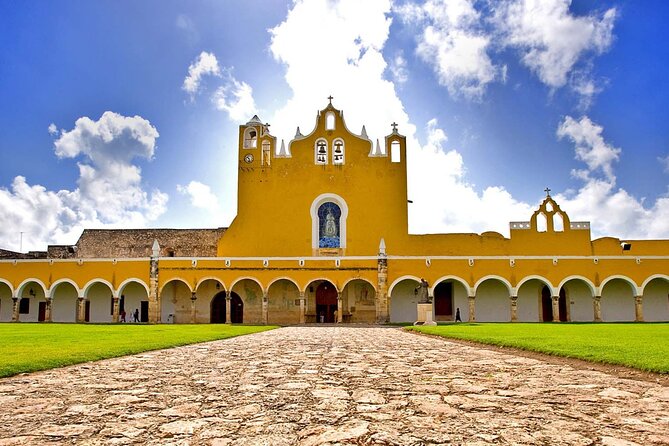
Izamal is one of the most distinctive towns on the route. Much of its center is painted yellow, and it has official Magical Town status. The visit lasts about two hours, giving you a quick look at its streets and religious buildings before moving to Chichen Itza.
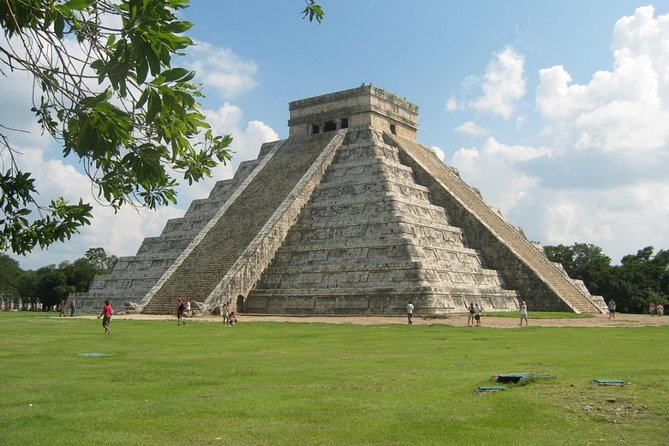
Chichen Itza is the most famous archaeological site on this tour. The pyramid of Kukulcán, the Temple of the Warriors, and the remains of the ancient city make it an essential stop for first-time visitors to the Yucatán. Entrance and a visit are included, followed by a meal based on Maya cuisine.
The catch is time. The stated visit lasts about three hours, and that includes a site large enough to reward slower exploration. If Chichen Itza is your main reason for booking, you may wish for more time to study the monuments, take photographs, and listen to the guide without being pushed toward the next stop.
Older tour descriptions refer to Uxmal and its Fortune Teller Pyramid. That visit is no longer available, so do not book expecting to see it. The current archaeological focus is Palenque and Chichen Itza, with other cultural stops filling out the route.
Rio Lagartos adds birds, mangroves, and mud
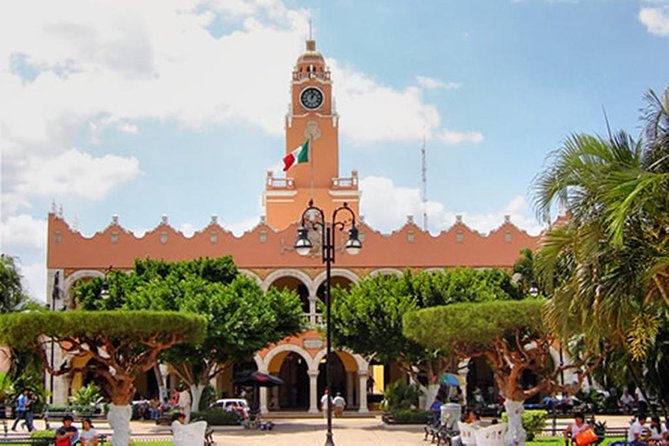
After Chichen Itza, you continue to Rio Lagartos, a small fishing village beside a biosphere reserve. The overnight stop shifts the trip away from major monuments and toward wildlife.
The next morning includes a boat ride of a little more than two hours through mangroves. You may see crocodiles and birds such as pelicans and pink flamingos. Wildlife is never guaranteed, but this is a worthwhile change of pace after several structured historical visits.
The route also includes a mud experience using mud with sulfur, minerals, and salts. You can spread it over your skin as an exfoliant, then wash it away. It is a simple, hands-on stop rather than a polished spa treatment, so your expectations should be practical.
The boat ride is included, but food and drinks are generally not included unless specifically listed. Keep some pesos available for personal purchases and tips. Gratuities are not included in the package.
Cenote Choj Ha and the final road to Cancun
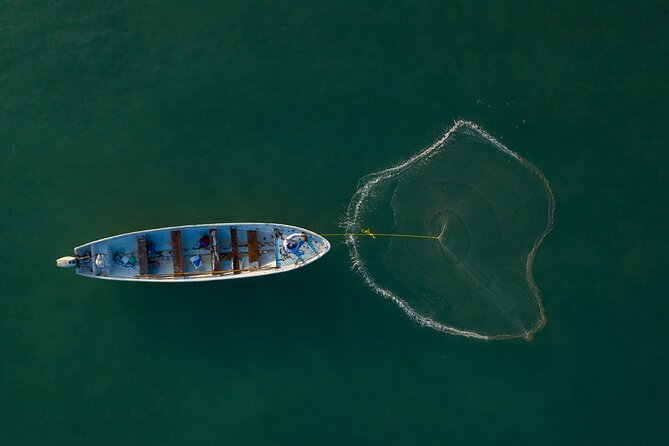
In the afternoon, you visit Cenote Choj Ha, which is managed by a local Maya community. A short jungle path leads to a dry cave and then to a wet cave with an underground lake where you can swim.
Admission to the cenote is not included, so budget for that extra charge. Bring suitable swimwear and a towel if you plan to enter the water. The visit lasts about two hours, giving you time to see the cave and swim without turning the stop into an all-day excursion.
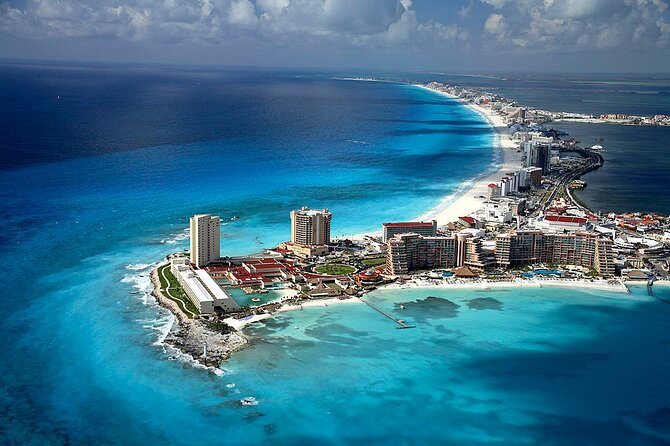
Afterward, the vehicle continues to Cancun, arriving near the end of the afternoon. This is another long travel day, but the reward is two nights in Cancun and a full free day afterward. You can spend day eight at the beach or make personal plans without a scheduled sightseeing program.
The final airport transfer is included. If your transfer from a Cancun hotel takes place between 8 p.m. and 7:59 a.m., an additional charge applies. That fee is listed as $18 per person from Cancun hotels or $35 per person from Playa del Carmen hotels.
Transport, hotels, and the bilingual guide
Transport is the practical core of this tour. You use a shared airport transfer, a domestic flight, and road vehicles across the Yucatán. The group size is limited to 11, but the vehicle can still feel tight during long drives, especially with luggage.
Each person may bring up to two standard suitcases. Oversized items such as surfboards, golf clubs, and bicycles may be restricted, so ask before booking if you have anything unusual.
The guide speaks English and Spanish. That can be useful in a mixed group, but it can also affect the pace. When explanations are repeated in two languages, each stop takes longer, and some English-speaking customers have found it harder to hear or keep track of the commentary. A guide named Andre has led departures praised for strong organization and clear explanations, but guide assignments are not guaranteed.
Hotel quality is the biggest practical uncertainty. Two nights are in Mexico City, one in Palenque, one in Campeche, one in Mérida, and two in Cancun. The middle stops use four-star hotels, while five-star options are offered only in Mexico City and Cancun.
Confirm your hotel names and room arrangements before departure. Problems have included renovation noise in a Mexico City property, confusion over rooms in Palenque, and a Cancun hotel that did not meet the expected standard. A replacement Cancun hotel worked better in one case, but you should not count on a change after arrival.
What the $2,150 price really covers
The package costs $2,150 per person. Included items are eight breakfasts, a lunch, dinner, the Mexico City to Villahermosa flight, airport transfers in Mexico City and Cancun, lodging taxes, hotel accommodation, transportation, the bilingual guide, and admission to several listed attractions.
That is a fair convenience price for a route this broad, especially if you would otherwise need to arrange domestic flights, private transfers, intercity transport, and several hotels. The small group also offers more personal contact than a large coach tour.
Still, the package is not all-inclusive. Most food and drinks are extra, gratuities are extra, the Museum of the Maya World is on your own, and Cenote Choj Ha admission is not included. One listed dinner is included, but do not assume every dinner mentioned in the daily plan is covered. Confirm meals in writing.
The non-refundable booking rule also matters. Once booked, you cannot cancel or amend the experience for a refund. Make sure your Tuesday arrival, passport details, hotel expectations, and luggage plans are settled first.
Who should book this tour?
Book it if you want a well-packed first trip to Mexico and care more about seeing major sites than setting your own pace. It suits couples, first-time visitors, and people who would rather have transport and hotels handled than spend weeks coordinating the route.
It is also a good fit if you want more than Cancun. Palenque, Campeche, Mérida, Izamal, and Rio Lagartos give the trip texture that a simple Mexico City to beach itinerary misses.
Think twice if you need precise scheduling, guaranteed luxury hotels, quiet private guiding, or long visits at every ruin. Shopping stops, bilingual explanations, hotel changes, and long drives can test your patience.
My advice is to book this as an efficient introduction, not a perfect luxury tour. The archaeological sites are the reason to go, and the route gives you several memorable ones. Just arrive with flexible expectations, verify the current hotel and meal details, and understand that Chichen Itza and Campeche may not receive as much time as you would choose on an independent trip.
FAQ
How long is the tour?
It lasts approximately nine calendar days and includes eight nights of accommodation.
Where does the tour begin?
It begins at Benito Juárez International Airport in Mexico City. The tour departs after your arrival, with the stated start time at 9 a.m.
Does the tour include a flight?
Yes. The domestic flight from Mexico City to Villahermosa is included.
Which hotels are included?
Accommodation includes two nights in Mexico City, one night each in Palenque, Campeche, and Mérida, and two nights in Cancun. Five-star options are available only in Mexico City and Cancun. The other three destinations use four-star hotels.
Is Uxmal included?
No. The visit to Uxmal is no longer available, even though older descriptions may mention it.
What is not included in the price?
Food and drinks are not included unless specifically listed, and gratuities are extra. Admission to Cenote Choj Ha and the optional Museum of the Maya World visit are also not included.
More City Tours in Mexico City

More tours in Mexico City we've reviewed


City Tours, compared.
 ★ 4.6Mexico City: Teotihuacan, Tlatelolco & Guadalupe Shrine TourFrom $49
 ★ 5.0Teotihuacan Hot Air Balloon Flight from Mexico City / VolareFrom $1553 to 9 hours (approx.)
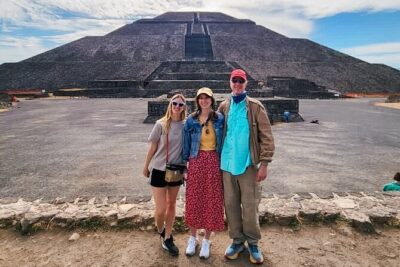 ★ 5.0Teotihuacan Private Tour from Mexico CityFrom $1401 to 5 hours (approx.)
 ★ 5.0Historic Center Food Tour in Mexico CityFrom $1155 hours (approx.)
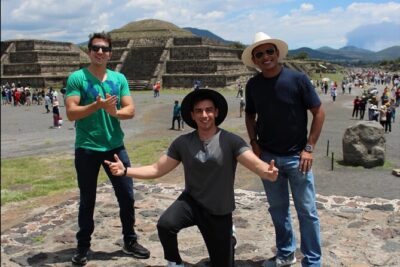 ★ 5.0The best tour to Teotihuacán from Mexico CityFrom $506 to 7 hours (approx.)
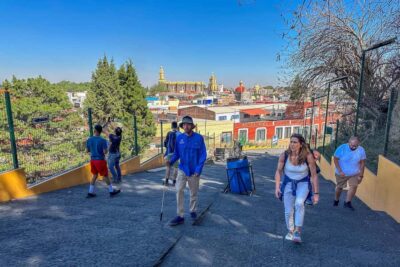 ★ 4.3From Mexico City: Puebla, Cholula and Tonantzintla Day TripFrom $89
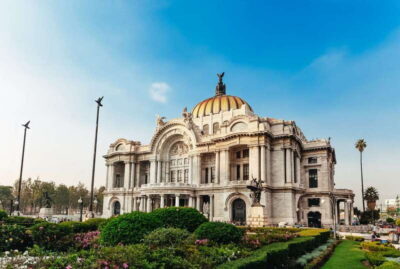 ★ 4.0Mexico City: Hop-on Hop-off Bus TourFrom $211 - 2 days
 ★ 4.8Mexico City: Historic Downtown Walking TourFrom $263 hours