
Reviewed · WORKSHOPS
Authentic Mexican Salsas Workshop
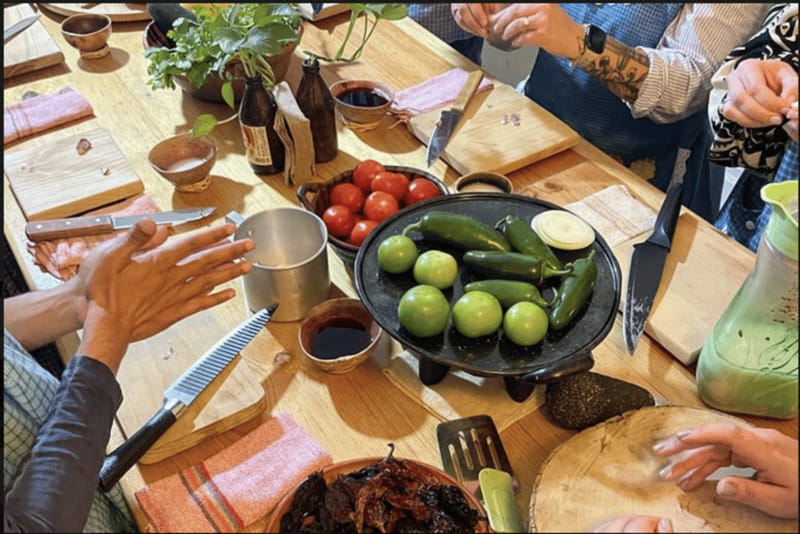
The best part of this Tacuba cooking class starts before anyone turns on a stove. You meet near an ancient church, walk to the local market, and choose the ingredients that will become four very different Mexican salsas. Oscar and Messli lead the class in Spanish and English, with plenty of tasting along the way.
In This Article
- Key points at a glance
- Starting at Tacuba’s ancient church
- Shopping for salsa at Tacuba Market
- Four salsas, four different personalities
- Cooking with Oscar and Messli
- Agua de Jamaica and a table of quesadillas
- The take-home salsa and recipes
- How the 2.5-hour schedule works
- Is the Tacuba setting right for you?
- Who will enjoy this salsa workshop?
- What $93 includes, and what it does not
- Should you book the Mexican Salsas Workshop?
- FAQ
- Where does the salsa workshop meet?
- How long does the experience last?
- How much does the workshop cost?
- What languages are available?
- How many people are in the group?
- What food and drinks are included?
- Do I take anything home?
- Is transportation included?
I like the market visit because it gives the cooking a real neighborhood setting, not a polished studio feel. I also like the practical finish: you make quesadillas, eat as many as you want, and leave with recipes plus a jar of salsa.
One thing to consider is the location. One recent booking described the area between the plaza and cooking space as uncomfortable, with homeless people along the route. Tacuba is not the prettiest part of Mexico City, so this experience suits you best if local atmosphere matters more than a picture-perfect setting.
Key points at a glance
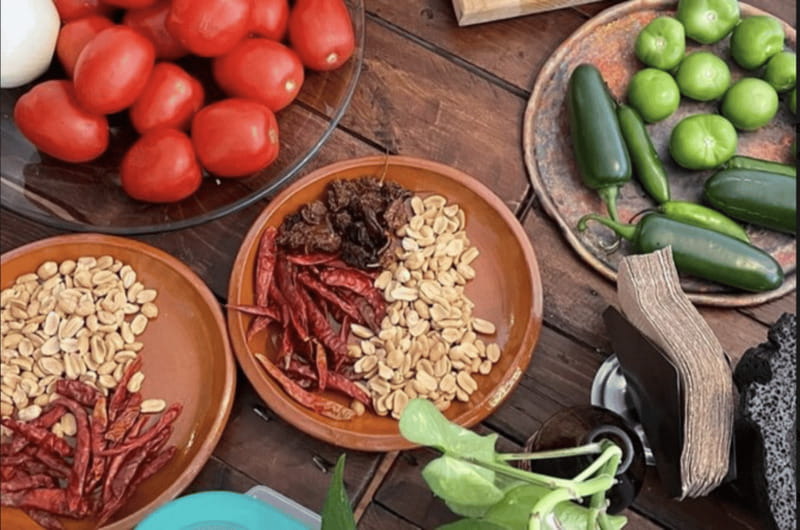
- Four traditional cooking methods: Prepare salsa raw, fried, boiled, and roasted, with different chile choices and heat levels.
- Tacuba Market comes first: Shop for fresh ingredients with the instructors before cooking.
- Oscar and Messli host the class: The experience is available in Spanish and English, sometimes at the same time.
- Quesadillas make it a full meal: Cook and eat as many as you want, with totopos, salsa, snacks, and agua de Jamaica.
- Small groups keep it hands-on: The class is limited to 10 people and includes kitchen equipment.
- You take something home: A jar of fresh salsa and new recipes are included.
Starting at Tacuba’s ancient church
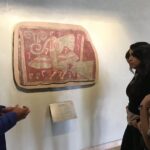
Your meeting point is an ancient church in the heart of Tacuba. The site reaches back to the period before the Spanish arrived in the Americas, giving the class a little historical weight before the food work begins.
The experience does not begin with a long lecture. You use the church as a clear landmark, then head a short distance to Tacuba Market. This is useful if you want a neighborhood experience tied to everyday shopping rather than a cooking lesson that could take place anywhere.
The meeting area also shapes the mood. Tacuba is a large Mexico City neighborhood, not a carefully staged tourist quarter. You should expect a working urban setting, with all the rough edges that can come with it. One booking specifically found the walk between the plaza and the cooking area unpleasant because of homeless people in the area. That does not erase the value of the market, but it is worth knowing before you book.
I would arrive with a little extra time and keep the meeting details handy. Transportation is not included, so you are responsible for getting to the church and returning afterward.
A few more Mexico City tours and experiences worth a look


Shopping for salsa at Tacuba Market
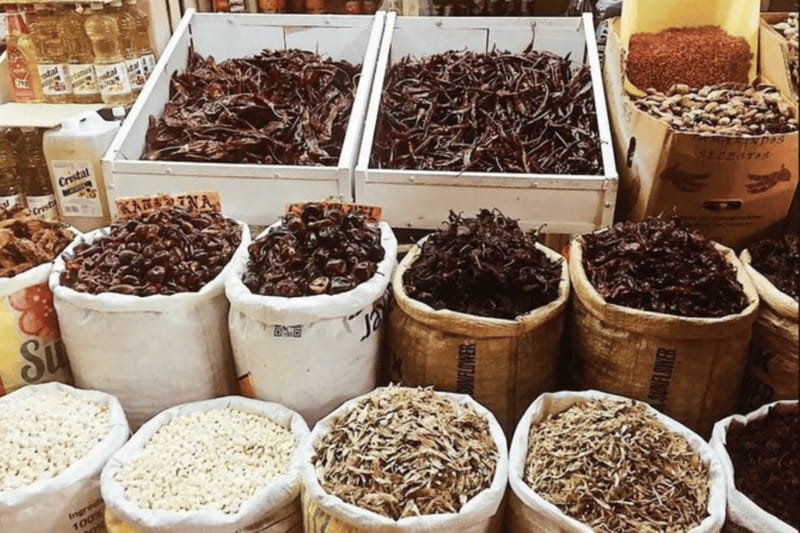
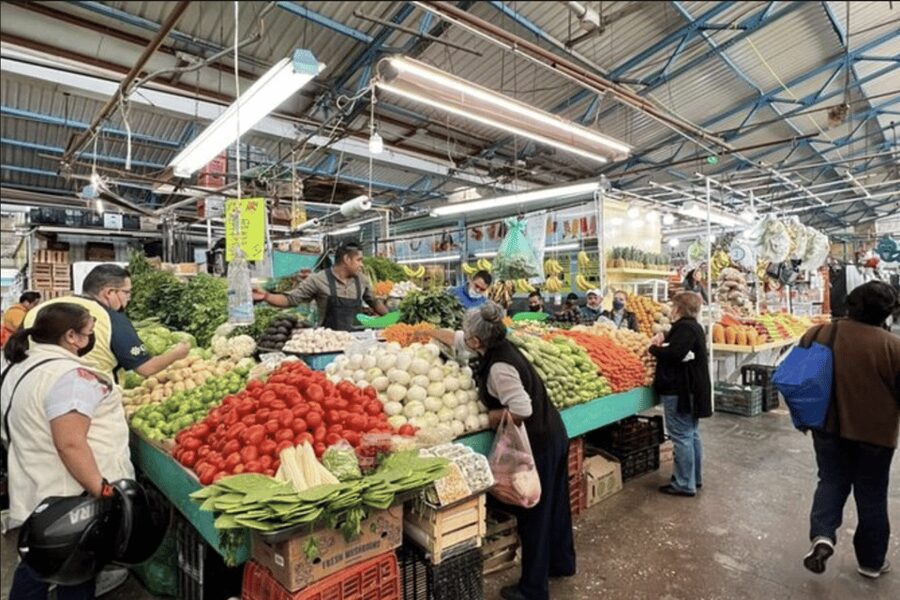
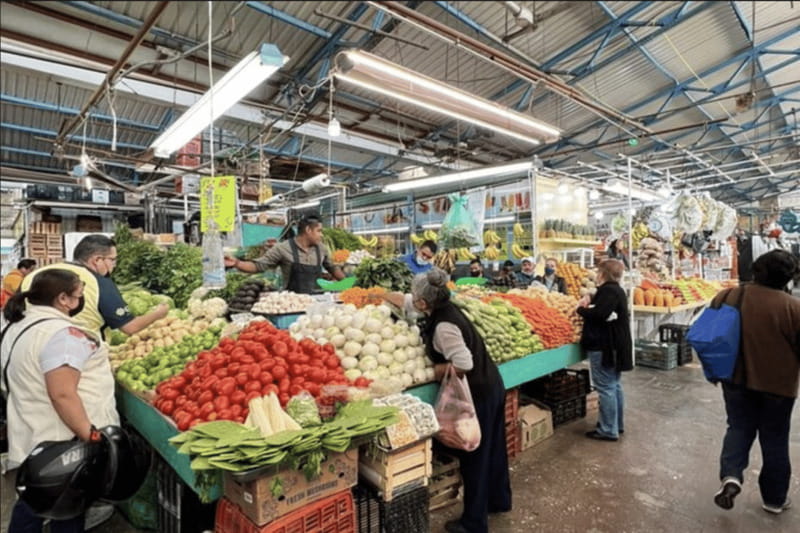
At the market, you shop for the fresh ingredients used in class. This simple stop adds something important: you see the raw materials before they are chopped, cooked, or mixed into a sauce.
The instructors show you how to look for good ingredients, which makes the market more than a quick supply run. You get a practical lesson in the produce behind Mexican salsa, and you can connect each ingredient to the flavor you will taste later.
The market is also where the class feels most local. You are not simply handed a prepared basket. You take part in the buying process, support local commerce, and begin to understand how a familiar Mexican condiment starts with ordinary market produce.
Do not expect a full market tour with every stall explained. The stated focus is shopping for ingredients for the workshop. That keeps the schedule moving and leaves enough time for cooking within the 2.5-hour session.
Four salsas, four different personalities
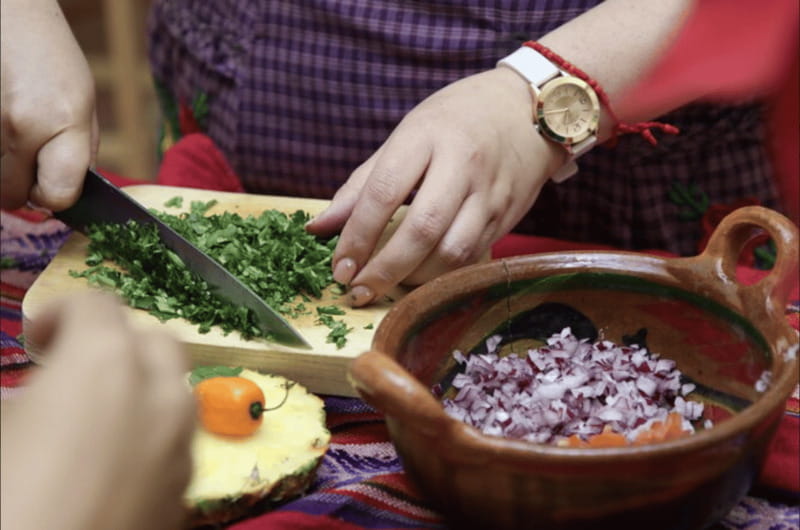
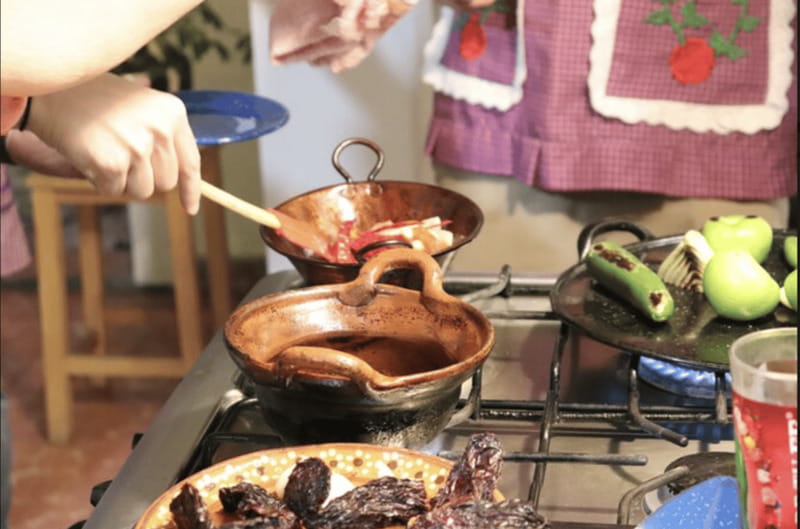
The central lesson is that salsa is not one fixed recipe. You prepare it in four traditional ways:
- Raw
- Fried
- Boiled
- Roasted
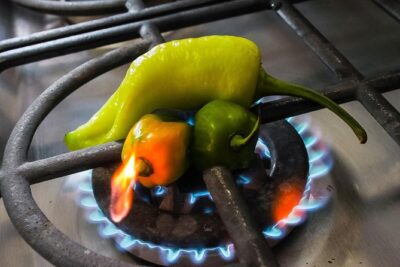
These methods change the taste, texture, and character of the final sauce. A raw salsa keeps a fresh, direct quality. Fried ingredients bring a different depth. Boiling softens the ingredients, while roasting changes them again through heat.
The class also uses different chiles and spice levels. That matters if you are cautious with heat. You can taste as you go and see how the chile affects the finished salsa instead of treating spiciness as a surprise at the table.
This is a good format for a first Mexican cooking class because the lesson is easy to remember. You are not trying to master a long menu of complicated dishes. You are learning four basic approaches that you can repeat at home with ingredients available in your own kitchen.
All the salsas are plant-based. That makes the class useful for vegetarians and vegans, though the included quesadillas should be discussed with the hosts if you have specific dietary needs. The provided information confirms the plant-based salsas, but it does not specify every quesadilla ingredient.
Cooking with Oscar and Messli
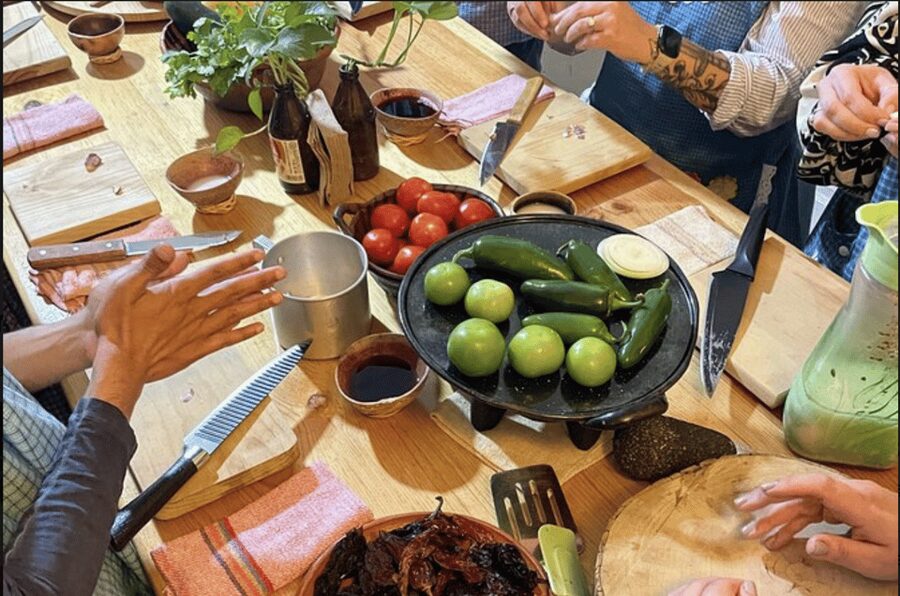
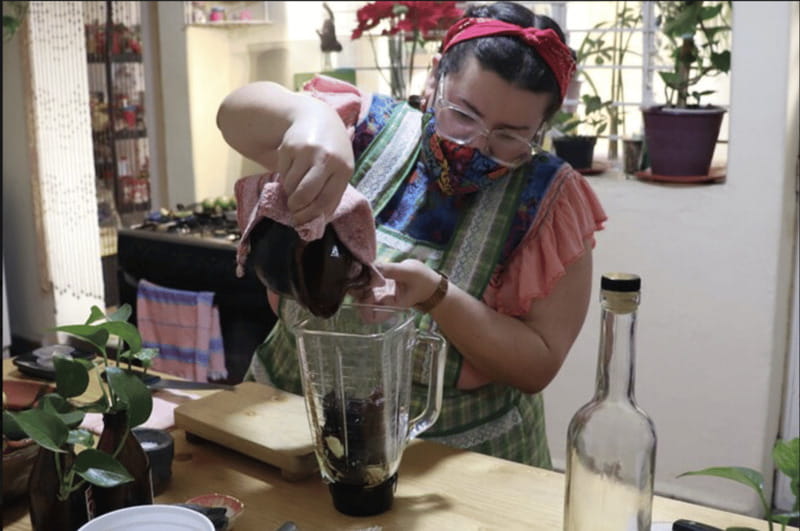
Oscar and Messli host the experience, and their style appears to be central to its appeal. The class is hands-on, so you should expect to help prepare the food rather than watch a chef do all the work.
One recent booking described the hosts as warm and welcoming, with a relaxed class that felt like cooking with friends. That is the right expectation here: conversation, instruction, tasting, and shared work rather than formal culinary training.
The class can be conducted in Spanish and English. It may also be held in more than one language at the same time. If you need a particular language throughout, confirm that when booking instead of assuming every session will use only one language.
The group limit is 10 people. That is small enough to give the class a personal feel and make hands-on participation more likely. It is also large enough for a social meal, which is useful for couples, families, friends, and work teams.
For groups and team-building, the format has a natural advantage. People shop together, compare their preferred spice levels, share kitchen tasks, and sit down to eat what they made. You get a shared activity without the pressure of a serious culinary exam.
Agua de Jamaica and a table of quesadillas
The cooking lesson includes unlimited agua de Jamaica, the deep-colored hibiscus drink common in Mexico. It is served during the tasting and cooking, giving you a refreshing counterpoint to the chiles.
A recent booking singled out the drink as a particularly memorable part of the meal. That makes sense: the tart, fruity style of agua de Jamaica works well beside spicy salsa and helps keep the tasting comfortable.
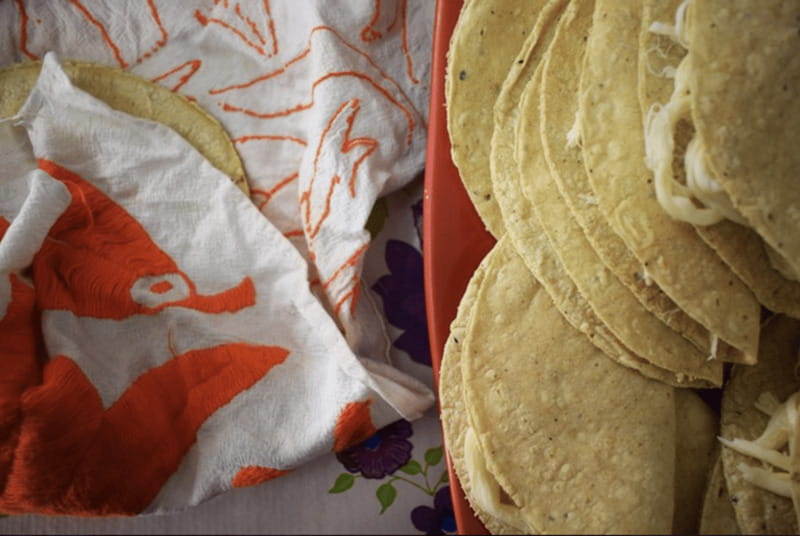
Once the salsas are ready, you prepare quesadillas together. You can eat as many as you want, so this is not a tiny sample passed around at the end of class. Snacks, totopos, salsas, quesadillas, and agua fresca are included.
That food promise affects the value of the experience. At $93 per person, you are paying for more than a recipe demonstration. You are also getting a market visit, guided preparation, a meal, drinks, equipment, recipes, and salsa to take home. If you only want a cheap plate of food, the price will feel high. If you want a social activity with instruction and dinner built in, it is easier to justify.




The take-home salsa and recipes
The final touch is practical. You leave with a jar of fresh salsa and recipes for the dishes prepared in class.
A recipe sheet is more useful than a souvenir that sits on a shelf. You can recreate the four methods at home and adjust the chile level to suit your kitchen. The class may also give you a better sense of how to taste and correct a salsa as it comes together.
The take-home jar gives you an immediate reminder of the day, but you should not treat it as a large food purchase. The included salsa is a small final portion, while the real value is the method and the recipes.
This finish also helps the class feel complete. You shop for ingredients, cook the salsas, make the quesadillas, eat together, and take one prepared item home. The experience has a clear beginning, middle, and end within its 2.5-hour schedule.
How the 2.5-hour schedule works
The timing is fairly compact. You begin at the church, shop at Tacuba Market, move into the cooking portion, prepare four salsas, make quesadillas, eat, and receive the take-home items.
That means you should expect steady activity. The workshop is not designed as a half-day market outing or a long professional cooking course. It gives you a concentrated introduction to salsa and leaves room for conversation and tasting.
A small group helps this schedule work. With no more than 10 participants, the instructors can keep the class moving while still giving people something to do. A larger group could make four salsa methods feel rushed, but the stated limit is sensible for a hands-on format.
The activity is also flexible about scheduling. Different times or days may be arranged, and private groups can request other Mexican dishes such as burritos, tamales, pozole, ceviche, or fish tacos. Those options are not part of the standard salsa session, so ask before booking if you want a private menu.
Is the Tacuba setting right for you?
Tacuba gives the experience its local character, but it also asks you to accept a less polished setting. The market and church are meaningful parts of the neighborhood context. At the same time, the area may not match your idea of a comfortable Mexico City outing.
One booking rated the cooking itself highly but gave the setting a lower mark because of the walk between the plaza and the cooking location. I would take that seriously, especially if you are traveling with children, have mobility concerns, or prefer tourist areas with a more finished look.
Transportation is not included, and no transportation service is described as part of the class. Plan your route to the meeting point at the church and allow enough time to find it.
The setting may suit you if you enjoy seeing a working neighborhood and supporting local businesses. If you want the class to be in a central, stylish, or highly manicured part of the city, this may not be your best choice.
Who will enjoy this salsa workshop?
I would recommend it most strongly to you if you like food experiences with participation built in. You will get more from the class if you want to chop, taste, cook, and ask questions rather than sit quietly for a demonstration.
It is a good match for:
- Couples looking for a shared activity
- Families who enjoy cooking together
- Friends who want a meal with a local angle
- Small work groups seeking a team activity
- Plant-based diners interested in Mexican sauces
- Home cooks who want recipes they can repeat
You should think twice if you dislike chile, want a formal culinary lesson, or need a highly polished setting. The class includes different spice levels, but it is still centered on salsa. The atmosphere is relaxed rather than academic, and the neighborhood setting has a drawback that some people may find significant.
The class also works well early in a Mexico City stay. The market visit and recipes give you a little food context for later meals. You may begin noticing the difference between raw, fried, boiled, and roasted sauces in restaurants and markets around the city.
What $93 includes, and what it does not
The $93 price includes the market-based cooking experience, kitchen equipment, snacks, salsas, totopos, quesadillas, agua fresca, recipes, and a jar of salsa to take home. The food component is generous enough to serve as a meal, especially with unlimited quesadillas and agua de Jamaica.
The price is not a bargain cooking demonstration, but it is reasonable for a small group activity that combines shopping, instruction, and dinner. The strongest value comes if you actively use the recipes afterward. If you only want to taste salsa and leave, you may find less value in the fee.
Transportation is not included. You should also remember that the class lasts 2.5 hours, so the price covers a focused experience rather than an entire day of food touring.
Free cancellation is available up to 24 hours before the activity for a full refund, and you can reserve now and pay later. Those policies give you some flexibility if your Mexico City schedule is still changing.
Should you book the Mexican Salsas Workshop?
Book it if you want a warm, hands-on food class built around real market ingredients, simple techniques, and a full meal. Oscar and Messli bring a personal touch, the four salsa methods give the class a clear teaching purpose, and the recipes and jar of salsa make the experience useful after you return home.
Before booking, make sure you are comfortable meeting in Tacuba and walking through the area near the cooking space. That is the main tradeoff. The cooking receives strong praise, but the setting is not universally comfortable.
For food-minded couples, small groups, and team-building, I would consider this a worthwhile Mexico City activity. For a polished culinary studio, a central tourist setting, or a quiet tasting with no market walk, choose something else.
FAQ
Where does the salsa workshop meet?
You meet at an ancient church in the heart of Tacuba, near Tacuba Market.
How long does the experience last?
The workshop lasts 2.5 hours.
How much does the workshop cost?
The price is $93 per person.
What languages are available?
The instructors speak Spanish and English. The experience may be held in more than one language at the same time.
How many people are in the group?
The group is limited to 10 participants.
What food and drinks are included?
The experience includes snacks, salsas, totopos, quesadillas, and agua fresca. Unlimited agua de Jamaica is provided during the activity.
Do I take anything home?
Yes. You leave with a jar of fresh salsa and recipes to use at home.
Is transportation included?
No. Transportation is not included, so you need to make your own way to the meeting point and leave afterward.
More Workshops & Classes in Mexico City

More tours in Mexico City we've reviewed









Workshops, compared.
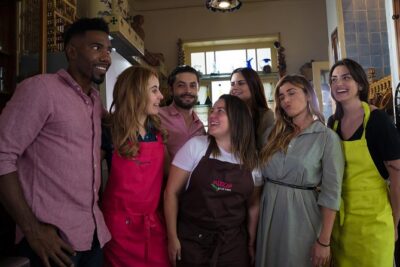 ★ 5.0Mexican Cooking Class with Food Market Visit in Mexico CityFrom $1243 hours 30 minutes (approx.)
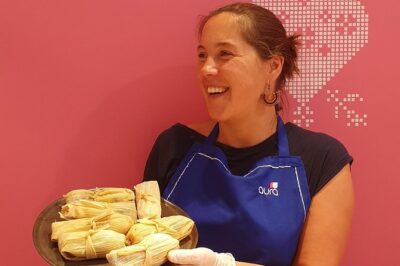 ★ 5.0Essence of Mexico: Authentic Mexican Cooking Class & Market TourFrom $1784 hours 30 minutes (approx.)
 ★ 5.0Mexican Cooking Class & Cocktails in Mexico CityFrom $1323 hours 30 minutes (approx.)
 ★ 5.0Private Mexican Cooking Class with Gastronomic Historian, LuciaFrom $1453 hours (approx.)
 ★ 5.0Mexican Churros Master ClassFrom $702 hours (approx.)
 ★ 4.8Mexico City: Mexican Cooking ClassFrom $1213 hours
 ★ 5.03h Cooking Class in Mexico City: 8 Recipes & Bottomless DrinksFrom $1104 hours (approx.)
 ★ 5.0Private San Angel Tour & Cooking Class in Mexico City with LuciaFrom $1555 hours (approx.)
The lists this tour appears in