
Reviewed · CITY TOURS
From Mexico City: 7-Day Monarch Butterfly Tour
Mexico’s monarch butterflies gather by the millions in the high forests of the State of Mexico, turning a quiet mountain trip into one of the country’s most unusual wildlife experiences. This seven-day tour pairs two sanctuary visits with the Anthropology Museum, Valle de Bravo, and a small group capped at 14 people.
In This Article
- Key points at a glance
- Why this monarch trip feels different
- Day 1: A simple arrival in Mexico City
- Day 2: Aztec history before the mountain road
- Day 3: Riding toward Piedra Herrada
- Day 4: The open prairie at Capulin
- Day 5: A full day beside Valle de Bravo’s lake
- Day 6: Back to Mexico City
- Day 7: An easy airport departure
- What the $2,295 price really covers
- What to pack and what to clarify
- Who will enjoy this seven-day tour
- Should you book it?
- FAQ
- Where does the tour begin?
- How long is the tour?
- What languages does the guide speak?
- How many people are in the group?
- Which hotels are used?
- What meals are included?
- Can I cancel the booking?
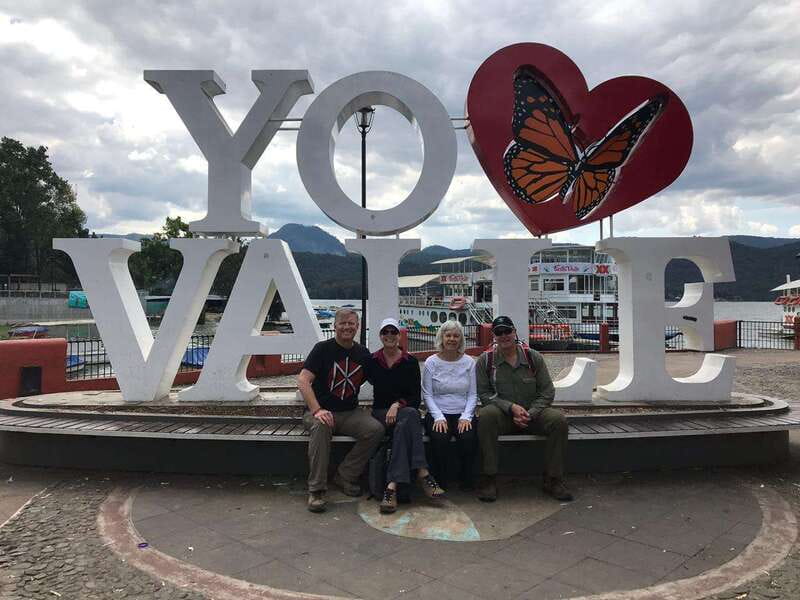
I like the mix of guided nature time and breathing room. I also like that you visit both Piedra Herrada, a wilder sanctuary reached mostly by horse, and Capulin, known for the broad Los Tres Gobernadores prairie. The drawback is the price: at $2,295 per person, you still pay separately for lunches, dinners, drinks, flights, and personal expenses.
Key points at a glance
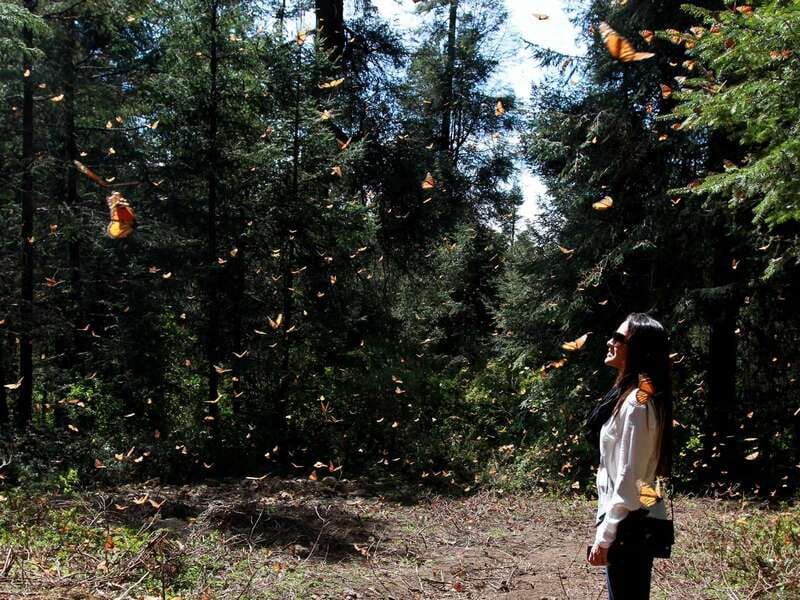
- Two different butterfly sanctuaries: Piedra Herrada offers a remote mountain setting, while Capulin gives you a wide view across Los Tres Gobernadores.
- Horse travel is part of the experience: You ride most of the way to the butterflies at Piedra Herrada, so this is not simply a roadside wildlife stop.
- A strong Mexico City opening: The Anthropology Museum gives the trip cultural weight before you leave for the mountains.
- Valle de Bravo is more than an overnight base: You get a full free day for kayaking, sailing, water-skiing, or your own plans.
- Small-group transport: With no more than 14 participants and a bilingual Spanish and English guide, the trip should feel more personal than a large coach tour.
- The best season matters: The butterflies are present in their winter sanctuary during the tour’s operating period, but you should check dates and availability before booking.
Why this monarch trip feels different
Many Mexico tours focus on cities, food, beaches, or ancient ruins. This one takes you into a highland region where the main attraction is seasonal and easily missed without local planning. The monarchs migrate south from North America and spend the winter in the forests around the State of Mexico, making their presence part of a specific annual cycle.
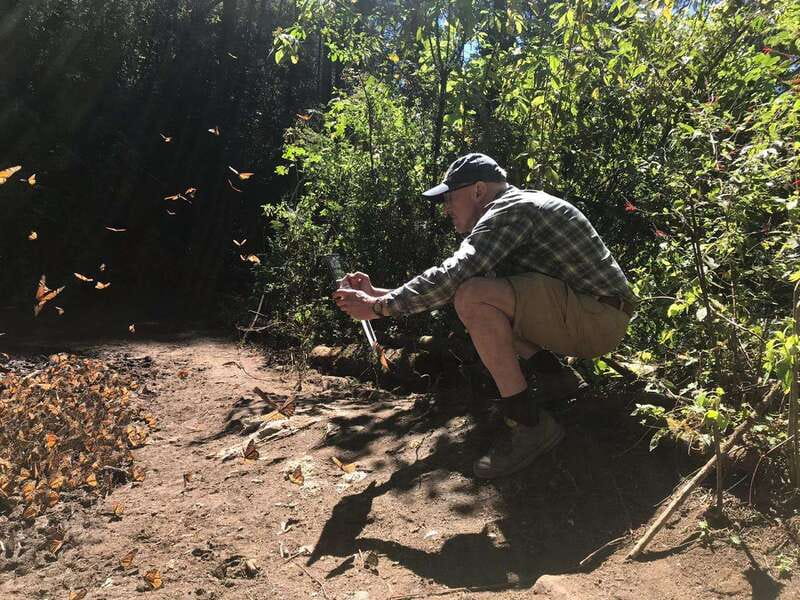
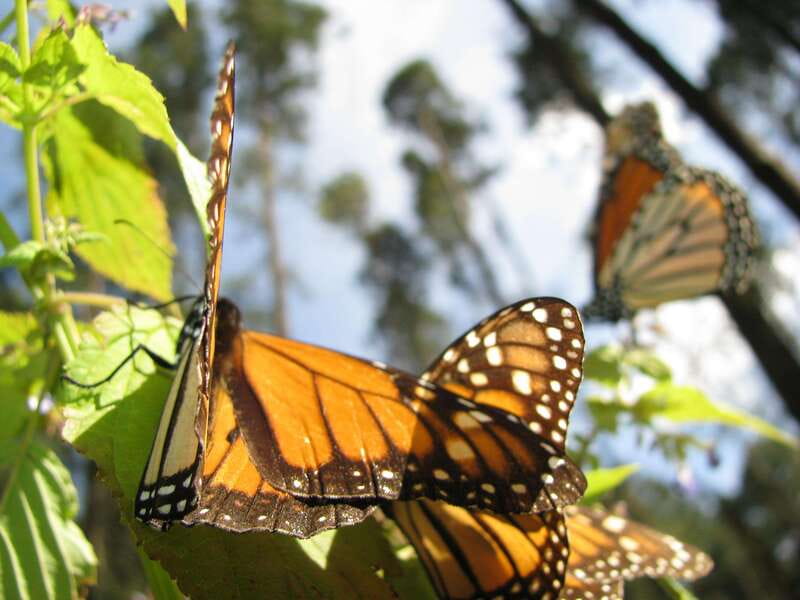
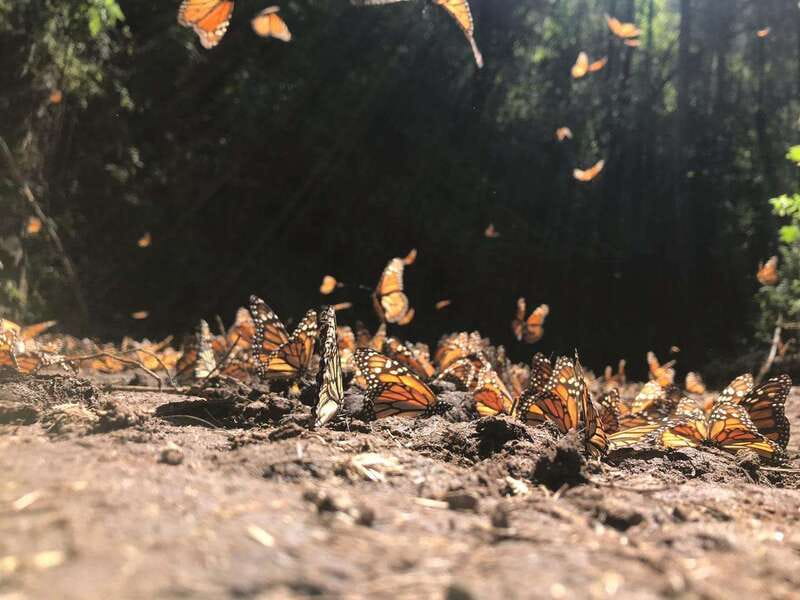
You are not simply looking at a few butterflies in a garden. At the sanctuaries, the experience is built around reaching the colonies in their mountain setting. Depending on conditions, you may see butterflies clustered in trees, moving through the air, or spreading across a sunny opening.
That setting also means you need to accept a little physical effort. Piedra Herrada involves traveling by horse for most of the route, and the sanctuary sites are in mountain country. The supplied information does not give walking distances, elevation, or riding requirements, so ask the operator about those points if you have mobility concerns or little riding experience.
The small group size helps here. A maximum of 14 people gives the guide a reasonable chance to answer questions, keep the group together, and adjust explanations for both English and Spanish speakers. It also makes transfers and meal planning less cumbersome than they would be with a full-size bus.
Other city tours we've reviewed in Mexico City

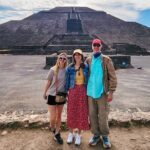
Day 1: A simple arrival in Mexico City
Your trip begins at Mexico City International Airport, International Terminal 2. Look for a guide holding a card with your name. That small detail matters after a long flight, especially in a large airport where meeting points can feel confusing.
You are transferred to the Cathedral Hotel, or a similar property, and then attend a welcome briefing. The guide explains the week’s activities and security arrangements, along with facts about monarch butterflies in Mexico.
This first day is not packed with sightseeing, and that is sensible. You have time to check in, settle down, and understand the travel plan before the early nature-focused days begin. Since airfares are not included, you should allow enough time between your arrival flight and the airport pickup arrangements.
Day 2: Aztec history before the mountain road
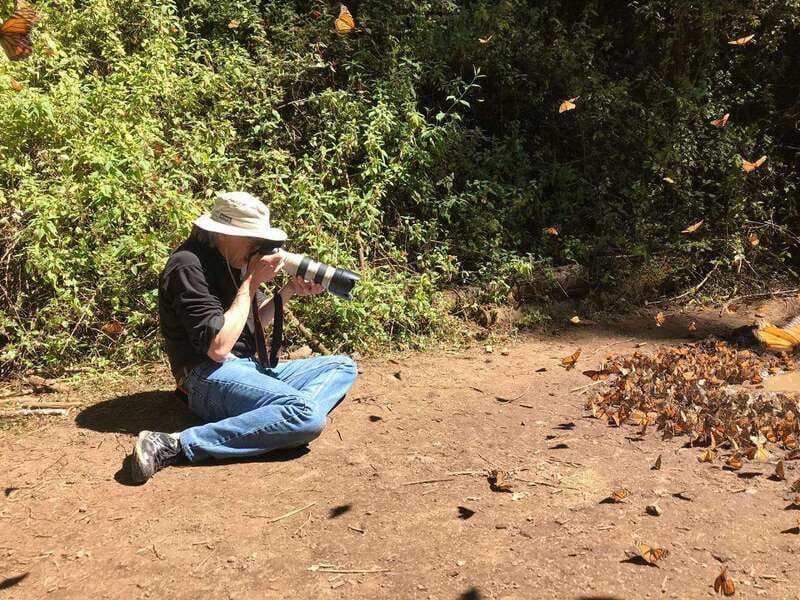
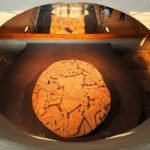
The Anthropology Museum is one of the major reasons this tour works as a complete Mexico experience rather than a single-theme wildlife outing. Its 23 exhibition halls cover a large range of archaeological material, and the Aztec Sunstone is the famous centerpiece.
You will not see every room in meaningful detail during a short visit, so listen closely to the guide’s priorities. The museum gives useful context for Mexico’s Indigenous civilizations before you head into the State of Mexico, where rural communities and mountain traditions shape the next part of the trip.
After the museum, you travel to Valle de Bravo. The town sits beside a man-made lake and is surrounded by mountains. It is known for hotels, restaurants, an equestrian club, golf courses, and water sports, so it is more than a practical base for the butterfly sites.
You stay at the Mesón de las Leyendas Hotel, or a similar property. Accommodation substitutions are possible, so you should treat the named hotels as examples rather than guarantees. If a particular room type or hotel standard matters to you, confirm it before paying.
Day 3: Riding toward Piedra Herrada
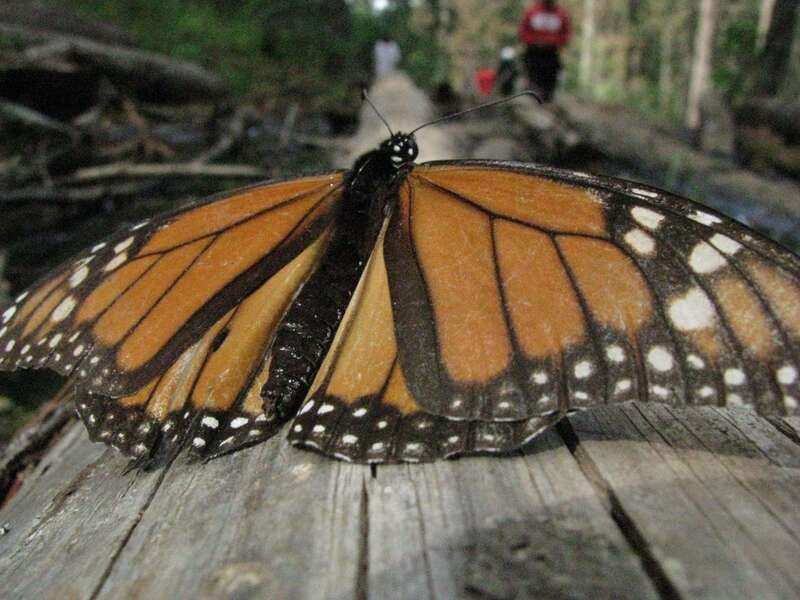
Piedra Herrada is described as the newer place to watch monarch butterflies on this trip. You travel by horse for most of the route, then reach the area where the colonies are located.
That approach gives the day a stronger sense of going somewhere. You are not stepping out of a vehicle beside an exhibit. You are moving through a wilder setting, with the sanctuary itself as the reward at the end of the route.
The remote character is also the main tradeoff. Facilities and comfort may be simpler than at a more established site, and the information provided does not specify the exact riding time, trail condition, or horse arrangements. Wear clothing that can handle dust, sun, and changing mountain weather. Bring a hat, sunglasses, insect repellent, and practical shoes or riding footwear.
Keep your expectations realistic about wildlife. Monarchs are living creatures, not a scheduled performance. The guide can take you to the right area, but weather and seasonal conditions affect how active the butterflies are.
You return to the Mesón de las Leyendas that evening. Staying in the same hotel keeps the day manageable and avoids another change of base after a mountain excursion.
Day 4: The open prairie at Capulin
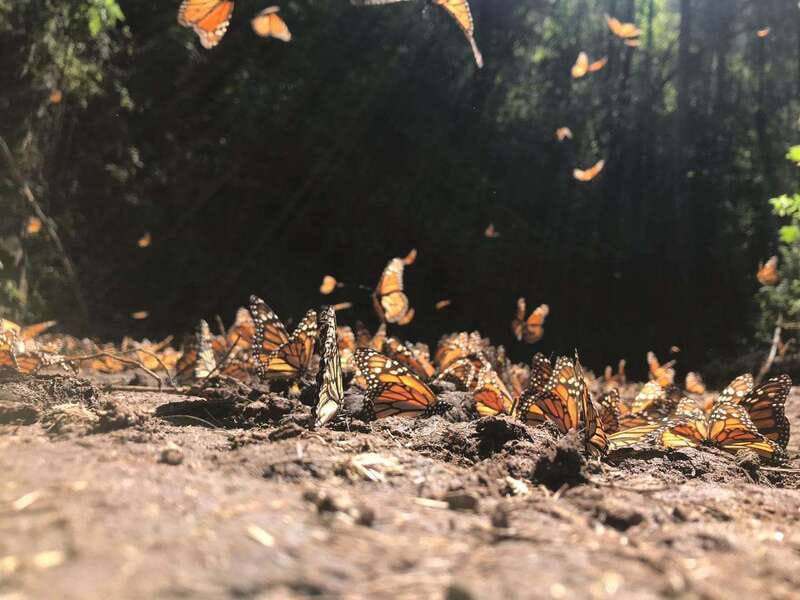
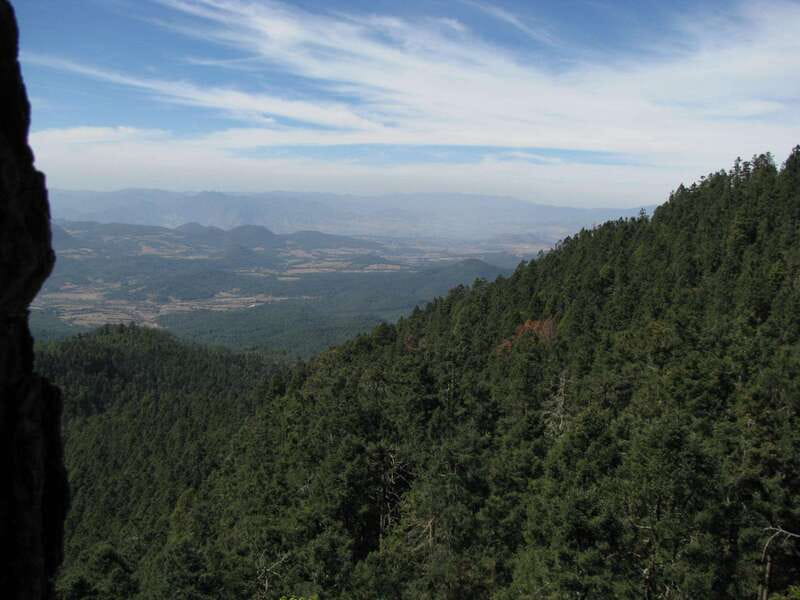
Capulin offers a different visual experience. Los Tres Gobernadores is described as the largest and most beautiful prairie in the monarch region, giving you a broad open area rather than only a forested colony site.
The access point and the location of the hibernation colonies make it possible to watch vegetation change across the area. That detail will appeal to you if plants, seasonal color, and habitat matter as much as the butterflies themselves.
This is a useful contrast with Piedra Herrada. One day centers on a more remote route and horseback travel. The next focuses on a wide natural setting and the way the colony fits into its surroundings. Seeing both places makes the tour feel less repetitive.
Again, the operator does not provide a precise walking schedule or difficulty rating. Ask before booking if you need a detailed account of trail surfaces, rest stops, or horse use. The trip includes transportation and entrance fees, but it does not include meals beyond breakfast, so plan for food during sanctuary days.
A few more Mexico City tours and experiences worth a look

Day 5: A full day beside Valle de Bravo’s lake
The free day is one of the smartest parts of the schedule. After two sanctuary visits, you can slow down instead of racing into another attraction.
Valle de Bravo’s life is tied to its lake. The water is described as calm and suitable for sailing, water-skiing, and kayaking. You choose an activity for the afternoon, or simply use the time to explore town at your own pace.
There is no stated allowance for a particular lake activity, so assume you will arrange and pay for your choice unless the operator tells you otherwise. The same applies to extra meals, drinks, and personal purchases.
I would use this day for a balance of activity and rest. The tour gives you a rare chance to make your own plans, and the guide can help with suggestions about what is sensible in Valle de Bravo and Mexico City. That local advice is especially useful because a free day can otherwise disappear into indecision.
You spend another night at the Mesón de las Leyendas. Three nights in the same Valle de Bravo hotel reduce packing and make the middle of the week feel settled.
Day 6: Back to Mexico City
The morning is free for rest. That slower start is welcome after the sanctuary outings, particularly if you have spent much of the previous days outdoors.
Later, you return to Mexico City and check back into the Cathedral Hotel, or a similar property. The schedule does not list additional sightseeing in the capital, so use the evening for a relaxed meal or a final walk if time and energy allow. Since dinner is not included, budget for it separately.
The return to the city also gives you a little protection against a rushed departure. You are already near your final airport transfer rather than trying to come down from Valle de Bravo on the morning of an international flight.
Day 7: An easy airport departure
On the final day, you transfer to the airport for your departure flight. The exact departure transfer time is not provided, so give the operator your flight details early and confirm when you will be collected.
The meeting point information is clear for arrival, with International Terminal 2 and a name card held by the guide. For departure, the key practical step is leaving enough time for traffic and airport procedures in Mexico City.
What the $2,295 price really covers
The price includes transportation, lodging, breakfast, entrance fees, and a bilingual guide. It also includes a small group, with no more than 14 participants. For a seven-day trip with several hotel nights, private tour transport, two sanctuary visits, museum entry, and airport transfers, that package can make sense for you if you value convenience and guided planning.
Still, the total cost will be higher than $2,295. You must add international or domestic airfares, six or more lunches and dinners, beverages, and personal expenses. Optional lake activities on the free day may add another cost, depending on what you choose.
The value rests heavily on the guide and driver. A strong naturalist guide can explain butterfly behavior, help you understand sanctuary rules, and make the free day useful. The experience has received a 4.4 rating based on four reviews, and the strongest praise has focused on the guide, driver, and the sheer number of butterflies seen.
One especially useful detail from a recent February trip is that the group visited both El Rosario and a smaller, more local site. The advertised schedule names Piedra Herrada and Capulin, so you should not assume El Rosario is guaranteed. But the example shows that the operator may adapt the exact sanctuary mix to conditions or local planning. Ask which sites are confirmed for your dates.
What to pack and what to clarify
The recommended list includes sunglasses, a sun hat, biodegradable sunscreen, insect repellent, and weather-appropriate clothing. Mountain weather can shift, so layers are a sensible choice even though the supplied information does not give exact temperatures.
There is one confusing instruction: the packing list says to bring biodegradable sunscreen, while the prohibited-items section says sunscreen is not allowed. Do not guess. Ask EcoColors Tours which rule applies, and follow the stricter instruction until you receive a clear answer.
You should also clarify:
- The exact hotel names and room arrangements
- The amount of horseback travel at Piedra Herrada
- Walking distances and trail difficulty at both sanctuaries
- Which sanctuary visits are confirmed for your dates
- What costs apply to lake activities
- Pickup timing for your arrival and departure flights
Free cancellation is available up to 24 hours before the tour for a full refund, and you can reserve now and pay later. Those terms help if your dates are not fully fixed, but check the final booking conditions before confirming.
Who will enjoy this seven-day tour
This trip suits you if butterflies, nature, and Mexican culture all appeal to you. It works particularly well for couples, families with older children, and friends who want a shared experience without planning every transfer and hotel themselves.
You should be comfortable with a multi-day schedule, mountain travel, outdoor exposure, and a horseback approach to one sanctuary. It is not the best match if you want a luxury resort holiday, a fully flexible self-drive trip, or a city-focused Mexico vacation.
The free day makes the pace more balanced, while the small group keeps the guided sections from feeling impersonal. If your main goal is to see monarchs in a natural setting and you also want a taste of Mexico City culture, the combination is convincing.
Should you book it?
Book this tour if you want the logistics handled and place a high value on seeing monarch butterflies at more than one sanctuary. The strongest reasons are the two contrasting nature sites, the Anthropology Museum, the Valle de Bravo free day, and the small group size.
Think twice if $2,295 is only the starting point you can afford, since meals, drinks, flights, and optional activities are extra. Before booking, confirm the sunscreen rule, riding details, sanctuary locations, and hotel arrangements. If those answers suit you, this is a focused and unusual way to connect Mexico City’s culture with the country’s remarkable winter butterfly season.
FAQ
Where does the tour begin?
It begins at Mexico City International Airport, Benito Juarez, in International Terminal 2. The address is Av Capitan Carlos León S/N, Peñón de los Baños, Venustiano Carranza, 15620 Ciudad de México, CDMX. Your guide will hold a card with your name.
How long is the tour?
The tour lasts seven days, including arrival in Mexico City, the return to Mexico City on day six, and the airport transfer on day seven.
What languages does the guide speak?
The live guide service is available in Spanish and English.
How many people are in the group?
The group is limited to 14 participants.
Which hotels are used?
The listed hotels are the Cathedral Hotel in Mexico City and the Mesón de las Leyendas in Valle de Bravo, or similar properties.
What meals are included?
Breakfast is included. Lunch, dinner, beverages, and personal expenses are not included.
Can I cancel the booking?
You can cancel up to 24 hours in advance for a full refund. The tour also offers a reserve-now, pay-later option.
More 7-Day Experiences in Mexico City
More City Tours in Mexico City

More tours in Mexico City we've reviewed


City Tours, compared.
 ★ 4.6Mexico City: Teotihuacan, Tlatelolco & Guadalupe Shrine TourFrom $49
 ★ 5.0Teotihuacan Hot Air Balloon Flight from Mexico City / VolareFrom $1553 to 9 hours (approx.)
 ★ 5.0Teotihuacan Private Tour from Mexico CityFrom $1401 to 5 hours (approx.)
 ★ 5.0Historic Center Food Tour in Mexico CityFrom $1155 hours (approx.)
 ★ 5.0The best tour to Teotihuacán from Mexico CityFrom $506 to 7 hours (approx.)
 ★ 4.3From Mexico City: Puebla, Cholula and Tonantzintla Day TripFrom $89
 ★ 4.0Mexico City: Hop-on Hop-off Bus TourFrom $211 - 2 days
 ★ 4.8Mexico City: Historic Downtown Walking TourFrom $263 hours